Prague, Kutná Hora and Český Krumlov
Classic Bohemia: Prague, the Sedlec ossuary and St Barbara's Cathedral in Kutná Hora, České Budějovice and the fairy-tale town of Český Krumlov.
- Praha
- Kutná Hora
- České Budějovice
- Hluboká
- Český Krumlov
Day by day
- Day 1
Prague: the Old Town and the Jewish quarter
This trip is the classic seven day tour of Bohemia: three days in Prague, then Kutná Hora with the Sedlec Ossuary and the Cathedral of St Barbara, Hluboká Castle and České Budějovice, and finally Český Krumlov, the fairy-tale town on the Vltava. It is easy to do by train and bus.
Before you go: the Czech Republic is part of the European Union and the Schengen area, but it uses the Czech koruna. Italian citizens only need a valid electronic identity card or passport; the paper identity card has not been valid for travel abroad since 3 August 2026. Other nationalities should check their own rules. The United States rates the country level 1, the lowest. In Prague pickpocketing is common in Wenceslas Square, on Charles Bridge and on trams: keep your wallet and phone in a closed pocket. Do not hail taxis in the street.
The first day is for the Old Town. Start in Staroměstské náměstí, with the Church of Our Lady before Týn and its two pointed towers, and watch the astronomical clock on the town hall as it strikes the hour. Climb the town hall tower to look over the roofs. Check prices and times.
Then walk through the narrow streets to Josefov, the Jewish quarter. With a single Jewish Museum ticket you visit the historic synagogues and the Old Cemetery, one of the oldest in Europe, with its tightly packed, tilting headstones beneath the trees. Check prices and times.
In the evening stroll along the Vltava to the National Theatre, with its golden roof.
Sleep in Prague, for three nights.
Practical tip: to withdraw cash use the machines inside banks. When the machine offers to charge you in euros, refuse and choose koruna: the rate is better.
- Day 2
Prague: Charles Bridge, Malá Strana and the Castle
Start early, while the city is still asleep, and cross Charles Bridge. With few people about you can take your time over the statues of saints, including St John of Nepomuk, who according to tradition was thrown into the river from this very spot.
On the other side is Malá Strana, the district beneath the Castle, with Baroque domes, palaces and gardens. Go into St Nicholas Church, one of the great examples of Baroque in central Europe. Check prices and times.
Then climb to Prague Castle along steep Nerudova street, with the old signs on its houses. The Castle was the seat of the kings of Bohemia and today of the President of the Republic. Visit St Vitus Cathedral, where the crown jewels are kept and the kings are buried, the Old Royal Palace, St George's Basilica and Golden Lane, where Franz Kafka lived for a while. Check prices and times.
In the afternoon leave the Castle towards the Royal Garden or the garden on the ramparts, when they are open, with views over the city.
In the evening go back down to Malá Strana and have dinner in one of its quiet streets.
Practical tip: at the Castle, security checks at the entrance can cause queues. Bring only a small backpack and arrive before ten.
- Day 3
Prague: Strahov, Petřín and Vyšehrad
Your third day in Prague is for the hills. In the morning take the tram to Strahov Monastery and look at the two Baroque halls of its library, with their frescoes and ancient books. Check prices and times.
Then walk down across Petřín hill, through orchards and gardens, to the iron lookout tower, like a small Eiffel Tower. From the top you see the Castle, the Vltava and the bridges. Check prices and times. Go back down on the funicular, which runs from the hillside to the Malá Strana district, close to the river.
In the afternoon cross the river to Wenceslas Square, the heart of the New Town, then take the metro to Vyšehrad, the fortress on the cliff south of the centre. Walk along the walls above the river, go into the Basilica of St Peter and St Paul and visit the cemetery where Dvořák, Smetana and other great Czech artists rest.
In the evening try Czech cooking in a local beer hall: svíčková, beef with cream sauce and knedlíky, or roast duck with red cabbage, with a draught pale lager.
Practical tip: buy your train tickets today for Kutná Hora and the following stages. On the railway website or the official app, tickets bought in advance often cost less and some include a reserved seat.
- Day 4
Kutná Hora: the ossuary and St Barbara's
In the morning leave Prague. By train you reach Kutná Hora in about an hour; the main station is in the Sedlec district, near the ossuary. In the Middle Ages Kutná Hora was one of the richest towns in Europe, thanks to its silver mines, and its centre is a UNESCO World Heritage Site.
Start with the Sedlec Ossuary, a small chapel beneath the Church of All Saints decorated with the bones of thousands of people: chandeliers, garlands and a coat of arms made of skulls and bones. It is striking, but it is a sacred place: go in quietly. Check prices and times. Not far away is the great Cathedral of the Assumption, Gothic and Baroque.
Then take the bus or walk into the centre. Visit the Cathedral of St Barbara, patron saint of miners, with spires like tents and star vaults. Inside, frescoes show miners and minters at work. Check prices and times. Then go to the Italian Court, the old mint, where the silver Prague groschen were struck, and, if you like, go down into an old mine tunnel wearing a helmet and overalls. Check prices and times.
In the evening go back to Prague or, better, sleep in Kutná Hora and set off early the next day.
Practical tip: buy the combined ticket for the ossuary and St Barbara's. The two sites are about three kilometres apart: take the local bus if it is hot.
- Day 5
Hluboká Castle and České Budějovice
Today you head down into South Bohemia. From Kutná Hora to České Budějovice the train journey takes a few hours, with one change; by car it takes about two and a half hours.
Stop first at Hluboká nad Vltavou, about ten kilometres from České Budějovice. Its white castle, rebuilt in the nineteenth century in English neo-Gothic style on the model of Windsor Castle, is one of the most photographed in the country. Inside are rooms full of carved wood, tapestries and weapons. Check prices and times. Then walk in the large English park that surrounds the castle.
In the afternoon arrive in České Budějovice, the capital of South Bohemia. Its heart is Přemysl Otakar II Square, one of the largest in the Czech Republic, square in shape, with arcades all round and the Samson Fountain in the middle. Climb the Black Tower, the bell tower next to the cathedral, to see the square from above. Check prices and times.
České Budějovice is famous around the world for its beer, brewed here for centuries. In the evening taste it on draught in a beer hall in the centre, with a dish of pond fish, such as carp, typical of the region.
Sleep in České Budějovice.
Practical tip: at Hluboká Castle the guided tours follow different routes and have limited places. In summer book online on the official castles website.
- Day 6
Český Krumlov: the castle and the old town
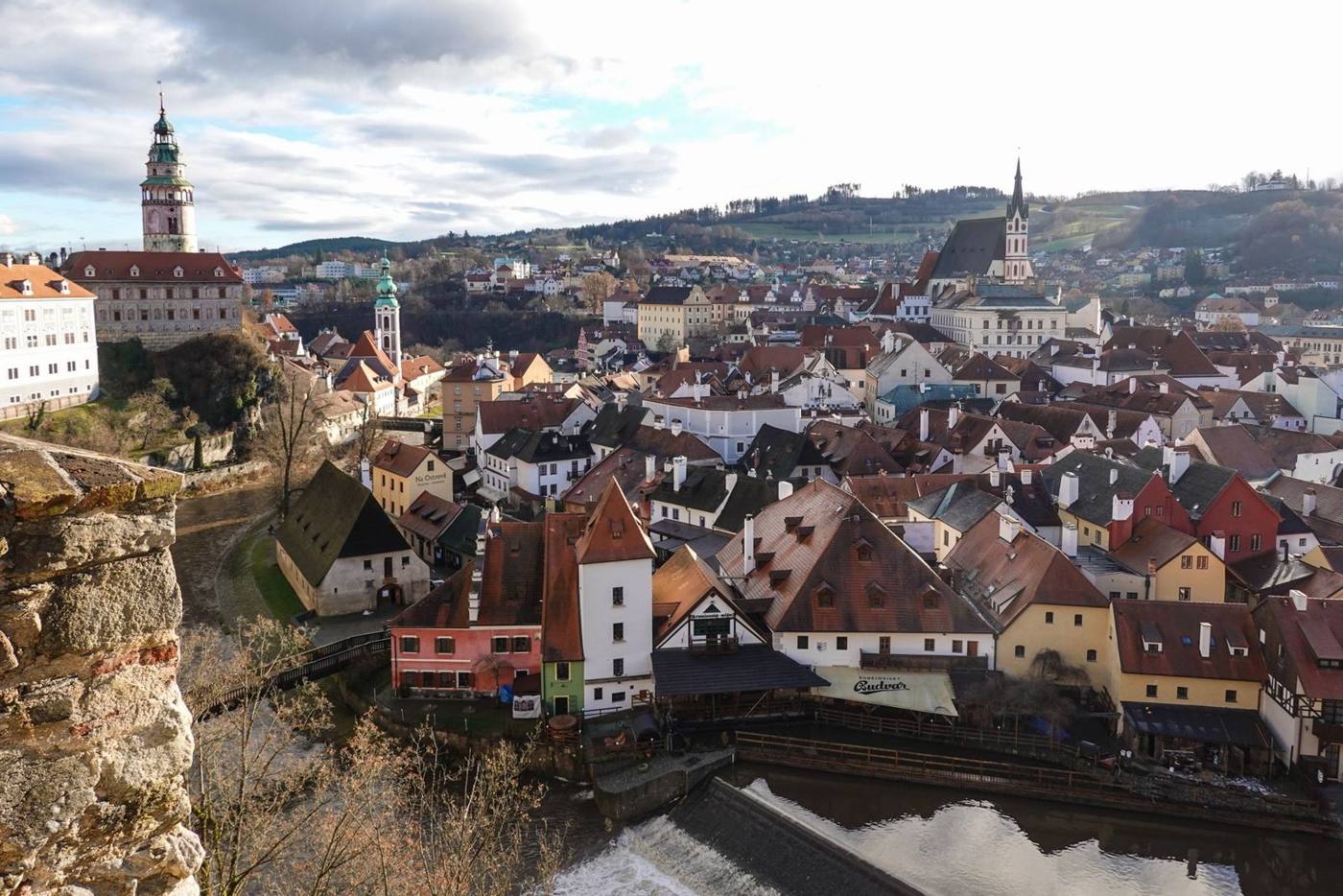
In the morning take the train or bus to Český Krumlov, about half an hour away. The town, a UNESCO World Heritage Site, is built in a tight bend of the Vltava, with medieval and Renaissance houses, red roofs and a great castle on a cliff. It is stunning, but small and crowded by day: sleep here to see it empty in the evening and morning.
Visit the castle, the second largest castle complex in the country after Prague's. Climb the painted tower, the symbol of the town, for the best view. Then cross the Cloak Bridge, a covered bridge on several levels linking parts of the castle above a ravine, and walk in the Baroque gardens at the top. Check prices and times.
The castle has one of the best preserved Baroque theatres in Europe, with its original scenery and stage machinery. It can only be visited with a guide and in certain months: check prices and times.
In the afternoon go down into the old town. Walk around the main square and the narrow lanes nearby, to the Gothic Church of St Vitus, and along the Vltava, which runs fast between the houses here.
In the evening, once the groups have left, go back to the viewpoint below the castle to see the town lit up.
Practical tip: Český Krumlov is full of tour groups between ten and four. Take your photos of the old town and bridges early in the morning or at sunset.
- Day 7
The Vltava by canoe and departure
Last day. If the weather is good, paddle down the Vltava by canoe or raft. The classic route starts just above the centre and runs through the town beneath the castle, with a few small rapids and chutes over the old weirs, then continues through woods and meadows. Hire a canoe and always wear a life jacket. Check prices and times.
If you do not like the water, walk up Křížová hora, the hill above the town, with a small church and a Way of the Cross, or visit the regional museum in the centre. Check prices and times.
In the afternoon set off. Prague is about three hours away by bus or train. Český Krumlov is also close to Austria: Linz is just over an hour away, Salzburg about three.
In these seven days you have seen classic Bohemia: the Old Town, the Jewish quarter, Charles Bridge and Prague Castle, Strahov, Petřín and Vyšehrad, the Sedlec Ossuary and St Barbara's in Kutná Hora, Hluboká Castle, the square in České Budějovice and Český Krumlov with its castle on the Vltava.
When to go: the best months are May to October. In summer canoeing on the Vltava is very popular and weekends are crowded; June and September are the most pleasant. In winter the castles of Hluboká and Český Krumlov open little or stay closed.
Practical tip: in a canoe put your phone and documents in a waterproof bag. It is easy to capsize on the weir chutes.
Bohemia's finest tour, easy by train and bus. Český Krumlov is gorgeous but small and crowded by day: stay overnight. In summer canoeing down the Vltava is very popular. From Český Krumlov it is easy to continue to Austria, to Linz or Salzburg.
Before you go
- Documents and visa
- EU citizens need a valid identity card or passport: the Czech Republic is in the EU and the Schengen area, so no visa is needed. Always carry your document. Other nationalities should check the Schengen rules.
- Health and vaccines
- No vaccines required. EU citizens should bring their EHIC, which covers urgent care only: insurance with repatriation is recommended. Woods and countryside have ticks that can carry encephalitis: ask your doctor about the vaccine. Emergencies: 112, ambulance 155, police 158, fire 150.
- Money and payments
- Czech koruna, not the euro. Cards are accepted almost everywhere. Avoid street money changers and exchange offices with hidden fees: use bank cash machines or change money at a bank. Motorways need an electronic vignette: buy it only on the official edalnice.cz website. The drink driving limit is zero.
- Power sockets
- Type E, 230 volts: you need an adapter for British plugs.
- Time zone
- Central European Time (UTC+1, summer UTC+2).
- Safety
- A safe country: the United States rates the Czech Republic level 1, the lowest. In Prague pickpocketing is common in Wenceslas Square, on Charles Bridge, at Můstek station, on trams and on airport transport. Do not hail taxis in the street, use known companies or apps. Beware of fake plainclothes police asking to see your passport and money. Official advice: GOV.UK.
Information checked in November 2026 for Italian and EU citizens. Rules change: always check before you travel.
Variations
In 5 days: two days in Prague, one in Kutná Hora and two in Český Krumlov, with a stop at Hluboká on the way.
In 10 days: add Třeboň and its ponds, Telč and Moravia, and finish in Brno or Vienna.
Frequently asked questions
Can you do the trip without a car?
Yes, it is one of the easiest tours by train and bus. Prague, Kutná Hora, České Budějovice and Český Krumlov are well connected. For Hluboká there is a bus from České Budějovice.
Is it worth sleeping in Český Krumlov?
Yes. By day the town is full of groups on day trips from Prague and Austria. In the evening and early morning it is quiet and far more beautiful.
Is the canoe trip difficult?
The classic stretch is easy and suitable for beginners, but there are a few chutes over the weirs. Always wear a life jacket and avoid the river after heavy rain.
Indicative itinerary written by World Atlas. Before booking, check timetables, seasonal openings, documents and safety.
 3 daysModerate
Bohemian Switzerland
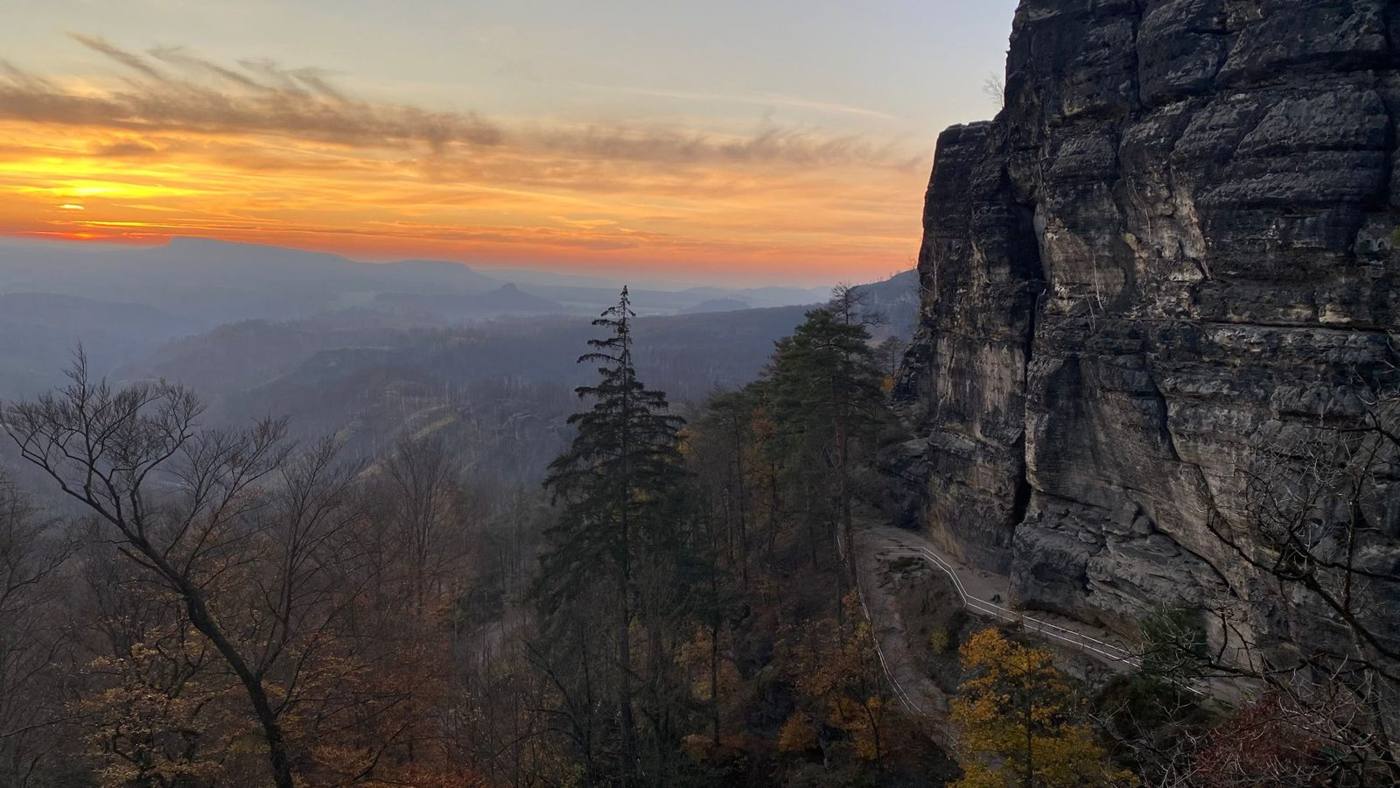
Europe's largest natural arch, Pravčická brána, the Kamenice gorges by boat and the sandstone towers on the border with Saxon Switzerland.
 4 daysEasy
Moravian wine country
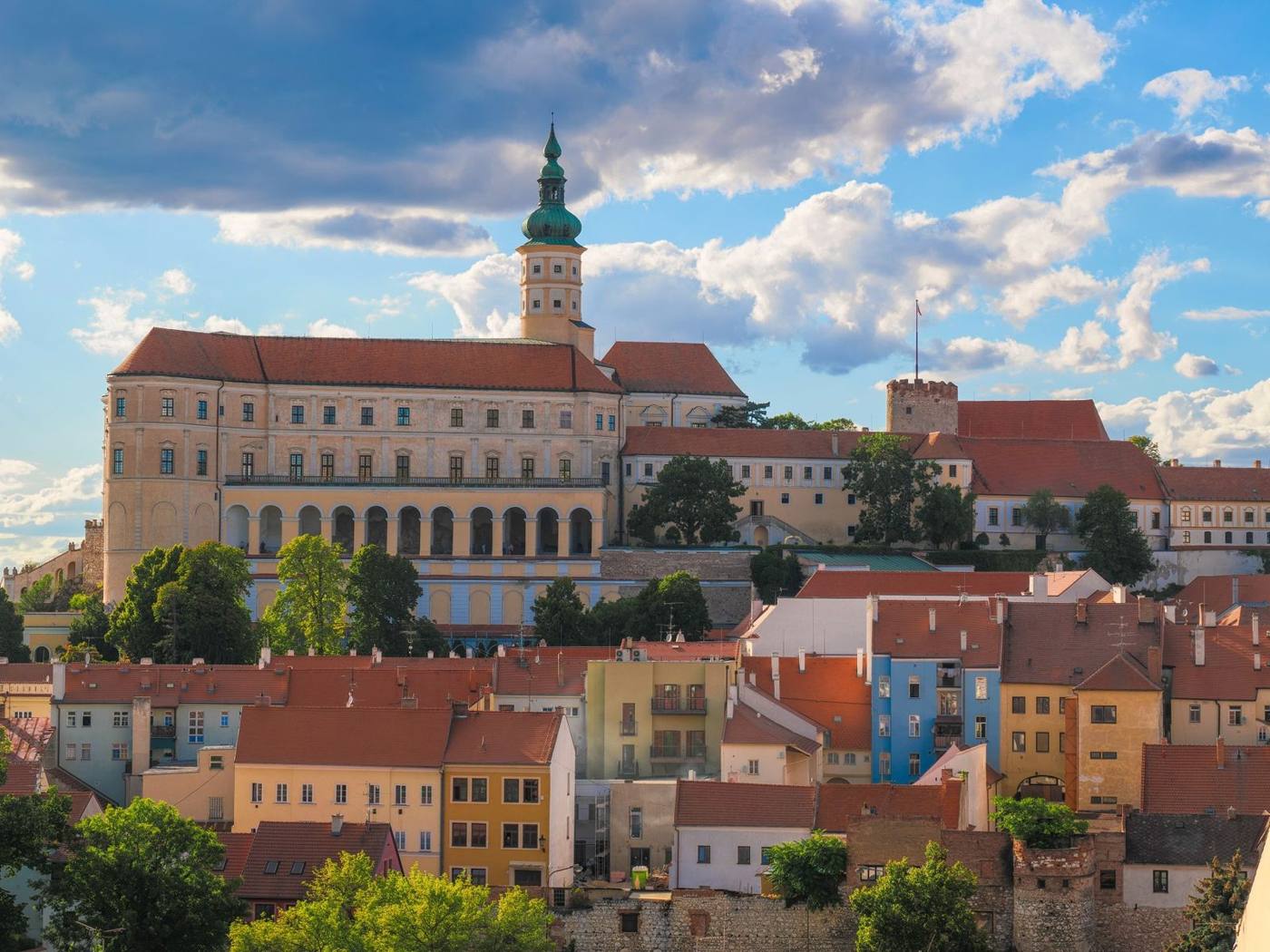
Mikulov and its limestone hills, the UNESCO Lednice-Valtice complex with castles and gardens, the cellar lanes and the city of Brno.
 4 daysEasy
The Bohemian spa towns
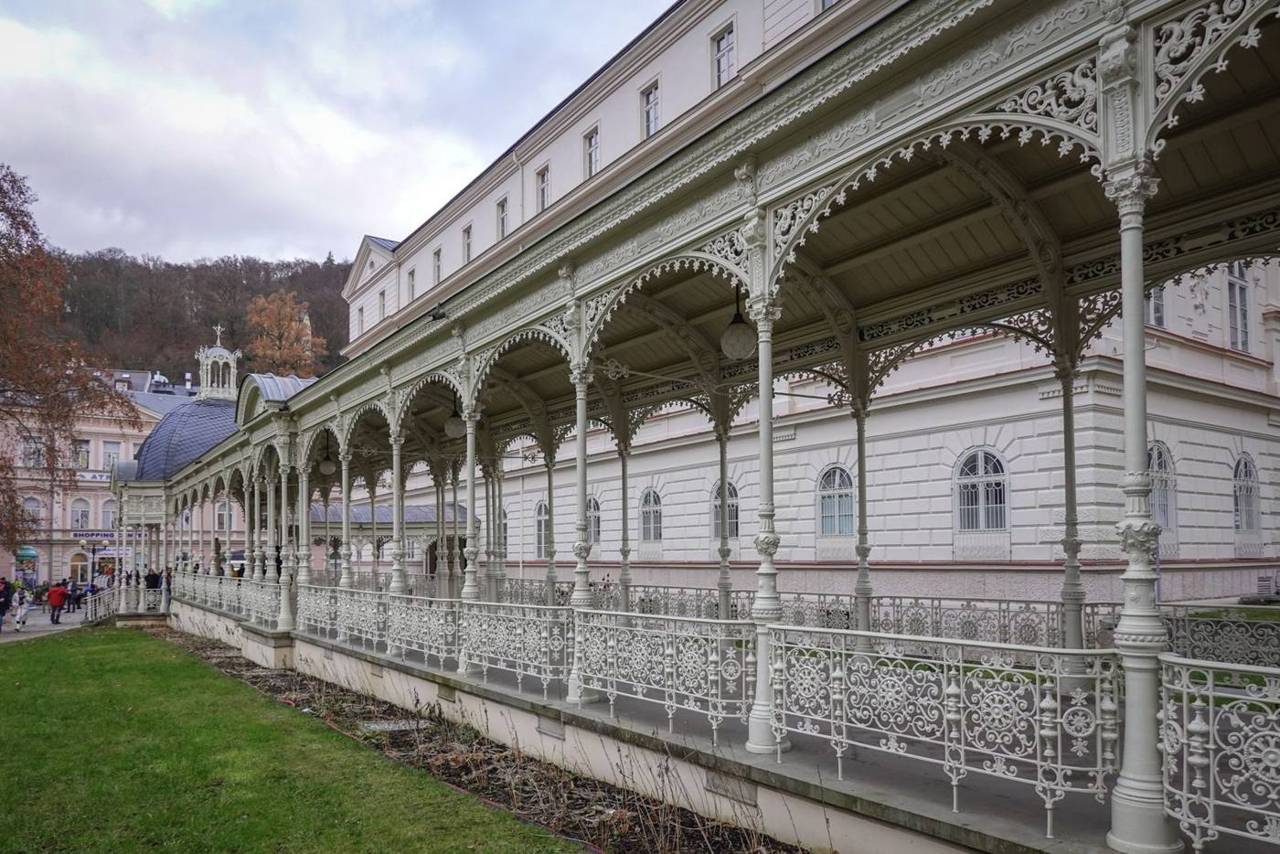
The UNESCO spa triangle: the colonnades of Karlovy Vary, the park and singing fountain of Mariánské Lázně, Františkovy Lázně and the Plzeň brewery.