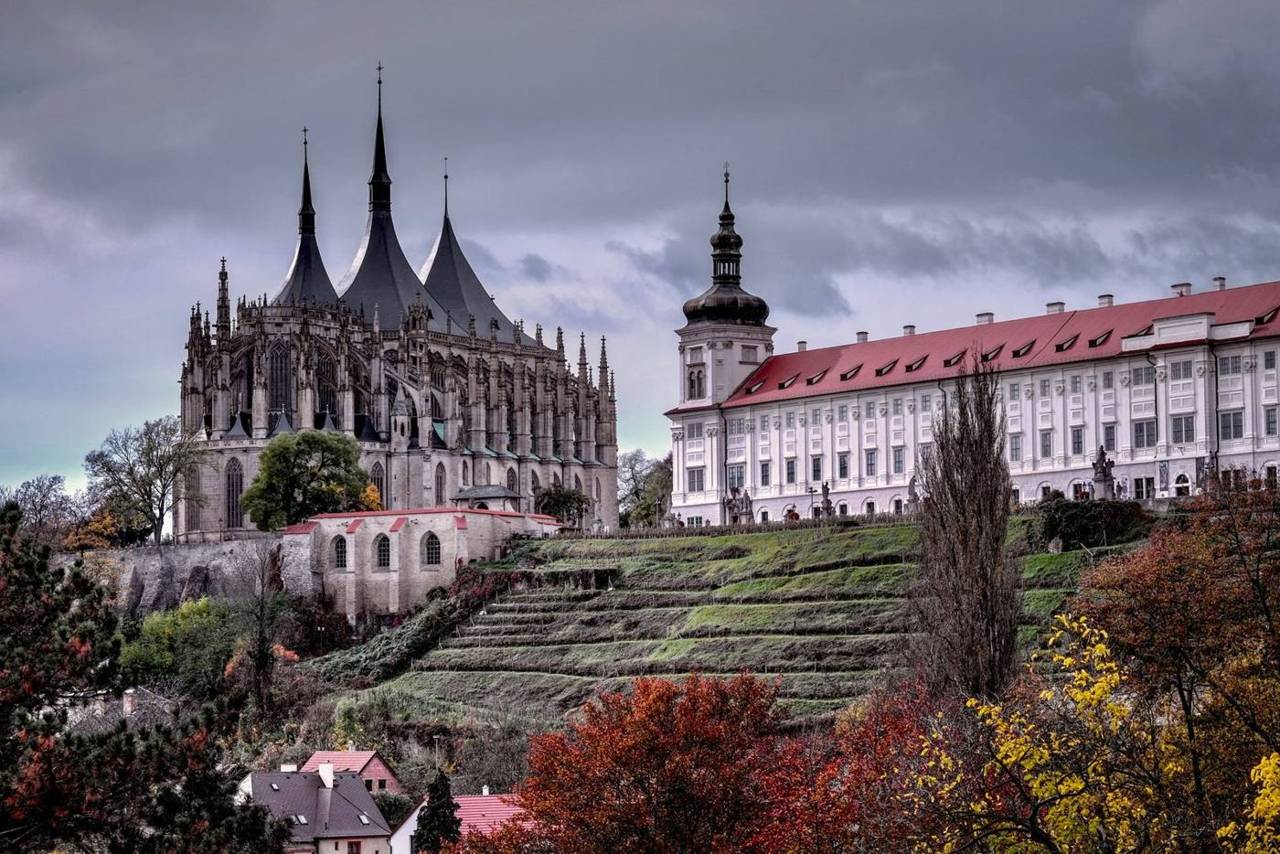
Telč and UNESCO Moravia
St Barbara's in Kutná Hora, the Renaissance square of Telč, the Jewish quarter of Třebíč, the star-shaped church of St John of Nepomuk at Zelená Hora and Litomyšl.
- Praha
- Kutná Hora
- Litomyšl
- Žďár nad Sázavou
- Třebíč
- Telč
Day by day
- Day 1
Kutná Hora and Litomyšl
This trip is a four day road trip through eastern Bohemia and western Moravia, in the quiet countryside between Prague and Brno. You visit several little known UNESCO World Heritage Sites: Kutná Hora, Litomyšl Castle, the star-shaped church of Zelená Hora, the Jewish quarter and basilica of Třebíč, and the square of Telč. It is the right trip for anyone who has already seen Prague.
Before you go: the Czech Republic is part of the European Union and the Schengen area, but it uses the Czech koruna. Italian citizens only need a valid electronic identity card or passport; the paper identity card has not been valid for travel abroad since 3 August 2026. Other nationalities should check their own rules. The United States rates the country level 1, the lowest. The drink driving limit is zero and motorways need an electronic vignette: buy it only on the official website.
Leave Prague and in just over an hour you reach Kutná Hora, the medieval silver town. Visit the Cathedral of St Barbara, Gothic, with star-shaped vaults and chapels painted with scenes of miners. Check prices and times. Then walk through the centre to the Italian Court, where the silver coins were minted.
In the afternoon drive about an hour and a half east to Litomyšl. Its Renaissance castle, a UNESCO World Heritage Site, has façades covered in thousands of sgraffito decorations, all different, and a small eighteenth century theatre that still survives. Check prices and times. The composer Bedřich Smetana was born here.
Sleep in Litomyšl.
Practical tip: if you also want to see the Sedlec Ossuary in Kutná Hora, arrive early. The combined ticket with St Barbara's is good value: check prices and times.
- Day 2
Zelená Hora, Santini's star church
In the morning take a stroll around the square in Litomyšl, one of the longest in the country, with its arcaded houses, and through the castle gardens. Then drive about an hour south to Žďár nad Sázavou, on the border between Bohemia and Moravia.
On the hill of Zelená Hora, above the town, stands the Pilgrimage Church of St John of Nepomuk, a UNESCO World Heritage Site. It was designed in the eighteenth century by the architect Jan Blažej Santini Aichel, of Italian descent, born in Prague. It is a unique work, between Baroque and Gothic: the plan has the shape of a five-pointed star, and the number five is repeated everywhere, in the doors, the altars and the chapels of the enclosure. The five recalls the five stars that, according to legend, appeared above the saint's body in the Vltava. Check prices and times.
Around the church is a circular enclosure with chapels and gates, in the middle of the woods. Walk all the way round to understand the geometry of the building.
In the afternoon visit Žďár Castle, which grew out of an old Cistercian monastery, with a museum and buildings by Santini himself. Check prices and times. All around are the lakes and forests of the Vysočina highlands, good for a walk.
Sleep in Žďár nad Sázavou.
Practical tip: arrive at Zelená Hora in the morning or late afternoon light. The pale walls and star shape show up best when the sun is low.
- Day 3
Třebíč and the Basilica of St Procopius
In the morning drive about an hour to Třebíč, a small town on the Jihlava river. Here the Jewish quarter and the Basilica of St Procopius are listed together by UNESCO, as a sign of centuries of coexistence between the Jewish and Christian communities.
The Jewish quarter, on the riverbank, is one of the best preserved in Europe outside Israel: more than a hundred houses, narrow streets, covered passages and two synagogues. The Rear Synagogue has decorated walls and a model of the quarter as it once was. Check prices and times. Then climb to the Jewish cemetery on the hill, one of the largest in the country, with thousands of headstones among the trees.
Cross the river and go up to the Basilica of St Procopius, built as the church of a Benedictine monastery in the thirteenth century. Its style lies between Romanesque and Gothic, with a decorated portal and a crypt full of columns. Check prices and times. Next door, in the castle built over the old monastery, is the regional museum.
In the afternoon walk around Třebíč's main square, one of the largest in the Czech Republic, and climb the town tower for the view.
Sleep in Třebíč or drive on to Telč, less than an hour away.
Practical tip: the synagogues and the basilica have different opening times and some can only be visited with a guide. Stop at the tourist office for a ticket and a map of the quarter.
- Day 4
Telč and departure
Last day. Telč is a small town ringed by ponds, with one of the most beautiful squares in Europe, a UNESCO World Heritage Site. The long square is lined with Renaissance and Baroque houses, all with arcades and colourful façades, each different from the next: stepped gables, sgraffito decoration, pastel colours. In the middle stand a Baroque column and two fountains. Arrive early: in the morning light and without people the square is perfect.
At the end of the square is the castle, Renaissance, with rooms with decorated ceilings, a chapel and a garden. Check prices and times. Then walk around the ponds that surround the town: from the banks you see the houses and towers reflected in the water.
If you like, climb the tower of the Church of the Holy Spirit to see the square from above. Check prices and times. From Telč to Prague takes about two and a quarter hours by car; Vienna and Brno are closer.
In these four days you have seen the other Czech Republic: St Barbara's in Kutná Hora, Litomyšl Castle, the star church of Zelená Hora, the Jewish quarter and basilica of Třebíč and the square of Telč. These are quiet places, with few tourists and plenty of history.
When to go: the best months are May to October, when the castles open every day. On summer weekends Telč is busier. In winter many castles close, but the squares stay beautiful in the snow.
Practical tip: in Telč park outside the historic centre, near the ponds. The square is small and spaces are few.
Six UNESCO sites, most of them little known in quiet countryside between Prague and Brno. A car is needed. Telč has one of Europe's loveliest squares and is almost empty outside summer weekends. A trip for those who have seen Prague and want the other Czech Republic.
Before you go
- Documents and visa
- EU citizens need a valid identity card or passport: the Czech Republic is in the EU and the Schengen area, so no visa is needed. Always carry your document. Other nationalities should check the Schengen rules.
- Health and vaccines
- No vaccines required. EU citizens should bring their EHIC, which covers urgent care only: insurance with repatriation is recommended. Woods and countryside have ticks that can carry encephalitis: ask your doctor about the vaccine. Emergencies: 112, ambulance 155, police 158, fire 150.
- Money and payments
- Czech koruna, not the euro. Cards are accepted almost everywhere. Avoid street money changers and exchange offices with hidden fees: use bank cash machines or change money at a bank. Motorways need an electronic vignette: buy it only on the official edalnice.cz website. The drink driving limit is zero.
- Power sockets
- Type E, 230 volts: you need an adapter for British plugs.
- Time zone
- Central European Time (UTC+1, summer UTC+2).
- Safety
- A safe country: the United States rates the Czech Republic level 1, the lowest. In Prague pickpocketing is common in Wenceslas Square, on Charles Bridge, at Můstek station, on trams and on airport transport. Do not hail taxis in the street, use known companies or apps. Beware of fake plainclothes police asking to see your passport and money. Official advice: GOV.UK.
Information checked in November 2026 for Italian and EU citizens. Rules change: always check before you travel.
Variations
In 3 days: Kutná Hora and Litomyšl, then Zelená Hora and Třebíč, and Telč with the return to Prague.
In 6 days: add Jihlava, the silver town of the Vysočina, and two days in Brno with Villa Tugendhat.
Frequently asked questions
Do you need a car?
Yes. The towns are linked by trains and buses, but journeys are long and Zelená Hora is outside town. With a car you do the tour in four days without rushing.
How many UNESCO sites do you see?
Five: Kutná Hora, Litomyšl Castle, the church at Zelená Hora, the Jewish quarter and basilica of Třebíč and the centre of Telč. With Prague, six.
Can you start from Brno?
Yes. You can do the route in reverse, from Brno to Telč and then towards Prague, finishing in Kutná Hora.
Indicative itinerary written by World Atlas. Before booking, check timetables, seasonal openings, documents and safety.
 4 daysEasy
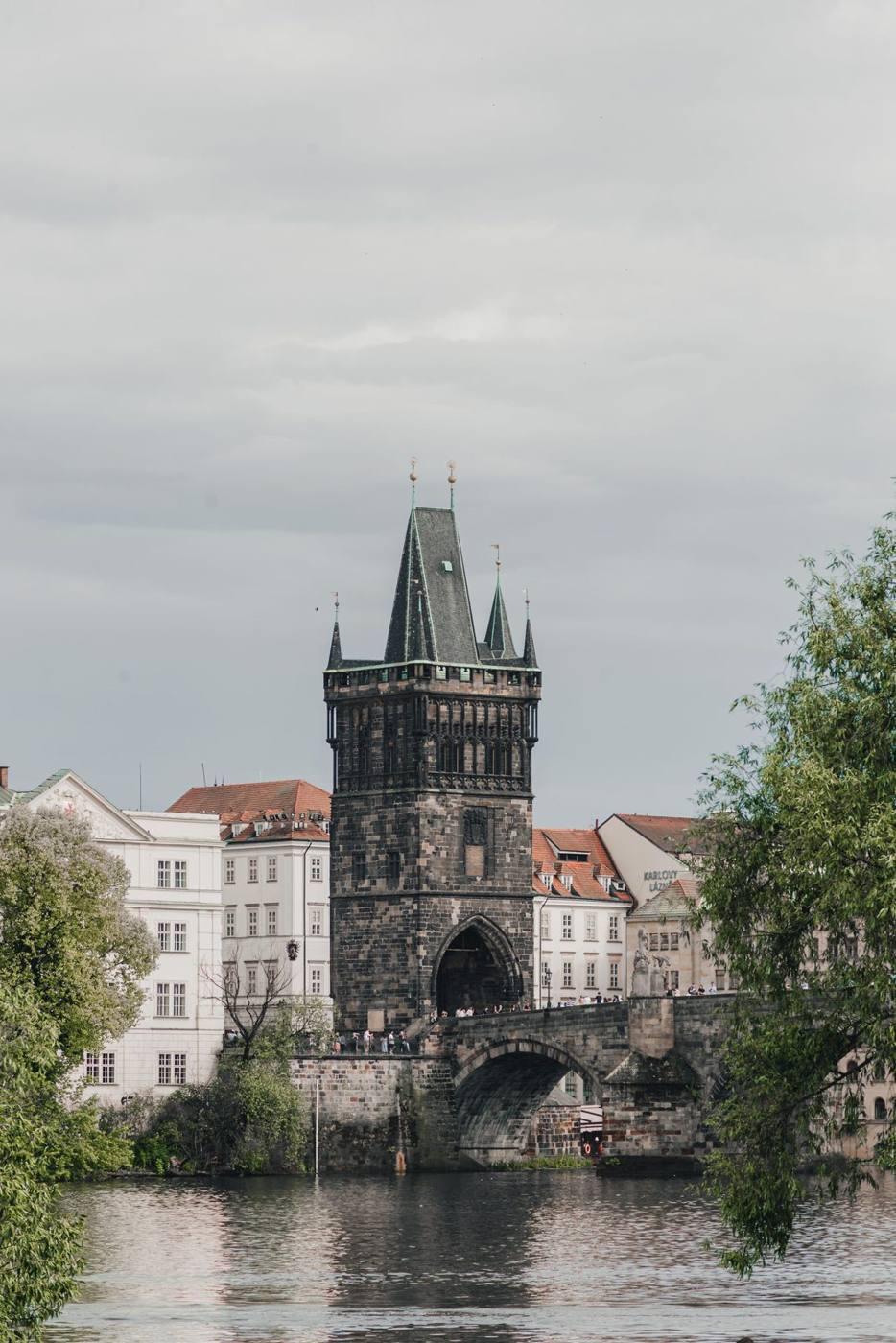
Prague in four days
Charles Bridge at dawn, the Castle and St Vitus Cathedral, the Old Town and its astronomical clock, the Jewish quarter and the beer halls.
 7 daysEasy
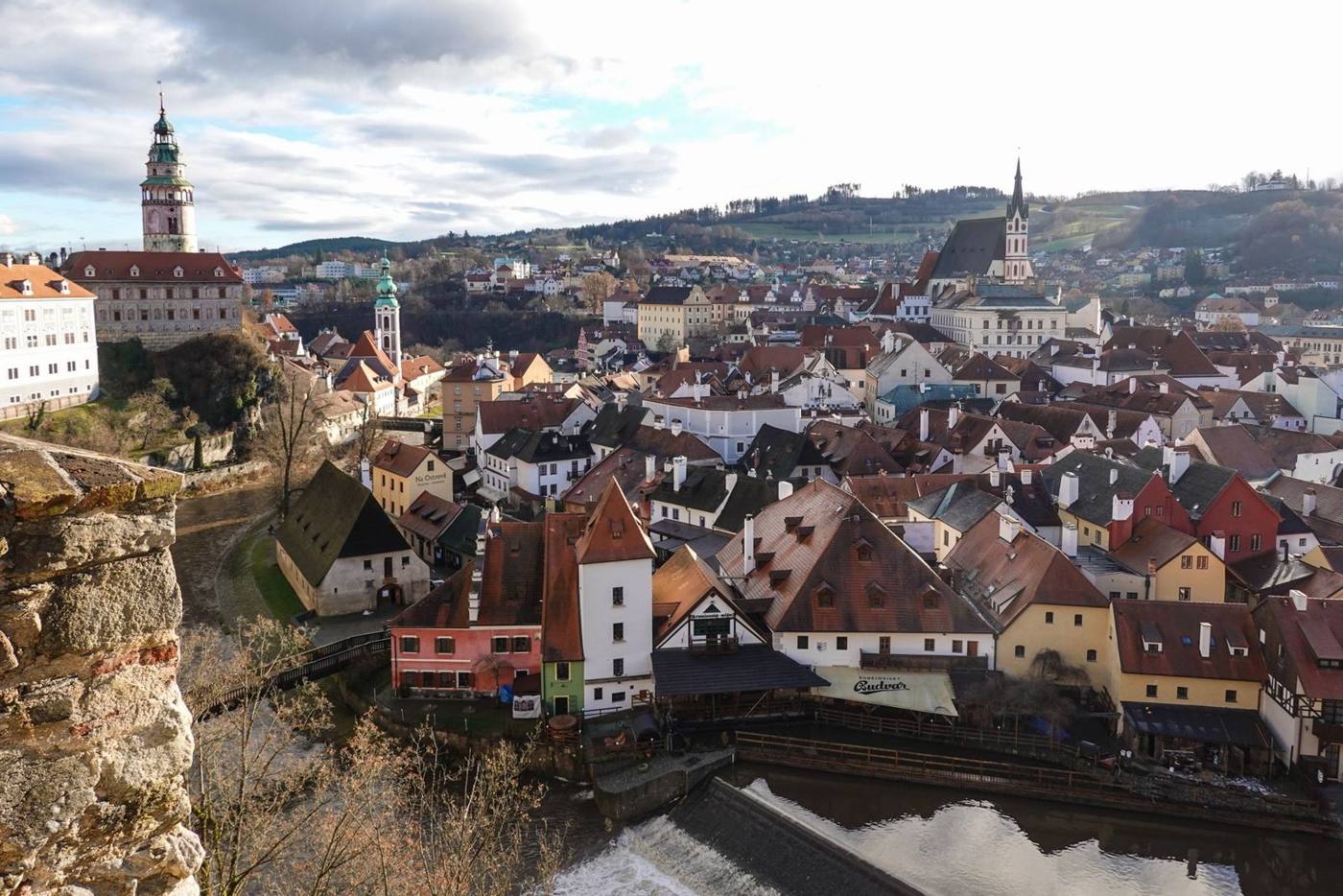
Prague, Kutná Hora and Český Krumlov
Classic Bohemia: Prague, the Sedlec ossuary and St Barbara's Cathedral in Kutná Hora, České Budějovice and the fairy-tale town of Český Krumlov.
 3 daysModerate
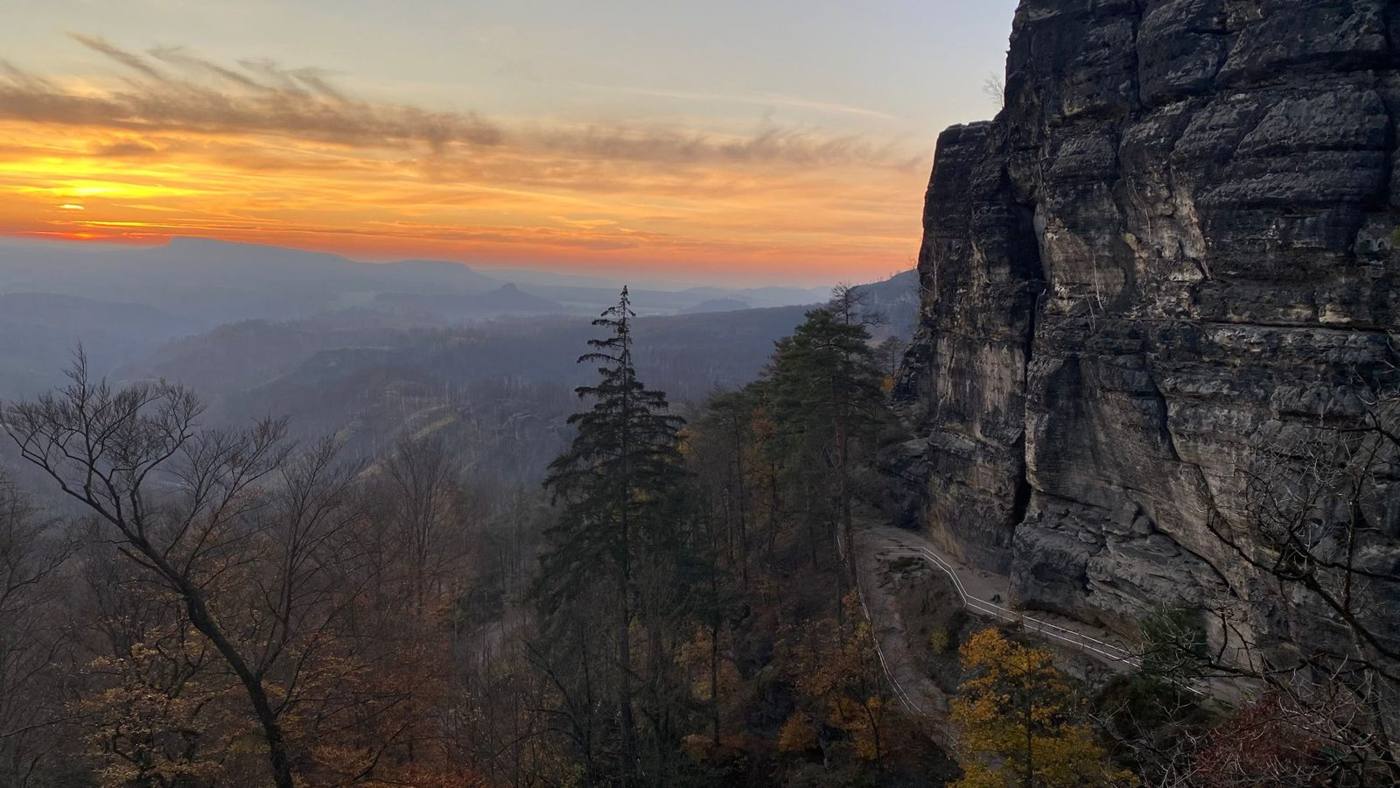
Bohemian Switzerland
Europe's largest natural arch, Pravčická brána, the Kamenice gorges by boat and the sandstone towers on the border with Saxon Switzerland.