Remedios and Cayo Santa María
North-central Cuba: Remedios, a small colonial town with two churches on one square and the parrandas festival in December, then the long causeway across the sea to the cays of Santa María, Las Brujas and Ensenachos, with white-sand beaches and shallow water.
- Santa Clara
- Remedios
- Caibarién
- Cayo Santa María
Day by day
- Day 1
Santa Clara and arrival in Remedios
This trip crosses north central Cuba: Santa Clara, the city of Che, Remedios with its two churches, the fishing port of Caibarién and the long road over the sea to the cays of Las Brujas, Ensenachos and Santa María, with white beaches and shallow water.
Before you go: Italian citizens enter Cuba with a passport valid for at least six months after the date of arrival; the electronic identity card is not enough. You need the tourist card, the tourist visa, now issued in electronic form, then the online D'Viajeros form to fill in within 72 hours before arrival, a return ticket and health insurance covering medical costs in Cuba, which is compulsory on entry. The rules change often: check them on the website of the Cuban embassy before you leave. Other nationalities should check their own rules. Some areas on this trip are close to borders or places where the situation changes often: check your government's travel advice before booking and again before you leave.
Power cuts and shortages of fuel and medicines are common on the island: bring a power bank, a torch, your own medicines and cash in euros, because foreign cards often do not work.
You arrive in Santa Clara by plane or by car from Havana. Before moving on, visit the monument complex dedicated to Ernesto Che Guevara, with the large statue and the mausoleum where his remains lie. Near the centre is the Armoured Train monument, which recalls the battle of December 1958. Check prices and times.
In the afternoon, drive about three quarters of an hour to Remedios. Sleep in Remedios, for two nights.
Practical tip: you cannot enter the mausoleum with bags or cameras, so leave them in the car.
- Day 2
Remedios and the port of Caibarién
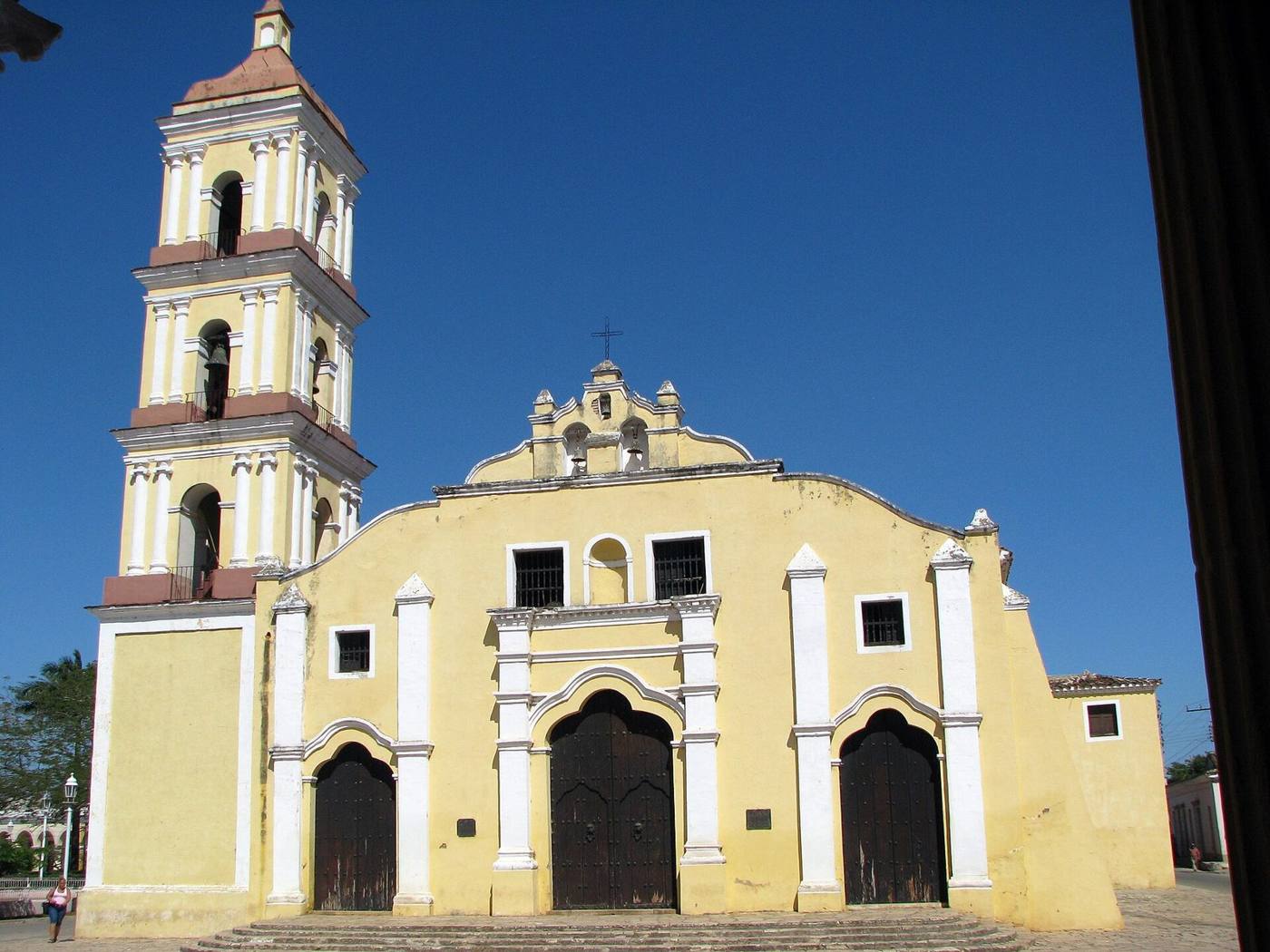
Remedios is one of the oldest towns in Cuba, small, quiet and well preserved. Its main square has one special feature: it is the only one on the island with two churches facing each other.
Start with the main church of San Juan Bautista, with a wooden altar covered in gold and a carved wooden ceiling. Across the square is the smaller church of Buen Viaje. Check times, because the churches may open only for services.
Then visit the Parrandas museum, dedicated to the town's most famous festival. Every year, on the night of 24 December, the rival districts of El Carmen and San Salvador compete with huge illuminated floats, light structures as tall as buildings, music and fireworks until dawn. In the museum you see models, costumes and photos of past festivals. Check prices and times.
In the afternoon, go to Caibarién, a few kilometres away on the coast. It is a fishing port with colourful wooden houses, a long seafront and a large statue of a crab at the entrance to the town. In the evening, watch the fishing boats come in and eat fresh fish or crab.
Return to Remedios for the night and sit in the square: in the evening people gather on the benches under the street lamps.
Practical tip: if you come for the Parrandas, book well in advance and keep an eye on bags and phones in the crowd.
- Day 3
The causeway to Cayo Santa María
Today you leave the mainland. From Caibarién the pedraplén begins, a road built over the sea about fifty kilometres long, with dozens of small bridges that let the water flow between the lagoons. On either side you see shallow turquoise water, mangrove islets and, with a little luck, herons and pelicans. There is a checkpoint at the start: keep your passport to hand.
The road reaches Cayo Las Brujas first, then Cayo Ensenachos and finally Cayo Santa María, the largest. The islands are part of a UNESCO biosphere reserve, with mangroves, low woodland and beaches kilometres long. In the woods you sometimes see the hutia, a rodent found only in the Caribbean.
Settle in and spend the afternoon on the beach. The sand is white and fine, the water slopes gently and stays shallow for many metres: it is a sea suited even to weak swimmers.
On the cays there are almost only large tourist resorts and few Cubans. With the energy crisis some have closed or reduced their services: before booking, check that yours is open and has a generator.
At sunset, walk along the shore towards the west: the light on the shallow sea turns pink and gold. Sleep on Cayo Santa María, for two nights.
Practical tip: before heading to the cays, stock up on cash, water and anything you need, because there are almost no ordinary shops on the islands and exchange offices are not always open.
- Day 4
Beach or catamaran trip
Today is a day for the sea. You have two choices: stay on one of the beaches of the cay or take a catamaran trip among the islands.
The catamaran usually leaves in the morning from a small marina on the cays. It sails over the shallow turquoise water, stops for snorkelling on the coral reef, where you see tropical fish, corals and starfish, and often calls at a sandbank or a deserted islet for a swim. Check prices and times and ask what is included, because programmes change often. If the sea is rough the trip may be cancelled: in that case ask to move it to the next day.
If you prefer to stay on land, look for one of the beaches furthest from the resorts: along the north coast of the cays there are almost empty stretches of white sand, where you hear only the wind. Remember there is no natural shade and the sun is very strong even in winter.
In the afternoon, if you feel like moving, rent a bicycle or walk in the woods behind the dunes, where birds and iguanas live.
In the evening, look at the stars: there are no towns near the cays and the sky is very dark.
Practical tip: use a reef friendly sunscreen and wear a T-shirt for snorkelling, so you do not burn your back.
- Day 5
Return
Today you leave the cays. In the morning, have a last swim in the calm, shallow water, then take the causeway back to the mainland.
If your flight leaves from Santa Clara, stop again in Remedios for a coffee in the square and a walk among the colourful houses. If you are going back to Havana by car, allow almost six hours on the road and leave early so you do not drive in the dark.
In these five days you have seen two faces of Cuba: history and provincial life, with the mausoleum of Che in Santa Clara, the two churches and the Parrandas of Remedios and the port of Caibarién, and the sea of the cays, with the road over the water, the white beaches and the catamaran trips on the reef.
When to go: the best months are from December to April, with little rain and a calmer sea. On 24 December the Parrandas of Remedios take place, one of the most spectacular festivals in the Caribbean, but everything fills up and prices rise. From June to November it is very hot and it is hurricane season.
Before you leave, buy something to take home: Cuban coffee, rum, cigars with the official receipt, which you need for customs, or a piece of local craftwork.
Practical tip: arrive at the airport well in advance with your phone fully charged, because power and connections can fail right while you wait.
Many hotels on the cays have closed or cut services because of the energy crisis: check that yours is open and has a generator. Notice, November 2026: since 11 February 2026 the UK has advised against all but essential travel to Cuba, and Canada does the same, because of shortages of fuel, electricity, water and medicine. There are long blackouts nationwide, internal transport can fail and hospitals are struggling. Check your government's travel advice before booking, bring a power bank and cash, and insurance that covers Cuba. You need a passport, the tourist card and the online D'Viajeros form.
Before you go
- Documents and visa
- Passport valid for at least six months after arrival. You need a tourist visa (the tourist card), now issued only in electronic form: apply online on the official eVisa platform, at a Cuban consulate or through an agency; it is valid for up to 90 days and can be extended in Cuba. After the visa, fill in the online D'Viajeros form within 72 hours before arrival and carry the printed QR code. You also need a return or onward ticket. Anyone who has been in Cuba on or after 12 January 2021 can no longer use ESTA for the United States and must apply for a US visa.
- Health and vaccines
- Health insurance covering medical costs in Cuba is compulsory on entry; it is best if it includes repatriation. Hospitals are struggling and often lack medicines and supplies: bring a stock of your own medicines and a first aid kit. Dengue, chikungunya and Oropouche are present: use repellent all day. Drink only bottled water, without ice. No vaccinations are compulsory: ask your doctor.
- Money and payments
- Cuban peso. Since 6 June 2026 Visa and Mastercard cards are no longer accepted and you cannot withdraw cash from ATMs with foreign cards; cards on US networks do not work either. Bring cash in euros or dollars for the whole trip and for emergencies, and change money only at Cadeca offices: changing on the street is illegal. Amounts over 5,000 dollars, or the equivalent, must be declared on arrival.
- Power sockets
- Types A, B, C and L, at 110 volts in most of the country and 220 volts in some newer hotels: bring an adaptor and check that your devices accept 110 volts.
- Time zone
- UTC-5, UTC-4 in summer.
- Safety
- Cuba is going through a severe crisis of fuel, electricity, water and medicines, with long power cuts across the country, cancelled flights and unreliable domestic transport; the UK advises against all but essential travel to the whole island. In the east, after Hurricane Melissa in October 2025, electricity and water remain severely limited. Theft and bag snatching are rising, especially in Havana: do not walk at night, use licensed taxis, do not change money on the street and stay only in registered accommodation. Bring a power bank and a torch. Official advice: GOV.UK.
Information checked in November 2026 for Italian and EU citizens. Rules change: always check before you travel.
Variations
In 3 days: Santa Clara and Remedios on the first day, then two nights on Cayo Santa María.
In 8 days: add Trinidad and the Valle de los Ingenios, about three hours from Santa Clara, before heading to the cays.
Frequently asked questions
What documents do I need for Cuba?
Italian citizens enter with a passport valid for at least six months, the electronic tourist card, the online D'Viajeros form and compulsory health insurance. The rules change often: check them before you leave. Other nationalities should check their own rules.
When are the Parrandas of Remedios?
On the night of 24 December, with illuminated floats, music and fireworks between the districts of El Carmen and San Salvador. Book well in advance.
Are the cays open during the energy crisis?
Many places have closed or reduced their services. Before booking, check that yours is open and has a generator, and confirm your transfers.
Indicative itinerary written by World Atlas. Before booking, check timetables, seasonal openings, documents and safety.
 5 daysEasy
Holguín and Gibara
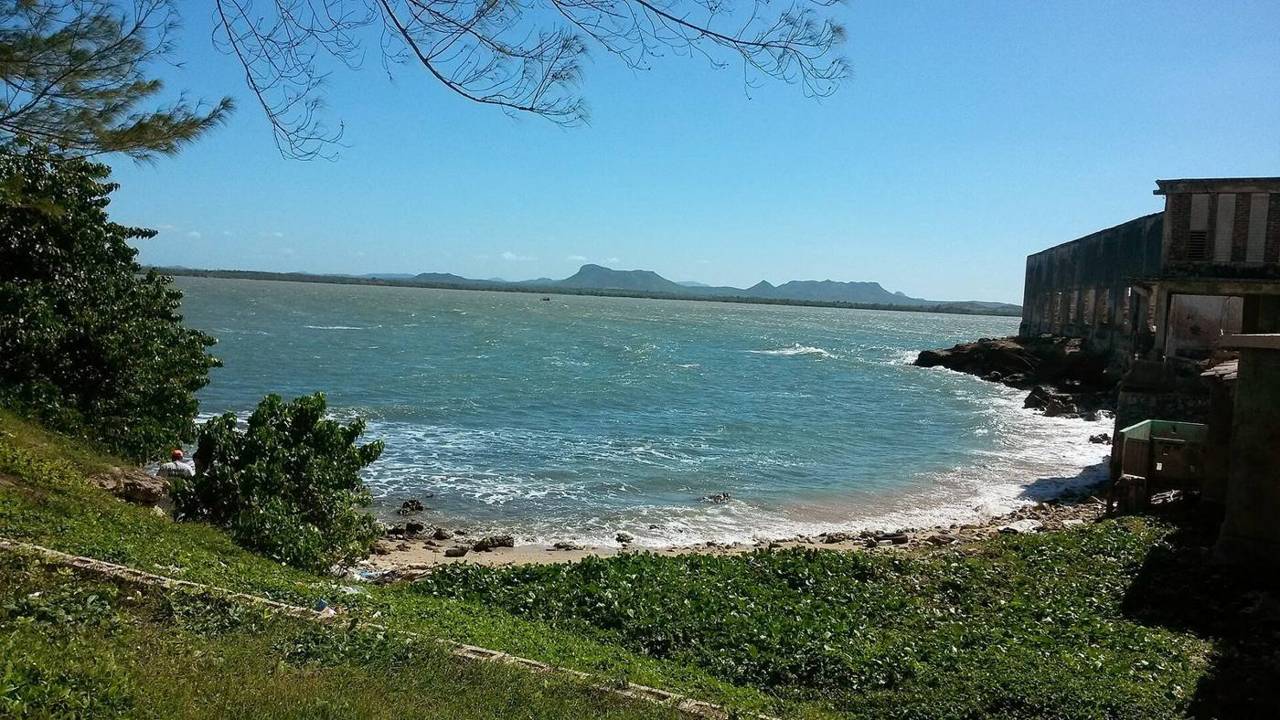
The quieter east: Holguín, the city of parks, with the stairway up the Loma de la Cruz, the fishing town of Gibara with its caves and film festival, Columbus's landing point at Bariay and the beach at Guardalavaca.
 4 daysEasy
Guanahacabibes and María la Gorda
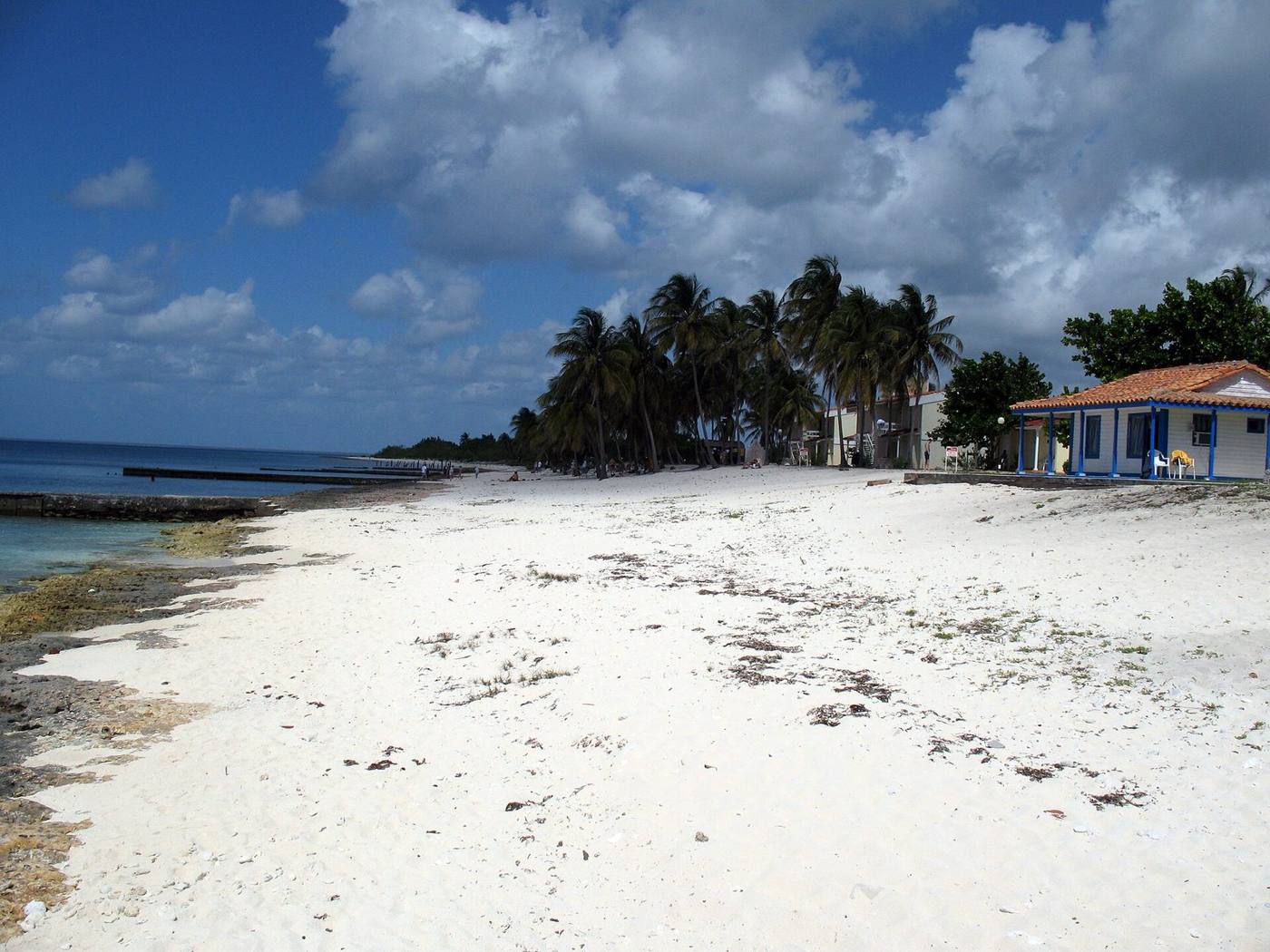
The island's western tip: the Guanahacabibes peninsula, a biosphere reserve with dry forest, land crabs and turtles nesting in summer, and María la Gorda bay with dives on coral walls a few metres from shore.
 5 daysModerate
Trinidad and Topes de Collantes
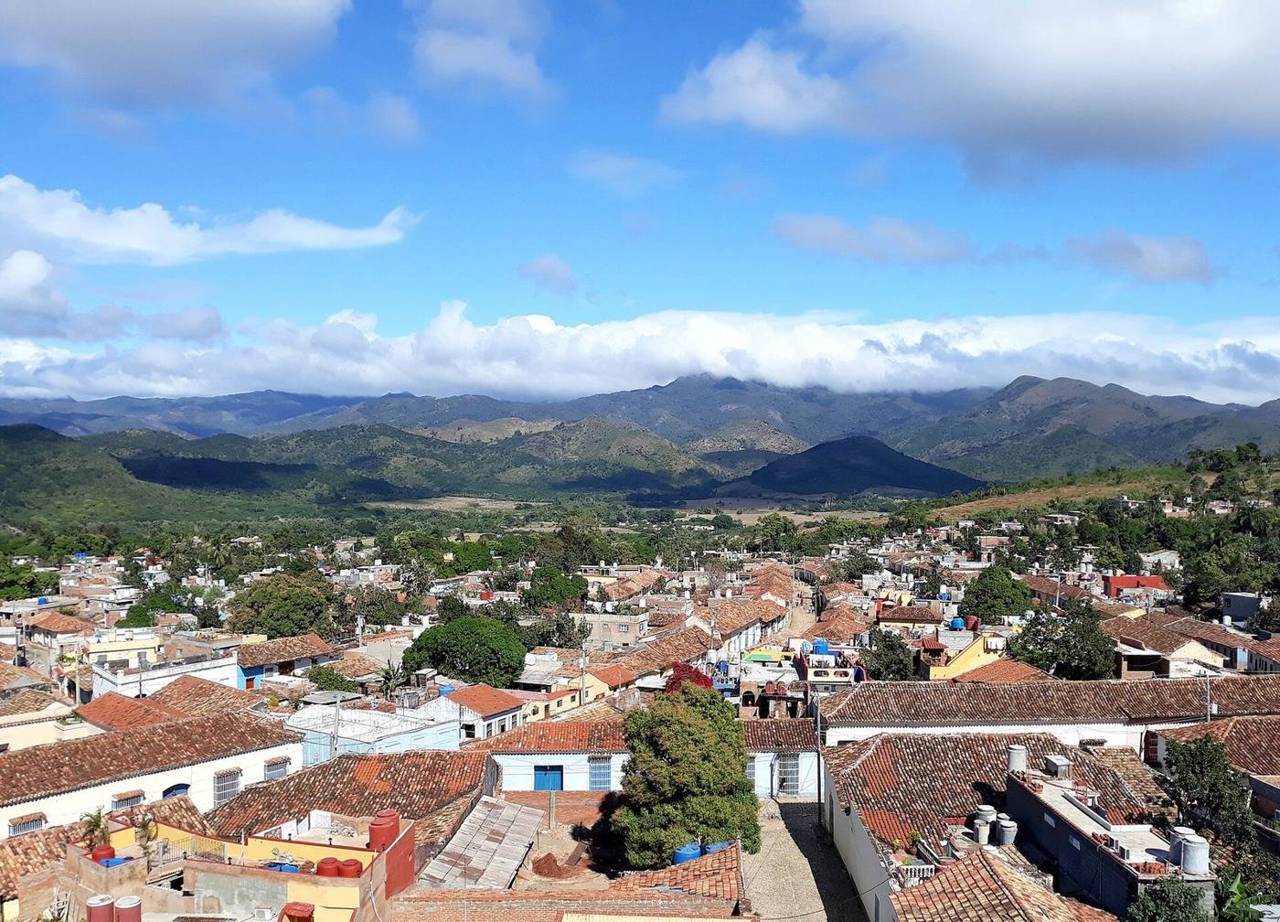
The island's most intact colonial town and its mountains: Trinidad with its Plaza Mayor and cobbled streets, the Valle de los Ingenios of the sugar mills and the Manaca Iznaga tower, then the Escambray hills at Topes de Collantes with the El Nicho and Caburní waterfalls and trails among coffee farms.