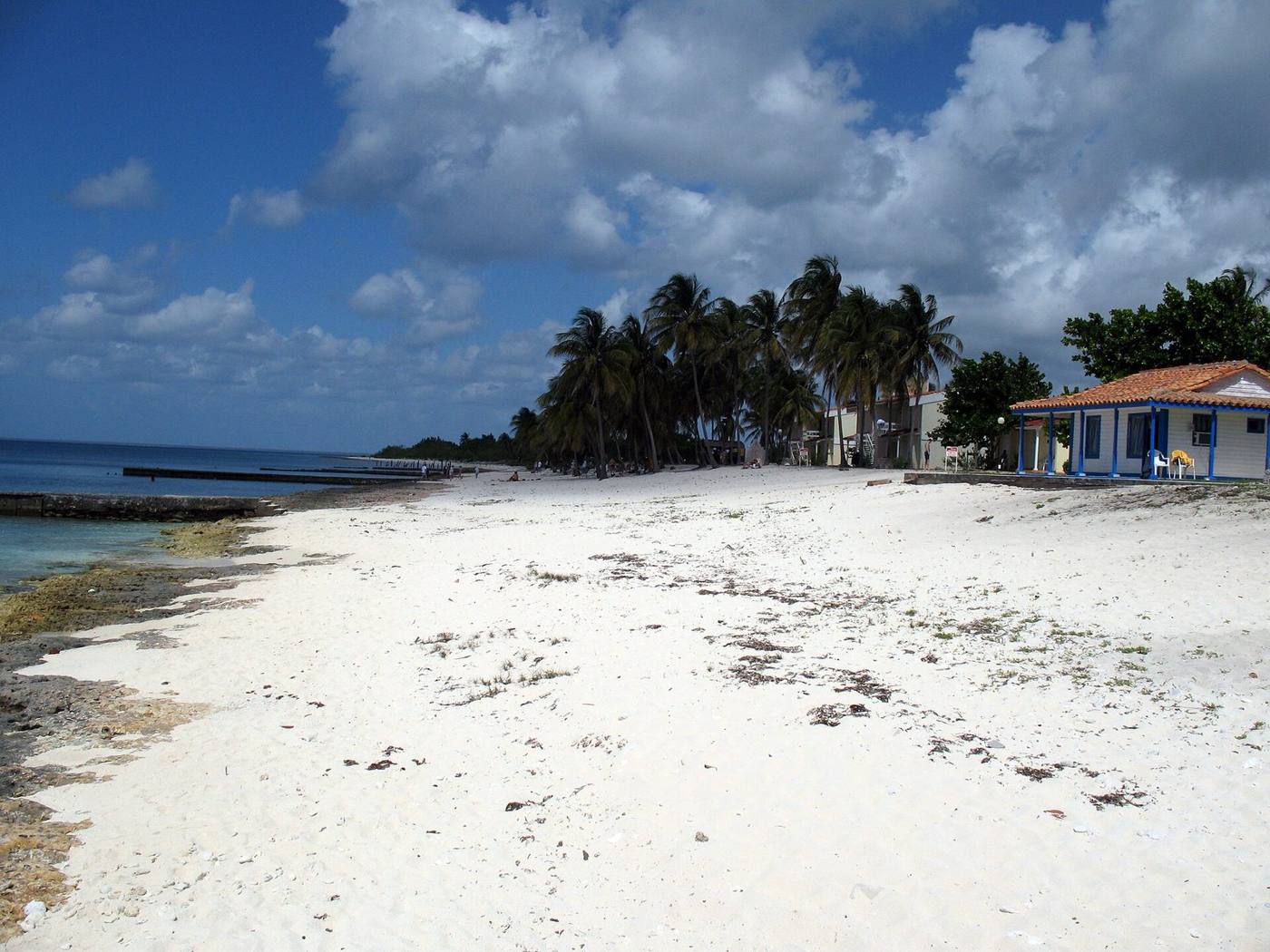
Guanahacabibes and María la Gorda
The island's western tip: the Guanahacabibes peninsula, a biosphere reserve with dry forest, land crabs and turtles nesting in summer, and María la Gorda bay with dives on coral walls a few metres from shore.
- Havana
- Pinar del Río
- La Bajada
- María la Gorda
Day by day
- Day 1
From Havana to the western tip of Cuba
This trip takes you to the far west of Cuba: the Guanahacabibes peninsula, a UNESCO biosphere reserve covered in dry forest and edged with rocks and beaches, and the bay of María la Gorda, where coral walls begin a few metres from the shore. These are four quiet days of diving, nature and silence.
Before you go: Italian citizens enter Cuba with a passport valid for at least six months after the date of arrival; the electronic identity card is not enough. You need the tourist card, the tourist visa, now issued in electronic form, then the online D'Viajeros form to fill in within 72 hours before arrival, a return ticket and health insurance covering medical costs in Cuba, which is compulsory on entry. The rules change often: check them on the website of the Cuban embassy before you leave. Other nationalities should check their own rules. Some areas on this trip are close to borders or places where the situation changes often: check your government's travel advice before booking and again before you leave.
Power cuts and shortages of fuel and medicines are common on the island: bring a power bank, a torch, your own medicines and cash in euros, because foreign cards often do not work.
Leave Havana early in a car with a driver or on a confirmed transfer. It is about three hundred kilometres and almost six hours: first the motorway towards Pinar del Río, the tobacco province, then smaller roads through fields, royal palms and villages. After La Bajada, where the park station is, the road runs along the sea to María la Gorda.
You arrive in the afternoon, just in time for a swim and the sunset over the bay. Sleep in María la Gorda, for three nights.
Practical tip: bring bottled water and a few snacks from Havana, because there are very few shops along the road and in María la Gorda.
- Day 2
Diving on the coral walls
The bay of María la Gorda is one of the best known places in Cuba for diving. It is sheltered from the easterly winds, the sea is often calm and clear, and the reef drops away as a wall into deep water not far from the coast. The boats take only a few minutes to reach the dive sites.
In the morning, make your first dive. On the walls you see sea fans, large barrel and tube sponges, black coral in the deeper areas, groupers, parrotfish, barracuda and often turtles. There are also canyons and passages through the coral, suited to divers with some experience.
If you are not certified, ask for a trial dive with an instructor in shallow water, or snorkel straight from the beach: the reef starts close to the shore and even with a mask and fins you see plenty of fish.
For lunch, have something simple, such as rice, black beans and grilled fish. In the afternoon, make a second dive or rest on the sand in the shade of the palms. The bay has a single row of buildings and the rest is forest: in the evening you hear only the sea and the insects.
Sea conditions change with the seasons: between November and April it is usually calmer, while in summer it is hotter and storms can arrive, along with heavy swells during the hurricane season.
Practical tip: bring your own mask and dive computer, because rental equipment can be scarce or old, and check it carefully before every dive.
- Day 3
Into the Guanahacabibes reserve with a guide
Today you explore the Guanahacabibes peninsula, the wildest part of the island. It is a national park and a biosphere reserve: dry forest grows on limestone, with caves, freshwater pools and sharp rocky coasts alternating with small beaches.
The trails can only be walked with a park guide. Book one at the La Bajada station, the evening before or early in the morning, and check prices and times. The guide tells you about the plants, the birds and the history of the peninsula, which was one of the last refuges of Cuba's original inhabitants.
One trail crosses the woods to a cave with pools of water; another goes down from the forest to the sea. These are walks of a few kilometres, flat but on uneven rock. You may see the tocororo, Cuba's national bird, woodpeckers, hummingbirds and small lizards.
In spring thousands of red crabs cross the road to lay their eggs in the sea. In summer, at night, sea turtles nest on the beaches of the peninsula, and the park sometimes runs watching outings with very strict rules.
If you have time and transport, ask whether you can reach Cabo de San Antonio, the far tip of the island, with the nineteenth century Roncali lighthouse. The road is long and in poor condition: check first with the park station.
Practical tip: wear closed shoes, long trousers and plenty of repellent; carry at least two litres of water each, because it is hot in the forest and there is not shade everywhere.
- Day 4
Back to Havana
Today you leave the western tip. Early in the morning, have a last swim in the bay or a last snorkel, when the water is calmest and the light is lovely.
Then set off back to Havana with your driver. If the schedule allows, stop in Pinar del Río, the provincial capital: in the centre there are colourful houses with columns and porticoes and a cigar factory where you can sometimes see the leaves being rolled by hand. Check times, because visits can change. Along the road you see the tobacco fields and the thatched barns where the leaves are dried.
You reach Havana in the late afternoon. If your flight is the next day, walk along the Malecón, the seafront, as the sun sets and Cubans sit on the wall to chat and fish.
In these four days you have seen the Cuba furthest from the usual circuits: the tobacco road, the bay of María la Gorda with its coral walls, the dry forest and caves of Guanahacabibes, and the crabs and turtles of one of the most important nature reserves on the island.
When to go: the best period runs from November to April, with drier weather, a calm sea and fewer mosquitoes. From June to November it is very hot, it rains more often and it is hurricane season, but in summer you can see the turtles.
Practical tip: always keep a spare day before your return flight, because with the fuel shortage a transfer can be delayed at the last minute.
It is remote, almost six hours from Havana: with the fuel crisis, transfers must be confirmed beforehand. Bring medicines and water. Notice, November 2026: since 11 February 2026 the UK has advised against all but essential travel to Cuba, and Canada does the same, because of shortages of fuel, electricity, water and medicine. There are long blackouts nationwide, internal transport can fail and hospitals are struggling. Check your government's travel advice before booking, bring a power bank and cash, and insurance that covers Cuba. You need a passport, the tourist card and the online D'Viajeros form.
Before you go
- Documents and visa
- Passport valid for at least six months after arrival. You need a tourist visa (the tourist card), now issued only in electronic form: apply online on the official eVisa platform, at a Cuban consulate or through an agency; it is valid for up to 90 days and can be extended in Cuba. After the visa, fill in the online D'Viajeros form within 72 hours before arrival and carry the printed QR code. You also need a return or onward ticket. Anyone who has been in Cuba on or after 12 January 2021 can no longer use ESTA for the United States and must apply for a US visa.
- Health and vaccines
- Health insurance covering medical costs in Cuba is compulsory on entry; it is best if it includes repatriation. Hospitals are struggling and often lack medicines and supplies: bring a stock of your own medicines and a first aid kit. Dengue, chikungunya and Oropouche are present: use repellent all day. Drink only bottled water, without ice. No vaccinations are compulsory: ask your doctor.
- Money and payments
- Cuban peso. Since 6 June 2026 Visa and Mastercard cards are no longer accepted and you cannot withdraw cash from ATMs with foreign cards; cards on US networks do not work either. Bring cash in euros or dollars for the whole trip and for emergencies, and change money only at Cadeca offices: changing on the street is illegal. Amounts over 5,000 dollars, or the equivalent, must be declared on arrival.
- Power sockets
- Types A, B, C and L, at 110 volts in most of the country and 220 volts in some newer hotels: bring an adaptor and check that your devices accept 110 volts.
- Time zone
- UTC-5, UTC-4 in summer.
- Safety
- Cuba is going through a severe crisis of fuel, electricity, water and medicines, with long power cuts across the country, cancelled flights and unreliable domestic transport; the UK advises against all but essential travel to the whole island. In the east, after Hurricane Melissa in October 2025, electricity and water remain severely limited. Theft and bag snatching are rising, especially in Havana: do not walk at night, use licensed taxis, do not change money on the street and stay only in registered accommodation. Bring a power bank and a torch. Official advice: GOV.UK.
Information checked in November 2026 for Italian and EU citizens. Rules change: always check before you travel.
Variations
In 3 days: two nights in María la Gorda, with one day of diving and the reserve trail on the morning you leave.
In 6 days: add two nights in Viñales, with the valley of the mogotes and the tobacco plantations, on the way there or back.
Frequently asked questions
What documents do I need for Cuba?
Italian citizens enter with a passport valid for at least six months, the electronic tourist card, the online D'Viajeros form and compulsory health insurance. The rules change often: check them before you leave. Other nationalities should check their own rules.
Do I need to be an experienced diver?
No. There are sites suited to beginners and trial dives with an instructor; snorkelling from the beach is already very rewarding. The deeper walls are for certified, experienced divers.
How do I get to María la Gorda?
From Havana by car with a driver or on a transfer, about six hours. With the fuel shortage, always confirm the transfer the day before and bring water and supplies.
Indicative itinerary written by World Atlas. Before booking, check timetables, seasonal openings, documents and safety.
 5 daysModerate
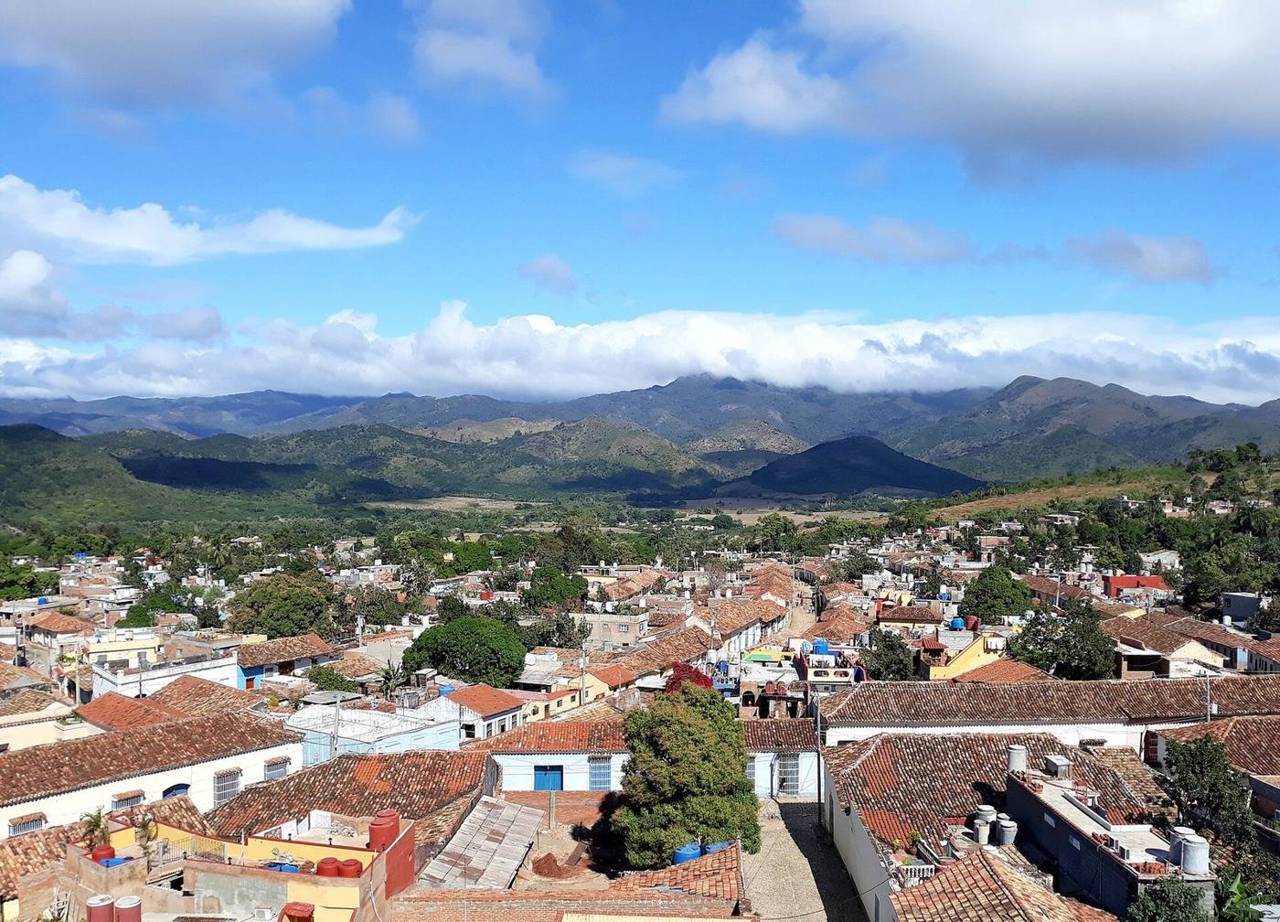
Trinidad and Topes de Collantes
The island's most intact colonial town and its mountains: Trinidad with its Plaza Mayor and cobbled streets, the Valle de los Ingenios of the sugar mills and the Manaca Iznaga tower, then the Escambray hills at Topes de Collantes with the El Nicho and Caburní waterfalls and trails among coffee farms.
 5 daysEasy
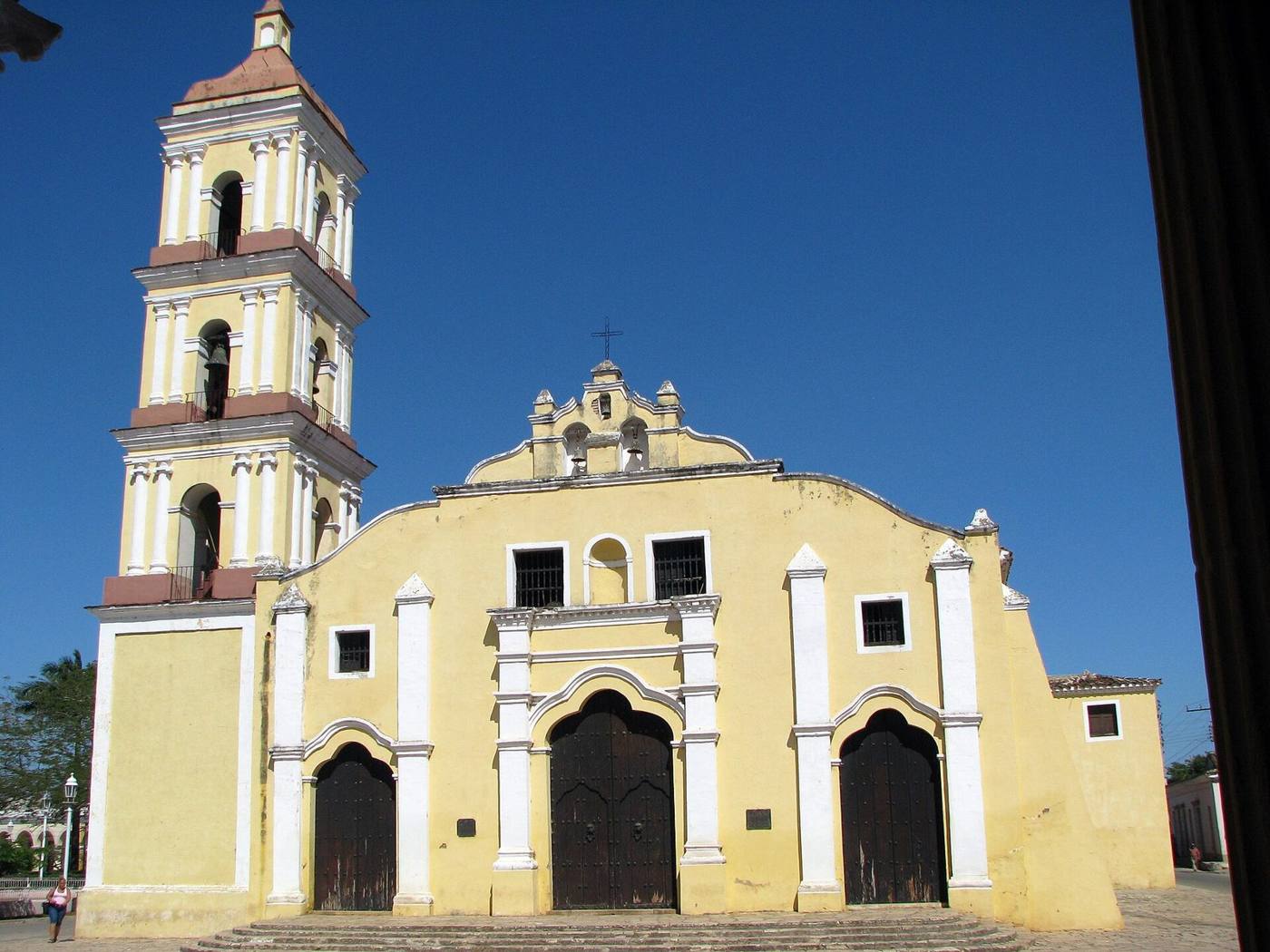
Remedios and Cayo Santa María
North-central Cuba: Remedios, a small colonial town with two churches on one square and the parrandas festival in December, then the long causeway across the sea to the cays of Santa María, Las Brujas and Ensenachos, with white-sand beaches and shallow water.
 5 daysEasy
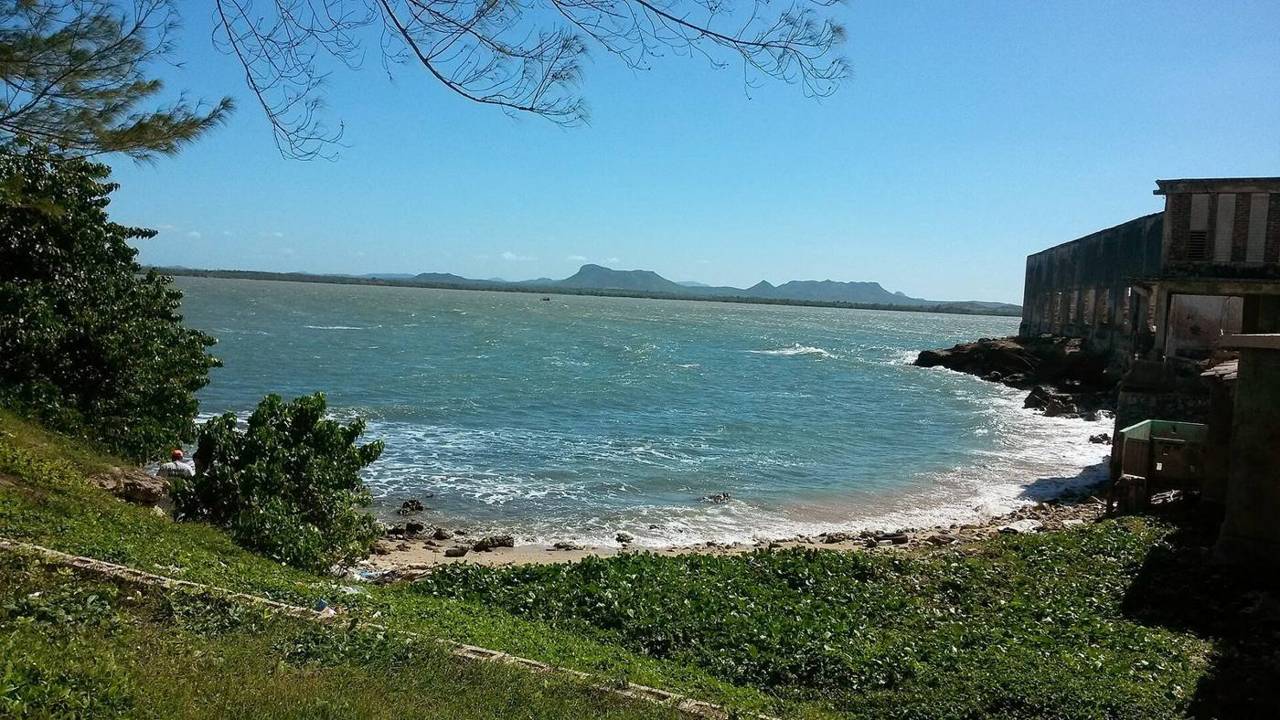
Holguín and Gibara
The quieter east: Holguín, the city of parks, with the stairway up the Loma de la Cruz, the fishing town of Gibara with its caves and film festival, Columbus's landing point at Bariay and the beach at Guardalavaca.