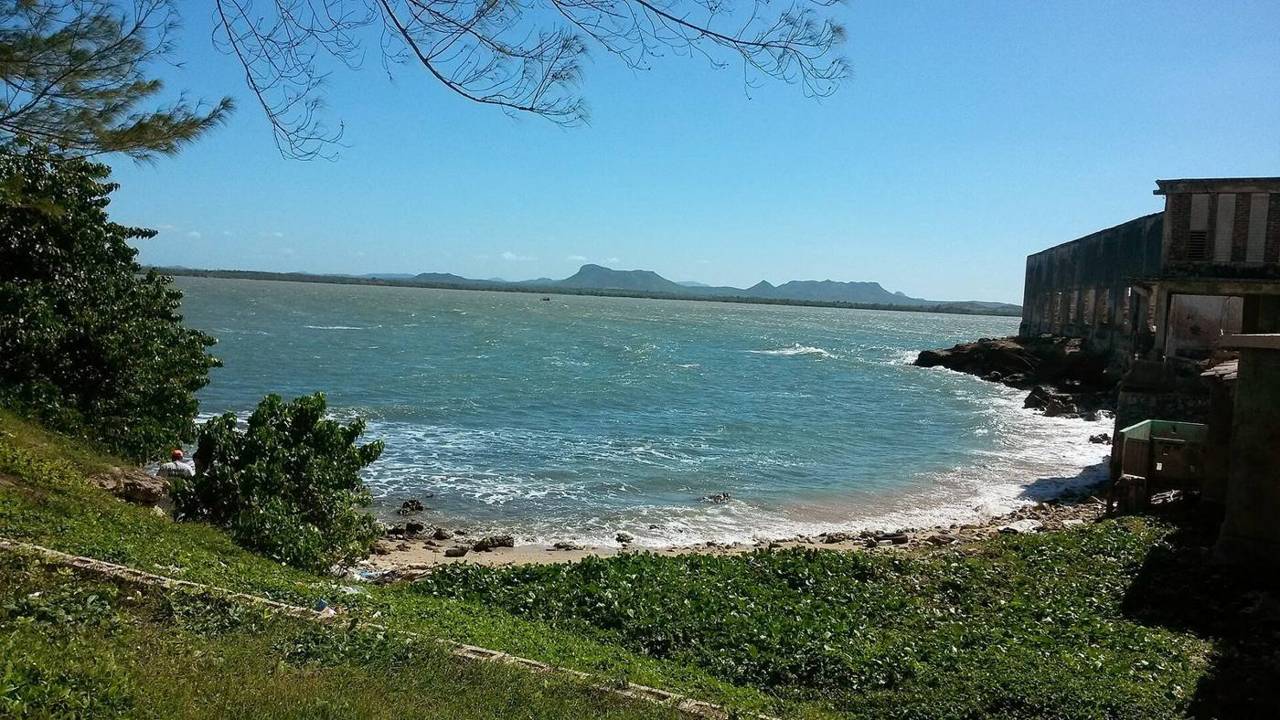
Holguín and Gibara
The quieter east: Holguín, the city of parks, with the stairway up the Loma de la Cruz, the fishing town of Gibara with its caves and film festival, Columbus's landing point at Bariay and the beach at Guardalavaca.
- Holguín
- Gibara
- Bariay
- Guardalavaca
Day by day
- Day 1
Arrival in Holguín
This trip tells the story of the quieter east of Cuba: Holguín, the city of parks, the fishing village of Gibara with its caves, the bay of Bariay where Christopher Columbus landed, and the beach of Guardalavaca. In five days you see a Cuba far from the crowds of Havana.
Before you go: Italian citizens enter Cuba with a passport valid for at least six months after the date of arrival; the electronic identity card is not enough. You need the tourist card, the tourist visa, now issued in electronic form, then the online D'Viajeros form to fill in within 72 hours before arrival, a return ticket and health insurance covering medical costs in Cuba, which is compulsory on entry. The rules change often: check them on the website of the Cuban embassy before you leave. Other nationalities should check their own rules. Some areas on this trip are close to borders or places where the situation changes often: check your government's travel advice before booking and again before you leave.
Power cuts and shortages of fuel and medicines are common on the island: bring a power bank, a torch, your own medicines and cash in euros, because foreign cards often do not work.
You land at Holguín airport, about a quarter of an hour from the centre. In the east of the island the electricity and water networks still carry damage from the latest hurricanes: ask your accommodation to confirm services before you arrive.
In the evening, take a short walk in the centre, which is laid out on a grid and easy to explore. Sleep in Holguín, for two nights.
Practical tip: arrange a taxi booked through your accommodation to pick you up at the airport, because there may be few cars when you arrive.
- Day 2
The Loma de la Cruz and the parks of Holguín
Holguín is called the city of parks: tree lined squares follow one another along the streets of the centre, a few blocks apart, and they are the city's living room, with benches, kiosks and children playing.
Start early with the Loma de la Cruz, the hill north of the centre. A long stairway of about 450 steps climbs to the cross at the top, placed there at the end of the eighteenth century. From the top you see the whole city, the low roofs and the hills around it. In May the hill is the centre of the Romerías de Mayo, a festival of music, poetry and theatre.
Go down to the centre and cross Parque Calixto García, the main square, dedicated to the general of the wars of independence who was born here in Holguín. Nearby is his birthplace, now a small museum: check prices and times.
Carry on to Parque Peralta, known as the park of flowers, with the cathedral of San Isidoro, and Parque San José, the oldest, with its church and colonial houses. Stop as well in the Marqueta square, with its sculptures and murals.
In the evening, look for a concert at one of the cultural centres or in a square: traditional music is very much alive here, and evenings start early.
Practical tip: climb the Loma de la Cruz early in the morning or at sunset, with water, because in the middle of the day the sun on the stairway is fierce.
- Day 3
Gibara, the white town, and its caves
Today you go to Gibara, on the north coast, about an hour's drive from Holguín. It is a fishing village on a bay, known as the Villa Blanca for its white houses. The streets are quiet, with low colonial houses, barred windows and a windswept seafront.
Walk to the square with the church of San Fulgencio and to the remains of the old walls and small forts that defended the port. Climb the hill above the village to see the bay and the table shaped hills that, according to tradition, Columbus described on his arrival.
The ground beneath Gibara is full of caves. The Caverna de Panaderos, on the edge of the village, has chambers with stalactites and bats; other caves, such as Tanques Azules, have underground lakes of clear water. They can only be visited with a local guide: ask in the village or at the tourist office, and check prices and times.
Every year Gibara hosts an international film festival, with screenings in the squares and old theatres: if you are here at that time, the village fills with people.
Sleep in Gibara or return to Holguín in the evening, depending on the accommodation you find. After the latest hurricanes some places may still be closed.
Practical tip: in the caves, bring a head torch and shoes with a good grip, because the ground is damp and slippery.
- Day 4
Bariay and the beach of Guardalavaca
Today you follow the coast east. The first stop is the bay of Bariay, where according to tradition Christopher Columbus first landed in Cuba on 28 October 1492, during his first voyage. Today there is a park here with a monument that combines European style columns and Taíno figures, the people of the island before the Spanish, and a reconstruction of an indigenous village. Check prices and times.
Then continue to Guardalavaca, about an hour's drive away. It is a long beach of pale sand with turquoise water and a coral reef close to the shore: with a mask and fins you already see colourful fish a few metres from the sand.
A short distance away is the Chorro de Maíta museum, built over an ancient indigenous cemetery, with the burials left as they were found. It is one of the most important places to learn about the history of Cuba's first inhabitants. Check prices and times before you go.
In the afternoon, stay on the beach until sunset: the sea is usually calmer in the morning, while in the afternoon the wind can pick up. Watch out for the tropical sun and bring water, because many beach kiosks may be closed.
Sleep in Guardalavaca or return to Holguín, depending on your flight the next day.
Practical tip: agree the return trip and the exact pick up time with your driver, and pay at the end, not before.
- Day 5
Departure from Holguín
Today you leave eastern Cuba. If your flight is in the afternoon, take a last stroll in the centre of Holguín in the morning: stop at the farmers' market to see the tropical fruit, such as mango, guava and papaya, and have a Cuban coffee, strong and very sweet, in a square.
You can also go up to the Mayabe viewpoint, a hill just outside the city with a wide view over the valley and the palm covered hills. Ask your driver first, because the facilities may be closed.
Then go to the airport at least three hours ahead: checks can be slow and sometimes there is no power.
In these five days you have seen a Cuba different from the postcards: the squares and the stairway of Holguín, the white houses and caves of Gibara, the bay of Bariay where Columbus arrived, the indigenous cemetery of Chorro de Maíta and the turquoise sea of Guardalavaca.
When to go: the best months are from December to April, with less rain and bearable heat. May is the month of the Romerías in Holguín. From June to November it is very hot, it rains often and it is hurricane season, which can be very strong in the east.
Practical tip: keep a few euros in cash and some food for the wait at the airport, because services may be limited and flights can be delayed.
Eastern Cuba still has damage from Hurricane Melissa to power and water networks: confirm services before travelling. Notice, November 2026: since 11 February 2026 the UK has advised against all but essential travel to Cuba, and Canada does the same, because of shortages of fuel, electricity, water and medicine. There are long blackouts nationwide, internal transport can fail and hospitals are struggling. Check your government's travel advice before booking, bring a power bank and cash, and insurance that covers Cuba. You need a passport, the tourist card and the online D'Viajeros form.
Before you go
- Documents and visa
- Passport valid for at least six months after arrival. You need a tourist visa (the tourist card), now issued only in electronic form: apply online on the official eVisa platform, at a Cuban consulate or through an agency; it is valid for up to 90 days and can be extended in Cuba. After the visa, fill in the online D'Viajeros form within 72 hours before arrival and carry the printed QR code. You also need a return or onward ticket. Anyone who has been in Cuba on or after 12 January 2021 can no longer use ESTA for the United States and must apply for a US visa.
- Health and vaccines
- Health insurance covering medical costs in Cuba is compulsory on entry; it is best if it includes repatriation. Hospitals are struggling and often lack medicines and supplies: bring a stock of your own medicines and a first aid kit. Dengue, chikungunya and Oropouche are present: use repellent all day. Drink only bottled water, without ice. No vaccinations are compulsory: ask your doctor.
- Money and payments
- Cuban peso. Since 6 June 2026 Visa and Mastercard cards are no longer accepted and you cannot withdraw cash from ATMs with foreign cards; cards on US networks do not work either. Bring cash in euros or dollars for the whole trip and for emergencies, and change money only at Cadeca offices: changing on the street is illegal. Amounts over 5,000 dollars, or the equivalent, must be declared on arrival.
- Power sockets
- Types A, B, C and L, at 110 volts in most of the country and 220 volts in some newer hotels: bring an adaptor and check that your devices accept 110 volts.
- Time zone
- UTC-5, UTC-4 in summer.
- Safety
- Cuba is going through a severe crisis of fuel, electricity, water and medicines, with long power cuts across the country, cancelled flights and unreliable domestic transport; the UK advises against all but essential travel to the whole island. In the east, after Hurricane Melissa in October 2025, electricity and water remain severely limited. Theft and bag snatching are rising, especially in Havana: do not walk at night, use licensed taxis, do not change money on the street and stay only in registered accommodation. Bring a power bank and a torch. Official advice: GOV.UK.
Information checked in November 2026 for Italian and EU citizens. Rules change: always check before you travel.
Variations
In 3 days: Holguín and the Loma de la Cruz on the first day, Gibara on the second and Guardalavaca on the third before your flight.
In 8 days: add Baracoa, the first town founded by the Spanish in Cuba, among rivers and green mountains, if the roads in the east are open.
Frequently asked questions
What documents do I need for Cuba?
Italian citizens enter with a passport valid for at least six months, the electronic tourist card, the online D'Viajeros form and compulsory health insurance. The rules change often: check them before you leave. Other nationalities should check their own rules.
Was eastern Cuba damaged by hurricanes?
Yes, in some areas electricity, water and roads are still struggling. Before booking, ask your accommodation whether it has a generator and water, and confirm every transfer the day before.
Can you swim at Guardalavaca?
Yes, the beach has shallow water and a reef close to the shore, good for snorkelling. Bring a mask, water and sun protection, because beach services may be reduced.
Indicative itinerary written by World Atlas. Before booking, check timetables, seasonal openings, documents and safety.
 4 daysEasy
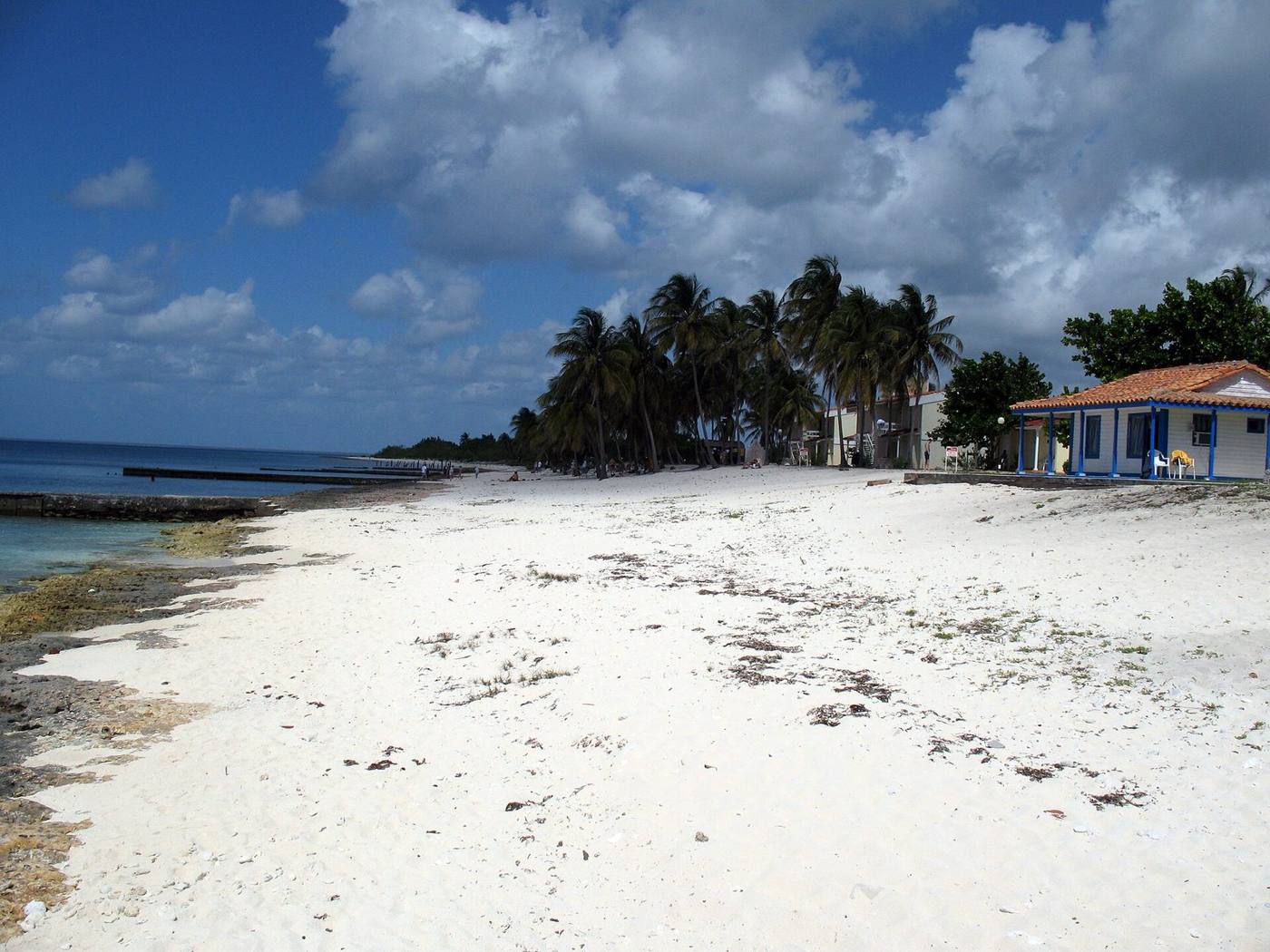
Guanahacabibes and María la Gorda
The island's western tip: the Guanahacabibes peninsula, a biosphere reserve with dry forest, land crabs and turtles nesting in summer, and María la Gorda bay with dives on coral walls a few metres from shore.
 5 daysModerate
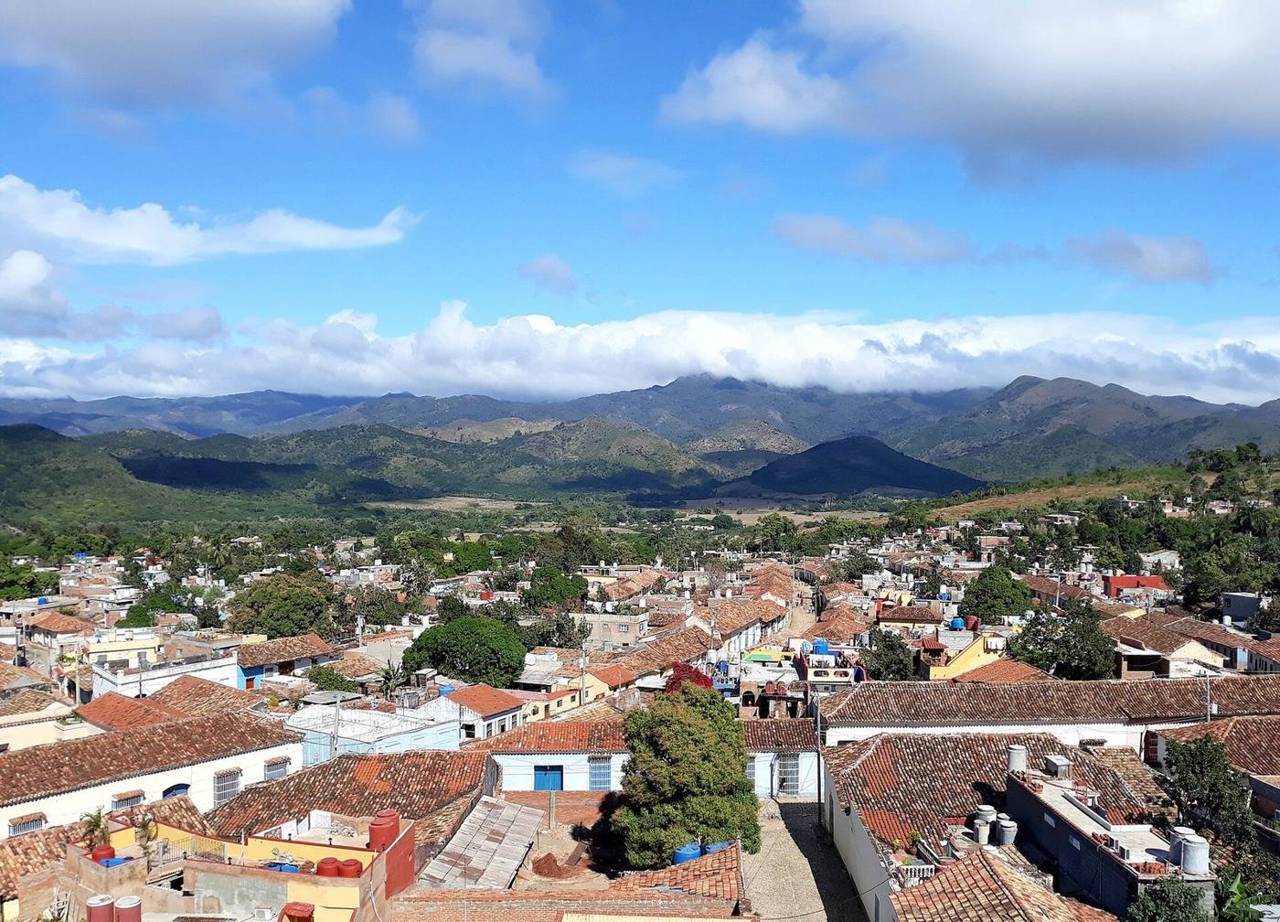
Trinidad and Topes de Collantes
The island's most intact colonial town and its mountains: Trinidad with its Plaza Mayor and cobbled streets, the Valle de los Ingenios of the sugar mills and the Manaca Iznaga tower, then the Escambray hills at Topes de Collantes with the El Nicho and Caburní waterfalls and trails among coffee farms.
 5 daysEasy
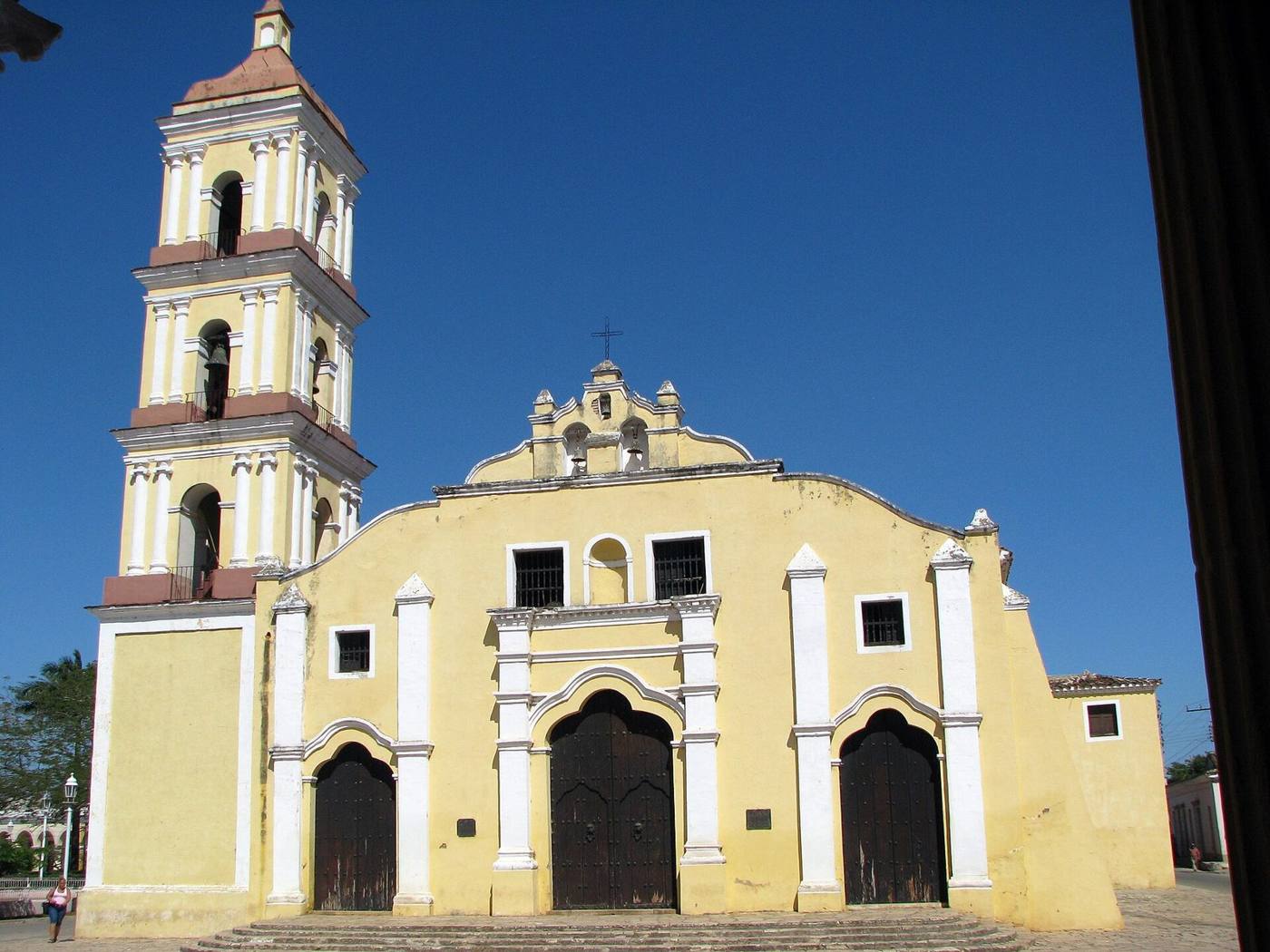
Remedios and Cayo Santa María
North-central Cuba: Remedios, a small colonial town with two churches on one square and the parrandas festival in December, then the long causeway across the sea to the cays of Santa María, Las Brujas and Ensenachos, with white-sand beaches and shallow water.