Cuba by bike: the Viñales valley and the north coast
Cycling through tobacco fields, mogotes and villages in Pinar del Río province, with nights in Cuban homes and the sea at Cayo Jutías.
- Havana
- Las Terrazas
- Soroa
- Viñales
- Cayo Jutías
- Puerto Esperanza
Day by day
- Day 1
Arrival in Havana
This trip is a cycling tour of Pinar del Río province, the far west of Cuba: the Las Terrazas reserve, the orchids and waterfall of Soroa, the Viñales valley with its mogotes and tobacco fields, the beach at Cayo Jutías and the fishing village of Puerto Esperanza. You ride between 30 and 50 kilometres a day, with a support vehicle for the luggage.
Before you go: Italian citizens enter Cuba with a passport valid for at least six months after the date of arrival; the electronic identity card is not enough. You need the tourist card, the tourist visa, now issued in electronic form, then the online D'Viajeros form to fill in within 72 hours before arrival, a return ticket and health insurance covering medical costs in Cuba, which is compulsory on entry. The rules change often: check them on the website of the Cuban embassy before you leave. Other nationalities should check their own rules.
Some areas on this trip are close to borders or places where the situation changes often: check your government's travel advice before booking and again before you leave.
You land at José Martí airport in Havana, about half an hour from the centre. Use only licensed taxis and agree the fare before you get in.
In the afternoon settle into a casa particular, a private home licensed to rent rooms to visitors. It is the most direct way to meet Cubans.
If you still have energy, walk along the Malecón, the seafront where locals sit on the wall in the evening to chat and watch the waves.
In the evening check the bike with your guide or the hire service: brakes, gears, tyres and saddle height.
Sleep in Havana.
Practical tip: bring a helmet, padded gloves, cycling shorts and a spare inner tube of the right size from home: spare parts are rare in Cuba.
- Day 2
Las Terrazas and the Sierra del Rosario
Today you leave Havana and start pedalling.
In the morning a minibus takes you out of the city, heading west for about an hour and a half, to the Sierra del Rosario, a range of forested hills. The area is a UNESCO biosphere reserve.
Las Terrazas is a village born at the end of the 1960s as part of a reforestation project: the hills, stripped by centuries of logging, were replanted on terraces, which gave the place its name. Today it is a small community of white houses overlooking a lake.
Unload the bike and do your first easy ride on the inner roads of the reserve, among woods, small bridges and gentle ups and downs. It helps you get used to the bike and to the heat.
Halfway, stop at the San Juan river, where natural pools and small waterfalls are good for a swim. Further on, visit the ruins of a nineteenth century coffee plantation built by French settlers who came from Haiti: you can still see the terraces where the beans were dried.
In the afternoon rest by the lake or stroll around the village, where some local artists work in their studios.
Sleep in Las Terrazas or nearby.
Practical tip: drink often even when you are not thirsty and carry two bottles: along the road there are few places to buy bottled water, and they are not always stocked.
- Day 3
Soroa, the orchids and the waterfall
Today you ride from Las Terrazas to Soroa, a short stage through the hills of the Sierra del Rosario.
The road crosses woods and small farms, with a few climbs to take calmly. Traffic is light: you meet more horse-drawn carts than cars. Watch out for potholes, which are common even on the main roads.
In Soroa visit the orchid garden, a botanical garden laid out in the mid twentieth century on a hillside, with hundreds of orchid species, many native to Cuba, and tropical plants along paths and stairways. Flowering is richest in the cooler months, from November to March. Check prices and times.
Then walk down a forest path to the Salto del Arco Iris, the Soroa waterfall, which drops into a pool where you can swim. The name comes from the rainbows that form in the spray when the sun shines. In the dry season there is less water.
If you still have energy, climb to the viewpoint above the waterfall, called El Mirador, with views over the hills to the plain and, on clear days, as far as the sea.
In the evening have dinner with the classic dishes of the Cuban countryside: rice and black beans, roast pork, yuca with garlic sauce and fried plantain.
Sleep in Soroa.
Practical tip: keep a head torch and a charged power bank in your handlebar bag: power cuts are frequent and can last many hours.
- Day 4
To Viñales and the Valle del Silencio
Today you reach the Viñales valley, the heart of the trip.
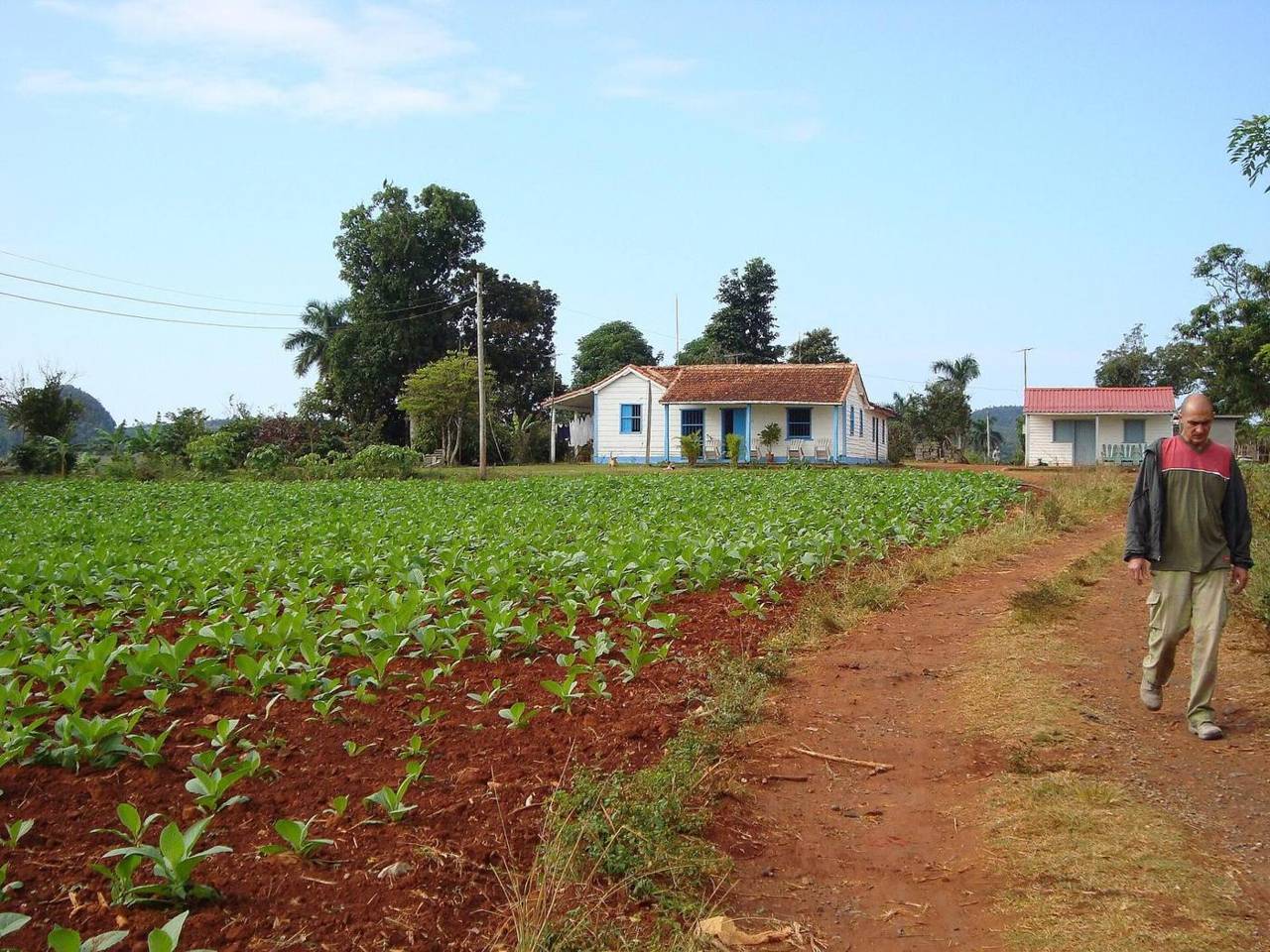
This is the longest stage: you cover part of it by bike, on the minor roads at the foot of the Sierra de los Órganos, and part in the support vehicle, to avoid the busier stretches of main road. Along the way you see the first tobacco fields and the royal palms, the tree that symbolises Cuba.
Then you enter the valley and the landscape changes: from the flat floor, with its red farmed earth, rise the mogotes, limestone hills with sheer walls and tops covered in vegetation. The Viñales valley is a UNESCO cultural landscape, listed for the traditional farming methods still used today.
In the afternoon ride through the Valle del Silencio, one of the side valleys, on a dirt road between fields and huts made of wood and palm leaves. The name fits: all you hear are birds, oxen and the wind.
At sunset stop at a viewpoint above the village, when the light turns orange and the mogotes change colour.
Viñales is a small village, with a main street of low, colourful houses with porches, and a square with a church.
Sleep in Viñales, for three nights.
Practical tip: on the valley's dirt roads let a little air out of your tyres: you gain grip and comfort on the red earth.
- Day 5
Los Aquáticos and the tobacco farms
Today you stay in the Viñales valley and explore it slowly.
In the morning ride towards Los Aquáticos, on the slopes of the mogotes. In the 1940s a few families settled here, followers of a country healer who treated the sick with spring water, hence the name. Leave the bike and climb a steep path on foot to the houses, where someone still tells the story of the community and offers you a coffee.
At midday visit a tobacco farm, called a vega. The farmer shows you the tobacco house, the large wooden barn where the leaves hang to dry for weeks, then the fermentation, and finally how a cigar is rolled by hand. Most of the harvest goes to the State, but a small part can be sold directly.
In the afternoon ride to the Cueva del Indio, a cave visited partly on foot and partly by boat, on an underground river. Not far away is the Mural de la Prehistoria, a huge colourful painting on a rock face, created in the early 1960s. Check prices and times.
In the evening listen to live music in the village, where son and salsa are often played.
Sleep in Viñales.
Practical tip: if you buy cigars, buy them only in official shops or with a receipt, and check your own country's import rules to avoid trouble at customs.
- Day 6
Cayo Jutías by bike and boat
Today you head for the sea, on the north coast of the province.
Early in the morning ride north from Viñales, through the hills and pine woods around Minas de Matahambre, an old mining town. There are climbs, but the descents towards the sea make up for the effort. If you prefer, do the longest part in the support vehicle.
Cayo Jutías is a thin island covered in mangroves, linked to the coast by a causeway built over the sea, a pedraplén a few kilometres long. Riding along it, with shallow turquoise water on both sides, is one of the best moments of the trip. At the entrance to the island stands a metal lighthouse from the early twentieth century.
The main beach has white sand, calm water that stays shallow for many metres, and a few palms. Swim and rest in the shade.
In the afternoon take a boat trip with local fishermen to the more distant beaches of the cayo and the nearby reefs, where you can snorkel among fish and coral. Check prices and times locally, because trips depend on the wind and on the fuel available.
In the evening return to Viñales in the support vehicle.
Sleep in Viñales.
Practical tip: the beach has very few services and often nothing to eat: bring water, fruit and something salty, plus a high-factor sun cream. Against the mangrove sandflies, called jejenes, put on repellent before sunset.
- Day 7
Puerto Esperanza, the fishing village
Today you ride from Viñales towards the sea, to the village of Puerto Esperanza on the north coast.
The road is one of the most beautiful of the trip: you leave the valley between the mogotes, then descend through tobacco fields, banana groves and farming villages, with colourful wooden houses and children waving at you. The route is mostly gently downhill and there is almost no traffic.
Puerto Esperanza is a quiet fishing village, far from tourism, with dirt streets, low houses and a long wooden pier reaching into the bay. In the morning the boats come back with fish and lobster, and families gather on the jetty.
In the afternoon walk to the end of the pier, look out over the bay with its mangroves and the islets on the horizon, and chat with the people fishing with hand lines. If you like, ask a fisherman to take you out in his boat.
At sunset the pier is the best place in the village: the sun drops behind the islands and the sky turns pink.
In the evening have freshly caught fish, simply cooked, with rice, a tomato and cucumber salad and tostones, slices of green plantain fried twice.
Sleep in Puerto Esperanza.
Practical tip: bring a small supply of useful gifts, such as soap, over-the-counter medicines, pencils and notebooks: many basic items are scarce in Cuba and host families appreciate them.
- Day 8
Back to Havana
Today you return to Havana in the support vehicle and finish the cycling tour.
In the morning take a last short ride along the coast around Puerto Esperanza, then load the bike and set off. The drive to the capital takes a few hours, on the main road across Pinar del Río province and then Artemisa.
In the afternoon, in Havana, return the bike and visit Old Havana, the historic centre, a UNESCO World Heritage Site with restored colonial squares. Start at the Plaza de Armas, the oldest, surrounded by eighteenth century palaces and a small second-hand book market. Then walk to the Plaza de la Catedral, with the baroque façade of the cathedral built in coral stone, and to the Plaza Vieja, with its colourful buildings and iron balconies.
Along Calle Obispo, the liveliest pedestrian street, music drifts out of many open windows and doors.
At sunset go back to the Malecón and watch the light on the Castillo del Morro, the fortress at the mouth of the bay.
In the evening, if you like, cross the bay to the Cabaña fortress for the cañonazo ceremony, the cannon shot fired every night at nine as in colonial times. Check prices and times.
Sleep in Havana.
Practical tip: in Havana in the evening take a licensed taxi rather than walking: during power cuts many streets stay dark and bag snatching increases.
- Day 9
Departure
Today is departure day.
If your flight leaves late, use the morning for a last walk around Havana. Visit the Capitolio, the large domed building constructed in the 1920s, or the Museo de la Revolución, in the former presidential palace, which tells the history of Cuba from the official point of view. Check prices and times.
Alternatively, take a ride along the seafront in one of the 1950s American cars, with the roof down, as far as the Vedado district and the Plaza de la Revolución, with the metal portrait of Che on one of its buildings.
Then take a licensed taxi to the airport. Arrive well in advance: checks can be slow and flight times often change.
In these nine days you have seen rural Cuba at the pace of a bicycle: the Las Terrazas reserve, the orchids and waterfall of Soroa, the mogotes and tobacco fields of the Viñales valley, the community of Los Aquáticos, the white sand and turquoise sea of Cayo Jutías and the fishermen's pier at Puerto Esperanza, with nights in Cuban homes.
When to go: the best months are November to April, the dry season, with cooler days and little rain, ideal for cycling. From June to November it is very hot, it often rains in the afternoon, and it is hurricane season, with the highest risk between August and October.
Practical tip: leave the spare parts and tools you no longer need with the family who hosted you: in Cuba an inner tube or a pump is hard to find.
The finest, slowest way to experience the Cuban countryside. Roads have little traffic but are often rough: you need a sturdy bike and some fitness, 30-50 km a day. Bring basic spares: parts are rare on the island.
Before you go
- Documents and visa
- Passport valid for at least six months after arrival. You need a tourist visa (the tourist card), now issued only in electronic form: apply online on the official eVisa platform, at a Cuban consulate or through an agency; it is valid for up to 90 days and can be extended in Cuba. After the visa, fill in the online D'Viajeros form within 72 hours before arrival and carry the printed QR code. You also need a return or onward ticket. Anyone who has been in Cuba on or after 12 January 2021 can no longer use ESTA for the United States and must apply for a US visa.
- Health and vaccines
- Health insurance covering medical costs in Cuba is compulsory on entry; it is best if it includes repatriation. Hospitals are struggling and often lack medicines and supplies: bring a stock of your own medicines and a first aid kit. Dengue, chikungunya and Oropouche are present: use repellent all day. Drink only bottled water, without ice. No vaccinations are compulsory: ask your doctor.
- Money and payments
- Cuban peso. Since 6 June 2026 Visa and Mastercard cards are no longer accepted and you cannot withdraw cash from ATMs with foreign cards; cards on US networks do not work either. Bring cash in euros or dollars for the whole trip and for emergencies, and change money only at Cadeca offices: changing on the street is illegal. Amounts over 5,000 dollars, or the equivalent, must be declared on arrival.
- Power sockets
- Types A, B, C and L, at 110 volts in most of the country and 220 volts in some newer hotels: bring an adaptor and check that your devices accept 110 volts.
- Time zone
- UTC-5, UTC-4 in summer.
- Safety
- Cuba is going through a severe crisis of fuel, electricity, water and medicines, with long power cuts across the country, cancelled flights and unreliable domestic transport; the UK advises against all but essential travel to the whole island. In the east, after Hurricane Melissa in October 2025, electricity and water remain severely limited. Theft and bag snatching are rising, especially in Havana: do not walk at night, use licensed taxis, do not change money on the street and stay only in registered accommodation. Bring a power bank and a torch. Official advice: GOV.UK.
Information checked in November 2026 for Italian and EU citizens. Rules change: always check before you travel.
Variations
In 6 days: Havana, Las Terrazas and Viñales, with rides in the valley and out to Cayo Jutías, without Soroa and Puerto Esperanza.
In 12 days: after Viñales add the Guanahacabibes peninsula and María la Gorda, at the far western tip of the island, with the support vehicle for the longer stages.
Frequently asked questions
Do I need to be very fit?
No, a little cycling experience is enough: you ride between 30 and 50 kilometres a day with some climbs, and a support vehicle carries the luggage and can pick you up on the longer stretches. The roads are often in poor condition, though, so you need a sturdy bike.
What documents do I need for Cuba?
A passport valid for at least six months after arrival, the electronic tourist card, the online D'Viajeros form to fill in within 72 hours before arrival, a return ticket and health insurance valid in Cuba. The rules change often: check them on the website of the Cuban embassy before you leave.
Can I pay by card in Cuba?
Foreign cards are now practically unusable and you cannot withdraw cash from ATMs: bring cash in euros for the whole trip and change money only at official offices. Check before you leave, because the rules change often.
Indicative itinerary written by World Atlas. Before booking, check timetables, seasonal openings, documents and safety.
 7 daysEasy
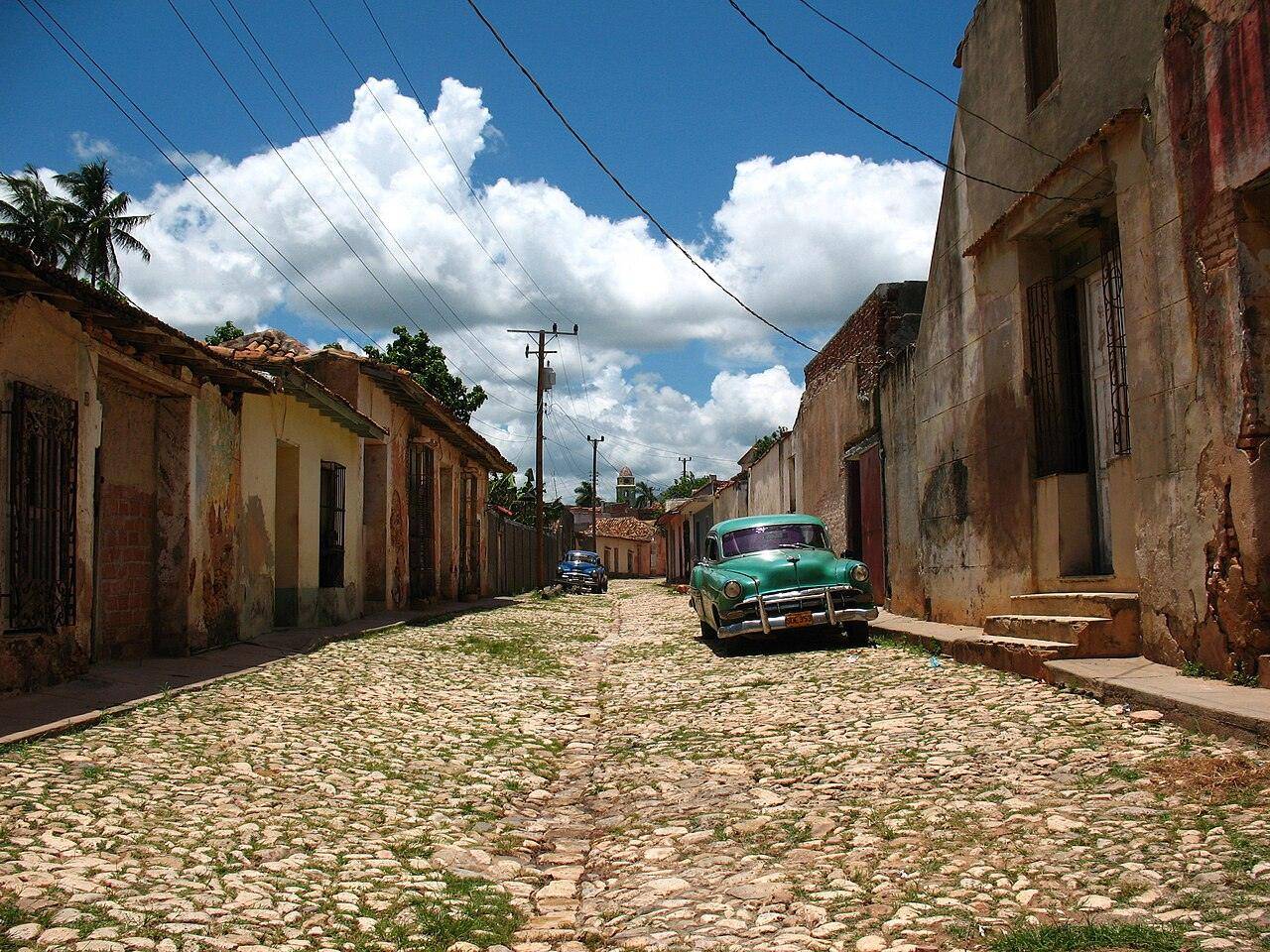
Havana, Viñales and Trinidad
The capital of vintage cars and music, the tobacco valley and the island's most beautiful colonial town.
 15 daysModerate
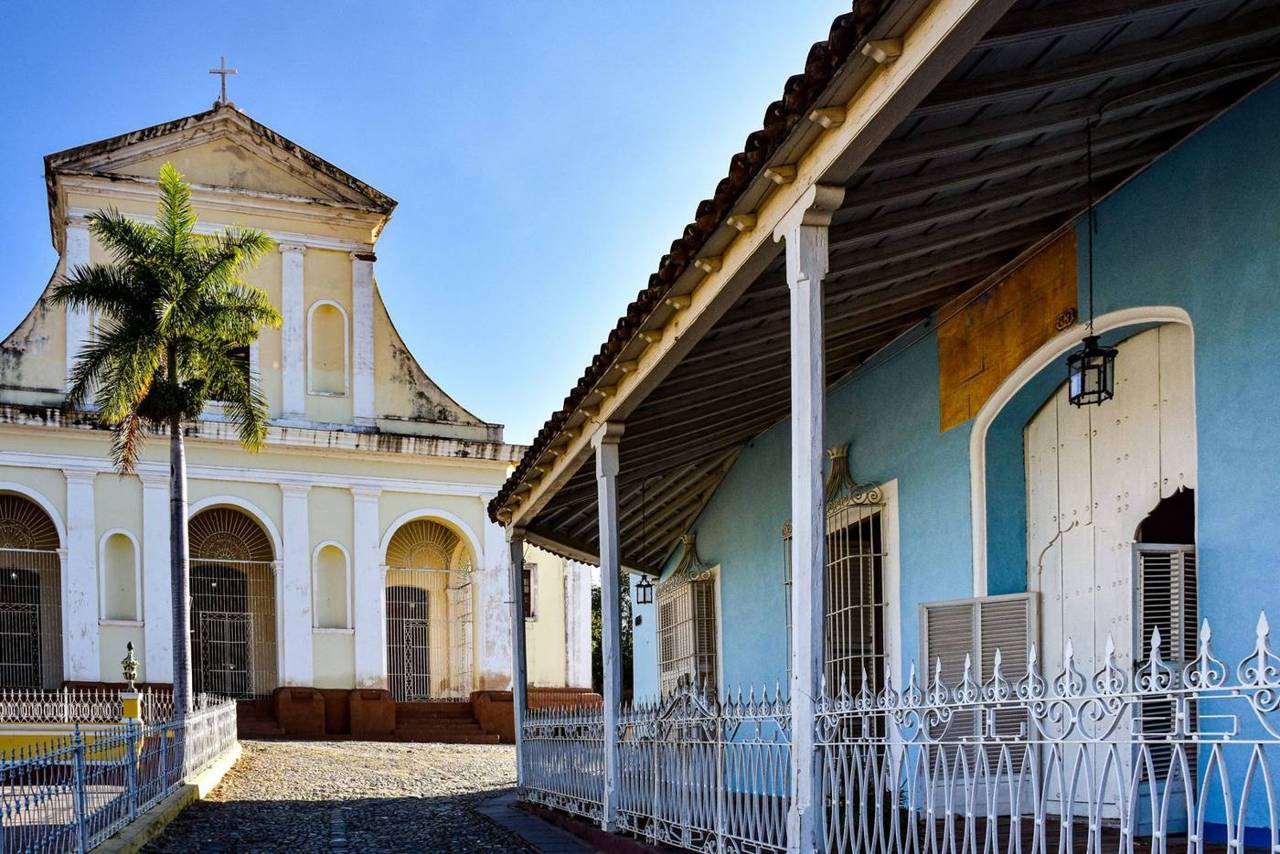
Cuba from west to east, to Santiago
The whole island: Havana, Viñales, the colonial towns of the centre, the Sierra Maestra, Santiago and a few days by the sea.
 11 daysEasy
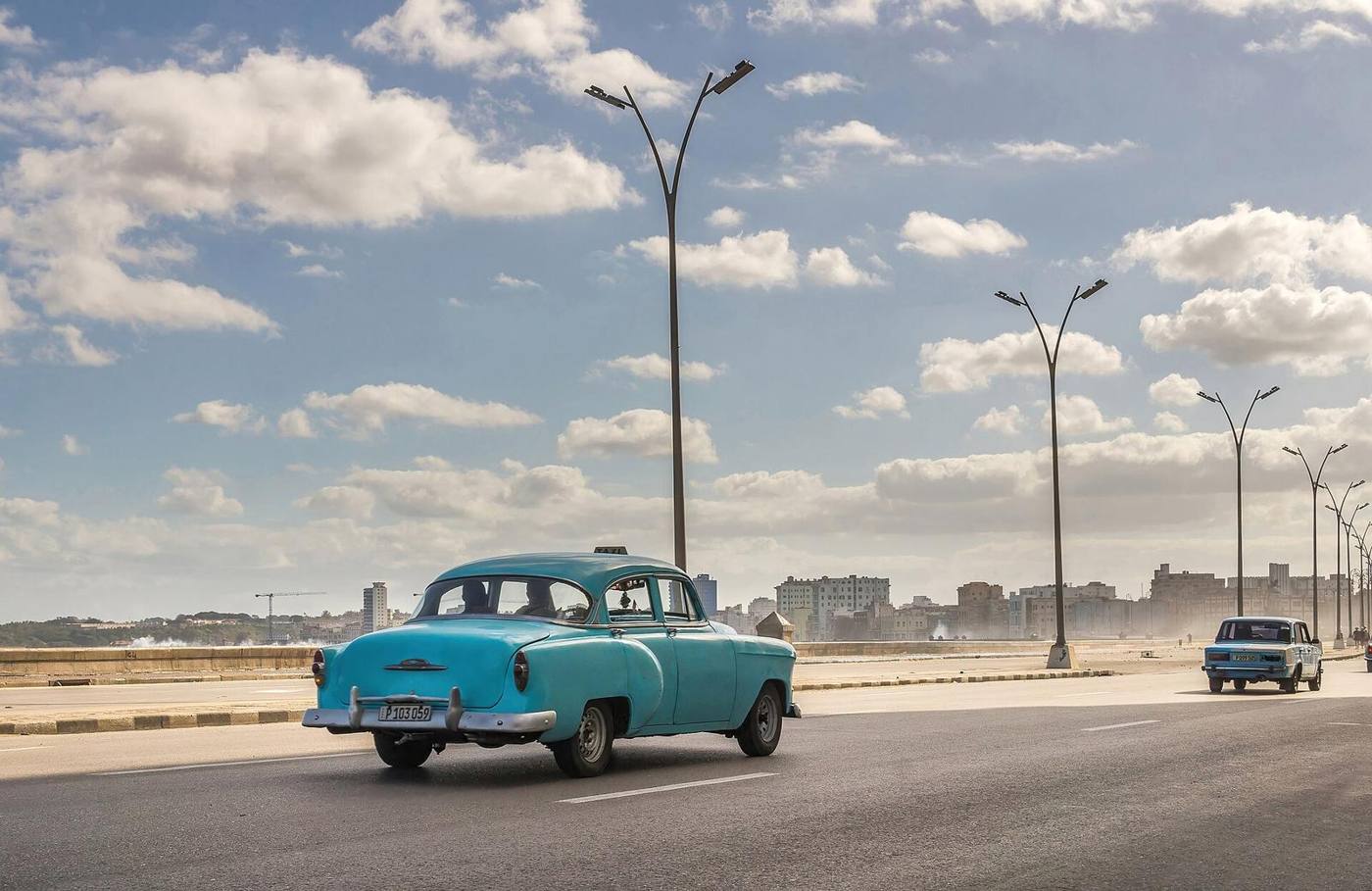
Cuba express: Havana, Viñales and Trinidad
The heart of Cuba in under two weeks: colonial Havana, the tobacco valleys of Viñales, timeless Trinidad and the Bay of Pigs.