Istria: Rovinj, Poreč and Motovun
The Venetian coast of Rovinj and Poreč, the Roman arena of Pula, hilltop villages with truffles, olive oil and Malvasia.
- Pula
- Rovinj
- Poreč
- Motovun
- Grožnjan
- Pula
Day by day
- Day 1
Pula: the arena, the Temple of Augustus and Kamenjak
Since 2023 Croatia has been in the Schengen area and uses the euro: EU citizens need only a valid identity card, with no fixed border checks. Istria, the large heart-shaped peninsula in the north of the country, is about an hour and a half by car from Trieste, or you can fly into Pula.
Pula, on the southern tip of the peninsula, is a port city with a rich Roman past. The main monument is the arena, a first-century Roman amphitheatre, one of the six largest surviving in the world and one of the best preserved, with its entire outer ring of white stone still standing. In summer it hosts concerts and the film festival. In the underground chambers there is a small exhibition on ancient olive oil and wine production.
Then walk through the old town to the Forum, the Roman square, where the Temple of Augustus stands, a small, perfectly preserved marble temple, and to the Arch of the Sergii, a Roman triumphal arch. Along the way a plaque recalls that the writer James Joyce taught English in Pula in 1904.
In the afternoon drive to Cape Kamenjak, a nature reserve at the tip of the peninsula, about twenty minutes away, with dirt tracks, small pebble coves and cliffs above clear water. Car entry is charged in summer.
Practical tip: at Kamenjak the roads are unpaved and dusty, and there is very little shade; bring water, a hat and water shoes.
- Day 2
Rovinj and the Church of St Euphemia
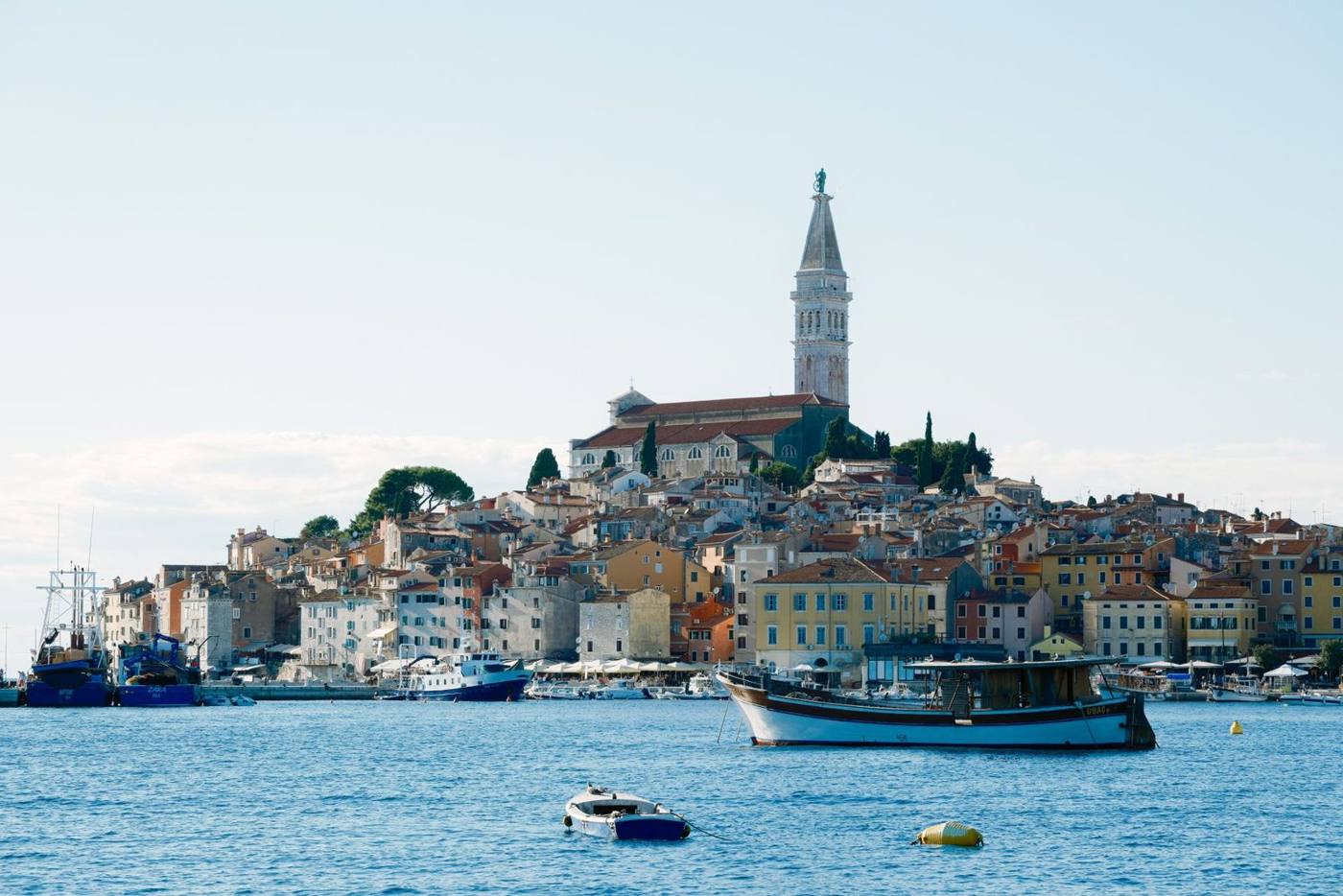
In the morning drive north along the coast to Rovinj, about forty minutes from Pula, perhaps the most beautiful town in Istria. The old town stands on a small peninsula that was once an island, with colourful Venetian houses rising straight from the sea and fishing boats in the harbour. The Republic of Venice ruled Istria for centuries, and you see it everywhere, in the lions of St Mark, the bell towers and the street names, often written in Croatian and Italian, because an Italian community still lives here.
Walk up the polished stone lanes, such as Grisia street, full of art galleries, to the top of the hill and the eighteenth-century Church of St Euphemia, with its bell tower about sixty metres high, a copy of St Mark's in Venice, and the statue of the saint on top, which turns with the wind. Inside the church is the saint's sarcophagus. You can climb the bell tower by a steep wooden staircase for the view over the roofs and islands.
In the afternoon swim in the Golden Cape forest park south of town, with pine trees, flat rocks and clear water, reachable on foot or by bike along the sea.
In the evening watch the sunset from the rocks below the old town.
Practical tip: the old town streets are polished, slippery stone; wear rubber-soled shoes.
- Day 3
The Rovinj islands and the Lim Channel
Today stay around Rovinj. In the morning take a boat from the harbour to the small islands off the town: St Catherine's island, covered with pines, a few minutes away, and Red Island, with pebble beaches and an old monastery. Boats leave often in summer and the crossing is short.
Alternatively take a boat trip into the Lim Channel north of Rovinj, a deep inlet about ten kilometres long between wooded hills, like a fjord, carved by a river in ancient times. Oysters and mussels are farmed in the channel. On the hill above it is a cave where, according to legend, a hermit lived. Boat trips leave from Rovinj and Vrsar.
In the afternoon visit the village of Bale inland, a medieval stone village on a hill with a castle and narrow lanes, or cycle along the Parenzana trail, the old narrow-gauge railway that linked Trieste and Poreč, now a cycling and walking route through the inland villages.
In the evening try Istrian dishes such as fuži, handmade pasta, with truffle, boškarin, the Istrian ox, and fresh fish.
Practical tip: in July and August Rovinj is very crowded; visit the old town early in the morning or in the evening.
- Day 4
Poreč and the Euphrasian Basilica
In the morning drive north to Poreč, about forty minutes from Rovinj, a coastal town whose old centre sits on a small peninsula, built on the plan of a Roman camp. The main street, the Decumanus, still crosses the whole old town as it did two thousand years ago.
The main monument is the Euphrasian Basilica, a UNESCO World Heritage site, a sixth-century religious complex and one of the best-preserved examples of Byzantine art in the Mediterranean. Inside, the apse is covered with gold mosaics of that time, showing the Virgin and Child, angels, saints and Bishop Euphrasius, who had the church built, holding a model of the basilica. You also visit the baptistery, the atrium, the bishop's palace and the bell tower, which overlooks the whole town.
Then walk along the Decumanus to Marafor square, the old Roman forum, with the remains of two temples, and along the seafront, with Gothic and Romanesque Venetian houses and towers of the walls.
In the afternoon swim at the beaches near town or take the boat to St Nicholas island in front of the harbour.
In the evening taste Istrian Malvazija, the local white wine.
Practical tip: the basilica mosaics are best seen in the morning, with light coming through the windows; remember to cover shoulders and knees to go in.
- Day 5
Motovun and Grožnjan: truffles and wine
Today leave the coast and head into inland Istria, a green region of hills, vineyards, olive groves and medieval hilltop villages.
In the morning reach Motovun, about forty minutes from Poreč, a fortified village on a hilltop about 270 metres high, surrounded by a double ring of walls. You walk up the steep road to the gate and the main square, with its church and bell tower. Then walk round the walls, which overlook the Mirna river valley and the Motovun forest, one of the world's most famous places for white and black truffles.
In Motovun and the nearby villages you can taste truffle products in shops and taverns, or join a truffle hunt in the forest with a hunter and his dogs, organised by local farms. White truffles are found mainly in autumn, from September to December.
In the afternoon visit Grožnjan, about twenty minutes away, a small stone village on a hill known as the artists' town, with art galleries in the old houses and a music school that holds concerts in the squares in summer.
On the way stop at a local winery to taste Malvazija and Teran, the Istrian red wine, and olive oil.
Practical tip: in the inland villages you park outside the walls and walk up; wear comfortable shoes.
- Day 6
Back to Pula and departure
In the morning head back south to Pula, about an hour from Motovun. On the way you can stop at Pazin in the centre of Istria, with its medieval castle on the edge of a deep rocky gorge, the Pazin Pit, where the river disappears into a cave. The gorge inspired the French writer Jules Verne in his novel Mathias Sandorf. There is also a zipline over the gorge.
Alternatively stop at Draguć, a tiny village with churches decorated with medieval frescoes, or at Labin, a hilltop town above the east coast, with old colourful houses and views over the Kvarner Gulf.
If you have time before departure, take a last swim at a beach near Pula, such as those at Verudela, or visit the Archaeological Museum of Istria, with the city's Roman finds.
Pula airport is about ten minutes from the centre; from Trieste there are flights and trains to many Italian and European cities.
Things to take home: Istrian olive oil, among the best in the Mediterranean, truffle products, Malvazija and Teran, honey, and liqueurs such as mistletoe biska and lavender.
Practical tip: in summer, traffic at the Slovenian border and towards Trieste can be heavy on Saturdays; leave early in the morning. Check your government's travel advice before leaving.
The closest and most Italian side of Croatia, ideal for a road trip from Italy. The food is excellent and the inland villages stay quiet even in August. The sea is lovely but the beaches are rocky. October is best for white truffles, with local festivals.
Before you go
- Documents and visa
- EU citizens need a valid identity card or passport: Croatia has been in the Schengen area since 2023. Other nationalities should check the Schengen rules.
- Health and vaccines
- No vaccines required. EU citizens should bring their EHIC. Emergencies: 112.
- Money and payments
- Euro since 2023. Cards are accepted almost everywhere, but carry some cash on small islands. Every accommodation charges a tourist tax per person per night.
- Power sockets
- Types C and F, 230 volts.
- Time zone
- Central European Time (UTC+1, summer UTC+2).
- Safety
- A very safe country. In remote inland areas some minefields from the 1990s war remain, marked with signs: stay on the paths. Official advice: GOV.UK.
Information checked in November 2026 for Italian and EU citizens. Rules change: always check before you travel.
Variations
In 3 days: Pula with the arena, Rovinj with St Euphemia and a day between Poreč and Motovun.
In 9 days: add Brijuni National Park off Pula, the island of Cres, or the Plitvice Lakes, about three hours' drive.
Frequently asked questions
Do I need a passport for Croatia?
No: since 2023 Croatia has been in the Schengen area, and EU citizens need only a valid identity card. The currency is the euro.
When are truffles found in Istria?
White truffles are gathered mainly from September to December; black truffles are found in most seasons. Truffle products can be bought all year.
Where should I stay to visit Istria?
Rovinj is the most convenient, central base for the coast; for the interior a night at a farm stay near Motovun works well.
Indicative itinerary written by World Atlas. Before booking, check timetables, seasonal openings, documents and safety.
 7 daysEasy
The Kornati islands by boat
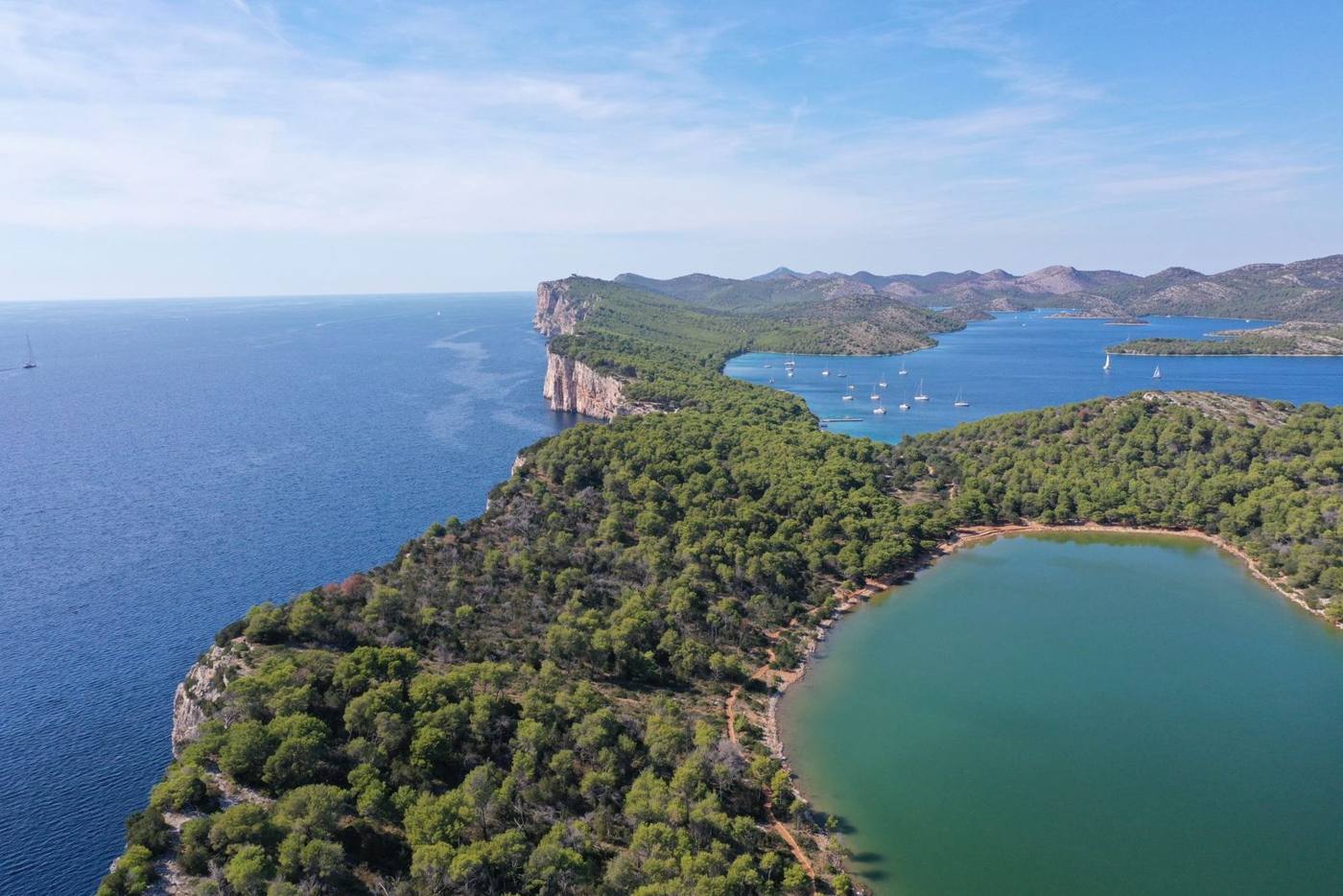
A week by sailing boat or gulet among the 89 bare islands of Kornati park, the salt lake of Telašćica and bays with konoba taverns.
 7 daysEasy
Dubrovnik and the Bay of Kotor
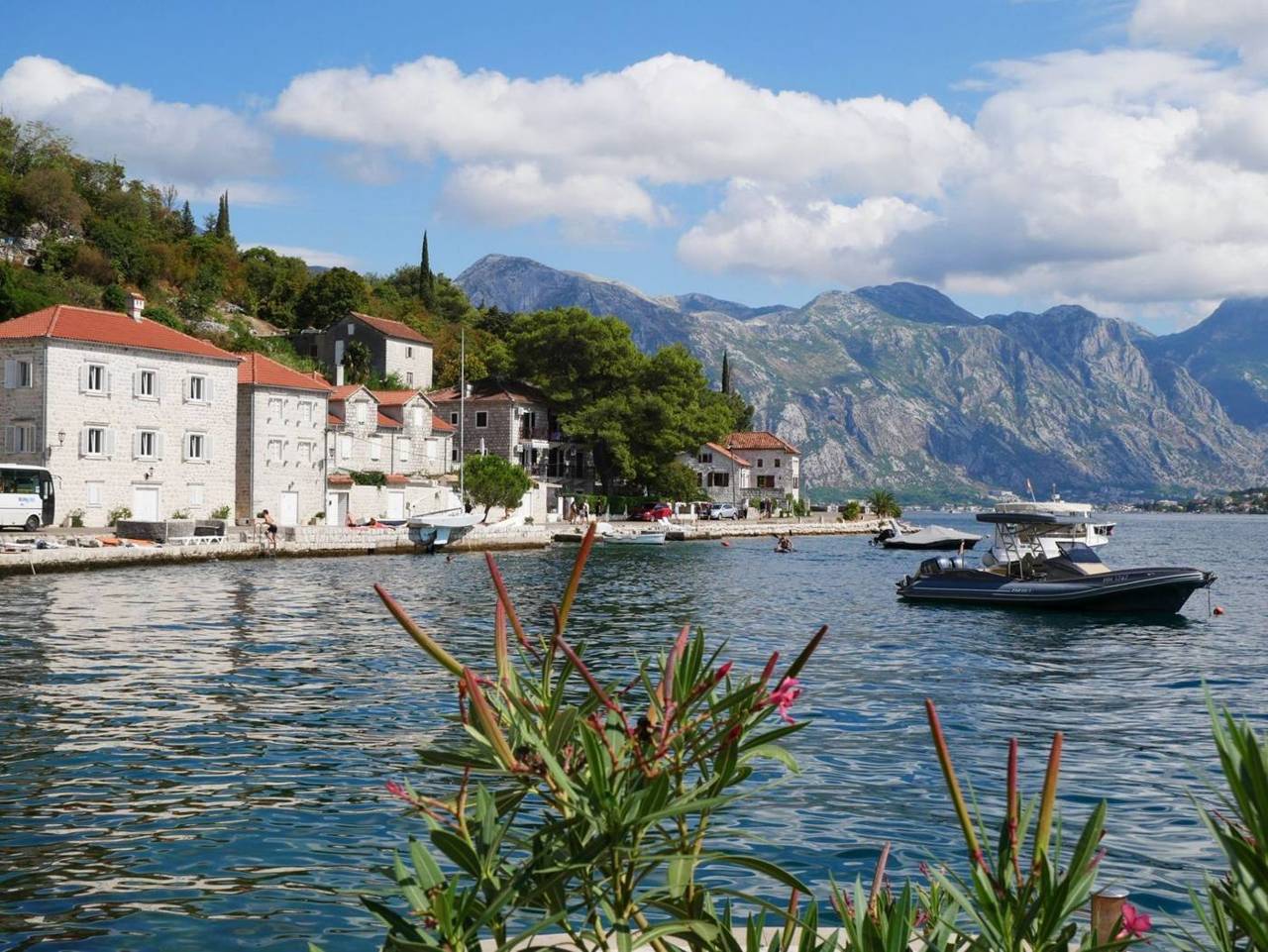
Dubrovnik at a gentle pace, Lokrum and the Elafiti islands, then across the border to Kotor and Perast in Montenegro, and Mostar in Bosnia.
 6 daysEasy
Zagreb and Slavonia
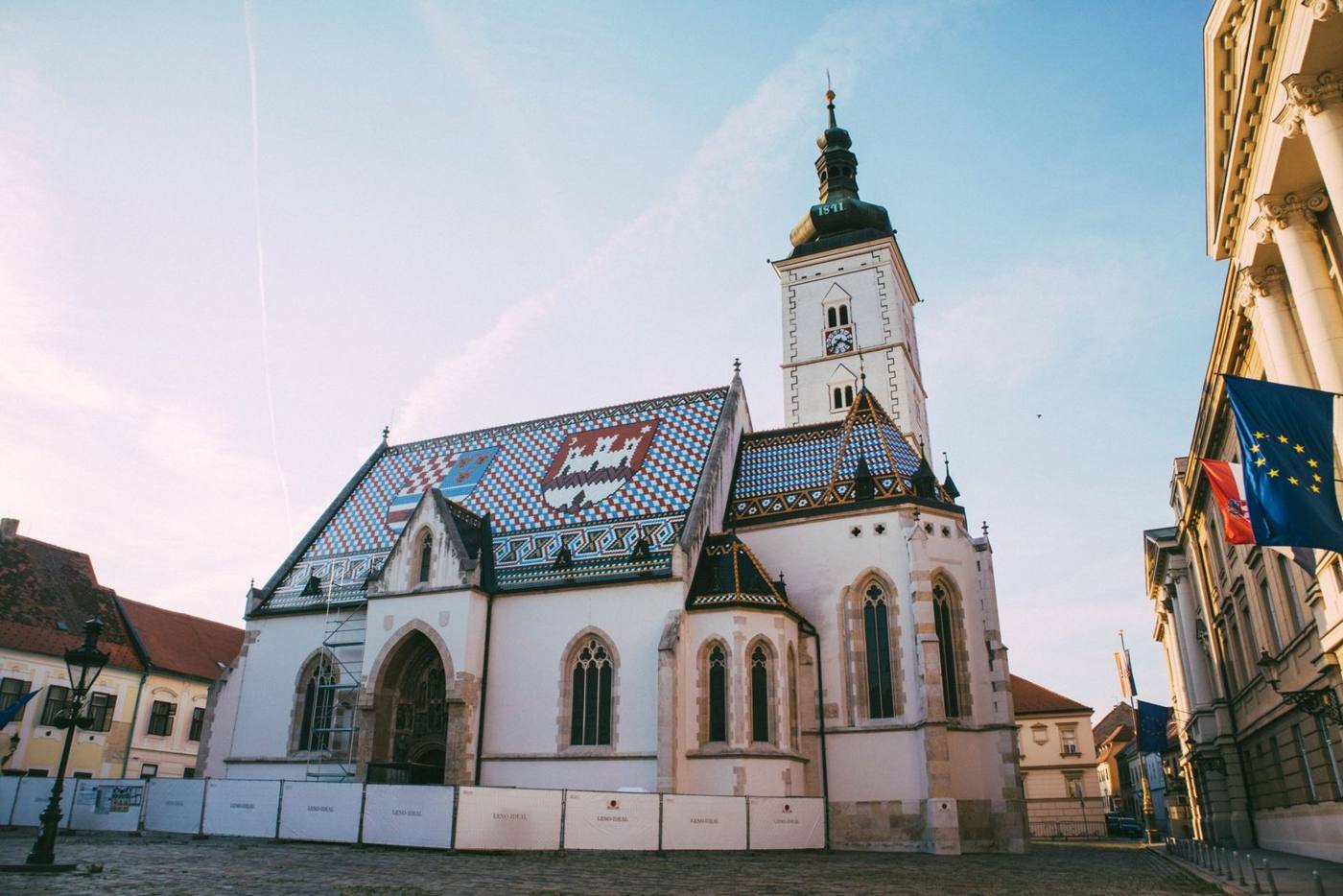
The continental Croatia few people see: Zagreb, the castles of Zagorje, Osijek, the Kopački rit wetlands and Vukovar.