Dubrovnik and the Bay of Kotor
Dubrovnik at a gentle pace, Lokrum and the Elafiti islands, then across the border to Kotor and Perast in Montenegro, and Mostar in Bosnia.
- Dubrovnik
- Lokrum
- Elafiti
- Perast
- Kotor
- Mostar
- Dubrovnik
Day by day
- Day 1
Dubrovnik: the Stradun, the Rector's Palace and the old harbour
This trip combines three countries in one week: Dubrovnik, the pearl of Dalmatia, with its walls and offshore islands, then the Bay of Kotor in Montenegro, a fjord like inlet among towering mountains with Venetian villages, and finally Mostar in Bosnia and Herzegovina, with its famous bridge. You always sleep in Dubrovnik or on the bay, with day trips.
You arrive at Dubrovnik airport, about half an hour from the old town, with flights from many European cities. Croatia is in the Schengen area and uses the euro.
On the first day enter the old town through the Pile Gate. Ahead of you opens the Stradun, the main street, paved with pale, polished stone, crossing the whole town to the harbour. At its start are the great fifteenth century Onofrio fountain and the Franciscan monastery, with one of the oldest pharmacies in Europe still in operation.
At the end of the Stradun is Luža square, with the clock tower and the church of Saint Blaise, the city's patron. Nearby is the Rector's Palace, home of the rector of the Republic of Ragusa, which governed the city for centuries with skilful diplomacy. Today it is a museum with historic rooms, furniture and portraits.
In the afternoon wander the side lanes and stairways, then sit by the old harbour among boats and walls.
Spend the night in Dubrovnik.
Practical tip: in summer the old town fills with cruise passengers from late morning to afternoon. Visit the Stradun early in the morning or in the evening, when it is quieter.
- Day 2
Walking the walls and sunset from Fort Lovrijenac
Today you walk Dubrovnik's city walls, one of the finest experiences on the Adriatic coast. The walls encircle the whole old town for about two kilometres, with towers, bastions and fortresses built and strengthened from the Middle Ages to the seventeenth century.
You climb up from one of the gates and walk along the walls in one direction, with continuous views over red tiled roofs, bell towers, squares, gardens hidden among the houses and the open sea on the other side. The highest point is the Minčeta Tower, overlooking the whole town. The circuit takes about two hours, with many steps.
The walls ticket costs 40 euros and is equivalent to the one day Dubrovnik Pass, which also includes some of the city's museums and entry to Fort Lovrijenac.
In the afternoon rest, or go up Mount Srđ above the town by cable car or on foot, for a view from above over the old town and the islands.
At sunset go to Fort Lovrijenac, outside the walls, on a cliff high above the sea. Above the entrance a Latin inscription says that freedom is not sold for all the gold in the world. From the fort the view of the walls lit by the setting sun is superb.
Spend the night in Dubrovnik.
Practical tip: in summer walk the walls as soon as they open in the morning or in the late afternoon, because there is no shade up there and it gets very hot. Bring water and a hat.
- Day 3
Lokrum island or the Elaphiti islands
Today choose between two boat trips.
The first is Lokrum, the island facing the old town, a quarter of an hour by boat from the harbour. Lokrum is a nature reserve covered in pines, holm oaks and olive trees, with no cars, paths, rocks for swimming and a small saltwater lake called the Dead Sea. Peacocks and rabbits, brought here in the nineteenth century, live on the island. There is also an old Benedictine monastery with a botanical garden and a fort at the top with a view of Dubrovnik. You cannot stay overnight on the island: the last boat returns to town in the late afternoon.
The second is a trip to the Elaphiti islands, north west of Dubrovnik: Koločep, Lopud and Šipan. The islands are peaceful, with small harbours, churches, Renaissance villas of Ragusan nobles, olive groves and woods. Lopud has Šunj beach, with fine sand, reached on foot across the island. Šipan is the largest, with a village at each end. You get there by regular ferry or on organised trips that visit all three islands in a day.
In the evening return to Dubrovnik and have dinner in the old town or in the quieter Lapad district.
Spend the night in Dubrovnik.
Practical tip: check the times of the Lokrum boats and the Elaphiti ferries, which change with the season. In winter connections are reduced.
- Day 4
To Montenegro: Perast and Our Lady of the Rocks
Today you leave Croatia for Montenegro and the Bay of Kotor, about an hour and a half to two hours by road from Dubrovnik, depending on the queue at the border.
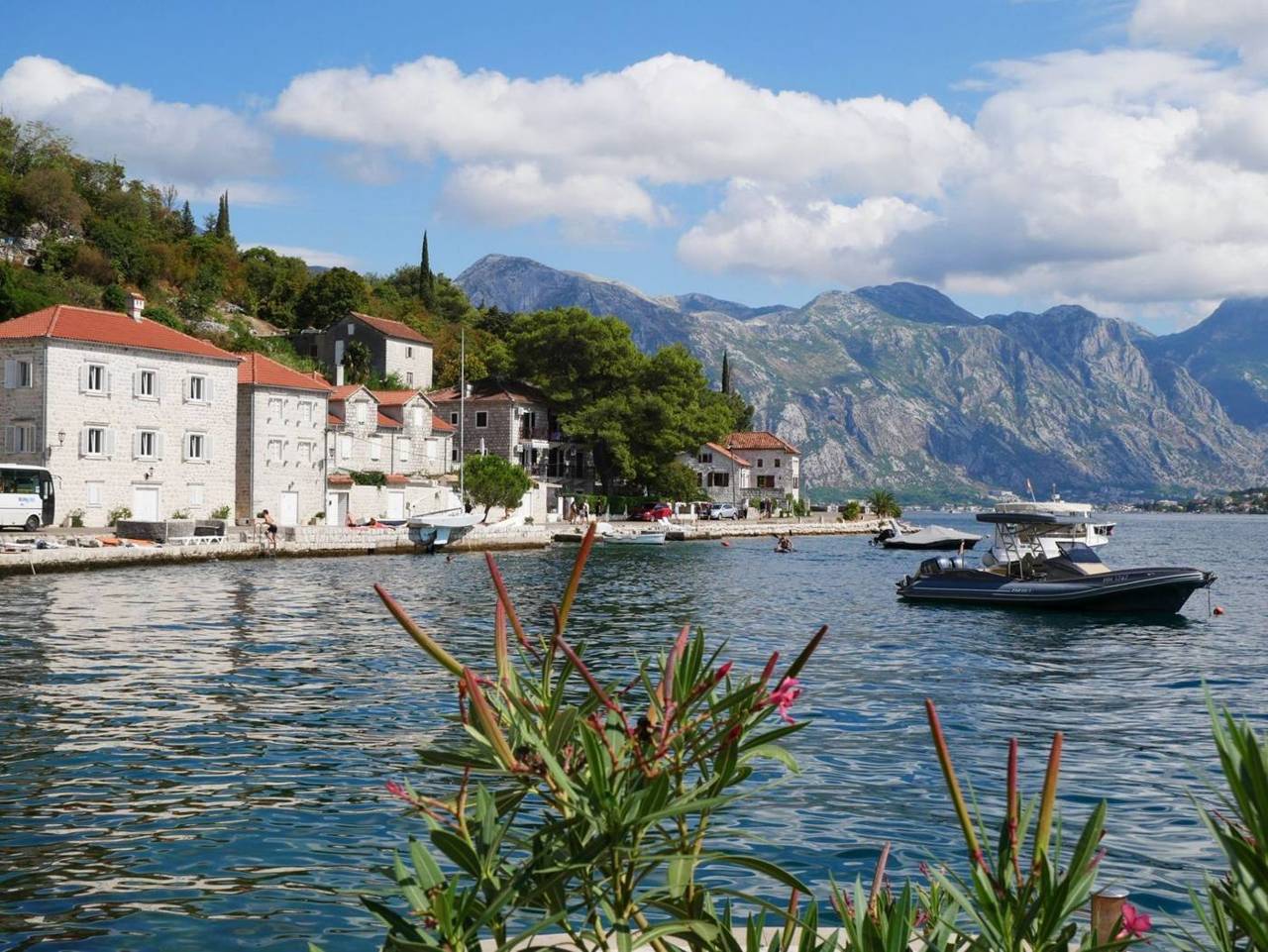
The Bay of Kotor is a large, long, indented gulf reaching many kilometres inland between steep mountains, like a fjord. For centuries it belonged to the Republic of Venice, and the villages along the shore still have bell towers, palaces and lions of Saint Mark.
The first stop is Perast, a small stone village with baroque palaces of sea captains and a single street along the water. In front of the village are two islets. Saint George is natural, with a monastery and cypress trees. Our Lady of the Rocks, by contrast, is man made: according to tradition, in the fifteenth century two fishermen found an image of the Virgin on a rock, and from then on locals threw stones and sank old ships around it until an island formed. Every July the ritual of throwing stones into the sea is repeated.
From the Perast quay small boats take you to the island in a few minutes. The church has a small museum of sailors' votive offerings.
In the afternoon continue to Kotor at the end of the bay.
Spend the night in Kotor.
Practical tip: Montenegro is not in the European Union and there is a real border check. Check the documents required for your nationality. If you have a hire car, get permission and insurance to leave Croatia in advance.
- Day 5
Kotor and the climb to the fortress
Today is devoted to Kotor, the most important town on the bay, a UNESCO World Heritage Site together with the bay. The old town is enclosed between the walls and the mountain, a tangle of lanes, small squares, churches and Venetian palaces.
In the morning walk around the old town. The twelfth century Cathedral of Saint Tryphon has two bell towers and old frescoes. There is also the maritime museum, telling the story of the bay's sailors, and many small Orthodox and Catholic churches, a sign of the two faiths living side by side. Kotor is also famous for its cats, which you see everywhere.
In the late afternoon, when it is cooler, climb the walls that run up the mountain behind the town to Saint John's fortress, about 260 metres above the sea. You climb more than a thousand steps and a long stone ramp, passing the small church of Our Lady of Health. From the top the view over the town, the red roofs and the bay is superb, especially at sunset.
The climb is paid at the entrance to the walls and takes about an hour.
In the evening have dinner in the old town.
Spend the night in Kotor.
Practical tip: the climb is steep and shadeless, with worn, slippery steps. Bring water and closed shoes. Like Dubrovnik, Kotor fills with cruise passengers during the day: early morning and evening are the best times.
- Day 6
Day trip to Mostar and its old bridge
Today you take a day trip to Mostar, in Bosnia and Herzegovina, a long but very rewarding day. From Kotor you drive back towards Dubrovnik and then inland, or you leave directly from Dubrovnik, about two and a half hours by road depending on the borders.
Mostar lies on the Neretva river, which flows green between the rocks. The city's symbol is the Stari Most, the old bridge, a single arch of white stone built by the Ottomans in 1566. For more than four centuries it linked the two halves of the city. In 1993, during the war, it was destroyed by shelling. It was rebuilt with the same techniques and partly with stones recovered from the river, and reopened in 2004. Today it is a UNESCO World Heritage Site.
In summer divers from the local club leap from the bridge into the river, from more than twenty metres, once they have collected enough offerings from tourists.
Walk through the old bazaar, with its copper and carpet workshops, visit a mosque whose minaret overlooks the bridge, and the house of an Ottoman family. Some buildings in town still bear the marks of the war.
Have lunch with ćevapi, small grilled meat sausages served in bread.
In the evening return to Dubrovnik.
Spend the night in Dubrovnik.
Practical tip: Bosnia and Herzegovina is not in the European Union. Check your documents and, with a hire car, permission and insurance to cross the border. Around Mostar do not leave marked paths in the countryside.
- Day 7
Last morning in Dubrovnik and departure
On the last day enjoy your final hours in Dubrovnik before your flight.
Early in the morning, when the streets are empty, return to the old town and see what you have missed. The Dominican monastery, near the Ploče Gate, has a Gothic cloister and a museum with paintings by Ragusan artists. The synagogue, in a narrow street, is one of the oldest in Europe still in use. The cathedral has a treasury with relics and gold objects.
Alternatively, swim at one of the beaches near the town. Banje beach, just outside the Ploče Gate, has a view of the walls and Lokrum island. More hidden, the bars and rocks below the walls on the open sea side are reached through small doors in the walls.
Before you leave, try a typical Dubrovnik dessert, rožata, similar to crème caramel, flavoured with a rose liqueur.
Dubrovnik airport is about half an hour by road south of the old town, along the coast.
Practical tip: in summer the roads between the town and the airport can be busy. Leave well in advance, especially if your flight is in the afternoon, when many cruise ships arrive and depart. Keep your boarding pass and documents ready.
Three countries in a week, with Dubrovnik as a base. Summer queues at the Montenegrin and Bosnian borders can last hours, so leave early and check that your hire car may leave Croatia. Kotor is overrun by cruise ships, so staying in Perast is quieter.
Before you go
- Documents and visa
- EU citizens need a valid identity card or passport: Croatia has been in the Schengen area since 2023. Other nationalities should check the Schengen rules.
- Health and vaccines
- No vaccines required. EU citizens should bring their EHIC. Emergencies: 112.
- Money and payments
- Euro since 2023. Cards are accepted almost everywhere, but carry some cash on small islands. Every accommodation charges a tourist tax per person per night.
- Power sockets
- Types C and F, 230 volts.
- Time zone
- Central European Time (UTC+1, summer UTC+2).
- Safety
- A very safe country. In remote inland areas some minefields from the 1990s war remain, marked with signs: stay on the paths. Official advice: GOV.UK.
Information checked in November 2026 for Italian and EU citizens. Rules change: always check before you travel.
Variations
In 4 days: just Dubrovnik, the walls, Lokrum and a day trip to Kotor and Perast.
In 10 days: add Korčula, the Pelješac peninsula and Mljet National Park.
Frequently asked questions
When is the best time to go?
May, June and September, with warm sea and fewer people. July and August are very crowded and hot.
Do I need special documents for Montenegro and Bosnia?
They are not in the European Union and there are border checks. Check the documents required for your nationality before you leave.
Do I need a car?
Not for Dubrovnik. For Perast, Kotor and Mostar a car with permission to leave Croatia is convenient, or take organised trips.
Indicative itinerary written by World Atlas. Before booking, check timetables, seasonal openings, documents and safety.
 6 daysEasy
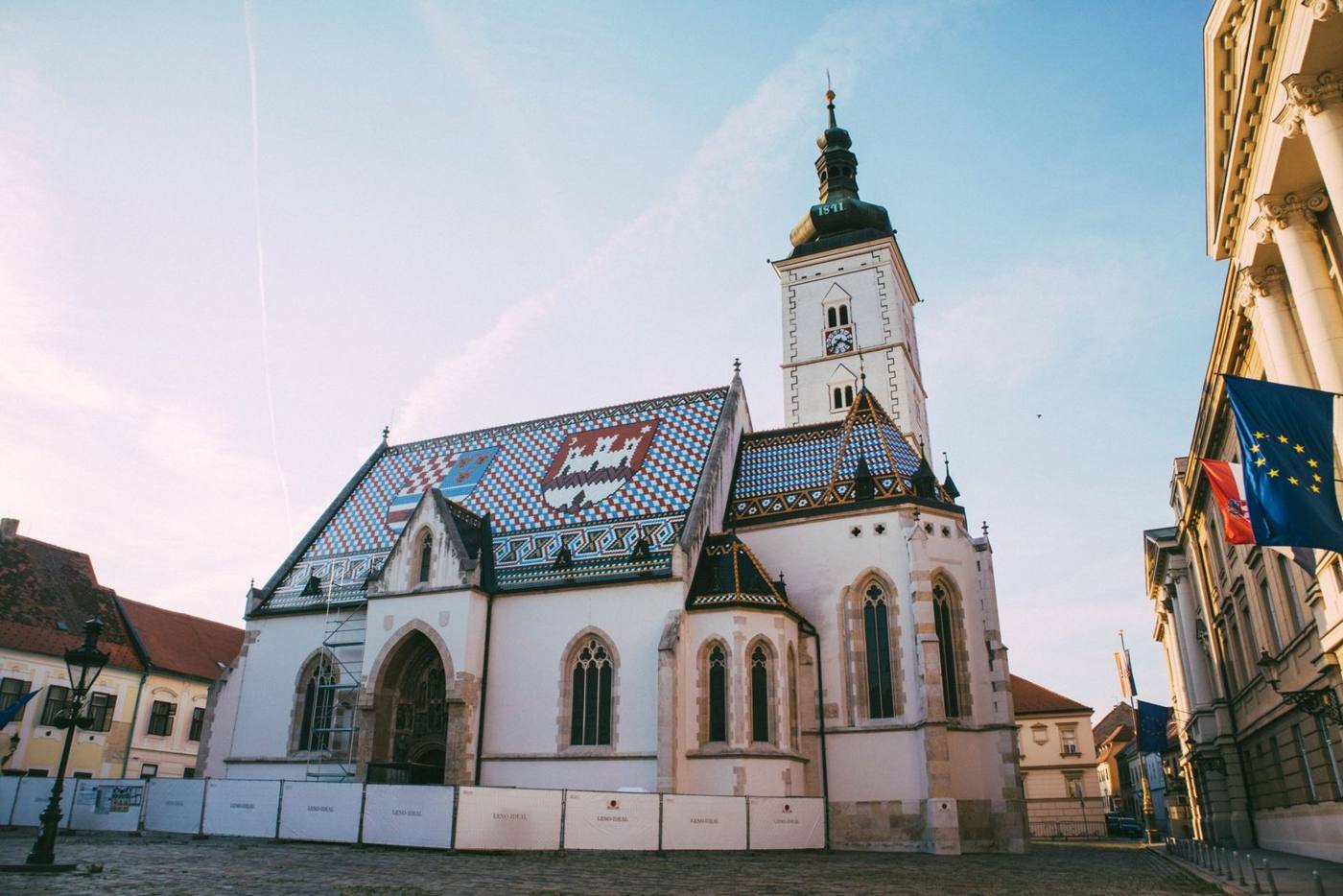
Zagreb and Slavonia
The continental Croatia few people see: Zagreb, the castles of Zagorje, Osijek, the Kopački rit wetlands and Vukovar.
 7 daysEasy
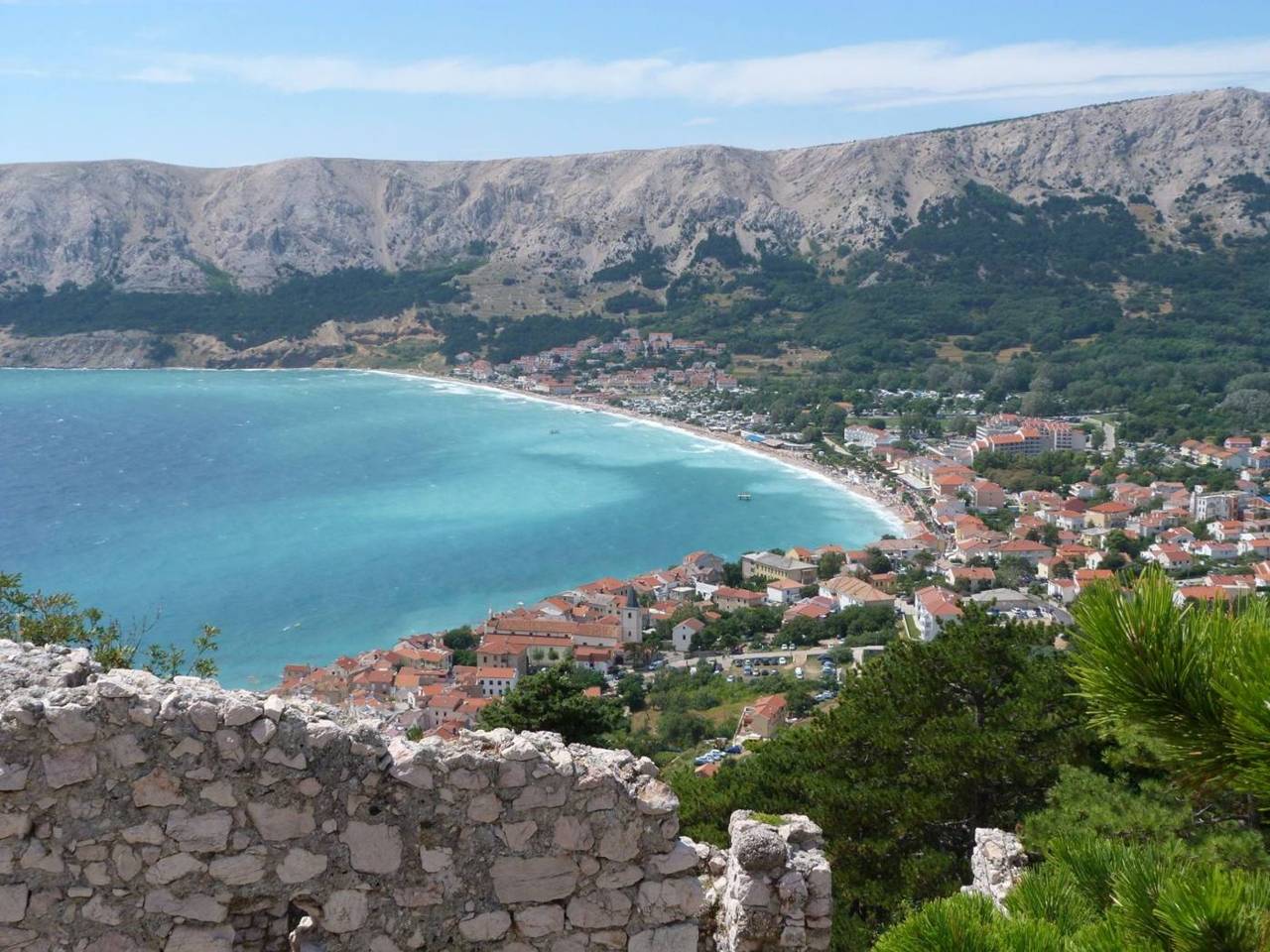
The Kvarner islands: Krk, Cres and Lošinj
Rijeka and Opatija, the island of Krk with Baška, the griffon vultures of Cres, Lošinj with its dolphins and the medieval villages of Lubenice and Veli Lošinj.
 6 daysModerate
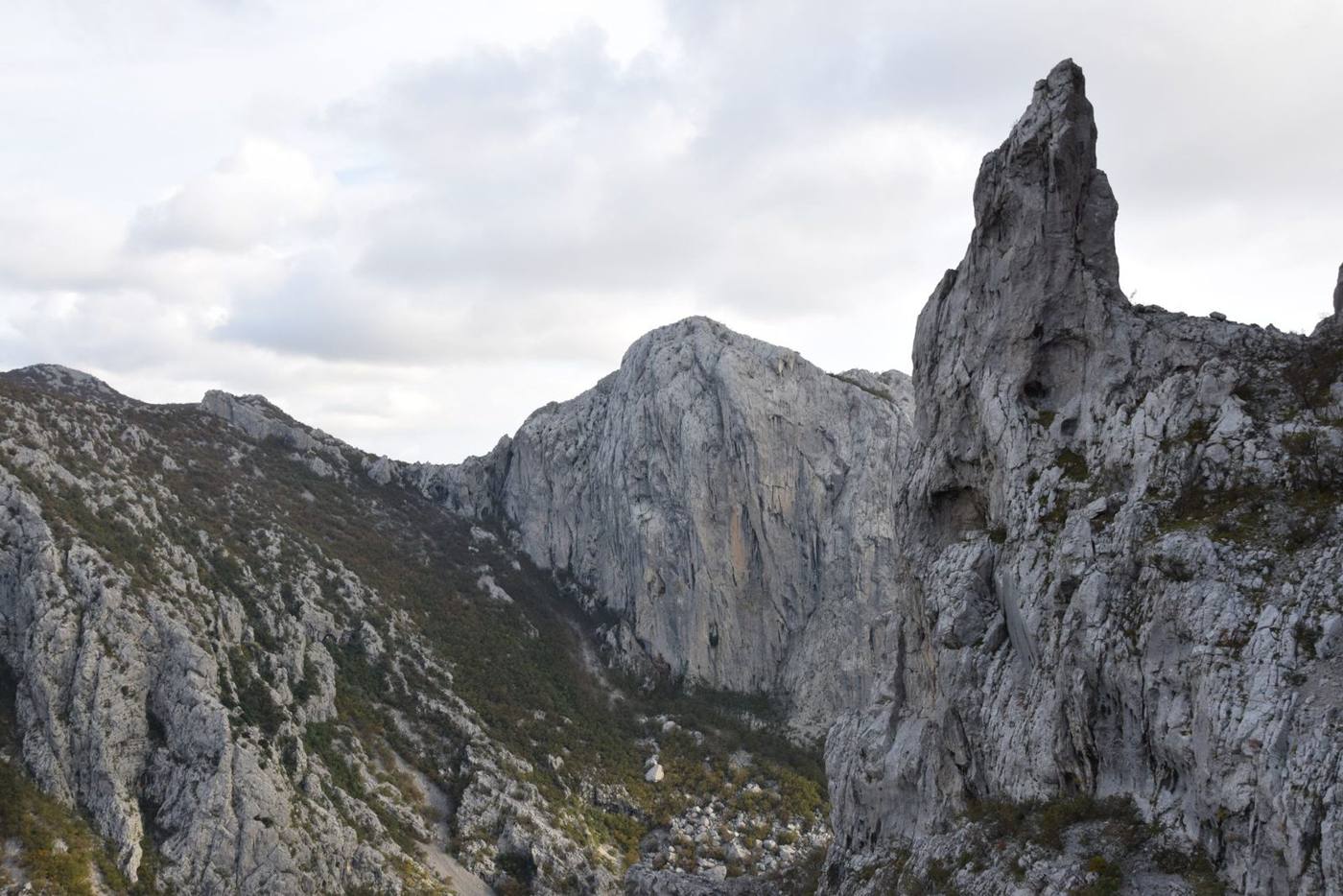
Velebit and Paklenica
The mountain above the sea: the canyons of Paklenica, the refuges of northern Velebit and the Premužić trail with views over the islands.