Dalmatia from Split to Dubrovnik
Diocletian's Palace in Split, the islands of Hvar and Korčula by ferry, Pelješac wines and the walls of Dubrovnik.
- Split
- Trogir
- Hvar
- Korčula
- Pelješac
- Ston
- Dubrovnik
Day by day
- Day 1
Split: Diocletian's Palace and the Riva
Split airport is half an hour from the centre by the shuttle that runs to the harbour. This trip is done without a car, by ferry and catamaran, so for two nights stay inside or near Diocletian's Palace, where the old town is pedestrian.
The palace is not a museum: it is a living neighbourhood built in and on top of the residence the Roman emperor Diocletian had built around 300 AD. Enter through the Bronze Gate on the seafront, via the substructures, the great vaulted halls that held up the imperial apartments: they are visited with a ticket and have survived almost intact. You emerge in the Peristyle, the colonnaded square at the heart of the palace.
Next to it is the cathedral of St Domnius, created inside the mausoleum of the emperor who persecuted the Christians: the Romanesque bell tower is climbed by a steep stair to a view over all the rooftops and the harbour. Leave by the Golden Gate to the north, where the large bronze statue of Bishop Gregory of Nin stands: by tradition touching his big toe brings luck, and indeed it shines.
In the evening stroll along the Riva, the palm-lined waterfront, and then the palace lanes, where bars fill Roman courtyards. For dinner try crni rižot, black risotto with cuttlefish ink, and pašticada, marinated beef slow-cooked in wine, served with gnocchi. Practical tip: in July and August the centre is packed and prices high: May, June and September are much better.
- Day 2
Marjan hill and Trogir
Early in the morning climb Marjan hill, Split's green lung, which covers the whole tip of the peninsula. Steps from the Varoš quarter reach the first viewpoint in fifteen minutes, with views of the harbour, the islands and the mountains behind the city. Paths and a pedestrian road through the pines lead to small medieval churches cut into the rock and to beaches on the south side, such as Kašjuni, for a swim before the heat arrives.
In the early afternoon go to Trogir, about half an hour away: there is a city bus from Split bus station and, in the warm season, a boat from the harbour, the nicest way to arrive. Trogir is a small town on an islet linked to the mainland and to Čiovo island by two bridges, a World Heritage site for its almost intact medieval streets.
The main monument is the cathedral of St Lawrence, with the portal carved in the 13th century by master Radovan: Adam and Eve, the apostles, scenes of the months with work in the fields. Climb the bell tower for the view over the rooftops. Then walk along the waterfront to the Kamerlengo fortress, built by the Venetians, from which you see the whole town.
Return to Split for dinner. Practical tip: for tomorrow book the catamaran to Hvar online, as it sells out in summer, and check which pier in the harbour it leaves from.
- Day 3
The catamaran to Hvar and the Spanish fortress
The catamaran from Split to Hvar town takes about an hour; the car ferry instead arrives at Stari Grad, on the other side of the island. For three nights stay in Hvar town, or in quieter Stari Grad or Jelsa. Hvar is the sunniest island in the Adriatic, with lavender, vineyards and olive trees on the hills.
Hvar town opens around St Stephen's Square, the largest in Dalmatia, with the cathedral and bell tower at the far end and the harbour in front. On the harbour side is the Arsenal, where the Venetians repaired their galleys: the upper floor holds one of the first public theatres in Europe, opened in 1612.
In the afternoon climb to the fortress, known as Fortica or the Spanish fortress, by the paths among agaves and pines that start behind the square: in twenty minutes you reach the walls, with views of the harbour full of boats and the Pakleni islands in front. It is the island's most famous view, and at sunset the finest.
In the evening Hvar is lively, with harbour bars open late. For dinner try gregada, the island's fish and potato stew, and local wines, white bogdanuša and red plavac mali. Practical tip: in Hvar local rules ban walking around the centre in swimwear or bare-chested, with fines: dress in town.
- Day 4
By boat to the Pakleni islands
In front of Hvar harbour lie the Pakleni islands, about twenty wooded islets with coves of clear water. During the day small taxi boats leave the pier about every half hour for the main islands: Jerolim, Marinkovac and Palmižana, on the island of Sveti Klement. The crossing takes ten to twenty minutes. Alternatively hire a boat with a skipper for the day, sharing the cost as a group.
Palmižana has a botanical garden planted in the late 19th century, paths among the pines and several bays: you can walk from one cove to the next and pick the least crowded. The beaches are rock and pebbles, like almost all in Croatia: bring water shoes. Marinkovac is the closest and busiest, with beach bars; Jerolim has a traditional naturist section.
In the late afternoon return to Hvar on one of the last taxi boats, usually around six or seven: check the time when you leave. If you have energy, in the evening walk or take a taxi up to the villages of Brusje or Velo Grablje in the hills, where lavender was grown.
Practical tip: bring water and sunscreen, as the islands have few shops and shade depends on the pines. In rough seas or a strong mistral the taxi boats may stop: keep this day flexible.
- Day 5
Stari Grad, the Greek plain and the lavender fields
Today discover Hvar's other face, older and quieter. Take the bus or a taxi to Stari Grad, about twenty minutes, the town founded by Greek settlers from Paros in 384 BC. Its centre, at the end of a long narrow bay, is a web of stone lanes and small squares.
Visit the Tvrdalj, the fortified home of the Renaissance poet Petar Hektorović, with a fish pond in the middle of the courtyard and verses carved into the stone. Then leave town for the Stari Grad Plain, a World Heritage site: the fields are still divided along the grid the Greeks laid out more than two thousand years ago, with drystone walls, olives and vines. It is best explored by bicycle, on white roads with hardly any traffic.
In the afternoon, if you are here between June and early July, look for the lavender fields in bloom in the hills inland; out of season you will still find essential oil and lavender bags sold in the villages. Then go to Jelsa, a small harbour with a tree-lined square, for the day's last swim.
In the evening return to Hvar or sleep in Stari Grad, where tomorrow's connection to Korčula leaves. Practical tip: the island's buses are tied to ferry times and few run in the evening: check them or book a taxi.
- Day 6
Korčula, the medieval town
The catamaran from Hvar to Korčula takes about an hour and a half and in summer runs once or twice a day: book ahead. For two nights stay in Korčula town or in Lumbarda, the wine village a few kilometres away.
Korčula is one of the most beautiful medieval towns on the Adriatic, on a small peninsula enclosed by walls. The streets are laid out like a fishbone: those on the west are straight to let in the summer breeze, those on the east curved to block the winter bora. Enter by the land gate with the Revelin tower and climb the stairs to the cathedral of St Mark, in pale stone, with a bell tower looking over the Pelješac channel.
A few steps away is the house that local tradition names as the home of Marco Polo's family, with a panoramic tower: that the traveller was born here is possible but unproven, and the museum says so honestly. Then walk around the walls by the sea, with restaurants beneath the bastions.
On some summer evenings the moreška is danced, a traditional sword dance staging the fight between two kings: it takes place near the land gate, with tickets. For dinner try grilled fish and pošip, the island's white wine. Practical tip: Korčula town is small and seen in half a day; the rest of the island deserves a full day.
- Day 7
Lumbarda, sandy beaches and Pupnatska Luka bay
In the morning go to Lumbarda, twenty minutes by bus or bike from Korčula town. It is the home of grk, a dry white wine grown almost only here, on sandy soil. Several family wineries open for tastings: ask in the village or book the day before.
Near Lumbarda are two of Dalmatia's rare sandy beaches, Pržina and Bilin Žal, with shallow calm water, good for children too. The village also has remains of a Greek settlement: the Lumbarda tablet, one of the oldest Greek inscriptions in Croatia, was found here.
In the afternoon take a rental car or scooter, as buses do not serve it well, and cross the island to Pupnatska Luka bay on the south coast: a beach of white pebbles enclosed by pine-covered hills, with turquoise water. The road down is narrow and steep, so drive calmly. On the way back stop at Pupnat, a stone village inland with a small church and a view over the hills.
Return to Korčula for dinner. Try žrnovski makaruni, the handmade pasta of the village of Žrnovo, with meat sauce, and almond sweets such as klašuni. Practical tip: in summer the car park at Pupnatska Luka is small and fills early: arrive before eleven or after four.
- Day 8
The Pelješac peninsula: Dingač wine and Ston oysters
In the morning take the ferry from Korčula to Orebić, on the Pelješac peninsula, a fifteen-minute crossing. From here the trip continues towards Dubrovnik: a rental car is easiest, but a bus also runs the length of the peninsula to Dubrovnik in about two and a half hours.
Pelješac is a long peninsula of mountains and vineyards. Above Orebić, on extremely steep slopes running down to the sea, plavac mali is grown in the Dingač and Postup vineyards, Croatia's most famous reds: several wineries along the road offer tastings. Near Orebić a path also climbs to the Franciscan monastery, with views over the channel and Korčula.
In the early afternoon reach Ston, at the start of the peninsula. Ston is surrounded by the longest walls in Europe after China's, more than five kilometres, built by the Republic of Ragusa in the 14th century to protect the salt pans, which are still working. The stretch climbing the hill between Ston and Mali Ston is walked with a ticket, with a spectacular view of the salt pans and the two seas.
In Mali Ston you eat the bay's oysters, farmed here for centuries, raw with lemon, and mussels. In the evening continue to Dubrovnik, an hour's drive. Practical tip: Ston's walls are very hot in summer with no shade: go in the morning or after five.
- Day 9
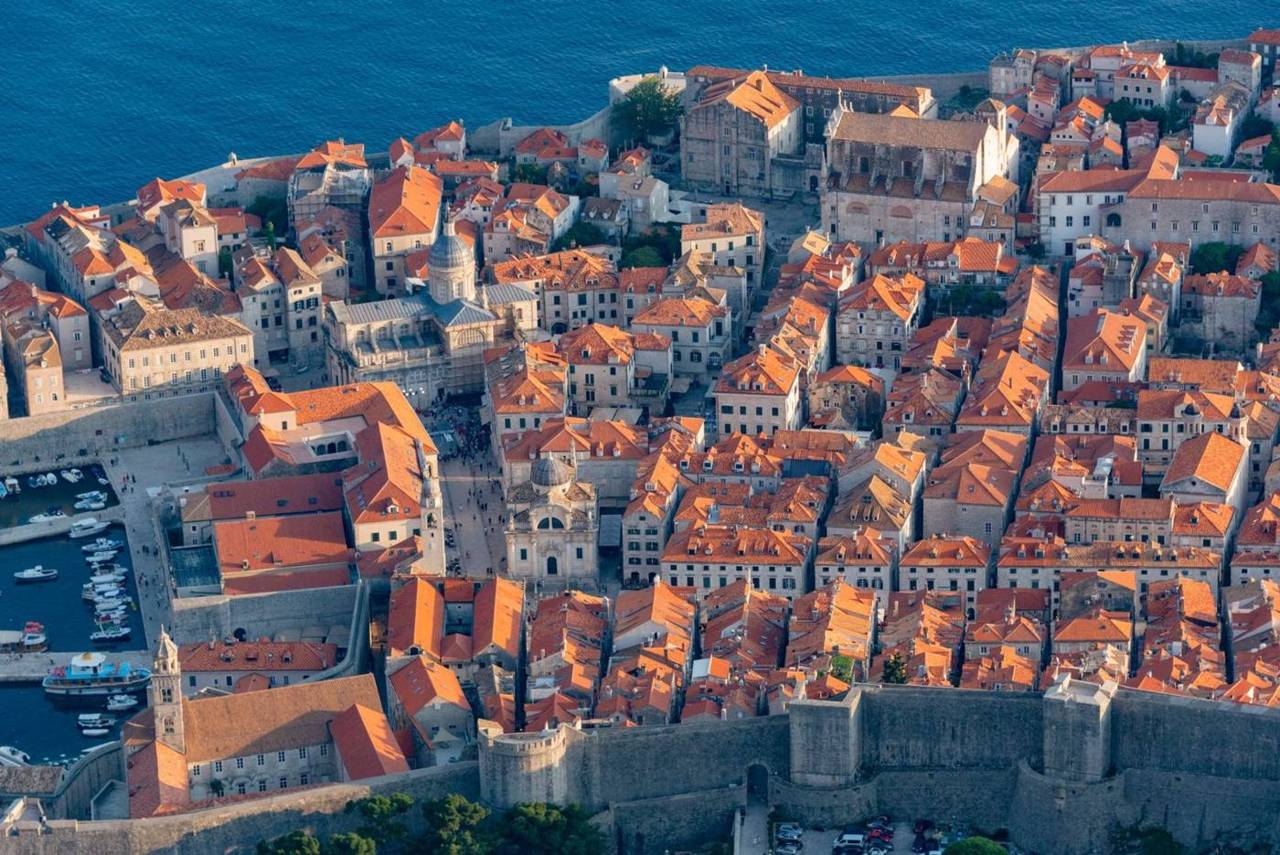
Dubrovnik: the walls early in the morning and the old town
For the last two nights stay in Dubrovnik, in Ploče or Lapad, or inside the walls if you find a reasonable price. The old town is pedestrian and full of steps. Dubrovnik's tourist tax is 2.65 euros per person per night from April to September and 1.86 euros the rest of the year.
Climb the walls at opening time, before the heat and the cruise-ship groups. The full circuit is about two kilometres, with many steps and little shade, and takes two hours. The ticket costs 40 euros and includes Fort Lovrijenac; the one-day Dubrovnik Pass costs the same and adds museums and city buses, so it is almost always worth it. From above you see the tiled roofs, largely rebuilt after the shelling of 1991 and 1992: the different colours show which are new.
After the walls go down to the Stradun, the main street paved with polished stone, from Pile Gate to the clock tower. Visit the Rector's Palace, seat of the government of the Republic of Ragusa, the cloister of the Franciscan monastery, with one of the oldest working pharmacies in Europe, and the church of St Blaise, the patron saint.
In the afternoon find a bar on the rocks outside the walls on the south side, where you swim from a small ladder. Practical tip: check the cruise ship calendar, as on days with several ships in port the centre is far more crowded.
- Day 10
The cable car up Mount Srđ, Lokrum island and departure
On the last day go up Mount Srđ above the city by the cable car that leaves just outside the walls: in a few minutes you reach four hundred metres, with views over the whole old town, the Elaphiti islands and, on clear days, as far as Montenegro. At the top is Fort Imperial, with a museum on the 1990s war, when the city was besieged. You can also walk up or down a zigzag path of about an hour, with no shade.
If your flight is in the afternoon, there is time for Lokrum island, ten minutes by boat from the old harbour: an island of pines and rocks protected as a reserve, with a Benedictine monastery, a botanical garden, peacocks and a small saltwater lake called the Dead Sea, for swimming. No one may stay overnight on the island: the last boat leaves in the late afternoon.
Alternatively walk around town some more, away from the Stradun, in the lanes climbing towards the northern walls, where the last residents still live.
Dubrovnik airport is about half an hour from the centre, with a shuttle from the bus station and Pile Gate. Practical tip: in summer the airport road is often congested, so allow at least two and a half hours before your flight.
The classic Croatia trip, easy to do by ferry without a car. In July and August Dubrovnik and Hvar are packed and expensive: May, June and September are much better. Beaches are almost all pebble or rock, so bring water shoes. Walk Dubrovnik's walls at opening time, before the cruise ships arrive.
Before you go
- Documents and visa
- EU citizens need a valid identity card or passport: Croatia has been in the Schengen area since 2023. Other nationalities should check the Schengen rules.
- Health and vaccines
- No vaccines required. EU citizens should bring their EHIC. Emergencies: 112.
- Money and payments
- Euro since 2023. Cards are accepted almost everywhere, but carry some cash on small islands. Every accommodation charges a tourist tax per person per night.
- Power sockets
- Types C and F, 230 volts.
- Time zone
- Central European Time (UTC+1, summer UTC+2).
- Safety
- A very safe country. In remote inland areas some minefields from the 1990s war remain, marked with signs: stay on the paths. Official advice: GOV.UK.
Information checked in November 2026 for Italian and EU citizens. Rules change: always check before you travel.
Variations
In 7 days: Split and Trogir on the first two days, two days on Hvar with the Pakleni islands, a day on Korčula, then Ston and Dubrovnik on the last two. You give up Stari Grad, Lumbarda and the Pelješac wines.
In 14 days: add two days at Krka National Park and Šibenik before Split, the island of Vis with the Blue Cave of Biševo, and Mljet National Park, with its salt lakes and monastery on an islet, before Dubrovnik.
Frequently asked questions
Do I need a car?
No. Split, Hvar, Korčula and Dubrovnik are linked by catamarans and ferries, and the old towns are pedestrian. A car for a day is only useful on Korčula and Pelješac, for beaches and wineries. In summer book catamarans online a few days ahead, as they sell out.
How much are Dubrovnik's walls?
40 euros per person in 2026, including entry to Fort Lovrijenac. The one-day Dubrovnik Pass costs the same and adds about ten museums and city buses. The circuit takes about two hours: go at opening time or in the late afternoon.
When is the best time to go?
May, June and September: the sea is already warm, crowds are smaller and prices lower. In July and August Hvar and Dubrovnik are packed and expensive. From November to March many catamaran links are reduced and many island lodgings close.
Indicative itinerary written by World Atlas. Before booking, check timetables, seasonal openings, documents and safety.
 5 daysEasy
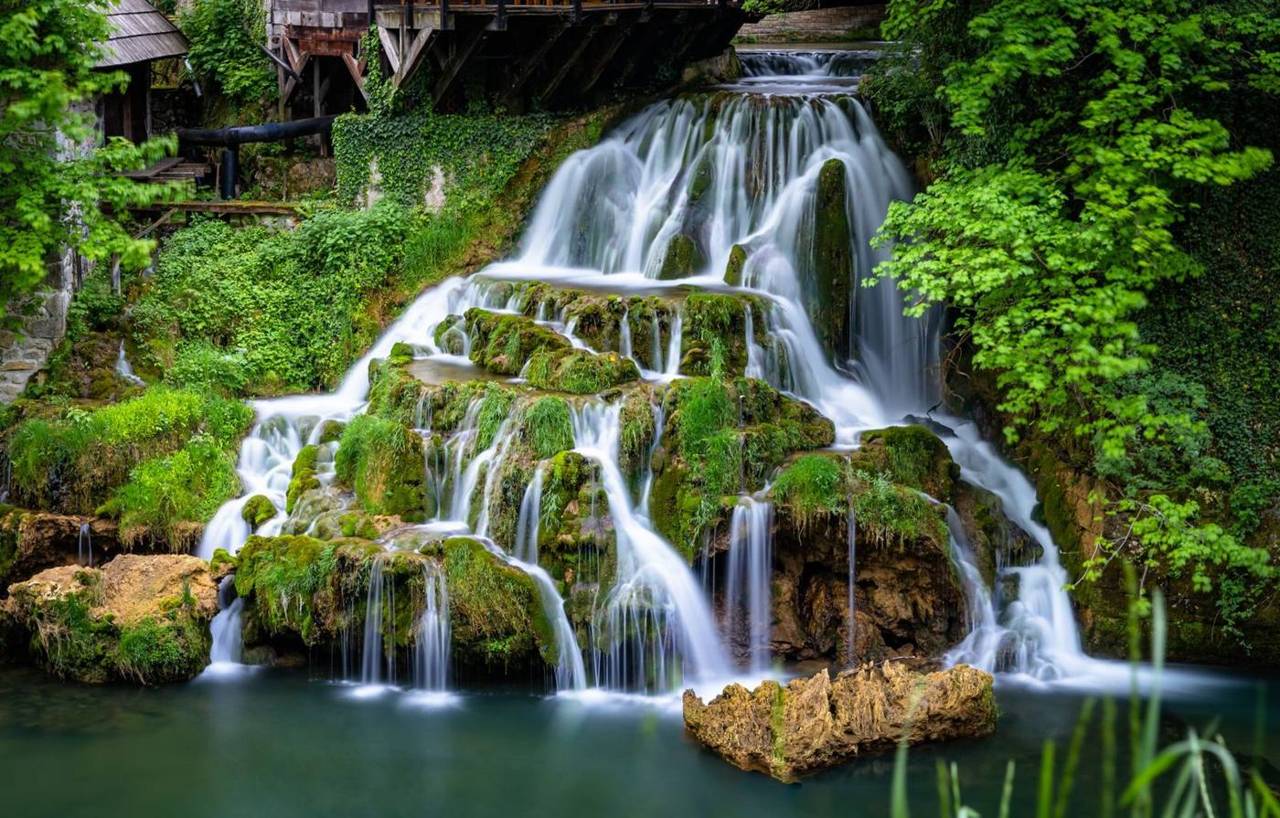
Plitvice Lakes and Krka National Park
From Zagreb to Split via the sixteen terraced lakes of Plitvice, the town of Šibenik and the Krka waterfalls.
 6 daysEasy
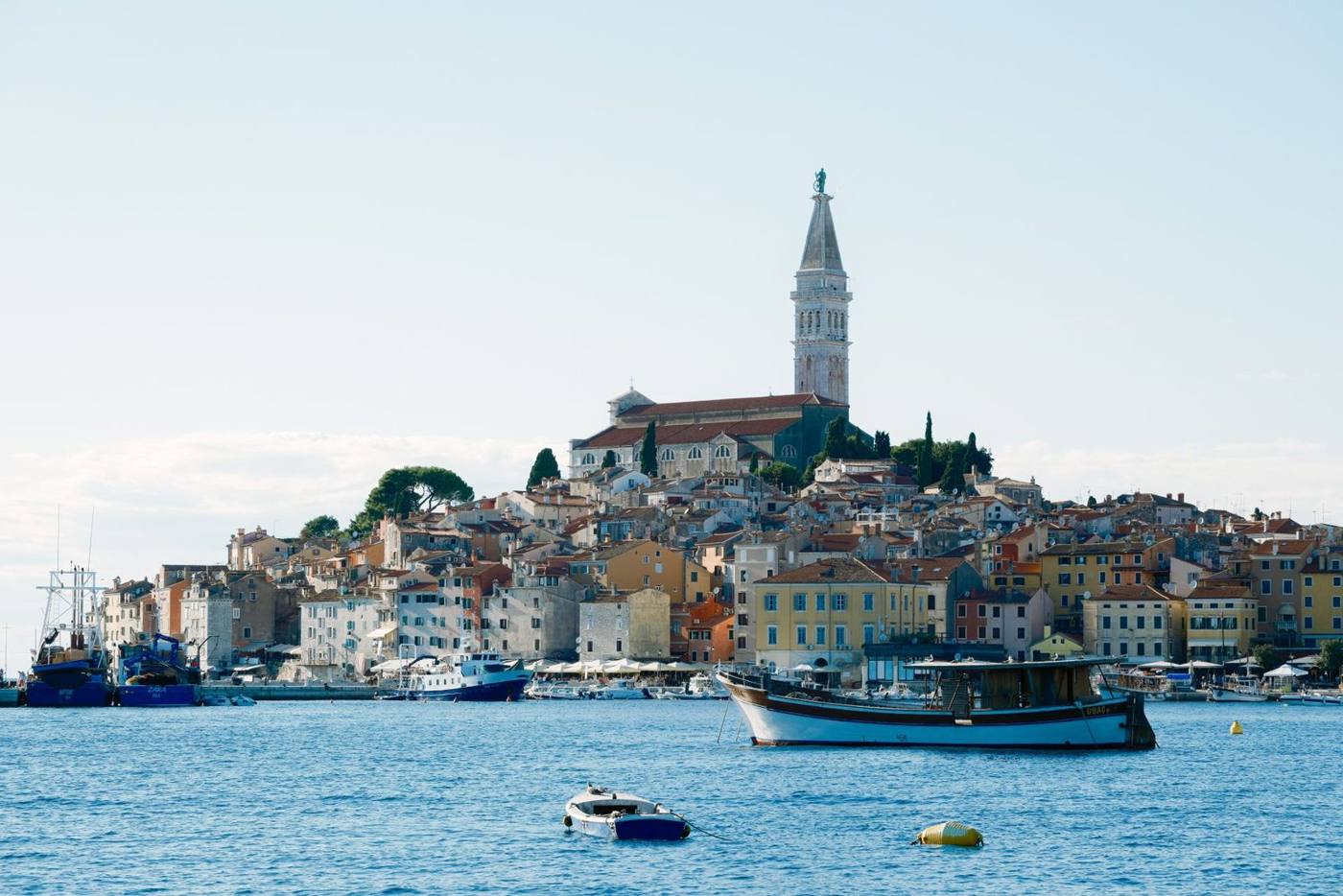
Istria: Rovinj, Poreč and Motovun
The Venetian coast of Rovinj and Poreč, the Roman arena of Pula, hilltop villages with truffles, olive oil and Malvasia.
 7 daysEasy
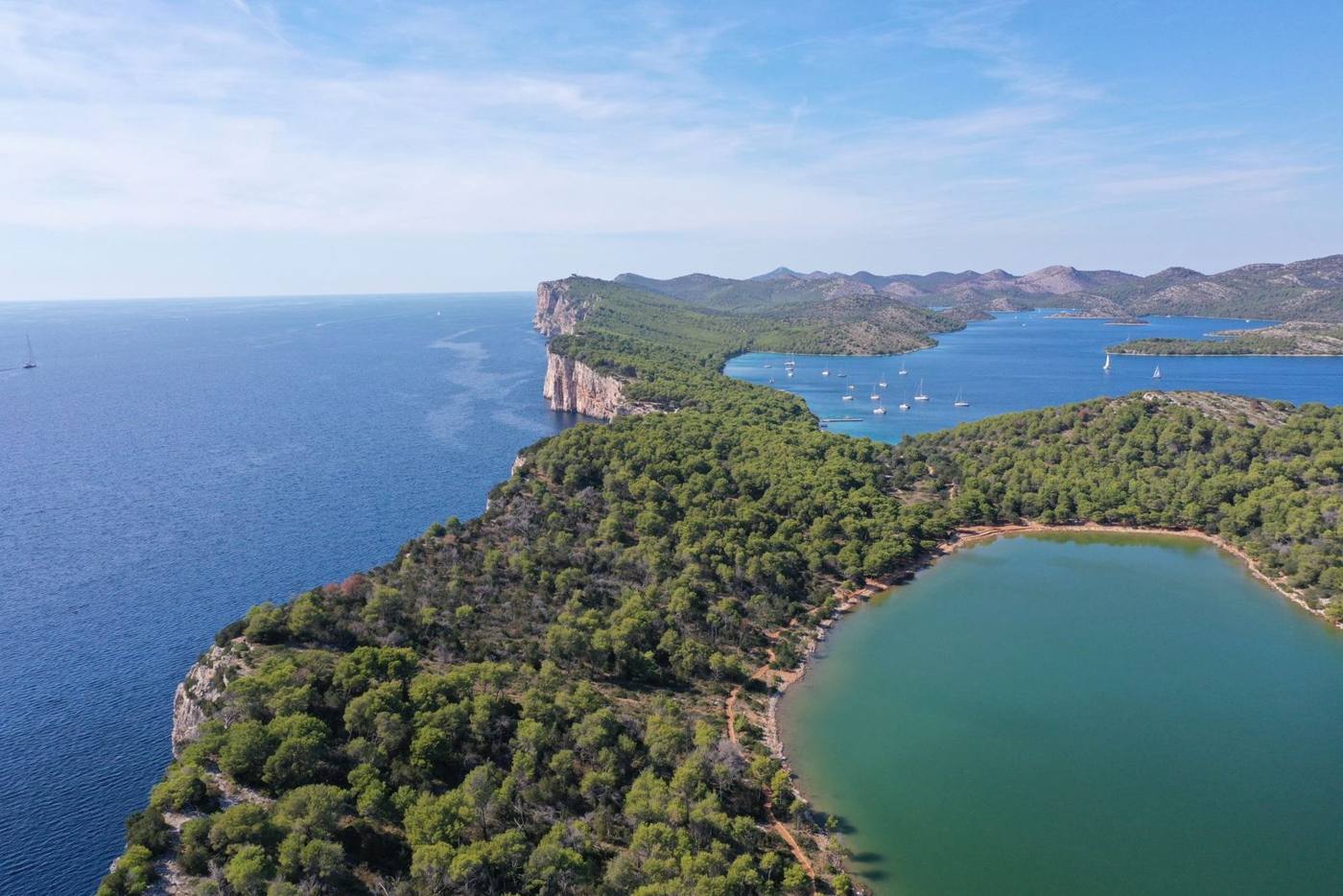
The Kornati islands by boat
A week by sailing boat or gulet among the 89 bare islands of Kornati park, the salt lake of Telašćica and bays with konoba taverns.