Medellín and Guatapé
The city of eternal spring and its rebirth, Comuna 13 with its escalators and murals, then the lake and the Peñol rock at Guatapé.
- Medellín
- Comuna 13
- Santa Elena
- Guatapé
- El Peñol
Day by day
- Day 1
Medellín: the centre, Botero's statues and the Museo de Antioquia
EU citizens can enter Colombia without a visa for tourism for up to ninety days with a valid passport; before departure you must complete the Check-MIG entry form online on the Colombian immigration website. Check the rules for your nationality.
Medellín, Colombia's second city, lies in a narrow Andean valley at about 1,500 metres, with a mild climate all year, which is why it is called the city of eternal spring. In the 1980s and 1990s it was considered one of the most dangerous cities in the world because of drug cartel violence; since then it has changed greatly, thanks to public transport, libraries and parks in the poorest districts, and has become an example studied worldwide. From José María Córdova airport in Rionegro you reach the city in about forty minutes, descending from the mountains.
In the morning go to the centre, to Plaza Botero, where twenty-three large bronze statues by the sculptor Fernando Botero, born in Medellín, stand in the open air, with his round, voluminous figures: women, men, horses and cats. Next to it is the Museo de Antioquia, in an art deco building, with many works by Botero, paintings and sculptures donated by the artist to his city, and works by other Colombian artists.
In the afternoon walk around the centre to the Rafael Uribe Uribe Palace of Culture, with its Gothic black and white chequered façade, and Parque Berrío with the cathedral.
In the evening try bandeja paisa, the region's signature dish, with beans, rice, meat, sausage, egg, plantain and avocado.
Practical tip: in central Medellín do not show your phone in the street or carry valuables, especially in the evening.
- Day 2
The Museo Casa de la Memoria and the Metrocable
In the morning visit the Museo Casa de la Memoria, a modern museum devoted to Colombia's armed conflict and the violence that struck Medellín and the Antioquia region. Through testimonies, photographs, objects and videos, it tells the stories of victims and survivors and the paths to peace and reconciliation. Entry is at no cost. It is a powerful but important visit for understanding today's Colombia.
In the afternoon take the Metro de Medellín, Colombia's only metro, very clean and well kept, a source of local pride. At Acevedo station change to the Metrocable, line K, an urban cable car rising above working-class districts built on the valley slopes, with red-brick houses stacked one above another. It was built in 2004 to link these isolated areas with the centre and has become a symbol of the city's change.
From Santo Domingo station at the top you can continue on line L to Parque Arví, a large nature reserve of woods and trails in the mountains above the city, with a farmers' market at weekends.
In the evening return to the city and have dinner in a quieter district such as Laureles.
Practical tip: buy the rechargeable Cívica card for the metro and Metrocable; line L to Parque Arví has a separate ticket.
- Day 3
Comuna 13 with a local guide and an evening in El Poblado or Laureles
In the morning visit Comuna 13, also called San Javier, one of Medellín's best-known districts, built on the steep slopes on the west side of the valley. For years it was one of the city's most violent areas, controlled by armed groups; today it is a symbol of the city's transformation, thanks also to the large outdoor escalators built in 2011, which climb the hillside and connected the district with the rest of the city.
You visit with a guide from the neighbourhood, often a young person who lives there, who tells the community's story, the military operations of the early 2000s, the losses and the rebirth. Along the escalators and lanes are colourful murals telling this story, groups of young people dancing hip hop and breakdance, small shops and fruit ice cream stalls.
Comuna 13 is now very busy; choose a local guide so the money stays in the community, and respect residents' privacy, asking before photographing people.
In the afternoon rest or visit the botanical garden near the university, with its orchid house under a large wooden structure called the Orquideorama.
In the evening go out in El Poblado, the liveliest district, with bars and restaurants around Parque Lleras, or Laureles, quieter and residential, with tree-lined streets.
Practical tip: in the evening use ride apps or taxis called by the venue, and never accept drinks from strangers.
- Day 4
Guatapé: the Piedra del Peñol, the lake and the zócalos
Today is a trip to Guatapé, about two hours from Medellín by bus or car, through the green mountains of Antioquia.
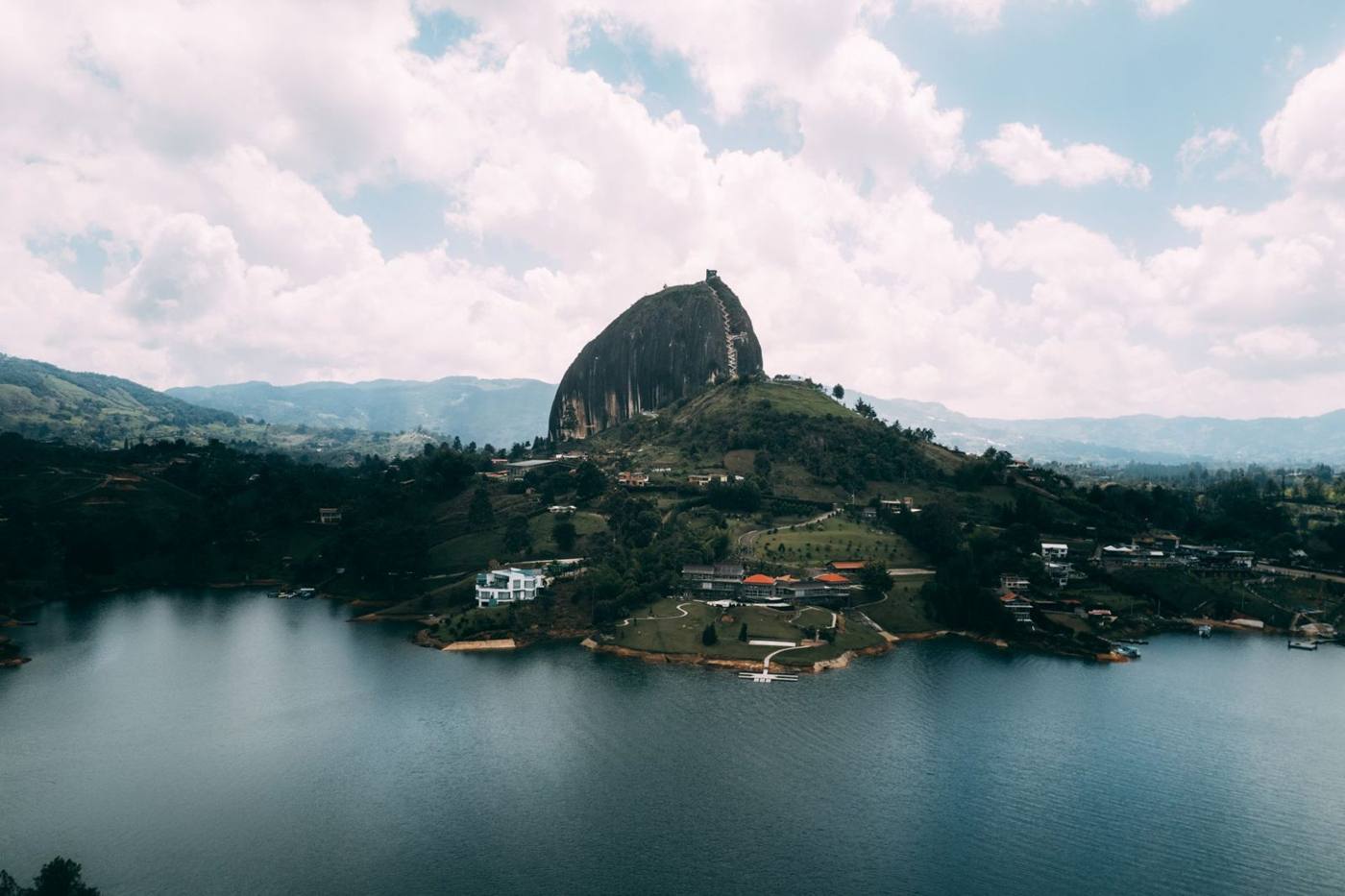
The first stop is the Piedra del Peñol, a huge granite monolith about two hundred metres high, rising alone from the landscape. On the side of the rock a zigzag staircase of 740 steps has been built into a crack in the stone, reaching the top in twenty to thirty minutes. The view from above is incredible: a large reservoir, the Guatapé-El Peñol lake, full of green islands, peninsulas and inlets stretching to the horizon. Entry to the staircase is charged.
Then go down to Guatapé, a colourful town on the lakeshore. The houses are decorated with zócalos, coloured reliefs on the lower part of the façades depicting animals, flowers, trades and scenes of town life, each one different. Stroll through the streets to the square with the church and the little zócalo plaza, full of colour.
In the afternoon take a boat trip on the lake among the islands, past lakeside villas and the remains of a house that belonged to Pablo Escobar. The boatmen also tell the story of the old town of El Peñol, flooded when the lake was created in the 1970s.
In the evening return to Medellín or stay in Guatapé.
Practical tip: arrive early at the Piedra del Peñol, before the tour groups, and bring water: the climb is short but steep.
- Day 5
Back to Medellín and departure
In the morning, if you stayed in Guatapé, enjoy the lake at first light as the mist lifts from the islands, then return to Medellín.
If your flight leaves in the afternoon, visit one of the city's markets in the morning, such as La Minorista, with colourful tropical fruit, extraordinary in its variety in Colombia: lulo, granadilla, passion fruit, soursop and pitahaya. Many stalls make fresh juices to order. Alternatively visit Parque Explora, an interactive science museum with a large aquarium, or Pueblito Paisa, a reconstruction of a traditional Antioquian village on Nutibara hill, overlooking the city.
José María Córdova airport is in Rionegro, in the mountains outside the city, forty minutes to an hour from the centre depending on traffic; leave with a good margin.
Things to take home: Colombian coffee, among the best in the world, chocolate, handwoven bags and hats such as the sombrero vueltiao, and indigenous handicrafts.
Practical tip: in Colombia never agree to carry luggage or parcels for other people, not even acquaintances: anti-drug checks are strict. The United States has a high advisory level for Colombia, with areas to avoid, but Medellín and Guatapé are widely visited; follow normal big-city precautions. Check your government's travel advice before leaving.
Medellín tells the story of Colombia's transformation well and is a pleasant place to spend time. Avoid narco tours that glorify Escobar: locals resent them, and the Museo Casa de la Memoria tells that era from the victims' point of view. At night use ride-hailing apps and don't flash your phone in the street.
Before you go
- Documents and visa
- Valid passport; no visa for tourism up to 90 days for EU citizens. Before the flight, between 72 hours and one hour before departure, you fill in the no-cost Check-MIG form online.
- Health and vaccines
- No compulsory vaccines arriving from Europe; yellow fever is recommended for forest areas and some parks. Protect yourself against mosquitoes because of dengue. In Bogotá, at 2,600 metres, the altitude is noticeable. Emergencies: 123.
- Money and payments
- Colombian peso. Cards work in cities; use cash machines inside banks or shopping centres, by day.
- Power sockets
- Types A and B, 110 volts: you need an adapter and devices must accept 110 volts.
- Time zone
- UTC-5 all year: Colombia does not use daylight saving time.
- Safety
- The United States rates Colombia level 3 for crime and terrorism, with level 4 for Arauca, Cauca except Popayán, Valle del Cauca except Cali, Norte de Santander and 10 km from the Venezuelan border. Use app taxis and never accept drinks from strangers. Official advice: GOV.UK.
Information checked in November 2026 for Italian and EU citizens. Rules change: always check before you travel.
Variations
In 3 days: the centre with Botero and the Metrocable on day one, Comuna 13 on day two, Guatapé on day three.
In 9 days: add the coffee region with Salento and the Cocora valley, or the towns of Jardín and Jericó in southern Antioquia.
Frequently asked questions
Do I need a visa for Colombia?
EU citizens need no visa for tourist stays of up to ninety days, with a valid passport. Before departure you must complete the Check-MIG form online.
Is Medellín safe?
It has changed greatly and is widely visited, but as in any big city take care: no visible valuables, taxis or apps in the evening, and no drinks from strangers.
How many steps does the Piedra del Peñol have?
About 740 steps in a zigzag staircase along a crack in the rock; the climb takes twenty to thirty minutes.
Indicative itinerary written by World Atlas. Before booking, check timetables, seasonal openings, documents and safety.
 6 daysEasy
Bogotá, Villa de Leyva and Zipaquirá
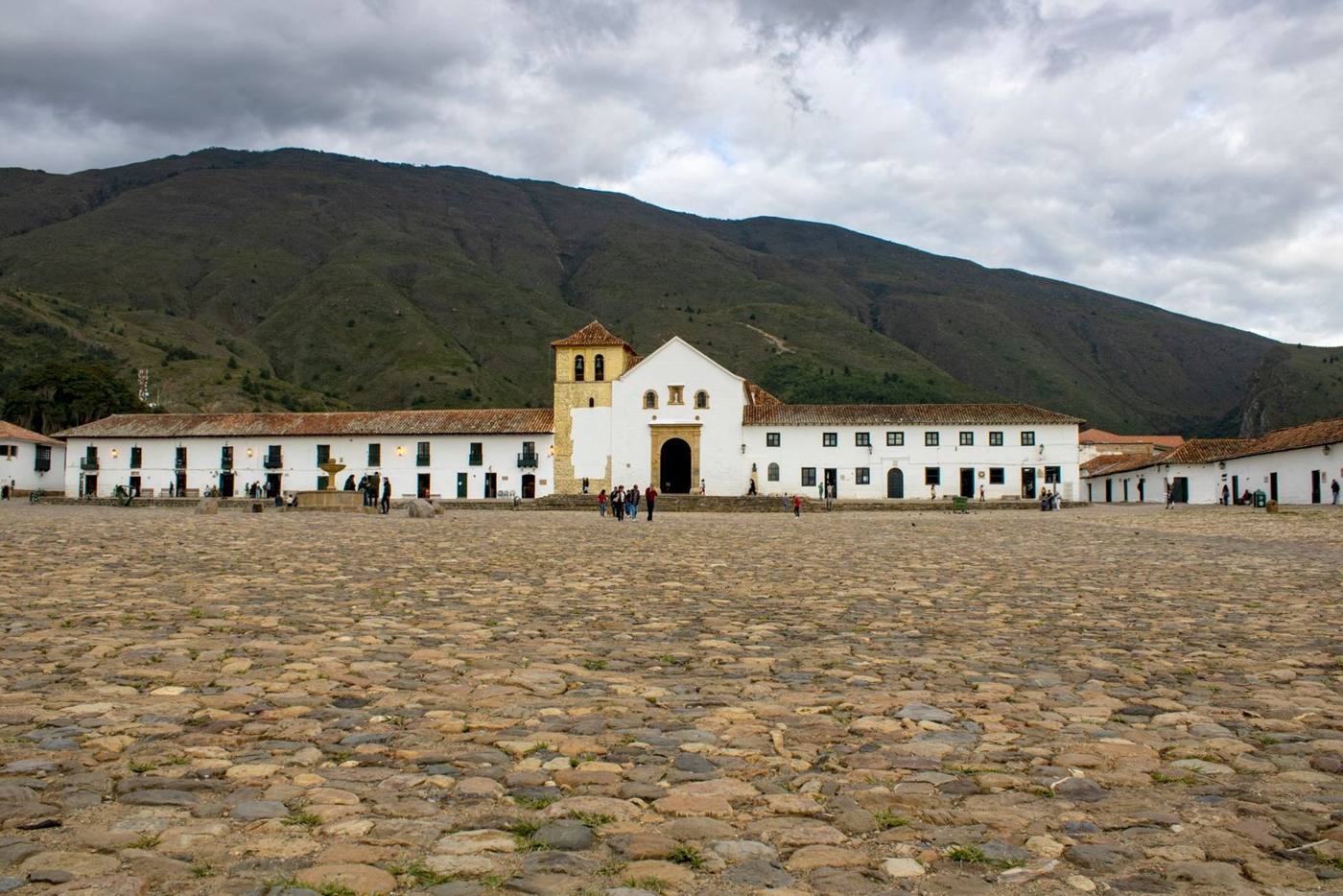
The Gold Museum and La Candelaria in Bogotá, the salt cathedral of Zipaquirá and the great colonial square of Villa de Leyva.
 15 daysEasy
Classic Colombia
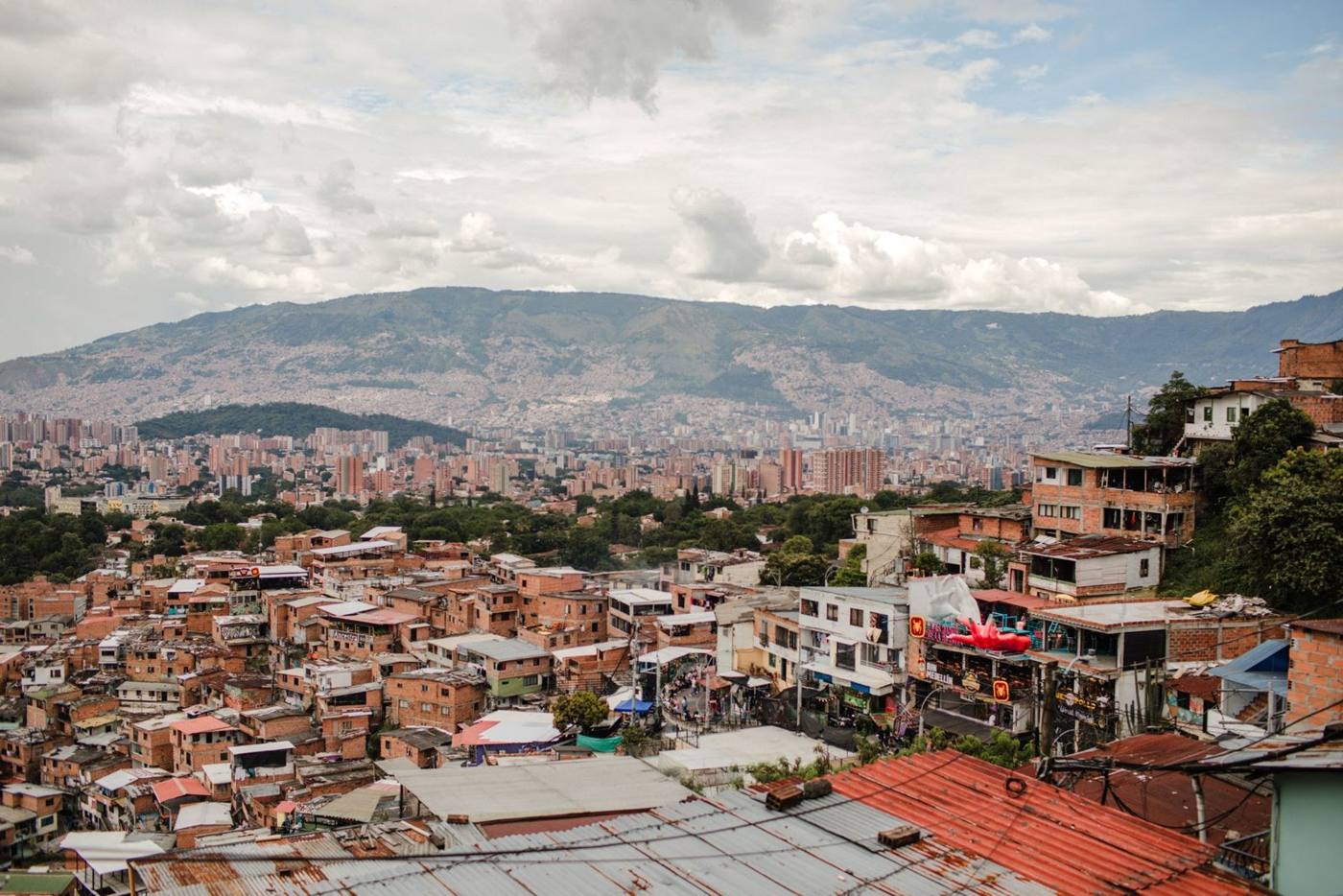
Bogotá, Medellín, the coffee region and the Caribbean between Cartagena and Tayrona park: the ideal first trip to the country.
 5 daysModerate
La Guajira and Punta Gallinas
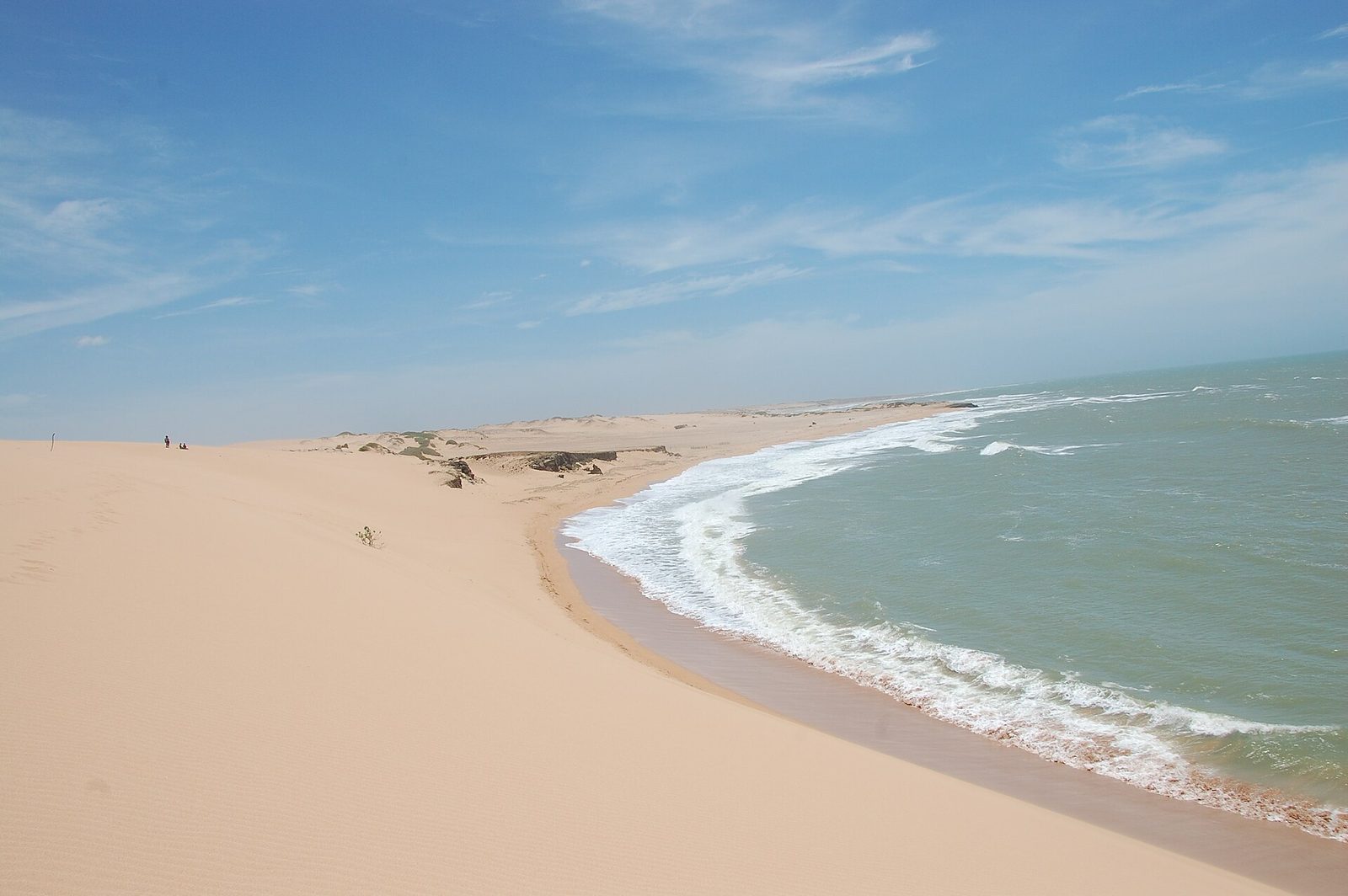
By 4x4 through the Wayuu desert to Cabo de la Vela and the dunes that drop into the sea at Punta Gallinas, the northernmost point of South America.