The Great Wall on foot
Away from the restored sections: walks between Jiankou and Mutianyu and east from Jinshanling, with a night in a village below the towers.
- Beijing
- Jiankou
- Mutianyu
- Gubeikou
- Jinshanling
- Beijing
Day by day
- Day 1
Beijing and the transfer to the villages below Jiankou
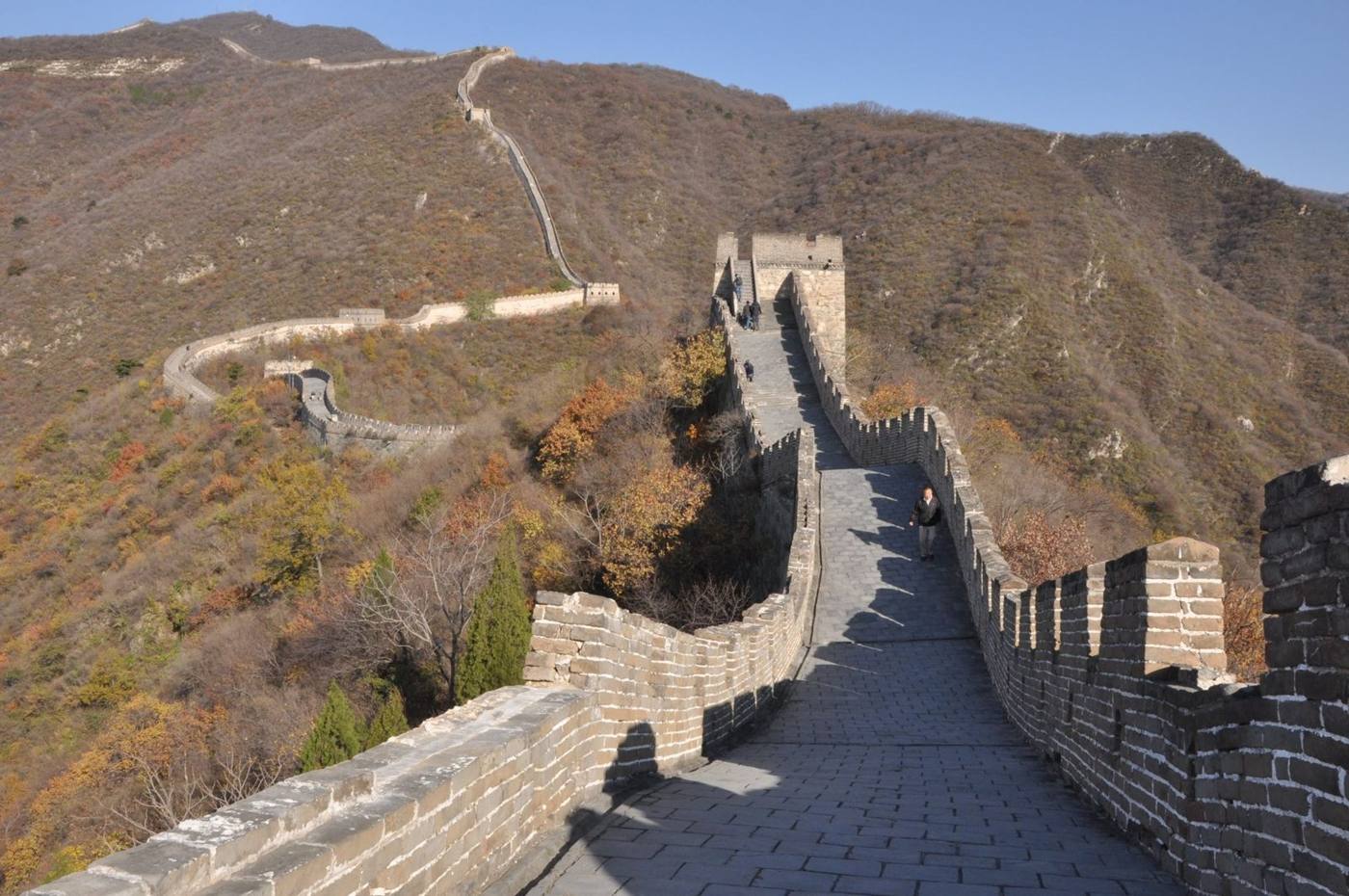
The Great Wall is not a single wall, but a series of fortifications built and rebuilt over more than two thousand years across northern China to defend the empire against the peoples of the steppe. The most spectacular sections around Beijing were built by the Ming dynasty between the fourteenth and seventeenth centuries, with bricks and stones, watchtowers every few hundred metres and walkways that follow the mountain ridges. This five-day itinerary covers it on foot, far from the crowds of the most touristy sections, alternating the wild, never restored wall with the rebuilt one, and spending the nights in farmhouses in the villages below the wall.
In the morning, if you are arriving in Beijing, rest a little or take a walk in a park, such as the Temple of Heaven park, where in the morning locals dance, sing and practise tai chi. In the early afternoon, set off north with a car and driver, for about two and a half hours, to the villages at the foot of the Jiankou section, in Huairou district.
The landscape changes: you leave the city and the plain behind, and hills rise up covered in woods, chestnut and fruit trees, with the outline of the wall running along the ridges. Jiankou, the arrow nock, is one of the most photographed and most impressive sections of the Wall: it follows very steep ridges, with ruined towers, almost vertical stairways and crumbling bricks.
In the evening, sleep in a village farmhouse, eating country food: vegetables from the garden, eggs, trout farmed in the streams and chestnut sweets.
Practical tip: for this trek you need an experienced local guide who knows the paths and the rules: some wild sections are officially closed and the checks change often.
- Day 2
From Jiankou to Mutianyu on the wild wall
Today is the first big walk. Early in the morning you climb with your guide along a mountain path through the woods until you reach the wall, in about an hour. Then you walk along the Jiankou wall heading east, following the ridge.
This section has never been restored: the steps are worn, some bricks have fallen, grass and saplings grow between the stones, and the watchtowers have partly collapsed. That is exactly what makes it fascinating: you walk inside history, with the wall disappearing over the horizon on both sides, above the green valleys. In some places the climb is so steep you have to use your hands; in others you go down narrow stretches with drops on either side. The guide chooses the safest passages and, where necessary, you walk on paths beside the wall.
Over the course of the day the wild wall gradually becomes the restored wall of Mutianyu. Here the wall has been rebuilt, wide and even, with intact watchtowers and battlements. Mutianyu is much busier than Jiankou, but much less so than Badaling, the most touristy section near Beijing. From the top you see the wall snaking for kilometres among the mountains.
To come down from Mutianyu you can take the cable car or the chairlift, or the toboggan on a metal track, which is great fun. In the evening, sleep in a nearby village.
Practical tip: the walk takes four to six hours, with plenty of ups and downs. You need hiking shoes with a good grip, gloves and plenty of water.
- Day 3
The transfer to Gubeikou and a night in a farmhouse
Today is a quieter day, devoted to travelling east and recovering your strength. With your car and driver you cross the countryside north-east of Beijing, among hills, orchards, villages and the basin of the large Miyun reservoir, which supplies water to the capital. The journey takes about two hours.
The destination is Gubeikou, an ancient fortified village where the wall crosses an important pass, on the historic road between Beijing and Manchuria. For centuries armies, merchants and emperors heading for the summer residence at Chengde passed through here. The village still has some old houses, small temples and a museum that tells of the battles fought here, including clashes in 1933 between the Chinese and Japanese armies.
In the afternoon you can take a short walk on the Gubeikou wall, a wild and little restored section, with towers still scarred by battle and bricks bearing ancient inscriptions. The wall here is quieter than at Jiankou, and you often meet no one.
In the evening, sleep in a Gubeikou farmhouse, with an inner courtyard, rooms with a kang, the brick bed heated from below, and dinner cooked by the family with produce from the garden. Go to bed early: tomorrow you get up before dawn.
Practical tip: village houses are simple and the bathroom may be outside the room. Bring a head torch, wet wipes and a power bank for your phone.
- Day 4
From Gubeikou to Jinshanling at dawn
Wake up before dawn for one of the finest walks on the whole Great Wall. With your guide, climb onto the Gubeikou wall by torchlight and walk east towards Jinshanling. The sun rises over the mountains and lights up the towers one after another, while the valleys are still in mist.
The route takes about four or five hours. The first part is on the wild Gubeikou wall, with ruined stretches and short detours on side paths. Then you enter the Jinshanling section, partly restored and partly left as it was, considered by many the most beautiful and most photographed section of the Great Wall. Here the wall runs along a long ridge, with dozens of watchtowers of different shapes, some on two floors, with arched windows and battlements. From the highest towers, the view of the wall winding towards the horizon is among the finest in all of China, especially in the morning light or in autumn, when the hills turn red and gold.
There are many ups and downs, but the route is less dangerous than Jiankou. Along the way there are sometimes villagers selling water and drinks.
In the early afternoon you reach the main entrance of Jinshanling, where the car is waiting. You can sleep in the area or return to Beijing, about two and a half hours away, the same evening.
Practical tip: at Jinshanling you pay an entrance ticket, even if you arrive on foot along the wall. Your guide knows where to buy it.
- Day 5
Return to Beijing and departure
On the last day, return to Beijing if you did not do so the evening before. On the way, if you have time, you can stop at Simatai, a section near Jinshanling, where the wall climbs a very thin ridge above a rebuilt water village, Gubei Water Town, lovely in the evening when the wall is lit up.
Once in Beijing, if you have a few hours before your flight, take a short tour of the city centre. A good choice is the hutong, the old lanes of low courtyard houses, around the Drum Tower and the Bell Tower, or Houhai lake, with its walks along the shore. If you have more time, the Forbidden City and the Temple of Heaven each deserve at least half a day, but they must be booked in advance.
In the evening, taste Peking duck, the city's most famous dish, served with thin pancakes, spring onion and sweet sauce.
Beijing's main airport, Capital, is about an hour from the centre; the new Daxing airport, to the south, is linked by a fast train. Plan your timing carefully, because traffic can be very heavy.
Practical tip: China allows Italian citizens to enter without a visa for tourism for up to 30 days until 31 December 2026; for trips in 2027, check whether the measure has been extended. Many payments in China are made with phone apps: install them and link them to your card before you leave.
The best way to experience the Wall, without the Badaling crowds. The unrestored wall has crumbling steps and very steep stretches, so you need sure feet and a local guide. Some wild sections are officially closed and enforcement changes; the guide knows where you can go. Avoid midsummer because of the heat.
Before you go
- Documents and visa
- Passport with at least six months' validity. Until 31 December 2026 Italian and many other European citizens need no visa for tourism up to 30 days; check whether the scheme has been extended and covers you.
- Health and vaccines
- No compulsory vaccines arriving from Europe. In big cities check air quality. Emergencies: 110 police, 120 ambulance, 119 fire.
- Money and payments
- Renminbi yuan. Almost everything is paid with Alipay and WeChat QR codes, which can be linked to foreign cards; carry some cash.
- Power sockets
- Types A, C and I, 220 volts: a universal adapter is useful.
- Time zone
- UTC+8 all year: all of China uses Beijing time.
- Safety
- The United States rates China level 2 because of arbitrary enforcement of local laws. Always carry your passport. Many Western websites and apps are blocked. Official advice: GOV.UK.
Information checked in November 2026 for Italian and EU citizens. Rules change: always check before you travel.
Variations
In 2 days: just Jiankou to Mutianyu with a night in a village, starting and ending in Beijing.
In 8 days: after the Wall, explore Beijing at leisure, with the Forbidden City, the Temple of Heaven and the Summer Palace, and then Chengde, the emperors' former summer residence.
Frequently asked questions
When is the best time to go?
Spring, from April to May, and autumn, from September to early November, with clear skies and autumn colours. Summer is hot and humid; winter is cold and the walkways can be icy.
Is it dangerous to walk on the wild wall?
It requires sure footing and good fitness: there are crumbling steps, very steep stretches and loose bricks. With an experienced guide and suitable shoes you walk safely, avoiding the worst passages.
What documents do I need?
A valid passport. Until 31 December 2026 Italian citizens can enter without a visa for tourism for up to 30 days; for 2027, check the latest rules before you leave.
Indicative itinerary written by World Atlas. Before booking, check timetables, seasonal openings, documents and safety.
 7 daysEasy
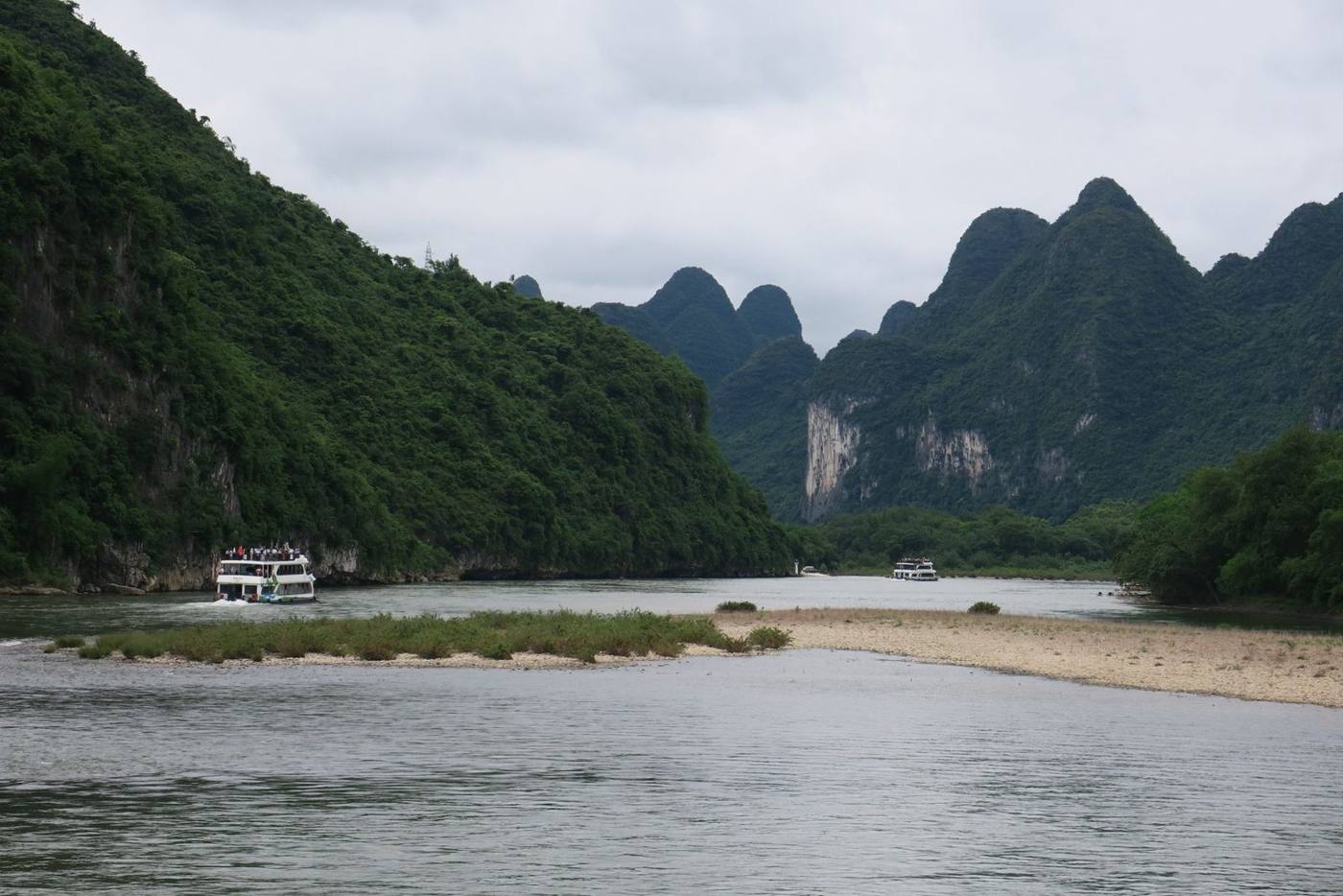
Guilin, Yangshuo and the Longji rice terraces
Karst peaks along the Li River by boat, Yangshuo by bike along the Yulong River and the rice terraces of the Zhuang and Yao villages.
 12 daysModerate
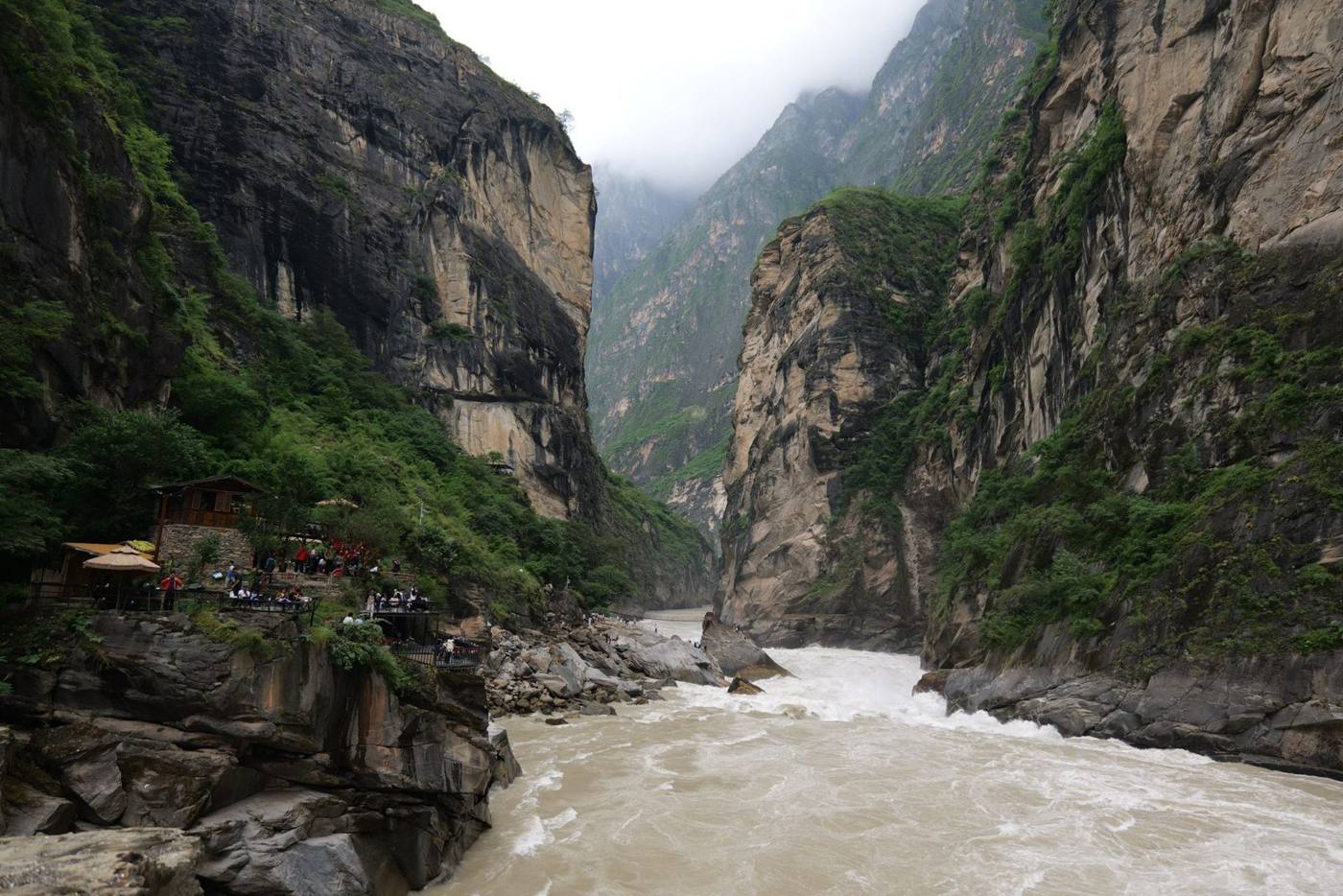
Yunnan from Dali to Shangri-La
Yunnan's minorities, Lake Erhai at Dali, the old town of Lijiang, the Tiger Leaping Gorge trek and the Tibetan monastery of Shangri-La.
 6 daysEasy
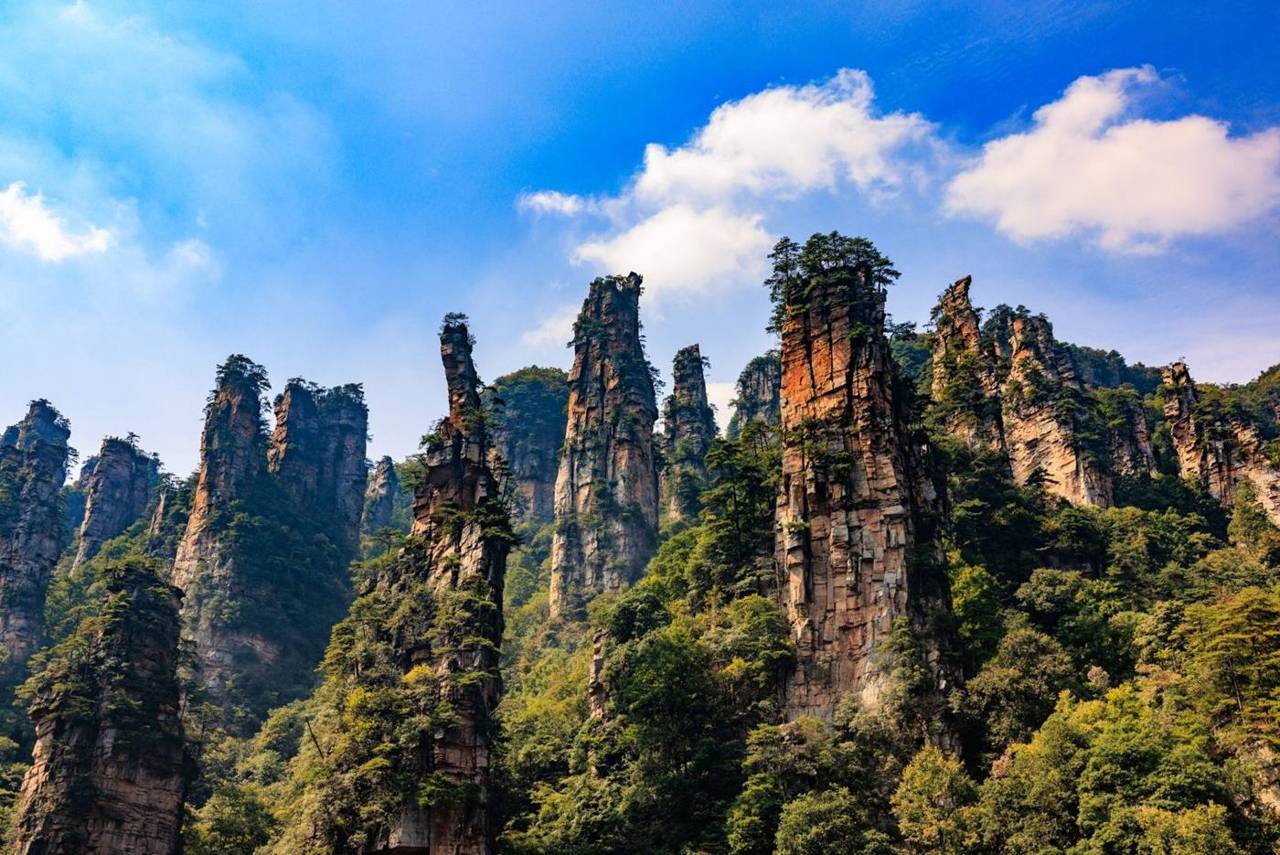
Zhangjiajie and Fenghuang
The sandstone pillars that inspired Avatar, Heaven's Gate on Tianmen Mountain and the ancient stilt town of Fenghuang.