Sichuan: pandas and Jiuzhaigou
The giant pandas of Chengdu, the Leshan Giant Buddha, sacred Mount Emei and the turquoise lakes of the Jiuzhaigou valley.
- Chengdu
- Leshan
- Emeishan
- Jiuzhaigou
- Chengdu
Day by day
- Day 1
Arrival in Chengdu
This trip discovers Sichuan, a large province in south western China, famous for giant pandas, spicy food, teahouses and sacred mountains. You visit Chengdu, the capital, the Giant Buddha of Leshan, Mount Emei with its monasteries and finally Jiuzhaigou, a valley of coloured lakes and waterfalls on the edge of the Tibetan Plateau.
To enter China, Italian and many other EU citizens can stay without a visa for up to 30 days, with a passport, at least until 31 December 2026: check whether the exemption is extended for 2027. In China many Google sites, WhatsApp and other Western services do not work, and almost everything is paid with phone apps: prepare before you go.
You fly into Chengdu, usually with one stop. On the first day, after the long journey, rest and take a first walk in the centre.
Visit Wenshu temple, a Buddhist monastery from the Tang dynasty rebuilt in the seventeenth century, with courtyards, halls, trees and a teahouse popular with locals. Then walk through the lanes of Kuanzhai Xiangzi, the Wide and Narrow Alleys, a quarter of restored traditional houses with courtyards, shops and cafés, very busy.
In the evening try Sichuan food, famous for Sichuan pepper, which makes your lips tingle, and chilli: mapo tofu, kung pao chicken, dumplings in chilli oil. If you do not like spicy food, ask for milder dishes.
Spend the night in Chengdu.
Practical tip: the best time is April to June and September to November; Jiuzhaigou is most beautiful in autumn, with the colours of the trees. Before leaving install a translation app and a payment app that works in China.
- Day 2
Pandas, the teahouses of People's Park, Sichuan opera and hot pot
Today meet the giant pandas, the symbol of China.
Early in the morning, at opening time, go to the Chengdu Research Base of Giant Panda Breeding, about half an hour from the centre. It is a large park with bamboo, ponds and enclosures, home to dozens of giant pandas, from cubs to adults, as well as red pandas, small animals with reddish fur and ringed tails. The base studies panda breeding and takes part in conservation programmes. Morning is the best time, as the pandas eat bamboo and are active; in the afternoon, in the heat, they sleep.
In the afternoon go to People's Park in the city centre, where Chengdu residents meet to dance, sing, play cards and mahjong, practise tai chi and drink tea. Sit in an outdoor teahouse under the trees: you choose your tea, served in a lidded cup and refilled several times from a long spouted kettle. You also see ear cleaners, a local tradition.
In the evening see a Sichuan opera show, with face changing, bian lian, in which actors switch masks in an instant with a gesture, and fire spitting, along with music, acrobatics and shadow puppetry.
Then have dinner with hot pot, the pot of spicy broth bubbling in the middle of the table, in which you cook meat, vegetables, mushrooms and tofu.
Spend the night in Chengdu.
Practical tip: the panda base is very busy: buy your ticket online and arrive at opening time. The opera show is paid: check.
- Day 3
Leshan and the 71 metre Giant Buddha
Today take a trip to Leshan, about an hour by high speed train from Chengdu, to see the Giant Buddha, a UNESCO World Heritage Site together with Mount Emei.
The Leshan Giant Buddha is the largest stone Buddha carved from rock in the world: about 71 metres tall, it is carved into the red sandstone cliff of a hill where three rivers meet, the Min, Dadu and Qingyi. It was carved during the Tang dynasty, between 713 and 803, on the initiative of a monk, Haitong, who hoped the Buddha would calm the dangerous waters where many boats sank. The Buddha is seated, with hands on knees and feet on the river; his foot alone is big enough to hold dozens of people.
In the morning climb the hill and visit the temples at the top, then go down a narrow, steep staircase cut into the cliff beside the Buddha to his feet, to see the statue up close from head to toe.
In the afternoon, for another view, take a boat trip on the river, which passes in front of the statue and lets you see it whole, with the two guardian figures on either side.
In the evening continue to Emeishan, the town at the foot of Mount Emei, about half an hour away.
Spend the night in Emeishan.
Practical tip: the staircase beside the Buddha often has long queues: arrive at opening time or on a weekday. The park and the boat have separate tickets: check.
- Day 4
Mount Emei: monasteries and a night in a temple
Today climb Mount Emei, one of the four sacred mountains of Chinese Buddhism, a UNESCO World Heritage Site, about 3,099 metres high.
Mount Emei is covered in subtropical and mountain forest, with dozens of Buddhist monasteries and temples, some founded almost two thousand years ago, paths of stone steps, bridges, waterfalls and rich wildlife, including Tibetan macaques, famous for being very cheeky with visitors.
In the morning visit Baoguo monastery at the foot of the mountain, the traditional starting point for pilgrims, with courtyards and halls full of statues. Then take the bus up to the middle part of the mountain and walk one of the stepped paths through the forest to Wannian monastery, with a brick hall and a tenth century bronze statue of the bodhisattva Samantabhadra, the mountain's protector, seated on a six tusked white elephant.
In the afternoon keep walking through the forest, across the Qingyin bridge where two streams meet, and through the monkey area, where the macaques come close to visitors.
In the evening sleep in one of the monasteries that take in visitors, with simple rooms and a vegetarian dinner. At dawn the monks chant their prayers.
Spend the night in a monastery on Mount Emei.
Practical tip: keep food out of sight and do not feed the monkeys: they may snatch bags and belongings. Monastery rooms are basic and sometimes cold: bring warm layers.
- Day 5
Sunrise on the Golden Summit
At dawn climb to the Golden Summit of Mount Emei, Jinding, at about 3,077 metres.
Before dawn take the bus to the cable car station, then the cable car up to the Golden Summit. At the top stands a great golden statue about 48 metres high, with ten heads, of the bodhisattva Samantabhadra seated on four elephants, and the golden temple, its gilded bronze roof shining in the sun.
At sunrise, if the sky is clear, you see the sea of clouds, a white expanse below the summit from which mountains poke up, and far to the west the snowy peaks of the Tibetan Plateau, such as Gongga Shan. In certain light conditions you can also see the Buddha's light, a coloured halo around your own shadow cast on the clouds, considered a good omen by pilgrims.
After sunrise visit the summit and temple, then go down by cable car and bus.
In the afternoon return to Chengdu by high speed train from Emeishan, in about an hour and a half.
In the evening, in Chengdu, stroll along the Jin river and see the floodlit bridges, such as Anshun bridge.
Spend the night in Chengdu.
Practical tip: it is very cold at the summit, even in summer, and heavy coats can be hired. The cable car and mountain buses are paid, on top of the park ticket: check.
- Day 6
To Jiuzhaigou by high speed train or plane
Today leave Chengdu for Jiuzhaigou, in the north of the province, on the edge of the Tibetan Plateau.
There are two ways to get there: the high speed train on the new line linking Chengdu to the Jiuzhaigou and Huanglong area, then a bus or taxi to the valley, or a flight of about an hour to Jiuhuang airport, at about 3,400 metres, followed by about an hour and a half by road. The road from Chengdu once took ten hours by bus.
Along the way you pass deep valleys and Tibetan and Qiang villages with stone houses and colourful prayer flags.
Weather permitting, stop at Huanglong, a UNESCO World Heritage park famous for its travertine pools, golden yellow limestone terraces filled with turquoise water, stepping down a forested valley at between about 3,100 and 3,600 metres. You follow boardwalks on foot, going up by cable car and walking down.
In the afternoon or evening you reach the town of Jiuzhaigou at the entrance to the valley, with hotels, restaurants and Tibetan dance shows.
In the evening try Tibetan food: yak meat, tsampa, roasted barley flour, and salted butter tea.
Spend the night in Jiuzhaigou.
Practical tip: at Huanglong and Jiuhuang airport the altitude is high: walk slowly, drink a lot and do not exert yourself. If you get a severe headache or nausea, go down. Check current rail lines and timetables.
- Day 7
Jiuzhaigou: the valley of coloured lakes
Today enter the Jiuzhaigou nature reserve, the valley of nine villages, a UNESCO World Heritage Site and one of the most beautiful natural places in China.
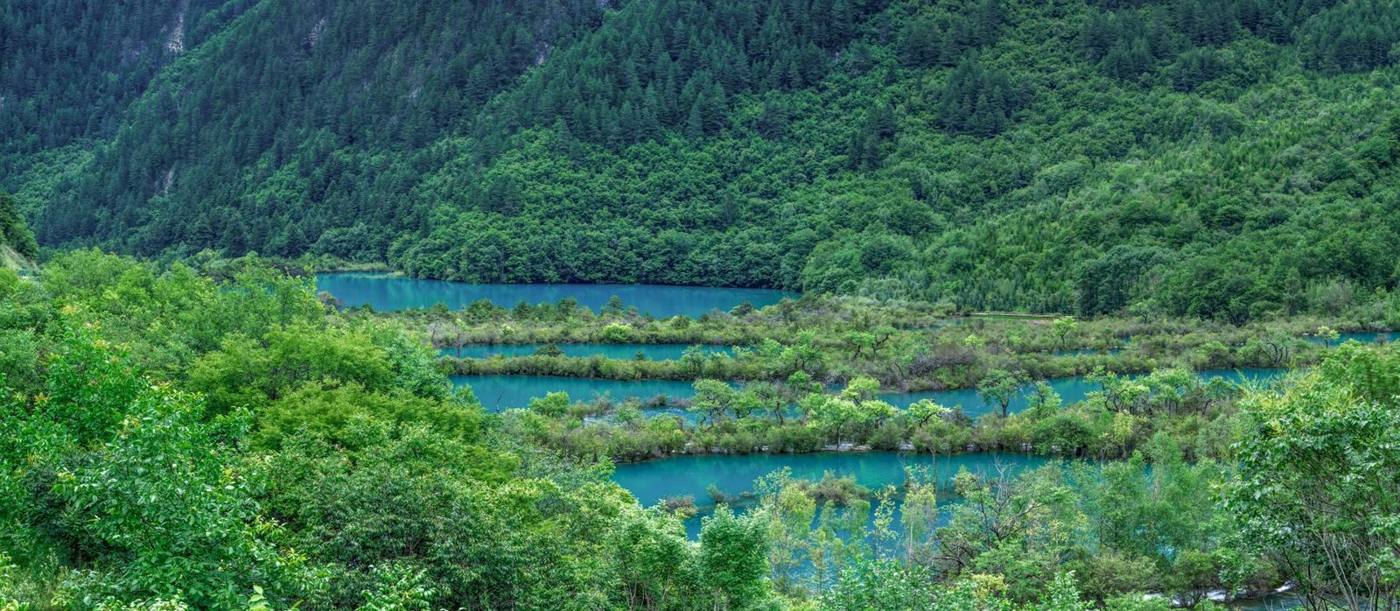
Jiuzhaigou is a system of three valleys forming a Y, at an altitude of between about 2,000 and 3,100 metres, with more than a hundred lakes, waterfalls, rivers and forests. The colour of the lakes, from turquoise to emerald green and deep blue, comes from minerals dissolved in the water and from algae, and the water is so clear that you can see submerged trunks on the bottom. The name comes from the nine Tibetan villages in the valley.
Inside the park you get around on the park buses, which stop at the main sights, and walk on wooden boardwalks along the lakes and waterfalls.
In the morning take the bus to the top of the Rize valley, the south western branch, and visit the Primeval Lake, the primeval forest, Panda Lake and Phoenix Lake, then the Pearl Shoal waterfall, a wide fall pouring over a limestone shelf covered in water that sparkles like pearls.
In the afternoon visit Five Flower Lake, one of the most famous, with different colours in the same lake, and Nuorilang waterfall, about three hundred metres wide.
Spend the night in Jiuzhaigou.
Practical tip: the number of daily visitors is limited and tickets must be bought in advance; some areas stayed closed for a long time after the 2017 earthquake: check. Smoking and swimming in the lakes are forbidden.
- Day 8
Jiuzhaigou: Long Lake and the Tibetan villages
Today spend a second day in Jiuzhaigou, to see the other branch of the valley at leisure.
In the morning go up the Zechawa valley, the south eastern and highest branch, to Long Lake, the largest and highest lake in the park, at about 3,100 metres, several kilometres long, enclosed by mountains with snowy peaks in winter and spring. Then go down to Five Colour Pond, small but with the clearest water and most intense colours in the valley.
In the afternoon follow the Shuzheng valley, the main branch, with a series of lakes, waterfalls and Tibetan villages: Mirror Lake, which reflects the mountains like a mirror on still mornings, the Reed Lakes, the stepped Shuzheng lakes with small waterfalls between them, and the Shuzheng waterfall.
Visit the Tibetan village of Shuzheng, with wooden houses, water powered prayer wheels, stupas and colourful flags. Villagers sell crafts and offer butter tea.
In the evening, if you like, watch a show of Tibetan songs and dances in the town.
Spend the night in Jiuzhaigou.
Practical tip: in autumn, in mid October, the colours of the trees are spectacular, but the park is very crowded, especially during the National Day holiday week in early October: avoid it. Bring warm clothes: even in summer mornings are cold.
- Day 9
Back to Chengdu and departure
On the last day return from Jiuzhaigou to Chengdu, by air from Jiuhuang airport or by high speed train, then leave on your flight home.
If you have a few hours in Chengdu before your flight, visit Jinli, a pedestrian street of traditional style houses, shops, street food and red lanterns, next to Wuhou temple, dedicated to Zhuge Liang, a famous strategist of the Three Kingdoms period, with gardens, statues and bamboo groves.
Or visit the Jinsha museum, built on the site of an ancient city about three thousand years old, with gold, jade and ivory objects, including the golden Sun Bird disc, which has become the symbol of China's cultural heritage. If you have more time, the Sanxingdui site, about an hour from Chengdu, with its strange bronze masks with protruding eyes, is one of the most mysterious archaeological sites in China.
Before leaving buy some souvenirs: Sichuan tea, Sichuan pepper, panda themed objects, Sichuan embroidered silk and ceramics.
From Chengdu airport there are flights to Europe, usually with one stop.
Practical tip: Chengdu has two international airports, Shuangliu and Tianfu, far apart: check carefully which one your flight leaves from. Flights from Jiuhuang can be cancelled in bad weather: allow a day's margin before your international flight.
A varied trip with wildlife, temples and one of China's most beautiful parks. The Chengdu pandas live in a breeding centre, not in the wild: go at opening time, when they are active. Jiuzhaigou has a daily cap and must be booked. Sichuan food is very spicy, so ask for 'bu la' if you can't handle it.
Before you go
- Documents and visa
- Passport with at least six months' validity. Until 31 December 2026 Italian and many other European citizens need no visa for tourism up to 30 days; check whether the scheme has been extended and covers you.
- Health and vaccines
- No compulsory vaccines arriving from Europe. In big cities check air quality. Emergencies: 110 police, 120 ambulance, 119 fire.
- Money and payments
- Renminbi yuan. Almost everything is paid with Alipay and WeChat QR codes, which can be linked to foreign cards; carry some cash.
- Power sockets
- Types A, C and I, 220 volts: a universal adapter is useful.
- Time zone
- UTC+8 all year: all of China uses Beijing time.
- Safety
- The United States rates China level 2 because of arbitrary enforcement of local laws. Always carry your passport. Many Western websites and apps are blocked. Official advice: GOV.UK.
Information checked in November 2026 for Italian and EU citizens. Rules change: always check before you travel.
Variations
In 5 days: Chengdu, the pandas, Leshan and Mount Emei.
In 12 days: add Huanglong at a slower pace and the Tibetan region of Garzê, or Chongqing and the Three Gorges.
Frequently asked questions
Do I need a visa?
Italian and many other EU citizens can enter without a visa for up to 30 days, with a passport, at least until 31 December 2026. Check whether the exemption is extended for 2027.
Is altitude a problem?
Jiuzhaigou lies between about 2,000 and 3,100 metres, while Huanglong and Jiuhuang airport are above 3,000. Walk slowly, drink a lot and go down if you feel unwell.
When is the best time to go?
April to June and September to November. Mid October is the finest time at Jiuzhaigou, but avoid the National Day holiday week in early October.
Indicative itinerary written by World Atlas. Before booking, check timetables, seasonal openings, documents and safety.
 10 daysChallenging
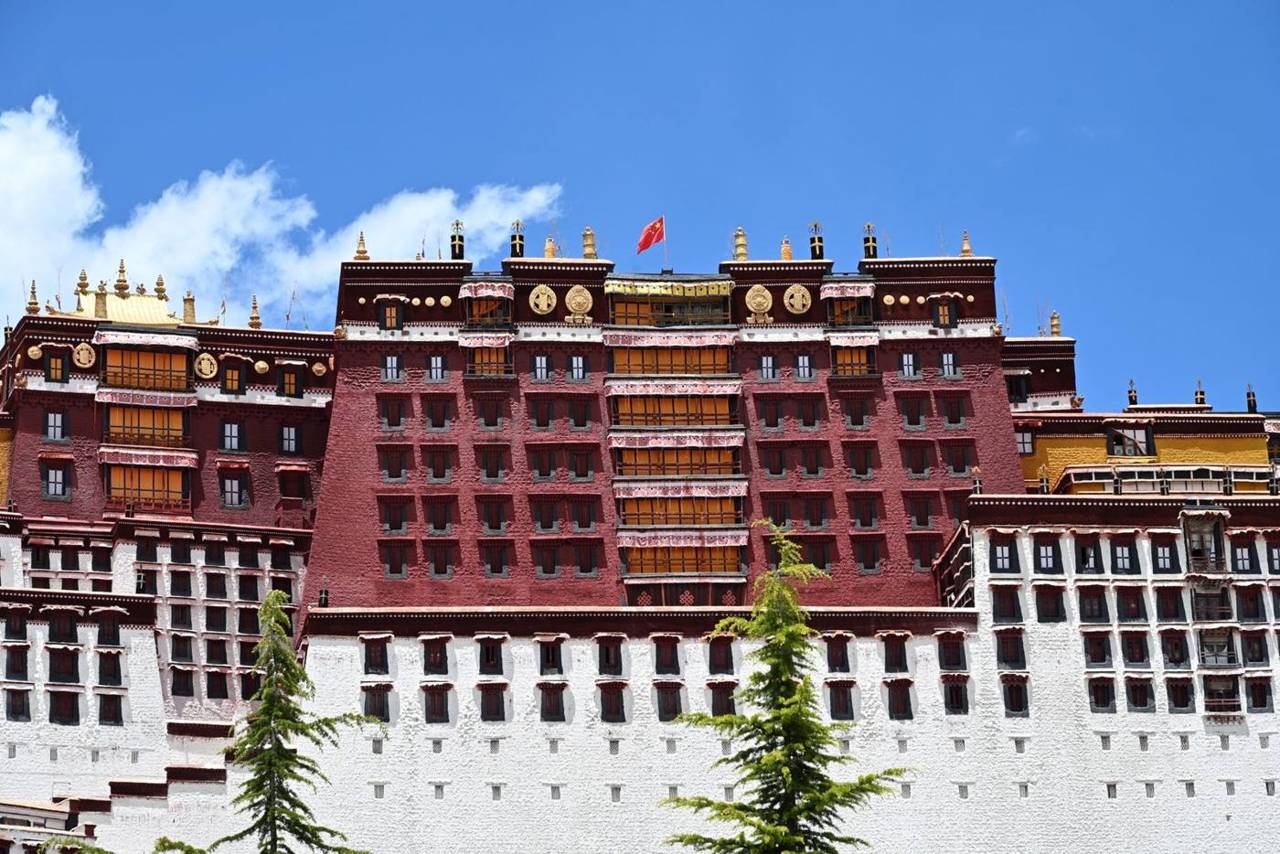
Tibet: from Lhasa to Everest
The Potala and Jokhang in Lhasa, Lake Yamdrok, the monasteries of Gyantse and Shigatse and the north face of Everest from Rongbuk.
 10 daysModerate
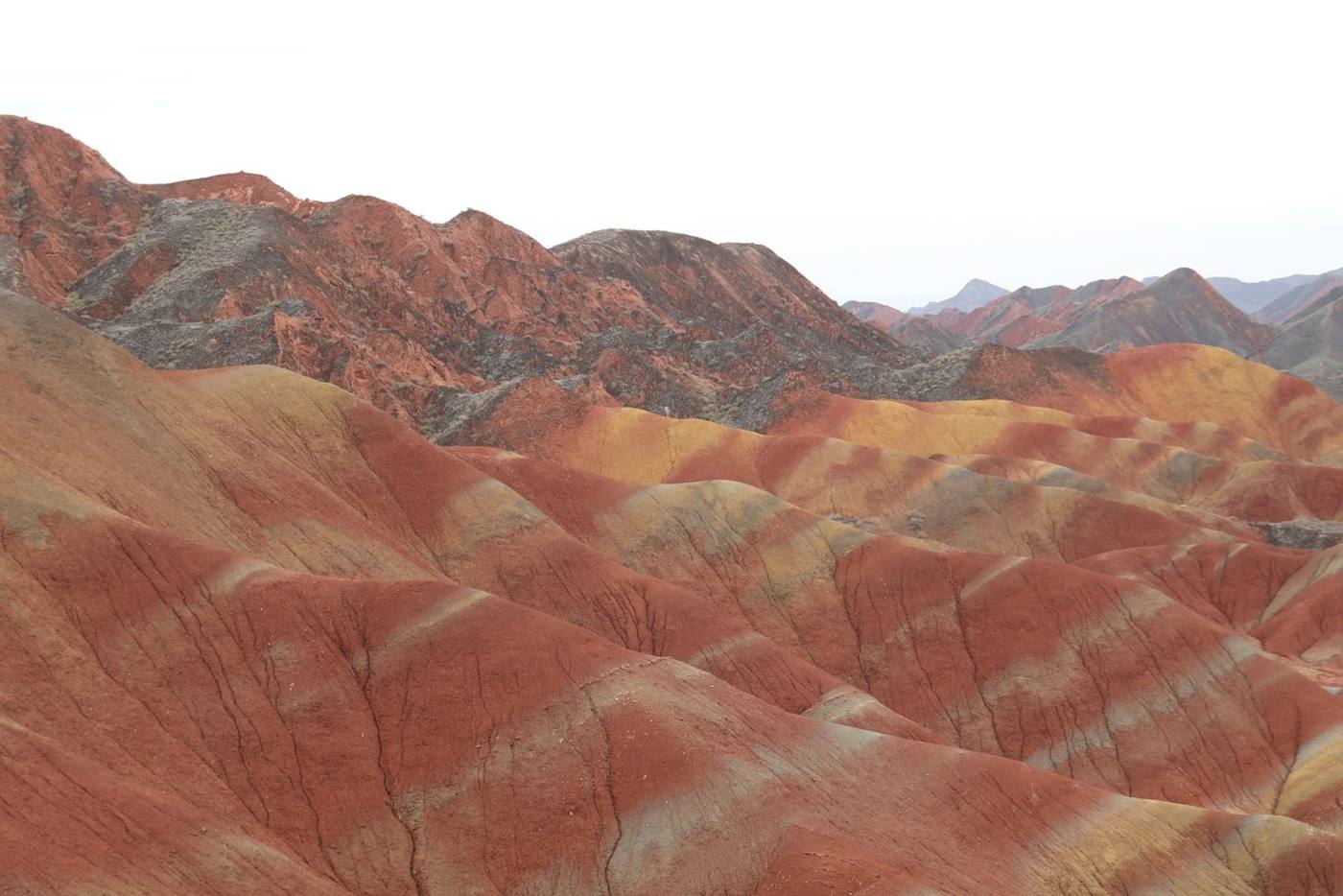
Gansu and the Silk Road
From Xi'an along the Hexi Corridor: the rainbow mountains of Zhangye, Jiayuguan fort at the end of the Great Wall, the Mogao Caves and the dunes of Dunhuang.
 8 daysEasy
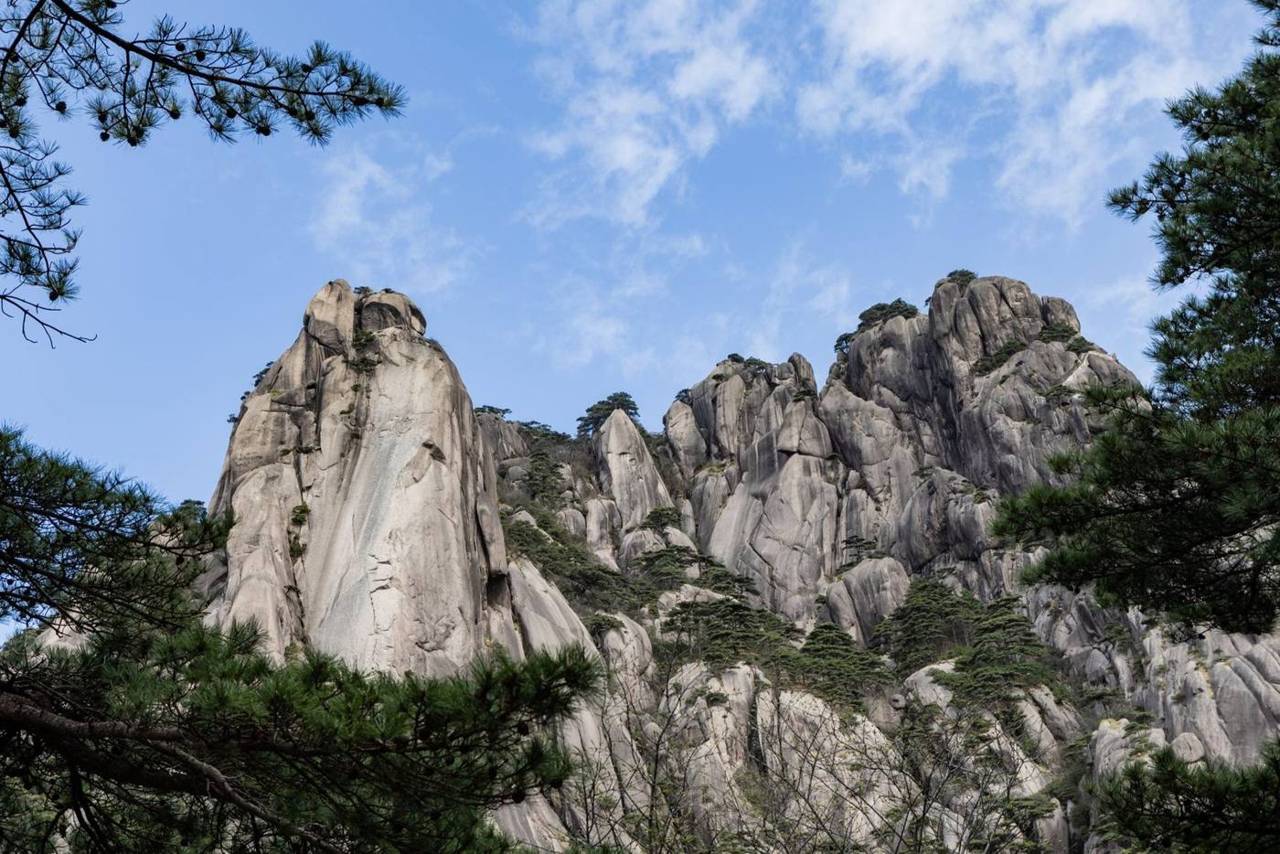
Shanghai, Hangzhou and the Yellow Mountains
Shanghai, the water town of Wuzhen, West Lake and Longjing tea in Hangzhou, the Hui villages and the peaks of Huangshan.