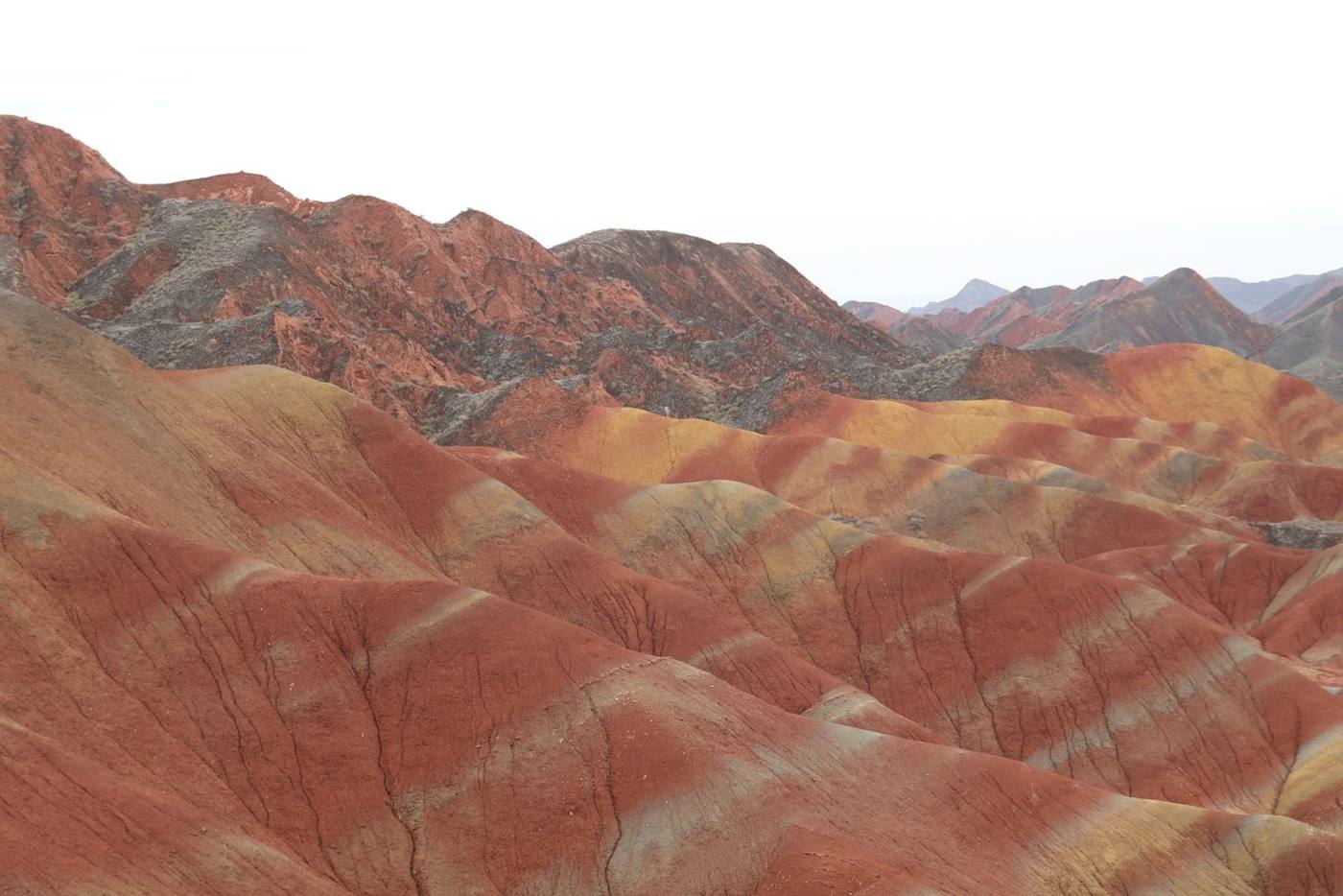
Gansu and the Silk Road
From Xi'an along the Hexi Corridor: the rainbow mountains of Zhangye, Jiayuguan fort at the end of the Great Wall, the Mogao Caves and the dunes of Dunhuang.
- Xi'an
- Lanzhou
- Zhangye
- Jiayuguan
- Dunhuang
Day by day
- Day 1
Arrival in Xi'an
This trip follows the Chinese Silk Road from Xi'an, the ancient capital where the caravans set out, westwards through the Gansu corridor, a long strip of land between snowy mountains and desert. You see the Terracotta Army, the Yellow River, the coloured mountains of Zhangye, the fortress at the western end of the Great Wall and the Mogao caves at Dunhuang, with a thousand years of Buddhist painting.
Before you leave: Italian citizens can enter China without a visa for short stays until 31 December 2026. If you travel in 2027, check whether the rule has been extended; other nationalities should check their own rules. Always carry your passport: you need it for trains, hotels and many museum tickets.
You fly into Xi'an, via a large Chinese city or on a direct flight when available. The airport is about an hour from the centre.
In the afternoon, after resting, climb onto the city walls, the best preserved city walls in China, built in the Ming period. You can ride the full circuit, about fourteen kilometres, on a hired bike, looking over the roofs of the old town and the skyscrapers outside.
In the evening go to the Muslim quarter near the Drum Tower, with street food stalls run by the Hui, Chinese Muslims: lamb skewers, bread with beef and soups with torn bread.
Sleep in Xi'an.
Practical tip: the best time is May to June and September to October. In summer the desert is very hot; in winter it is bitterly cold.
- Day 2
The Terracotta Army
Today you visit the Terracotta Army, about an hour from Xi'an, one of the most important archaeological finds of the twentieth century, a UNESCO site. In 1974 some farmers digging a well found pieces of clay statues. Beneath the ground were thousands of life size soldiers, horses and chariots, placed to guard the tomb of the first emperor of unified China, Qin Shi Huang, more than two thousand two hundred years ago.
The ticket costs 120 yuan. You visit three large pits covered by hangars. Pit number one is the most impressive: long rows of warriors in battle order, each with a different face, hairstyle, armour and hand position. The other pits hold archers, cavalry and the command post. In the museum you see the bronze chariots and restored soldiers up close.
Arrive early: many groups arrive mid morning. A guide or audio guide helps you understand.
In the afternoon return to Xi'an and visit the Big Wild Goose Pagoda, built in the seventh century to hold the Buddhist texts brought from India by the monk Xuanzang, who had travelled the Silk Road himself. Then stop at the Great Mosque in the Muslim quarter, built in Chinese style, with courtyards, pavilions and a pagoda shaped minaret.
Sleep in Xi'an.
Practical tip: buy the ticket online or at the entrance with your passport. Refuse unofficial guides in the car park.
- Day 3
The fast train to Lanzhou and the Yellow River
In the morning take the high speed train from Xi'an to Lanzhou, about three hours, through hills of loess, the very fine yellow wind blown soil, with terraced fields and villages. Tickets are bought with your passport: book ahead and arrive at the station early for security checks.
Lanzhou is the capital of Gansu, a long, narrow city on the banks of the Yellow River, China's second river, named for the colour of the loess sediment it carries. For centuries it was an obligatory stop for crossing the river on the Silk Road.
In the afternoon walk along the river and across the Zhongshan Bridge, the first iron bridge over the Yellow River, built at the beginning of the twentieth century. Then visit the waterwheel park, with large wooden wheels that once lifted river water to irrigate the fields.
If you have time, go into the Gansu Provincial Museum, which tells the story of the Silk Road and holds the famous bronze Flying Horse, a two thousand year old statuette showing a galloping horse with one hoof resting on a swallow. Check opening hours and closing days.
In the evening try Lanzhou beef noodles, hand pulled in front of you and served in a clear broth with slices of beef, radish, coriander and chilli oil.
Sleep in Lanzhou.
Practical tip: in China many payments are made by phone. Before you leave find out how to link a foreign card to local payment apps.
- Day 4
To Zhangye and the Danxia geopark at sunset
In the morning take the fast train from Lanzhou to Zhangye, about three hours, along the Gansu corridor. From the window you see the Qilian mountains, with snowy peaks to the south, and the stony, sandy desert to the north, with small villages and farmed oases in between. This was the only easy road between China and Central Asia.
Zhangye was a great Silk Road city. Marco Polo says he stayed here for a long time.
In the late afternoon go to the Danxia geopark, about an hour from town, part of the China Danxia landscapes, a UNESCO site. Here the hills are made of layers of sandstone and clay in different colours: red, orange, yellow, green, purple and white, deposited over millions of years and then folded and carved by wind and rain. The hills look painted in stripes.
In the park you travel by shuttle bus between several viewing platforms, with wooden boardwalks and stairs. The best time is sunset, when the low light makes the colours stronger. After rain the colours are even brighter. Check times and tickets.
In the evening return to Zhangye for dinner.
Sleep in Zhangye.
Practical tip: stay on the boardwalks. The clay hills are fragile and walking on them ruins them for ever.
- Day 5
The Giant Buddha Temple and the Zhangye landscape
In the morning visit the Giant Buddha Temple, in central Zhangye, founded at the end of the eleventh century under the Western Xia dynasty, a kingdom that ruled this part of the Silk Road. In the main wooden hall lies a great reclining Buddha, more than thirty metres long, painted and gilded, surrounded by his disciples. It is one of the largest indoor clay Buddhas in China. Behind the temple stands a white pagoda.
Then visit the Mati Temple grottoes, about an hour and a half south of the city at the foot of the Qilian mountains: Buddhist caves cut into a cliff face and linked by stairs and narrow passages in the rock, with meadows and mountains around, where herders of the Yugur minority live. Check times and prices.
Alternatively, if you loved the Danxia, go back to the geopark early in the morning, when it is less crowded, or visit Binggou canyon, another area of Danxia rocks carved into towers and castles.
In the evening try Gansu cooking: lamb, hand made noodles, oven baked bread and mutton and flour soup.
Sleep in Zhangye.
Practical tip: Gansu is very dry. Drink often and use lip balm and moisturiser, especially on long train days.
- Day 6
Jiayuguan, the end of the Ming Great Wall
In the morning take the fast train from Zhangye to Jiayuguan, about an hour and a half. Jiayuguan is the pass at the western end of the Great Wall built by the Ming dynasty. For the Chinese of the time, beyond this pass began the outside world, the desert and the lands of the barbarians.
Visit Jiayuguan fortress, built in 1372 at the foot of the mountains. It has rammed earth walls more than ten metres high, multi storey towers with curved roofs, gates and courtyards. You climb onto the walls and look towards the desert on one side and the snowy Qilian mountains on the other. A legend says the architect calculated the bricks needed so precisely that only one was left over, still kept above a gate.
Then visit the Overhanging Great Wall, a rebuilt section climbing steeply up a hillside, and the First Beacon Tower, where the Wall ends on the edge of a deep gorge cut by a river.
In the afternoon, if you have time, visit the Great Wall Museum, which explains how it was built over the centuries.
In the evening continue to Dunhuang by train or car, about four or five hours, or sleep in Jiayuguan and leave in the morning.
Sleep in Jiayuguan or Dunhuang.
Practical tip: in the desert the wind can be strong and full of sand. Bring a scarf and glasses.
- Day 7
Dunhuang: the Mogao caves
Today you visit the Mogao caves, about half an hour from Dunhuang, one of the most important places of Buddhist art in the world, a UNESCO site. From the fourth to the fourteenth century monks, merchants and pilgrims had hundreds of caves cut into a sandstone cliff, decorated with murals and painted clay statues, as offerings for a safe journey or for their dead. More than seven hundred survive, about five hundred of them with paintings.
The visit begins at the visitor centre with two films, one on the history of Dunhuang and one shown in a dome with images of the caves. Then you take a shuttle to the caves and enter, with a guide in a small group, a selection of caves open that day on a rotating basis, to protect the paintings from the humidity of visitors' breath. Photography is not allowed inside the caves.
You see scenes from the life of the Buddha, paradises full of musicians and flying dancers, portraits of donors, and the great seated Buddha, more than thirty metres tall, beneath a nine storey pagoda.
Tickets are limited each day, especially in high season: book well ahead with your passport and check the current rules.
In the afternoon rest or visit the Dunhuang museum in town.
Sleep in Dunhuang.
Practical tip: bring a small torch if the guide allows it. Some caves are dark.
- Day 8
The Mingsha dunes and Crescent Lake
In the morning rest or visit the Dunhuang market, with dried fruit, raisins, apricots and melons from the oases, and copies of the Mogao paintings.
In the late afternoon go to the Mingsha dunes park, the singing sand mountains, a few kilometres from the centre. They are large golden dunes more than a hundred metres high in places, which in the wind make a low humming sound, hence the name. Among the dunes lies Crescent Lake, a small crescent shaped spring with a pavilion and a temple on its shore: an oasis that for centuries has not been buried by the sand.
You can climb the dunes on foot, with rope ladders on the steepest sections, or ride a camel, and come down on a sand sled. From the top, at sunset, you see the dunes stretching into the desert and the lights of the town. There are many visitors: move a little away from the busiest areas to hear the silence. Check times and prices.
In the evening return to town and have dinner at the night market, with skewers, noodles and donkey dishes, a Dunhuang speciality.
Sleep in Dunhuang.
Practical tip: hire the orange shoe covers at the entrance. Sand gets in everywhere.
- Day 9
The Yadan geopark and the Yumen Pass
Today you take a trip into the desert west of Dunhuang, a long day of about three hundred and fifty kilometres return, with a car and driver or an organised tour.
The first stop is the Yumen Pass, the Jade Gate Pass, a small square rammed earth fort in the middle of the desert, built in the Han period more than two thousand years ago. Caravans carrying jade from Central Asia to China passed through here. Nearby you see the remains of a stretch of the Han wall, made of layers of earth and reeds, still standing after two millennia.
Then continue to the Yadan National Geopark, a landscape of yardangs, rock and clay formations carved by the wind into parallel rows, which look like ships, castles, animals or a ghost town. The desert wind and sand have been polishing them for hundreds of thousands of years. You travel by park shuttle between several viewpoints. At sunset the colours are beautiful. Check times and prices.
In the evening return to Dunhuang.
Sleep in Dunhuang.
Practical tip: bring water, food and sun protection. There are no services in the desert for many kilometres. Leave early in the morning to reach Yadan in the late afternoon, in the best light.
- Day 10
Flight from Dunhuang and departure
On the last day you leave Dunhuang by plane for a large Chinese city, such as Beijing, Shanghai or Xi'an, with flights to Europe. Dunhuang airport is a few kilometres from the centre.
If your flight leaves in the afternoon, you still have a few hours. You can return to the Mingsha dunes early in the morning, when the sand is cool and there are fewer people, visit the reconstructed ancient town used as a film set in the desert, or simply stroll in the riverside park.
Before leaving buy something to take home: dried fruit from the oases, apricots and raisins, tea, painted copies of the Mogao murals, jade objects or night glow cups, polished stone cups typical of the Jiuquan area.
Check your luggage carefully: on Chinese domestic flights the rules on power banks and lighters are strict.
If you have more days, you can continue towards Chinese Central Asia or head back east by train through Qinghai and Qinghai Lake.
This trip shows a China different from the great cities of the east: deserts, oases, coloured mountains, frontier fortresses and the art of merchants and monks who travelled the Silk Road for a thousand years.
Practical tip: keep your passport to hand until boarding. In China it is checked many times.
A lesser-seen China of deserts, Buddhist art and trading history. The Mogao Caves have capped numbers and must be booked weeks ahead, especially in summer. Distances are great but the fast trains help. We chose not to continue into Xinjiang, where police checks on travellers are very tight.
Before you go
- Documents and visa
- Passport with at least six months' validity. Until 31 December 2026 Italian and many other European citizens need no visa for tourism up to 30 days; check whether the scheme has been extended and covers you.
- Health and vaccines
- No compulsory vaccines arriving from Europe. In big cities check air quality. Emergencies: 110 police, 120 ambulance, 119 fire.
- Money and payments
- Renminbi yuan. Almost everything is paid with Alipay and WeChat QR codes, which can be linked to foreign cards; carry some cash.
- Power sockets
- Types A, C and I, 220 volts: a universal adapter is useful.
- Time zone
- UTC+8 all year: all of China uses Beijing time.
- Safety
- The United States rates China level 2 because of arbitrary enforcement of local laws. Always carry your passport. Many Western websites and apps are blocked. Official advice: GOV.UK.
Information checked in November 2026 for Italian and EU citizens. Rules change: always check before you travel.
Variations
In 6 days: Xi'an, Zhangye and Dunhuang by air, without Lanzhou and Jiayuguan.
In 14 days: add Qinghai Lake and Labrang monastery at Xiahe.
Frequently asked questions
Do I need a visa?
Italian citizens can enter China without a visa for short stays until 31 December 2026. For travel in 2027, check whether the rule has been extended. Other nationalities should check their own rules.
Do I need to book the Mogao caves?
Yes. Tickets are limited each day and are booked with your passport. In high season they sell out weeks ahead: book as soon as you have your dates.
When is the best time to go?
May to June and September to October. In summer the desert is very hot, in winter it is bitterly cold and some sites have reduced hours.
Indicative itinerary written by World Atlas. Before booking, check timetables, seasonal openings, documents and safety.
 8 daysEasy
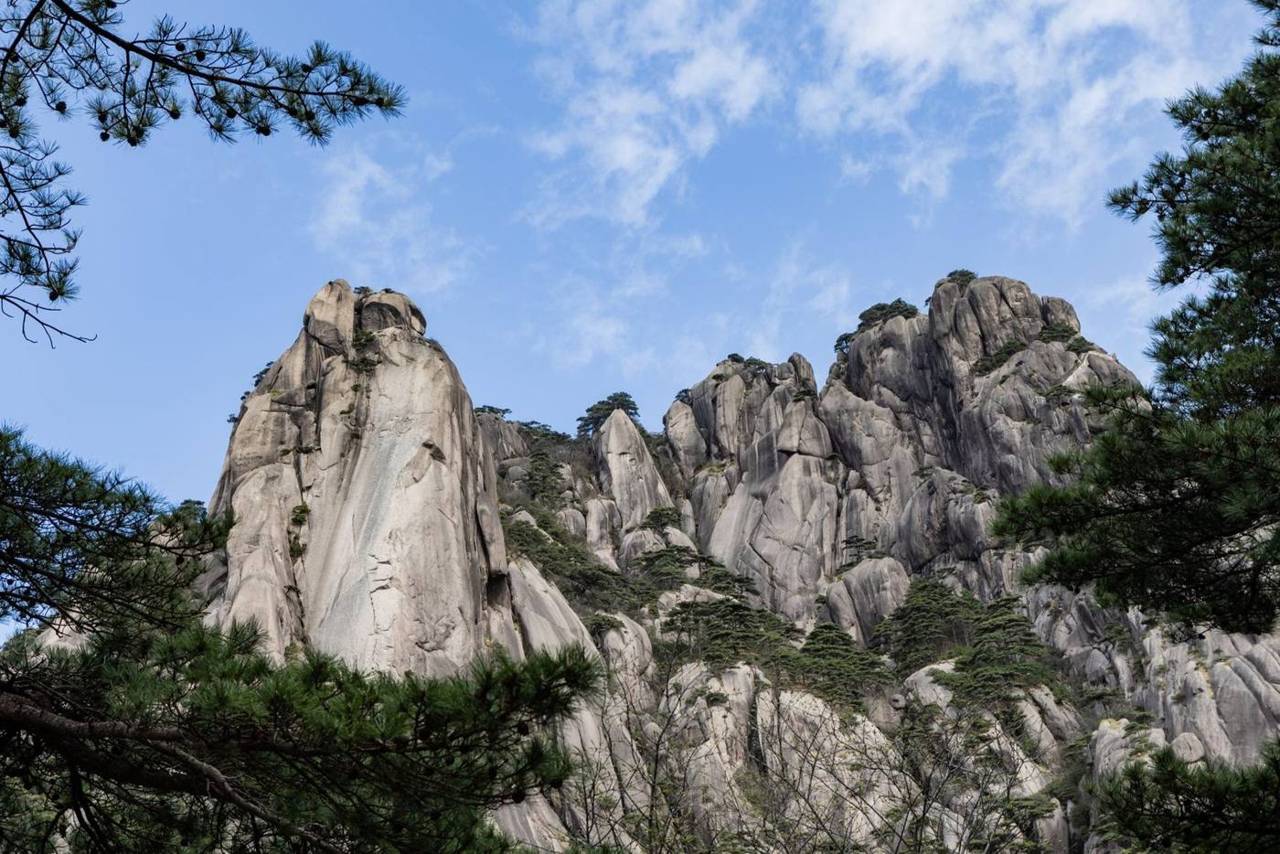
Shanghai, Hangzhou and the Yellow Mountains
Shanghai, the water town of Wuzhen, West Lake and Longjing tea in Hangzhou, the Hui villages and the peaks of Huangshan.
 6 daysEasy
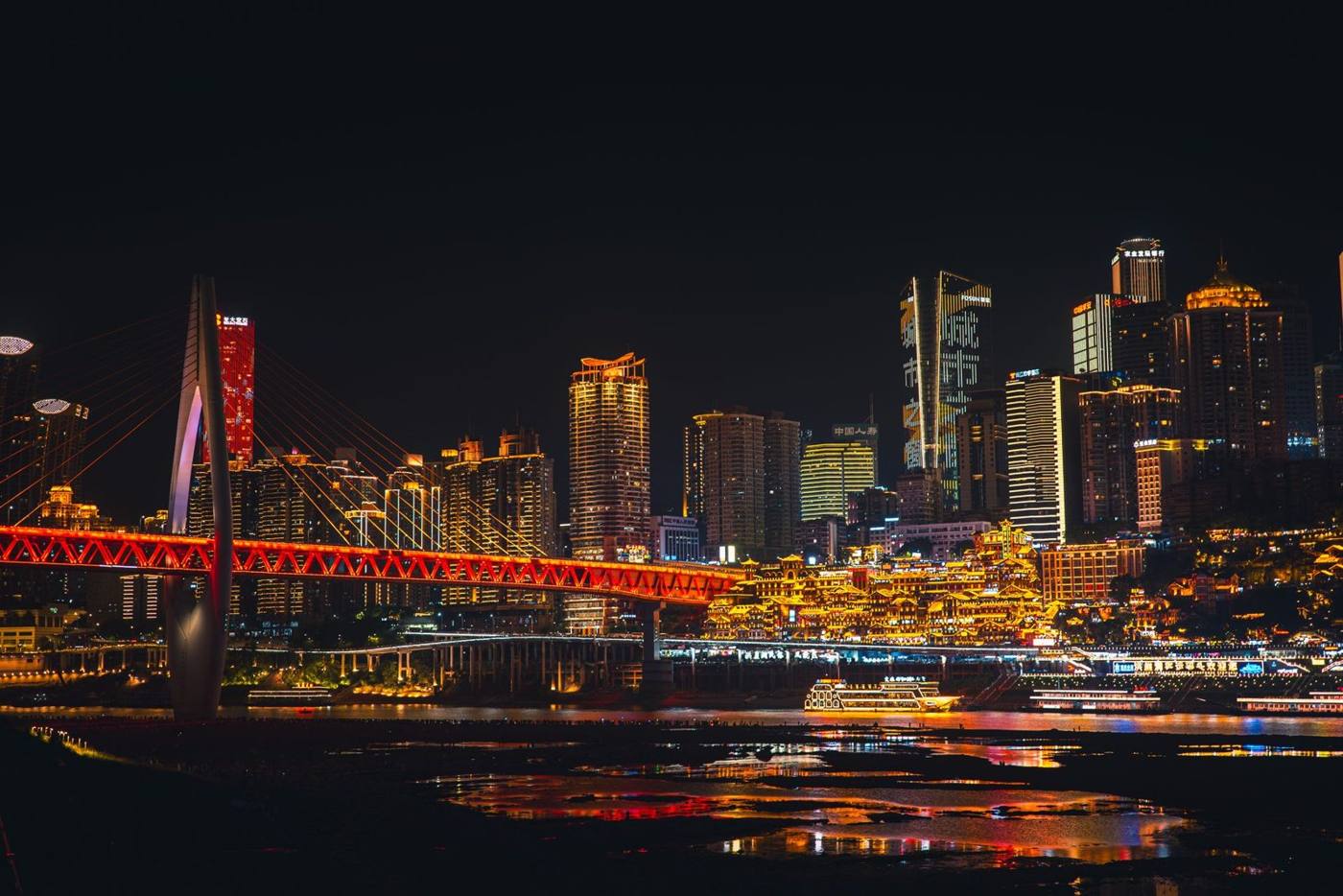
Chongqing and the Three Gorges
The vertical city of Chongqing, then three nights cruising the Yangtze through the Three Gorges to the great dam.
 5 daysEasy
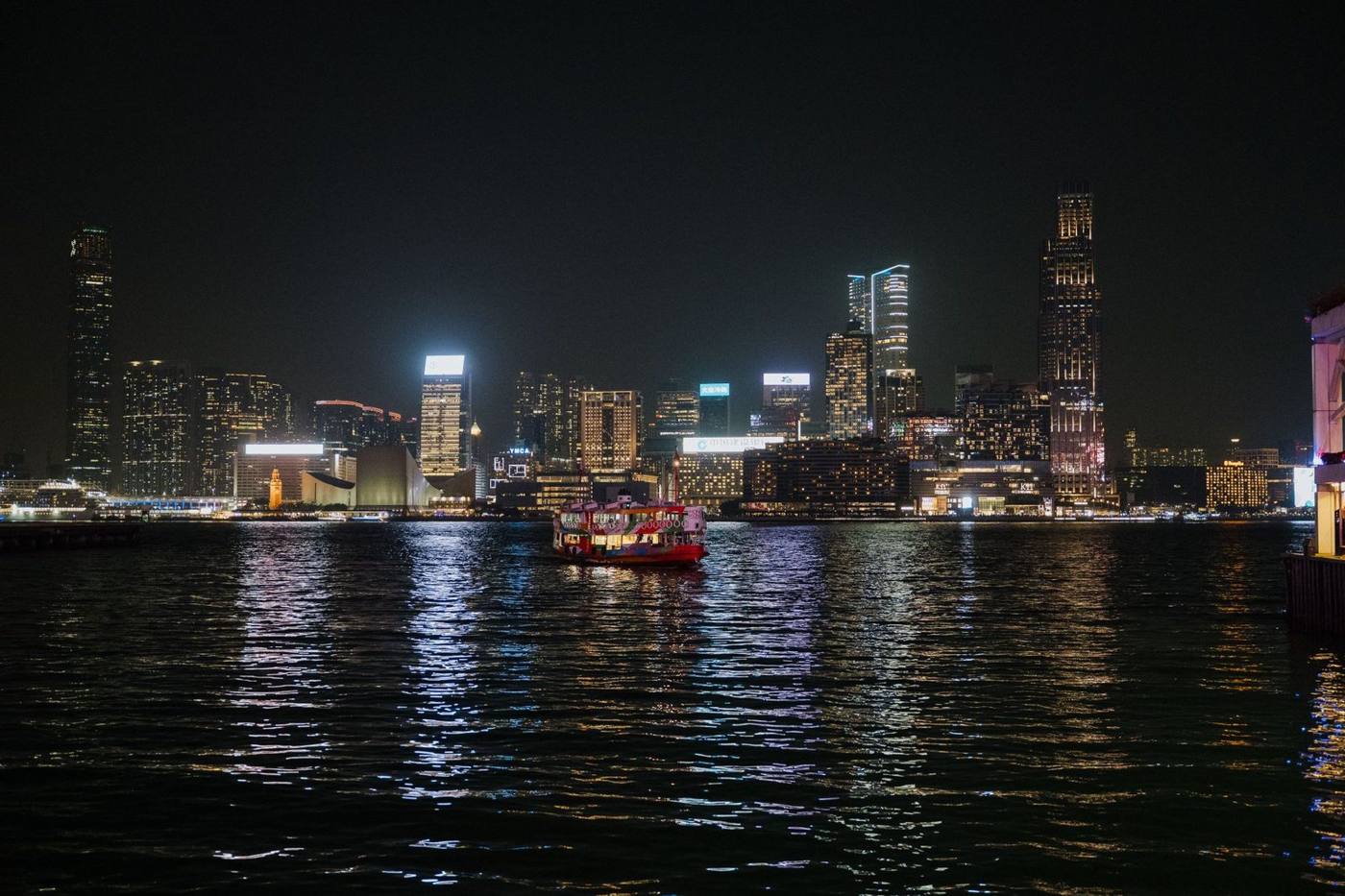
Hong Kong and Macau
The skyscrapers and hills of Hong Kong, the Star Ferry, the Kowloon markets, the Lantau Buddha and coastal trails, then Macau with its Portuguese historic centre (UNESCO World Heritage) and Macanese cooking.