Chongqing and the Three Gorges
The vertical city of Chongqing, then three nights cruising the Yangtze through the Three Gorges to the great dam.
- Chongqing
- Fengdu
- Qutang
- Wu
- Xiling
- Three Gorges Dam
- Yichang
Day by day
- Day 1
Chongqing: Hongyadong and the city on the mountains
Chongqing, in south-western China, is one of the most spectacular cities in the world: a metropolis of over thirty million people in its municipal territory, built on steep hills where the Yangtze, the Long River, meets the Jialing river, with skyscrapers, bridges, stairways, cable cars and roads stacked on several levels. From here the Yangtze cruises depart through the Three Gorges, one of China's most famous river landscapes, now transformed by the great dam. In six days you see Chongqing, the Three Gorges, the Shennong river and the dam.
You arrive by plane in Chongqing, with flights from Beijing, Shanghai and some European cities, or by high-speed train from Chengdu in about an hour and a half.
In the afternoon, walk around the centre, near Jiefangbei square, with its liberation monument surrounded by skyscrapers. During the Second World War Chongqing was China's provisional capital and was bombed for a long time.
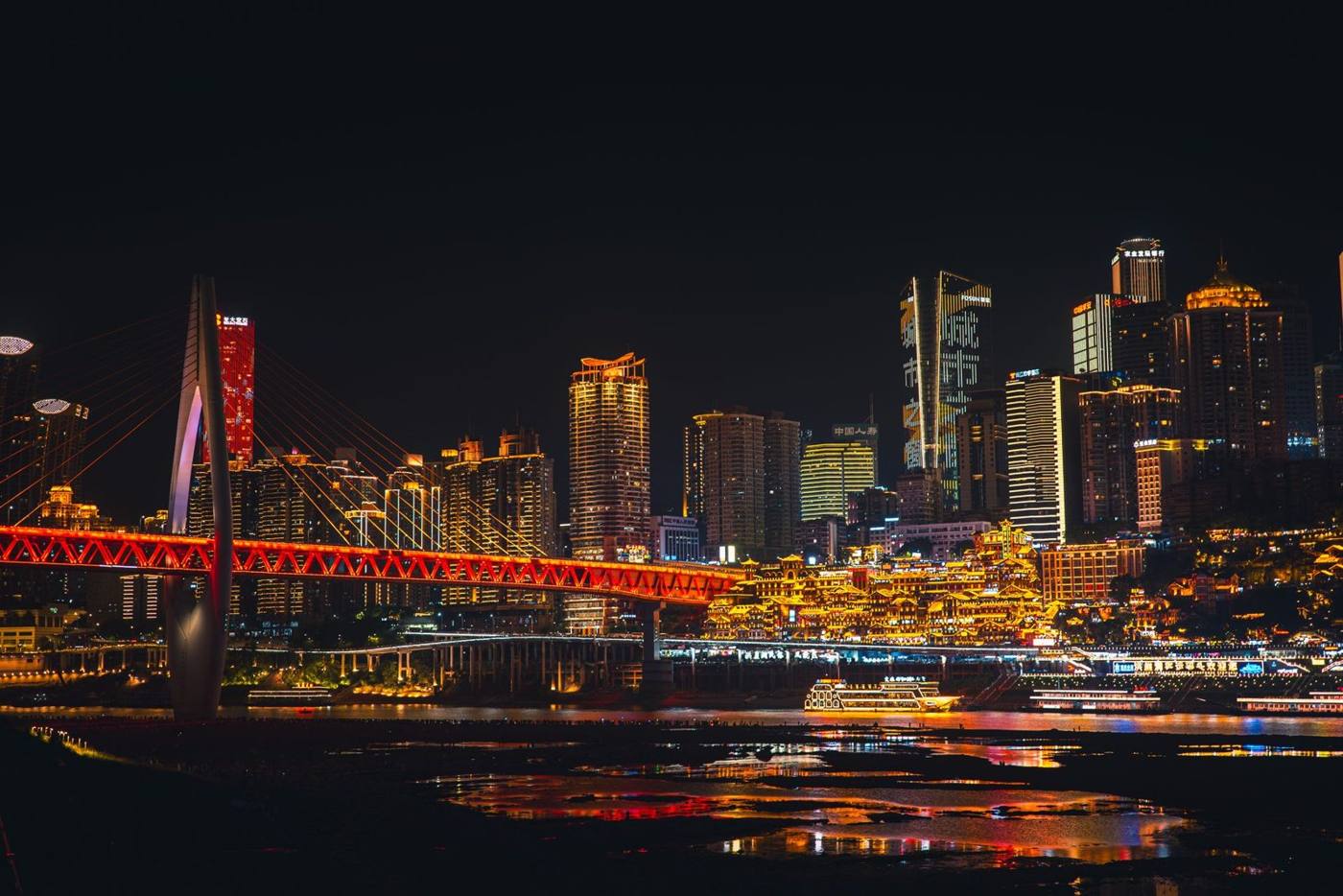
At sunset, go to Hongyadong, a complex of traditional-style stilt buildings eleven storeys high built against the rock face above the Jialing river. In the evening it lights up in gold and is reflected in the water, like a fairy-tale palace. Inside are shops, food stalls and terraces. From the Qiansimen bridge opposite you see the illuminated complex with the skyscrapers behind.
In the evening, try Chongqing hot pot, a pot of boiling broth full of chillies and Sichuan pepper, in which you cook meat, vegetables and tofu.
In the evening, sleep in Chongqing.
Practical tip: Italian citizens can enter China without a visa for up to 30 days until 31 December 2026. For 2027, check whether the exemption has been extended.
- Day 2
Chongqing: the river cableway and the metro through buildings
In the morning, ride the Yangtze River cableway, a cabin that since 1987 has crossed the river above the water, linking the centre with the south bank. It was built as transport for residents, before there were so many bridges, and has become one of the city's symbols. From the cabin you see the river, ships, bridges and skyscrapers on the hills.
Then go to Liziba station on metro line 2, a monorail that passes right through a nineteen-storey residential building, between the sixth and eighth floors. From the viewing area below the station you watch the train enter and leave the building. Chongqing's metro, built among the hills, also has elevated sections, tunnels and very long escalators.
In the afternoon, visit the Three Gorges Museum, dedicated to the history of the region and the river, with finds from the ancient Ba kingdom, objects saved before the dam flooded the valley and a large hall with a panorama of the gorges. Opposite is the Great Hall of the People, in traditional style.
Alternatively, visit Ciqikou, an old town on the Jialing river, now part of the city, with paved lanes, wooden houses, sesame sweets and tea houses.
In the evening, sleep in Chongqing.
Practical tip: Chongqing has many slopes, stairs and multi-level roads, and maps can be confusing. Use the metro and taxis, and wear comfortable shoes.
- Day 3
Boarding and the first stop at the ghost city of Fengdu
In the morning, or the evening before depending on the company, board the cruise ship at Chongqing port. The ships sailing the Yangtze between Chongqing and Yichang have cabins with balconies, restaurants and viewing decks, and the downstream trip usually takes four days.
The ship sails down the wide brown river, between terraced hills, new towns built high on the banks and huge bridges. After the Three Gorges Dam was built, the water level rose by over a hundred metres, and more than a million people were moved to new towns. Along the river you sometimes see traces of the old submerged towns.
In the afternoon the ship stops at Fengdu, called the ghost city, a complex of temples on a hill above the river, dedicated for almost two thousand years to the world of the dead in Chinese tradition. You climb stairways among statues of demons, judges of the afterlife and scenes of the underworld, and cross bridges and gates that, according to tradition, test the souls.
Alternatively, some ships stop at Shibaozhai, a red twelve-storey pagoda leaning against a rock face, now protected by an embankment since the river rose.
In the evening, on board, watch the river in the dark with the lights of the towns.
In the evening, sleep on board.
Practical tip: shore excursions are often not included in the cruise price. Check what is included and the boarding times beforehand.
- Day 4
The Qutang and Wu gorges, the Shennong river excursion
Early in the morning the ship enters the Qutang gorge, the shortest and most spectacular of the Three Gorges, about eight kilometres long. At its entrance, Kuimen gate, two towering rock walls close in on the river like a giant door. This landscape appears on the back of the Chinese ten-yuan banknote. Go up on deck at dawn: it is the finest moment.
Then the ship passes through the Wu gorge, about forty kilometres long, with twelve peaks covered in vegetation and often wrapped in mist. The most famous is the Goddess Peak, a rock pillar that according to legend is a fairy turned to stone to guide boatmen.
Around midday, transfer to smaller boats to go up the Shennong river, or another tributary, with green, clear water between narrow gorges and rock walls. Boats were once pulled upstream by trackers, men walking along the banks hauling ropes, and some still demonstrate it to visitors. On the walls you see hanging coffins, ancient burials of the Ba people set in rock crevices high up.
In the afternoon, return on board and continue downstream.
In the evening, sleep on board.
Practical tip: in the gorges the wind on deck is cool, even in summer. Bring a light jacket and binoculars.
- Day 5
The Xiling gorge and the Three Gorges Dam
In the morning the ship enters the Xiling gorge, the longest of the three at about seventy kilometres, once the most dangerous for its rapids and hidden rocks, now much calmer since the dam.
Then the ship reaches the Three Gorges Dam, one of the largest engineering works in the world, over two kilometres long and about 180 metres high, completed in 2006, with the most powerful hydroelectric plant in the world. The dam has produced energy and controlled floods, but it also submerged towns, villages and archaeological sites and changed the river's environment: for this reason it has been, and remains, much debated.
Visit the dam's scenic area, with the viewpoint from the highest point and the model explaining how it works. Ships pass the dam through the five-step locks, a slow descent of several hours, or by the ship lift, a huge tank of water that raises or lowers vessels by over a hundred metres in a few minutes. The passage often takes place at night or early in the morning.
In the afternoon, on board, watch the river widen after the dam and the gorge come to an end.
In the evening, the last dinner on board.
In the evening, sleep on board.
Practical tip: you need your passport for the dam visit, as it is checked at the entrance to the area. Keep it with you on excursions.
- Day 6
Disembarking at Yichang and the high-speed train or flight
On the last morning the ship arrives at Yichang, in Hubei province, where the cruise ends. Before disembarking, if you have time, look from the deck at the Gezhouba dam, the first dam built on the Yangtze, in the 1970s and 1980s, smaller than the Three Gorges one.
After disembarking, in Yichang you can visit the riverside or the Sanyoudong scenic area, a cave above the river where famous poets left inscriptions in ancient times.
Then go to Yichang East station for the high-speed train to Wuhan, in about two hours, Shanghai, in about six or seven hours, or other cities, or to Yichang airport for a flight to Beijing, Shanghai or Guangzhou.
If you go to Wuhan, you can visit the Yellow Crane Tower, a tower on the river celebrated in one of China's most famous poems, and the Hubei Provincial Museum, which holds the bronze bells of Marquis Yi of Zeng, over two thousand years old.
This trip combines well with Chengdu and the giant pandas, before Chongqing, or with Zhangjiajie, reachable from Yichang, or with Shanghai at the end.
Practical tip: in China many Western websites and apps do not work. Before leaving, download the Chinese payment apps and link a card, as cash is accepted less and less.
A slow, comfortable trip suited to those who want to rest between stops. Since the dam was built the gorges are less deep than they used to be and haze is common. Ships for foreigners are more expensive but have English-speaking guides. Chongqing is astonishing and alone deserves two days.
Before you go
- Documents and visa
- Passport with at least six months' validity. Until 31 December 2026 Italian and many other European citizens need no visa for tourism up to 30 days; check whether the scheme has been extended and covers you.
- Health and vaccines
- No compulsory vaccines arriving from Europe. In big cities check air quality. Emergencies: 110 police, 120 ambulance, 119 fire.
- Money and payments
- Renminbi yuan. Almost everything is paid with Alipay and WeChat QR codes, which can be linked to foreign cards; carry some cash.
- Power sockets
- Types A, C and I, 220 volts: a universal adapter is useful.
- Time zone
- UTC+8 all year: all of China uses Beijing time.
- Safety
- The United States rates China level 2 because of arbitrary enforcement of local laws. Always carry your passport. Many Western websites and apps are blocked. Official advice: GOV.UK.
Information checked in November 2026 for Italian and EU citizens. Rules change: always check before you travel.
Variations
In 4 days: Chongqing and a short cruise to Wushan.
In 10 days: add Chengdu and the pandas before, Shanghai after.
Frequently asked questions
When is the best time to go?
April, May, September and October, with mild temperatures. Summer in Chongqing is very hot and humid; in winter the gorges are often misty.
Do I need a visa?
Italian citizens can enter without a visa for up to 30 days until 31 December 2026. For 2027, check whether the exemption has been extended.
Downstream or upstream cruise?
Downstream, from Chongqing to Yichang, the trip is shorter, usually three nights. Upstream takes longer and costs more, but you stay longer on the river.
Indicative itinerary written by World Atlas. Before booking, check timetables, seasonal openings, documents and safety.
 5 daysEasy
Hong Kong and Macau
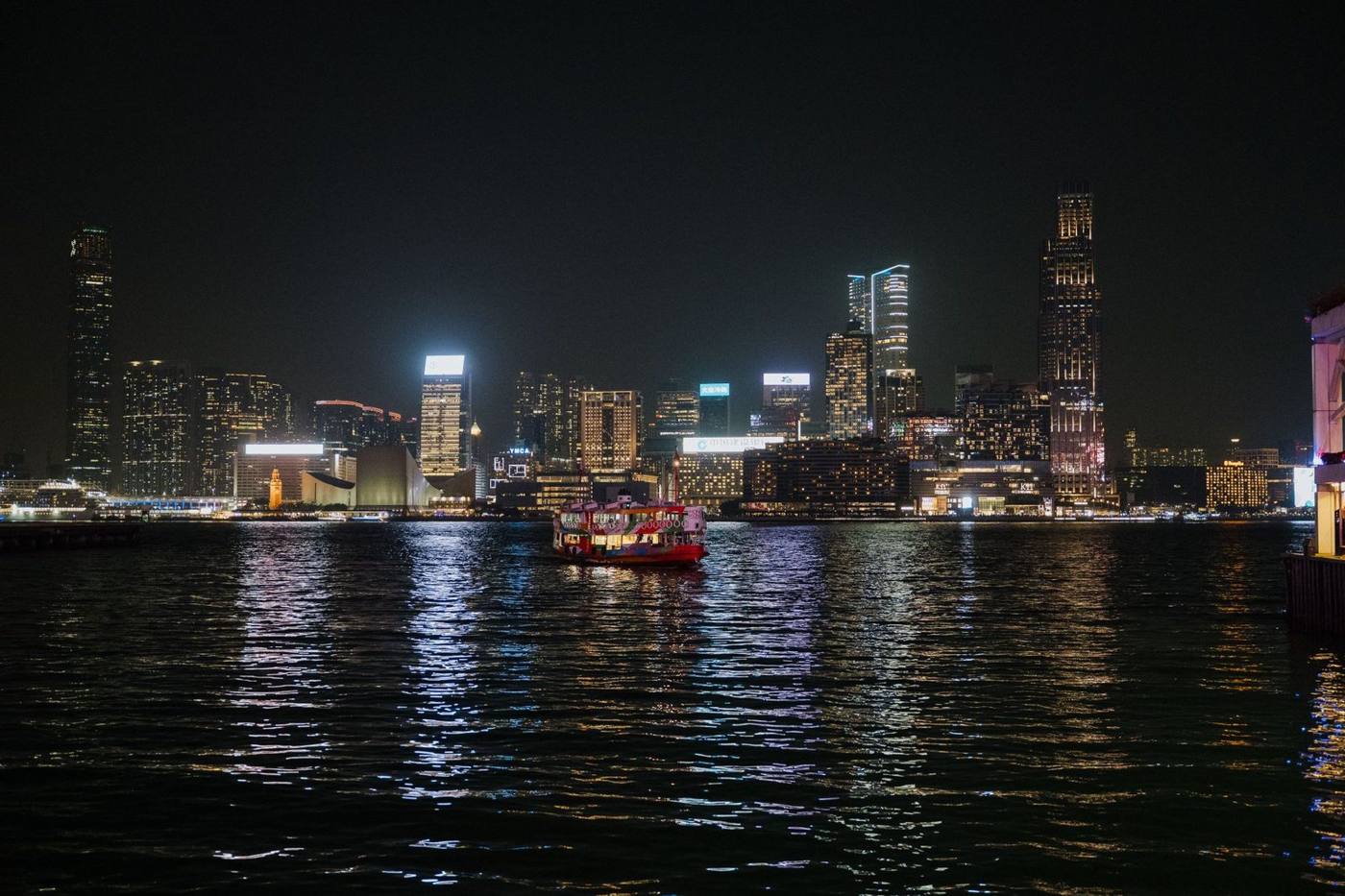
The skyscrapers and hills of Hong Kong, the Star Ferry, the Kowloon markets, the Lantau Buddha and coastal trails, then Macau with its Portuguese historic centre (UNESCO World Heritage) and Macanese cooking.
 7 daysEasy
Fujian: Xiamen, the tulou and Wuyishan
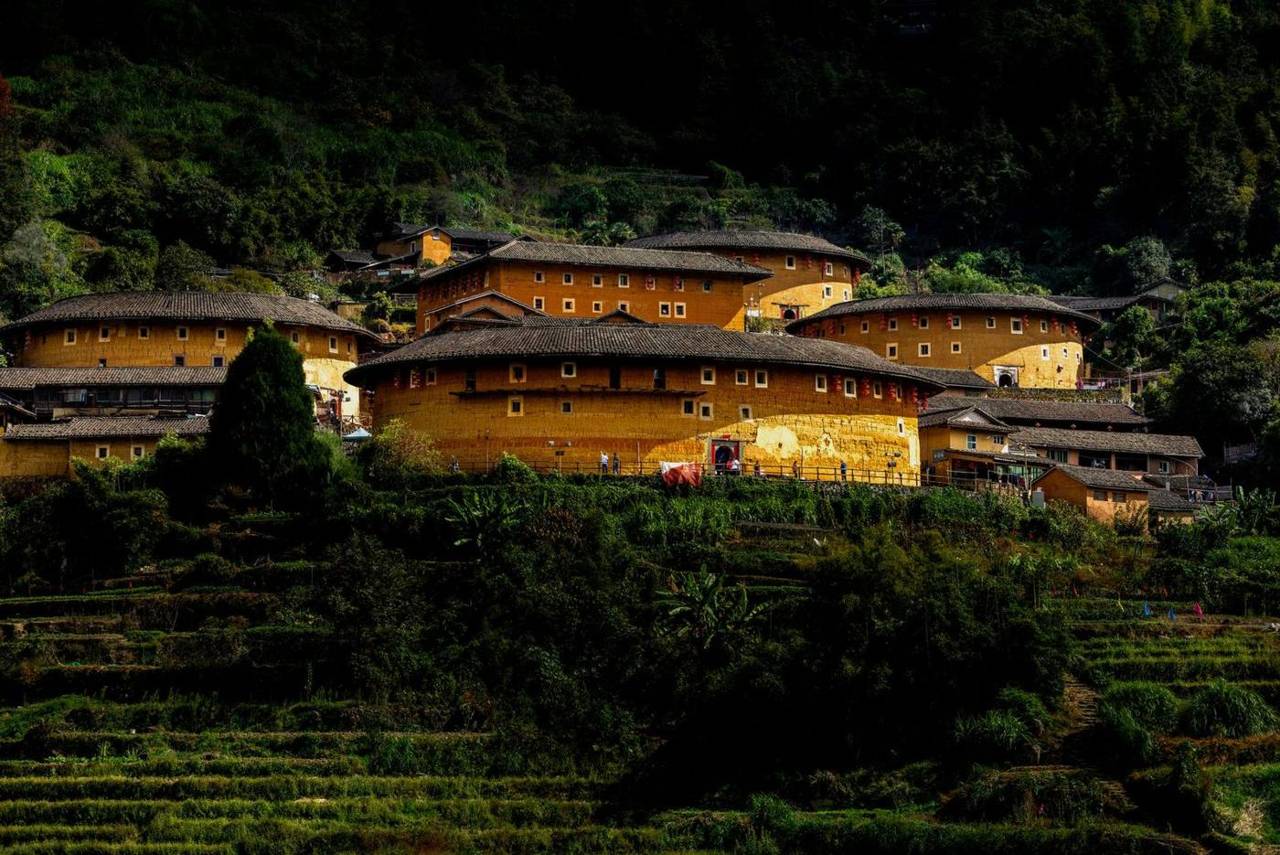
The south-east coast: Xiamen and the island closed to cars of Gulangyu, the great round earthen houses of the Hakka (tulou), a UNESCO World Heritage site, and the Wuyi mountains, home of oolong tea, where you float down the Nine-Bend River on bamboo rafts.
 7 daysEasy
Shanxi: Pingyao, Datong and Wutaishan
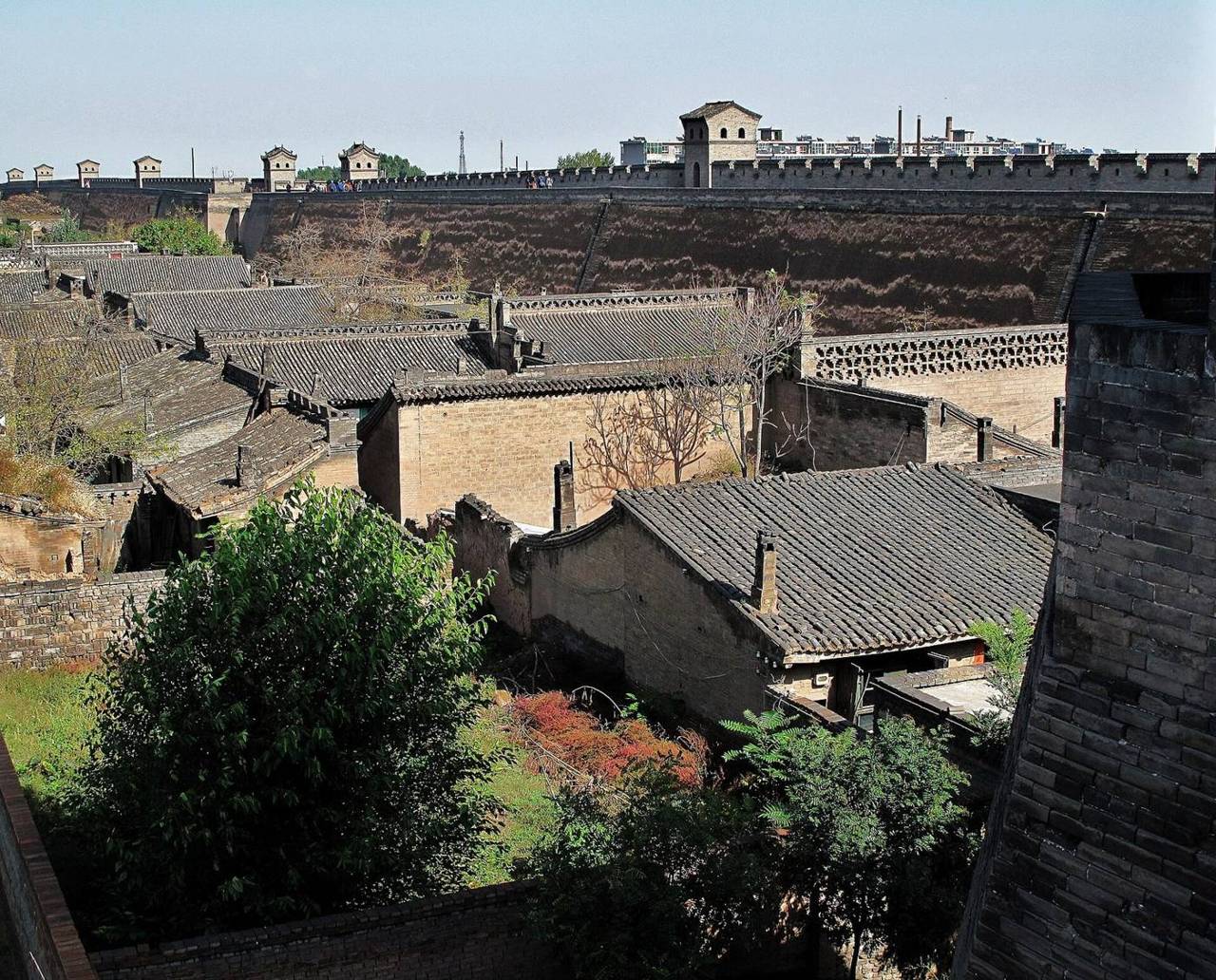
Ancient northern China: the walled city of Pingyao, intact since Ming times, the Buddhist grottoes of Yungang in Datong, the Hanging Temple clinging to the cliff and the sacred mountain of Wutaishan with its monasteries, all UNESCO World Heritage sites.