Quebec in winter: carnival and Mont-Tremblant
French Canada under snow: Montreal with its underground city and festival of lights, the Laurentian mountains at Mont-Tremblant, dog sledding and snowshoe trails, then the Quebec Winter Carnival with its ice palace, night parades and the canoe race on the frozen river.
- Montréal
- Mont-Tremblant
- Québec
- Chute Montmorency
- Hôtel de Glace
Day by day
- Day 1
Montréal: Old Montréal under the snow
This trip is a Canadian winter to live to the full: Montréal, with its underground city and snowy mountain in the middle of town, Mont-Tremblant, with skiing, snowshoeing and dog sledding, and finally Québec City, the oldest fortified city in North America, during its great carnival. Québec speaks French, and its culture, food and atmosphere are very different from the rest of Canada.
You arrive at Montréal airport, with direct flights from many European cities. Italian and most European citizens flying to Canada need an eTA, an electronic travel authorization that costs 7 Canadian dollars and is requested online.
On the first day walk around Old Montréal, the historic district near the Saint Lawrence river. Its stone streets, eighteenth and nineteenth century buildings and lit façades are very beautiful in the snow. Notre-Dame Basilica has a blue and gold interior with carved wood and stained glass, one of the most spectacular in North America.
Then go down to the Old Port, where in winter there is often an outdoor skating rink with music and a view of the frozen river.
In the evening have dinner with Québec food: poutine, fries with fresh cheese curds and gravy, tourtière, a meat pie, and maple syrup desserts.
Spend the night in Montréal.
Practical tip: in January and February temperatures in Montréal often drop below minus twenty with wind chill. You need a snow jacket, hat, warm gloves, waterproof boots with non slip soles and layers of clothing.
- Day 2
Mount Royal, the underground city and skating
In the morning climb Mount Royal, the wooded hill in the centre of Montréal that gave the city its name. The park was designed in the nineteenth century by the same landscape architect as Central Park in New York. In winter you walk the snowy trails on foot, on snowshoes or on cross country skis. From the Kondiaronk lookout you see the whole city, with its skyscrapers and the river.
On Beaver Lake, in the park, people skate in winter and children go sledging.
In the afternoon go downtown and discover RÉSO, Montréal's underground city. It is a network of tunnels, passages and squares beneath the city, more than thirty kilometres long, linking metro stations, shopping centres, universities, offices, hotels, cinemas and museums. In winter many residents move around down here without ever going out into the cold.
Then visit one of the downtown museums, such as the Museum of Fine Arts, with a large collection of Canadian and Québec art.
In the evening go to the Plateau district, with colourful houses and the outdoor iron staircases typical of Montréal, and many places to eat. Try Montréal bagels, baked in wood fired ovens, thinner and sweeter than New York's.
Spend the night in Montréal.
Practical tip: the Montréal metro is the easiest way to get around in winter, and it connects to RÉSO. A multi day pass is good value.
- Day 3
Mont-Tremblant: the colourful village and the snow
Today you go to Mont-Tremblant, in the Laurentians, about an hour and a half to two hours north of Montréal by road. In winter there are also shuttles from the city.
Mont-Tremblant is one of the largest ski resorts in eastern Canada. At the foot of the mountain is a pedestrian village built with colourful European style houses, pointed roofs, shops, restaurants and small squares. A gondola links the lower and upper parts of the village.
In the afternoon, if you ski, try the mountain's runs, which descend several slopes through the forest with views of frozen lakes. If you do not ski, you can ride the gondola to the summit for the view over the Laurentians, a sea of forested hills.
Alternatively, take a snowshoe walk in Mont-Tremblant National Park, near the resort, with forest trails, frozen streams and silence. In winter you sometimes see tracks of deer, foxes and hares.
In the evening the village lights up, with lights and outdoor fires. Many hotels have outdoor pools and hot tubs where you soak surrounded by snow.
Spend the night in Mont-Tremblant.
Practical tip: check lift and rental times and prices on the resort website. Weekends and school holidays are busier. In the cold your phone battery drains fast: keep it in an inside pocket.
- Day 4
Dog sledding and snowshoeing in the woods
Today you have a classic northern winter experience: a dog sled outing. Around Mont-Tremblant several centres organise trips on sleds pulled by dogs, usually huskies and other snow dogs.
Before setting off the guides explain how to drive the sled, how to brake and how to talk to the dogs. Then you head into the snowy forest, on trails among the firs, with the dogs running happily. You can drive your own sled, standing on the back, or sit in front while a guide drives. Back at base you can pet the dogs and see how they live and are cared for.
In the afternoon try another activity: cross country skiing, skating on an icy forest trail, or a snowshoe walk to a lookout over the lake.
Towards evening relax in a hot tub or sauna. In many parts of the Laurentians there are outdoor Nordic spas with hot pools, cold plunges and saunas in the snow.
In the evening have dinner in the village. Try Québec pea soup and sugar pie.
Spend the night in Mont-Tremblant.
Practical tip: before booking a dog sled trip, ask how the animals are treated: how many there are, how much they run, where they live in summer. Choose a serious centre that respects the dogs. Check prices and times.
- Day 5
Québec City: the old town and the carnival
Today you go to Québec City, the provincial capital, about three and a half to four hours by road from Mont-Tremblant, or by train from Montréal. Founded by the French in 1608, Québec is the only city in North America north of Mexico to have kept its walls, and its historic centre is a UNESCO World Heritage Site.
The old town has two parts. The upper town, on the promontory above the river, has the walls, the gates, the great castle hotel with green towers and the Dufferin Terrace, a wooden boardwalk above the Saint Lawrence. The lower town, at the foot of the cliff, has stone lanes, old houses and the small Place Royale, where the city was born. The two are linked by steep stairs and a funicular.
In late January and February the city hosts the Québec Winter Carnival, one of the largest winter carnivals in the world. In 2027 it runs from 5 to 14 February. The carnival's symbol is Bonhomme, a big snowman with a red cap and a colourful sash.
In the afternoon walk along the Dufferin Terrace. In winter there is a very long ice slide where you speed down on a toboggan.
In the evening try tire d'érable, hot maple syrup poured on snow and rolled up on a stick.
Spend the night in Québec City.
Practical tip: hotels fill up early during carnival: book well in advance.
- Day 6
The ice palace and the night parade
Today is carnival day. In front of the Québec parliament, outside the walls, stands Bonhomme's ice palace, built every year from blocks of ice and snow and lit with coloured lights in the evening. Around it is the main carnival site, with slides, snow sculptures, music, games, food stalls and hot drinks.
During the carnival some very unusual traditional races take place. The most famous is the ice canoe race: teams of five cross the partly frozen Saint Lawrence, pushing the canoe over the ice and paddling through icy water between floes. It dates back to the days when canoes carried goods and people between the two shores in winter.
There are also snow sculpture competitions, with artists from around the world carving large blocks of snow over several days.
In the evening watch one of the carnival's night parades, with illuminated floats, music, dancers and Bonhomme, winding through the streets of the upper town among the crowds.
To warm up, try caribou, a traditional carnival drink made with wine and spirits, to be enjoyed in moderation.
Spend the night in Québec City.
Practical tip: to enter the carnival sites you usually need a small effigy pin showing Bonhomme, sold around town. Check the programme and the times of the parades and the canoe race, which change every year.
- Day 7
Frozen Montmorency Falls, the ice hotel and the journey home
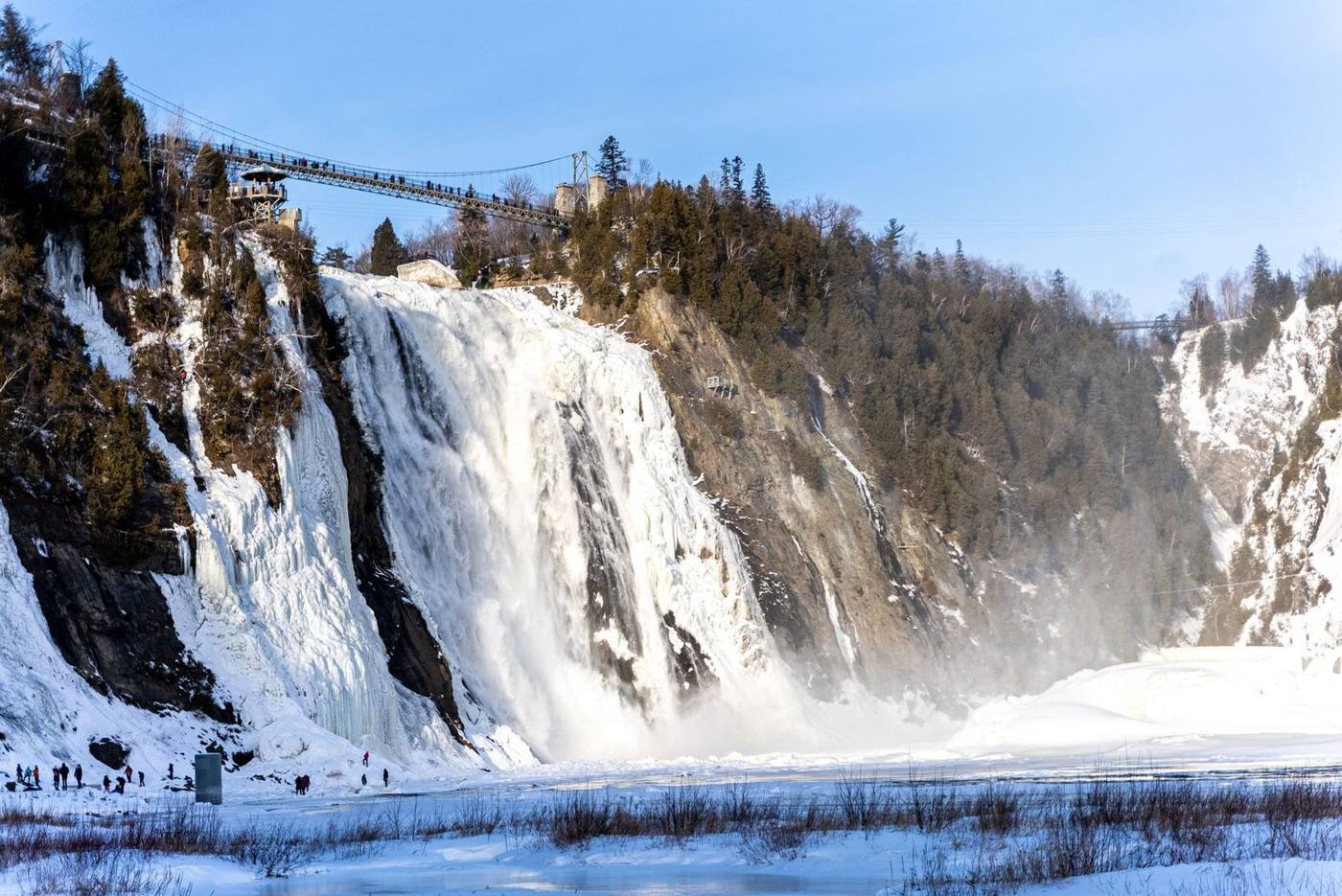
On the last morning go to Montmorency Falls, about twenty minutes from Québec City. They are about 83 metres high, some thirty metres higher than Niagara Falls. In winter the falling water builds a great hill of ice and snow at the foot of the falls, called the pain de sucre, the sugarloaf. You go up by cable car or by stairs to the top and cross a suspension bridge above the falls.
Then visit one of the region's ice hotels, rebuilt every winter only from snow and ice. The rooms, corridors, chapel and bar are carved, with ice beds covered in furs and expedition sleeping bags. You can visit by day without staying the night.
In the afternoon return to Montréal for your flight, by train or car, in about three hours. Québec City airport also has flights to Montréal and Toronto, with connections to Europe.
If you have time before leaving, pass by the Île d'Orléans, near the falls, with farms, old churches and farmhouses, where you can buy maple and blackcurrant products.
Practical tip: in winter snowstorms can slow roads, trains and flights. Keep a margin between your return to Montréal and your flight to Europe. Check the ice hotel's opening and visiting times and prices, which change each season.
For lovers of snow and festivals. The 2027 Quebec Winter Carnival runs from 5 to 14 February; the official sites usually require the Bonhomme effigy, which must be bought. Temperatures often drop below -20 degrees with wind chill: you need extreme-cold clothing. Hotels in Quebec City should be booked months ahead for carnival dates. To fly in, European citizens must apply for an eTA (7 Canadian dollars) only on the official Government of Canada website.
Before you go
- Documents and visa
- Passport valid for the whole stay. Anyone flying in needs an eTA, applied for online on the official Canadian government website: it costs 7 Canadian dollars.
- Health and vaccines
- No compulsory vaccines. Medical care is very expensive for visitors: health insurance is essential. Emergencies: 911.
- Money and payments
- Canadian dollar. Cards are accepted almost everywhere; tips of 15 to 20% are customary in restaurants.
- Power sockets
- Types A and B, 120 volts: you need an adapter and devices must accept 120 volts.
- Time zone
- Montreal and Quebec City are UTC-5, Calgary and Banff UTC-7, Vancouver UTC-8, all with daylight saving time in summer.
- Safety
- A very safe country. In summer wildfires can close roads and parks and bring smoke: check local alerts. Official advice: GOV.UK.
Information checked in November 2026 for Italian and EU citizens. Rules change: always check before you travel.
Variations
In 4 days: Québec City during carnival and Montmorency Falls.
In 10 days: add Charlevoix and the Saguenay fjord, with skating and ice fishing.
Frequently asked questions
When is the carnival?
Between late January and February. In 2027 from 5 to 14 February.
Is it very cold?
Yes, often below minus twenty with wind chill. You need snow clothing suitable for extreme cold.
Do I need a car?
No. Montréal and Québec City are linked by train, and there are shuttles to Mont-Tremblant. Driving in winter requires experience on snow.
Indicative itinerary written by World Atlas. Before booking, check timetables, seasonal openings, documents and safety.
 5 daysEasy
Calgary, Drumheller and the dinosaurs of Alberta
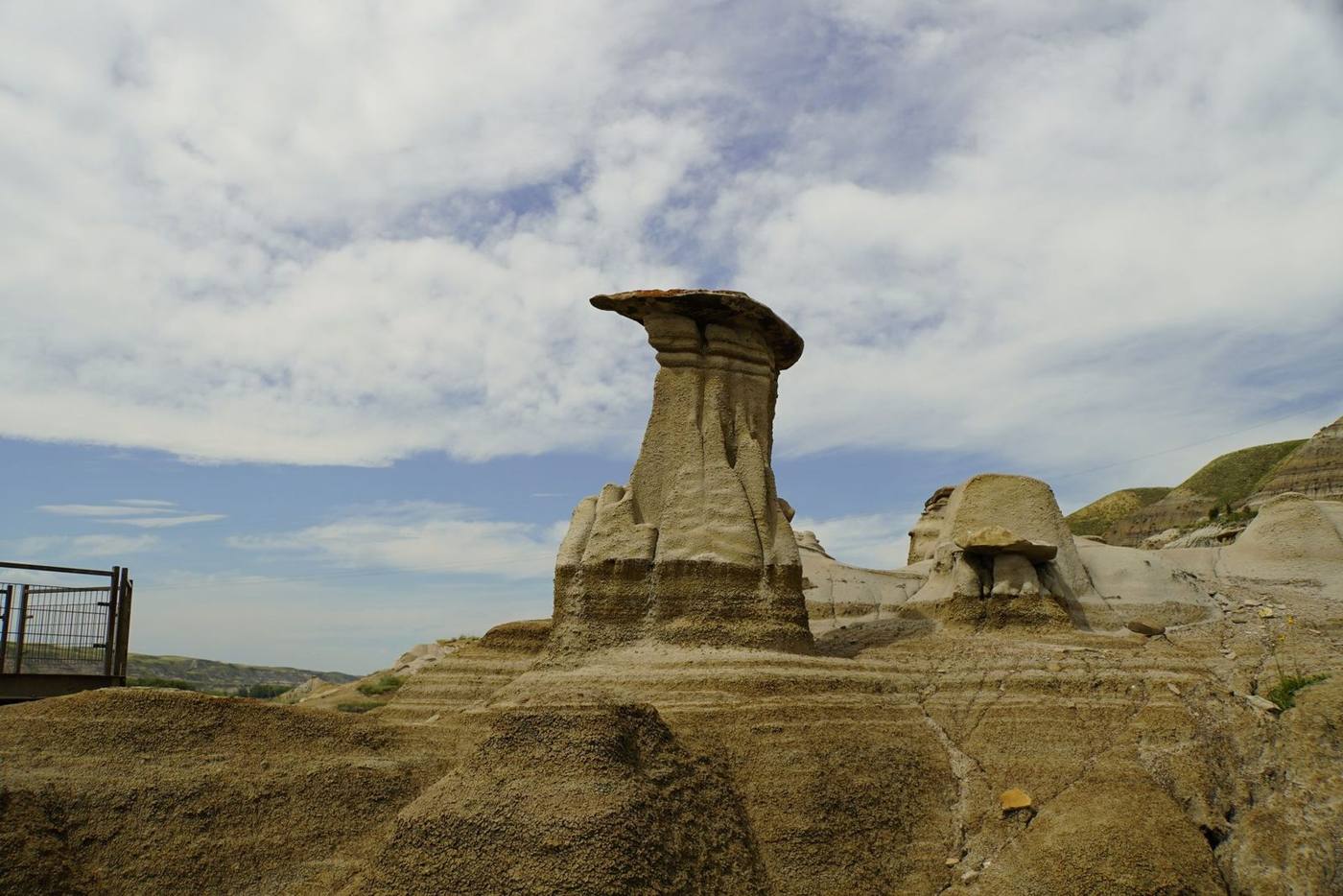
Canada's prairies and badlands: Calgary and, in July, the Stampede with its rodeo and chuckwagon races, the Drumheller badlands with the Royal Tyrrell Museum, one of the world's best palaeontology museums, the Hoodoos and Dinosaur Provincial Park, a UNESCO World Heritage site.
 12 daysEasy
The Rockies: Banff and Jasper
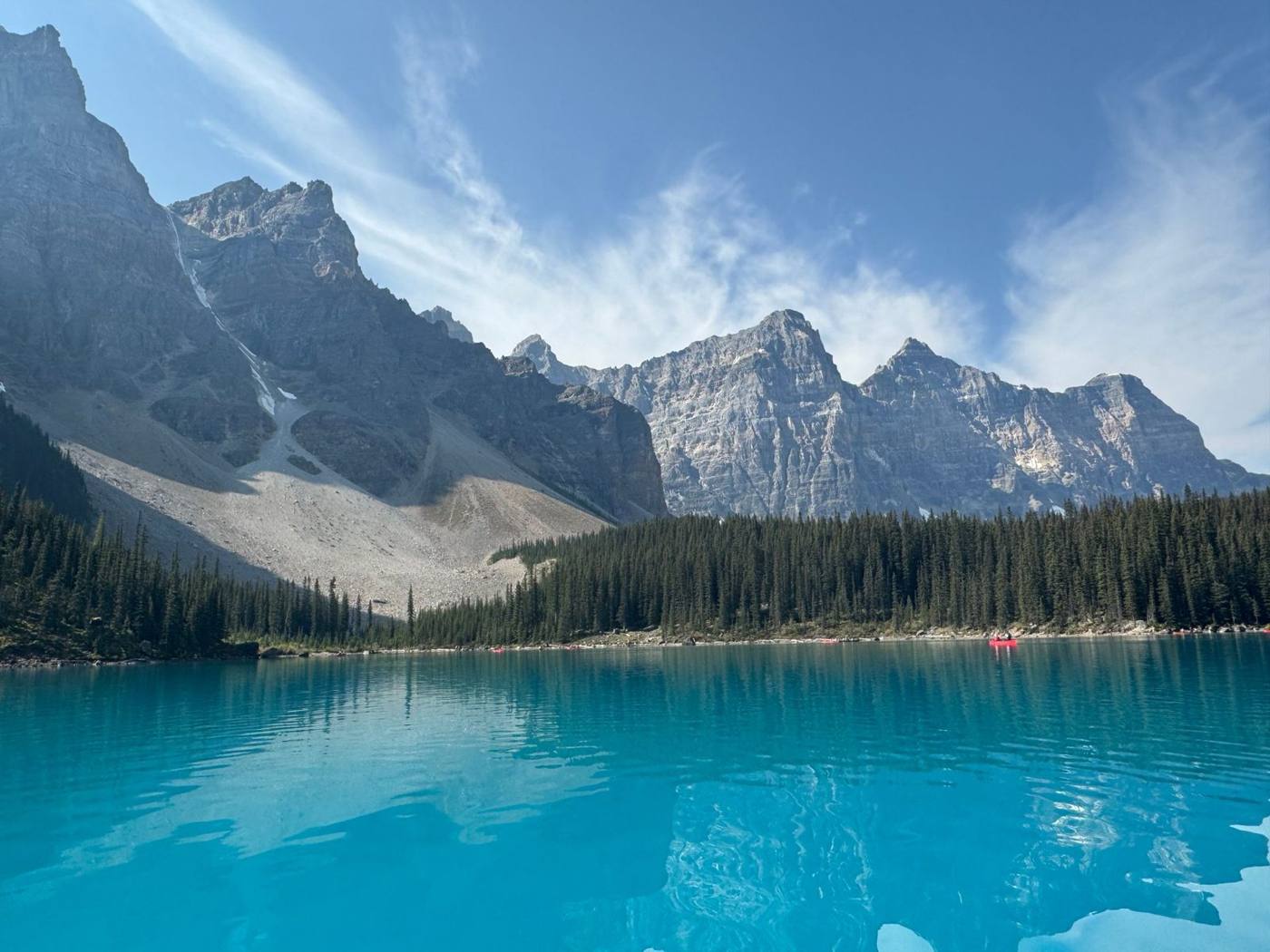
From Calgary to the turquoise lakes of Banff, the Icefields Parkway among glaciers and bears to Jasper, and Yoho National Park.
 10 daysEasy
Vancouver and Vancouver Island
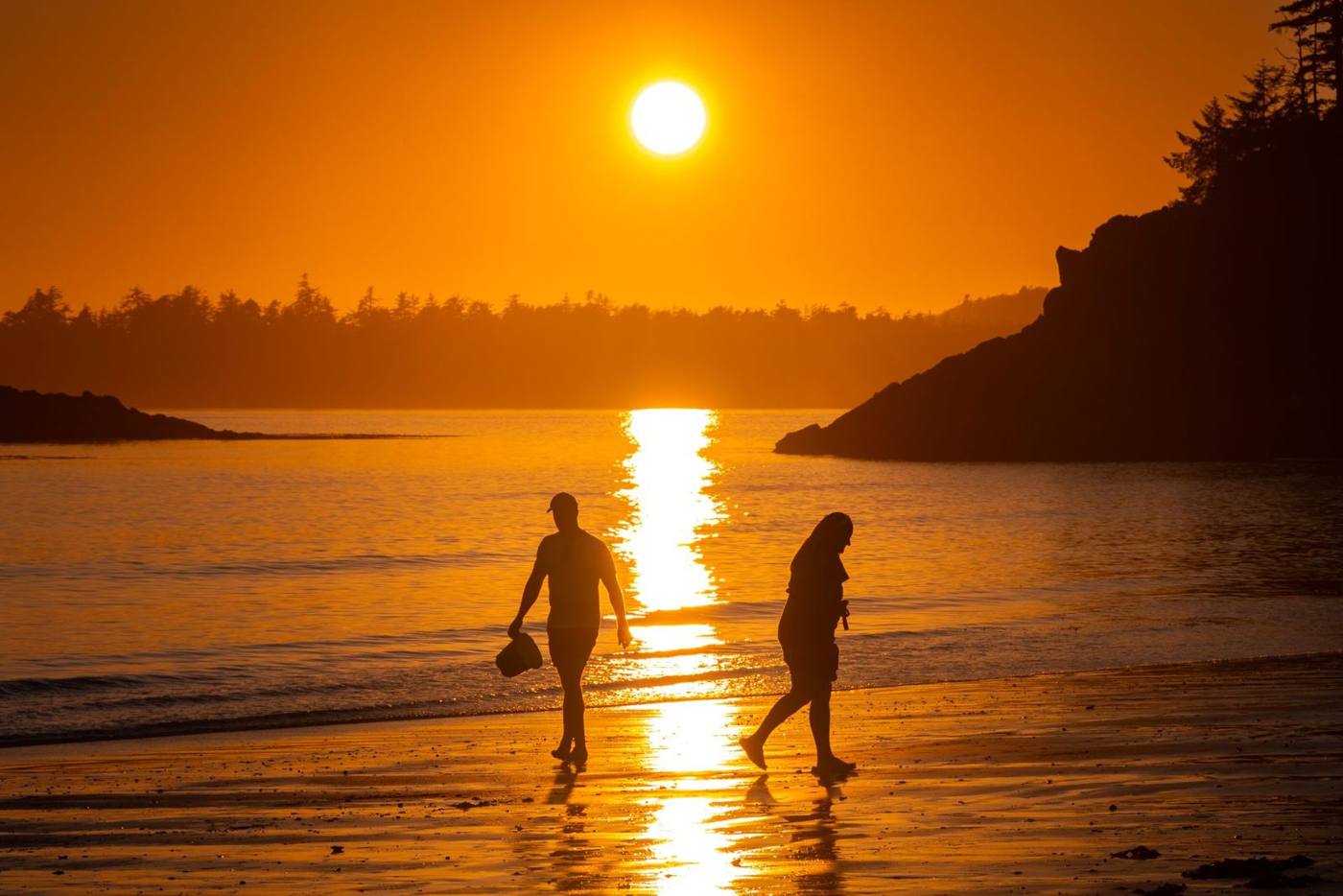
Vancouver between sea and mountains, Victoria, the rainforests and surf of Tofino and the orcas of Johnstone Strait.