Calgary, Drumheller and the dinosaurs of Alberta
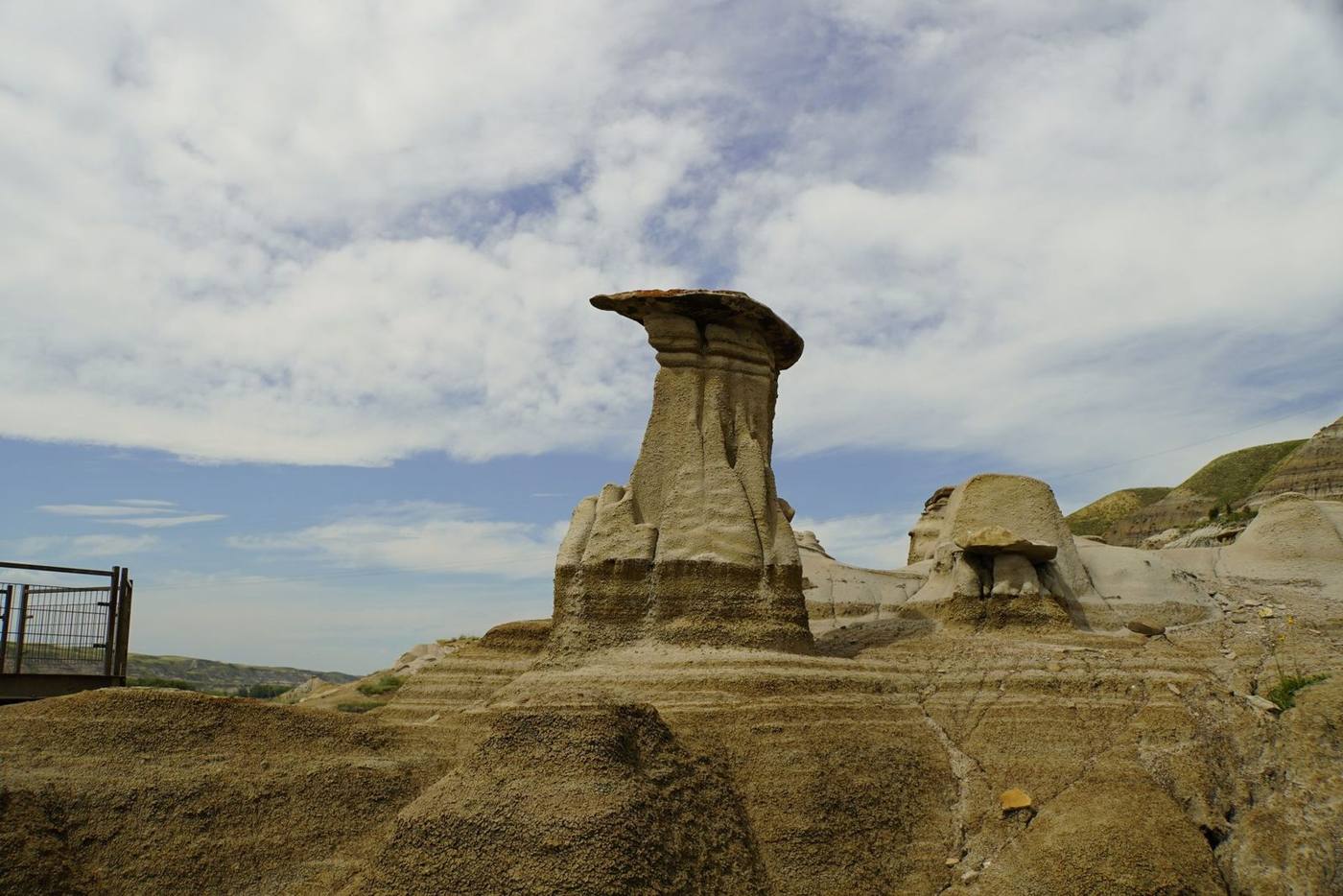
Canada's prairies and badlands: Calgary and, in July, the Stampede with its rodeo and chuckwagon races, the Drumheller badlands with the Royal Tyrrell Museum, one of the world's best palaeontology museums, the Hoodoos and Dinosaur Provincial Park, a UNESCO World Heritage site.
- Calgary
- Drumheller
- Hoodoos
- Dinosaur Provincial Park
- Writing-on-Stone
- Calgary
Day by day
- Day 1
Calgary: Studio Bell, Heritage Park and the Calgary Tower
To enter Canada by air, EU citizens need no visa but must apply online before departure for an Electronic Travel Authorization, eTA, costing 7 Canadian dollars, on the official Canadian government website, with a valid passport. Check the rules for your nationality.
Calgary is Alberta's largest city, on the great plains at the foot of the Rocky Mountains, a modern city born of cattle ranching and grown with oil. It is famous for the Stampede, the great rodeo held every July, with cowboy contests, parades and the whole city dressed up as the Wild West. For this trip you need a rental car: distances are long and public transport outside the city is scarce.
In the morning visit Studio Bell, home of the National Music Centre, in a modern building with curving forms clad in terracotta tiles, with a collection of instruments from historic keyboards to organs and interactive spaces where you can play.
In the afternoon go to Heritage Park on the shore of the Glenmore Reservoir, one of North America's largest historical villages, with original buildings moved from across the region: an early twentieth-century main street, a fur trading fort, a farm, a steam train and a paddlewheeler on the lake. The park is fully open in summer, with reduced hours in other months.
At sunset go up the Calgary Tower, about a hundred and ninety metres high, with a projecting glass floor, for views over the city and, on clear days, the Rockies to the west.
Practical tip: Alberta weather changes quickly; bring a jacket even in summer.
- Day 2
Drumheller: the Royal Tyrrell Museum, Horseshoe Canyon and the hoodoos
In the morning drive north-east for about an hour and a half to Drumheller, in the Canadian Badlands, a sudden landscape of striped coloured hills and canyons carved by the Red Deer River into the prairie. This is one of the richest dinosaur fossil areas in the world: about seventy million years ago it was a warm coastal plain with rivers and swamps.
On the way stop at Horseshoe Canyon, a large horseshoe-shaped canyon opening suddenly in the prairie, with trails winding down among the striped hills.
In Drumheller visit the Royal Tyrrell Museum, one of the world's most important palaeontology museums, with dozens of complete dinosaur skeletons, including Tyrannosaurus, Triceratops and a nodosaur preserved with its skin and armour, so well preserved it looks like a statue. Through a window you watch palaeontologists cleaning freshly excavated fossils in the lab. Allow at least three hours.
In the afternoon drive along the valley to the hoodoos, strange mushroom-shaped sandstone columns with a cap of harder rock protecting the base from erosion, and the Rosedale suspension bridge over the river.
Drumheller also has a huge fibreglass dinosaur, about twenty-six metres high, which you can climb up to its mouth.
In the evening stay in Drumheller or continue towards Brooks.
Practical tip: the Badlands are very hot in summer with little shade; bring water and a hat, and stay on the trails: collecting fossils is forbidden.
- Day 3
Dinosaur Provincial Park and the restricted excavation area
In the morning drive south-east to Dinosaur Provincial Park, about two hours from Drumheller near the town of Brooks, a UNESCO World Heritage site. It is one of the richest dinosaur fossil sites on the planet: remains of more than fifty species and hundreds of skeletons have been found here, now displayed in museums around the world.
The landscape is spectacular: a valley of badlands along the Red Deer River, with bare hills of grey and ochre earth, canyons, pinnacles and cottonwood groves along the river, in the middle of the prairie.
Much of the park is a protected natural preserve, which you can enter only on guided tours run by the park, to be booked in advance, especially in summer. Guides take you to areas where palaeontologists work or have worked, show fossils still in the rock and explain how excavation is done. Some programmes let you join researchers on a dig for a day.
In the area open to everyone there are short marked trails, such as the badlands trail and the river trail, and two small buildings protecting skeletons left where they were found.
In the evening stay at the park campground, in ready-pitched tents or cabins, or in Brooks. The starry sky over the prairie is beautiful.
Practical tip: book the park's guided tours online as soon as you have dates; in summer places fill quickly. Watch out for rattlesnakes: stay on the trails.
- Day 4
Writing-on-Stone: the rock art of the Niitsitapi
In the morning drive south for about three hours to Writing-on-Stone Provincial Park, called Áísínai'pi in the language of the Niitsitapi, the Blackfoot Confederacy, near the US border. The park has been a UNESCO World Heritage site since 2019.
The Milk River valley runs between sandstone walls sculpted by wind and water into strange shapes, the hoodoos, with prairie all around and, to the south, Montana's Sweet Grass Hills on the horizon. For the Niitsitapi this is a sacred place, where spirits speak through the images on the rock.
The sandstone walls hold the largest concentration of rock art on the Great Plains of North America: thousands of carvings and paintings, some thousands of years old, others more recent, showing warriors with shields, horses, bison, circles and battle scenes.
A loop trail leads among the hoodoos and shows some carvings, while the most important are in the protected archaeological preserve, visited only on the park's guided tours, often led by Niitsitapi guides who explain the meaning of the images and the history of their people. Tours are booked at the visitor centre.
In the evening stay at the park campground or in nearby towns such as Milk River.
Practical tip: do not touch the carvings or climb the walls: they are fragile and sacred. In summer bring water and sun cream; you can swim or canoe in the Milk River.
- Day 5
Back to Calgary
In the morning leave Writing-on-Stone and drive back to Calgary, about three and a half hours across the prairie, with wheat fields, ranches, grain elevators and the immense sky that gave Alberta the nickname of big sky country.
On the way you can stop at Fort Macleod, with the rebuilt fort of the North-West Mounted Police, ancestor of the Mounties, and above all at Head-Smashed-In Buffalo Jump a few kilometres away, another UNESCO site: a cliff where for almost six thousand years the plains peoples drove bison over the edge for meat, hides and bone. The interpretive centre, built into the hillside, explains this hunting technique and Niitsitapi culture.
Back in Calgary, if you have time before your flight, walk along the Bow River to the red Peace Bridge footbridge designed by Santiago Calatrava, or along the Stephen Avenue pedestrian mall with its historic sandstone buildings.
Calgary airport is about twenty minutes from the centre.
Things to take home: cowboy hats, leather goods, maple syrup, bison jerky and indigenous handicrafts bought from community shops.
Practical tip: distances between towns on the prairie are long; fill up when you can and carry water and food in the car. In summer check wildfire and smoke advisories. Check your government's travel advice before leaving.
Great for families and natural history fans; it combines well with Banff, an hour and a half from Calgary. The 2027 Stampede runs from 9 to 18 July: hotels are very expensive and must be booked far ahead. The badlands are hot in summer and have rattlesnakes: stay on the trails. Guided tours in Dinosaur Park have limited places. In summer wildfire smoke can cover the sky and close roads or trails: check the provincial advisories. To fly in, European citizens must apply for an eTA (7 Canadian dollars) only on the official Government of Canada website.
Before you go
- Documents and visa
- Passport valid for the whole stay. Anyone flying in needs an eTA, applied for online on the official Canadian government website: it costs 7 Canadian dollars.
- Health and vaccines
- No compulsory vaccines. Medical care is very expensive for visitors: health insurance is essential. Emergencies: 911.
- Money and payments
- Canadian dollar. Cards are accepted almost everywhere; tips of 15 to 20% are customary in restaurants.
- Power sockets
- Types A and B, 120 volts: you need an adapter and devices must accept 120 volts.
- Time zone
- Montreal and Quebec City are UTC-5, Calgary and Banff UTC-7, Vancouver UTC-8, all with daylight saving time in summer.
- Safety
- A very safe country. In summer wildfires can close roads and parks and bring smoke: check local alerts. Official advice: GOV.UK.
Information checked in November 2026 for Italian and EU citizens. Rules change: always check before you travel.
Variations
In 3 days: Calgary, then Drumheller with the Royal Tyrrell Museum and Dinosaur Provincial Park with a guided tour.
In 9 days: add the Rocky Mountains, with Banff, Lake Louise and the Icefields Parkway to Jasper, about an hour and a half from Calgary.
Frequently asked questions
Do I need a visa for Canada?
EU citizens need no visa, but those arriving by air must apply online before departure for an eTA, costing 7 Canadian dollars, with a valid passport.
Do I need to book Dinosaur Provincial Park?
To enter the restricted excavation area you need the park's guided tours, booked in advance, especially in summer.
When is the best time to go?
June to September, when the parks and guided tours operate. Winter is very cold and many activities are closed.
Indicative itinerary written by World Atlas. Before booking, check timetables, seasonal openings, documents and safety.
 12 daysEasy
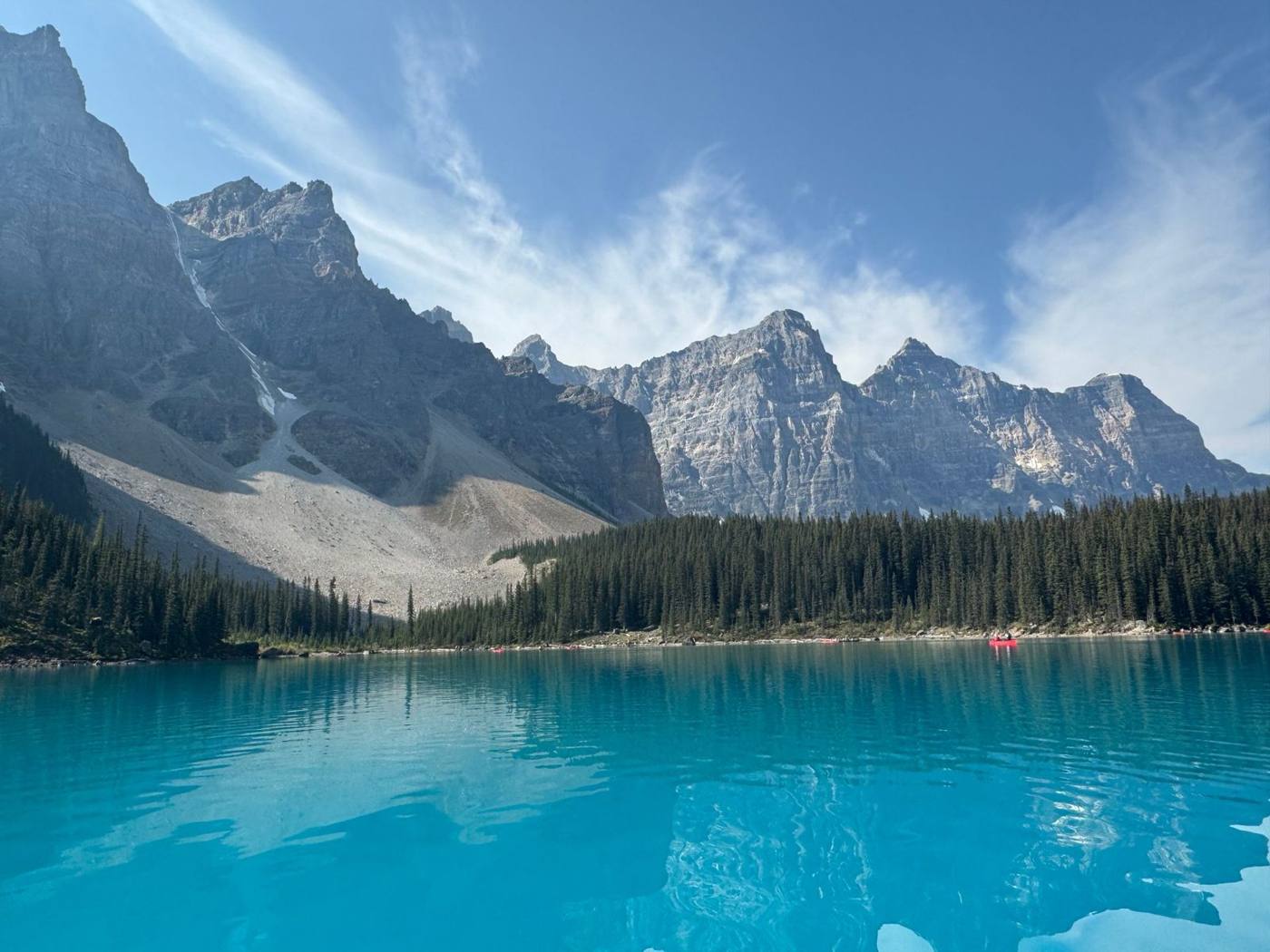
The Rockies: Banff and Jasper
From Calgary to the turquoise lakes of Banff, the Icefields Parkway among glaciers and bears to Jasper, and Yoho National Park.
 10 daysEasy
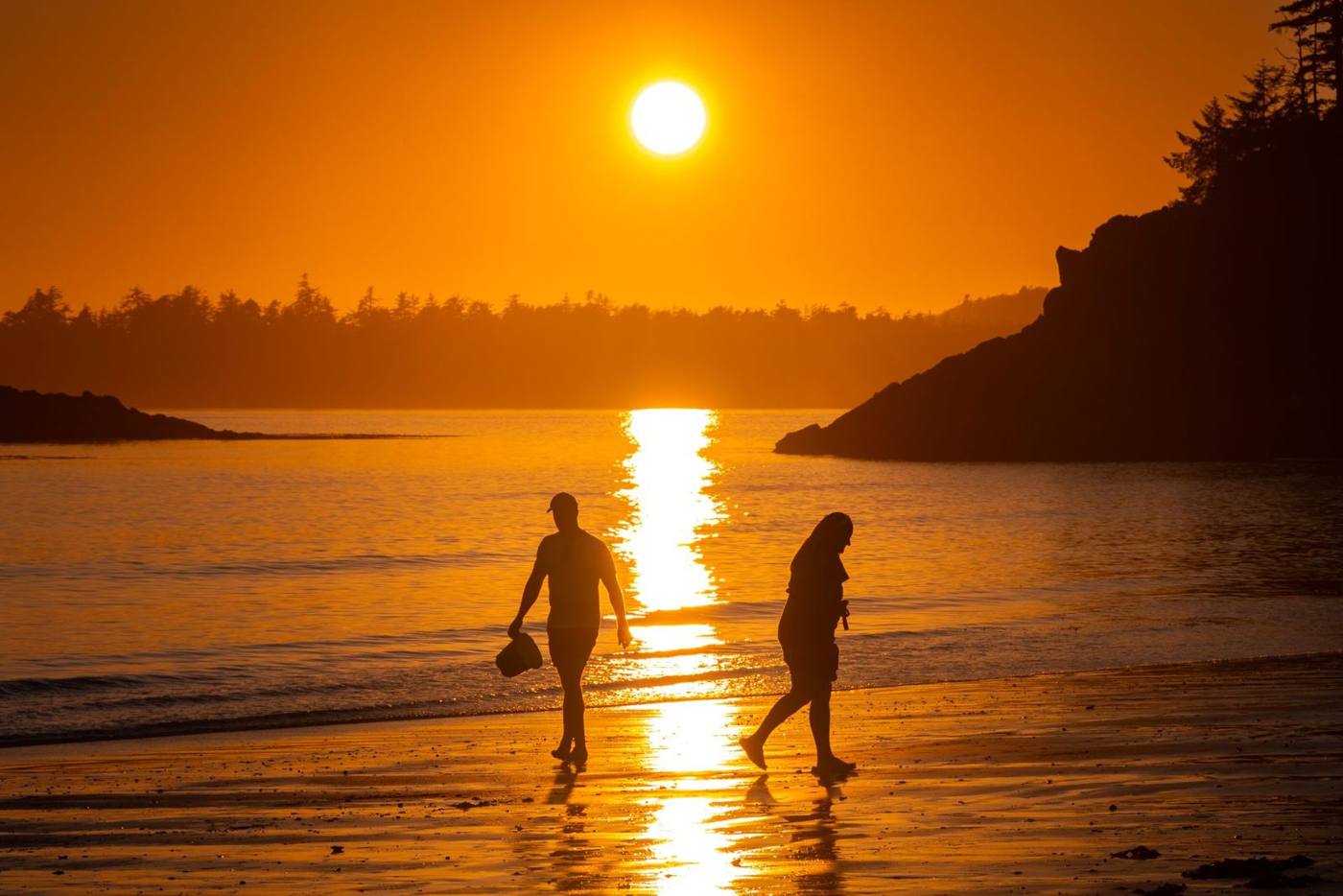
Vancouver and Vancouver Island
Vancouver between sea and mountains, Victoria, the rainforests and surf of Tofino and the orcas of Johnstone Strait.
 10 daysEasy
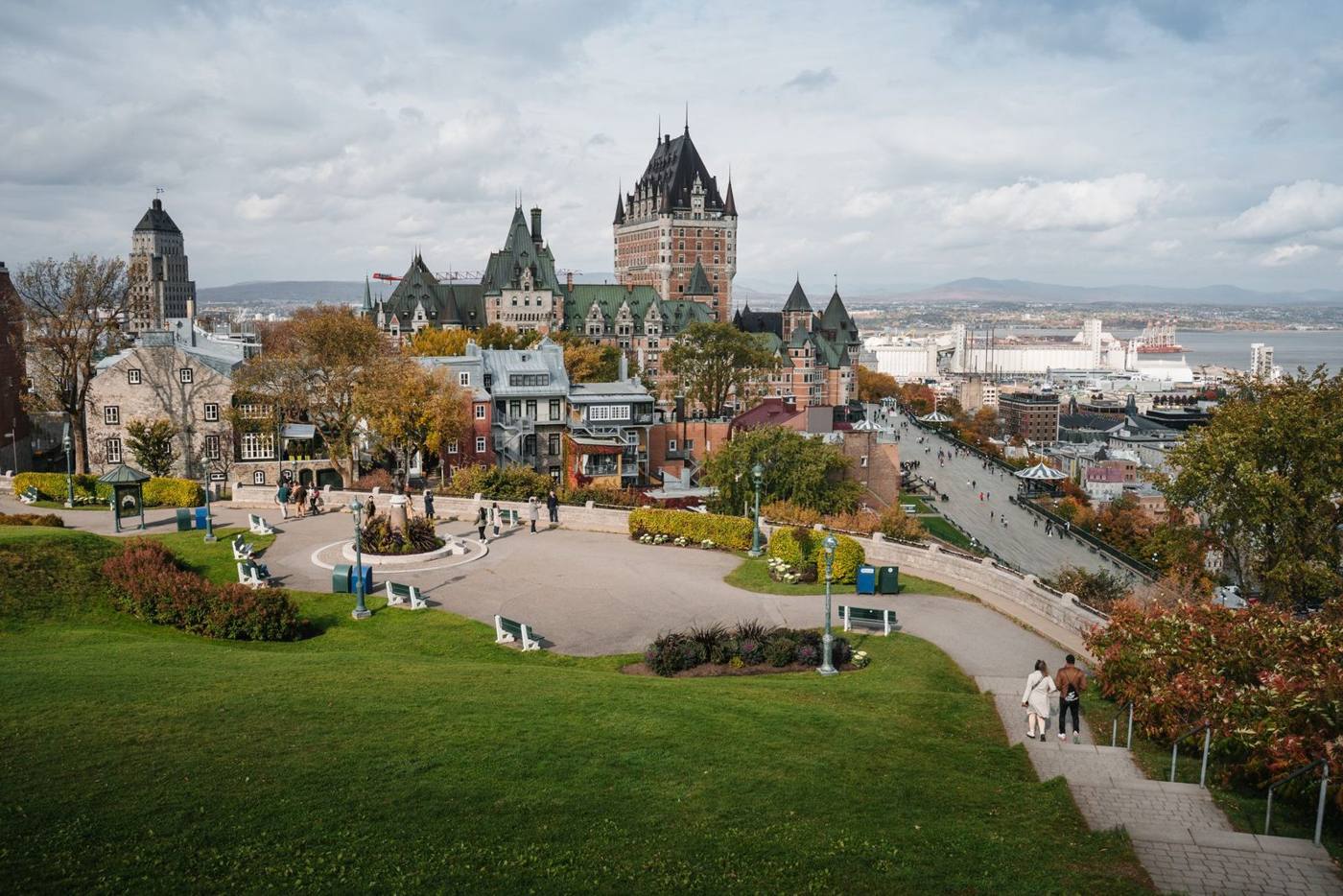
Quebec, Montreal and the whales of Tadoussac
French Canada: Montreal, Old Quebec City, the Charlevoix region and the whales of the Saguenay fjord.