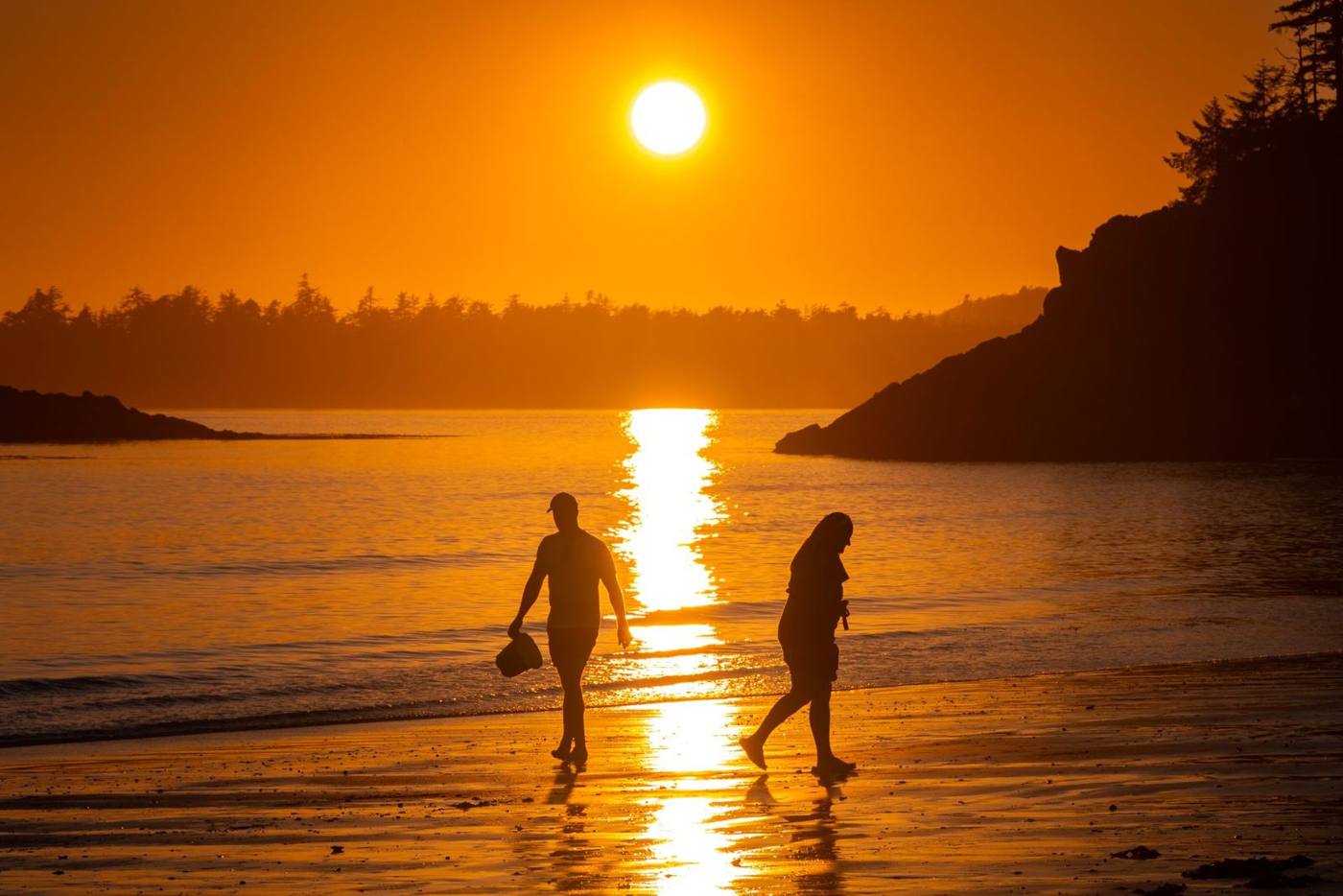
Vancouver and Vancouver Island
Vancouver between sea and mountains, Victoria, the rainforests and surf of Tofino and the orcas of Johnstone Strait.
- Vancouver
- Victoria
- Tofino
- Telegraph Cove
- Vancouver
Day by day
- Day 1
Arrival in Vancouver and Gastown
This trip combines Vancouver, a modern city between sea and mountains, with Vancouver Island, the large island off the coast of British Columbia: Victoria and its gardens, the wild Tofino coast with its rainforest and Pacific beaches, and the north of the island, where orcas live in Johnstone Strait and humpback whales pass through.
Before you leave: to enter Canada by air, Italian citizens must apply online for an eTA, the electronic travel authorisation, which costs 7 Canadian dollars; other nationalities should check their own rules. Apply only on the official Canadian government website.
You fly into Vancouver airport, linked to the centre by the Canada Line light rail in about half an hour. For the first three days you do not need a car: the city is easy on foot, by bike, by public transport and by the little harbour ferries.
In the afternoon walk around Gastown, the city's oldest neighbourhood, with cobbled streets, late nineteenth century brick buildings and the steam clock that whistles every quarter of an hour. Then continue to Canada Place, the pier with white sails, overlooking the harbour, seaplanes and the North Shore mountains.
In the evening have dinner downtown: Vancouver is famous for Pacific salmon, sushi and Asian food, thanks to its large Chinese and Japanese communities.
Sleep in Vancouver.
Practical tip: the best time for this trip is June to September, when orca and bear trips run most regularly. Book lodgings and ferries early.
- Day 2
Stanley Park by bike and Granville Island
In the morning rent a bike near the entrance to Stanley Park, the large park on a peninsula between the city and the sea, mostly covered by forest of giant cedars and firs.
Ride the Seawall, the path along the sea wall that circles the park for about ten kilometres, with the sea on one side and the forest on the other. Along the way you pass the First Nations totem poles at Brockton Point, the lighthouse, the underside of the Lions Gate Bridge and Siwash Rock. The path is one way for bikes.
In the afternoon take one of the little harbour ferries, the water taxis that cross False Creek, to Granville Island, a former industrial area under the bridge turned into a neighbourhood of markets, craft workshops, theatres and art studios. The public market is full of stalls selling fish, fruit, cheese, bread and pastries.
At sunset walk to English Bay, the city beach where people gather to watch the sun go down over the sea, or along Kitsilano beach, with views of the towers and the mountains.
Sleep in Vancouver.
Practical tip: it often rains in Vancouver, even in summer. Bring a light waterproof jacket, and allow a little flexibility in the plan.
- Day 3
Capilano, the North Shore and Chinatown
In the morning cross the harbour to the North Shore, the forested mountains that tower over the city.
Visit the Capilano Suspension Bridge, a footbridge about a hundred and thirty metres long hanging over a deep gorge with a river in the rainforest, with walkways among the trees and a cantilevered walkway on the cliff face. It is paid and very busy: check prices and hours. If you prefer a walk in the same forest, Lynn Canyon Park has a smaller suspension bridge and trails along the creek.
In the afternoon, if you are fit, you can go up Grouse Mountain, on the steep trail called the Grouse Grind or by gondola, for a view over the city, harbour and ocean. Check times and prices.
Return to the city and visit Chinatown, one of the largest in North America, with the Dr. Sun Yat Sen Classical Chinese Garden, built with craftsmen from Suzhou, with a pond, pavilions and rocks. Check opening hours and prices.
In the evening pick up your rental car or prepare to collect it in the morning.
Sleep in Vancouver.
Practical tip: for the car ferry to the island, book a space in advance in summer. Sailings without reservations fill up quickly.
- Day 4
The ferry to Victoria
In the morning drive to the Tsawwassen ferry terminal, south of Vancouver, and sail to Swartz Bay on Vancouver Island. The crossing takes about an hour and a half and passes among the Gulf Islands, small forested islands, with a chance of seeing bald eagles, seals and sometimes orcas.
From the terminal it is about half an hour's drive to Victoria, the capital of British Columbia, a quiet city with an English feel, Victorian houses, flower gardens and an inner harbour full of boats and seaplanes.
In the afternoon walk around the Inner Harbour, with the Parliament Buildings, a large domed stone building lit at night by thousands of bulbs, and the historic green roofed hotel overlooking the water.
Visit the Royal BC Museum, with natural history galleries and collections devoted to the First Nations of the coast, with masks and totem poles. Some sections have been closed or renewed in recent years: check what is open, the hours and prices.
In the evening walk along the harbour to Fisherman's Wharf, with its colourful floating homes.
Sleep in Victoria.
Practical tip: arrive at the ferry terminal at least an hour before departure, even with a reservation. Lines can be long in summer.
- Day 5
Butchart Gardens and orcas
In the morning drive north, about half an hour, to the Butchart Gardens, large gardens created in the early twentieth century in an old limestone quarry, with the Sunken Garden, Rose Garden, Japanese Garden and Italian Garden. Admission is charged and the price changes with the season: check.
In the afternoon take a boat trip from Victoria harbour to see orcas. In the waters around the island live groups of resident orcas, which eat salmon, and groups of transient orcas, which hunt seals and sea lions. You can also see humpback whales, porpoises and sea lions. By law boats must keep their distance from the animals. Choose a trip with biologists or naturalist guides and a good policy if no animals are seen.
Back on land, walk through Victoria's Chinatown, the oldest in Canada, with Fan Tan Alley, a very narrow lane between brick buildings.
In the evening have Pacific seafood, oysters or fish and chips at one of the harbour eateries.
Sleep in Victoria.
Practical tip: on the boat it is cold even in summer because of the wind and spray. Bring warm layers and a windproof jacket. If you get seasick, take something before boarding, and stay on deck in the fresh air.
- Day 6
To Tofino and the Pacific coast
Today you cross the island west to Tofino, on the coast facing the Pacific Ocean, about four and a half hours by road.
On the way stop at Cathedral Grove, in MacMillan Provincial Park, a grove of giant Douglas firs and western red cedars, some over eight hundred years old and more than seventy metres tall. A short trail winds among the huge moss covered trunks. The roadside car park is small and crowded: drive carefully.
Then the road skirts lakes and mountains, with a final winding section down to the coast. The stretch near Kennedy Lake has had long roadworks with timed closures: check the road status before you leave.
In the afternoon you reach Pacific Rim National Park Reserve, which protects the coast between Ucluelet and Tofino. You need a Parks Canada pass to enter: check the price.
At sunset walk on Long Beach, a sandy beach about sixteen kilometres long, pounded by waves, with driftwood logs, surfers and the forest behind.
In the evening reach Tofino, a small town of fishermen, surfers and artists at the tip of the peninsula.
Sleep in Tofino.
Practical tip: on the west coast the ocean is cold and currents are strong. Swim only in supervised areas.
- Day 7
The rainforest and black bears
Today you stay in Tofino, between the temperate rainforest and the ocean.
In the morning walk the Rainforest Trail in Pacific Rim, two short boardwalk loops through old growth rainforest, with huge western red cedars and hemlocks, mosses and ferns. It is one of the wettest places in Canada and the vegetation is very dense. Then walk the Schooner Cove Trail, which drops through the forest to a hidden beach.
In the afternoon take a boat trip to see black bears along the shores of the inlets around Tofino. At low tide the bears come down to the beaches and turn over stones to eat crabs and shellfish. The boats keep their distance and you watch the bears as they feed. Times depend on the tide.
Alternatively you can take a trip to see grey whales, which pass along the coast on their migration and partly stay here in summer, or go by boat or floatplane to the hot springs at Hot Springs Cove, in a First Nations area. Check conditions.
At sunset return to Chesterman Beach, with its islets reachable at low tide.
Sleep in Tofino.
Practical tip: on low tide beaches always check when high tide comes, so you are not stranded on the islets.
- Day 8
To the north of the island
In the morning leave Tofino and head back to the east coast of the island, then drive north on the highway, about six hours in all, to Telegraph Cove, a tiny village at the far north east of the island.
On the way you can stop at Coombs, a village famous for its market with goats grazing on the grass roof, and at Campbell River, called the salmon capital of the world, with a long fishing pier. In late summer and autumn salmon run up the rivers of the area to spawn.
Further north the road crosses a region of forests, mountains and lakes with almost no towns. Fill up with fuel when you can.
In the late afternoon you reach Telegraph Cove, a former fishing and sawmill village, with wooden houses on stilts linked by a boardwalk around the harbour. This is where Johnstone Strait begins, one of the best places in the world to see wild orcas.
Visit the village's small whale interpretive centre, with skeletons of whales and orcas and panels on the marine life of the strait. Check opening hours and prices.
Sleep in Telegraph Cove or Port McNeill.
Practical tip: lodgings in the north of the island are few. Book months ahead for summer.
- Day 9
Orcas and humpbacks in Johnstone Strait
Today you spend the day at sea in Johnstone Strait, between Vancouver Island and the islands off the mainland.
In the morning set out by boat with a naturalist guide. In summer the northern resident orcas come into the strait following the salmon, and humpback whales, which have returned in good numbers in recent years, are often seen breaching or feeding at the surface. You can also see dolphins, porpoises, sea lions, bald eagles and sometimes black bears on the shore.
Nearby is the Robson Bight ecological reserve, a bay where orcas come to rub themselves on the beach pebbles. Entry to the reserve is forbidden: boats stay outside, at a distance.
In the afternoon, if the sea is calm, you can take a guided kayak trip along the shores of the strait among forests and coves, or walk a forest trail near the village.
In the evening watch the sunset over Telegraph Cove harbour as the boats come back.
Sleep in Telegraph Cove or Port McNeill.
Practical tip: sea kayaking in open water requires experience and calm water. In strong wind or fog, do not go out on the water. Currents in the strait are strong and the water is cold all year.
- Day 10
Ferry from Nanaimo and departure
On the last day drive south to Nanaimo, about four and a half hours, and take the ferry to Horseshoe Bay, north west of Vancouver. The crossing takes about an hour and forty minutes across the Strait of Georgia, with views of the coast mountains.
From Horseshoe Bay the road follows the bay and crosses the Lions Gate Bridge into central Vancouver and on to the airport, about an hour in traffic. Return the car with a full tank and arrive early for your flight.
If you have a few hours before the flight, stop at Steveston, an old fishing village near the airport, with a pier where you can buy fish straight from the boats and an old salmon cannery that is now a museum.
Before leaving buy something to take home: packaged smoked salmon, maple syrup, Canadian tea, and First Nations art bought directly from the artists or from galleries that pay them fairly.
This trip shows Canada's Pacific coast: a city open to the sea, the gardens of Victoria, the rainforest and waves of Tofino, and the strait of orcas and humpback whales.
Practical tip: for the Nanaimo ferry in summer it is also worth booking. Plan your timing carefully so you do not miss your flight.
An easy, varied nature trip with excellent chances of seeing orcas and bears. Tofino is often rainy even in summer and the sea is cold: you go for the wild coast, not for swimming. Summer ferries must be booked with a car. Vancouver is one of the most expensive cities in Canada.
Before you go
- Documents and visa
- Passport valid for the whole stay. Anyone flying in needs an eTA, applied for online on the official Canadian government website: it costs 7 Canadian dollars.
- Health and vaccines
- No compulsory vaccines. Medical care is very expensive for visitors: health insurance is essential. Emergencies: 911.
- Money and payments
- Canadian dollar. Cards are accepted almost everywhere; tips of 15 to 20% are customary in restaurants.
- Power sockets
- Types A and B, 120 volts: you need an adapter and devices must accept 120 volts.
- Time zone
- Montreal and Quebec City are UTC-5, Calgary and Banff UTC-7, Vancouver UTC-8, all with daylight saving time in summer.
- Safety
- A very safe country. In summer wildfires can close roads and parks and bring smoke: check local alerts. Official advice: GOV.UK.
Information checked in November 2026 for Italian and EU citizens. Rules change: always check before you travel.
Variations
In 7 days: Vancouver, Victoria and Tofino, without the north of the island.
In 14 days: add the Sea to Sky Highway to Squamish and Whistler, with Garibaldi Park.
Frequently asked questions
Do I need a document to enter Canada?
To enter by air, Italian citizens must apply online for an eTA, which costs 7 Canadian dollars. Apply only on the official Canadian government website. Other nationalities should check their own rules.
When can you see orcas?
From June to September trips run most regularly, but the animals are wild and sightings are never guaranteed. Choose operators that respect the legal distances.
Do I need to book the ferries?
In summer yes, especially with a car. Sailings without reservations fill up and you can wait for hours.
Indicative itinerary written by World Atlas. Before booking, check timetables, seasonal openings, documents and safety.
 10 daysEasy
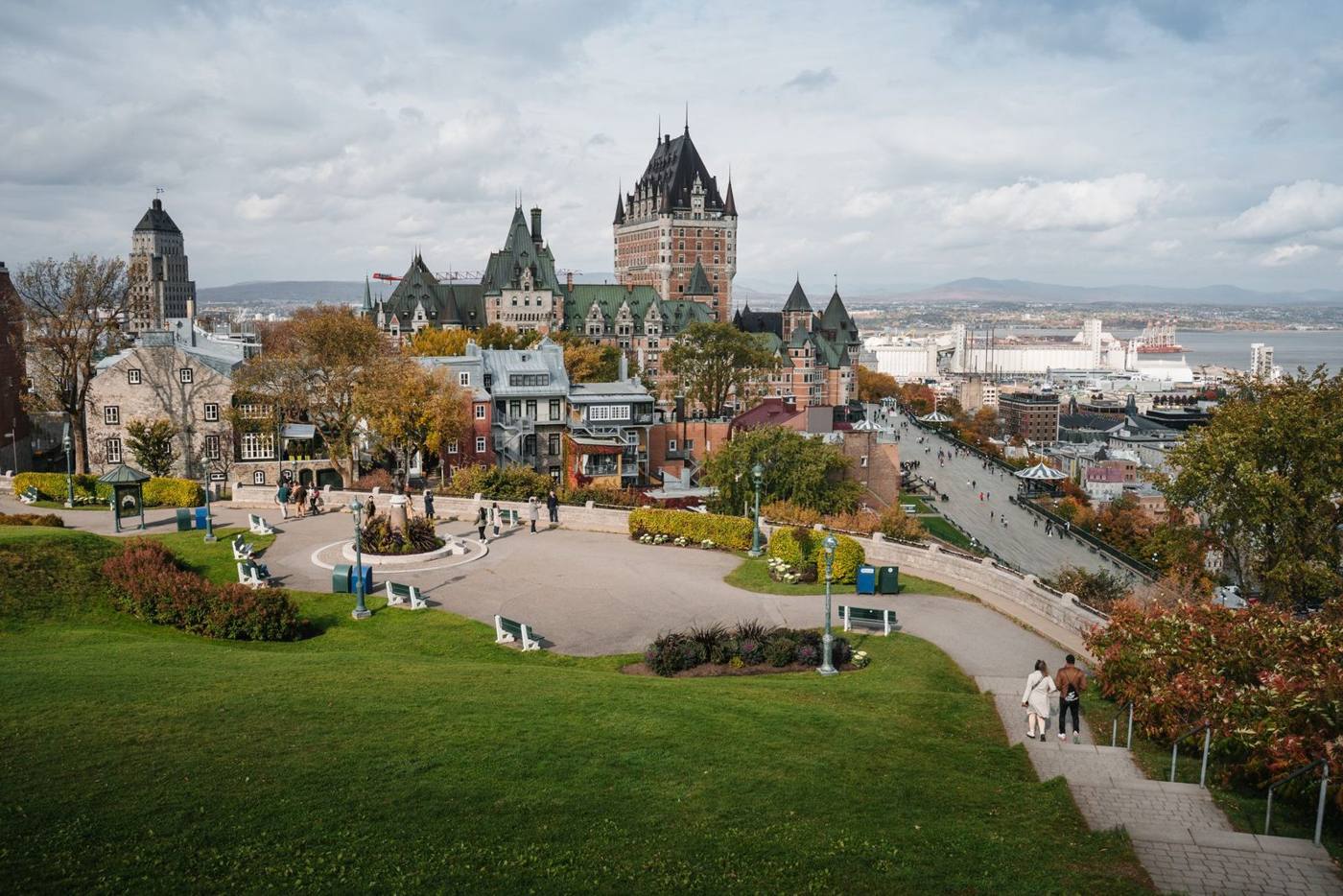
Quebec, Montreal and the whales of Tadoussac
French Canada: Montreal, Old Quebec City, the Charlevoix region and the whales of the Saguenay fjord.
 10 daysEasy
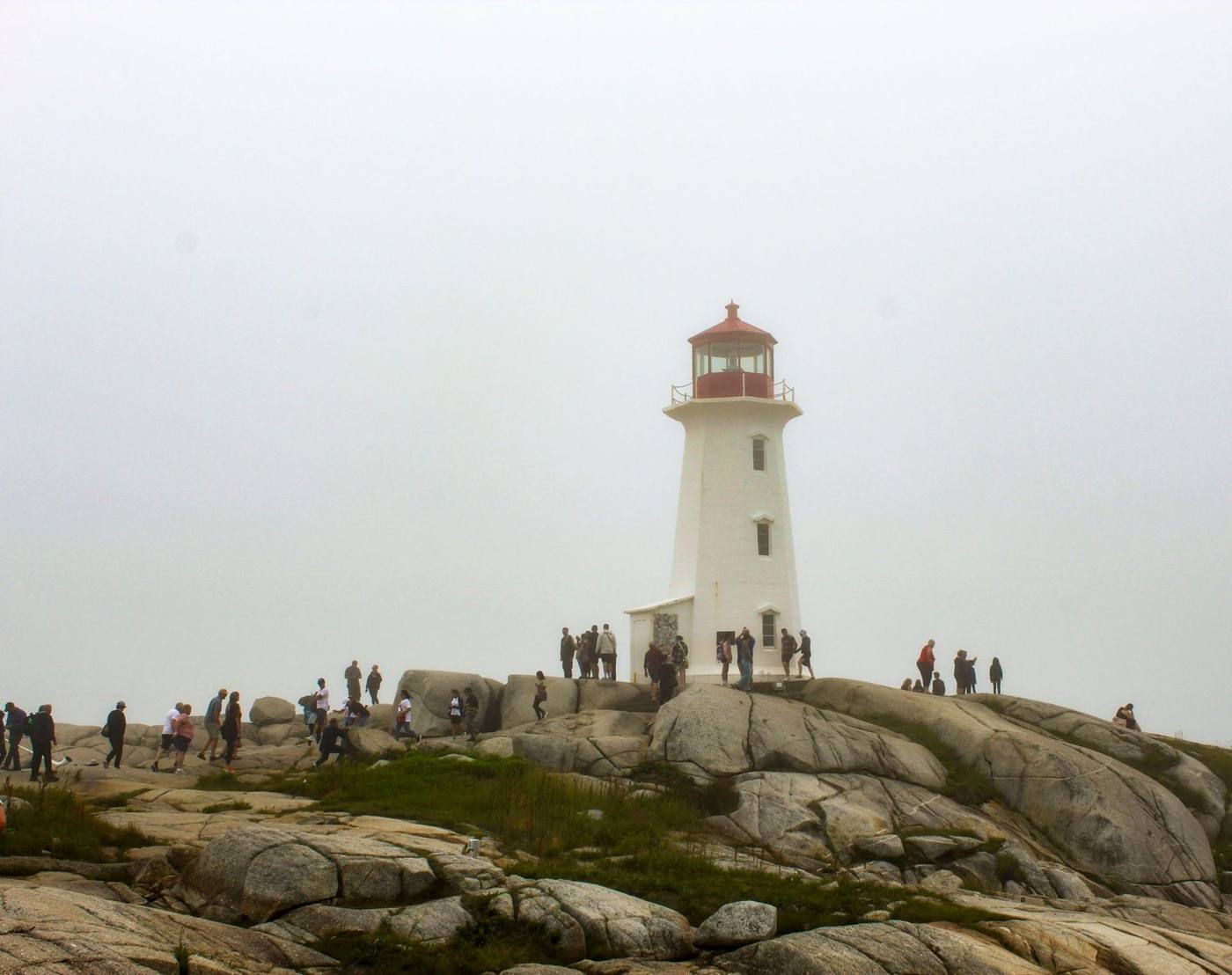
Nova Scotia and the Cabot Trail
Halifax, Peggy's Cove lighthouse, Lunenburg, the tides of the Bay of Fundy and the Cabot Trail on Cape Breton.
 6 daysEasy
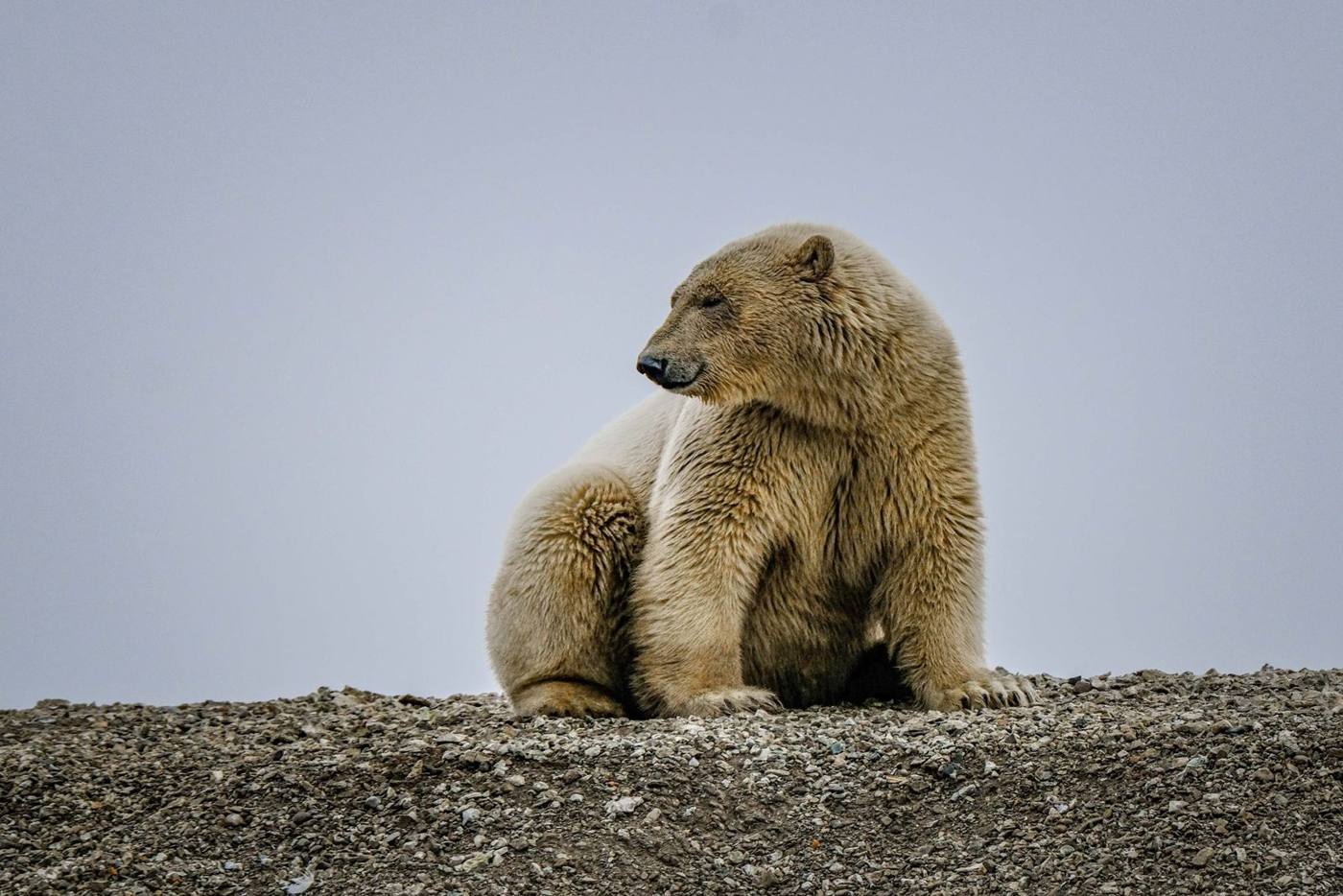
The polar bears of Churchill
On Hudson Bay, where polar bears wait for the sea to freeze: tundra buggy outings and, with some luck, the northern lights.