Okanagan and Kootenay: wines, lakes and hot springs
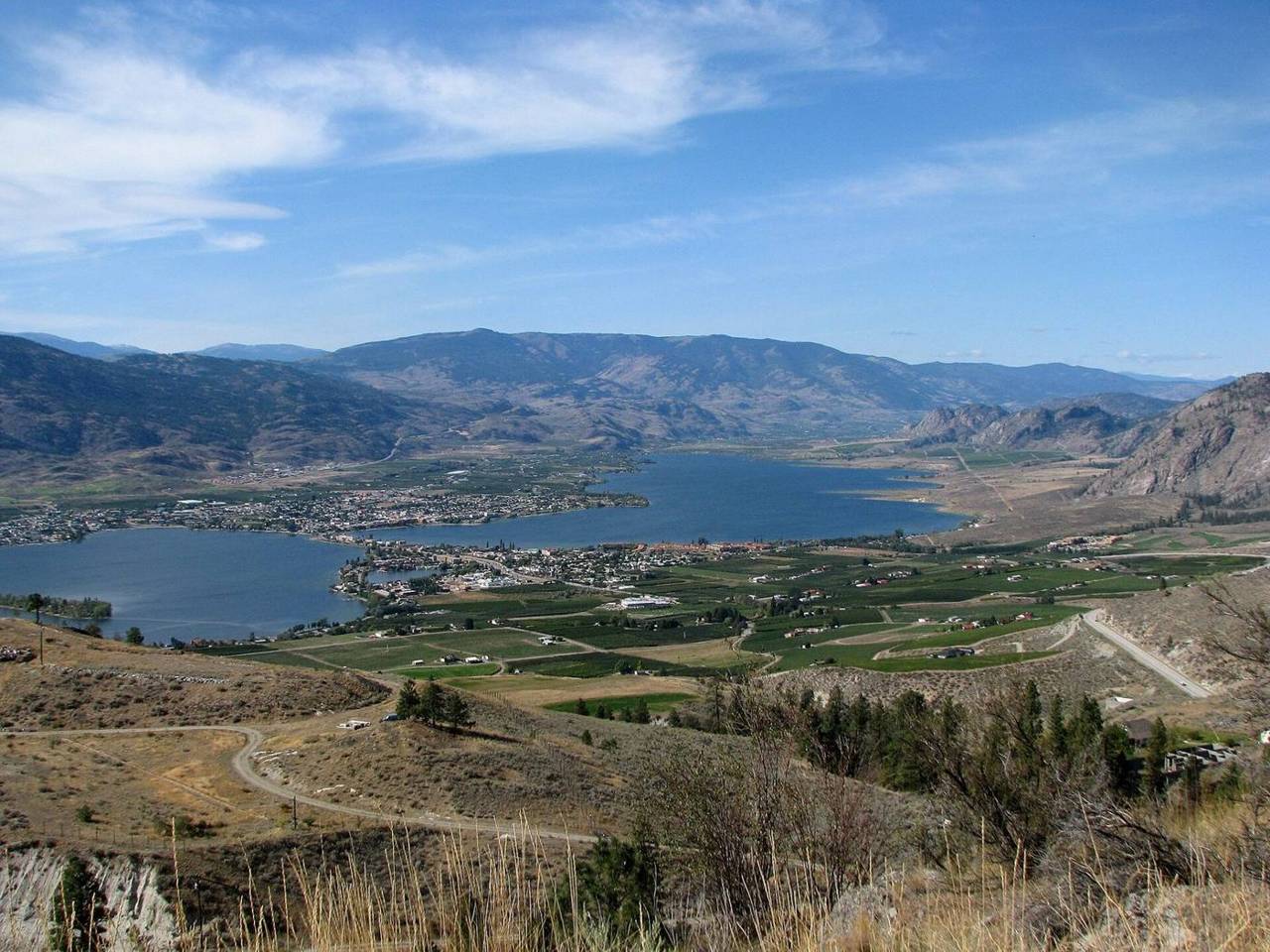
Interior British Columbia: the Okanagan valley with wineries on the hills above the lake, the town of Nelson in the Selkirk mountains, the Ainsworth hot springs in a cave, the old mining towns of Kaslo and New Denver and Kootenay Lake.
- Kelowna
- Naramata
- Osoyoos
- Nelson
- Ainsworth Hot Springs
- Kaslo
- New Denver
Day by day
- Day 1
Kelowna and the Lake Country wineries
This trip crosses the south of interior British Columbia, far from the big cities: the Okanagan Valley, with its long, narrow lakes, orchards and wineries, then the mountains and lakes of the Kootenay region, with wooden towns, historic steamboats and hot springs. It is a different Canada from the Rockies, hotter in summer and quieter.
You arrive at Kelowna airport, connected with Vancouver, Calgary and Toronto. A hire car is needed for the whole trip.
Kelowna is the main city of the Okanagan, on the shore of the large lake of the same name. On the first day walk along the waterfront, with beaches, parks and the marina, and look at the floating bridge across the lake.
In the afternoon head north to Lake Country, an area of hills between the Okanagan, Wood and Kalamalka lakes, with vineyards and orchards. Many wineries have panoramic terraces and tasting rooms. The valley is known for fresh white wines such as riesling and pinot gris, and reds such as pinot noir and merlot. Kalamalka Lake, a little further north, has green and turquoise water, beautiful from above.
Spend the night in Kelowna.
Practical tip: Italian and most European citizens flying to Canada need an eTA, an electronic travel authorization that costs 7 Canadian dollars and is requested online before you leave. Use only the official Canadian government website. If you drink at tastings, arrange a driver: drink driving checks in Canada are strict.
- Day 2
Cycling the wooden trestles of Myra Canyon
Today you do one of the valley's best experiences: Myra Canyon by bike. High above Kelowna, in the mountains, ran the Kettle Valley Railway, built in the early twentieth century to link the interior of British Columbia with the coast. In the Myra Canyon section the line crossed a deep canyon on eighteen trestle bridges, tall structures of wood and steel, and through two tunnels.
Today the tracks are gone and the old railbed has become a flat, wide trail, easy for bikes and walkers. Many trestles were destroyed by a major wildfire in 2003 and then rebuilt. You ride high up, among the forest, with views over the canyon and the valley. The route is almost level, suitable even if you are not very fit.
You reach the trailhead by car on a mountain road, partly gravel. Bikes can be hired in town and near the trail.
In the afternoon, back in town, relax on one of the Okanagan Lake beaches or visit one of the valley's fruit farms, where in summer you can pick peaches, cherries and apples.
In the evening have dinner on the Kelowna waterfront.
Spend the night in Kelowna.
Practical tip: in summer the Okanagan is hot and dry, and fire risk is high. Mountain trails are sometimes closed because of fires or smoke. Check the trail status the day before and carry plenty of water, a hat and sunscreen.
- Day 3
Naramata Bench and Osoyoos, Canada's desert
Today you head south down the valley. The first stop is the Naramata Bench, a natural terrace above the east shore of Okanagan Lake, near Penticton. It is one of the province's most admired wine areas, with neat vineyards sloping down to the lake, small family wineries and a scenic road among orchards and hills.
Do one or two tastings, then continue to Penticton, a small town between two lakes, Okanagan and Skaha. In summer many people float down the channel linking the two lakes on rubber rings and air mattresses, carried by the current.
In the afternoon continue to Osoyoos, near the US border. Here the landscape changes: dry hills, low shrubs, sage and cactus. It is often called Canada's only desert, although technically it is a semi arid area at the northern tip of the great American desert. Osoyoos Lake is one of the warmest lakes in Canada in summer.
The Osoyoos Indian Band runs a cultural centre in the desert, with trails and explanations of the environment and the history of the Syilx people. It is the best way to understand this landscape.
Spend the night in Osoyoos.
Practical tip: rattlesnakes live in the Osoyoos desert and usually avoid people. Stay on trails, watch where you step and do not put your hands under rocks. Check the cultural centre's opening hours, which can change with the season.
- Day 4
To Nelson, the wooden town on the lake
Today you leave the Okanagan and head east into the Kootenay region, about four and a half hours by road. You follow the Crowsnest Highway, which crosses the mountains along the US border, through small towns such as Grand Forks and Castlegar.
The landscape becomes greener and more mountainous, with conifer forests, rivers and long lakes between the peaks.
In the afternoon you reach Nelson, on the West Arm of Kootenay Lake. Nelson grew up in the late nineteenth century with silver and gold mining, and its centre keeps many historic brick and stone buildings from that period, carefully restored. The main street has shops, cafés and art galleries. Nelson has an alternative, artistic atmosphere, and many residents moved here for the outdoor life.
Walk around the centre, then go down to the lakeshore. A restored old streetcar runs along a short stretch of the waterfront in summer.
In the evening have dinner in town. Nelson has many places serving local food and craft beers from the region.
Spend the night in Nelson.
Practical tip: the Kootenay mountain roads are beautiful but slow, with bends and passes. In winter you need a car with winter tyres, required on many British Columbia roads for part of the year. Fill up whenever you can, as petrol stations can be far apart.
- Day 5
Nelson, lakeside trails and the Ainsworth hot springs
In the morning take a hike around Nelson. One of the best loved trails climbs to Pulpit Rock, a rocky outcrop above the lake, with a wide view over the town and the mountains. The climb is steep but short, about an hour.
Alternatively visit Kokanee Creek Provincial Park on the lake, with beaches, forest trails and, in late summer, the run of kokanee salmon, which turn bright red before spawning.
In the afternoon follow the lake to the Ainsworth hot springs, about forty minutes from Nelson. Here mineral rich thermal water flows out of the mountain into a horseshoe shaped cave carved into the rock, where you soak in the half light and steam. Outside there is a hot pool with a view of Kootenay Lake and the Purcell Mountains. There is also a cold plunge pool to alternate hot and cold.
The springs lie in the traditional territory of the Ktunaxa people, who considered them a place of healing.
In the evening return to Nelson or stay near the springs, by the lake.
Spend the night in Nelson or Ainsworth.
Practical tip: check the springs' opening hours and prices before you go. It is very hot inside the cave: stay only a short time, drink water and come out if you feel dizzy. Bring a swimsuit and a towel.
- Day 6
Kaslo, the SS Moyie and New Denver
Today you drive north along Kootenay Lake to Kaslo, a small wooden town about an hour from Nelson, with colourful houses and a beautiful view of the mountains.
On the Kaslo shore lies the SS Moyie, a sternwheel steamboat built at the end of the nineteenth century. It carried passengers and freight on the lake for more than fifty years, until 1957, and is one of the oldest boats of its kind left in the world. Today it is a museum: you visit the decks, the cabins, the dining room and the engine room.
In the afternoon continue west to New Denver on Slocan Lake. Here you find the Nikkei Internment Memorial Centre. During the Second World War the Canadian government took the homes and property of thousands of Canadians of Japanese origin and confined them in camps in the interior of British Columbia. The centre keeps some original shacks, a Japanese garden and an exhibition telling their story. It is a simple and very moving place.
Around New Denver there are also old mining towns, such as Sandon, now almost abandoned.
Spend the night in New Denver or in Nakusp, a little further north, which also has hot springs.
Practical tip: check the opening times of the Moyie and the New Denver centre, which usually open from spring to autumn and may close in winter.
- Day 7
Back to Kelowna or on to the Rockies
On the last day you have two options.
The first is to return to Kelowna for your flight. From New Denver or Nakusp follow the road west through the Monashee Mountains, with a no-cost ferry across Upper Arrow Lake at Needles. The drive takes several hours, but the scenery is superb, with forests, lakes and mountain passes. You reach Vernon, in the north of the Okanagan, and then drive down to Kelowna. If you have time, stop again at Kalamalka Lake for a last swim.
The second option is to continue east towards the Rocky Mountains. From Nakusp you drive up to Revelstoke, home to Mount Revelstoke National Park, with a road climbing to the summit and flower meadows in summer, and Glacier National Park, with Rogers Pass. From here, in a few hours, you reach Golden and then Yoho and Banff national parks.
This second choice turns the trip into a grand loop of western Canada, ending in Calgary or Vancouver.
Practical tip: check the Needles ferry times; it is at no cost but runs on a fixed schedule. In Canadian national parks you pay a daily entry or an annual pass: check the fees on the Parks Canada website. In summer wildfire smoke can reduce the mountain views.
A relaxed Canada of wine and lakes, which combines well with the Rockies. In July and August it is hot and the lakes are good for swimming. In summer wildfire smoke can cover the sky and close roads or trails: check the provincial advisories. To fly in, European citizens must apply for an eTA (7 Canadian dollars) only on the official Government of Canada website.
Before you go
- Documents and visa
- Passport valid for the whole stay. Anyone flying in needs an eTA, applied for online on the official Canadian government website: it costs 7 Canadian dollars.
- Health and vaccines
- No compulsory vaccines. Medical care is very expensive for visitors: health insurance is essential. Emergencies: 911.
- Money and payments
- Canadian dollar. Cards are accepted almost everywhere; tips of 15 to 20% are customary in restaurants.
- Power sockets
- Types A and B, 120 volts: you need an adapter and devices must accept 120 volts.
- Time zone
- Montreal and Quebec City are UTC-5, Calgary and Banff UTC-7, Vancouver UTC-8, all with daylight saving time in summer.
- Safety
- A very safe country. In summer wildfires can close roads and parks and bring smoke: check local alerts. Official advice: GOV.UK.
Information checked in November 2026 for Italian and EU citizens. Rules change: always check before you travel.
Variations
In 4 days: just the Okanagan, with Kelowna, Myra Canyon, Naramata and Osoyoos.
In 10 days: add Revelstoke, Glacier National Park and Yoho, on to Banff.
Frequently asked questions
When is the best time to go?
June to September for warmth, lakes and wineries. September and October for the harvest and autumn colours, with fewer people.
Do I need a car?
Yes. Public transport between the valleys is very limited and distances are long.
Is it hot in summer?
Yes, summers in the Okanagan are very hot and dry. In summer wildfire smoke can travel far from the flames.
Indicative itinerary written by World Atlas. Before booking, check timetables, seasonal openings, documents and safety.
 10 daysChallenging
Dawson City and the Dempster to the Arctic Ocean
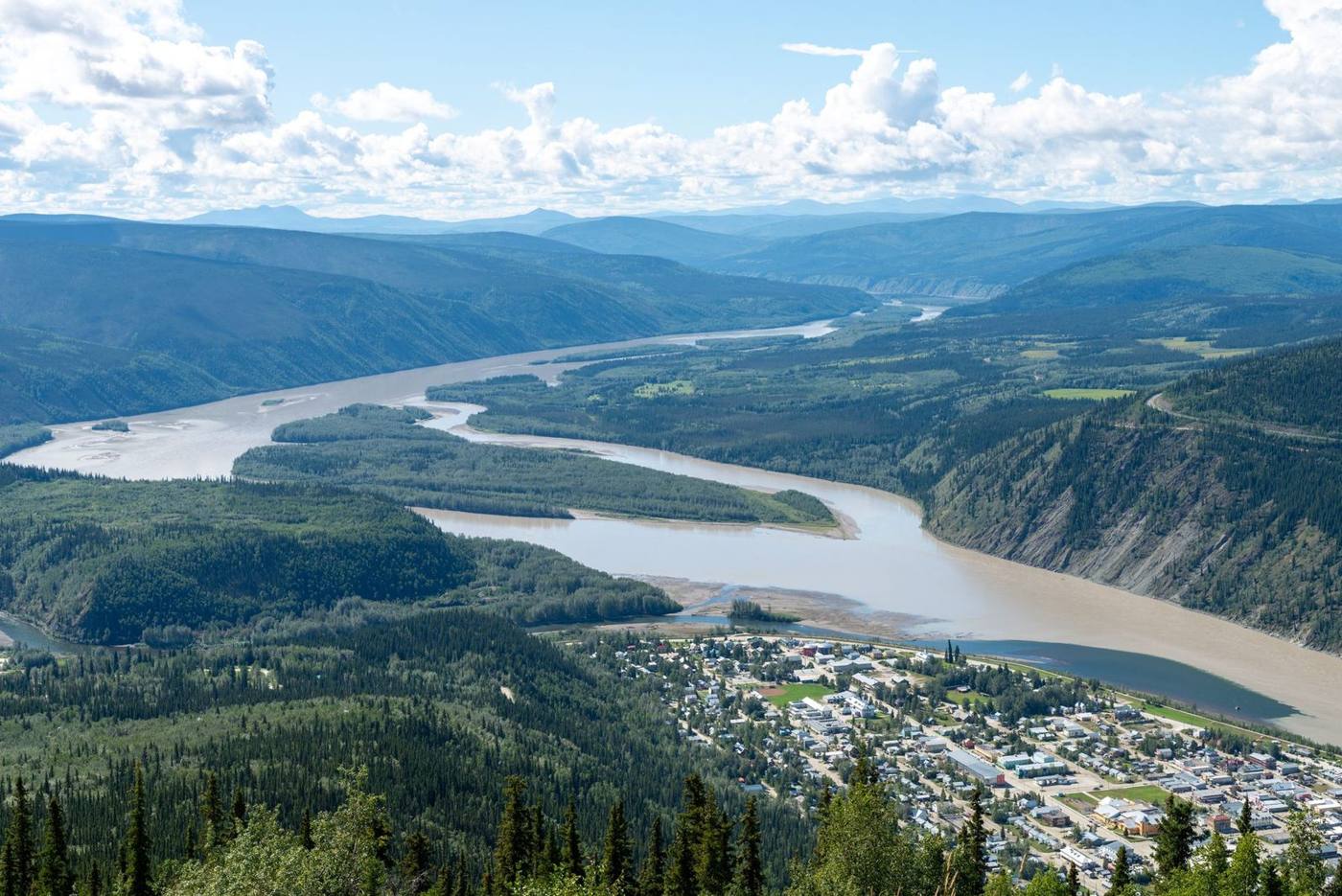
Canada's northernmost road: Dawson City and the Klondike gold rush, then more than 900 km of gravel through Tombstone park, across the Arctic Circle and the Richardson Mountains to Inuvik and Tuktoyaktuk, on the shore of the Arctic Ocean.
 6 daysEasy
Ottawa, the Thousand Islands and Prince Edward County
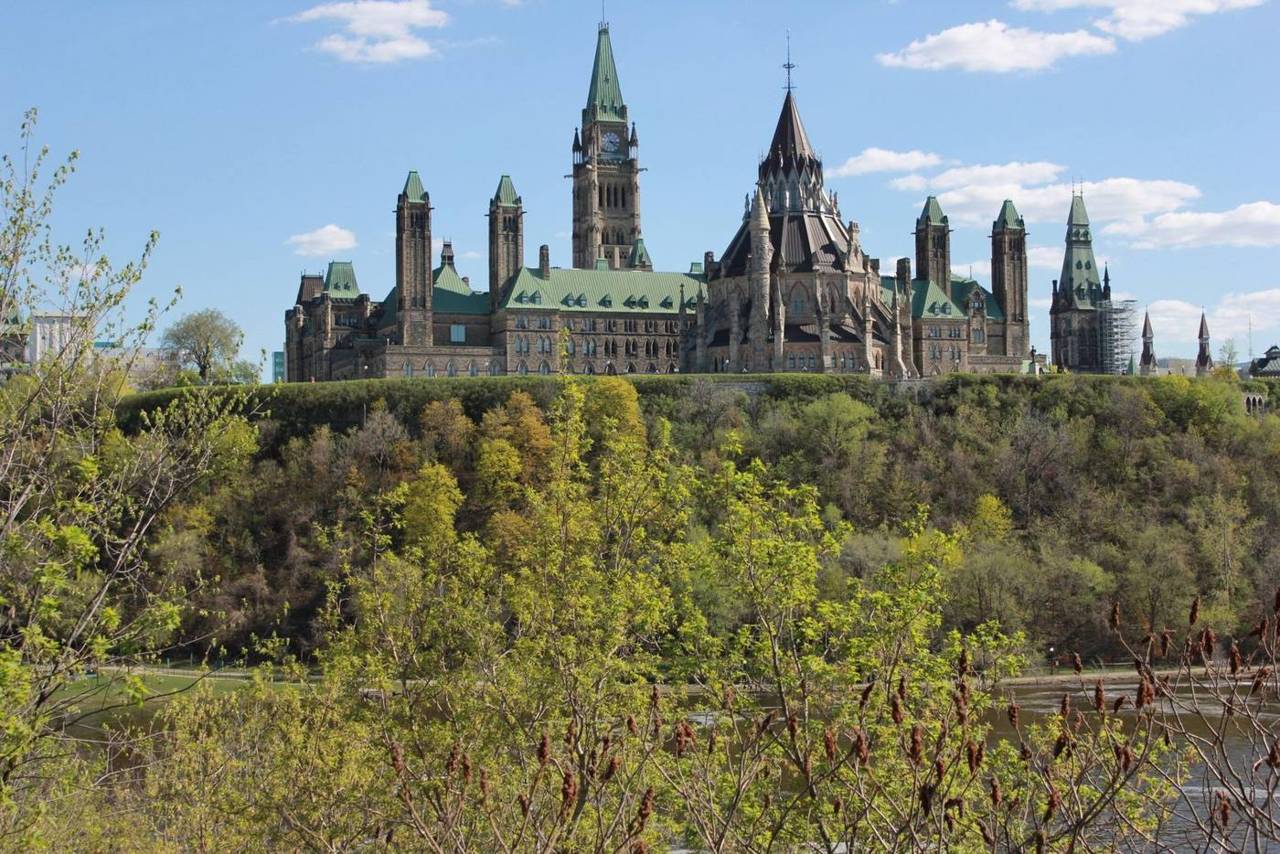
The capital with Parliament Hill and the great national museums, the UNESCO-listed Rideau Canal, Kingston and its fort, a cruise among the Thousand Islands of the St Lawrence and the wineries and sand dunes of Prince Edward County.
 6 daysModerate
Georgian Bay: the Bruce Peninsula and Killarney
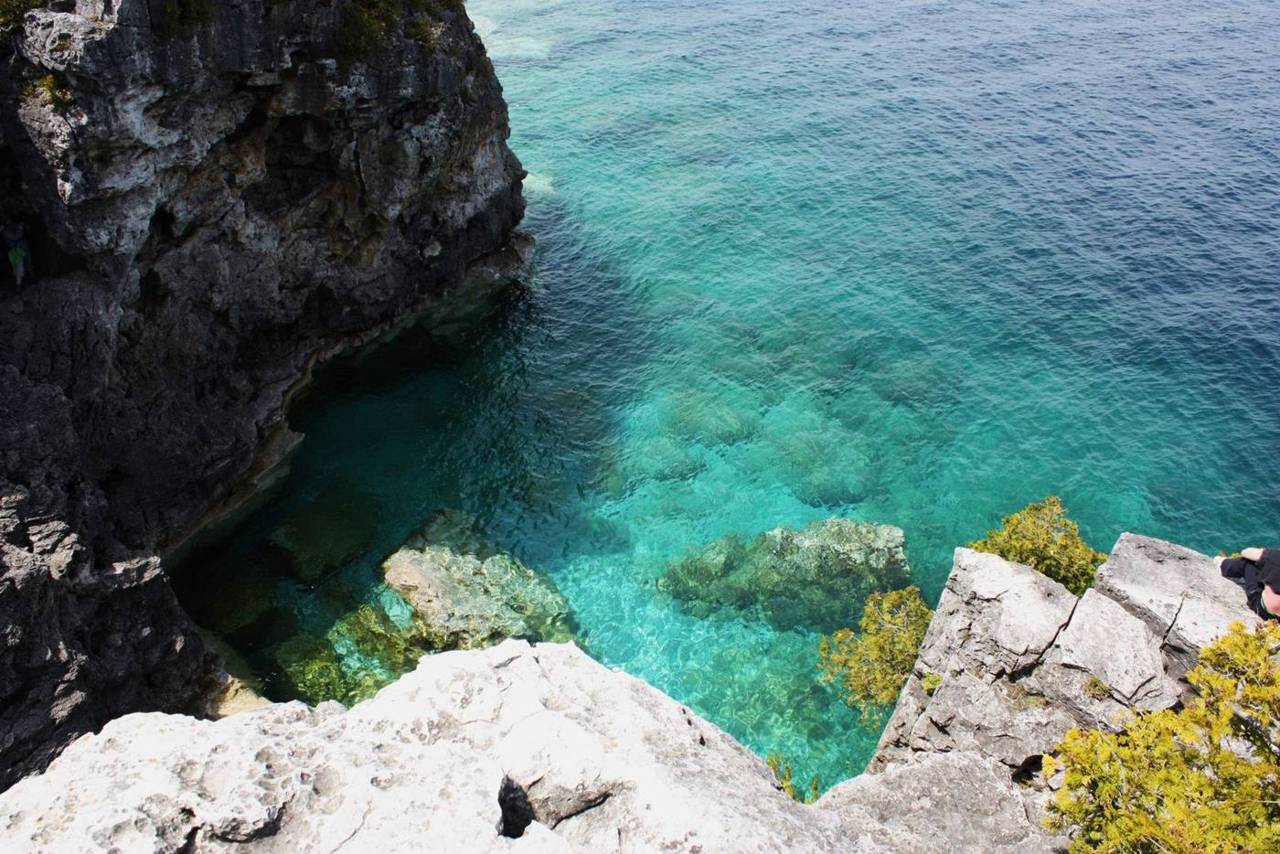
The Ontario landscapes that inspired the Group of Seven: the turquoise water and the Grotto of the Bruce Peninsula, the ferry to Manitoulin, the world's largest freshwater island, and the white quartzite hills of Killarney park, by canoe.