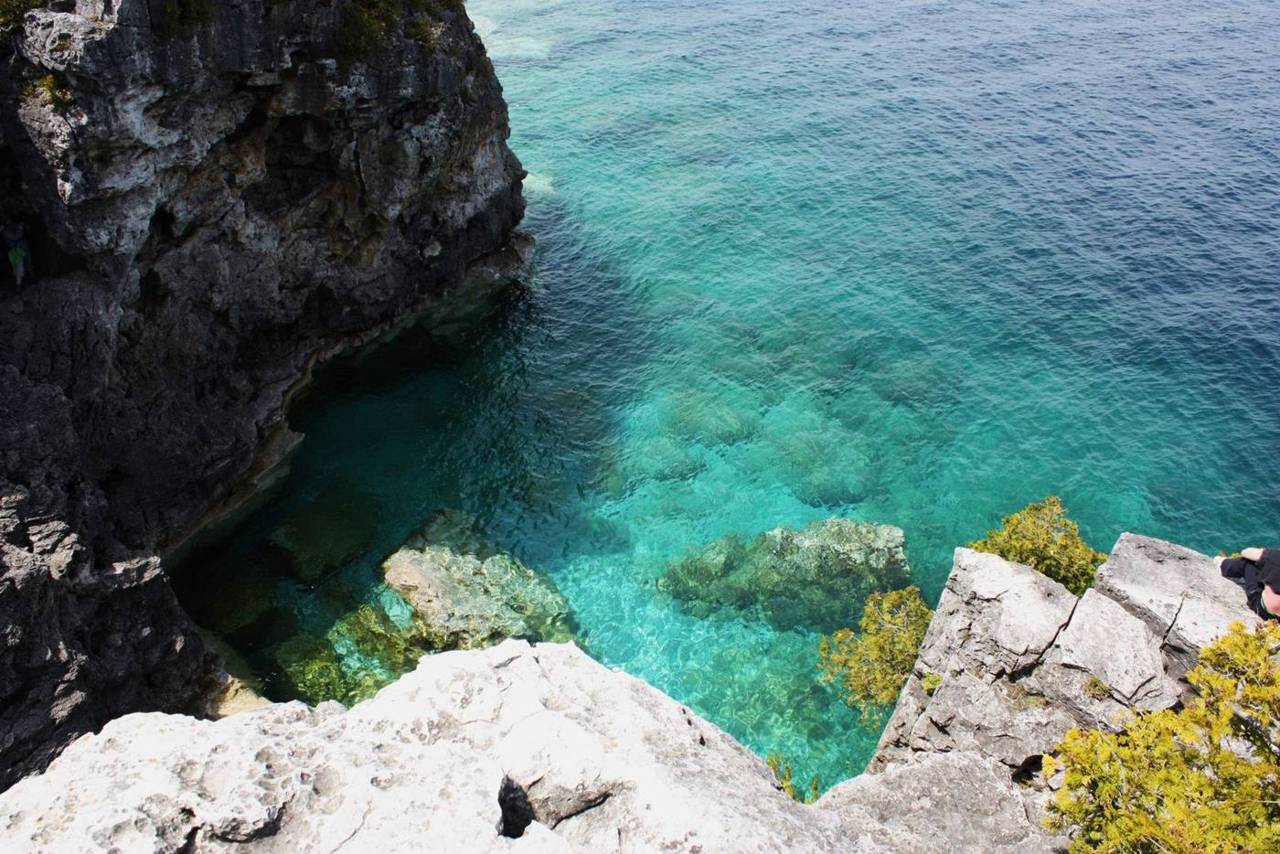
Georgian Bay: the Bruce Peninsula and Killarney
The Ontario landscapes that inspired the Group of Seven: the turquoise water and the Grotto of the Bruce Peninsula, the ferry to Manitoulin, the world's largest freshwater island, and the white quartzite hills of Killarney park, by canoe.
- Toronto
- Tobermory
- Bruce Peninsula
- Manitoulin
- Killarney
Day by day
- Day 1
From Toronto to Tobermory
Georgian Bay is the great eastern bay of Lake Huron, in Ontario, so vast it looks like a sea: crystal-clear water, white limestone cliffs, thousands of islands and forests of pine and birch. In six days you discover the Bruce Peninsula, Manitoulin Island, the largest freshwater island in the world, and Killarney park, with the white quartzite hills that inspired the painters of the Group of Seven.
In the morning pick up your hire car in Toronto and head north-west. It is about four hours to Tobermory, at the tip of the Bruce Peninsula, through Ontario countryside of farms, woods and small towns. On the way you can stop in Owen Sound, on the bay, or along the shore for a first look at the lake.
Tobermory is a small fishing harbour with two natural bays, Little Tub and Big Tub, wooden houses and boats. It is the base for Bruce Peninsula National Park and Fathom Five National Marine Park, which protects islands, cliffs and more than twenty shipwrecks sunk in the lake's cold, clear water, well preserved because the cold fresh water protects them.
In the afternoon walk to the Big Tub lighthouse at the harbour entrance and watch the sunset over the lake. Also visit the visitor centre for the two parks, with a lookout tower above the trees.
In the evening taste fish from the lake, such as whitefish and lake trout. Practical tip: to enter Canada by air, Italian citizens need an eTA, the electronic travel authorisation, which costs 7 Canadian dollars.
- Day 2
The Grotto, the Bruce Trail and the boat to Flowerpot Island
Early in the morning go to Cyprus Lake, in Bruce Peninsula National Park, about twenty minutes from Tobermory, to reach the Grotto, the peninsula's most famous spot. In the busiest months parking must be booked in advance with Parks Canada, by time slot: check the rules before you go, because without a booking you cannot get in.
From the car park a trail of about thirty to forty minutes crosses the forest to the shore, where it joins the Bruce Trail, Canada's oldest and longest marked footpath, which runs for about nine hundred kilometres along the Niagara Escarpment. Here white cliffs drop into turquoise water. The Grotto is a natural cave carved by the waves into the rock, with an inner pool linked to the lake by an underwater passage: light entering from the lake turns it blue. You climb down inside carefully over the rocks. Next to it is Indian Head Cove, a small bay with boulders and clear water.
In the afternoon take a boat from Tobermory to Flowerpot Island, in Fathom Five marine park. The trip passes over some wrecks, visible through the boat's glass bottom, and reaches the island, famous for its flowerpot-shaped sea stacks, rock columns eroded by the waves with trees on top. A loop trail leads to the stacks and the old lighthouse.
In the evening return to Tobermory. Practical tip: Lake Huron's water is cold even in summer; swimming at the Grotto is for the brave, and the rocks are slippery.
- Day 3
The Chi-Cheemaun ferry to Manitoulin and Anishinaabe culture
In the morning drive onto the Chi-Cheemaun ferry, the big canoe in the Ojibwe language, which links Tobermory with South Baymouth on Manitoulin Island in about two hours. The ferry runs only from spring to autumn: book ahead, especially in summer. During the crossing you see the islands of the marine park and the open lake.
Manitoulin is the largest freshwater island in the world, with more than a hundred inland lakes, some of which have islands of their own. It is an island of farms, forests, cliffs and small villages, and about a third of its people belong to the Anishinaabe First Nations, the Ojibwe, Odawa and Potawatomi peoples, for whom the island is a sacred place.
In the afternoon go to Wiikwemkoong, on the eastern side of the island, an unceded territory: the community never signed a treaty giving these lands to the government. Here the community's tourism office organises guided visits with local people, who tell you about the history, language, traditions and sacred places, such as cliffs and waterfalls. If you travel in early August, ask about the large annual powwow, a celebration with dancing, singing and drums to which visitors are welcome, respecting the rules.
If you have time, climb the Cup and Saucer cliffs, the highest point on the island, on a forest trail with a view over the North Channel.
In the evening sleep in Little Current or a village on the island. Practical tip: at Anishinaabe ceremonies always ask before taking photos.
- Day 4
Killarney: canoeing on the park's lakes
In the morning leave Manitoulin over the swing bridge at Little Current, which links the island to the mainland, and drive east to Killarney Provincial Park, about an hour and a half away. The park is one of the most beautiful landscapes in Ontario: white quartzite hills, the La Cloche range, which look snow-covered even in summer, cobalt blue lakes and forests of wind-twisted pines. In the 1930s the painter A.Y. Jackson, of the Group of Seven, the painters who created a Canadian style inspired by wild nature, campaigned to protect this place.
Go to George Lake, near the park entrance, and rent a canoe for the day. Paddling Killarney's lakes is the best way to discover the park: from George Lake you can pass, with short portages carrying the canoe on foot, to Freeland Lake or Killarney Lake, with water so clear you see the bottom many metres down, white rocks and islets with a single pine. Along the shores you see beavers, herons, turtles and, with luck, a moose.
In the afternoon, if you like, swim in one of the rocky bays, then return the canoe and settle into the park campground or the village of Killarney, a small fishing harbour on Georgian Bay a few minutes away.
In the evening, in the village, try fried fish and watch the sunset over the channel. Practical tip: the park's campsites and canoes are booked well in advance for summer; bring repellent against mosquitoes and blackflies, which are common early in the season.
- Day 5
Killarney: The Crack trail above the blue lakes
Early in the morning tackle The Crack, Killarney's most famous trail. It is about six kilometres there and back, but demanding: the first part crosses the forest and skirts Kakakise Lake, then the trail climbs onto the La Cloche ridge among huge quartzite boulders, and the last stretch passes through a split in the rock, the crack, where you have to scramble over enormous boulders. Allow about three or four hours with stops.
At the top one of the finest views in Ontario awaits you: below you the deep blue Killarney and O.S.A. lakes, the white hills, the forests and, in the distance, Georgian Bay. It is the landscape A.Y. Jackson and the other Group of Seven painters painted. In autumn, at the end of September and early October, the maples and birches turn red, orange and yellow, and the view is even more spectacular.
Come down carefully, because quartzite can be slippery, especially in rain.
In the afternoon rest at the campground or take an easier walk on the Granite Ridge trail near George Lake, with views of the hills and the bay.
In the evening, if you are sleeping in the park, look up: Killarney is a dark-sky park, far from city lights, and on clear nights you can see the Milky Way. Practical tip: for The Crack you need hiking boots, water and some experience; do not set off in a thunderstorm.
- Day 6
Back to Toronto
On the last morning, if you have time, take a final dawn paddle on George Lake, when the water is as smooth as a mirror and the white hills are reflected in it. Or stroll around Killarney village and watch the fishing boats.
Then leave for Toronto. The drive takes about four and a half to five hours, heading south through Muskoka and Parry Sound, another region of lakes, forests and cottages where many Torontonians spend the summer. If you have time, stop in Parry Sound for a boat trip among the Thirty Thousand Islands, the part of Georgian Bay with more islands than anywhere in the world, a UNESCO biosphere reserve.
Alternatively you can split the journey with a night in Muskoka, with its lakes and towns such as Gravenhurst and Bracebridge.
Once in Toronto, return the car. If you still have time before your flight, the city offers its lakefront, the CN Tower and the Kensington Market district.
Practical tip: on summer Friday evenings and Sunday afternoons the road between Toronto and the north is very busy with weekend cottage traffic: if you can, travel at other times. The best period for this route is mid-June to early October; in late May and early June there are many blackflies, and in winter the Chi-Cheemaun ferry does not run and many places are closed.
For those who love hiking and canoeing. Grotto parking is booked in time slots in summer and sells out early. The Chi-Cheemaun ferry runs from May to October. In Killarney campsites and canoes are booked months ahead. June brings many mosquitoes and black flies. To fly in, European citizens must apply for an eTA (7 Canadian dollars) only on the official Government of Canada website.
Before you go
- Documents and visa
- Passport valid for the whole stay. Anyone flying in needs an eTA, applied for online on the official Canadian government website: it costs 7 Canadian dollars.
- Health and vaccines
- No compulsory vaccines. Medical care is very expensive for visitors: health insurance is essential. Emergencies: 911.
- Money and payments
- Canadian dollar. Cards are accepted almost everywhere; tips of 15 to 20% are customary in restaurants.
- Power sockets
- Types A and B, 120 volts: you need an adapter and devices must accept 120 volts.
- Time zone
- Montreal and Quebec City are UTC-5, Calgary and Banff UTC-7, Vancouver UTC-8, all with daylight saving time in summer.
- Safety
- A very safe country. In summer wildfires can close roads and parks and bring smoke: check local alerts. Official advice: GOV.UK.
Information checked in November 2026 for Italian and EU citizens. Rules change: always check before you travel.
Variations
In 4 days: the Bruce Peninsula only, with the Grotto and Flowerpot Island, returning to Toronto along the bay shore.
In 9 days: add the Thirty Thousand Islands and Algonquin park, with its lakes and moose, before returning to Toronto.
Frequently asked questions
When is the best time to go?
From mid-June to early October. July and August are the warmest months, with the lake water least cold; late September is perfect for autumn colours.
Do I need to book?
Yes: Grotto parking in peak months, the Chi-Cheemaun ferry, boats to Flowerpot Island and Killarney campsites should all be booked in advance.
Do I need canoeing experience?
No, canoeing on Killarney's lakes is easy in good weather. Stay close to the shore and do not cross large lakes in the wind.
Indicative itinerary written by World Atlas. Before booking, check timetables, seasonal openings, documents and safety.
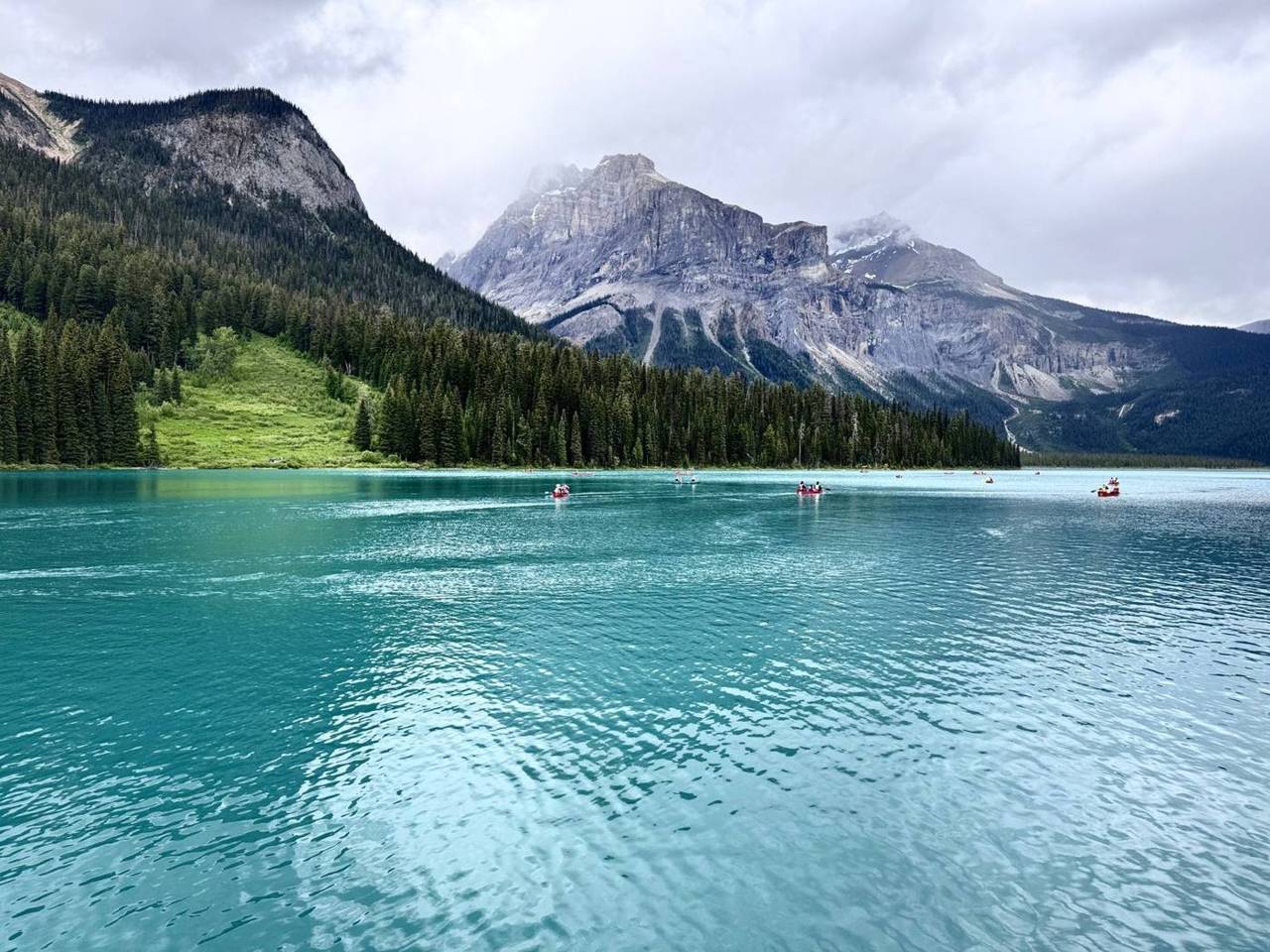 7 daysModerate
The quieter Rockies: Yoho, Kootenay and Waterton
The Rockies away from the crowds of Banff and Lake Louise: Yoho's Emerald Lake and Takakkaw Falls, Kootenay's canyons and paint pots, the Radium hot springs and Waterton Lakes, where the prairies meet the mountains on the Montana border.
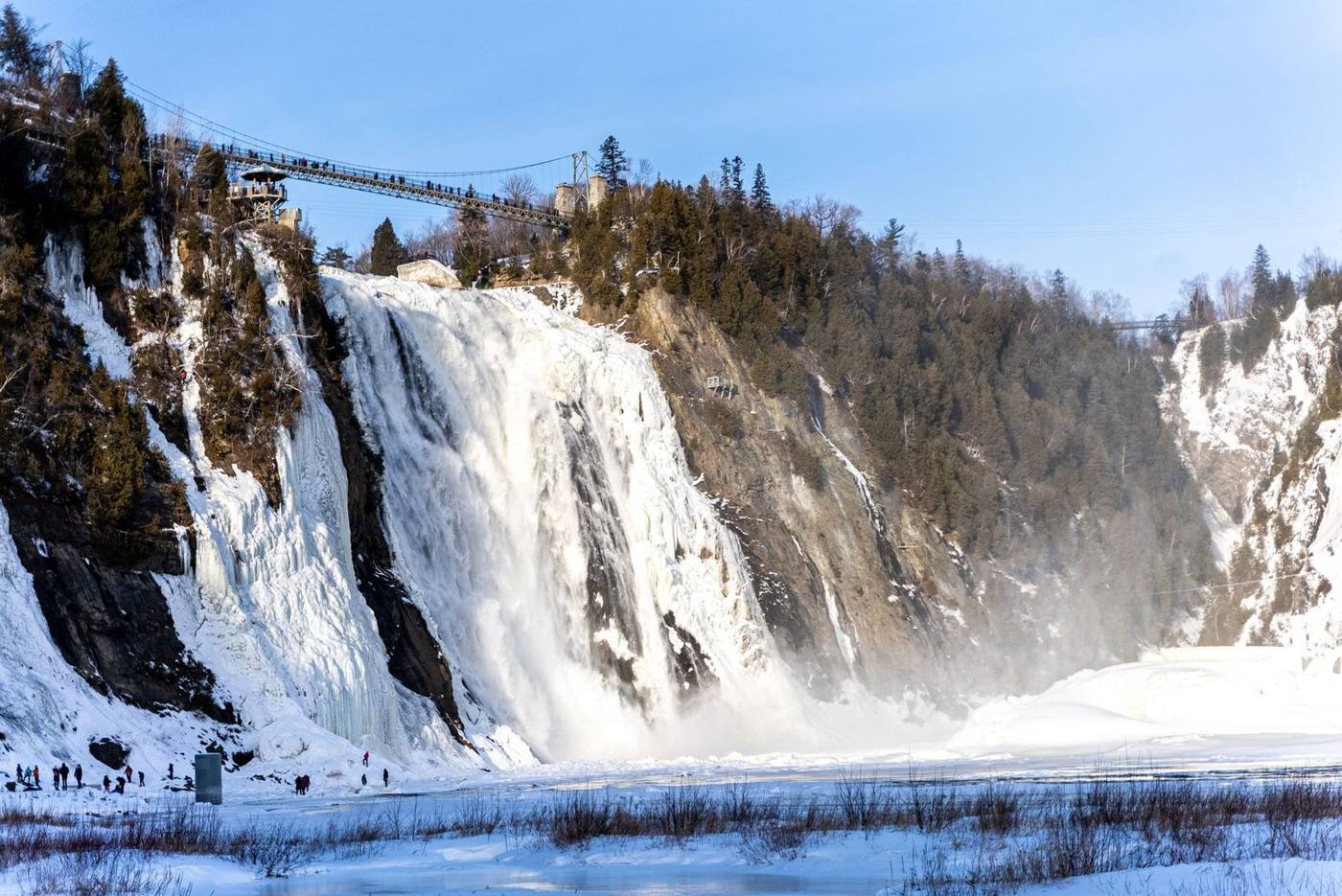 7 daysEasy
Quebec in winter: carnival and Mont-Tremblant
French Canada under snow: Montreal with its underground city and festival of lights, the Laurentian mountains at Mont-Tremblant, dog sledding and snowshoe trails, then the Quebec Winter Carnival with its ice palace, night parades and the canoe race on the frozen river.
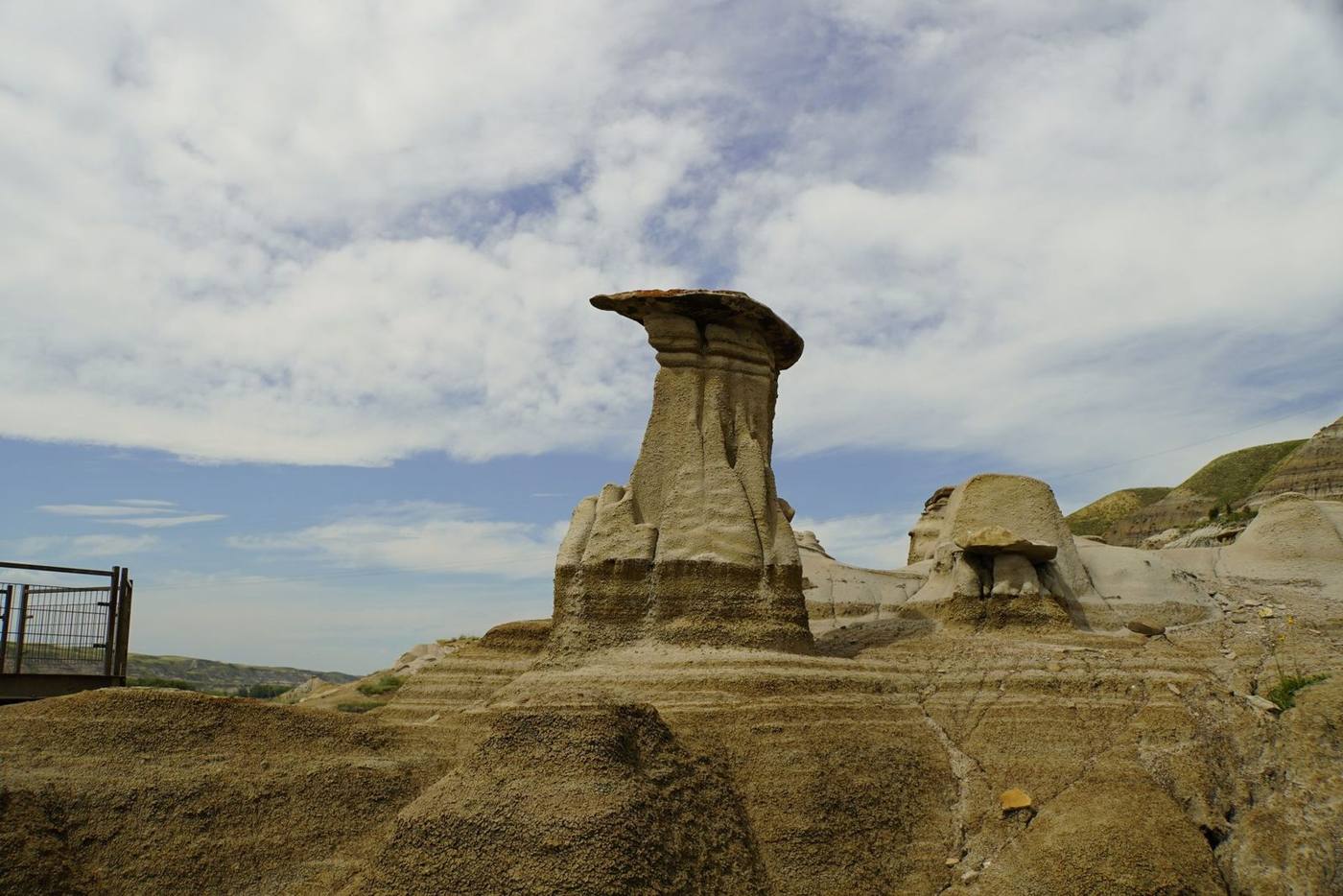 5 daysEasy
Calgary, Drumheller and the dinosaurs of Alberta
Canada's prairies and badlands: Calgary and, in July, the Stampede with its rodeo and chuckwagon races, the Drumheller badlands with the Royal Tyrrell Museum, one of the world's best palaeontology museums, the Hoodoos and Dinosaur Provincial Park, a UNESCO World Heritage site.