Rio, Ilha Grande and Paraty
The Costa Verde between Rio and São Paulo: Ilha closed to cars Grande with beaches reachable only on foot or by boat, and the colonial town of Paraty.
- Rio de Janeiro
- Ilha Grande
- Lopes Mendes
- Paraty
- Trindade
Day by day
- Day 1
Arrival in Rio de Janeiro
EU citizens enter Brazil without a visa for tourist stays of up to 90 days, with a valid passport. From Galeão International Airport to the south zone beaches takes forty minutes to an hour; take an official taxi booked at the counter or a ride-hailing app. To stay, choose Copacabana, Ipanema or Botafogo, well connected by metro.
This trip combines the great city with the Costa Verde, the green coast between Rio and São Paulo where the Atlantic Forest comes down to the sea, with hundreds of islands and bays. It is one of Brazil's most beautiful landscapes.
In the early afternoon rest after the flight and walk along the Copacabana seafront, with its famous black and white wave pavement. At sunset move to Arpoador rock, between Copacabana and Ipanema: every evening hundreds of people sit on the rocks and applaud the sun as it sinks behind the Two Brothers hills.
In the evening try churrasco, grilled meat served at the table, or fish moqueca, cooked in a clay pot with coconut milk and palm oil. Drink a caipirinha or a freshly squeezed tropical fruit juice.
Practical tip: in Rio do not take valuables to the beach or the street, keep your phone out of sight and use ride-hailing apps in the evening, even for short trips, and carry only a little cash.
- Day 2
Christ the Redeemer, the Botanical Garden and Sugarloaf
Early in the morning go up to Christ the Redeemer on the summit of Corcovado, by rack railway from Cosme Velho or by the official vans. Buy tickets online and choose the early hours, as the summit is often clouded over by midday. From the top you see the whole city: the beaches, the lagoon, the Maracanã, Guanabara Bay and the forest-covered mountains.
On the way down visit the Botanical Garden, founded in 1808, with its avenue of imperial palms more than thirty metres tall, orchid houses and Amazonian plants. It is a cool, quiet place to rest after the climb.
In the afternoon take the Sugarloaf cable car at Urca, in two stages: first to Morro da Urca, then to the summit. Arrive around five to see the sunset and the city lighting up. Fit walkers can hike up to Morro da Urca on a forest trail of about thirty minutes and then take the second cable car.
In the evening the small square at Urca, on the low wall along the bay, is a local favourite for a beer at sunset, with views of the boats and the Christ. Practical tip: check the weather forecast before buying tickets; with low cloud it is better to change day.
- Day 3
Santa Teresa, the historic centre and the music of Lapa
In the morning go to Santa Teresa, the artists' district on the hills, with colonial villas, workshops and the historic yellow tram that crosses the Lapa Arches, an old aqueduct. Walk down to the Selarón Steps, covered with coloured tiles from all over the world.
In the afternoon visit the historic centre: São Bento Monastery, with its gold-covered baroque interior; the Theatro Municipal; the Royal Portuguese Reading Room, with walls of books up to the ceiling; and Confeitaria Colombo, a Belle Époque tearoom. In the port area, the Museum of Tomorrow, designed by Santiago Calatrava, explores the planet's future with interactive installations.
In the evening return to Lapa to hear live samba and choro in its historic venues. On Fridays and Saturdays the streets fill with music and people until late.
If you prefer nature, instead of the centre you can spend the afternoon in Tijuca Forest, with waterfalls and the Vista Chinesa viewpoint, always with a guide.
Practical tip: central Rio is lively by day but many streets empty in the evening and at weekends; get around by ride-hailing app and pack tonight, because the departure for Ilha Grande is early. Leave heavier luggage in Rio if you are coming back here at the end.
- Day 4
By bus and boat to Ilha Grande
Early in the morning leave for Ilha Grande, a mountainous island covered in Atlantic Forest in the bay of Angra dos Reis, about three hours by road from Rio. The simplest option is a combined bus and boat transfer booked through your lodging; alternatively take a bus to Angra dos Reis or Conceição de Jacareí and then the ferry or a speedboat to Abraão, the island's main village.
Ilha Grande has no roads for cars: you get around on foot on trails or by boat. For centuries it was a pirate refuge, then a leper colony and finally the site of a maximum-security prison, closed in 1994. Since then nature has reclaimed the island, now largely protected by a state park.
Abraão is a small village with colourful houses, a white church by the sea, small pousadas, or inns, and many places to eat fish. To stay, choose a pousada in Abraão, convenient for excursions, or a more isolated one in a bay reached by boat.
In the afternoon take a first walk along the trail to the ruins of the lazaretto and the aqueduct, about half an hour away, with a small waterfall and a beach. Practical tip: on Ilha Grande cash machines are few and sometimes out of order; bring some cash in reais.
- Day 5
The trail to Lopes Mendes
Today is the island's most famous walk: the trail from Abraão to Lopes Mendes beach, considered one of the most beautiful beaches in Brazil. The route takes about three hours through the forest, with climbs and descents, passing the bays of Palmas and Pouso. Alternatively take a boat to Pouso and walk about twenty minutes through the forest from there.
Lopes Mendes is a long beach of very white, fine sand that squeaks underfoot, with turquoise water and a line of trees behind. There are no buildings or permanent kiosks, so bring water, food and sun protection. The waves are good for surfing; when the sea is rough watch out for currents.
In the forest along the trail you often see howler monkeys, sloths in the branches, toucans and giant butterflies. The Atlantic Forest is one of the richest ecosystems on the planet, but only a small part of the original remains.
In the afternoon return to Abraão by boat, booking the return with the operator in the morning, as the last boat leaves early. In the evening have grilled fish in the village. Practical tip: set off early to walk in the cool and wear light hiking shoes, because the trail is slippery after rain.
- Day 6
The Blue Lagoon and the Atlantic Forest
Today is a day among the island's bays. In the morning take a boat to the Blue Lagoon in the north-west of the island, a natural pool of shallow, clear water between the island and an islet, full of colourful fish. You snorkel near the boat among the rocks, without having to swim far. The nearby Green Lagoon has deeper water and rocks covered in marine life.
Boats also stop at small bays such as Japariz and Freguesia de Santana, with an eighteenth-century chapel facing the sea, and often include lunch at a small restaurant on the beach.
Alternatively, keen walkers can climb Pico do Papagaio, the parrot's-beak summit that dominates the island at almost a thousand metres: a steep climb through the forest of about three hours, to be done with a licensed guide and starting before dawn to see the sun rise over the bay. The trail is demanding and muddy.
In the evening many places in Abraão have live music, usually bossa nova and samba. Practical tip: choose boats with fewer passengers and life jackets; for the Blue Lagoon bring a mask and snorkel, as rental on board is not always available. Reef-safe sunscreen helps protect the lagoons.
- Day 7
A boat trip round the island
Today is a full boat trip round the island, a long day at sea showing Ilha Grande's wild side, open to the ocean. Boats leave in the morning and return in the late afternoon, with many swimming stops.
Along the south coast, exposed to the Atlantic, you see isolated, wild beaches such as Aventureiro, a fishing village in a bay with a palm tree leaning over the water, the island's symbol, and Dois Rios, site of the old prison, now a small museum. On the north coast, facing the mainland, the bays are calmer and the water clearer.
The south coast can be rough: anyone prone to seasickness should take something before leaving. If the sea is choppy, operators only do the more sheltered north coast.
Alternatively, have a quiet day: rent a kayak in Abraão and paddle to nearby beaches such as Abraãozinho and Crena, or stay in one of the bays reachable on a short walk.
In the evening prepare for the departure to Paraty. Practical tip: on Ilha Grande waste collection is difficult because everything has to be taken away by boat; take your rubbish back from the beaches and use a refillable bottle to cut down on plastic.
- Day 8
The transfer to Paraty and the historic centre
In the morning take the boat and then a bus or combined transfer to Paraty, about two and a half hours by road along the coast, between bays and forested mountains.
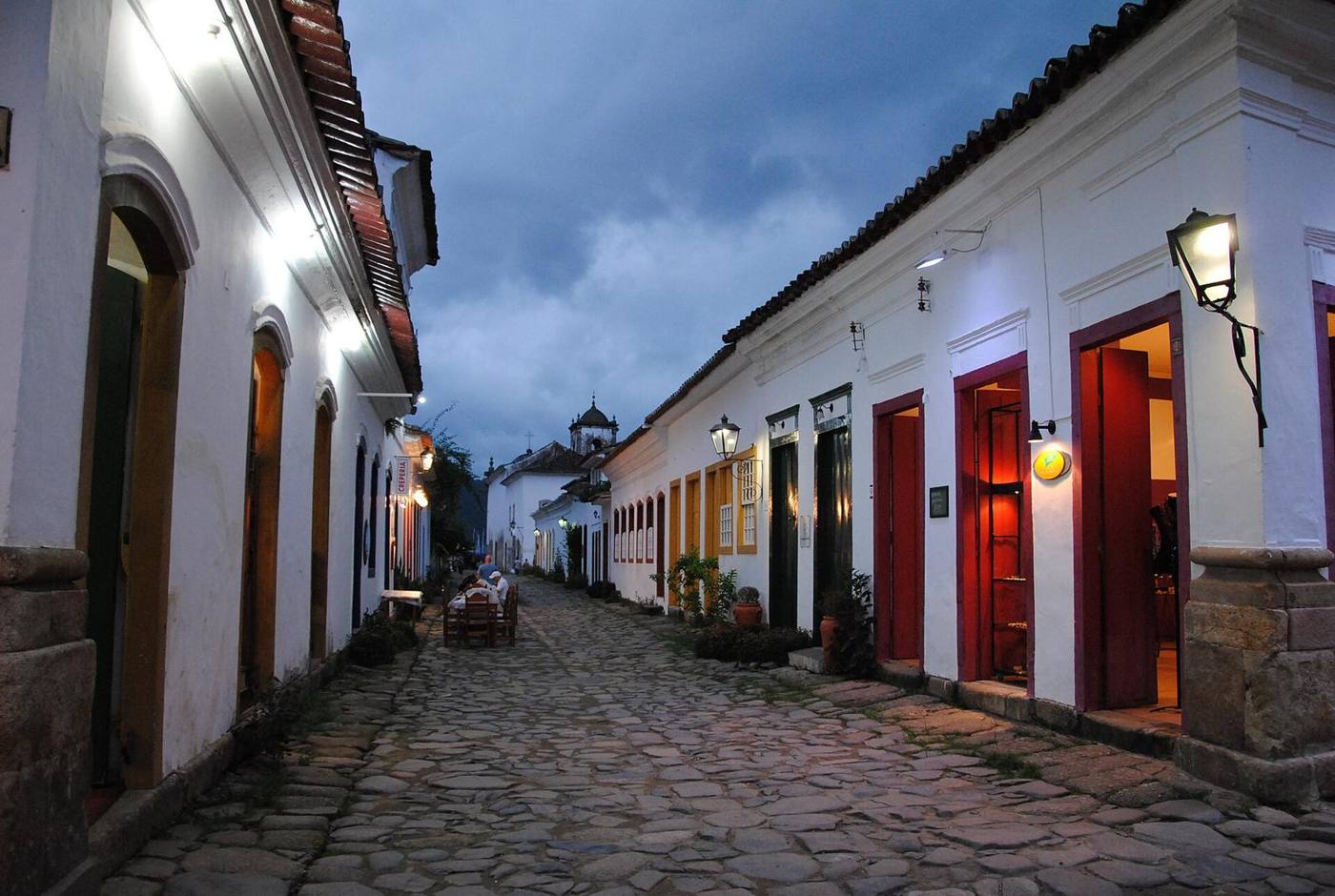
Paraty is one of Brazil's most beautiful colonial towns, a UNESCO World Heritage site together with nearby Ilha Grande since 2019. Founded in the seventeenth century, it was the port from which gold from the Minas Gerais mines left for Portugal, carried along the Gold Road, a paved trail across the mountains. The historic closed to cars centre has streets of large irregular stones, white houses with doors and windows painted in bright colours, and baroque churches.
In the afternoon stroll unhurriedly round the centre: the white church of Santa Rita by the sea, the church of Nossa Senhora dos Remédios, craft shops, art galleries and bookshops. On full-moon days with high tides, seawater flows into the lowest streets of the centre, which were built on purpose to be cleaned by the tide.
To stay, choose a pousada in or just outside the historic centre. In the evening Paraty is quiet and lit by lanterns. Practical tip: the street stones are uneven and slippery; you need comfortable flat shoes, not sandals.
- Day 9
By saveiro among the islands of the bay
Today is a day on the water in the bay of Paraty, with more than sixty islands and dozens of beaches. Every morning saveiros, colourful traditional wooden boats, leave the harbour to tour the islands with stops for swimming and snorkelling. You sail for about five hours on calm green water, with the Serra do Mar mountains in the background.
The usual stops are beaches such as Lula, Vermelha and Lagoa Azul, and islands such as Ilha dos Cocos or Ilha Comprida, with small restaurants on the sand for a lunch of fresh fish. For a quieter, less crowded day you can hire a small private boat with a boatman.
Alternatively, to the south lies Saco do Mamanguá, a tropical fjord about eight kilometres long, the only one in Brazil, with small fishing communities and Pão de Açúcar do Mamanguá, a mountain overlooking the whole fjord, reached by a trail of about an hour and a half.
In the evening return to the centre and try caiçara cooking, the culture of the coast's fishermen, based on fish, banana and cassava. Practical tip: buy your saveiro ticket at the harbour after seeing the boat; choose those with fewer passengers and no loud music.
- Day 10
Waterfalls and cachaça in Paraty
Today is a day inland from Paraty, in the mountains of the Serra da Bocaina. The road towards Cunha climbs through the Atlantic Forest, with many waterfalls and natural pools where you can swim. Cachoeira do Tobogã has a smooth rock you can slide down like a toboggan into a pool; Cachoeira da Pedra Branca and Poço do Tarzan are quieter. Bring water shoes, because the rocks are slippery.
Along the road there is also a restored stretch of the Caminho do Ouro, the stone trail travelled for centuries by mules carrying gold from Minas Gerais to the port. With a guide you can walk through the forest on these ancient stones.
In the afternoon visit one of the alambiques, the traditional cachaça distilleries. Paraty has been famous for cachaça for centuries, so much so that in Brazil the town's name was used as a synonym for the spirit. The distilleries show the crushing of the cane, fermentation and ageing in casks of Brazilian woods, with a tasting at the end.
In the evening return to Paraty. Practical tip: if you taste cachaça, do not drive; book a tour with a driver or take a taxi. After heavy rain the waterfalls can be dangerous because of flash floods.
- Day 11
Trindade and the natural pools
Today go to Trindade, a fishing and surfing village about half an hour south of Paraty, with some of the most beautiful beaches on the Costa Verde. You get there by local bus or taxi along a steep mountain road.
Trindade has several beaches linked by short forest trails: Cepilho beach, with surfing waves; Praia do Meio, with calm water; and Cachadaço, the most beautiful, reached by a walk of about twenty minutes through the forest or by boat. At the end of Cachadaço is the natural pool, a lagoon of clear, calm water enclosed by great granite boulders, full of fish, where you swim as if in an aquarium.
In the village you see the life of the caiçara community, which has defended its land against large tourist developments. Serra da Bocaina National Park protects the area.
In the afternoon, on the way back, stop at Praia do Sono, a beach reachable only on foot or by boat from Laranjeiras, or return to Paraty for a last evening in the historic centre. Practical tip: the natural pool is very busy at midday and at weekends; arrive early and check the time of the last bus to Paraty. Bring cash for the boats back.
- Day 12
Back to Rio and departure
In the morning return to Rio de Janeiro, about four or five hours by bus or private transfer, along the coastal road called Rio-Santos, with views over the bays and islands of the Costa Verde. If your flight leaves from São Paulo, you can reach it from Paraty in about five hours.
If your flight leaves in the evening, you have a few hours in Rio. You can take a last stroll in Botafogo, with the view of Sugarloaf from the beach, or visit the Museum of Modern Art in Flamengo Park, a great seaside park designed by Roberto Burle Marx. Otherwise enjoy a last tropical fruit juice at one of the street counters.
Galeão International Airport is forty minutes to an hour from the south zone, depending on traffic; traffic to the airport in the late afternoon can be very heavy, so leave in good time.
Things to take home: artisan cachaça from Paraty, Brazilian coffee, caiçara crafts in wood and natural fibres, flip-flops, ceramics and paintings by Paraty and Santa Teresa artists, and fabrics printed with tropical motifs.
Practical tip: reach the airport at least three hours before international flights. In Brazil there are no departure taxes to pay at the airport: they are already included in the ticket.
Sea, forest and history with no internal flights: all a few hours from Rio. Ilha Grande is a little paradise, but in summer (December-February) it's very crowded and often rainy. The best months are April-May and September-October.
Before you go
- Documents and visa
- Valid passport; no visa for tourism up to 90 days for EU citizens.
- Health and vaccines
- No compulsory vaccines arriving from Europe; yellow fever is recommended for the Amazon and some inland areas. Protect yourself against mosquitoes because of dengue. Emergencies: 190 police, 192 ambulance, 193 fire.
- Money and payments
- Brazilian real. Cards and instant payments are everywhere; carry little cash.
- Power sockets
- Type N, plus C, 127 or 220 volts depending on the city: check the voltage before plugging in devices.
- Time zone
- Rio and São Paulo are UTC-3 all year: Brazil does not use daylight saving time.
- Safety
- The United States rates Brazil level 2 for crime, with level 4 within 160 km of land borders (except Foz do Iguaçu and the Pantanal). No favelas without a community guide. Official advice: GOV.UK.
Information checked in November 2026 for Italian and EU citizens. Rules change: always check before you travel.
Variations
In 8 days: two days in Rio, three on Ilha Grande with Lopes Mendes and the Blue Lagoon, two in Paraty with the saveiro, and the return.
In 16 days: after Paraty continue towards São Paulo via Ubatuba and Ilhabela, or add the Iguazu Falls by plane from Rio.
Frequently asked questions
Do I need a visa for Brazil?
No, EU citizens enter without a visa for tourist stays of up to 90 days, with a valid passport.
How do I get to Ilha Grande?
From Rio by combined bus and boat transfer, about three hours, or by bus to Angra dos Reis or Conceição de Jacareí and then by boat to Abraão. There are no cars on the island.
When is the best time for the Costa Verde?
From April to October the weather is drier and cooler; from December to March it is hot and the water warmer but it often rains in the afternoon, and New Year and Carnival are very crowded.
Indicative itinerary written by World Atlas. Before booking, check timetables, seasonal openings, documents and safety.
 7 daysEasy
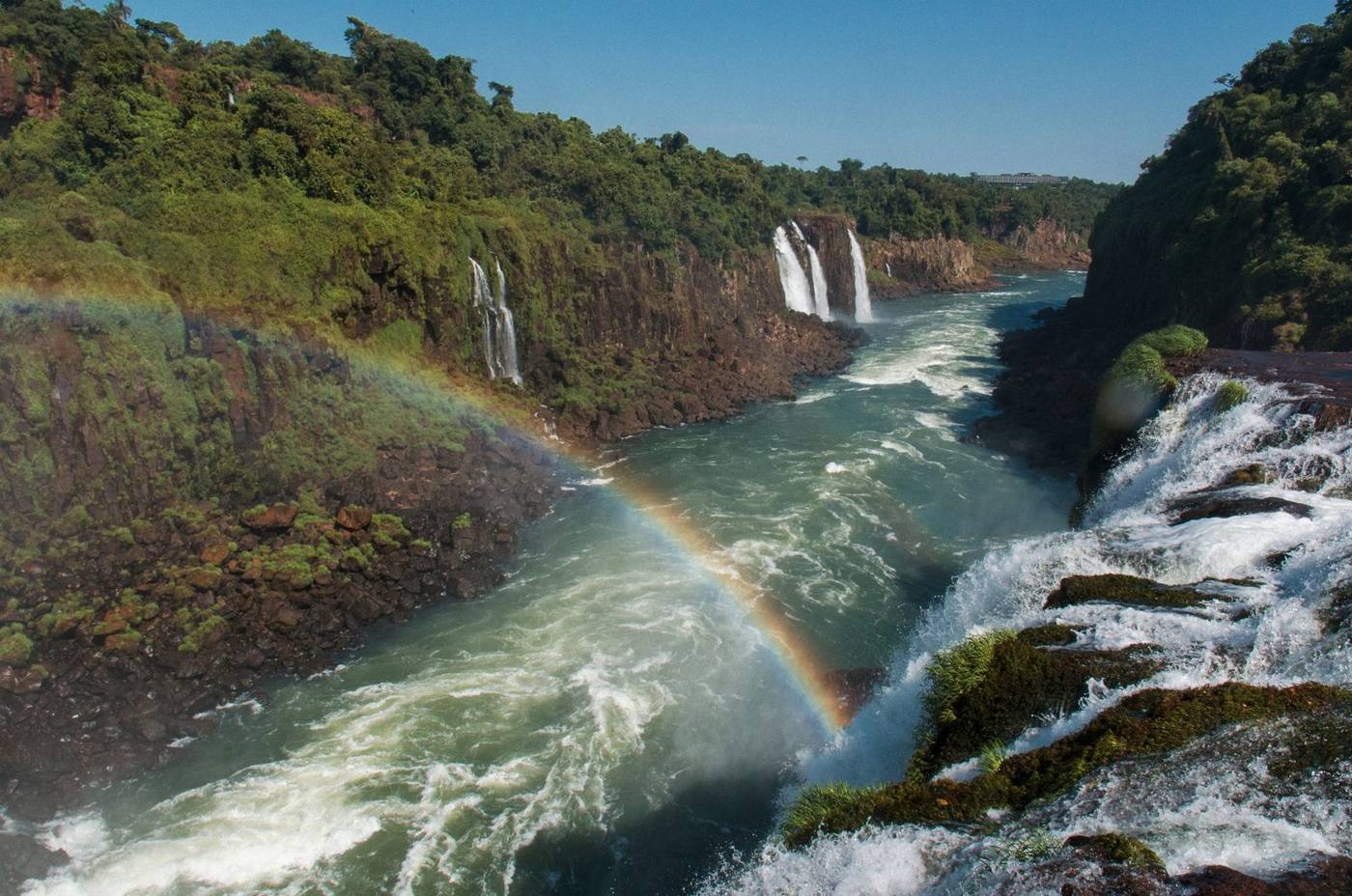
Rio de Janeiro and the Iguaçu Falls
South America's most spectacular city and its mightiest falls, seen from both sides of the border.
 15 daysModerate
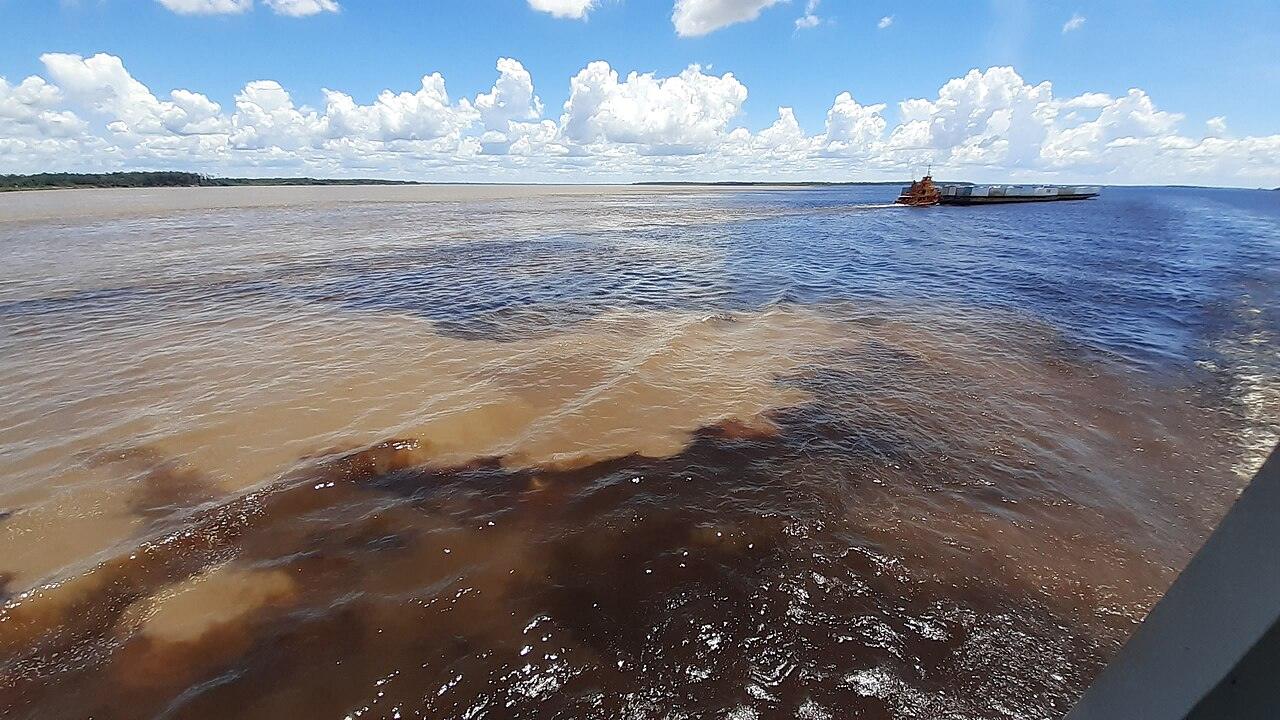
Pantanal, Amazon and Rio
The jaguars of the Pantanal, a lodge in the Amazon rainforest and a finale in Rio de Janeiro.
 12 daysEasy
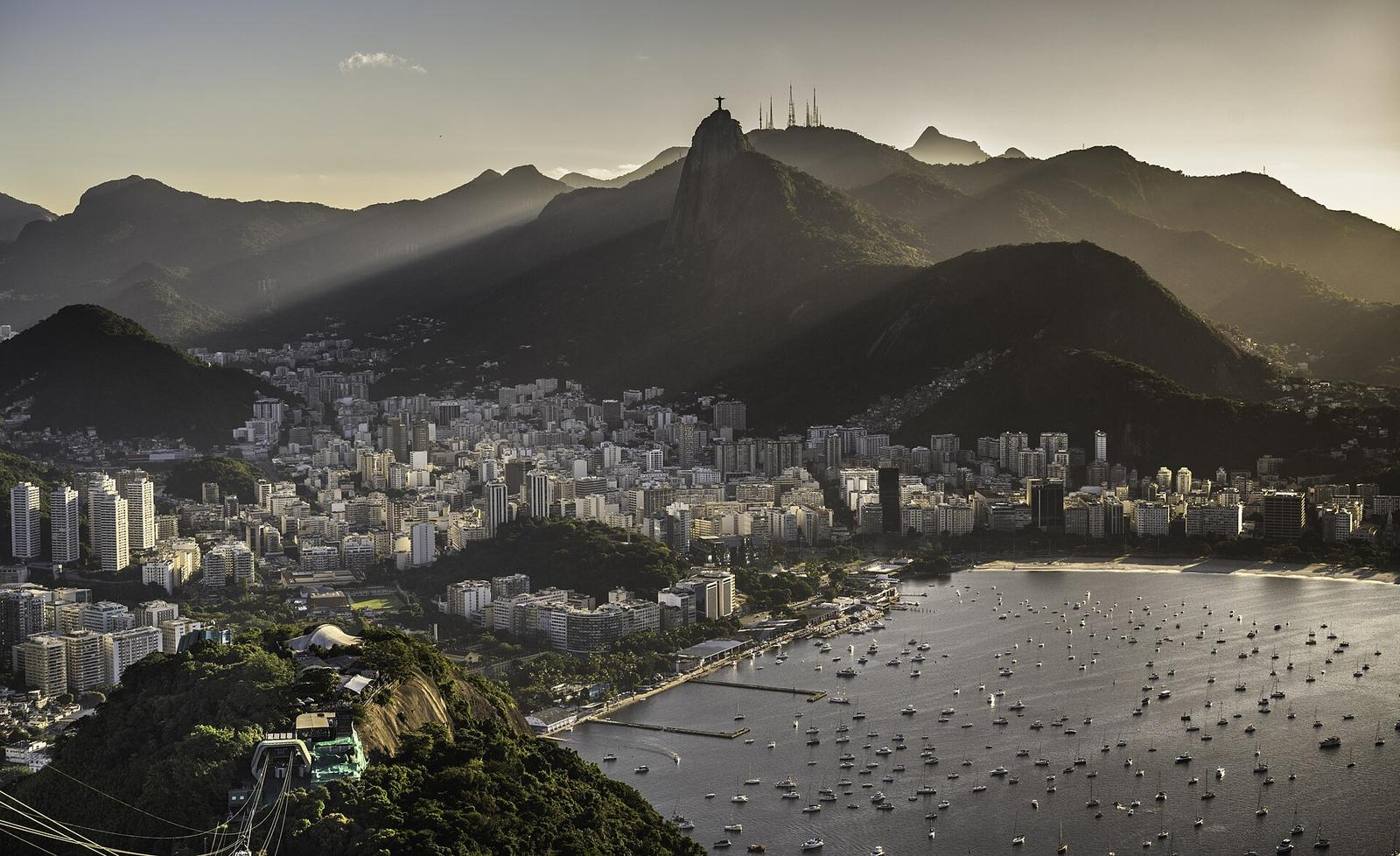
Brazil express: Rio, Iguaçu and Salvador da Bahia
Postcard Brazil in under two weeks: Sugarloaf Mountain, the world's mightiest falls and the most African city in the Americas.