Pantanal, Amazon and Rio
The jaguars of the Pantanal, a lodge in the Amazon rainforest and a finale in Rio de Janeiro.
- Cuiabá
- Pantanal
- Porto Jofre
- Manaus
- Amazon
- Rio de Janeiro
Day by day
- Day 1
Arrival in Cuiabá
This trip combines Brazil's two great natural worlds and its most famous city: the Pantanal, the largest wetland in the world, where you see jaguars, caimans, capybaras and hundreds of bird species; the Amazon around Manaus, with its flooded forest and pink dolphins; and finally Rio de Janeiro, between the mountains and the sea. You travel by domestic flights, by four wheel drive and by boat.
Before you go: Italian citizens enter Brazil without a visa for tourism with a valid passport. Other nationalities should check their own rules. The United States rates Brazil at level 2, meaning exercise increased caution, because of crime. For the Pantanal and the Amazon ask a travel health clinic about vaccines, such as yellow fever, and malaria prevention.
Today you fly from Italy to Cuiabá, almost always with a stop in Europe and another in São Paulo or Brasília. Cuiabá is the capital of the state of Mato Grosso, in the centre of South America, one of the hottest cities in Brazil.
In the evening rest. Brazil is four hours behind Italy in winter, and Cuiabá five.
Sleep in Cuiabá.
Practical tip: in the Pantanal and the Amazon you need light, long sleeved clothes in neutral colours, a strong insect repellent, a hat, binoculars and a torch. Avoid very bright colours, which scare animals, and dark ones, which attract insects.
- Day 2
The Transpantaneira
Today you enter the Pantanal.
In the morning set off by four wheel drive from Cuiabá south to Poconé, about two hours. From here the Transpantaneira begins, a dirt road about 147 kilometres long crossing the northern Pantanal to Porto Jofre, on the Cuiabá river. The road crosses more than a hundred wooden bridges over rivers, lagoons and marshes.
The Pantanal is a vast plain, larger than northern Italy, which almost entirely floods in the rainy season. In the dry season the water retreats into pools and lagoons, and the animals gather around the water: that is why you see so many animals, so close. It is a UNESCO World Heritage site.
Along the road you see dozens of caimans basking, capybaras, the largest rodents in the world, marsh deer, herons, storks, roseate spoonbills and the jabiru, a huge stork with a black and red neck, the symbol of the Pantanal.
In the afternoon you reach one of the farms, called fazendas, that welcome travellers in the central part of the road. Go out at sunset on foot or on horseback with a guide.
In the evening, after dinner, take a night drive with torches to look for anteaters, foxes, owls and, with luck, the ocelot.
Sleep at a fazenda on the Transpantaneira, for two nights.
Practical tip: in the Pantanal the best light and the most active animals are at dawn and sunset. In the middle of the day it is very hot: rest in the shade or by the fazenda's pool.
- Day 3
A day at the fazenda
Today you explore the Pantanal around the fazenda.
Early in the morning, at dawn, take a boat or canoe trip on a nearby river or lagoon. You see giant otters, which can be more than a metre and a half long, kingfishers, herons and caimans sliding into the water. In the silence you hear howler monkeys in the forest along the river.
After breakfast walk with a guide through the fazenda's woods and meadows. Here live parrots and the great hyacinth macaws, the largest parrots in the world, an intense blue with yellow rings around the eyes, nesting in hollow trees. The Pantanal is one of the few places where they are easy to see.
In the afternoon, after resting during the hot hours, ride out with the Pantanal cowboys, called pantaneiros, who have raised cattle on these plains for generations. You ride through shallow water and meadows, watching the animals up close, because they are not afraid of horses.
In the evening have the fazenda's cooking for dinner: rice, beans, grilled meat, river fish such as pacu or piranha, and cassava flour.
Sleep at a fazenda on the Transpantaneira.
Practical tip: in the Pantanal do not swim in rivers and lagoons without asking the guide. There are piranhas, river stingrays and caimans, and in some places the bottom is muddy and dangerous.
- Day 4
Porto Jofre and the jaguars
Today you reach the end of the road and the kingdom of the jaguars.
In the morning continue along the Transpantaneira to Porto Jofre, on the Cuiabá river, about two or three hours, stopping often for wildlife. Here the road ends and the world of rivers begins.
The area around Porto Jofre and the Encontro das Águas state park is one of the places in the world where it is easiest to see the jaguar, the largest cat in the Americas. In the dry season, from July to October, jaguars hunt caimans and capybaras along the riverbanks and rest on the shores, and boats can get close.
In the afternoon take your first boat trip on the Cuiabá, Piquiri and Três Irmãos rivers. The guides keep in touch by radio and when someone spots a jaguar, the boats approach calmly. You often see the jaguar walking along the bank, diving into the river or sleeping in the shade.
In the evening, at the lodge, look at the day's photos and listen to the sounds of the night on the river.
Sleep in Porto Jofre, for three nights.
Practical tip: even though the chances are good, seeing a jaguar is never certain. That is why it is worth staying at least three days. Bring a telephoto lens if you take photos and protection for your camera against dust and water.
- Day 5
A full day on the rivers
Today you spend the whole day by boat looking for jaguars.
Early in the morning set off by boat, when the river is still wrapped in light mist and the animals are active. You travel the narrow channels and wide rivers, watching the banks closely. Besides jaguars, you see giant otters fishing and eating noisily, caimans, capybaras, tiger herons and the largest kingfisher in the Americas.
At midday, if the heat is strong, you return to the lodge for lunch and a rest, or eat on the boat in the shade of the trees.
In the afternoon you set off again until sunset, when the jaguars start moving along the banks once more. With a little luck you see a jaguar hunting a caiman, a rare and spectacular scene.
In the evening, at the lodge, dinner is the time to swap stories with other travellers and the guides, many of whom know the individual jaguars by name.
Sleep in Porto Jofre.
Practical tip: on the boat follow the guides' rules: no loud voices, no sudden movements, and never ask to get too close. Protection of the jaguars is also the reason why they have returned in good numbers to this area. Bring a cushion or a folded jacket to sit on, as the boat days are long.
- Day 6
The last day at Porto Jofre
Today is your last day on the river.
In the morning take a last boat trip, towards the more distant channels or the lagoons where giant otters live. If you have already seen jaguars, ask the guide to look for other animals, such as the tapir, the giant anteater or capuchin monkeys.
In the afternoon take a walk around the lodge to see birds such as toucans, hummingbirds and hyacinth macaws, or rest with a book looking at the river.
At sunset go back on the river for a last short trip: the light of the low sun turns the water golden, and the birds return to their trees for the night, in their hundreds.
In the evening, at the lodge, pack for tomorrow.
Sleep in Porto Jofre.
Practical tip: in the dry season, from July to October, there are often fires in the Pantanal. The smoke can make breathing difficult and sometimes close some areas. Check the situation before you go and bring a face mask.
One last suggestion: ask the guide to show you on the maps where the jaguars you saw live and to tell you their stories. Many lodges take part in research projects that follow the jaguars of the area and give each one a name.
- Day 7
Flight to Manaus and the Teatro Amazonas
Today you leave the Pantanal and fly to the Amazon.
In the morning drive back along the Transpantaneira to Cuiabá, about four and a half hours, and take the flight to Manaus, usually with a stop in Brasília, or direct if there is a flight.
Manaus is a large city in the heart of the Amazon, on the Negro river, a few kilometres from its meeting with the Amazon. At the end of the nineteenth century it became extremely rich from the rubber trade, from the trees of the forest, and the rubber barons built European style palaces.
In the afternoon visit the Teatro Amazonas, the symbol of that era, opened in 1896, with its dome covered in coloured tiles in the colours of the Brazilian flag, Italian marble columns and French crystal chandeliers. It is visited with a guide and sometimes hosts concerts. Check times and tickets.
Then walk to the municipal market, on the river, with an iron structure brought from Europe, and stalls of fish, Amazonian fruit and medicinal plants.
In the evening try Amazonian food, such as grilled tambaqui, a large river fish, and juices of forest fruits such as cupuaçu and açaí.
Sleep in Manaus.
Practical tip: in Manaus move around carefully, especially in the evening. Use taxis or ride hailing apps and do not show valuables.
- Day 8
The meeting of the waters and the forest lodge
Today you enter the Amazon rainforest.
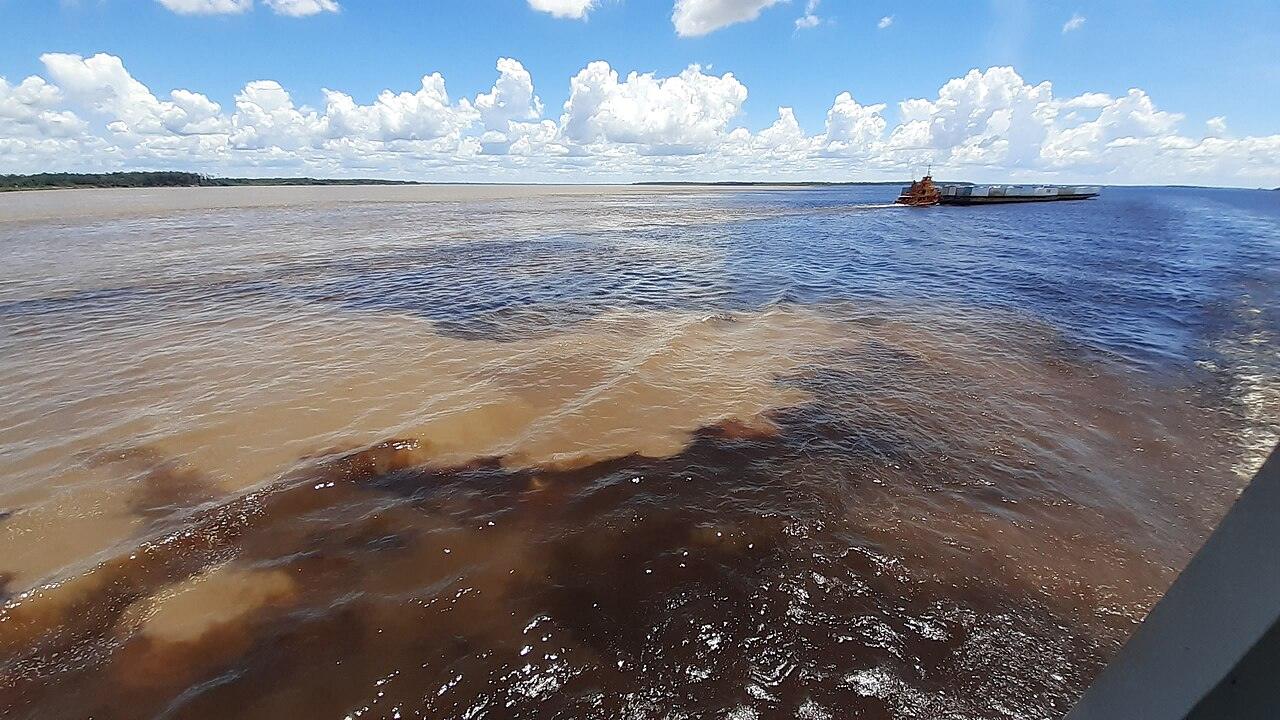
In the morning leave Manaus by boat and sail to the meeting of the waters, where the Negro river, dark as tea, meets the Solimões river, sandy coloured. The two rivers flow side by side without mixing for several kilometres, because they have different temperatures, speeds and densities. From the boat you see the sharp line between black and pale water.
Then continue by boat and car to a forest lodge, along one of the rivers or lakes around Manaus, two to four hours away. The lodges are simple, often wooden, built on stilts or near the water.
In the afternoon take your first canoe trip through the forest channels, called igarapés, among trees standing in the water. Depending on the season you see monkeys, sloths hanging from branches, toucans and parrots.
In the evening go out by boat with a torch to see caimans, whose eyes shine red in the dark, and listen to the sounds of the forest.
Sleep at the forest lodge, for three nights.
Practical tip: in the Amazon the river level changes a great deal during the year, by as much as ten metres. From May to July the forest is flooded and you travel by boat among the trees; from September to November the water is low and you walk more.
- Day 9
The forest and the pink dolphins
Today you explore the forest on foot and by boat.
Early in the morning take a walk in the forest with a local guide, often someone from the riverside villages, called caboclos. The guide shows you giant trees, such as the kapok, more than fifty metres tall, medicinal plants, rubber trees and the ants and insects of the forest. They explain how local people use plants for food, medicine and building.
In the afternoon go out by boat to see the river's pink dolphins, called boto, which live only in the rivers of the Amazon basin. They are large, with long beaks, and their pink colour grows stronger with age. According to local legends, at night they turn into elegant men and go to parties in the villages. They often swim near the boat.
In the evening, if you like, try piranha fishing with a bamboo rod and a piece of meat: it is not hard to catch one. Then they are grilled at the lodge.
Sleep at the forest lodge.
Practical tip: do not touch or feed the dolphins, even though some places offer it. Contact with people stresses them and changes their natural behaviour. Watch them from the boat and let them come close if they choose to, which they often do out of curiosity.
- Day 10
Life along the river
Today you meet the people who live in the forest.
In the morning visit by boat a community that lives along the river, with wooden houses on stilts, a small school and a church. Here families live from fishing, small crops and gathering forest fruits. With a guide, you can see how cassava flour is made, the staple food of the region, from the root grated, pressed and toasted in large pans.
Then, if it is the high water season, paddle a canoe through the flooded forest, called igapó, where the trees stay half submerged for months. The dark water reflects the trunks and leaves like a mirror.
In the afternoon go out to see birds at sunset, such as macaws, hoatzins, strange birds with a crest and a strong smell, and birds of prey flying above the river.
In the evening, at the lodge, look at the starry sky above the river, with no lights for hundreds of kilometres.
Sleep at the forest lodge.
Practical tip: if you visit a community, always ask permission before photographing people. Buy crafts directly from the families: it is real help for their economy. Bring something useful too, such as notebooks and pencils for the school, asking the guide first.
- Day 11
Flight to Rio de Janeiro
Today you leave the forest and fly to the coast.
In the morning return by boat and car to Manaus and take the flight to Rio de Janeiro, about four hours, often with a stop.
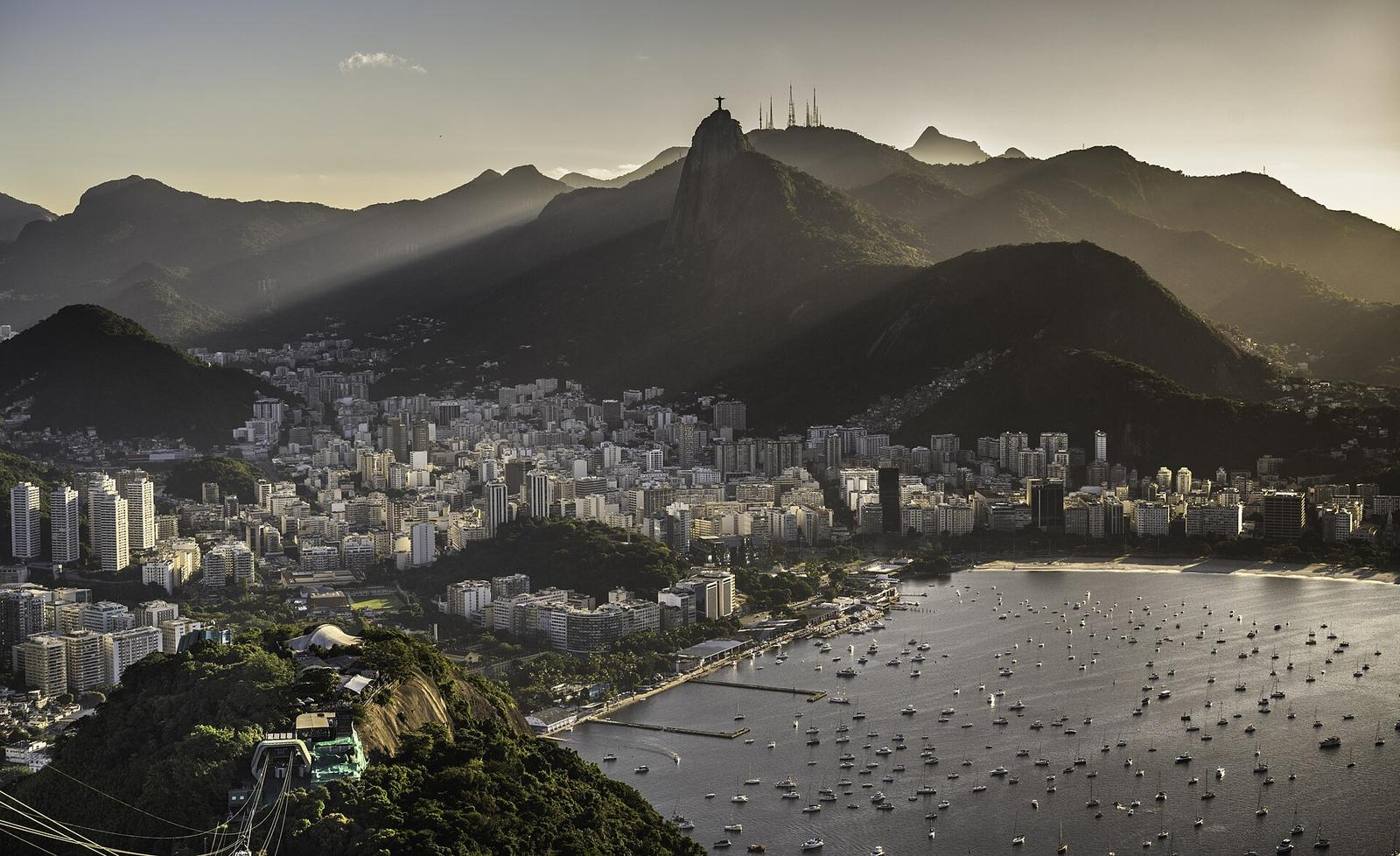
Rio de Janeiro is one of the most beautiful cities in the world for its setting: between the sea, the beaches, Guanabara Bay and forested mountains that reach into the city. It was the capital of Brazil until 1960 and is a UNESCO World Heritage site for its cultural landscape.
In the afternoon settle into your accommodation, in Copacabana, Ipanema or Botafogo, and walk along the Copacabana seafront, with its famous black and white wave patterned pavement designed by the landscape architect Roberto Burle Marx.
At sunset go to Arpoador, the rock between Copacabana and Ipanema. Here people gather every evening to watch the sun go down behind the Two Brothers mountains and, when it disappears, they applaud.
In the evening have feijoada, the black bean stew with pork, or a Brazilian barbecue, the churrascaria.
Sleep in Rio de Janeiro, for four nights.
Practical tip: in Rio do not take valuables to the beach and keep your phone in your pocket on the street. Use official taxis or ride hailing apps, especially in the evening, and find out which areas to avoid.
- Day 12
Christ the Redeemer and Santa Teresa
Today you see Rio from above.
Early in the morning go up Corcovado, the 710 metre mountain topped by Christ the Redeemer, the statue about 30 metres high, unveiled in 1931, with its arms open above the city. You go up on the rack railway through the Tijuca forest, or by minibus. From the top you see all of Rio: the beaches, the bay, Sugarloaf, the Rodrigo de Freitas lagoon and the Maracanã stadium. Go early, before the clouds and crowds. Check prices and times.
In the afternoon visit the Santa Teresa district, on the hill, with cobbled streets, old colonial villas, artists' studios and bars. Then walk down the Escadaria Selarón, the staircase covered in coloured tiles from all over the world, the work of the Chilean artist Jorge Selarón, which links Santa Teresa to the Lapa district.
Also pass the Arcos da Lapa, a white eighteenth century aqueduct.
In the evening, in Lapa, listen to live samba in the district's bars, the centre of Rio's nightlife.
Sleep in Rio de Janeiro.
Practical tip: in Lapa in the evening there are crowds and it is easy to lose your wallet. Carry only what you need and go back by taxi or app. The Selarón staircase is best visited in the morning, when it is quieter.
- Day 13
Sugarloaf and the beaches
Today you discover the beaches and Rio's iconic mountain.
In the morning tour the beaches: walk from Ipanema to Leblon along the seafront, among kiosks, sports lovers and açaí sellers. Ipanema is the beach made famous by the bossa nova song of the 1960s.
Then visit the botanical garden, founded in 1808 by the prince regent of Portugal, with its avenue of imperial palms more than thirty metres tall, orchids and glasshouses. Check opening times and tickets.
In the afternoon go to Sugarloaf, the granite peak 396 metres high at the entrance to Guanabara Bay. You go up by two cable cars: the first to Morro da Urca, the second to the top. Arrive an hour before sunset to see the city in daylight, the sunset over the bay and the lights of the evening. Check prices and times. Fit walkers can climb to Morro da Urca on a forest path, about half an hour.
In the evening have dinner in Botafogo or Urca, near the bay, with fish and a caipirinha, the Brazilian cocktail of lime and cachaça.
Sleep in Rio de Janeiro.
Practical tip: the sun in Rio is very strong even when the sky is hazy. Always use high factor sunscreen, a hat and sunglasses, and drink plenty of water or coconut water.
- Day 14
The Tijuca forest
Today you enter one of the largest urban forests in the world.
In the morning go to Tijuca National Park, a tropical forest replanted in the mid nineteenth century on the hills above the city, after coffee plantations had destroyed it. Today it is home to monkeys, toucans, waterfalls and trails.
If you are fit, climb Pedra da Gávea or Pico da Tijuca, with views over the whole city and the ocean. The Pico da Tijuca trail is the easiest, about three hours return. Go with a licensed guide: some of the park's trails are not safe without one.
Alternatively stop at the forest viewpoints, such as Vista Chinesa, with its Chinese style pavilion, and the Taunay waterfall.
In the afternoon relax on the beach, or visit the Museum of Tomorrow, a modern museum about the future of the planet, on the renewed waterfront, with Praça Mauá and the district's giant murals. Check opening times and tickets.
In the evening, for your last dinner in Brazil, try a churrascaria or a restaurant serving food from Brazil's north east, with moqueca, fish stew with coconut milk and palm oil.
Sleep in Rio de Janeiro.
Practical tip: enter Rio's favelas only with local guides who work with the community. Never go in alone, not even out of curiosity. Ask the guide how the visit benefits the residents, and choose tours that are run by people who live there.
- Day 15
Departure
Today you leave Brazil.
In the morning, if your flight leaves in the evening, take a last walk on the beach, or visit Rio's historic centre, with Praça XV, the imperial palace, the Candelária church and the Real Gabinete Português de Leitura, a nineteenth century library with thousands of books on carved wooden shelves up to the ceiling. Check opening times.
Then go to Rio's international airport, Galeão, about an hour from Copacabana with traffic. Arrive at least three hours early.
In these fifteen days you have seen three faces of Brazil: the Pantanal with its jaguars, giant otters and thousands of birds; the Amazon, with its flooded forest, pink dolphins and life along the river; and Rio de Janeiro, with its beaches, the Christ and samba.
When to go: for the Pantanal and the jaguars, the best period is from July to October, the dry season. In the Amazon each season is different: from May to July the forest is flooded, from September to November the water is low. Rio is pleasant all year; from December to March it is very hot and there is Carnival, with very high prices.
Practical tip: book the Pantanal and the Amazon lodges many months in advance, especially for August and September, when the jaguars are seen most.
The right trip for wildlife lovers: the Pantanal is the best place in the world to see jaguars, and between July and October the odds are high. The Brazilian Amazon around Manaus is easier but less rich in wildlife than Peru's. Several domestic flights are needed, Brazil is huge.
Before you go
- Documents and visa
- Valid passport; no visa for tourism up to 90 days for EU citizens.
- Health and vaccines
- No compulsory vaccines arriving from Europe; yellow fever is recommended for the Amazon and some inland areas. Protect yourself against mosquitoes because of dengue. Emergencies: 190 police, 192 ambulance, 193 fire.
- Money and payments
- Brazilian real. Cards and instant payments are everywhere; carry little cash.
- Power sockets
- Type N, plus C, 127 or 220 volts depending on the city: check the voltage before plugging in devices.
- Time zone
- Rio and São Paulo are UTC-3 all year: Brazil does not use daylight saving time.
- Safety
- The United States rates Brazil level 2 for crime, with level 4 within 160 km of land borders (except Foz do Iguaçu and the Pantanal). No favelas without a community guide. Official advice: GOV.UK.
Information checked in November 2026 for Italian and EU citizens. Rules change: always check before you travel.
Variations
In 10 days: only the Pantanal and Rio, with two nights on the Transpantaneira, three at Porto Jofre and four in Rio.
In 19 days: add the Iguaçu Falls between the Pantanal and Rio, and two nights in Paraty, a colonial town by the sea south of Rio.
Frequently asked questions
What document do I need for Brazil?
Italian citizens enter without a visa for tourism with a valid passport. Other nationalities should check their own rules. For the Pantanal and the Amazon ask a travel health clinic about vaccines, such as yellow fever, and malaria.
When can you see jaguars?
Mainly from July to October, in the dry season, around Porto Jofre, when they hunt along the riverbanks. You need at least three days on the river, and it is never guaranteed.
Is Rio de Janeiro safe?
The tourist areas are busy, but crime is high. Do not show valuables, use official taxis or apps in the evening and enter the favelas only with local guides.
Indicative itinerary written by World Atlas. Before booking, check timetables, seasonal openings, documents and safety.
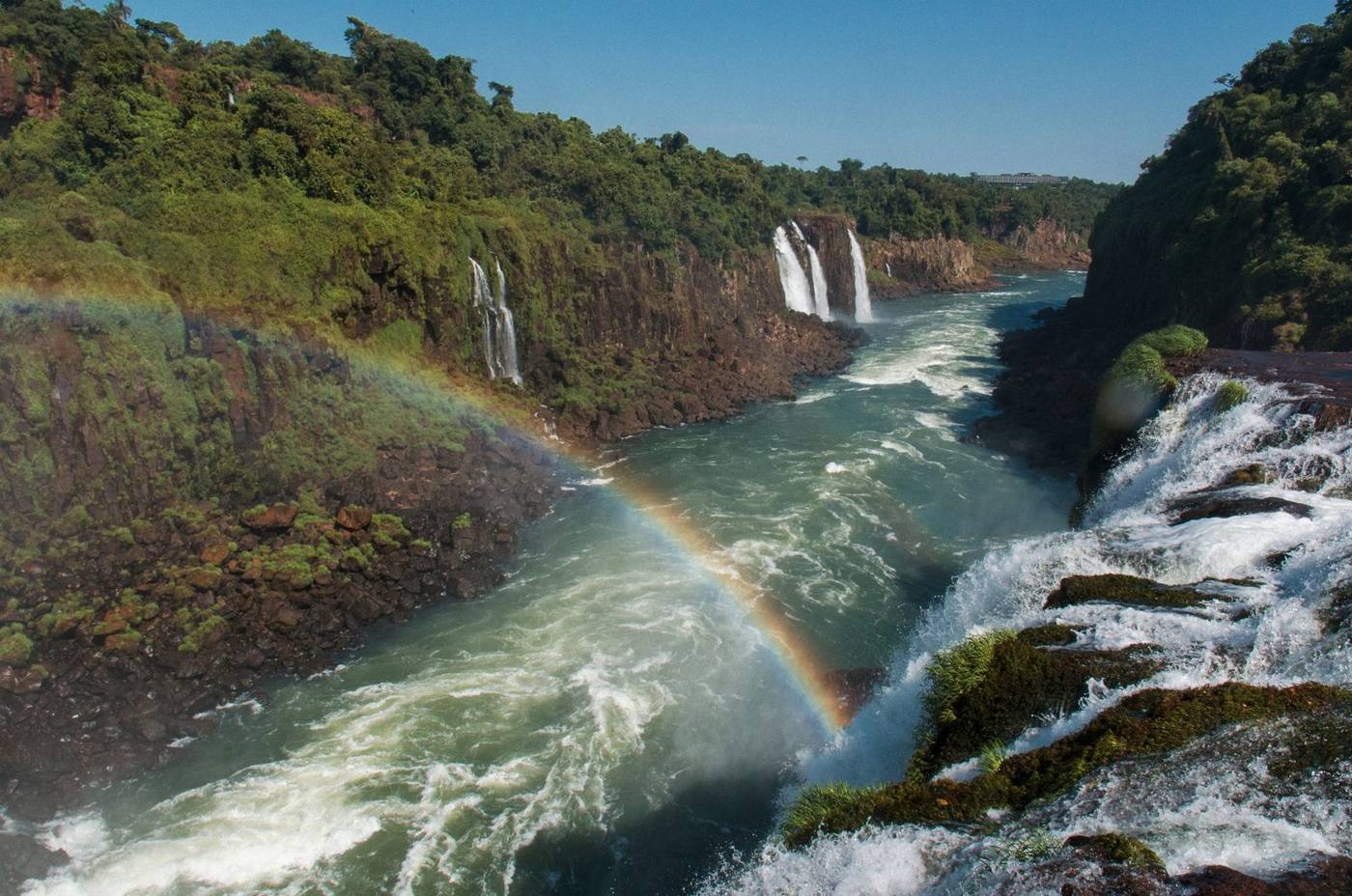 7 daysEasy
Rio de Janeiro and the Iguaçu Falls
South America's most spectacular city and its mightiest falls, seen from both sides of the border.
 12 daysEasy
Brazil express: Rio, Iguaçu and Salvador da Bahia
Postcard Brazil in under two weeks: Sugarloaf Mountain, the world's mightiest falls and the most African city in the Americas.
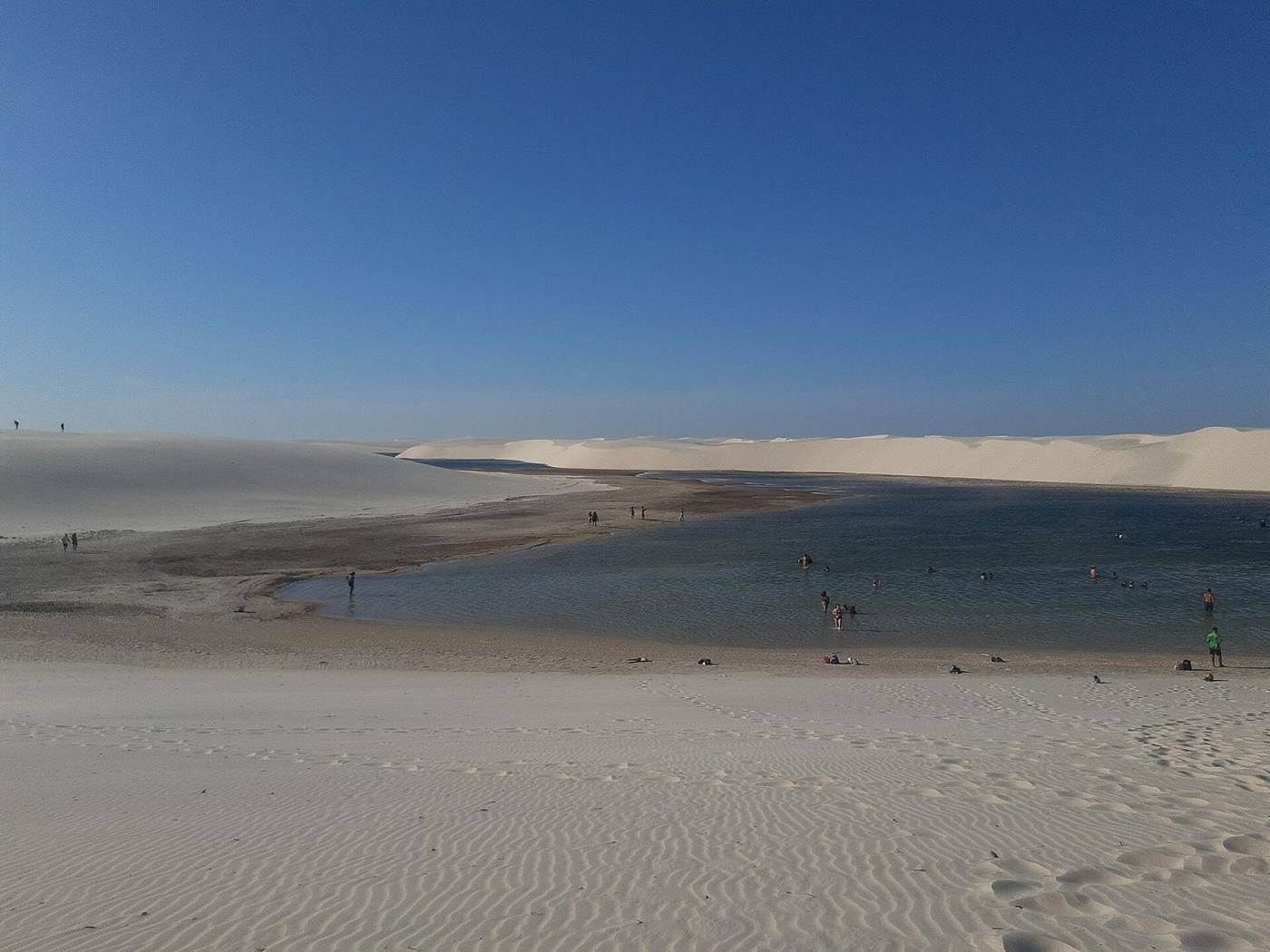 17 daysModerate
Maranhão and Ceará: Lençóis Maranhenses and Jericoacoara
The most spectacular north-east: the white dunes of the Lençóis filled with turquoise lagoons, the sand village of Jericoacoara, the Parnaíba delta and the colonial city of São Luís.