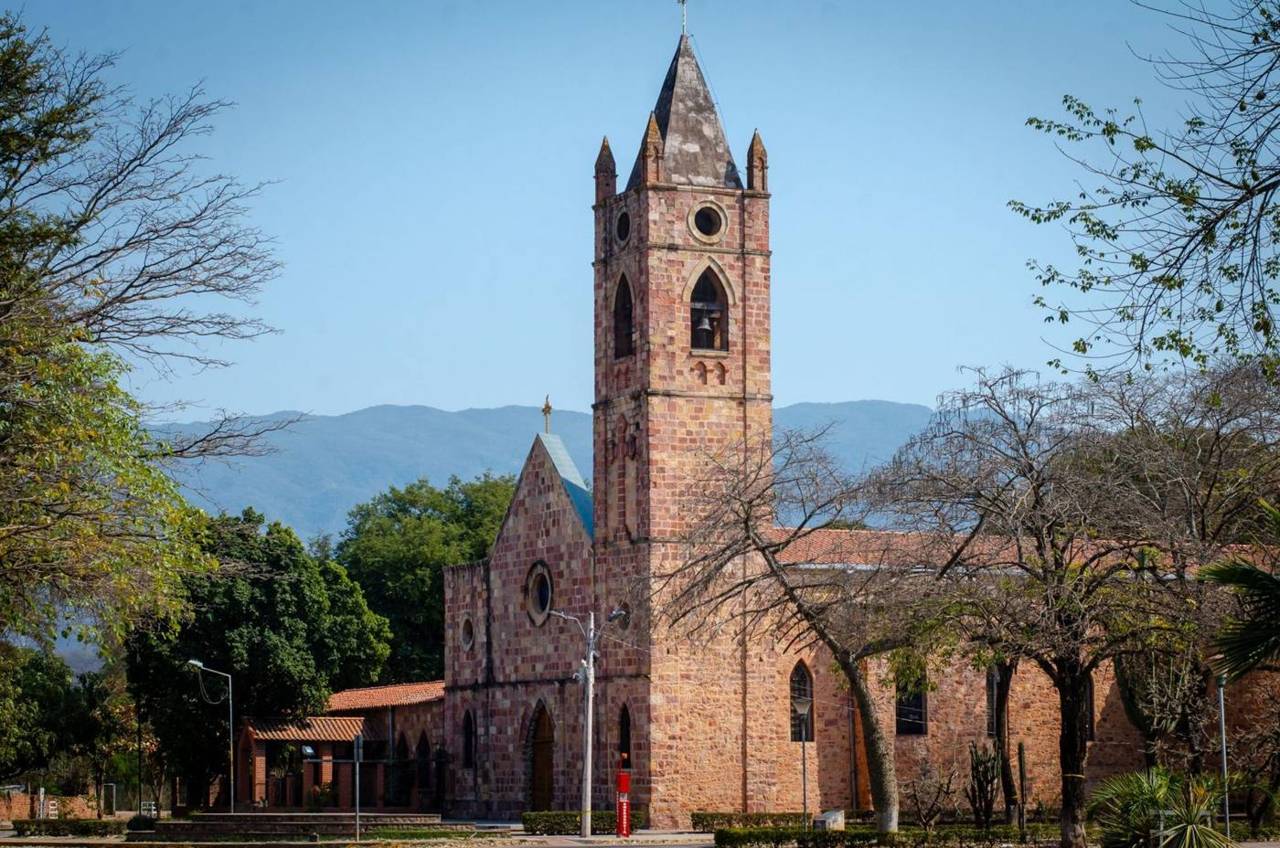
Tarija and the high-altitude vineyards
Bolivia's quiet south: wineries between 1,800 and 2,000 metres, singani brandy, the Concepción valley and colonial villages.
- Tarija
- Valle de Concepción
- San Lorenzo
- Tarija
Day by day
- Day 1
Arrival in Tarija, the square and the market
This five-day trip takes you to Tarija, in the south of Bolivia, a quiet city in a valley at about 1,850 metres, with a mild, sunny climate. Around it are some of the highest vineyards in the world, the distilleries of singani, the Bolivian grape spirit, and colonial villages such as San Lorenzo. There are no great monuments: you come for the landscape, the wine and the good food.
Before you go: Italian citizens enter Bolivia with a passport valid for at least six months, without a visa for tourist stays of up to three months; at the border officials often stamp 30 days, so check the stamp. Other nationalities should check their own rules. The yellow fever vaccine is advised for the country's tropical areas, including the lower part of Tarija department: ask your doctor. In Bolivia protests and road blockades are frequent and sudden, so keep a spare day. Avoid border areas away from the main roads.
Tarija can be reached by air from La Paz, Santa Cruz or Cochabamba, or overland from Argentina. From the airport to the centre is a few minutes by taxi.
In the afternoon walk around Plaza Luis de Fuentes, named after the man who founded the city in 1574, with palm trees, benches and low houses with balconies. Then visit the cathedral and the streets of the centre, full of small shops.
Towards evening go to the central market, where fruit, cheese, bread and local sweets are sold. It is the right place to try saice, a stew of minced meat with potatoes and peas, the city's most typical dish.
Practical tip: use radio taxis called by your accommodation or restaurant, especially in the evening, instead of hailing cars in the street.
- Day 2
The Concepción valley and the first wineries
In the morning head for the Concepción valley, about half an hour's drive from Tarija. The road goes down through dry hills and fields, then opens onto a green valley covered in vineyards, with poplars along the channels and mountains in the background. The vines grow between about 1,800 and 2,000 metres: strong sun and cool nights give fragrant wines with good acidity.
The valley's wineries come in all sizes, from large modern estates to small family houses. Many offer visits with tastings, but it is best to book, especially at weekends. Check prices and times. The most common grapes are tannat, cabernet sauvignon and muscat of Alexandria, which is also used for singani.
At midday stop in the village of Concepción, with a small, tree-lined square and a simple church. Around here people eat grilled meat, the speciality of this area, culturally close to Argentina.
In the afternoon visit a second winery and walk between the rows of vines. If you travel between February and April, you will see the harvest, with crates full of grapes and workers in the fields.
In the evening return to Tarija and rest: even at this altitude wine takes effect faster than usual.
Practical tip: do not drive after the tastings; book a car with a driver for the whole day, asking your accommodation for a trusted service.
- Day 3
Singani and the family wineries
Today is devoted to singani, Bolivia's signature spirit. It is distilled from muscat of Alexandria grapes grown in the high valleys of the south of the country, and is protected by a designation of origin. It has a floral scent and is drunk neat or in cocktails, such as the chuflay, with ginger ale and lime.
In the morning visit a distillery in the Concepción valley or around Tarija. You will see the old copper stills, the barrels and the bottling rooms, and you can taste the different types, from the youngest to the smoothest. Check prices and times and book the visit.
In the afternoon look for a small family winery, where the owner often leads the visit. These places also make sweet wines and wines from old varieties that arrived here in colonial times. It is a simple way to understand how the people who work the land in the valley live.
Along the road there are stalls selling honey, goat's cheese, jams and traditional sweets. Stop to buy something to take home.
In the evening, in Tarija, try a dinner of grilled meat with local sauces and a glass of wine from the valley, or a plate of cangrejitos, small fried pastries.
Practical tip: drink plenty of water during the tastings and eat something between visits; the valley sun is strong even when the air is cool.
- Day 4
San Lorenzo and a walk in the Sama range
In the morning go to San Lorenzo, a colonial village about fifteen kilometres north of Tarija. The houses are low and white, with wooden balconies, around a shady square and an old church. Here you will find the house museum of Eustaquio Méndez, known as El Moto, a hero of the wars of independence loved throughout the region. Check prices and times. On Sundays the village comes alive with the market and families in the square.
In the afternoon take a walk at the foot of the Cordillera de Sama, a nature reserve that rises from the valleys to the Andean high plateau. The part near Tarija has paths along rivers, small waterfalls and pools where people swim in summer. The landscape is made of red rocks, cacti and low woodland.
Choose an easy route of two or three hours, with a local guide or following the busiest paths. Do not go alone into isolated areas and return before sunset. Bring water, a hat and sun cream, because there is little shade here.
In the evening, in Tarija, walk around the centre again. At night the city is calm and full of families, with young people in the square and ice cream shops open.
Practical tip: after rain the riverside paths turn muddy and the water rises fast; always ask locally before setting off.
- Day 5
Last morning in Tarija and departure
In the morning, if you have time before your flight, climb to the viewpoint on the hill near the centre to see the city and the valley from above, or take a last walk round the market to buy singani, wine or sweets. Make sure the bottles are well packed and follow the hand luggage rules.
Then go to the airport or the bus station. Allow extra time, because blockades can slow down even the short journey across town, and domestic flights sometimes change schedule.
Trip summary: five days in the quiet south of Bolivia, between the city of Tarija with its square and market, the wineries and distilleries of the Concepción valley, singani and high-altitude wines, the colonial village of San Lorenzo and a walk in the Cordillera de Sama. It is a little-known corner, suited to those who want to relax and eat well, or who arrive from Argentina.
When to go: between February and April for the harvest, with green valleys and wine festivals; from May to October for dry, sunny weather with cool nights. Between December and March it rains more and some dirt roads can become difficult.
Practical tip: bring a jumper even if the days are warm, because in the evening the temperature in the valleys drops a lot.
A little-known corner, suited to those who have already seen the rest of Bolivia or arrive from Argentina. Mild climate, good meat and interesting wine thanks to the altitude. There are no great monuments: you come to relax and eat well.
Before you go
- Documents and visa
- Passport valid for at least six months on arrival, with two blank pages; British citizens can visit without a visa for up to 90 days in a year, but border officials often stamp 30 days. Get an entry stamp, or you may be fined when leaving; if you cross overland, get stamps on both sides of the border. You may be asked for proof of accommodation for the first night.
- Health and vaccines
- A yellow fever certificate is required if you arrive from a risk country; the vaccine is strongly advised for the tropical areas of the departments of La Paz, Beni, Pando, Santa Cruz, Cochabamba, Chuquisaca and Tarija, at least 10 days before travel. The lowlands have mosquitoes and dengue: use repellent. La Paz, Lake Titicaca and Potosí lie between 3,600 and 4,000 metres: go up slowly and talk to your doctor before leaving, especially if you have heart problems or high blood pressure. Get insurance with medical cover and repatriation.
- Money and payments
- Boliviano. The exchange rate with the dollar has changed a lot in recent years: change money only at banks and authorised bureaux, never in the street. Cards work in cities and larger hotels; in villages, markets and the Amazon you need cash.
- Power sockets
- Types A and C, usually 230 volts (in some areas of La Paz also 115 volts): you need an adapter for British plugs.
- Time zone
- UTC-4 all year, four hours behind the UK in winter and five in summer.
- Safety
- The FCDO advises against all but essential travel to the Chapare region of Cochabamba Department, including Villa Tunari, and to routes 4 and 24 where they cross it; the United States says do not travel there. Protests and road blockades are frequent and start with little warning, even on roads to airports: allow spare days and never try to cross a blockade. Express kidnappings with fake taxis and fake police are reported in La Paz and on routes from the borders and Lake Titicaca: use radio taxis booked by your accommodation and never get into an unmarked police car. For the Yungas, Rurrenabaque and Madidi use reputable, licensed guides. Official advice: GOV.UK.
Information checked in November 2026 for Italian and EU citizens. Rules change: always check before you travel.
Variations
Shorter version: in 3 days, Tarija and one day in the Concepción valley.
Longer version: in 8 days, add Sucre and Potosí, with a flight or a long bus journey.
Frequently asked questions
Is Tarija wine good?
Yes, it is interesting thanks to the altitude: fragrant and fresh. Also try singani, the grape spirit typical of Bolivia.
Will I feel the altitude in Tarija?
Hardly: it is at about 1,850 metres, much lower than La Paz. Most people feel fine from the first day.
Do you need a car?
No: for the wineries a car with a driver or an organised trip is better, so nobody has to drive after the tastings.
Indicative itinerary written by World Atlas. Before booking, check timetables, seasonal openings, documents and safety.
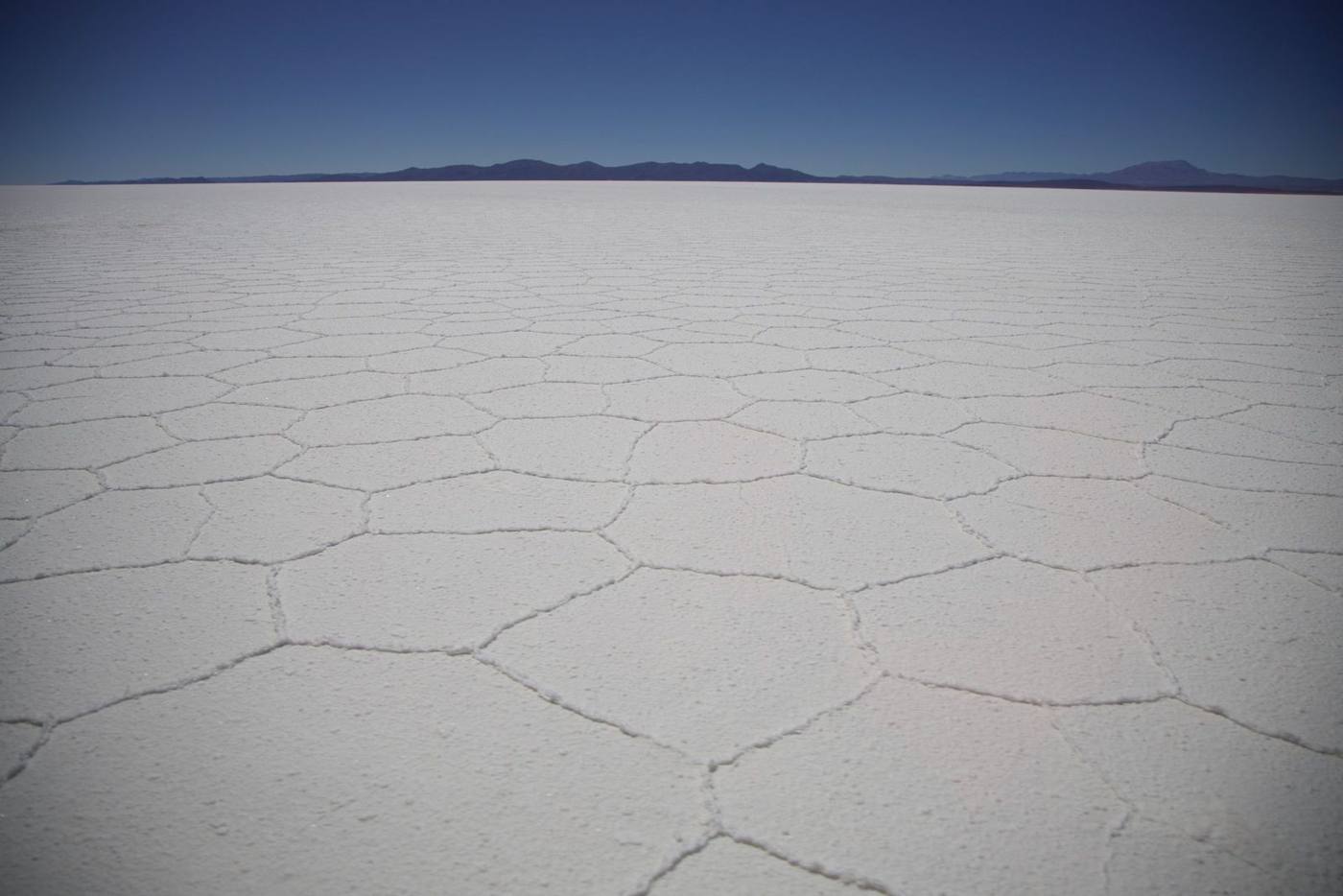 8 daysModerate
Uyuni salt flat and the Sud Lípez lagoons
From La Paz to the world's largest salt flat, then three days by 4x4 among red and green lagoons, geysers and flamingos.
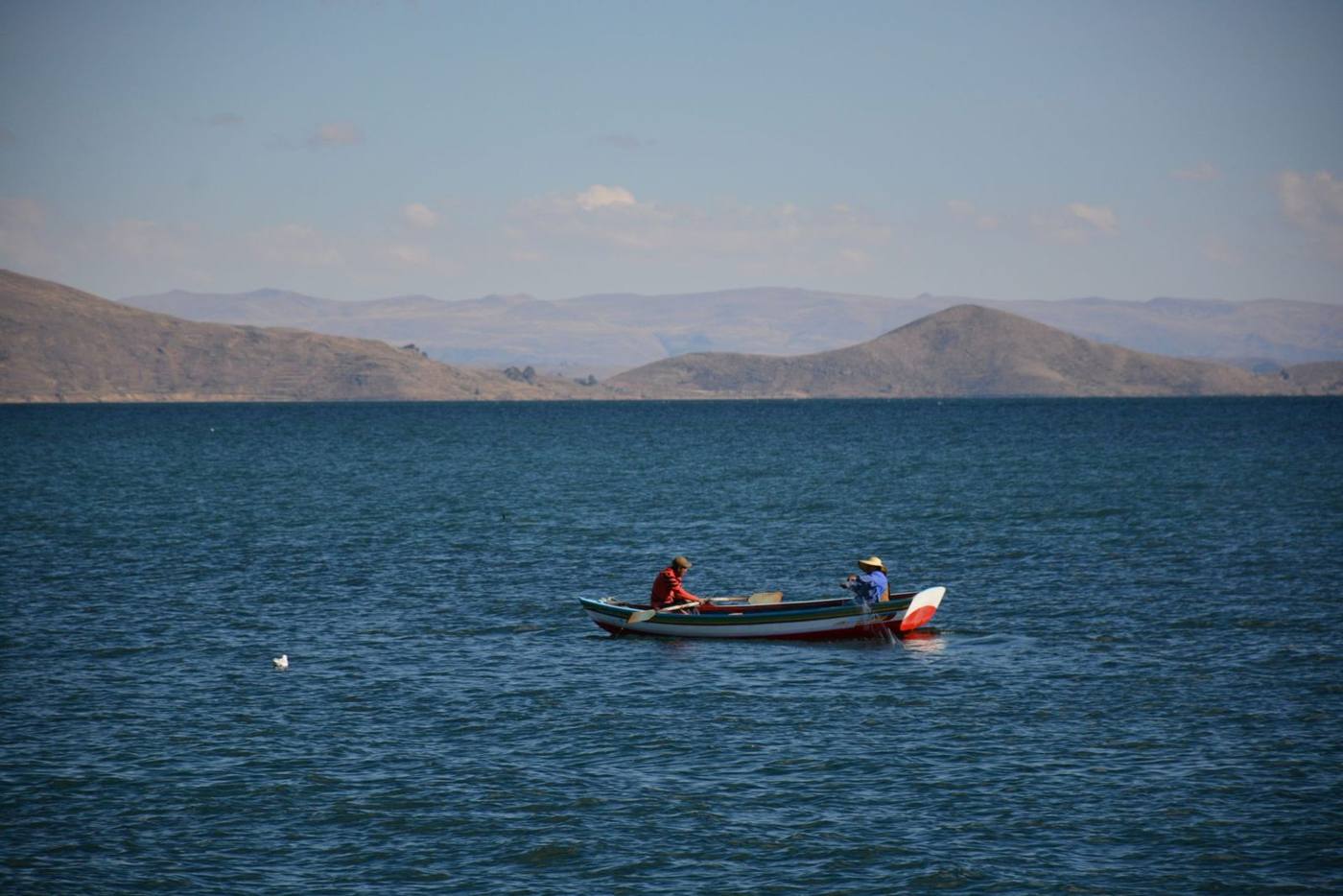 6 daysEasy
La Paz and Lake Titicaca
The world's highest capital, the ruins of Tiwanaku, Copacabana and a night on the Isla del Sol, cradle of the Incas.
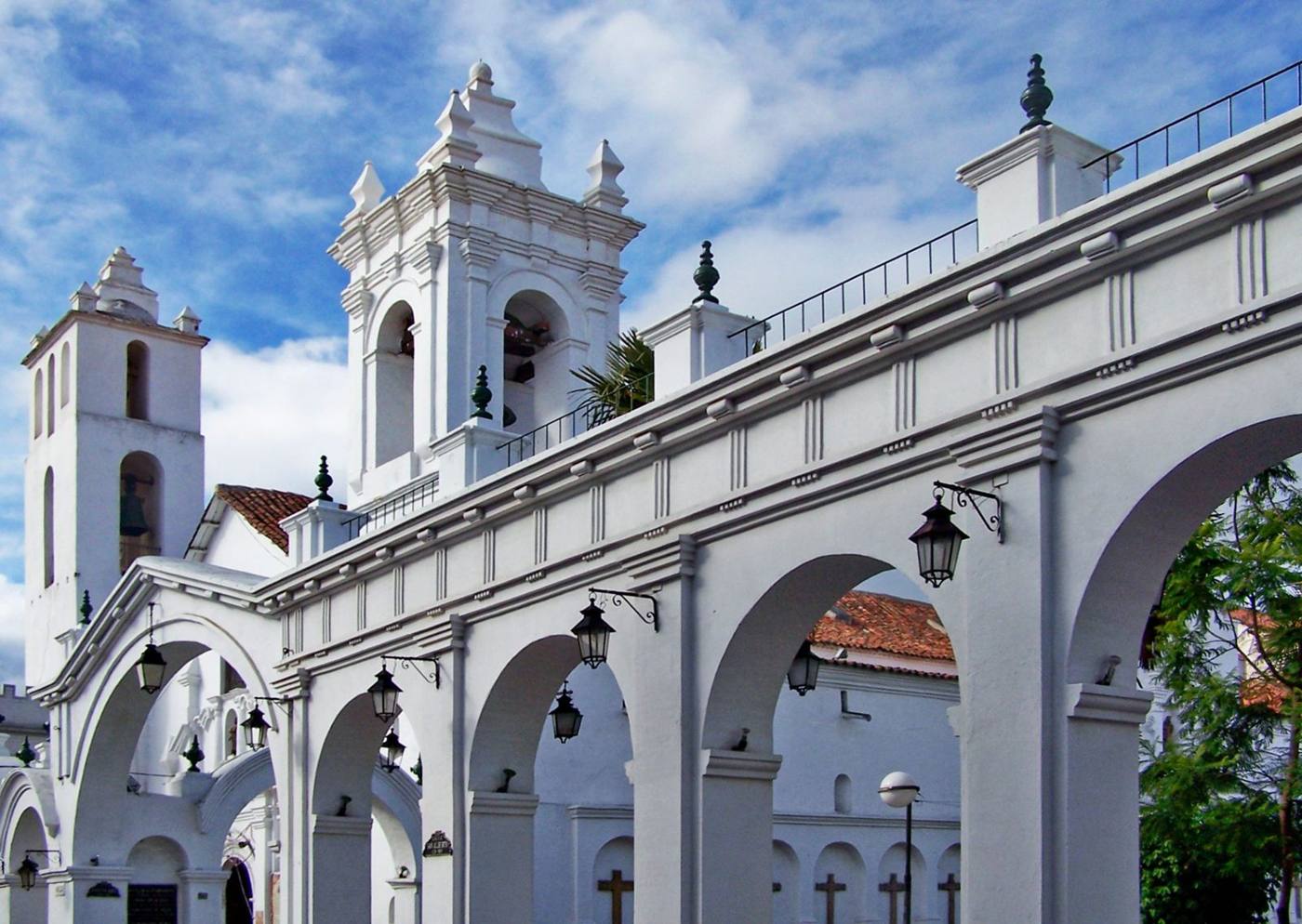 6 daysEasy
Sucre and Potosí
The white city of Sucre, dinosaur footprints, Tarabuco market and Potosí with the Cerro Rico silver mine.