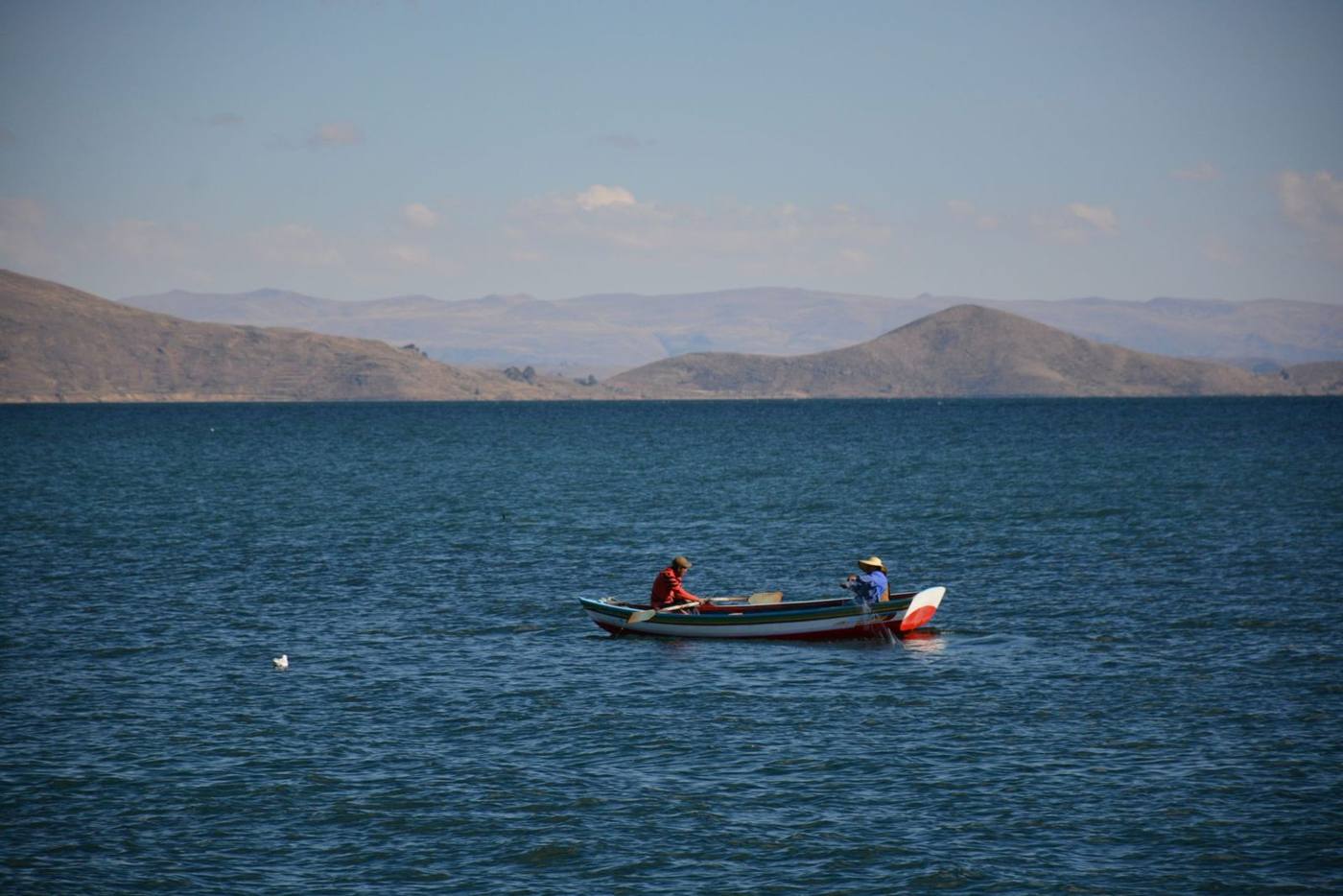
La Paz and Lake Titicaca
The world's highest capital, the ruins of Tiwanaku, Copacabana and a night on the Isla del Sol, cradle of the Incas.
- La Paz
- El Alto
- Tiwanaku
- Copacabana
- Isla del Sol
- La Paz
Day by day
- Day 1
Arrival in La Paz, San Francisco and the Witches' Market
This six-day trip takes you to La Paz, the highest seat of government in the world, to the ruins of Tiwanaku and to Lake Titicaca, with Copacabana and a night on the Isla del Sol, which tradition sees as the cradle of the Incas. It is a short but intense journey into Aymara culture, among markets, colonial churches and high-altitude landscapes.
Before you go: Italian citizens enter Bolivia with a passport valid for at least six months, without a visa for tourist stays of up to three months; at the border officials often stamp 30 days, so check the stamp. Other nationalities should check their own rules. The Italian foreign ministry reports robberies and express kidnappings of tourists in La Paz and around Lake Titicaca: use radio taxis called by your accommodation, never get into an unmarked police car and travel on direct buses. Protests and road blockades are frequent: keep a spare day.
The plane lands at El Alto, at more than 4,000 metres, and the city lies a little lower, at about 3,600. On the first day move slowly, drink plenty of water, avoid alcohol and eat light. If you have heart or blood pressure problems, talk to your doctor before leaving.
In the afternoon visit the basilica of San Francisco, with its carved stone façade in mestizo baroque style, where Andean figures mix with the saints. Then walk slowly up the streets behind the church to the Witches' Market, with herbs, amulets and offerings for Pachamama, Mother Earth.
Practical tip: try mate de coca, the infusion of coca leaves, which helps a little with the altitude, but do not take the leaves to Europe, where they are banned.
- Day 2
Plaza Murillo, the cable cars and El Alto
In the morning visit Plaza Murillo, the political heart of the country, with the cathedral, the government palace and parliament, among pigeons and vendors. Nearby, Calle Jaén is a narrow, well-preserved colonial street with colourful houses and small museums. Check prices and times.
Then ride the urban cable cars, the network called Mi Teleférico, one of the longest in the world. The cabins glide over rooftops, hillside districts and steep streets, with the snowy peaks of Illimani in the background. It is the easiest and most beautiful way to understand the city, which sits in a bowl.
You reach El Alto, above 4,000 metres, the Aymara city that has grown on the high plateau above La Paz. If it is Thursday or Sunday, walk through the huge Feria 16 de Julio market, one of the largest in South America, where everything is sold: spare parts, clothes, animals, food and furniture. Wear your backpack on your front and carry little money, because pickpockets are active.
Look out for the Aymara women, the cholitas, with wide skirts, shawls and bowler hats. In the districts of El Alto there are also cholets, buildings with brightly coloured façades.
In the evening return to the centre by cable car before dark.
Practical tip: buy a rechargeable cable car card, so you avoid queues at the ticket offices when changing from one line to another.
- Day 3
Tiwanaku, the civilisation before the Incas
Today you set off for Tiwanaku, about two hours by road from La Paz, on the high plateau towards Lake Titicaca. It was the centre of a great Andean civilisation, which flourished many centuries before the Incas and controlled a vast territory around the lake. The site is a UNESCO World Heritage Site.
Start with the two museums at the entrance, which hold ceramics, tools and large stone statues, including monoliths several metres tall. Then walk through the archaeological area. You will see the Akapana pyramid, now a hill of earth and stones, the Kalasasaya enclosure with its walls of large blocks and the Gate of the Sun, carved from a single block of stone with a deity in the centre. Nearby is the semi-subterranean temple, with dozens of stone heads on the walls.
A short distance away is Puma Punku, with stone blocks cut with surprising precision to fit together. Check the prices and times of the ticket, which usually covers all the parts.
The site is at about 3,800 metres and has no shade: the sun is strong and the wind cold. Bring a hat, sun cream, water and a jacket.
In the afternoon return to La Paz and pack a small backpack for the two nights at the lake.
Practical tip: a visit with a local guide helps you understand the site, which without explanations looks like just a field of stones.
- Day 4
Copacabana and the boat to the Isla del Sol
Leave La Paz early on a direct bus to Copacabana, about three or four hours across the high plateau. Halfway you cross the Strait of Tiquina: passengers get off and take a small boat, while the bus crosses on a wooden barge. From here the lake looks enormous and dark blue, with the mountains of the cordillera behind.
Copacabana is a pilgrimage town on the lakeshore. Visit the white basilica, with Moorish-style domes, where the Virgen de Copacabana, the patron saint of Bolivia, is venerated. At weekends cars decorated with flowers are blessed in front of the church, with firecrackers and sprays of beer.
Around midday take the boat to the Isla del Sol, about an hour and a half on the water. You land at Yumani, in the south of the island, and climb the Inca Stairway, a long stone staircase with a spring and farmed terraces. Climb slowly, because you are at almost 4,000 metres.
There are no cars on the island: only paths, donkeys and villages. In the evening watch the sunset over the lake and the snowy peaks, then sleep in simple accommodation.
Practical tip: carry cash in small notes, because on the island each community asks for a small entry ticket and there are no cash machines.
- Day 5
The paths of the Isla del Sol
Early in the morning, when the lake is calm and the air clear, walk the island's paths. The most famous route follows the ridge between south and north, with views of the lake on both sides, ancient terraces, eucalyptus trees, sheep and stone villages.
The north of the island, with the ruins of the Chincana and the sacred rock where tradition places the birth of the Sun and the first Incas, was closed to tourists for a long time because of disputes between communities. Before setting off ask your accommodation which paths are open and respect the community checkpoints. If the north is closed, there are lovely short walks in the south.
In the south you can visit the ruins of Pilko Kaina, an Inca stone building with doorways and niches, overlooking the lake. Check prices and times. Further on, on clear days, you can see the Isla de la Luna, a smaller island with an ancient temple.
In the afternoon rest: walking at this altitude is more tiring than usual. In the evening, on the island, phone and internet may not work: leave your contact details with your family before leaving.
Try the lake trout, grilled or fried, with rice, potatoes and salad.
Practical tip: at night it is very cold on the island and accommodation often has no heating, so bring a heavy jacket, a hat and woollen socks.
- Day 6
Back to La Paz and departure
In the morning take the boat to Copacabana and then a direct bus to La Paz. Avoid lifts offered in the street and unofficial minibuses: express kidnappings are reported on the lake route. Allow plenty of time before your flight, because road blockades and traffic in El Alto can make the journey much longer.
If you arrive from Peru or want to continue, Copacabana is close to the border and is easily combined with Puno, on the Peruvian side of the lake. Cross only at the official border post and get your passport stamped on both sides.
Trip summary: six days between La Paz, with its markets, the basilica of San Francisco and the cable cars up to El Alto, the ruins of Tiwanaku, the sanctuary town of Copacabana and a night on the Isla del Sol, among paths, Aymara villages and sunsets over the lake considered the highest navigable one in the world.
When to go: from May to October, in the dry season, with clear skies and sunny days, but very cold nights, often below freezing. From December to March it often rains in the afternoon, the mountains are covered and some roads become difficult.
Practical tip: in the markets of La Paz buy an alpaca jumper or gloves, useful straight away against the cold and a good souvenir of the trip.
A short but intense trip into Aymara culture. You land straight at 4,000 metres, so take the first two days easy. The north of the Isla del Sol was closed to tourists for a long time because of disputes between communities: ask locally which trails are open. It combines easily with Peru via Puno.
Before you go
- Documents and visa
- Passport valid for at least six months on arrival, with two blank pages; British citizens can visit without a visa for up to 90 days in a year, but border officials often stamp 30 days. Get an entry stamp, or you may be fined when leaving; if you cross overland, get stamps on both sides of the border. You may be asked for proof of accommodation for the first night.
- Health and vaccines
- A yellow fever certificate is required if you arrive from a risk country; the vaccine is strongly advised for the tropical areas of the departments of La Paz, Beni, Pando, Santa Cruz, Cochabamba, Chuquisaca and Tarija, at least 10 days before travel. The lowlands have mosquitoes and dengue: use repellent. La Paz, Lake Titicaca and Potosí lie between 3,600 and 4,000 metres: go up slowly and talk to your doctor before leaving, especially if you have heart problems or high blood pressure. Get insurance with medical cover and repatriation.
- Money and payments
- Boliviano. The exchange rate with the dollar has changed a lot in recent years: change money only at banks and authorised bureaux, never in the street. Cards work in cities and larger hotels; in villages, markets and the Amazon you need cash.
- Power sockets
- Types A and C, usually 230 volts (in some areas of La Paz also 115 volts): you need an adapter for British plugs.
- Time zone
- UTC-4 all year, four hours behind the UK in winter and five in summer.
- Safety
- The FCDO advises against all but essential travel to the Chapare region of Cochabamba Department, including Villa Tunari, and to routes 4 and 24 where they cross it; the United States says do not travel there. Protests and road blockades are frequent and start with little warning, even on roads to airports: allow spare days and never try to cross a blockade. Express kidnappings with fake taxis and fake police are reported in La Paz and on routes from the borders and Lake Titicaca: use radio taxis booked by your accommodation and never get into an unmarked police car. For the Yungas, Rurrenabaque and Madidi use reputable, licensed guides. Official advice: GOV.UK.
Information checked in November 2026 for Italian and EU citizens. Rules change: always check before you travel.
Variations
Shorter version: in 4 days, La Paz and Copacabana with a day trip to the Isla del Sol.
Longer version: in 9 days, add the descent through the Yungas to Coroico or the Uyuni salt flat.
Frequently asked questions
How do you cope with the altitude in La Paz?
Slowly: for the first two days move gently, drink plenty, avoid alcohol and eat light. Talk to your doctor before leaving, especially if you have heart or blood pressure problems.
Is the north of the Isla del Sol open?
It was closed for a long time because of disputes between communities and the situation changes. Ask locally the day before which paths are open.
Can you continue to Peru?
Yes, from Copacabana you easily reach Puno, on the Peruvian side of the lake. Cross only at the official border post.
Indicative itinerary written by World Atlas. Before booking, check timetables, seasonal openings, documents and safety.
 6 daysEasy
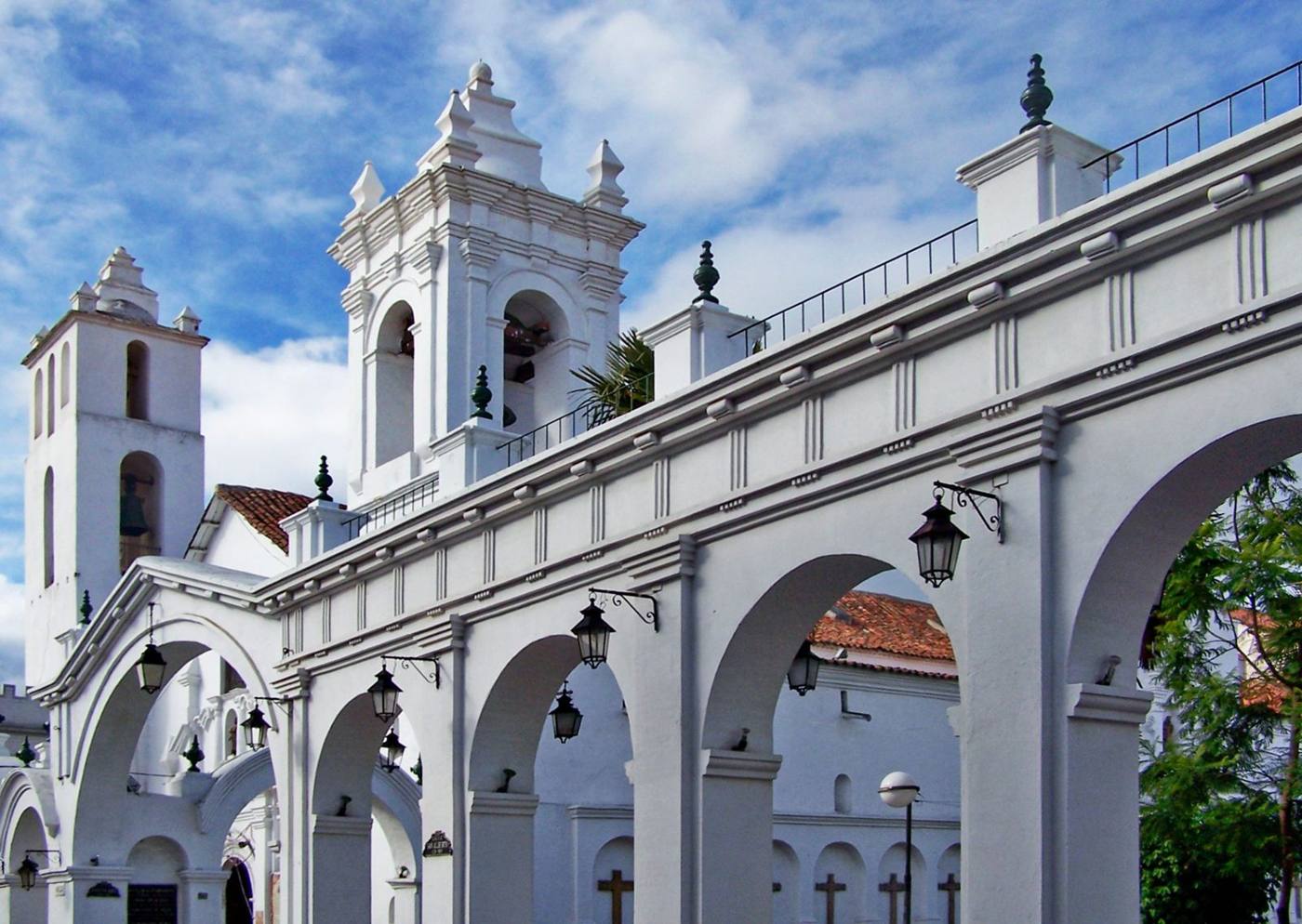
Sucre and Potosí
The white city of Sucre, dinosaur footprints, Tarabuco market and Potosí with the Cerro Rico silver mine.
 6 daysModerate
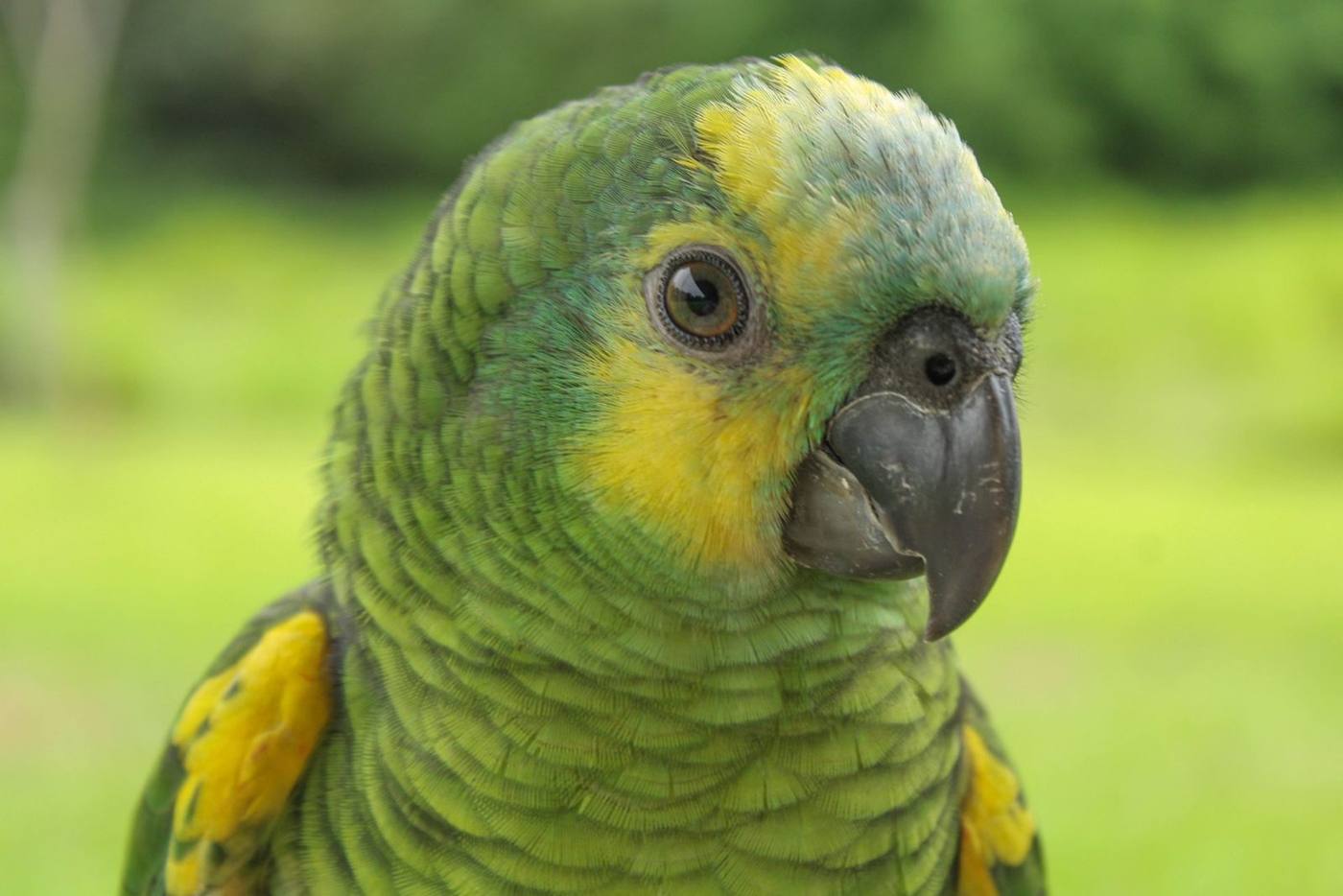
Bolivian Amazon: Madidi and the pampas
From Rurrenabaque by canoe into the forest of Madidi park, then the Yacuma pampas among caimans, capybaras and pink dolphins.
 10 daysChallenging
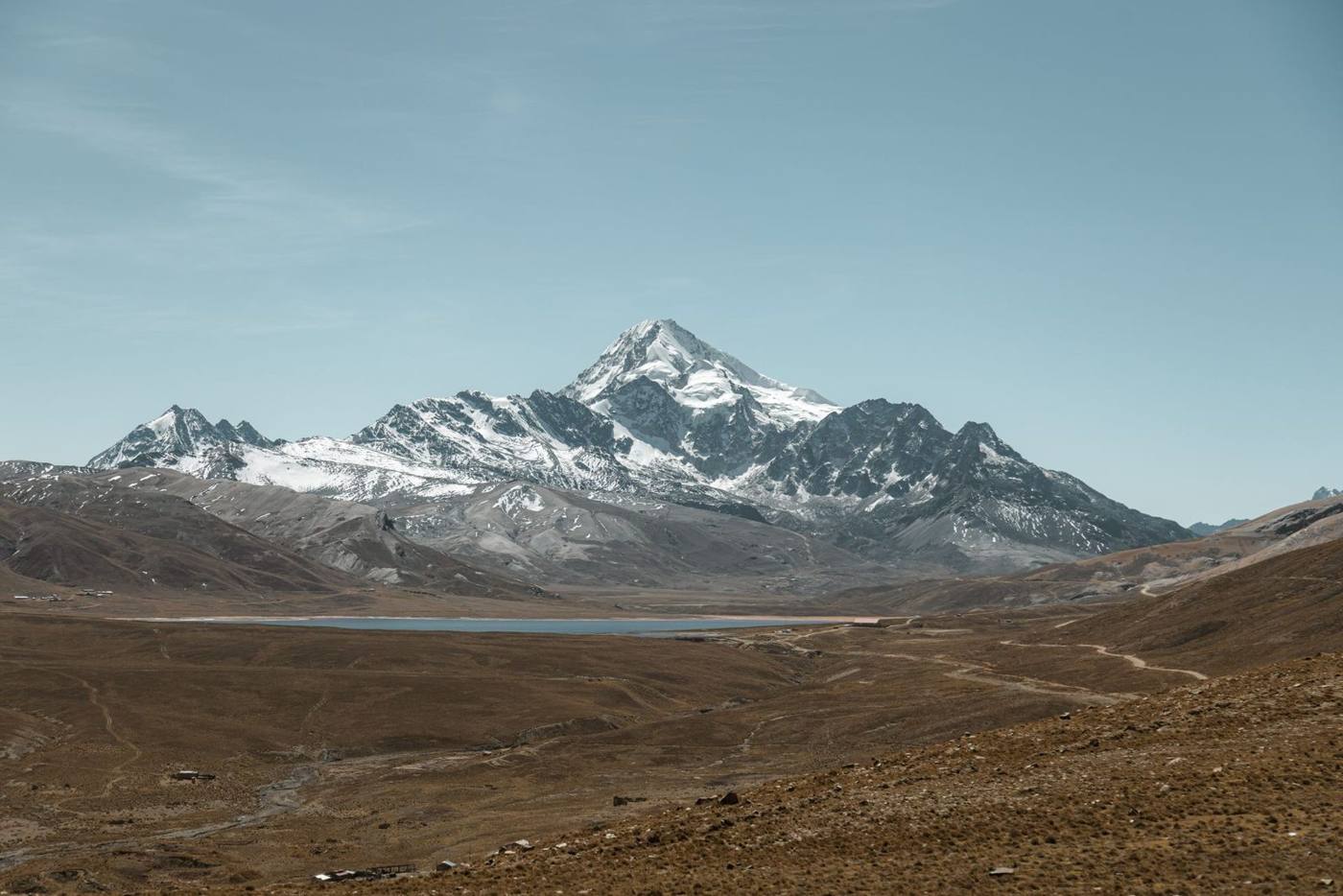
Cordillera Real and Huayna Potosí
A multi-day trek beneath the glaciers of the Cordillera Real, then the guided climb of Huayna Potosí at 6,088 metres.