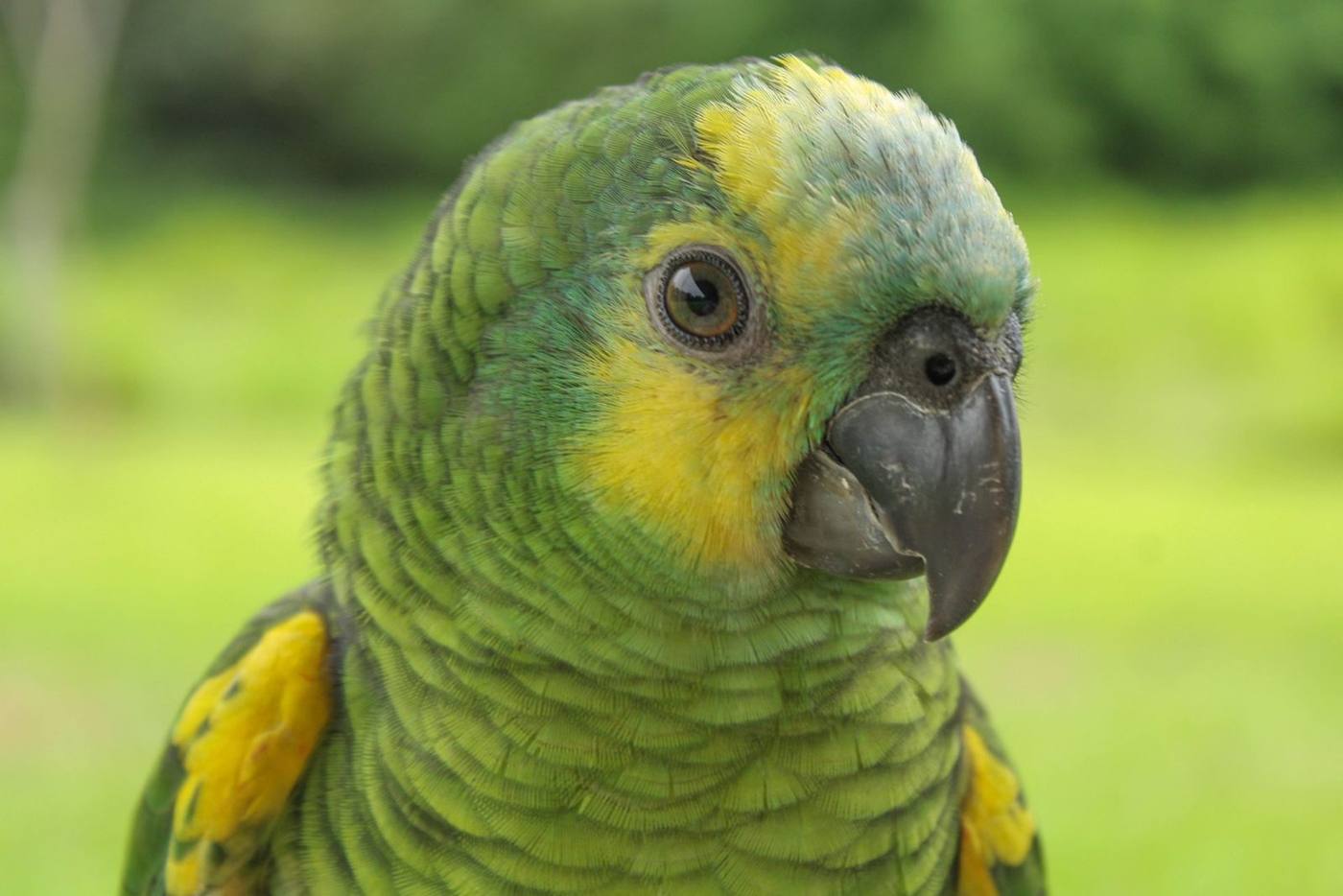
Bolivian Amazon: Madidi and the pampas
From Rurrenabaque by canoe into the forest of Madidi park, then the Yacuma pampas among caimans, capybaras and pink dolphins.
- La Paz
- Rurrenabaque
- Madidi
- Pampas del Yacuma
- La Paz
Day by day
- Day 1
Flight from La Paz to Rurrenabaque
This six-day trip takes you into the Bolivian Amazon, one of the richest and least expensive in South America. From Rurrenabaque, on the Beni river, you will travel upriver by canoe into the forest of Madidi National Park, then move on to the pampas of the Yacuma, flooded plains full of caimans, capybaras, monkeys, birds and pink river dolphins.
Before you go: Italian citizens enter Bolivia with a passport valid for at least six months, without a visa for tourist stays of up to three months; at the border officials often stamp 30 days, so check the stamp. Other nationalities should check their own rules. The yellow fever vaccine is strongly advised for this area, at least ten days before: also ask your doctor about malaria. The Italian foreign ministry advises visiting Rurrenabaque and Madidi with licensed tour guides. Protests and road blockades are frequent: keep spare days.
From La Paz, at about 3,600 metres, a flight of under an hour drops over the Andes to Rurrenabaque, only a few hundred metres above sea level. The change is sharp: you go from dry cold to humid heat. Flights are often cancelled because of rain or fog, so keep at least one spare day at the end of the trip.
In the afternoon walk along the river and through the town, small and quiet. Confirm tomorrow's departure and check what is included in your package.
Practical tip: in town use only taxis and motorbike taxis recommended by your accommodation, because taxi robberies are reported, and do not walk around with a lot of cash.
- Day 2
By canoe on the Beni and the Tuichi into Madidi
In the morning leave by motor canoe from the port of Rurrenabaque. You travel up the Beni river through a narrow gorge between the hills, then enter the smaller Tuichi river, with dark water and banks covered in forest. The journey takes several hours, depending on the water level, with stops on sandy beaches.
Madidi National Park is one of the largest protected areas in Bolivia and one of the richest in species in the world: it runs from the Andean peaks down to lowland forest. From the canoe you will see parrots, herons, king vultures circling in the sky and, with some luck, capybaras on the banks. Check the prices and times for the park entrance.
You reach a community ecolodge, run by an indigenous community from the area. These lodges are simple, with wooden huts, mosquito nets and shared meals, and the money stays with the people who live in the forest. It is the best choice for nature and for people.
In the afternoon take a first short walk with the guide near the lodge, to learn how to move quietly and recognise tracks.
Practical tip: always wear your life jacket in the canoe, even if the water looks calm, and ask for one if you are not given it.
- Day 3
The Madidi forest, by day and by night
Today you walk in the forest with the guide. You set off early, when animals are most active and it is cooler. The paths run under towering trees, among lianas, huge roots and colourful fungi. The guide points out medicinal plants, the trees that give rubber and the tracks of tapirs, peccaries and jaguars.
Animals are harder to see here than in the pampas, because the forest is dense: you often hear howler monkeys, which fill the air with their deep call in the morning. With patience you can see spider monkeys, small colourful birds and, on the clay banks, parrots licking the ground for minerals.
After lunch, in the hottest hours, rest in the shade or in a hammock at the lodge. In the late afternoon you can go by canoe on a small lake nearby, where giant otters and water birds are sometimes seen.
In the evening there is the night walk, with torches: spiders, frogs, stick insects, snakes and eyes shining in the dark. Always follow the guide, wear rubber boots and touch nothing.
Practical tip: bring a head torch with spare batteries and long, light-coloured clothes, which protect you from mosquitoes and make it easier to spot insects and ticks.
- Day 4
Towards the pampas of the Yacuma
In the morning you return by canoe to Rurrenabaque, going downstream with the current, faster than on the way up. After lunch the transfer to the pampas of the Yacuma begins: about three hours on a dirt road across the plain, between pastures, palms and villages, to Santa Rosa del Yacuma, where you board a boat.
The pampas are grassy plains flooded for much of the year, crossed by slow rivers. Unlike the forest, here animals are easy to see: on the very first stretch of river you will meet caimans on the banks, capybaras in groups, turtles on logs and hundreds of birds, from jabiru storks to hoatzins, odd crested birds.
You sleep in a simple lodge on stilts by the river. At sunset the boat goes out to watch the sky change colour over the plain, while flocks of birds head back to the trees for the night and the first frogs start calling.
Choose a serious operator: it must not catch anacondas or other animals for tourists to touch, nor feed the monkeys. Ask beforehand how the guides behave and turn down trips that mistreat animals.
Practical tip: on the dirt road the dust gets everywhere, so seal your camera and phone in a bag and bring a scarf for your face.
- Day 5
Caimans, capybaras and pink dolphins
Today is a full day in the pampas, almost all by boat. At dawn you go out on the river to see the most active animals and the low light on the water. Squirrel monkeys leap through the branches near the bank, capybaras graze in the grass and caimans lie still in the sun.
Further on, in the wider stretches of river, you see pink dolphins, the river dolphins of the Bolivian Amazon. They rise to breathe with a puff and show their pinkish backs. Some guides suggest swimming with them: decide for yourself, because there are also caimans and piranhas in the water, and never touch the dolphins.
In the afternoon there is usually piranha fishing with a simple line and a piece of meat, or a walk in the pampa to look for birds and, with luck, anacondas. Walk where the guide walks, wearing tall boots, and do not approach the animals.
In the evening the boat goes out again with torches: the caimans' eyes glow red on the water, one beside the other. Stay seated, keep your hands inside the boat and enjoy the silence of the plain.
Practical tip: bring binoculars and a wide-brimmed hat, because on the boat the sun beats down for hours and the shyest animals stay far from the bank.
- Day 6
Back to Rurrenabaque and flight to La Paz
Early in the morning, after a last outing by boat, you head back to Santa Rosa and then to Rurrenabaque on the dirt road. From here you take the flight to La Paz. If the flight is cancelled, use your spare day and do not choose the long bus journey on the mountain roads, which is tiring and risky.
Arriving in La Paz, you will find the cold and the altitude again: move slowly and drink plenty of water.
Trip summary: six days in the Bolivian Amazon, between the canoe on the Beni and Tuichi rivers, the Madidi forest with a community ecolodge and the night walk, and the pampas of the Yacuma, full of caimans, capybaras, monkeys, birds and pink dolphins. The pampas are easy and generous with wildlife, the forest wilder and quieter.
When to go: from May to October, in the dry season, when the roads are passable, there are fewer mosquitoes and animals gather near the water. Between August and October there may be fires and smoke in the region. From December to March it rains a lot, the rivers rise and flights are cancelled more often.
Practical tip: before going home check your skin carefully for bites and ticks, and if you have a fever in the following days see a doctor and say you have been in the Amazon.
One of the richest and cheapest Amazon trips in South America. The pampas are easy and full of wildlife; the Madidi forest is wilder but animals are harder to see. Prefer community-run lodges such as Chalalán. Flights to Rurrenabaque are often cancelled because of weather, so keep a spare day.
Before you go
- Documents and visa
- Passport valid for at least six months on arrival, with two blank pages; British citizens can visit without a visa for up to 90 days in a year, but border officials often stamp 30 days. Get an entry stamp, or you may be fined when leaving; if you cross overland, get stamps on both sides of the border. You may be asked for proof of accommodation for the first night.
- Health and vaccines
- A yellow fever certificate is required if you arrive from a risk country; the vaccine is strongly advised for the tropical areas of the departments of La Paz, Beni, Pando, Santa Cruz, Cochabamba, Chuquisaca and Tarija, at least 10 days before travel. The lowlands have mosquitoes and dengue: use repellent. La Paz, Lake Titicaca and Potosí lie between 3,600 and 4,000 metres: go up slowly and talk to your doctor before leaving, especially if you have heart problems or high blood pressure. Get insurance with medical cover and repatriation.
- Money and payments
- Boliviano. The exchange rate with the dollar has changed a lot in recent years: change money only at banks and authorised bureaux, never in the street. Cards work in cities and larger hotels; in villages, markets and the Amazon you need cash.
- Power sockets
- Types A and C, usually 230 volts (in some areas of La Paz also 115 volts): you need an adapter for British plugs.
- Time zone
- UTC-4 all year, four hours behind the UK in winter and five in summer.
- Safety
- The FCDO advises against all but essential travel to the Chapare region of Cochabamba Department, including Villa Tunari, and to routes 4 and 24 where they cross it; the United States says do not travel there. Protests and road blockades are frequent and start with little warning, even on roads to airports: allow spare days and never try to cross a blockade. Express kidnappings with fake taxis and fake police are reported in La Paz and on routes from the borders and Lake Titicaca: use radio taxis booked by your accommodation and never get into an unmarked police car. For the Yungas, Rurrenabaque and Madidi use reputable, licensed guides. Official advice: GOV.UK.
Information checked in November 2026 for Italian and EU citizens. Rules change: always check before you travel.
Variations
Shorter version: in 4 days, just the pampas of the Yacuma, with the flight from La Paz.
Longer version: in 8 days, add two nights in the Madidi forest or a spare day in La Paz.
Frequently asked questions
Madidi or the pampas?
The pampas are easier and you see far more animals; Madidi is wilder, but the forest hides the wildlife. If you can, do both.
Do you need the yellow fever vaccine?
It is strongly advised for this area, at least ten days before departure. Also talk to your doctor about malaria.
What happens if the flight to Rurrenabaque is cancelled?
It happens often because of the weather. Keep a spare day and book an international flight that does not leave straight after your return.
Indicative itinerary written by World Atlas. Before booking, check timetables, seasonal openings, documents and safety.
 10 daysChallenging
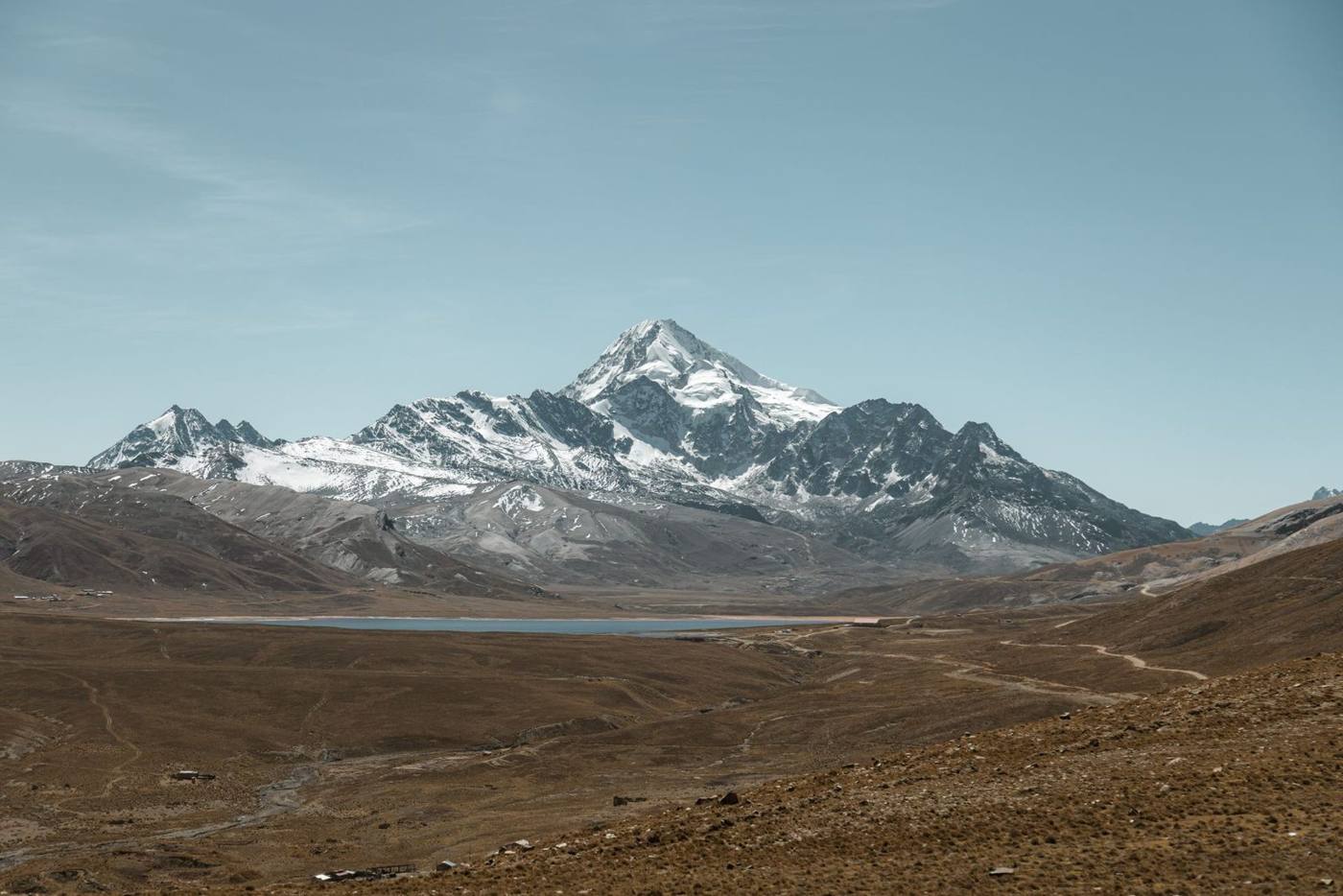
Cordillera Real and Huayna Potosí
A multi-day trek beneath the glaciers of the Cordillera Real, then the guided climb of Huayna Potosí at 6,088 metres.
 7 daysEasy
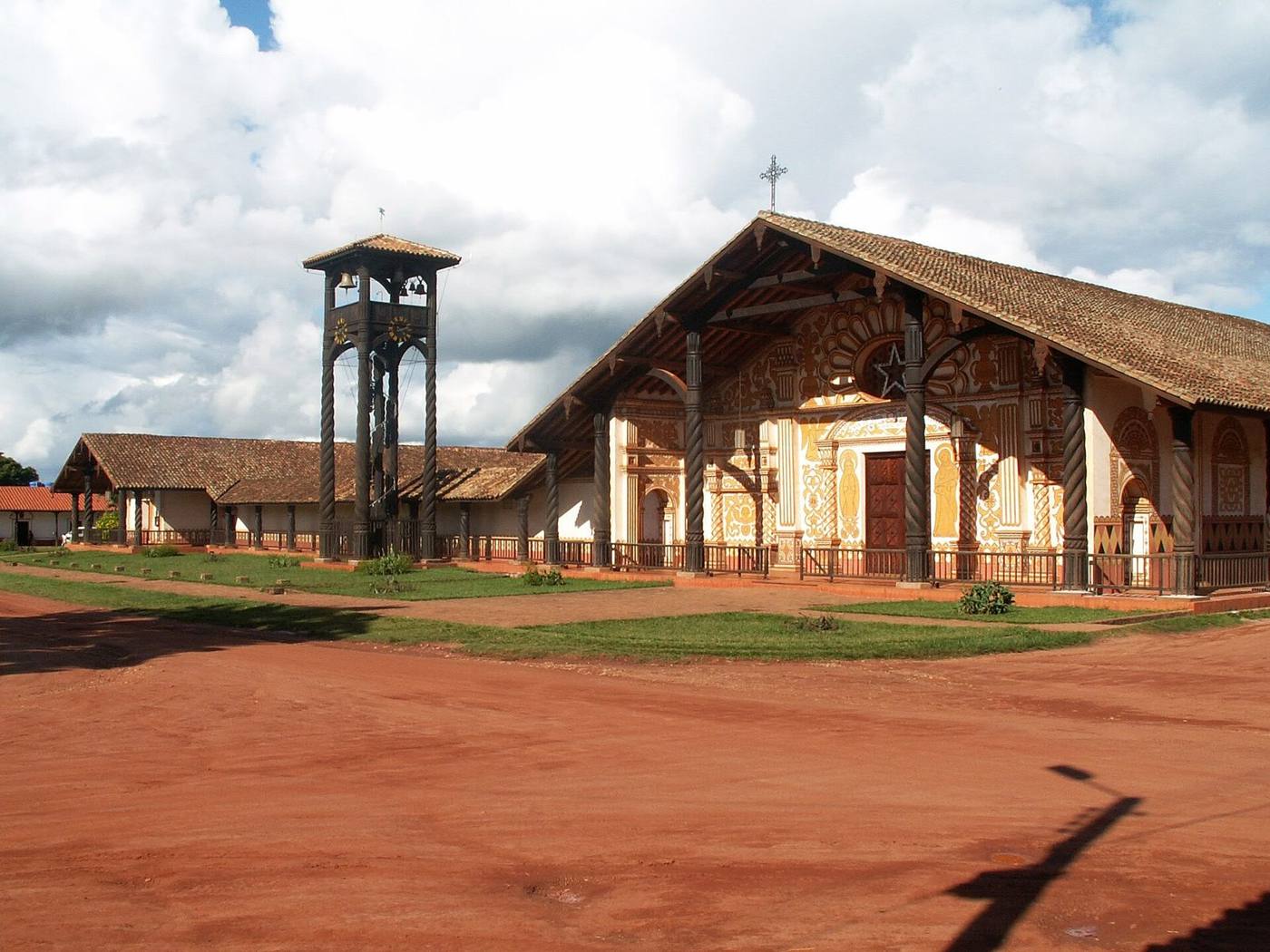
The Jesuit missions of Chiquitania
From Santa Cruz to the UNESCO-listed wooden churches of San Javier, Concepción, San Ignacio and San José, still alive with baroque music.
 18 daysModerate
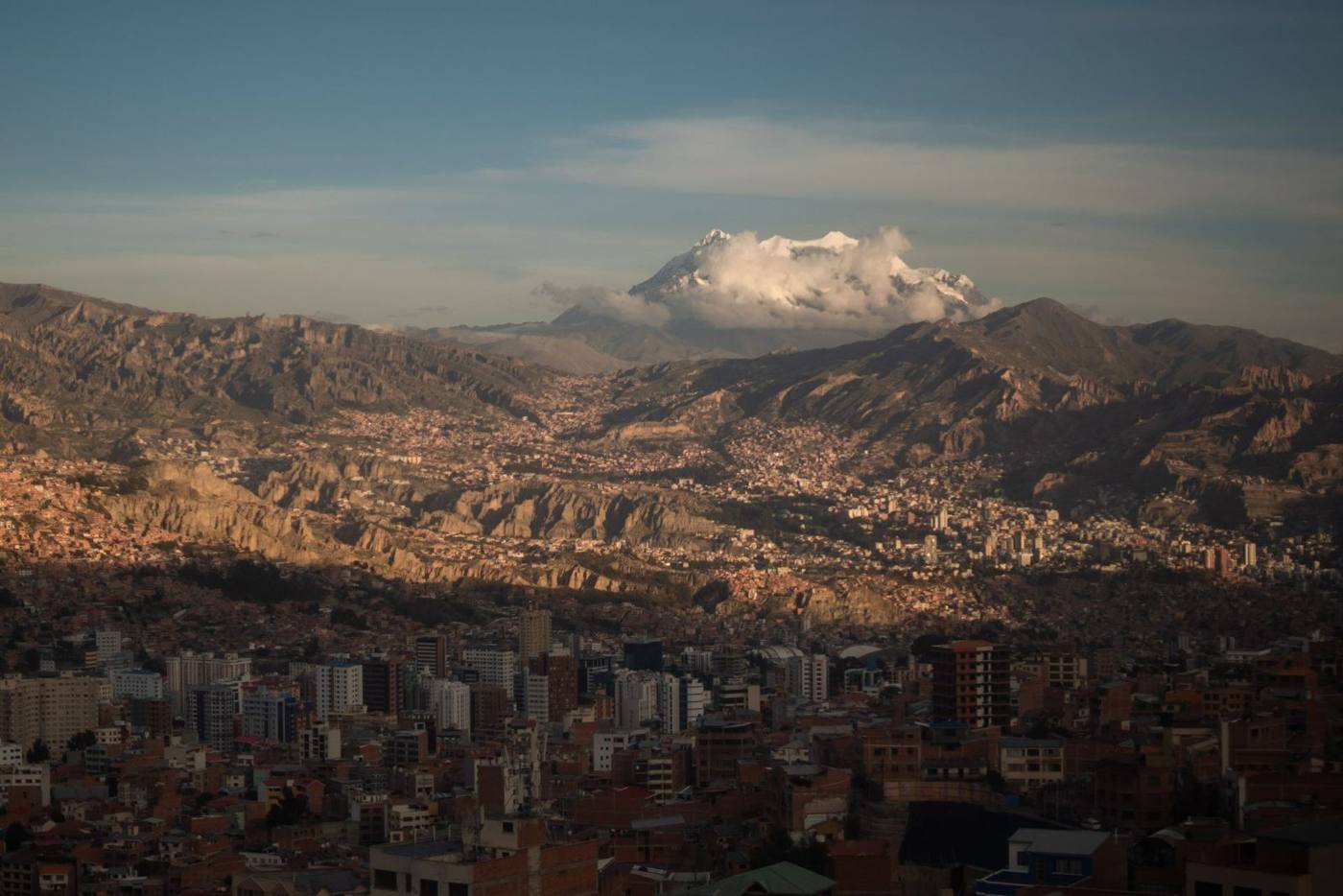
The complete Bolivia
Lake Titicaca, La Paz, the Uyuni salt flat and Sud Lípez, Potosí and Sucre, ending in the Amazon at Rurrenabaque.