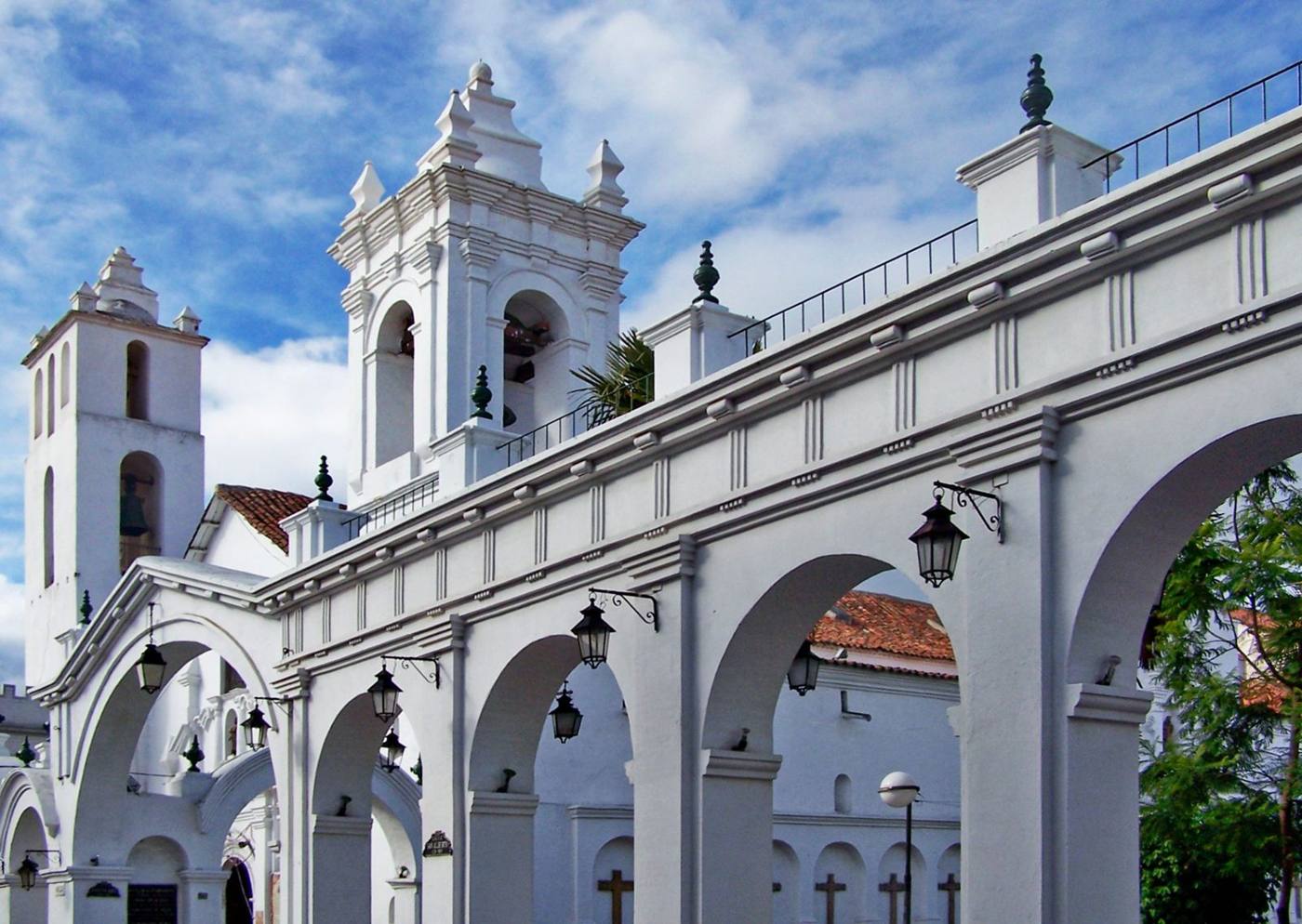
Sucre and Potosí
The white city of Sucre, dinosaur footprints, Tarabuco market and Potosí with the Cerro Rico silver mine.
- Sucre
- Cal Orck'o
- Tarabuco
- Potosí
Day by day
- Day 1
Arrival in Sucre, the white city
This six-day trip takes you to the two most beautiful colonial cities in Bolivia: Sucre, the white city, pleasant and mild, and Potosí, the silver city at the foot of the Cerro Rico, harsh and high. In between you will see the dinosaur footprints of Cal Orck'o, the textiles of the Andean communities and the market of Tarabuco.
Before you go: Italian citizens enter Bolivia with a passport valid for at least six months, without a visa for tourist stays of up to three months; at the border officials often stamp 30 days, so check the stamp. Other nationalities should check their own rules. Protests and road blockades are frequent and sudden, including on the road between Sucre and Potosí: keep a spare day. The Italian foreign ministry advises particular caution in mining areas. Use radio taxis called by your accommodation.
Sucre lies at about 2,800 metres: you hardly feel the altitude, but take the first day slowly. It is the constitutional capital of Bolivia, and its historic centre is a UNESCO World Heritage Site.
In the afternoon walk around Plaza 25 de Mayo, the heart of the city, with palm trees, benches and white buildings with wooden balconies. Visit the cathedral and the streets around it, with churches, courtyards and lime-washed colonial houses.
Towards evening go to the central market for a fresh fruit juice and try salteñas, baked pastries filled with meat in a sweet and spicy sauce, which here are eaten in the morning.
Practical tip: Sucre is an ideal city for a short Spanish course, with many schools and families who host students.
- Day 2
The Casa de la Libertad and the Recoleta convent
In the morning visit the Casa de la Libertad, on Plaza 25 de Mayo. In this building, once part of a Jesuit college, Bolivia's declaration of independence was signed in 1825. The museum tells the story of the country's birth with portraits, documents and the hall where the deputies met. Check prices and times; visits are often guided.
Then walk through the streets of the centre, among white churches such as San Felipe Neri, from whose roofs, when they are open, you can see the whole city. Check prices and times.
In the afternoon walk up to the Recoleta district, on a hill above the centre. The climb is short but steep. At the top there is a square with stone arcades, the Franciscan convent of La Recoleta, with cloisters, gardens and a carved wooden choir, and a viewpoint from which you see the red roofs and white houses all the way to the mountains.
Stay for sunset, when the light turns warm on the façades. Then go down to the centre for dinner.
In the evening try chorizo chuquisaqueño, Sucre's typical sausage, or mondongo, a pork dish with maize and chilli. For dessert, Sucre makes good chocolate.
Practical tip: in Sucre many museums and churches close in the middle of the day, so plan your visits for the morning and the late afternoon.
- Day 3
The dinosaur footprints of Cal Orck'o and Andean textiles
In the morning go to Cal Orck'o, on the outskirts of Sucre, where an almost vertical rock wall preserves thousands of dinosaur footprints. Millions of years ago the wall was the muddy bed of a lake, where several species walked; then earth movements lifted it up. The footprints were discovered thanks to the work of a limestone quarry.
The park has a viewpoint over the wall, life-size dinosaur models and a small museum. On some days there are guided visits that go closer to the wall wearing helmets: check prices and times. The best light for seeing the footprints is around midday.
In the afternoon return to the centre and visit the ASUR museum, devoted to the region's indigenous textiles. You will see textiles from the Jalq'a communities, with fantastic animals on a dark background, and those from Tarabuco, with colourful and geometric figures. There are often weavers at work showing the techniques. Check prices and times.
If you want to buy a textile, the museum shop and nearby markets sell handmade pieces; a good textile takes weeks or months of work, and the price reflects that.
Practical tip: at Cal Orck'o the sun is strong and there is no shade, so bring a hat, sun cream and water.
- Day 4
The Tarabuco market or the Maragua crater
Today you have two options. If it is Sunday, go to Tarabuco, a village about two hours from Sucre, where a large market is held. The communities of the area come down from the villages in traditional dress: the men wear a colourful poncho and a leather hat shaped like a helmet, the women hand-woven skirts and shawls. Textiles, hats, fruit, potatoes and tools are sold. Always ask permission before photographing people.
Every year, in March, the Pujllay festival is also held here, with music, dances and large offerings, linked to the end of the rainy season and to a battle from the independence period.
Alternatively, go trekking to the Maragua crater, about three hours by road from Sucre. It is not a volcano but a large natural bowl with layers of red, purple and white rock, farmed and inhabited by Jalq'a communities. Nearby there are also dinosaur footprints and a pre-Inca stone path. You go with a guide, who arranges transport and simple accommodation in the communities.
Either way, in the evening you return to Sucre, or sleep in Maragua if you choose the two-day trek.
Practical tip: at the Tarabuco market bargain politely and carry cash in small notes, because change is often a problem.
- Day 5
Potosí and the Casa de la Moneda
In the morning leave for Potosí, about three hours by road through mountains, canyons and high plains. The city lies at about 4,000 metres, one of the highest in the world: the air is thin and cold. Move slowly, drink plenty, avoid alcohol and, if you have heart or breathing problems, talk to your doctor before the trip.
In the sixteenth and seventeenth centuries Potosí was one of the richest and most populous cities in the world, thanks to the silver of the Cerro Rico, the reddish mountain that towers over it. The historic centre, with baroque churches and wooden balconies, is a UNESCO World Heritage Site.
In the afternoon visit the Casa Nacional de Moneda, the colonial mint, one of the largest civil buildings in South America. Guided visits show the wooden machines for striking coins, once driven by mules and men, the furnaces, the silver coins and a collection of paintings. You understand well how the miners worked and what this wealth cost. Check prices and times, and the times of tours in foreign languages.
About the mine: the Cerro Rico tour enters mines that are still active, run by cooperatives with no safety standards, with narrow tunnels, dust, gases and explosives. In 2026 dozens of miners died and the mountain has stability problems. We advise against going in: look at the Cerro Rico from the city.
Practical tip: in Potosí bring warm clothes even in summer, because in the evening and at night the temperature drops below freezing.
- Day 6
Last morning in Potosí and departure
In the morning walk around the centre of Potosí. Visit the cathedral on Plaza 10 de Noviembre and the baroque churches in the nearby streets, with carved stone façades showing Andean figures and symbols of the sun and the moon. The convent of Santa Teresa, with its collection of religious art, tells the story of the life of cloistered nuns in colonial times. Check prices and times.
If the sky is clear, climb to a viewpoint in the city to see the whole Cerro Rico, scarred by almost five centuries of digging. Then set off. Potosí has few flights: many travellers return by car or bus to Sucre, which has more connections, or continue towards Uyuni. Allow a margin for road blockades.
Trip summary: six days between Sucre, the white city with the Casa de la Libertad, the Recoleta and the textile museum, the dinosaur footprints of Cal Orck'o, the Tarabuco market or the Maragua crater, and Potosí, with the Casa de la Moneda and the story of silver. Two different cities: one gentle and bright, the other harsh and deep.
When to go: from April to October, in the dry season, with sunny days and cold nights, especially in Potosí. From December to March it often rains and roads can be hit by landslides.
Practical tip: if you continue to the Uyuni salt flat, leave Potosí early in the morning and travel only by day.
Bolivia's two finest cities, one pleasant and one harsh. Sucre sits at 2,800 metres with a mild climate and is a great place to learn Spanish. The Potosí mine is still active and the visit is intense, in narrow, dusty tunnels: not for anyone with claustrophobia or breathing problems.
Before you go
- Documents and visa
- Passport valid for at least six months on arrival, with two blank pages; British citizens can visit without a visa for up to 90 days in a year, but border officials often stamp 30 days. Get an entry stamp, or you may be fined when leaving; if you cross overland, get stamps on both sides of the border. You may be asked for proof of accommodation for the first night.
- Health and vaccines
- A yellow fever certificate is required if you arrive from a risk country; the vaccine is strongly advised for the tropical areas of the departments of La Paz, Beni, Pando, Santa Cruz, Cochabamba, Chuquisaca and Tarija, at least 10 days before travel. The lowlands have mosquitoes and dengue: use repellent. La Paz, Lake Titicaca and Potosí lie between 3,600 and 4,000 metres: go up slowly and talk to your doctor before leaving, especially if you have heart problems or high blood pressure. Get insurance with medical cover and repatriation.
- Money and payments
- Boliviano. The exchange rate with the dollar has changed a lot in recent years: change money only at banks and authorised bureaux, never in the street. Cards work in cities and larger hotels; in villages, markets and the Amazon you need cash.
- Power sockets
- Types A and C, usually 230 volts (in some areas of La Paz also 115 volts): you need an adapter for British plugs.
- Time zone
- UTC-4 all year, four hours behind the UK in winter and five in summer.
- Safety
- The FCDO advises against all but essential travel to the Chapare region of Cochabamba Department, including Villa Tunari, and to routes 4 and 24 where they cross it; the United States says do not travel there. Protests and road blockades are frequent and start with little warning, even on roads to airports: allow spare days and never try to cross a blockade. Express kidnappings with fake taxis and fake police are reported in La Paz and on routes from the borders and Lake Titicaca: use radio taxis booked by your accommodation and never get into an unmarked police car. For the Yungas, Rurrenabaque and Madidi use reputable, licensed guides. Official advice: GOV.UK.
Information checked in November 2026 for Italian and EU citizens. Rules change: always check before you travel.
Variations
Shorter version: in 3 days, just Sucre with Cal Orck'o and the Recoleta.
Longer version: in 9 days, continue from Potosí to the Uyuni salt flat.
Frequently asked questions
Can you visit the Potosí mine?
Tours exist, but the mines are still active and have no safety standards: dust, gases, explosives and collapses. In 2026 dozens of miners died. We advise against the visit.
Will I feel the altitude in Sucre or Potosí?
Sucre, at about 2,800 metres, is easy to cope with. Potosí, at about 4,000, is much harder: arrive after a few days at altitude and move slowly.
Is the Tarabuco market held every day?
No, the big market is on Sunday. On other days the village is quiet.
Indicative itinerary written by World Atlas. Before booking, check timetables, seasonal openings, documents and safety.
 6 daysModerate
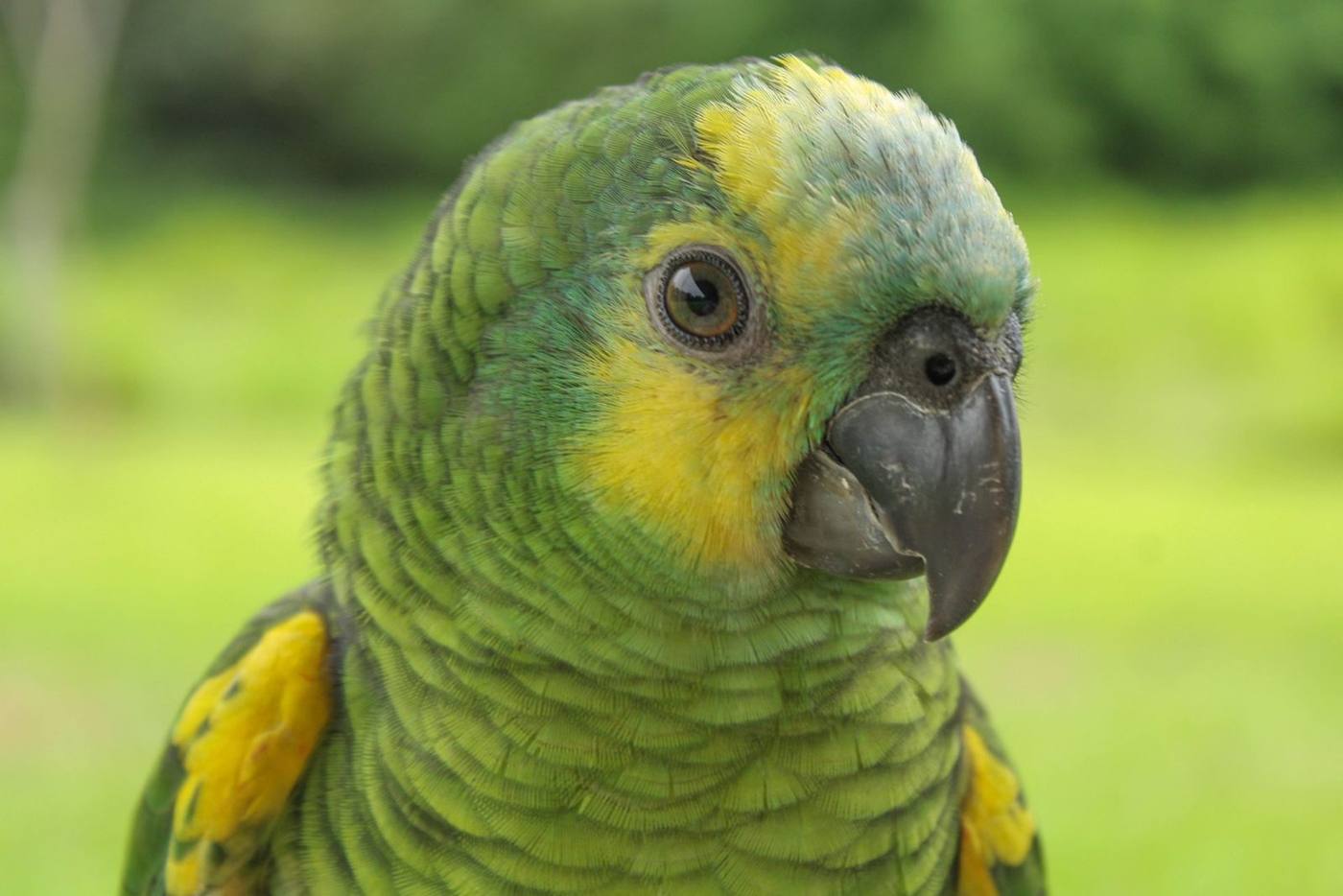
Bolivian Amazon: Madidi and the pampas
From Rurrenabaque by canoe into the forest of Madidi park, then the Yacuma pampas among caimans, capybaras and pink dolphins.
 10 daysChallenging
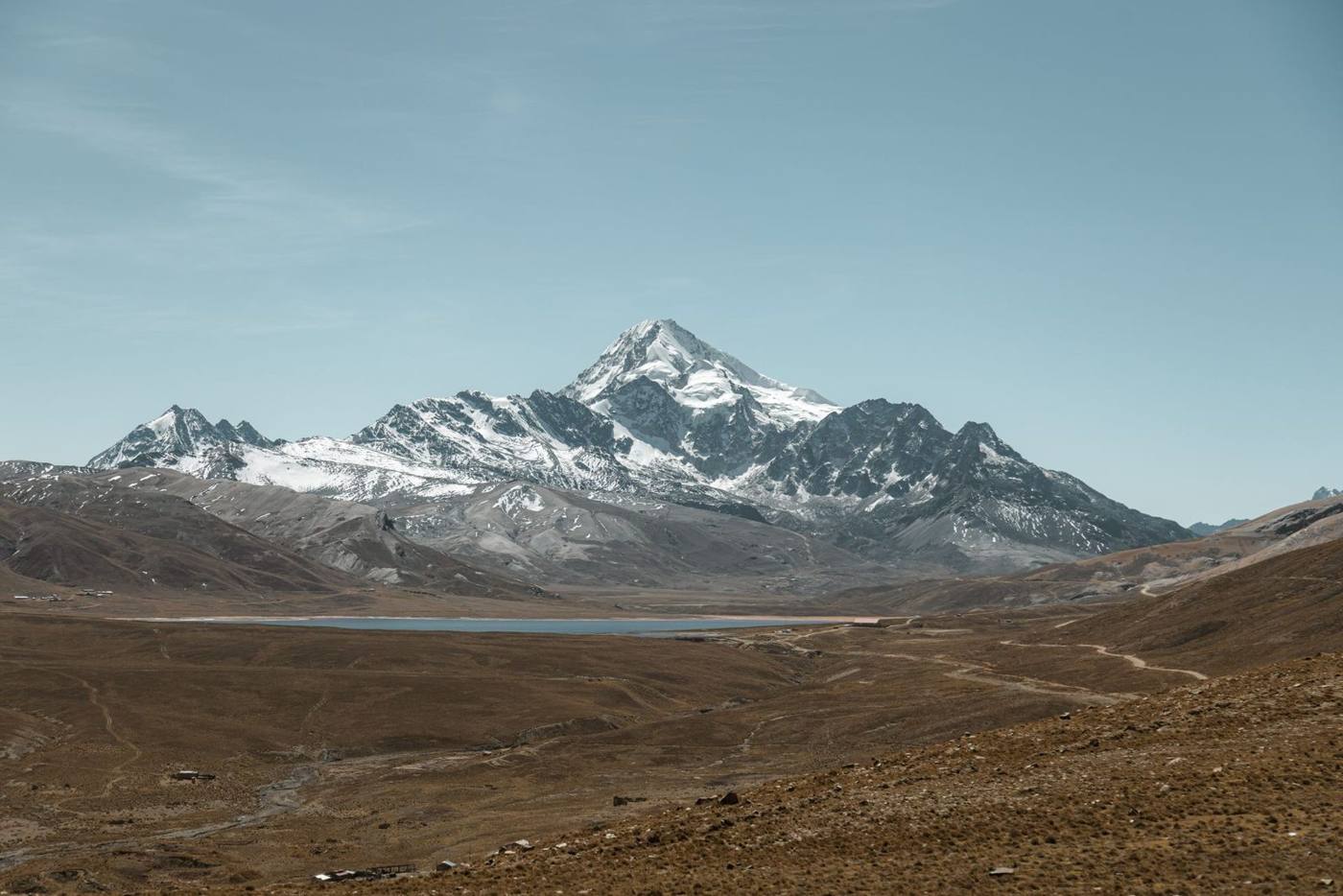
Cordillera Real and Huayna Potosí
A multi-day trek beneath the glaciers of the Cordillera Real, then the guided climb of Huayna Potosí at 6,088 metres.
 7 daysEasy
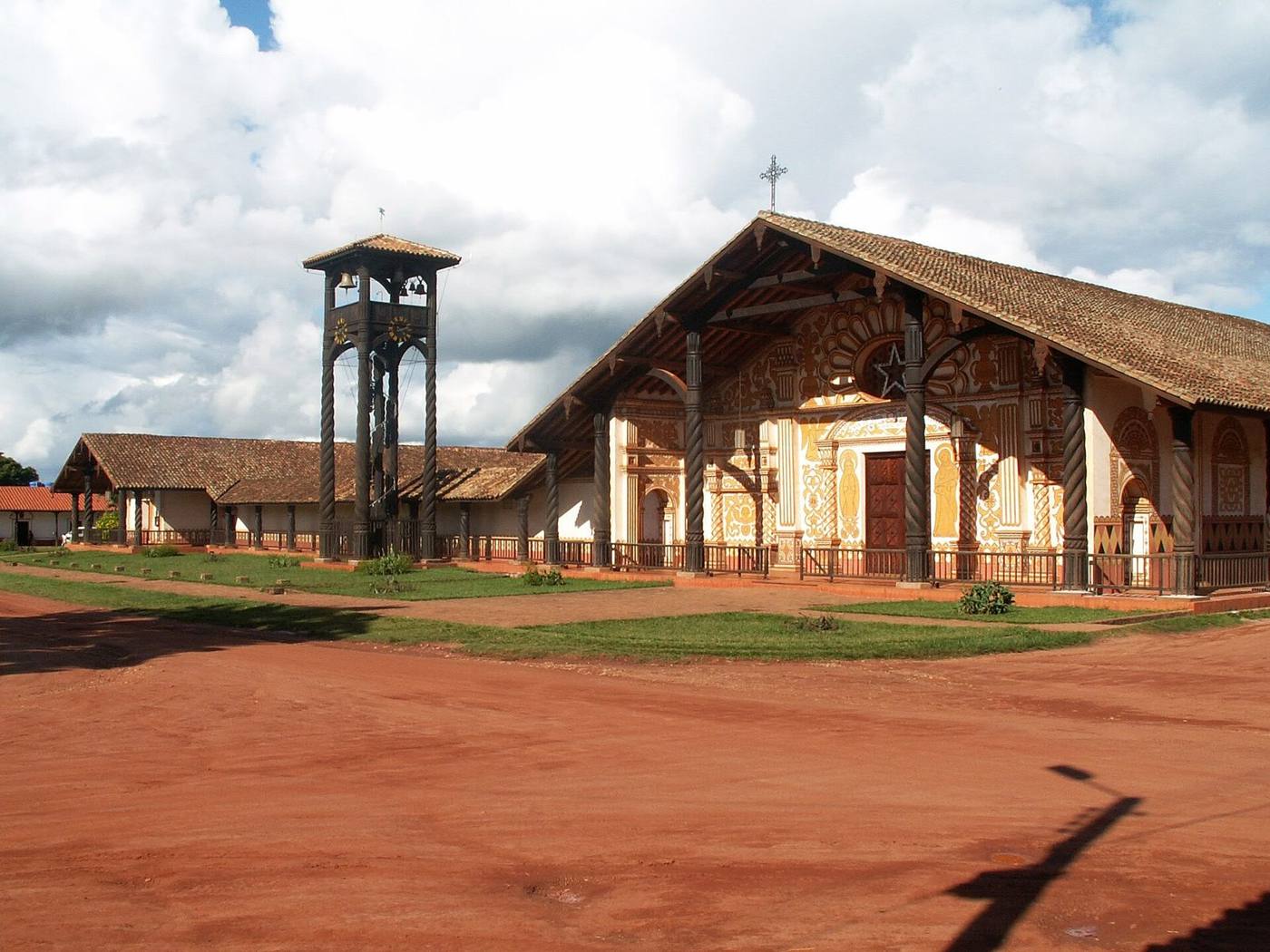
The Jesuit missions of Chiquitania
From Santa Cruz to the UNESCO-listed wooden churches of San Javier, Concepción, San Ignacio and San José, still alive with baroque music.