Samaipata and the Che Trail
The pre-Inca fort of Samaipata, the giant ferns of Amboró park and the places of Che Guevara's last days in Vallegrande and La Higuera.
- Santa Cruz
- Samaipata
- Amboró
- Vallegrande
- La Higuera
- Santa Cruz
Day by day
- Day 1
From Santa Cruz to Samaipata
This six-day trip starts in Santa Cruz, on the eastern plains of Bolivia, and climbs to the hills and valleys of Samaipata, Vallegrande and La Higuera. It combines archaeology, nature and twentieth-century history: El Fuerte, a carved rock that is a World Heritage Site, the giant ferns of Amboró park and the places of Che Guevara's last days.
Before you go: Italian citizens enter Bolivia with a passport valid for at least six months, without a visa for tourist stays of up to three months; at the border officials often stamp 30 days, so check the stamp. Other nationalities should check their own rules. The yellow fever vaccine is advised for the tropical areas of Santa Cruz department: ask your doctor. The Italian foreign ministry advises caution in the rural areas of Santa Cruz and reports thefts on the road between Santa Cruz and Cochabamba: travel only by day, with reliable transport. Protests and road blockades are frequent, so keep a spare day.
From Santa Cruz to Samaipata it is about three hours on a paved road, which leaves the hot plain and climbs along a river valley, between red rocks and woods. You can use a shared taxi from the city or a car with a driver booked through your accommodation.
Samaipata is a quiet village at about 1,650 metres, with low tiled-roof houses, a tree-lined square and a mild climate. Many foreigners who stopped here have stayed on. In the afternoon walk around the centre and climb to a viewpoint in the hills to watch the sunset.
Practical tip: in Santa Cruz use radio taxis called by your accommodation, because robberies in taxis hailed in the street have increased in the city.
- Day 2
El Fuerte de Samaipata
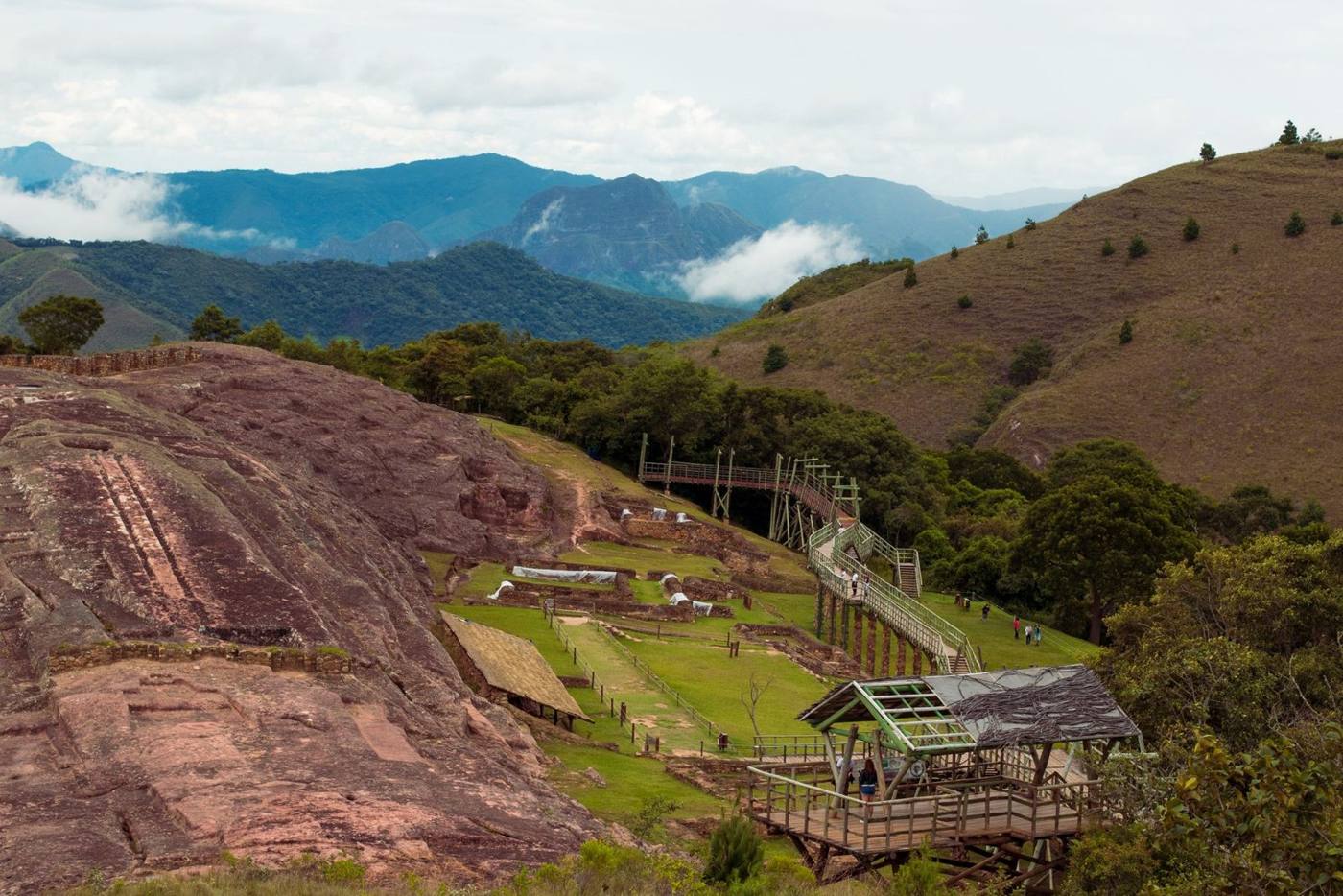
In the morning go to El Fuerte, about ten kilometres from the village, on a hill at almost 2,000 metres. It is a huge rock of red sandstone, about two hundred metres long, carved on top with channels, niches, basins and animal figures such as felines and snakes. It is a UNESCO World Heritage Site.
The site was a religious centre for the peoples who lived here before the Incas; then the Incas used it as an outpost on the edge of their empire, towards the plains, and later the Spanish arrived. Around the rock there are the remains of buildings, squares and houses. Today you cannot walk on the carved rock, to protect it: you go round it on walkways and paths, with viewpoints from above.
Check prices and times. The visit takes about two hours. With a guide you understand the carved symbols better, as they are otherwise hard to read.
From the top the view stretches over green valleys and the mountains of Amboró park. In the afternoon return to the village and visit the small archaeological museum, which displays ceramics and objects found at the site.
In the evening Samaipata offers Bolivian and international food. Try empanadas, humintas made with maize and chicken with rice.
Practical tip: go to El Fuerte early in the morning, when the light is soft and it is cooler; in the afternoon the sun is strong and clouds often cover the valleys.
- Day 3
Amboró park and the giant ferns
Today you enter Amboró National Park, a vast protected area where the Andes, the Amazon lowlands and the Chaco meet. That is why it is so rich in species: hundreds of birds, monkeys, spectacled bears, which are rarely seen, and a great variety of plants.
From the Samaipata area you visit the southern part of the park, with cloud forest, damp and often wrapped in mist. A car with a guide takes you in about an hour to the start of the trail, then you walk for a few hours. The best moment is the forest of giant ferns, several metres tall, ancient plants that seem to come from the age of the dinosaurs. Mosses, orchids and bromeliads grow among the ferns.
The visit is only with a licensed guide, who knows the trails and the wildlife. Check the prices and times of the entrance. The trail is muddy and steep in places: you need hiking boots and a waterproof jacket, even if the sun is shining in the village.
With luck you will see the Andean cock-of-the-rock, a bright red bird, or hear monkeys in the forest.
In the evening return to Samaipata and rest, because tomorrow is a long day on the road.
Practical tip: bring water, something to eat and repellent; in the damp forest there are mosquitoes and insects even when it is cool.
- Day 4
Vallegrande, the laundry and Che's mausoleum
In the morning leave Samaipata and drive to Vallegrande, about three hours on a mountain road, partly unpaved, through valleys, fields and small villages. Leave early and travel by day, with a driver who knows the area.
Vallegrande is a quiet town in a green valley, forever linked to October 1967. After the capture and killing of Ernesto Che Guevara at La Higuera, the Bolivian army brought his body here and showed it to journalists in the hospital laundry, a small concrete structure open at the sides. Today its walls are covered in writing and messages from visitors from all over the world.
Che's body was then buried in secret near the airstrip. The remains were found only thirty years later, in 1997, and taken to Cuba. A mausoleum has been built on the burial site, next to the graves of other guerrillas. A cultural centre in town tells the story with photos and documents.
Visits to the Che sites are usually made with a local guide, who opens the sites and explains the events. Check prices and times.
In the evening walk around the main square and sleep in Vallegrande.
Practical tip: read something about Che's campaign in Bolivia before the trip, because the places are simple and only make sense if you know the story.
- Day 5
La Higuera, the school where Che was killed
Today the road goes down to La Higuera, a tiny village about two hours of dirt road from Vallegrande, passing through the town of Pucará. The landscape is dry and mountainous, with deep canyons, cacti and few farmed fields. The road is slow and dusty, and after rain it can become difficult: you need a high car with an experienced driver.
Only a few families live in La Higuera. In the square there is a large bust of Che and some statues. The small school where Guevara was held prisoner and killed on 9 October 1967, the day after his capture in the nearby Churo ravine, is now a small museum with photos, objects and messages. Check prices and times, because you often have to find the person with the keys.
If you have energy and a guide, you can walk down towards the Churo ravine, where the last fight took place. The path is steep and hot: bring plenty of water and set off in the cooler hours.
Every year, around 8 October, visitors come here to remember Che. For the rest of the year the village is silent, and the contrast with the fame of the man is striking.
In the afternoon return to Vallegrande for the night.
Practical tip: in La Higuera there are very few services, so bring a packed lunch, water and cash in small notes.
- Day 6
Back to Santa Cruz and departure
In the morning leave Vallegrande and return to Santa Cruz, passing near Samaipata again. The journey takes several hours: leave early to reach the city in daylight. If you have time, stop in Samaipata for lunch.
In Santa Cruz, if your flight leaves late, take a walk around the main square, with the brick cathedral and the arcades of the houses. It is a hot, modern and lively city, very different from the cities of the high plateau. Remember that road blockades can also slow down the road to Viru Viru airport, north of the city: allow extra time.
Trip summary: six days between Samaipata, with the carved rock of El Fuerte and the cloud forest of Amboró park with its giant ferns, and the Ruta del Che, from Vallegrande, with the laundry and the mausoleum, to the school of La Higuera. It is a quiet trip that combines archaeology, nature and history, suited to those who know Che's story and do not mind dirt roads.
When to go: from April to October, in the dry season, with easier roads and clear skies; nights in the mountains are cool. From December to March it rains a lot and the dirt roads turn muddy.
Practical tip: if you want to continue, Samaipata combines well with the Jesuit missions of the Chiquitania, east of Santa Cruz.
A quiet trip combining archaeology, nature and 20th-century history. Samaipata is a pleasant place for a few days of rest. The Che Trail takes time on dirt roads and really appeals only to those who know his story. It pairs well with the Chiquitania missions.
Before you go
- Documents and visa
- Passport valid for at least six months on arrival, with two blank pages; British citizens can visit without a visa for up to 90 days in a year, but border officials often stamp 30 days. Get an entry stamp, or you may be fined when leaving; if you cross overland, get stamps on both sides of the border. You may be asked for proof of accommodation for the first night.
- Health and vaccines
- A yellow fever certificate is required if you arrive from a risk country; the vaccine is strongly advised for the tropical areas of the departments of La Paz, Beni, Pando, Santa Cruz, Cochabamba, Chuquisaca and Tarija, at least 10 days before travel. The lowlands have mosquitoes and dengue: use repellent. La Paz, Lake Titicaca and Potosí lie between 3,600 and 4,000 metres: go up slowly and talk to your doctor before leaving, especially if you have heart problems or high blood pressure. Get insurance with medical cover and repatriation.
- Money and payments
- Boliviano. The exchange rate with the dollar has changed a lot in recent years: change money only at banks and authorised bureaux, never in the street. Cards work in cities and larger hotels; in villages, markets and the Amazon you need cash.
- Power sockets
- Types A and C, usually 230 volts (in some areas of La Paz also 115 volts): you need an adapter for British plugs.
- Time zone
- UTC-4 all year, four hours behind the UK in winter and five in summer.
- Safety
- The FCDO advises against all but essential travel to the Chapare region of Cochabamba Department, including Villa Tunari, and to routes 4 and 24 where they cross it; the United States says do not travel there. Protests and road blockades are frequent and start with little warning, even on roads to airports: allow spare days and never try to cross a blockade. Express kidnappings with fake taxis and fake police are reported in La Paz and on routes from the borders and Lake Titicaca: use radio taxis booked by your accommodation and never get into an unmarked police car. For the Yungas, Rurrenabaque and Madidi use reputable, licensed guides. Official advice: GOV.UK.
Information checked in November 2026 for Italian and EU citizens. Rules change: always check before you travel.
Variations
Shorter version: in 3 days, just Samaipata with El Fuerte and Amboró park.
Longer version: in 10 days, add the Jesuit missions of the Chiquitania.
Frequently asked questions
Is the Ruta del Che interesting for everyone?
It mainly appeals to those who know Che's story: the places are simple and remote. If you are only after nature, you can stay in Samaipata and Amboró park.
Can you walk on the rock of El Fuerte?
No: to protect the carvings you go round it on walkways and paths, with viewpoints.
Do you need a car to reach La Higuera?
Yes, a high car with a driver is best: the road from Vallegrande is unpaved and slow, and public transport is rare.
Indicative itinerary written by World Atlas. Before booking, check timetables, seasonal openings, documents and safety.
 5 daysEasy
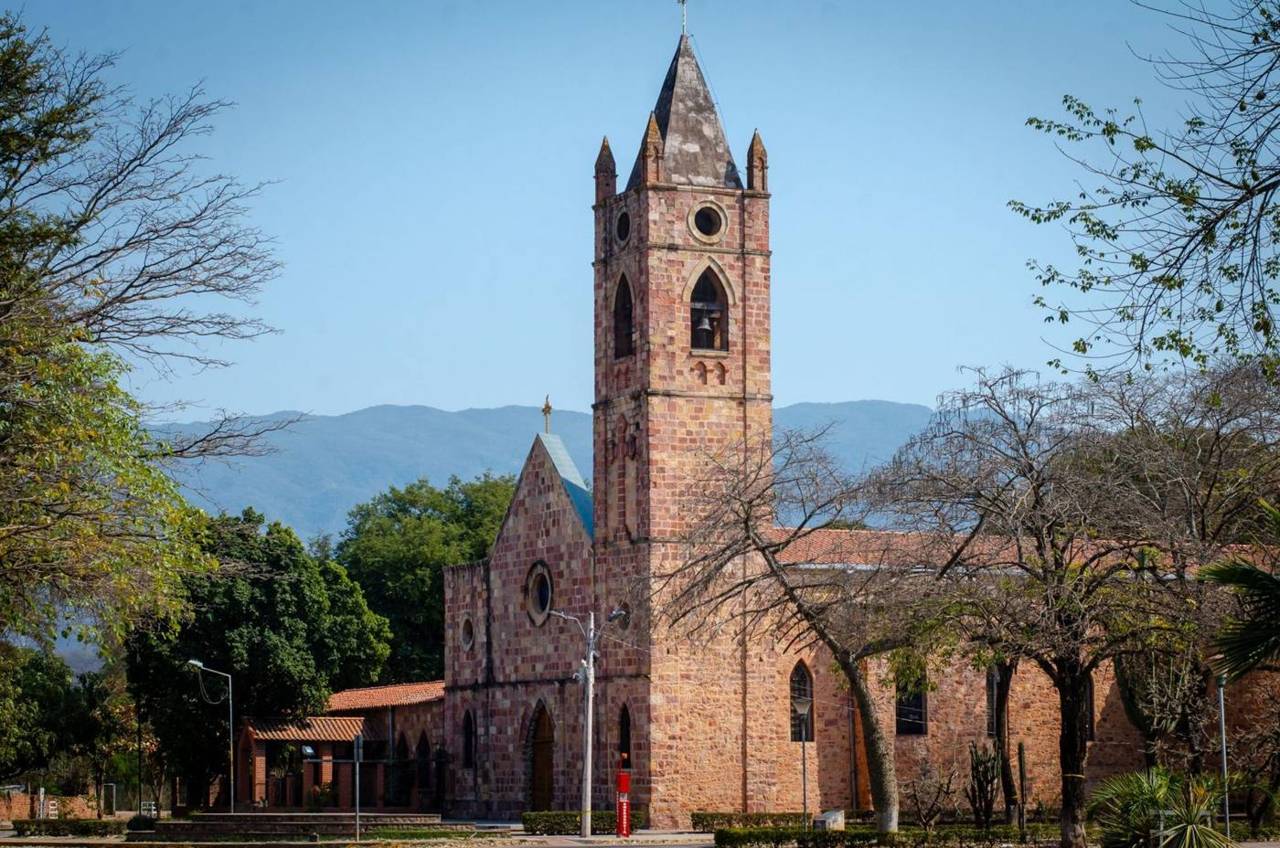
Tarija and the high-altitude vineyards
Bolivia's quiet south: wineries between 1,800 and 2,000 metres, singani brandy, the Concepción valley and colonial villages.
 8 daysModerate
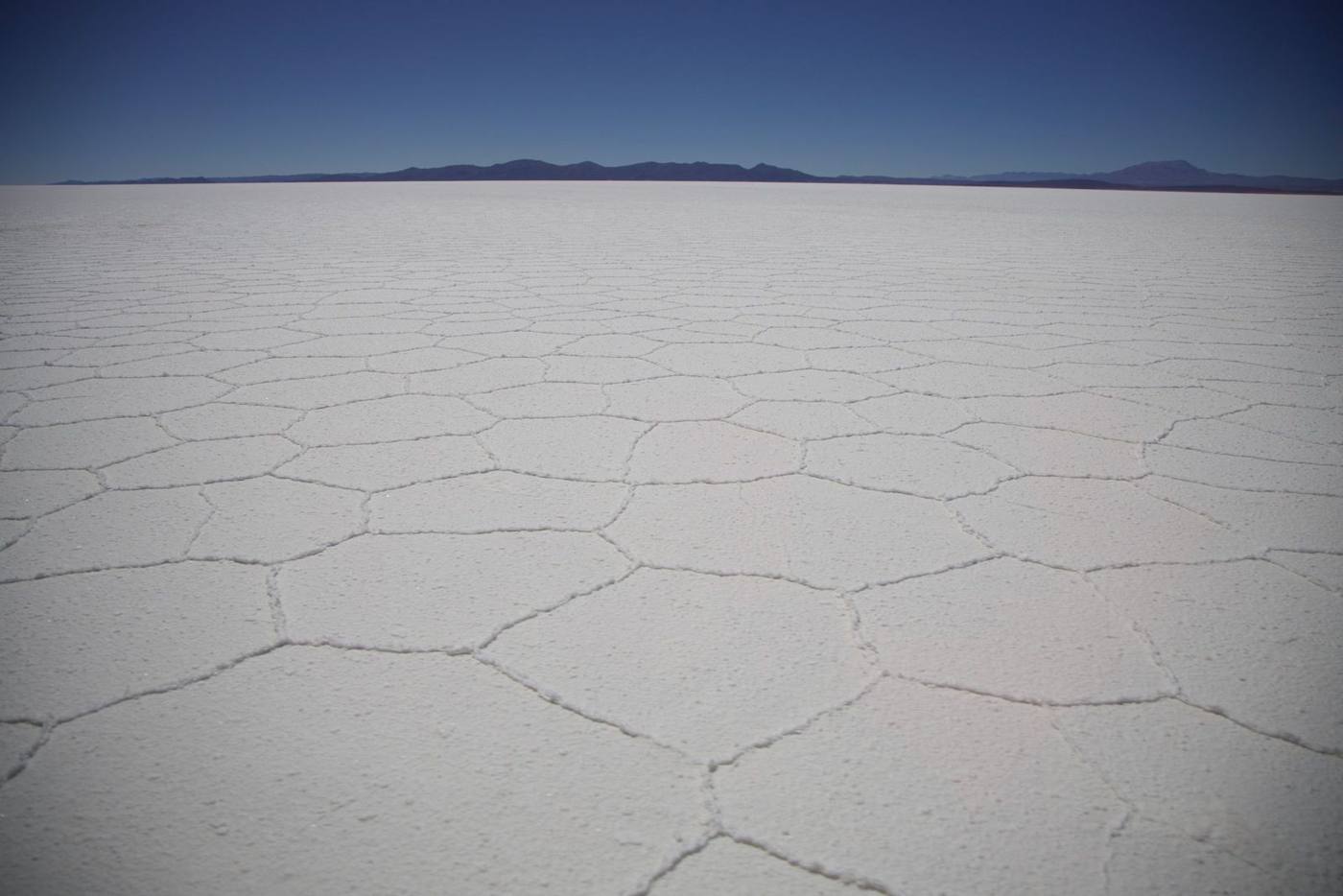
Uyuni salt flat and the Sud Lípez lagoons
From La Paz to the world's largest salt flat, then three days by 4x4 among red and green lagoons, geysers and flamingos.
 6 daysEasy
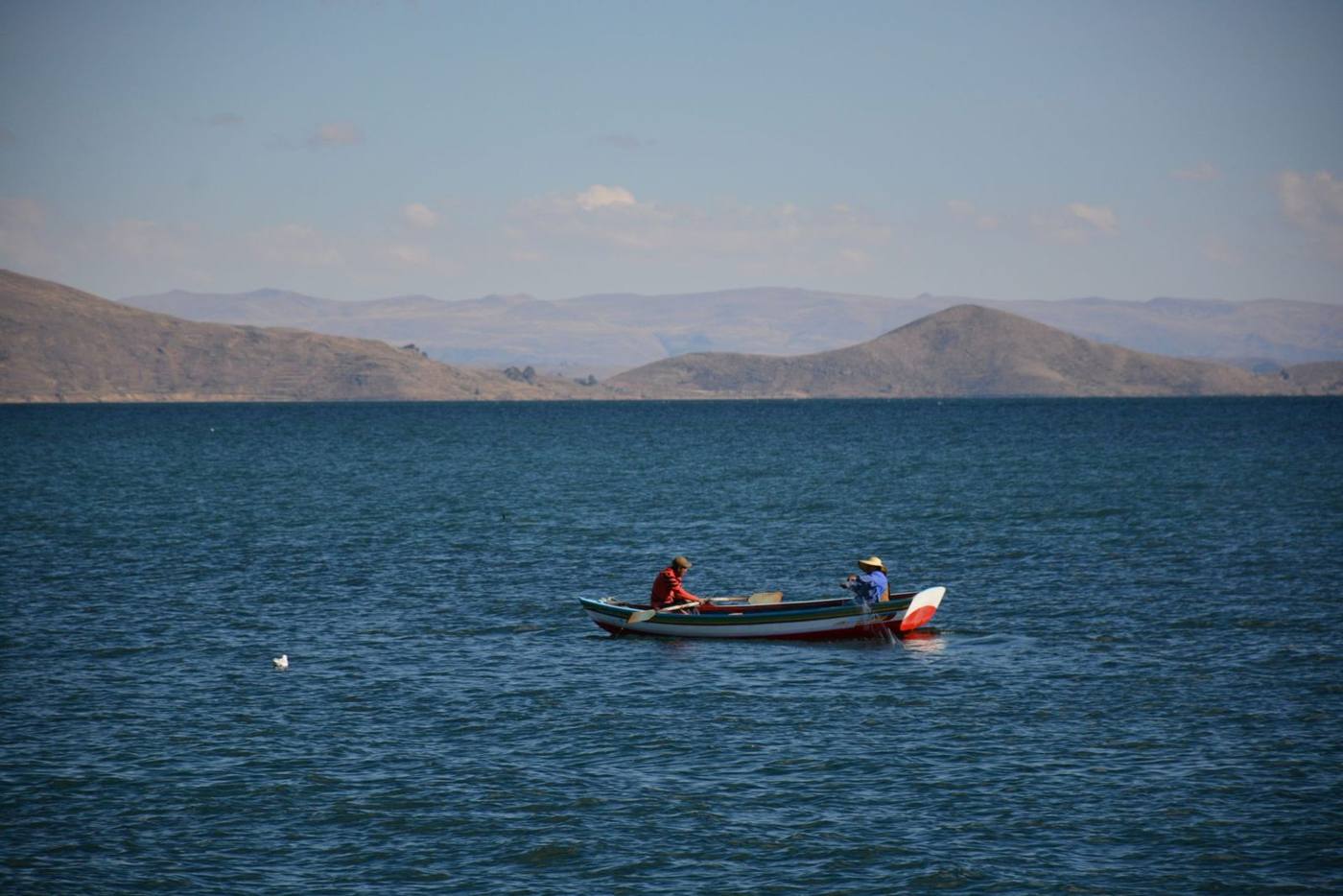
La Paz and Lake Titicaca
The world's highest capital, the ruins of Tiwanaku, Copacabana and a night on the Isla del Sol, cradle of the Incas.