Wallonia: Namur, Liège and Spa
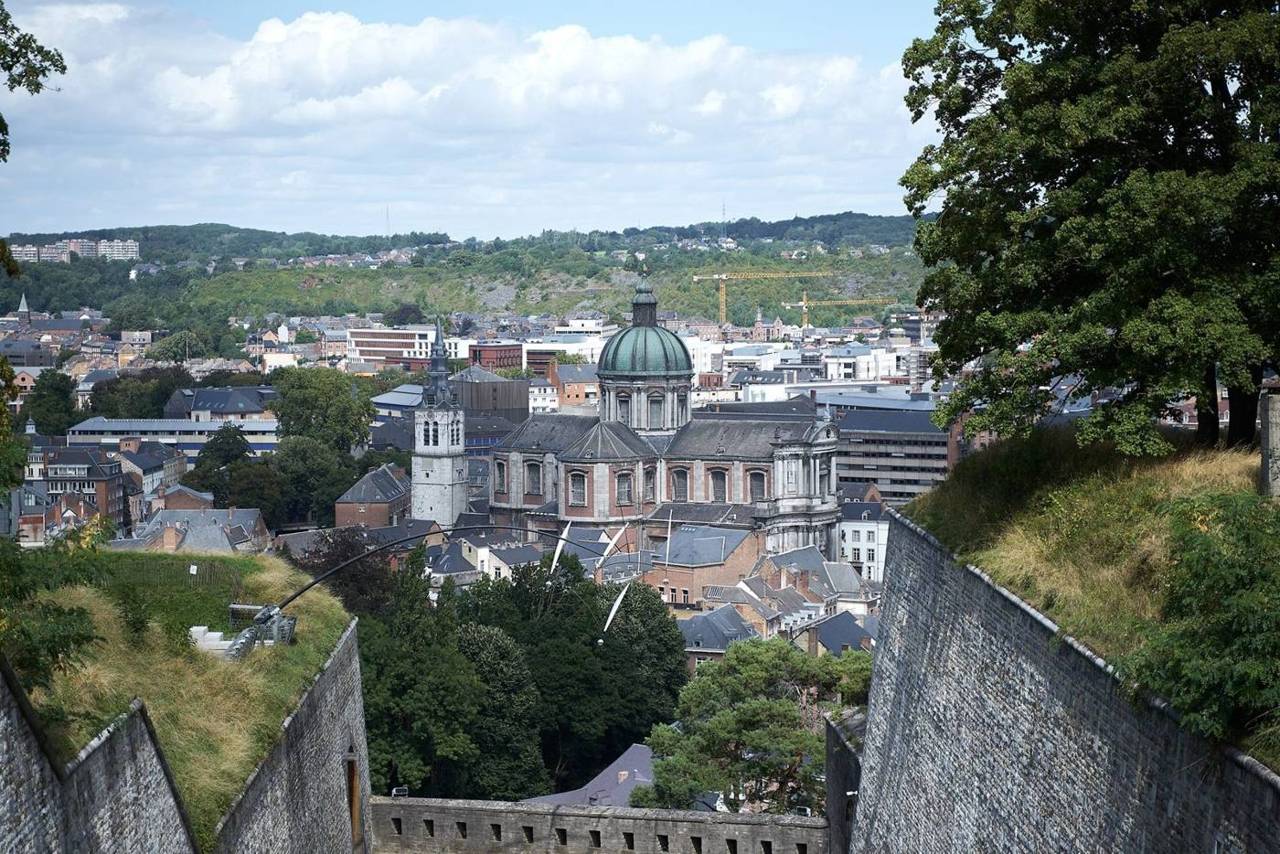
Namur citadel, Liège with the Montagne de Bueren stairway and Calatrava's station, Spa and its baths and the Hautes Fagnes.
- Namur
- Liège
- Spa
- Hautes Fagnes
Day by day
- Day 1
Namur: the citadel and the lanes of the centre
This four-day trip takes you to Wallonia, French-speaking Belgium, between the citadel of Namur, the down-to-earth city of Liège, the waters of Spa and the peat bog of the Hautes Fagnes. From Luxembourg you get there in less than two hours.
Before you go: Belgium is part of the European Union and the Schengen area and uses the euro. Italian citizens only need an electronic identity card valid for travel abroad or a passport; the paper identity card has not been valid for travel abroad since 3 August 2026. Other nationalities should check their own rules. Since 23 July 2026 the United States has rated Belgium level 2 for crime, terrorism and unrest, and the Belgian government keeps the terrorist threat at level 3, serious. The UK warns of pickpockets at Midi and Nord stations, on international trains and in the European quarter: keep an eye on your bag and phone.
You arrive in Namur, the capital of Wallonia, where the Sambre meets the Meuse. Above the town, on a rocky spur, stands the citadel, one of the largest fortresses in Europe, strengthened over the centuries. Go up by cable car, reopened in 2021, or on foot along paths through the greenery. At the top visit the Terra Nova centre and, on a guided tour, the underground passages cut into the rock. Check prices and times.
In the afternoon walk down into the old town, with its small squares and façades of brick and blue stone. See the Baroque Saint-Aubin Cathedral and the museum dedicated to Félicien Rops, the nineteenth century artist born in Namur. Check prices and times.
At sunset walk along the Meuse to the footbridge that leads to Jambes, with a view of the illuminated citadel.
Sleep in Namur.
Practical tip: wear comfortable shoes at the citadel, because the routes are long and partly on cobbles and dirt tracks.
- Day 2
Liège: the Montagne de Bueren, La Batte and Guillemins
Today you discover Liège, the most down-to-earth and lively city in Wallonia.
In the morning take the train to Liège, less than an hour along the Meuse valley. You arrive at Guillemins station, designed by the architect Santiago Calatrava and opened in 2009: a great white vault of steel and glass, without façades, where light comes in from every side. Stop for a few minutes on the square in front to see it whole.
If it is Sunday morning, go to La Batte market, along the quays of the Meuse, one of the oldest and largest in Belgium, with fruit, cheese, flowers, clothes and animals. It is the best time to see Liège as it really is.
Then walk to the Palace of the Prince-Bishops, who ruled Liège for almost eight centuries, with a large courtyard surrounded by columns. Not far away is the Montagne de Bueren, a staircase of 374 steps that climbs steeply towards the Citadel hill, between brick houses and gardens. At the top you have a view over the whole city and the valley.
In the afternoon visit the Grand Curtius, the museum of art and history in a mansion on the river, with weapons, glass, religious art and everyday objects. Check prices and times.
In the evening try boulets à la liégeoise, meatballs in a sweet sauce made with apple and pear syrup, with chips, and then the Liège waffle, the dense waffle with grains of caramelised sugar.
Sleep in Liège.
Practical tip: the Montagne de Bueren is hard work; climb it slowly, stopping on the landings, and come down through the lanes of the old quarters.
- Day 3
Spa, its waters and the boardwalks of the Hautes Fagnes
Today you move from the city to nature, towards the highest plateau in Belgium.
In the morning take the train to Spa, about an hour with one change. Spa is the little town that gave its name to every spa in the world: its springs were already famous in the sixteenth century, and in 1717 Tsar Peter the Great came here for treatment. In the centre you see the Pouhon Pierre-le-Grand, the pavilion of one of the springs, the old casino and the Parc de Sept Heures. On the hill above the centre are the modern thermal baths, which you can reach on foot or by funicular, if it is running: treat yourself to a warm bath. Check prices and times.
In the early afternoon drive or take a bus to the Hautes Fagnes, a high-altitude peat bog, unique in Belgium, of heather, golden grasses, dark pools and groves of birch. Start at the Maison du Parc at Botrange, near the Signal de Botrange, which at 694 metres is the highest point in Belgium.
Walk on the wooden boardwalks that cross the bog, for example in the Fagne de la Poleur: they protect the very fragile ground and keep your feet dry. Many parts of the reserve can only be visited with a guide, and when there is a risk of fire a red flag is raised and some areas are closed.
Return to Spa or Liège for the night.
Practical tip: in the Hautes Fagnes the weather changes quickly and it is colder than in the valley; bring a waterproof jacket even in summer and never leave the boardwalks.
- Day 4
A last morning in Liège and departure
The last day is for a few places left out and the journey home.
In the morning, if you slept in Spa, walk in the woods around the town, on the marked paths that climb to the old springs, such as the Géronstère, deep in the forest. Otherwise, in Liège, visit the collegiate church of Saint-Barthélemy, which holds the twelfth century brass baptismal font, one of the masterpieces of Mosan art, with carved figures resting on metal oxen. Check prices and times.
Then stroll through Outremeuse, on the island between the arms of the river, the most working-class quarter of Liège, where the writer Georges Simenon grew up and where a great street festival takes place in mid-August.
Around midday try one last dish of the region: Herve cheese, a washed-rind cheese with a strong smell, or salade liégeoise, with green beans, potatoes and bacon. Then go to Guillemins for the train to Brussels or Luxembourg.
In these four days you have seen the citadel and the centre of Namur, Calatrava's station, La Batte market, the Montagne de Bueren and the Palace of the Prince-Bishops in Liège, the springs and baths of Spa and the boardwalks of the Hautes Fagnes.
When to go: from April to October. At the end of summer the heather flowers in the Hautes Fagnes, and in autumn the woods turn red and yellow. In winter the plateau can be covered in snow.
Practical tip: between Namur, Liège and Spa the train is convenient, but for the Hautes Fagnes a car is better, because buses are few, especially on weekdays.
French-speaking Belgium, less touristy than Flanders and more down-to-earth. Liège is working-class and lively, with great street food such as waffles. The Hautes Fagnes are a high moorland unique in Belgium. Handy from Luxembourg, under two hours away.
Before you go
- Documents and visa
- EU citizens need a valid identity card or passport: Belgium is in the EU and the Schengen area. Always carry your document. Other nationalities should check the Schengen rules.
- Health and vaccines
- No vaccines required. EU citizens should bring their EHIC. Emergencies: 112.
- Money and payments
- Euro. Cards are accepted almost everywhere, even for small amounts.
- Power sockets
- Type E, 230 volts.
- Time zone
- Central European Time (UTC+1, summer UTC+2).
- Safety
- A safe country, but since 23 July 2026 the United States has rated Belgium level 2 for crime, terrorism and unrest. The Belgian government keeps the terrorist threat at level 3, serious. Watch out for pickpockets at Brussels Midi and Nord stations, on international trains and in crowded places; strikes can stop transport at short notice. Official advice: GOV.UK.
Information checked in November 2026 for Italian and EU citizens. Rules change: always check before you travel.
Variations
In 3 days: Namur, Liège and a day between Spa and the Hautes Fagnes.
In 6 days: add Dinant and the Meuse valley and two days in the Ardennes.
Frequently asked questions
Can you visit the Hautes Fagnes on your own?
Yes, on the boardwalks and marked paths. Many parts of the reserve can only be visited with a guide, and when there is a risk of fire a red flag is raised and some areas are closed.
When is La Batte market in Liège?
On Sunday mornings, along the quays of the Meuse. It is one of the oldest and largest markets in Belgium.
Which document do you need for Belgium?
Italian citizens only need an electronic identity card valid for travel abroad or a passport. Other nationalities should check their own rules.
Indicative itinerary written by World Atlas. Before booking, check timetables, seasonal openings, documents and safety.
 5 daysModerate
Flanders by bike
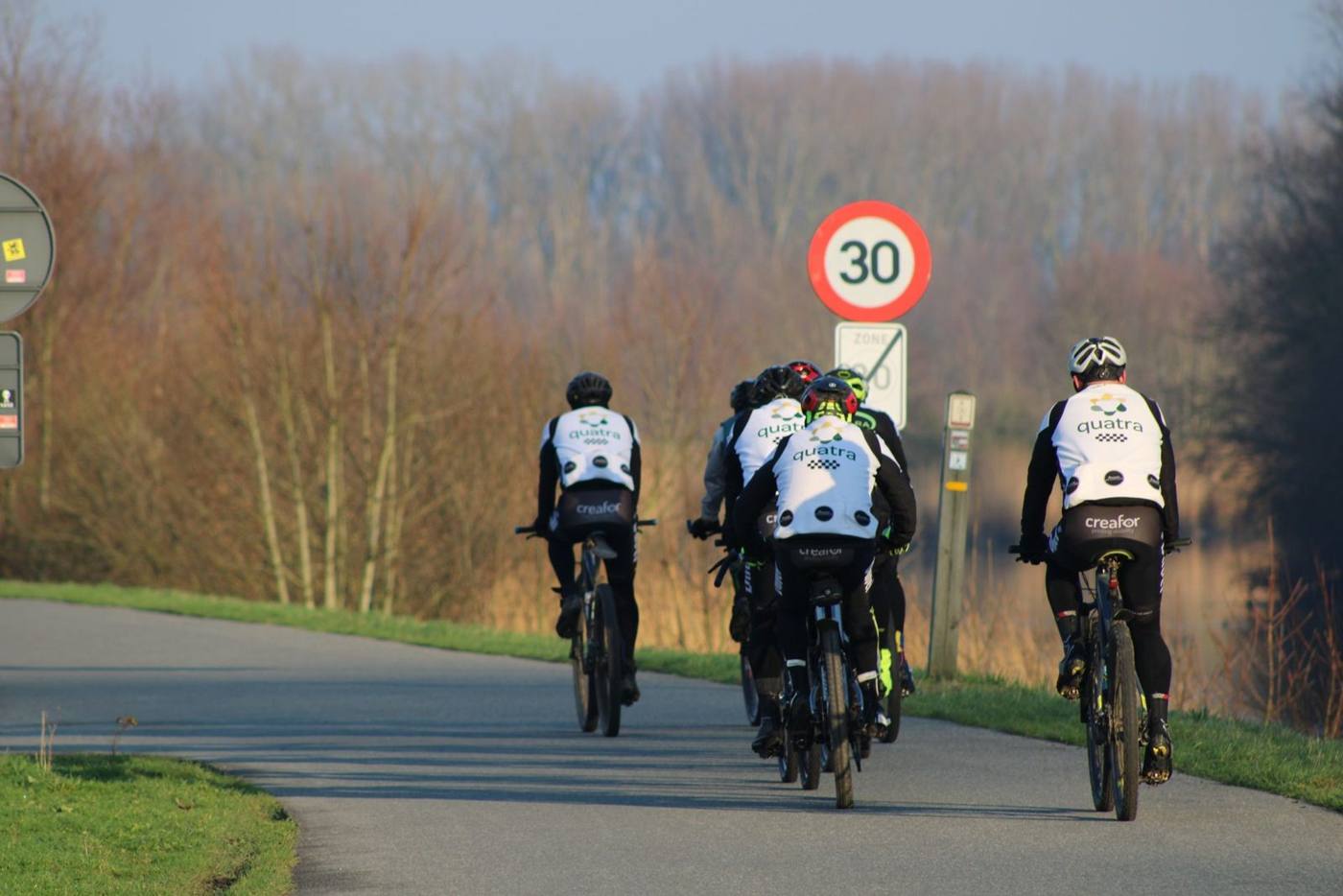
On the cycle-node network: the cobbled climbs of the Tour of Flanders, the Oudenaarde museum, the canals to Ghent and Bruges.
 3 daysEasy
Brussels in three days
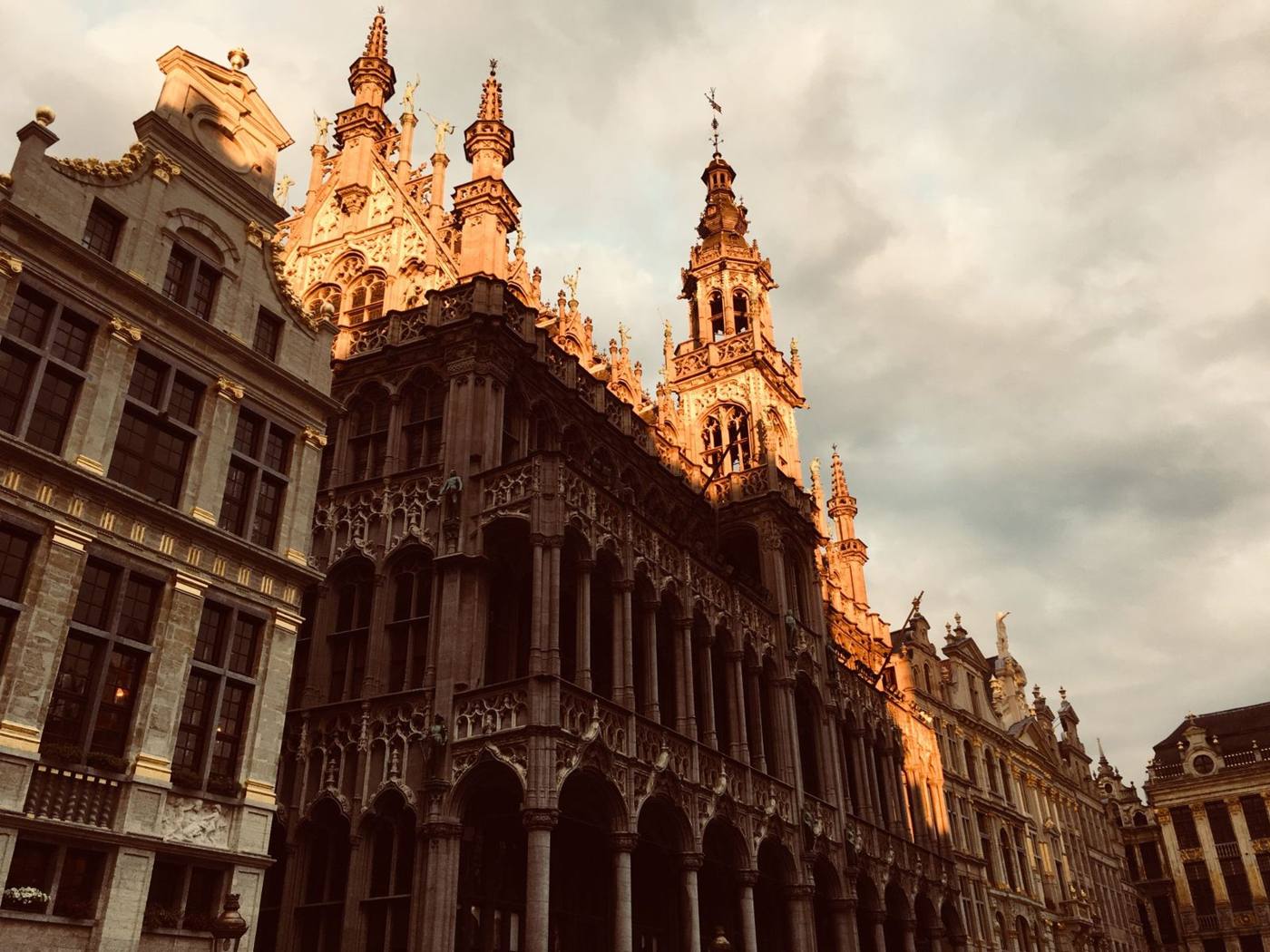
The Grand-Place, the Magritte and Horta museums, comic strips, the Saint-Hubert galleries, the Atomium and the European quarter, with beer and chocolate.
 4 daysEasy
Bruges and Ghent
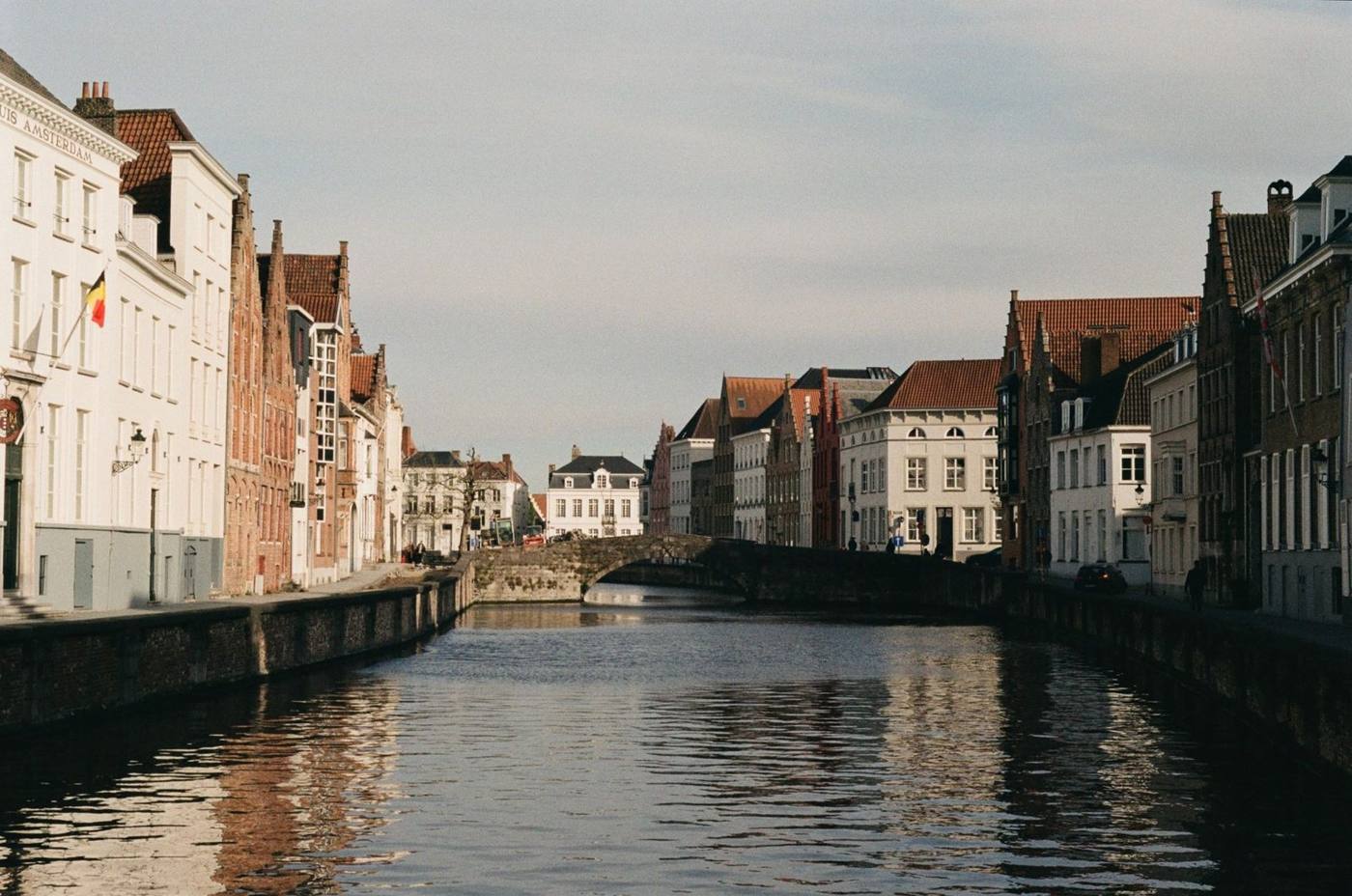
The canals and béguinage of Bruges, its belfry and beer, then Ghent with the Ghent Altarpiece and the Castle of the Counts.