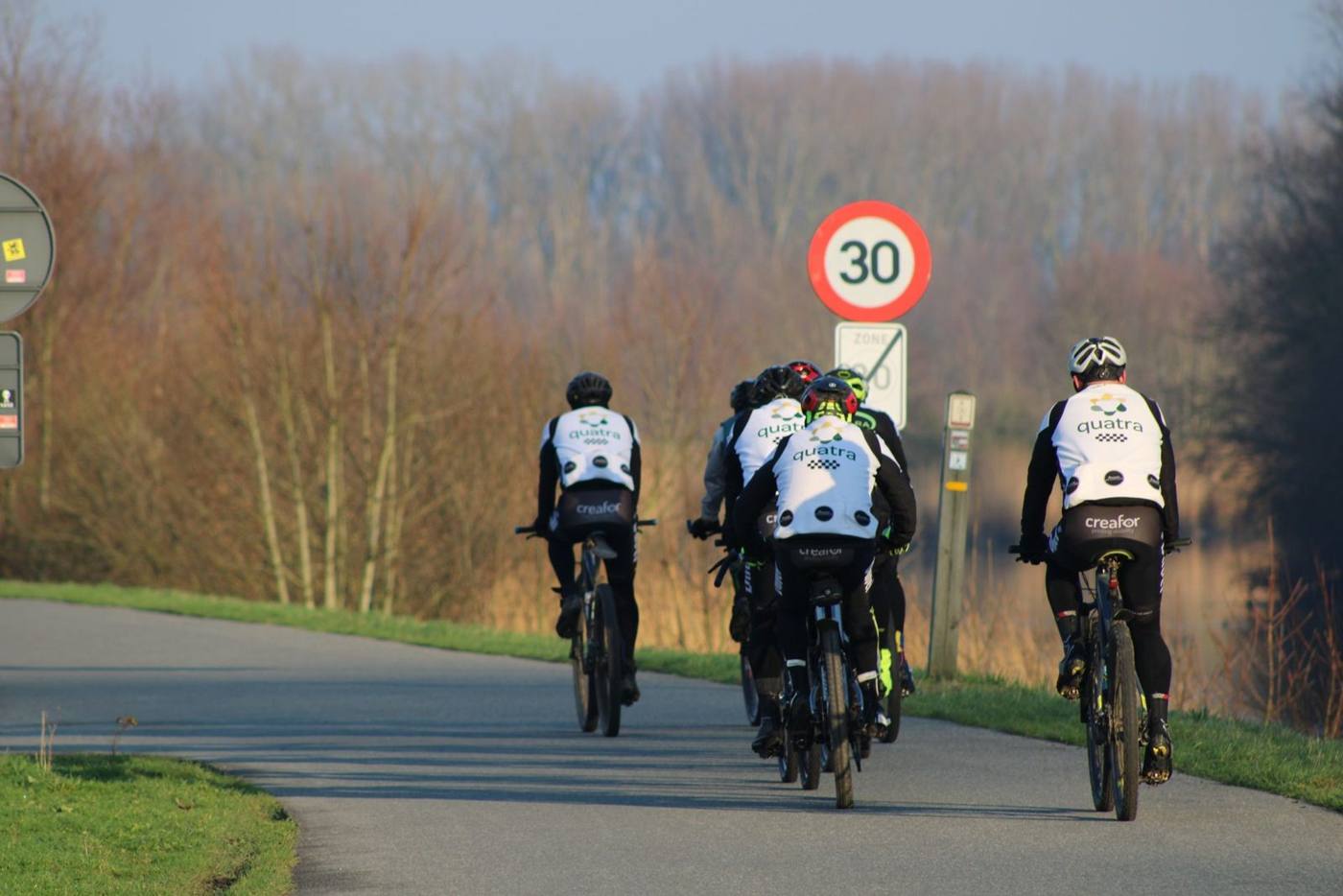
Flanders by bike
On the cycle-node network: the cobbled climbs of the Tour of Flanders, the Oudenaarde museum, the canals to Ghent and Bruges.
- Oudenaarde
- Koppenberg
- Geraardsbergen
- Gent
- Damme
- Brugge
Day by day
- Day 1
Oudenaarde and the Tour of Flanders Centre
This five-day trip is done by bike, on the Flemish cycle node network: the cobbled climbs of the Tour of Flanders, the Scheldt valley, the canals to Ghent, Damme and Bruges. Stages are roughly 40 to 70 kilometres.
Before you go: Belgium is part of the European Union and the Schengen area and uses the euro. Italian citizens only need an electronic identity card valid for travel abroad or a passport; the paper identity card has not been valid for travel abroad since 3 August 2026. Other nationalities should check their own rules. Since 23 July 2026 the United States has rated Belgium level 2 for crime, terrorism and unrest, and the Belgian government keeps the terrorist threat at level 3, serious. The UK warns of pickpockets at Midi and Nord stations, on international trains and in the European quarter: keep an eye on your bag and phone.
You arrive by train in Oudenaarde, the small town on the Scheldt in the heart of the Flemish Ardennes, the hilly area where the Tour of Flanders, one of cycling's great classics, is raced in April. Collect your bike and settle in.
In the afternoon visit the Tour of Flanders Centre, the museum on the main square, with bikes, jerseys, films and the history of the race and its champions. Check prices and times.
Then look at the Gothic town hall, with its belfry listed by UNESCO and its façade full of sculptures.
To stretch your legs take a first ride of about twenty kilometres along the Scheldt, on the flat, to try the bike and understand how the nodes work: every junction has a number, and you simply follow the sequence chosen on the map.
Sleep in Oudenaarde.
Practical tip: before setting off write the sequence of node numbers for the stage on a slip of paper and tape it to your handlebars.
- Day 2
The climbs: Koppenberg, Oude Kwaremont and Paterberg
Today you tackle the bergs, the short, steep cobbled climbs that made the Tour of Flanders famous.
In the morning ride south out of Oudenaarde to the Koppenberg, one of the most feared climbs: a few hundred metres of uneven cobbles, with gradients above 20 per cent, between fields and a farm. In the rain it is extremely slippery, and even professionals sometimes have to get off and push.
Then ride through the hills to the Oude Kwaremont, the longest climb, more than two kilometres of cobbles rising gently through the village of Kluisbergen. Stop at the top to catch your breath and look over the plain.
In the afternoon continue to the Paterberg, short and brutal, a climb that a farmer cobbled on his own initiative in the 1980s so that the race would pass his farm. It is often the last decisive climb before the finish.
Between the climbs the countryside is gentle, with copses, grazing cows and small brick churches. The climbs are short: if you do not feel up to them, you can also walk, pushing the bike, as many people do.
Return to Oudenaarde for the night. The stage is about 50 kilometres, with many short climbs.
Sleep in Oudenaarde.
Practical tip: on the cobbles keep your hands relaxed on the bars, stay seated so you do not lose grip and shift into an easy gear before the climb begins.
- Day 3
The Wall of Geraardsbergen and the Scheldt valley to Ghent
Today you climb the most famous wall and then follow the river down to Ghent.
In the morning ride east to Geraardsbergen, Grammont in French, about twenty kilometres. The town on the river Dender is famous for the Muur, the Wall of Geraardsbergen: a cobbled road that climbs steeply through the centre and then into the woods to the Oudenberg chapel, at the top of the hill. For decades it was the heart of the Tour of Flanders. At the top stop in front of the chapel and look over the valley.
Then ride down into the centre and taste mattentaart, a small puff pastry tart filled with a fresh cheese similar to ricotta, typical of Geraardsbergen and protected by the European Union.
In the afternoon set off north-west and return to the Scheldt, which you follow on the paths along the embankment, on the flat, among meadows, villages and locks, all the way to Ghent. The full stage is about 65 kilometres: if you are tired, you can take the train from Geraardsbergen to Ghent, loading the bike with a supplement.
You arrive in Ghent in the late afternoon. Walk to Saint Michael's Bridge to see the city's three towers and the guild houses on the Graslei.
Sleep in Ghent.
Practical tip: on the plain the wind is the real enemy; check its direction before you leave and, if you can, choose the route with the wind behind you.
- Day 4
Along the canal to Damme and Bruges
Today you ride on the flat from the city of Ghent to the countryside around Bruges.
In the morning, before leaving, visit Saint Bavo's Cathedral with the Ghent Altarpiece, the Adoration of the Mystic Lamb by the van Eyck brothers, completed in 1432, which you see with a timed ticket. Check prices and times.
Then leave Ghent heading west and follow the canal between Ghent and Bruges, a straight, quiet waterway, with barges passing slowly and cycle paths on the embankment. After about thirty kilometres leave the canal and take the country lanes north, among polders, farms and rows of poplars, to Damme.
Damme was the port of Bruges in the Middle Ages, before the sea inlet silted up. Today it is a quiet village with a Gothic town hall, the statue of the poet Jacob van Maerlant and the large Church of Our Lady.
In the late afternoon ride the last seven kilometres along the tree-lined canal to Bruges and enter the city by the Damme Gate, passing the windmills on the ramparts. The stage is about 55 kilometres.
In the evening walk to the Markt, with the belfry lit up.
Sleep in Bruges.
Practical tip: in the historic centres of Ghent and Bruges there are many pedestrian zones and one-way streets; get off the bike where signs tell you to and always lock it with a good lock.
- Day 5
Bruges and departure
On the last day you leave the bike and discover Bruges on foot.
Early in the morning climb the belfry on the Markt, the Belfort, 83 metres high, with its 366 steps, for the view over the red roofs and the plain you have crossed. Check prices and times. Then go on to the Burg, with the Gothic town hall and the Basilica of the Holy Blood.
Walk to the béguinage, the enclosure of white houses around a lawn founded in the thirteenth century, a UNESCO World Heritage Site, and to the Minnewater, the lake of love. If you are interested in art, visit the Groeninge Museum with the Flemish Primitives, such as Jan van Eyck and Hans Memling. Check prices and times.
In the afternoon take a boat trip on the canals, then return the bike and catch the train to Brussels, about an hour.
In these five days you have cycled between Oudenaarde and the Tour of Flanders museum, the Koppenberg, Oude Kwaremont and Paterberg climbs, the Wall of Geraardsbergen, the Scheldt valley, Ghent and the Mystic Lamb, and the canal to Damme and Bruges.
When to go: from May to September, with long days and mild temperatures. In April, around the Tour of Flanders, accommodation in the area is full and some roads are closed. In the rain the cobbles become very slippery.
Practical tip: if you hire an electric bike, check the battery range for the stage with the climbs and charge it every evening.
Belgium for bike lovers, with a waymarked network of numbered nodes that makes everything easy. The cobbled climbs are short but brutal, and can be walked. In April, around the Tour of Flanders, lodging in the area is full. Wind is the real enemy on the flat.
Before you go
- Documents and visa
- EU citizens need a valid identity card or passport: Belgium is in the EU and the Schengen area. Always carry your document. Other nationalities should check the Schengen rules.
- Health and vaccines
- No vaccines required. EU citizens should bring their EHIC. Emergencies: 112.
- Money and payments
- Euro. Cards are accepted almost everywhere, even for small amounts.
- Power sockets
- Type E, 230 volts.
- Time zone
- Central European Time (UTC+1, summer UTC+2).
- Safety
- A safe country, but since 23 July 2026 the United States has rated Belgium level 2 for crime, terrorism and unrest. The Belgian government keeps the terrorist threat at level 3, serious. Watch out for pickpockets at Brussels Midi and Nord stations, on international trains and in crowded places; strikes can stop transport at short notice. Official advice: GOV.UK.
Information checked in November 2026 for Italian and EU citizens. Rules change: always check before you travel.
Variations
In 3 days: Oudenaarde and the climbs, then the Wall of Geraardsbergen and the Scheldt to Ghent.
In 7 days: add the coast by bike from Bruges to Ostend and a day in Ypres.
Frequently asked questions
Do you need to be fit for the cobbled climbs?
A little, yes: they are short but very steep. If you do not feel up to them, you can walk them pushing the bike, or hire an electric bike.
How do the cycle nodes work?
Every junction on the network has a number. Choose the sequence of nodes for the stage on the map and follow the signs from one number to the next.
Which document do you need for Belgium?
Italian citizens only need an electronic identity card valid for travel abroad or a passport. Other nationalities should check their own rules.
Indicative itinerary written by World Atlas. Before booking, check timetables, seasonal openings, documents and safety.
 3 daysEasy
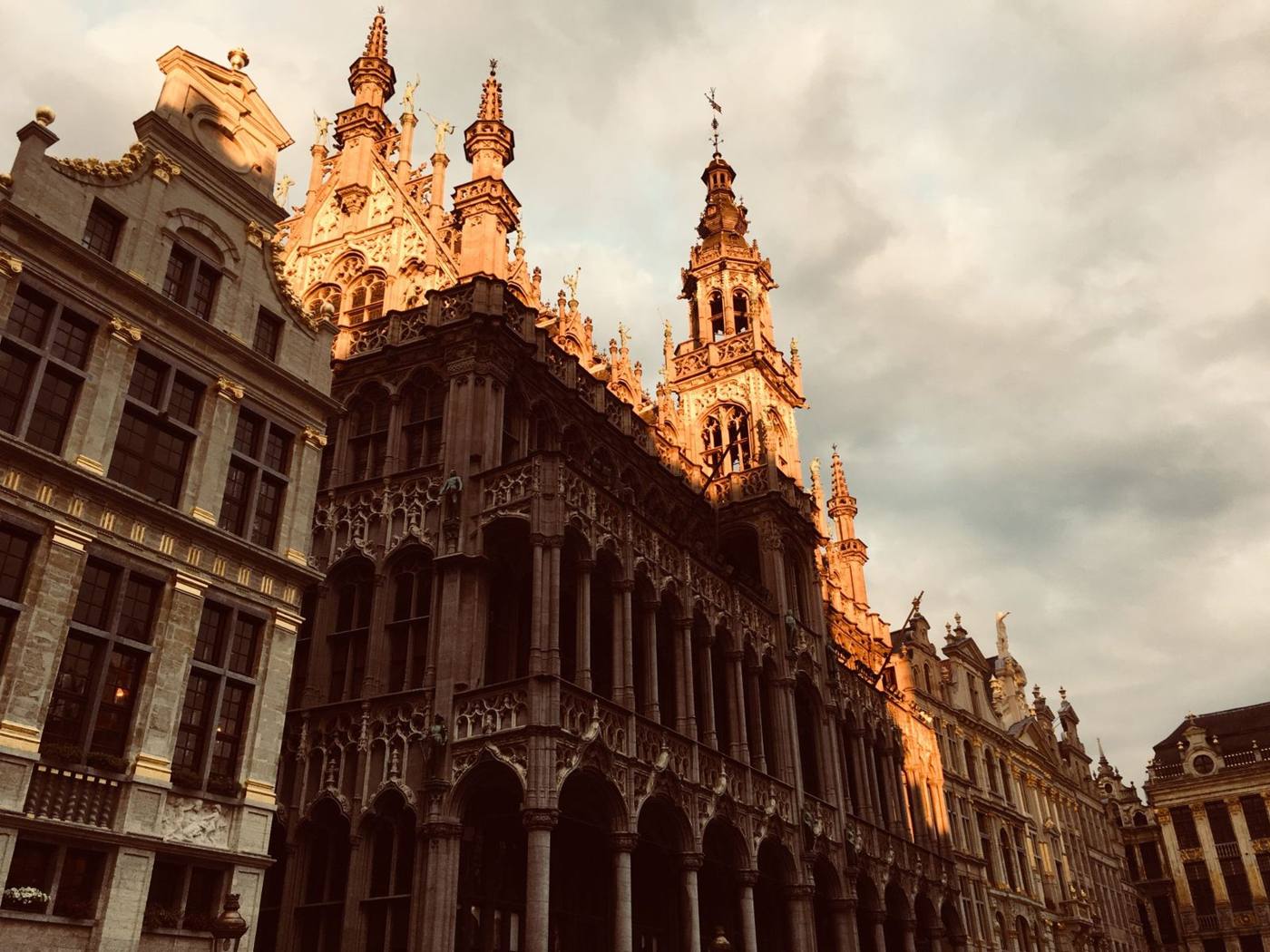
Brussels in three days
The Grand-Place, the Magritte and Horta museums, comic strips, the Saint-Hubert galleries, the Atomium and the European quarter, with beer and chocolate.
 4 daysEasy
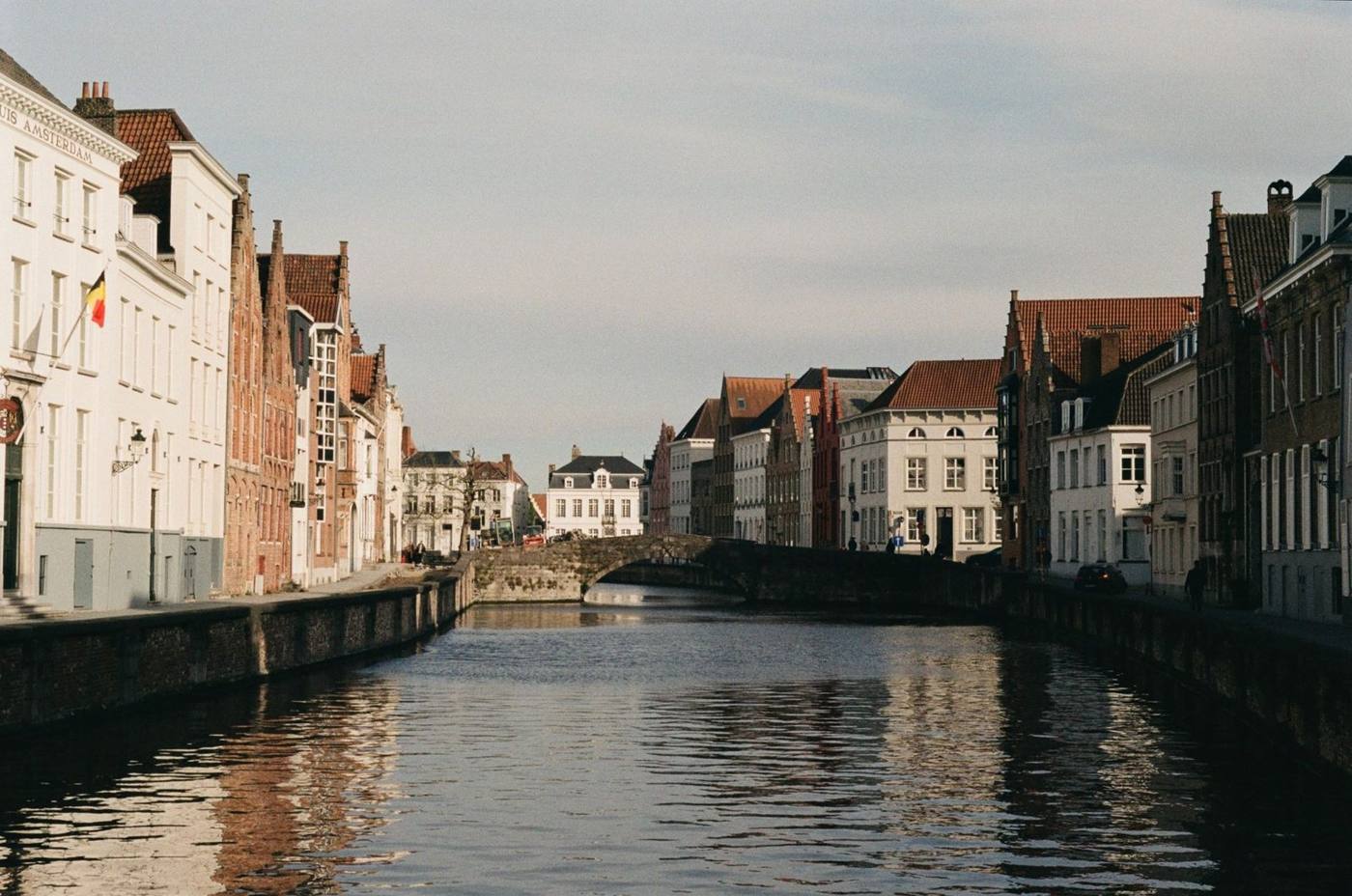
Bruges and Ghent
The canals and béguinage of Bruges, its belfry and beer, then Ghent with the Ghent Altarpiece and the Castle of the Counts.
 7 daysEasy
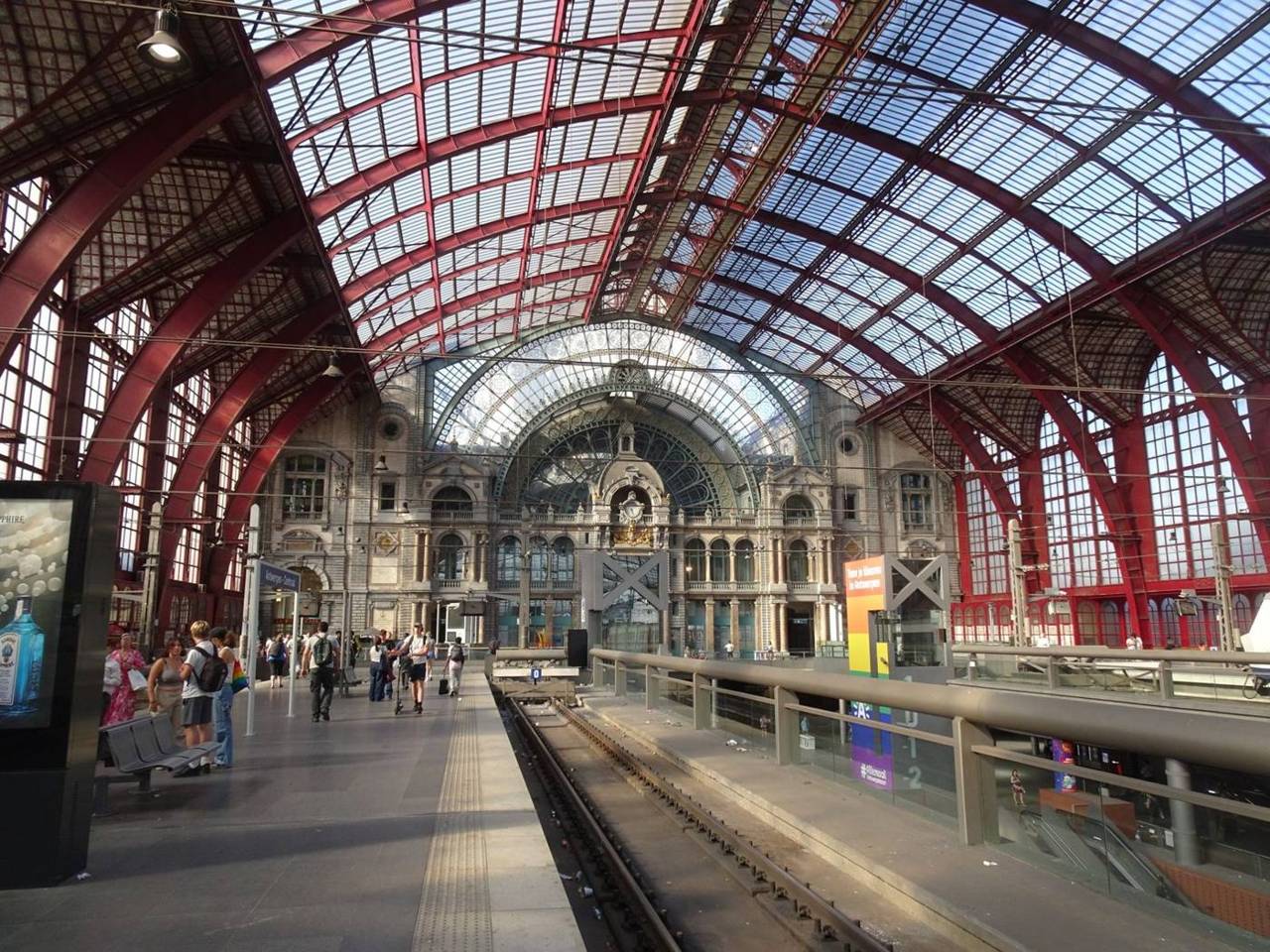
The Flemish art cities
A week by train between Brussels, Antwerp with Rubens and fashion, Mechelen, Leuven, Ghent and Bruges.