Brussels in three days
The Grand-Place, the Magritte and Horta museums, comic strips, the Saint-Hubert galleries, the Atomium and the European quarter, with beer and chocolate.
- Grand-Place
- Mont des Arts
- Sablon
- Saint-Gilles
- Quartier européen
- Atomium
Day by day
- Day 1
The Grand-Place, the Saint-Hubert galleries and the comics
This three-day trip shows you Brussels, the capital of Belgium and of Europe, between art, comics, chocolate and architecture.
Before you go: Belgium is part of the European Union and the Schengen area and uses the euro. Italian citizens only need an electronic identity card valid for travel abroad or a passport; the paper identity card has not been valid for travel abroad since 3 August 2026. Other nationalities should check their own rules. Since 23 July 2026 the United States has rated Belgium level 2 for crime, terrorism and unrest, and the Belgian government keeps the terrorist threat at level 3, serious. The UK warns of pickpockets at Midi and Nord stations, on international trains and in the European quarter: keep an eye on your bag and phone.
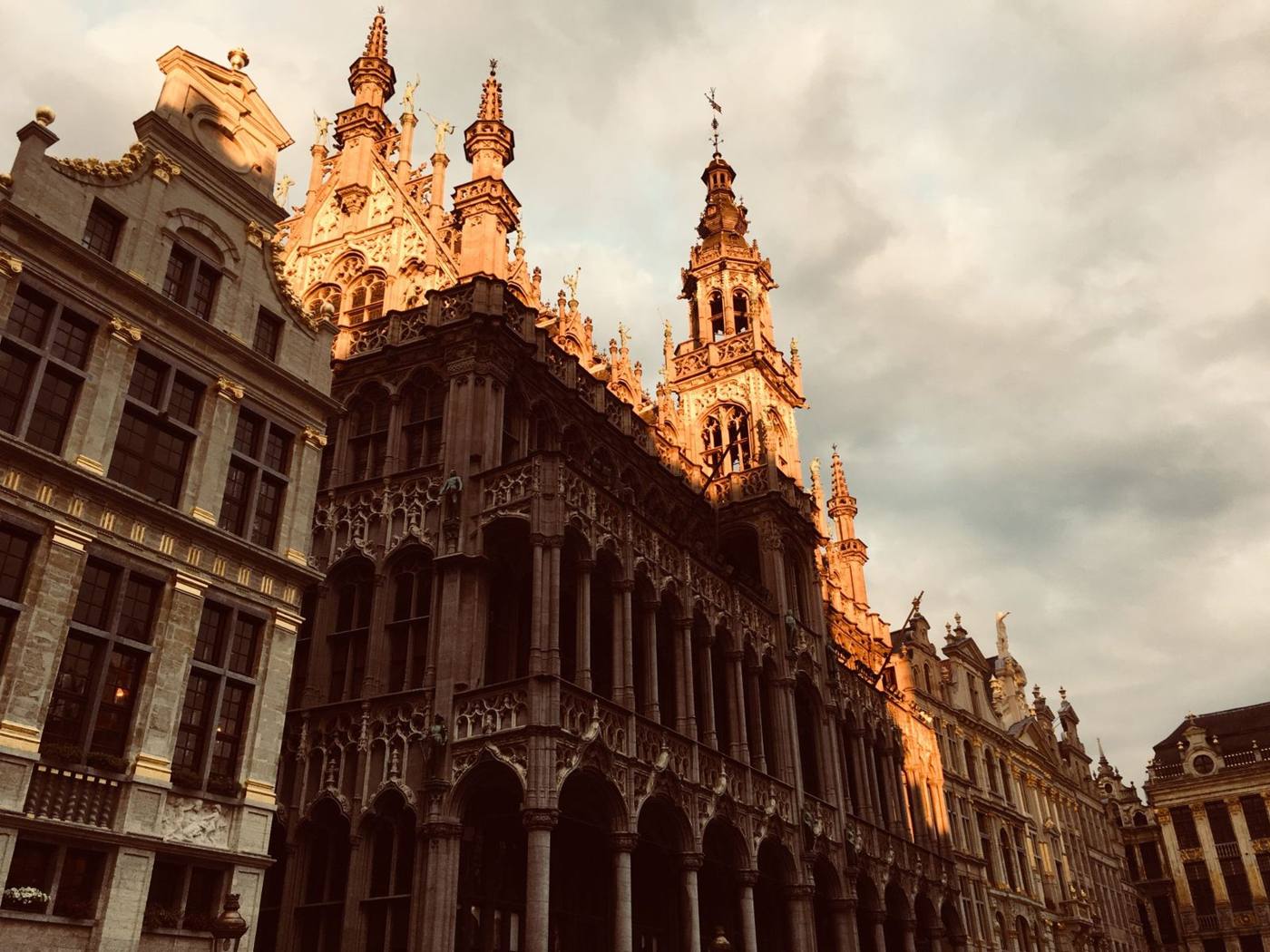
In the morning walk into the Grand-Place, a UNESCO World Heritage Site and one of the most beautiful squares in Europe. On the south side stands the fifteenth century Gothic town hall, with its tower almost a hundred metres high; around it are the guild houses, rebuilt after the French bombardment of 1695, with their gilded façades. Opposite the town hall, the King's House holds the city museum. Check prices and times.
Then stroll through the Royal Saint-Hubert Galleries, opened in 1847, among the first covered shopping arcades in Europe, with a glass roof and elegant shop windows. A few steps away is the Manneken Pis, the small seventeenth century bronze statue of a boy peeing, often dressed in different costumes.
In the afternoon follow the comic strip mural route, dozens of walls painted with Tintin and other characters, and visit the Belgian Comic Strip Center, in a former Art Nouveau warehouse by Victor Horta. Check prices and times.
Sleep in Brussels.
Practical tip: go back to the Grand-Place in the evening, when the façades are lit up and the square is calmer.
- Day 2
The Mont des Arts, Magritte, the Sablon and the Horta House
Today is the day of art, from Surrealism to Art Nouveau.
In the morning climb the Mont des Arts, the terraced gardens between the lower and upper town, with views of the town hall and the rooftops. Just above are the Royal Museums of Fine Arts, which include the Magritte Museum, with the largest collection in the world of works by René Magritte, the Belgian Surrealist painter of green apples, pipes and men in bowler hats. Allow at least two hours. Check prices and times.
Then walk to the Sablon, the elegant district of the upper town, with the Gothic church of Notre-Dame du Sablon, its tall coloured windows, and the antique dealers' square. There are many chocolate makers here: go into a few shops and taste pralines, invented in Belgium at the beginning of the twentieth century. A little further on you see the enormous nineteenth century Palace of Justice, one of the largest buildings constructed in that century.
In the afternoon take the tram to Saint-Gilles and visit the Horta House, the home and studio of the architect Victor Horta, built at the end of the nineteenth century, a UNESCO World Heritage Site. Inside every detail is Art Nouveau: the staircase, the iron railings shaped like plants, the coloured glass, the handles and the lamps. It must be booked and has limited opening hours. Check prices and times.
In the evening taste a Brussels waffle, rectangular and light, or Belgian chips, fried twice. Sleep in Brussels.
Practical tip: book the Horta House a few days ahead, because visitor numbers are limited and photography is not allowed inside.
- Day 3
The European quarter, the Atomium and departure
Today you visit the Brussels of Europe and its strangest monument.
In the morning take the metro to Schuman, in the European quarter, with the buildings of the Commission, the Council and the European Parliament. Go into the Parlamentarium, the Parliament's visitor centre, which explains with screens and maps how the European Union works. Not far away, in Parc Léopold, is the House of European History, with a route through the history of the continent from the nineteenth century to today. Check prices and times.
Then walk to the Cinquantenaire park, with the great triumphal arch built for Belgium's fiftieth anniversary, and the museums around it.
In the afternoon take the metro to Heysel and visit the Atomium, built for the 1958 World's Fair, 102 metres high. It represents an iron crystal magnified 165 billion times, with nine steel spheres linked by tubes with escalators. Go up to the highest sphere for the view over the city. Check prices and times.
Then head to the station or the airport for your departure.
In these three days you have seen the Grand-Place and the Saint-Hubert galleries, the comic strip murals, the Magritte Museum, the Sablon and its chocolate makers, the Horta House, the European quarter and the Atomium.
When to go: from April to October the days are long and walking is pleasant; in August, in even-numbered years, the Grand-Place is covered with a carpet of flowers. In December there is Plaisirs d'Hiver, the Christmas market with an ice rink.
Practical tip: to get around use the city's metro and trams, with a day ticket or by paying with your card directly at the readers; it is the simplest way to link the centre, Saint-Gilles and the Atomium.
A capital less pretty than Bruges but full of art, food and life. The Grand-Place is among Europe's finest squares, especially at night. The Horta house must be booked and has short opening hours. Watch out for pickpockets around Midi and Nord stations.
Before you go
- Documents and visa
- EU citizens need a valid identity card or passport: Belgium is in the EU and the Schengen area. Always carry your document. Other nationalities should check the Schengen rules.
- Health and vaccines
- No vaccines required. EU citizens should bring their EHIC. Emergencies: 112.
- Money and payments
- Euro. Cards are accepted almost everywhere, even for small amounts.
- Power sockets
- Type E, 230 volts.
- Time zone
- Central European Time (UTC+1, summer UTC+2).
- Safety
- A safe country, but since 23 July 2026 the United States has rated Belgium level 2 for crime, terrorism and unrest. The Belgian government keeps the terrorist threat at level 3, serious. Watch out for pickpockets at Brussels Midi and Nord stations, on international trains and in crowded places; strikes can stop transport at short notice. Official advice: GOV.UK.
Information checked in November 2026 for Italian and EU citizens. Rules change: always check before you travel.
Variations
In 2 days: the Grand-Place, the comics, the Magritte Museum and the Sablon, without the European quarter and the Atomium.
In 5 days: add a day trip to Bruges and one to Antwerp, less than an hour away by train.
Frequently asked questions
Do you need to book the Horta House?
Yes. Visitor numbers are limited and opening hours are reduced, so book a few days ahead on the official website. Check prices and times.
Is Brussels safe?
Yes, but the United States rates Belgium level 2 and the UK reports many pickpockets at Midi and Nord stations, on trains and in crowded places. Always keep your bag and phone under control.
Which document do you need for Belgium?
Italian citizens only need an electronic identity card valid for travel abroad or a passport. Other nationalities should check their own rules.
Indicative itinerary written by World Atlas. Before booking, check timetables, seasonal openings, documents and safety.
 4 daysEasy
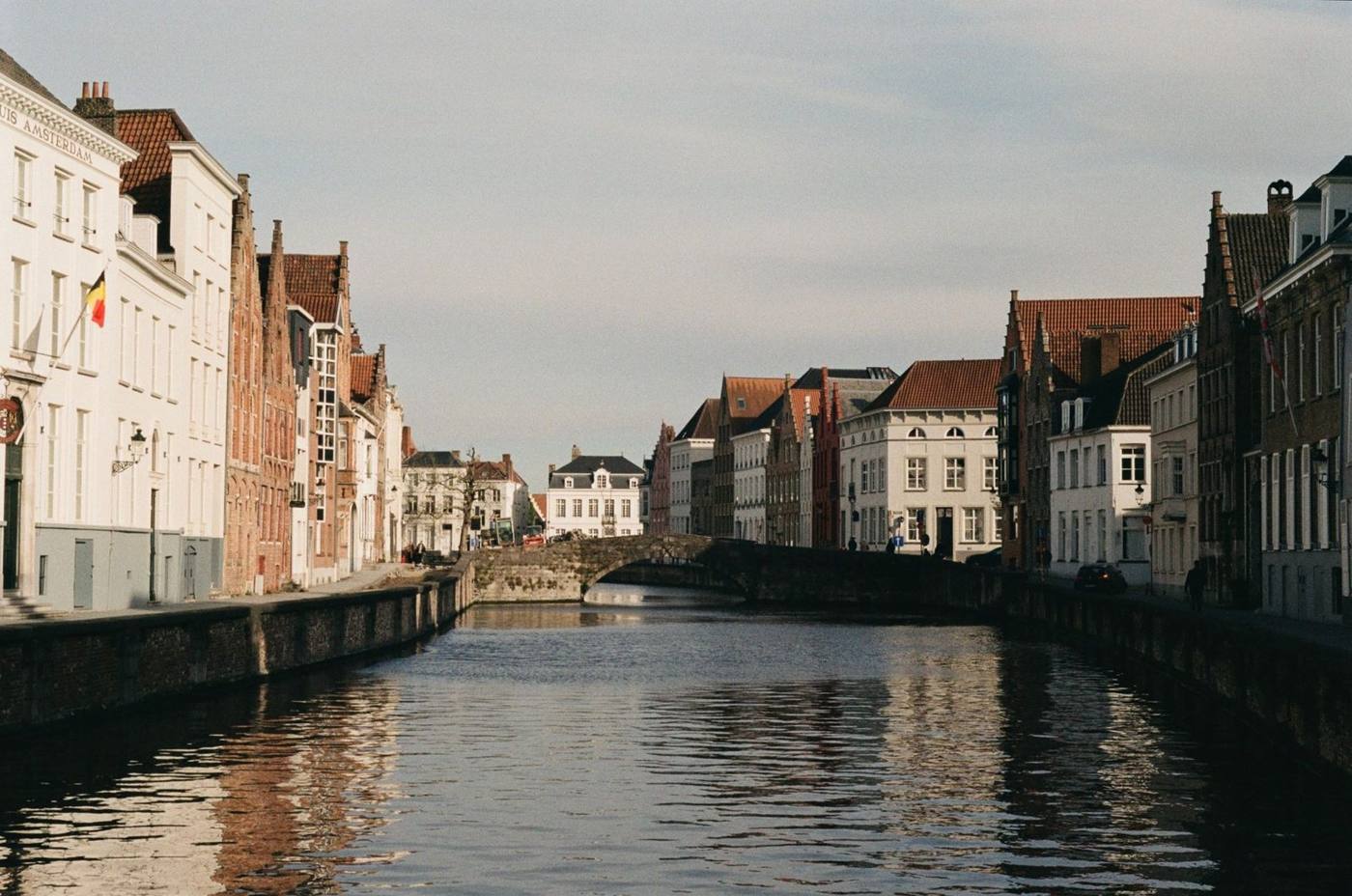
Bruges and Ghent
The canals and béguinage of Bruges, its belfry and beer, then Ghent with the Ghent Altarpiece and the Castle of the Counts.
 7 daysEasy
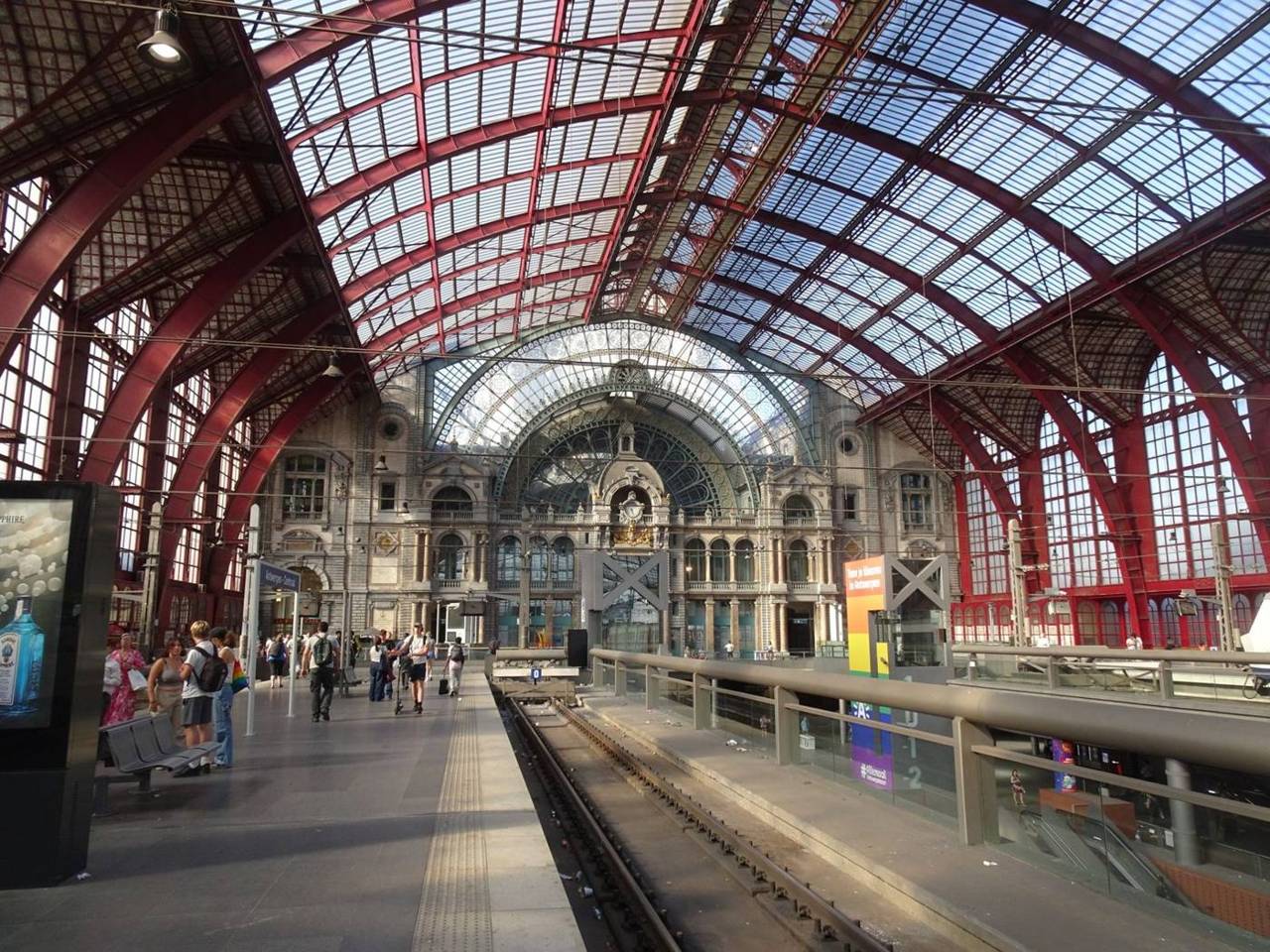
The Flemish art cities
A week by train between Brussels, Antwerp with Rubens and fashion, Mechelen, Leuven, Ghent and Bruges.
 5 daysEasy
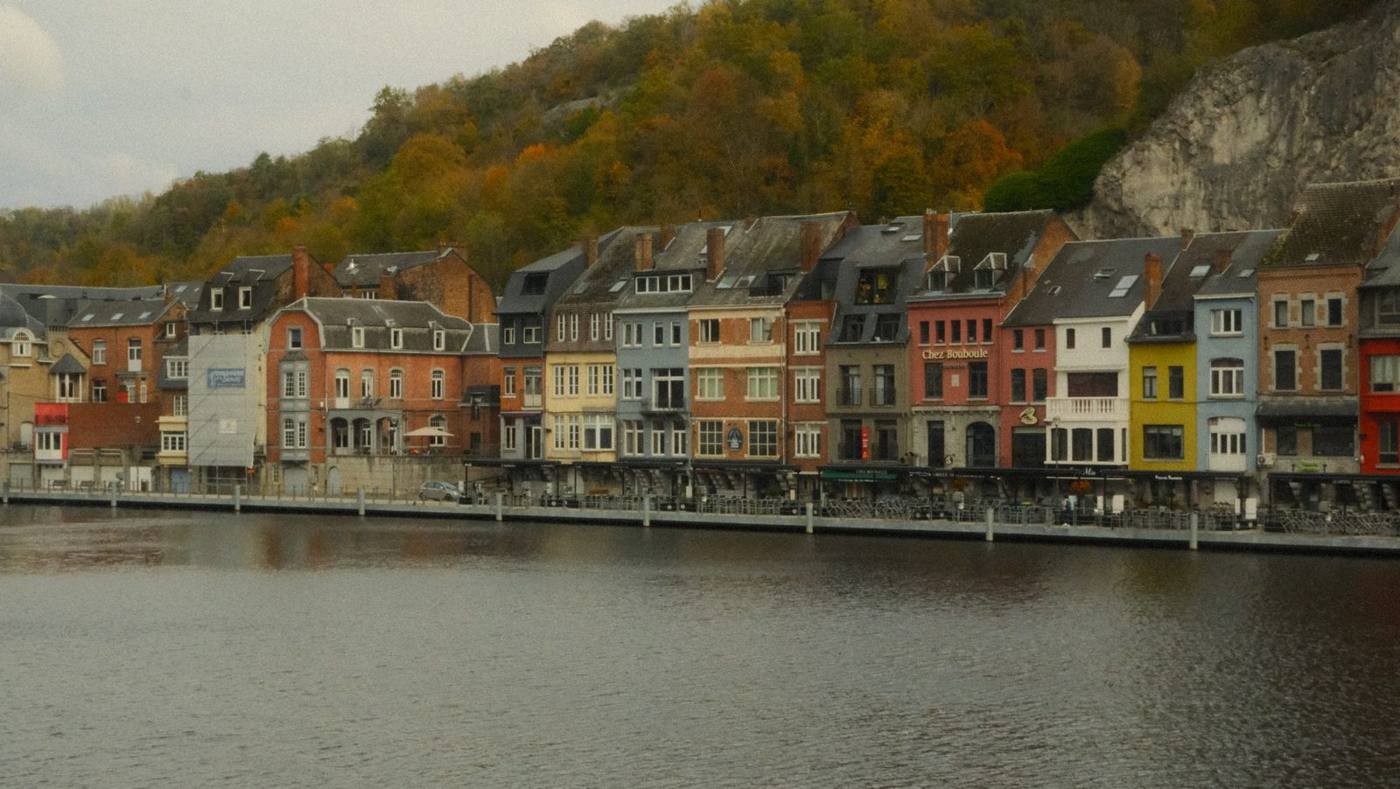
The Belgian Ardennes
Dinant and the Meuse, Durbuy, the 'smallest town in the world', La Roche-en-Ardenne, the Han caves and kayaking on the Lesse.