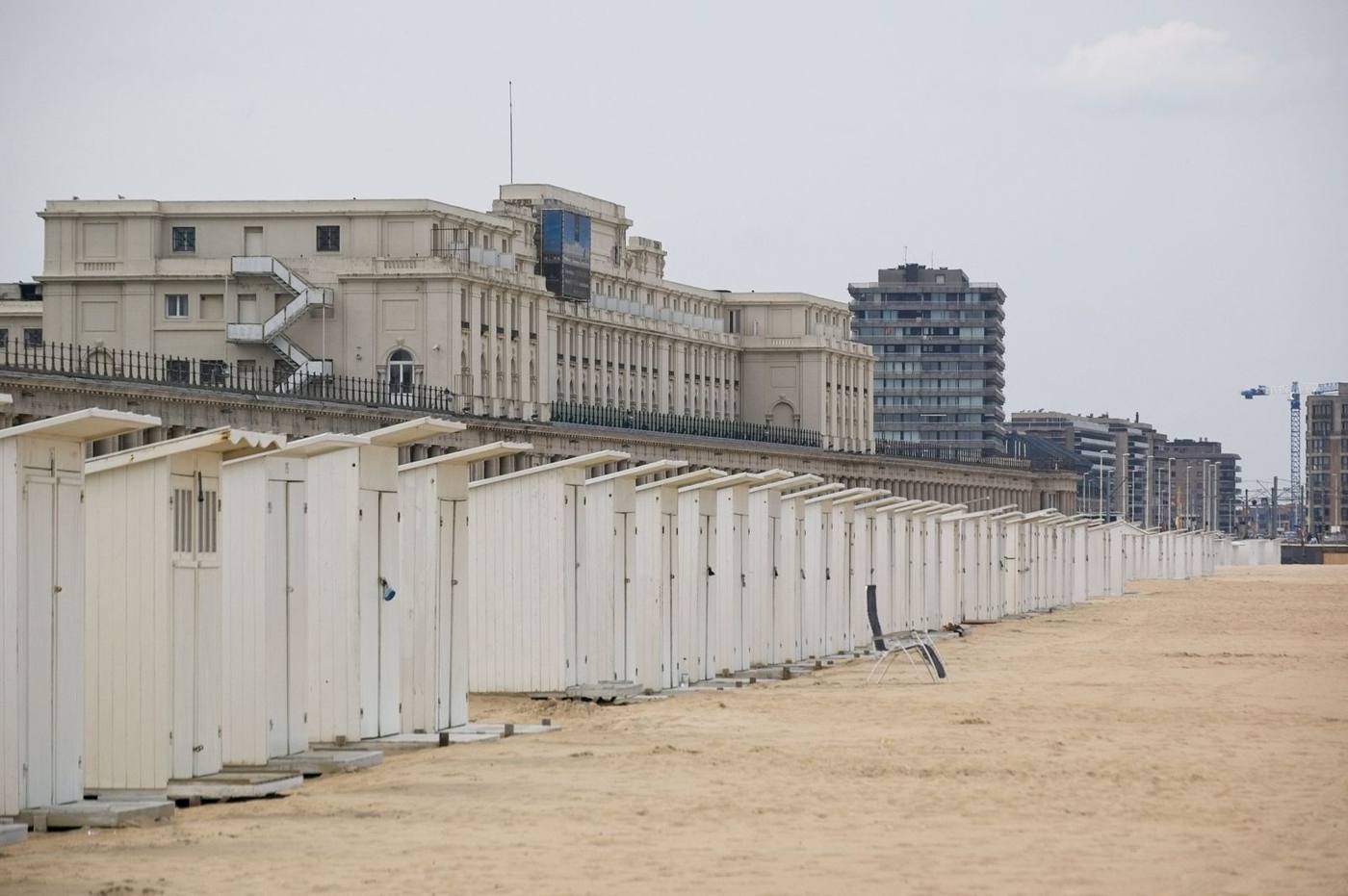
The Belgian coast by tram
The world's longest coastal tram from De Panne to Knokke: the dunes, Ostend, the horseback shrimp fishers of Oostduinkerke and the villas of De Haan.
- De Panne
- Oostduinkerke
- Oostende
- De Haan
- Knokke-Heist
Day by day
- Day 1
De Panne and the Westhoek dunes
This four-day trip follows the whole Belgian coast on the coastal tram, the Kusttram, one of the longest tram lines in the world, about 67 kilometres from De Panne, near France, to Knokke, near the Netherlands. You do not need a car.
Before you go: Belgium is part of the European Union and the Schengen area and uses the euro. Italian citizens only need an electronic identity card valid for travel abroad or a passport; the paper identity card has not been valid for travel abroad since 3 August 2026. Other nationalities should check their own rules. Since 23 July 2026 the United States has rated Belgium level 2 for crime, terrorism and unrest, and the Belgian government keeps the terrorist threat at level 3, serious. The UK warns of pickpockets at Midi and Nord stations, on international trains and in the European quarter: keep an eye on your bag and phone.
You arrive by train at Adinkerke-De Panne, the last station before the French border, where the tram starts. Get off in the centre of De Panne and walk to the beach, very wide at low tide. On the promenade stands the monument to Leopold I, who entered Belgium right here in 1831 to become the country's first king.
In the afternoon explore the Westhoek nature reserve, one of the largest dune landscapes on the Belgian coast, with white sand, damp hollows and shrubs. Follow the marked paths: in some places the dunes are high and it feels like a small desert by the sea.
At sunset return to the beach, where sand yachts race across the hard sand when the wind blows.
Sleep in De Panne.
Practical tip: buy a tram ticket valid for several days, so you can hop on and off at every stop without thinking about it.
- Day 2
Oostduinkerke and the shrimp fishers on horseback
Today you meet one of the most curious traditions of the North Sea.
In the morning take the tram east and get off at Sint-Idesbald for the Paul Delvaux Museum, dedicated to the Belgian Surrealist painter of sleeping women and night-time stations, who lived here. Check prices and times.
Then continue to Oostduinkerke. Here the shrimp fishers on horseback ride into the sea until the water reaches the horses' chests, big Brabant draught horses, and drag a funnel-shaped net close to the shore. The tradition has been on UNESCO's intangible heritage list since 2013, and Oostduinkerke is the last place where it is practised. The fishers go out only on certain days and at low tide, usually in the warmer months: check the calendar at the tourist office before you go.
In the afternoon visit NAVIGO, the national fishing museum, with boats, North Sea aquariums and the story of the Iceland fishermen. Check prices and times.
Then climb the dunes of Koksijde to the Hoge Blekker, the highest dune on the Belgian coast, with views of the sea and the flat countryside inland.
In the evening taste the grey shrimps of the North Sea, small and full of flavour, in stuffed tomatoes or in croquettes.
Sleep in Oostduinkerke or Koksijde.
Practical tip: reach the beach half an hour before the fishers' scheduled time and keep your distance from the horses when they come out of the water with the net.
- Day 3
Ostend, the queen of the seaside, and De Haan
Today you visit the largest town on the coast and then a small Belle Époque resort.
In the morning take the tram to Ostend. Walk along the seafront, the great promenade where Belgian kings strolled in the nineteenth century, and pass the Kursaal and the Venetian Galleries. The Mu.ZEE art museum is closed for renovation for several years, but it shows temporary exhibitions in the Venetian Galleries themselves. Then visit the house of James Ensor, the painter of masks, who was born in Ostend. Check prices and times.
Around midday go to the Visserskaai, the fishermen's quay, with its seafood stalls: try a fish soup or fresh shrimps. In the harbour lies the Mercator, a sailing training ship you can visit.
In the early afternoon take the tram east to De Haan, a resort built at the end of the nineteenth century with villas with steep roofs, coloured woodwork and turrets, protected by strict building rules. The Concession quarter is the most beautiful. Albert Einstein stayed here in 1933, before moving to the United States.
Walk among the villas, then reach the dunes and the beach, much quieter than those in Ostend.
Sleep in De Haan.
Practical tip: in Ostend, if you have time, take the foot ferry across the harbour channel, useful for reaching the beaches and Fort Napoleon on the other bank.
- Day 4
Knokke, the Zwin reserve and departure
On the last day you reach the end of the line, near the Dutch border.
In the morning take the tram to Knokke-Heist, the last stop, and walk east, on the beach or along the dunes, to the Zwin nature park. The Zwin is a sea inlet where the tide flows in and out twice a day, creating salt marshes, channels and meadows that change colour with the seasons. It is one of the best places in Belgium to see birds: storks, herons, spoonbills and many migratory species. The visitor centre explains the landscape with exhibitions and viewing terraces. Check prices and times.
Bring binoculars and walk the paths to the viewpoint over the mouth of the inlet. Respect the closed areas, which protect the nests.
In the afternoon return to Knokke and stroll through its elegant streets, then go to the station for the train to Bruges and Brussels.
In these four days you have travelled the whole coast by tram: the Westhoek dunes at De Panne, the Delvaux Museum, the shrimp fishers on horseback at Oostduinkerke, NAVIGO and the Hoge Blekker, the promenade and harbour of Ostend, the villas of De Haan and the Zwin.
When to go: from June to September, when the days are long and the water is less cold, although it stays cool. In spring and autumn the Zwin has more migratory birds and the coast is quieter.
Practical tip: in summer the tram fills up towards the beaches by mid-morning; travel early or in the late afternoon to find a seat.
A simple, pleasant North Sea coast, easy by tram without a car. The beaches are wide and sandy, but the seafront is heavily built up and the water cold. The horseback fishers go out only on certain days at low tide, so check the calendar.
Before you go
- Documents and visa
- EU citizens need a valid identity card or passport: Belgium is in the EU and the Schengen area. Always carry your document. Other nationalities should check the Schengen rules.
- Health and vaccines
- No vaccines required. EU citizens should bring their EHIC. Emergencies: 112.
- Money and payments
- Euro. Cards are accepted almost everywhere, even for small amounts.
- Power sockets
- Type E, 230 volts.
- Time zone
- Central European Time (UTC+1, summer UTC+2).
- Safety
- A safe country, but since 23 July 2026 the United States has rated Belgium level 2 for crime, terrorism and unrest. The Belgian government keeps the terrorist threat at level 3, serious. Watch out for pickpockets at Brussels Midi and Nord stations, on international trains and in crowded places; strikes can stop transport at short notice. Official advice: GOV.UK.
Information checked in November 2026 for Italian and EU citizens. Rules change: always check before you travel.
Variations
In 3 days: De Panne, Oostduinkerke and Ostend, without De Haan and the Zwin.
In 6 days: add Bruges, a few minutes by train from Ostend, and the countryside around Damme.
Frequently asked questions
When do the shrimp fishers on horseback go out?
Only on certain days and at low tide, mainly in the warmer months. Check the calendar at the Oostduinkerke tourist office before you go.
Is the Mu.ZEE in Ostend open?
The museum building is closed for several years for a major renovation, but Mu.ZEE shows temporary exhibitions in the Venetian Galleries on the seafront. Check prices and times.
Which document do you need for Belgium?
Italian citizens only need an electronic identity card valid for travel abroad or a passport. Other nationalities should check their own rules.
Indicative itinerary written by World Atlas. Before booking, check timetables, seasonal openings, documents and safety.
 4 daysEasy
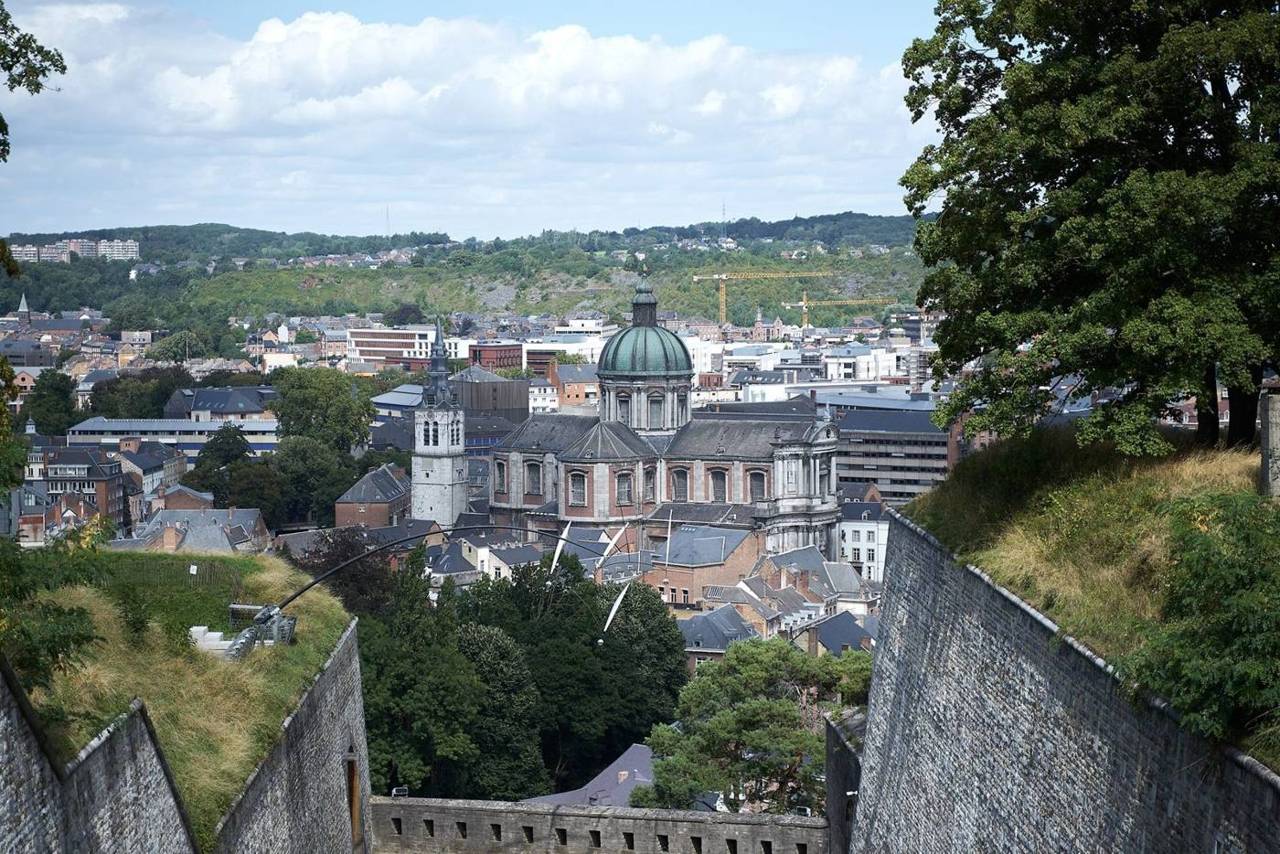
Wallonia: Namur, Liège and Spa
Namur citadel, Liège with the Montagne de Bueren stairway and Calatrava's station, Spa and its baths and the Hautes Fagnes.
 5 daysModerate
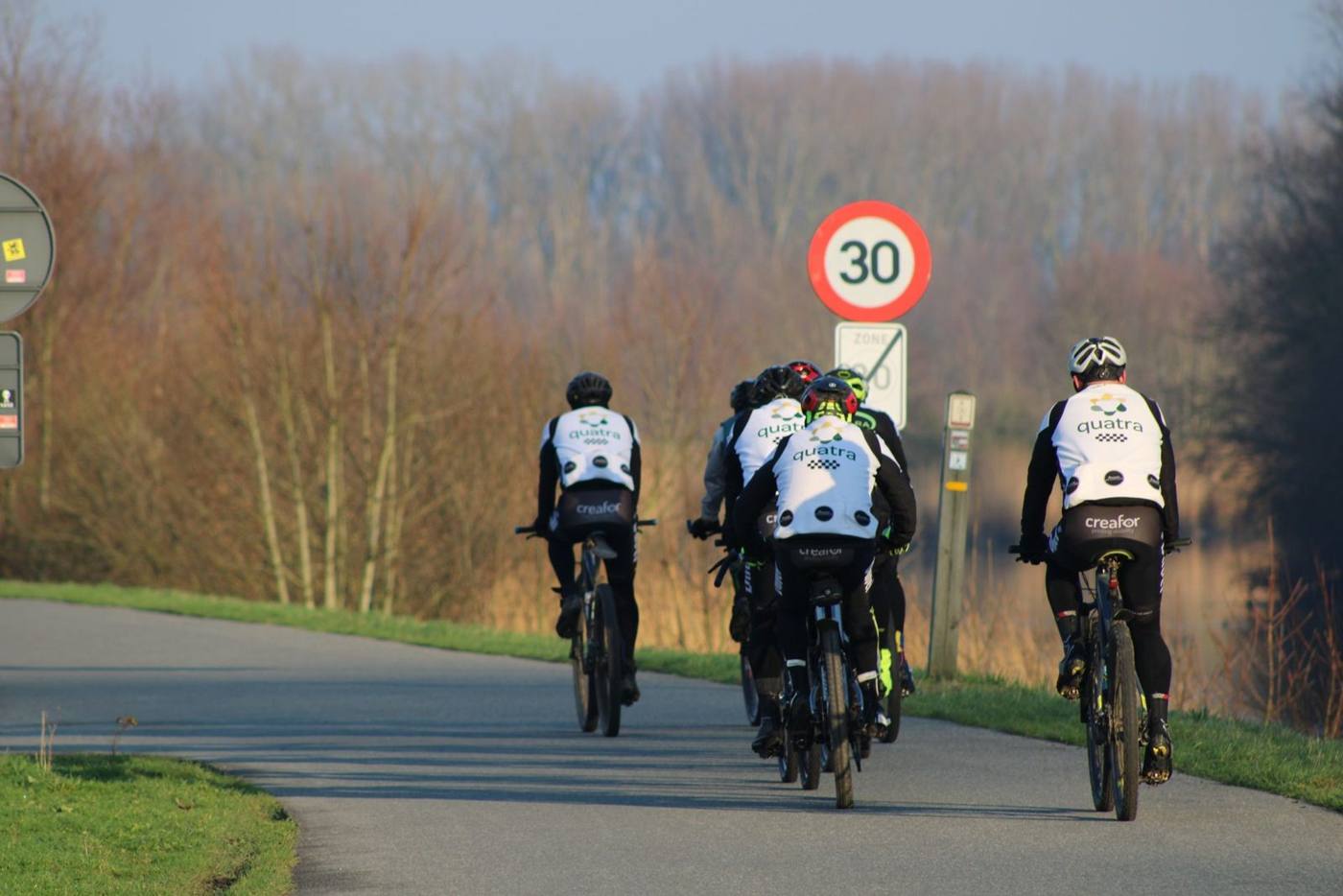
Flanders by bike
On the cycle-node network: the cobbled climbs of the Tour of Flanders, the Oudenaarde museum, the canals to Ghent and Bruges.
 3 daysEasy
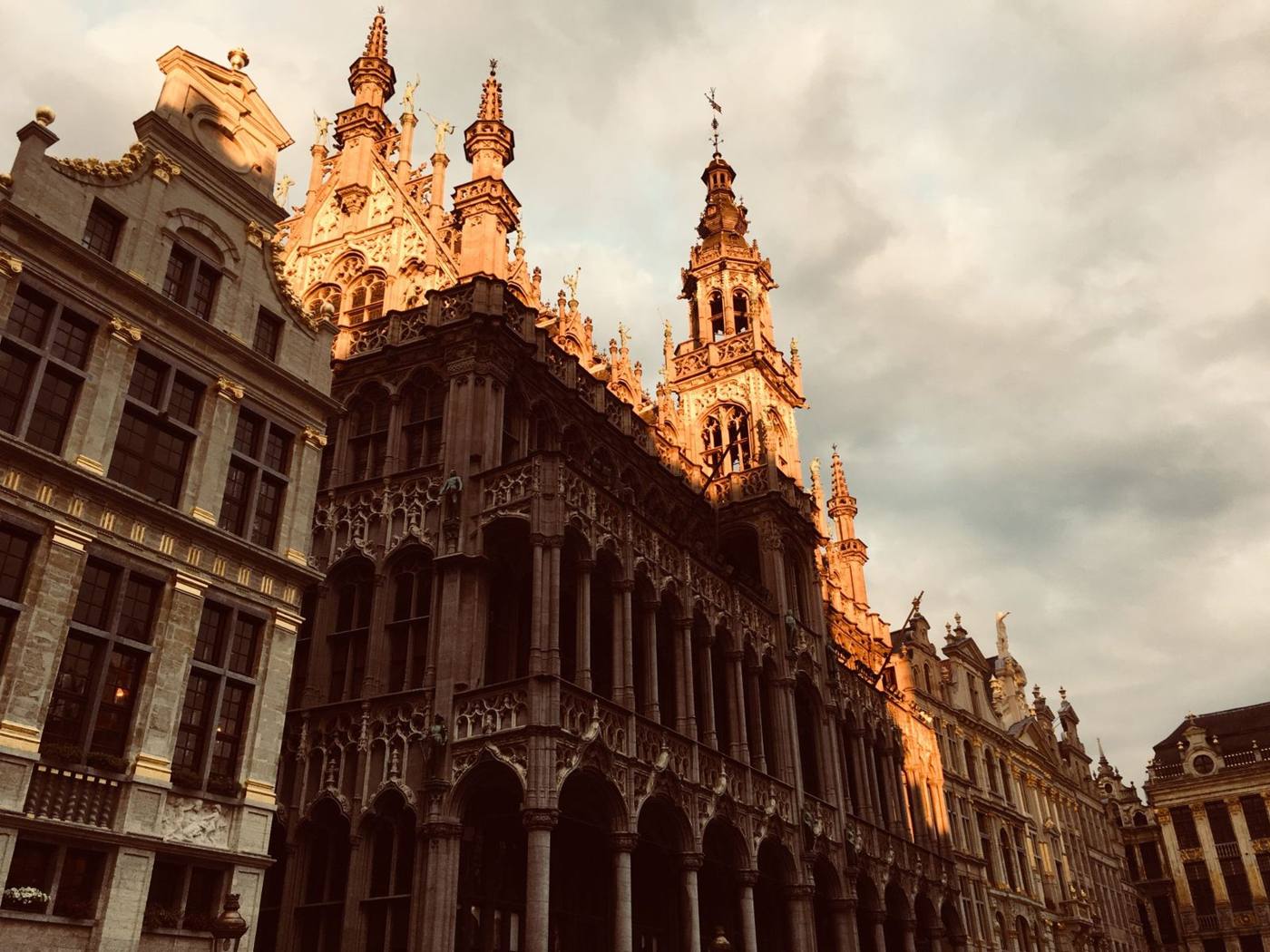
Brussels in three days
The Grand-Place, the Magritte and Horta museums, comic strips, the Saint-Hubert galleries, the Atomium and the European quarter, with beer and chocolate.