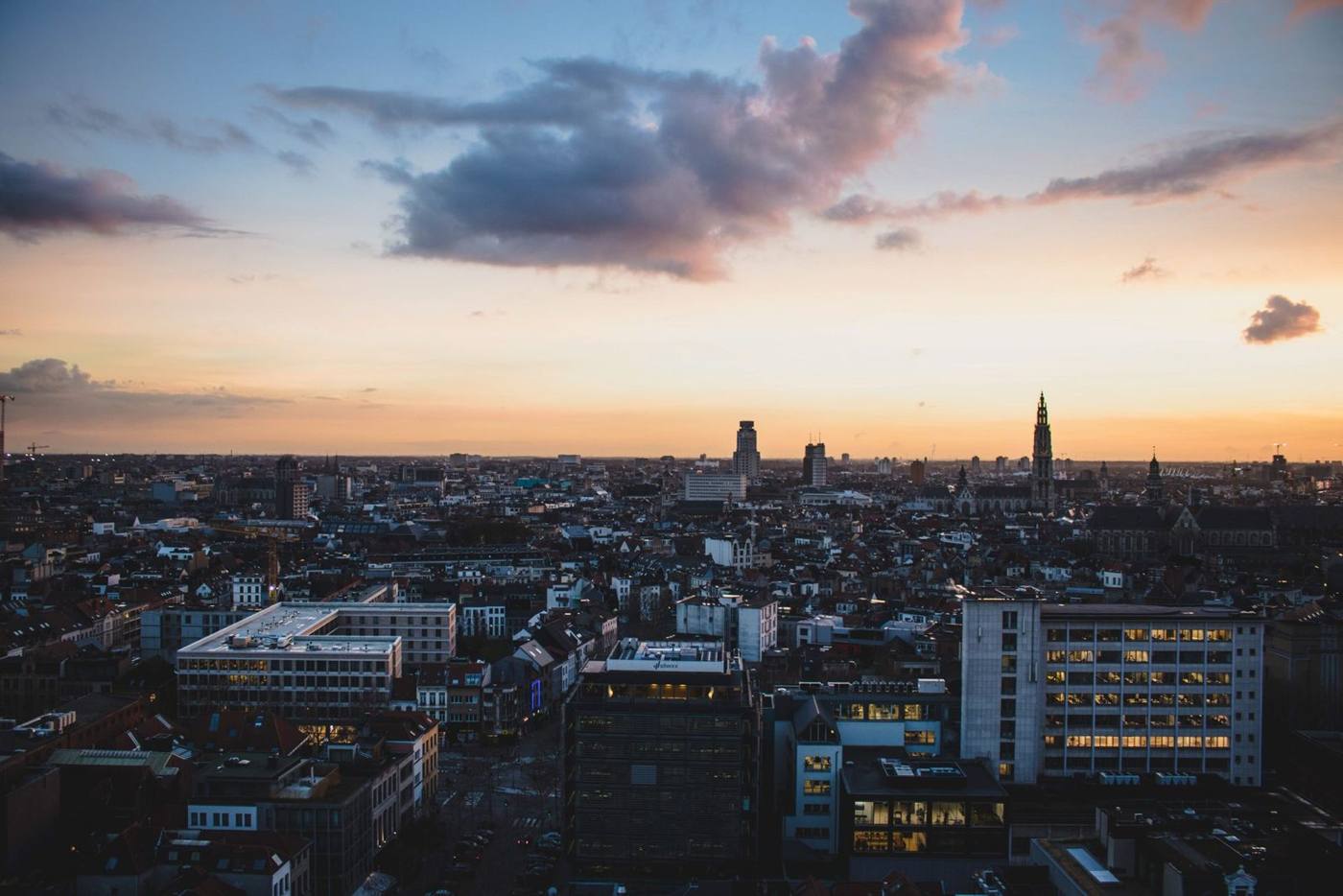
Antwerp and Mechelen
The city of Rubens, diamonds and fashion, with the UNESCO-listed Plantin-Moretus Museum, the port and the Zuid district, and nearby Mechelen.
- Antwerpen
- Het Steen
- Zuid
- Mechelen
Day by day
- Day 1
Antwerp: the station, the Grote Markt and the cathedral
This three-day trip takes you to Antwerp, the city of Rubens and diamonds, and then to Mechelen, a few minutes away by train.
Before you go: Belgium is part of the European Union and the Schengen area and uses the euro. Italian citizens only need an electronic identity card valid for travel abroad or a passport; the paper identity card has not been valid for travel abroad since 3 August 2026. Other nationalities should check their own rules. Since 23 July 2026 the United States has rated Belgium level 2 for crime, terrorism and unrest, and the Belgian government keeps the terrorist threat at level 3, serious. The UK warns of pickpockets in stations and on international trains: keep an eye on your luggage.
You arrive at Antwerp Central station, one of the most beautiful buildings in the city: built between the end of the nineteenth century and 1905, it has a great dome and an iron and glass roof over the platforms, so that it is called the railway cathedral. Around the station is the diamond district, where precious stones have been cut and traded for centuries.
Then walk to the Grote Markt, the main square, with the Renaissance town hall, the guild houses with stepped gables and the Brabo fountain, the soldier who, according to legend, cut off the giant's hand and threw it into the river.
Not far away is the Cathedral of Our Lady, Gothic, with a tower about 123 metres high. Inside you see four paintings by Rubens, including the Elevation of the Cross and the Descent from the Cross. Check prices and times.
In the evening try mussels with chips. Sleep in Antwerp.
Practical tip: buy museum tickets online and check closing days, because many Antwerp museums are closed on Mondays.
- Day 2
The Plantin-Moretus, the MAS and the KMSKA
Today you visit the three most important museums in the city and the port.
In the morning go into the Plantin-Moretus Museum, a UNESCO World Heritage Site, in the house and printing works of the Plantin-Moretus family, one of the largest printing houses in Europe in the sixteenth and seventeenth centuries. You see rooms with lead type, wooden bookcases, manuscripts, first editions and the oldest surviving printing presses in the world, around a lovely inner courtyard. Check prices and times.
Then walk to Het Steen, a medieval fortress on the bank of the Scheldt, and continue along the river to the Eilandje district, the old port. Here is the MAS, the museum by the river, a tower of red stone and wavy glass, with collections on the history of the city and the port. Ride the escalators to the terrace at the top, from where you see the city, the port cranes and the river. Check prices and times.
In the afternoon go to the Zuid district, south of the centre, with wide avenues and nineteenth century houses, and visit the KMSKA, the Royal Museum of Fine Arts. It reopened in 2022 after eleven years of work and is one of the finest museums in the country, with works by Jan van Eyck, Memling, Rubens, James Ensor and René Magritte, in old rooms and bright white new ones. Check prices and times.
In the evening stay in Zuid and have carbonade flamande, beef stewed in beer, for dinner.
Sleep in Antwerp.
Practical tip: between the centre, the Eilandje and Zuid use the tram or a public hire bike; distances are short, but walking all day is tiring.
- Day 3
Mechelen and St. Rumbold's tower
Today you visit nearby Mechelen and then leave Belgium.
In the morning take the train from Antwerp to Mechelen, about a quarter of an hour. Mechelen is a small Gothic city, less known than Bruges and Ghent, but very beautiful. At the beginning of the sixteenth century it was the capital of the Burgundian Netherlands, under Margaret of Austria, and it has kept churches, palaces and houses from that time.
Climb the tower of St. Rumbold's Cathedral, almost 100 metres high, with 538 steps, one of the belfries of Belgium on the UNESCO World Heritage list. From the top, on clear days, you can see as far as Antwerp and Brussels. On the way up you pass the bells of the carillon. Check prices and times.
Then walk around the Grote Markt, with the town hall and houses with coloured gables, and along the Dijle river, where a floating walkway runs on the water between the houses. Visit the Great Beguinage, a quarter of small houses and lanes where the beguines lived, lay religious women, also a UNESCO World Heritage Site.
If you have time, go into Kazerne Dossin, the memorial and museum on the deportation of the Jews and Roma of Belgium during the Second World War; the trains to Auschwitz left from here. Check prices and times.
In the afternoon leave by train from Mechelen, which has direct links to Brussels airport.
In these three days you have seen the station and cathedral of Antwerp, the Plantin-Moretus, MAS and KMSKA museums, and Gothic Mechelen with St. Rumbold's tower.
When to go: any time of year is fine, because the trip is mainly about museums and cities. From May to September the days are long; in December there are Christmas markets.
Practical tip: always carry a light umbrella, because in Belgium rain often arrives suddenly, even in summer.
Belgium's liveliest city after Brussels, with excellent museums and restaurants. The KMSKA reopened in 2022 after eleven years of work and is one of the country's finest museums. The MAS terrace is at no cost. Mechelen, less famous, is a small showcase of Gothic architecture 15 minutes away by train.
Before you go
- Documents and visa
- EU citizens need a valid identity card or passport: Belgium is in the EU and the Schengen area. Always carry your document. Other nationalities should check the Schengen rules.
- Health and vaccines
- No vaccines required. EU citizens should bring their EHIC. Emergencies: 112.
- Money and payments
- Euro. Cards are accepted almost everywhere, even for small amounts.
- Power sockets
- Type E, 230 volts.
- Time zone
- Central European Time (UTC+1, summer UTC+2).
- Safety
- A safe country, but since 23 July 2026 the United States has rated Belgium level 2 for crime, terrorism and unrest. The Belgian government keeps the terrorist threat at level 3, serious. Watch out for pickpockets at Brussels Midi and Nord stations, on international trains and in crowded places; strikes can stop transport at short notice. Official advice: GOV.UK.
Information checked in November 2026 for Italian and EU citizens. Rules change: always check before you travel.
Variations
In 2 days: Antwerp with the cathedral, the Plantin-Moretus and the MAS, without Mechelen.
In 5 days: add Ghent and Bruges after Mechelen, less than an hour away by train.
Frequently asked questions
Which document do you need for Belgium?
Italian citizens only need an electronic identity card valid for travel abroad or a passport, because Belgium is in the European Union and the Schengen area. Other nationalities should check their own rules.
Which museum should you choose in Antwerp if you are short of time?
The KMSKA, for the paintings of the Flemish masters, and the Plantin-Moretus, for the sixteenth century printing house. If it rains, the MAS with its terrace over the port is a good alternative. Check prices and times.
How do you get from Antwerp to Mechelen?
By train, about a quarter of an hour, with frequent departures. Mechelen also has direct trains to Brussels airport.
Indicative itinerary written by World Atlas. Before booking, check timetables, seasonal openings, documents and safety.
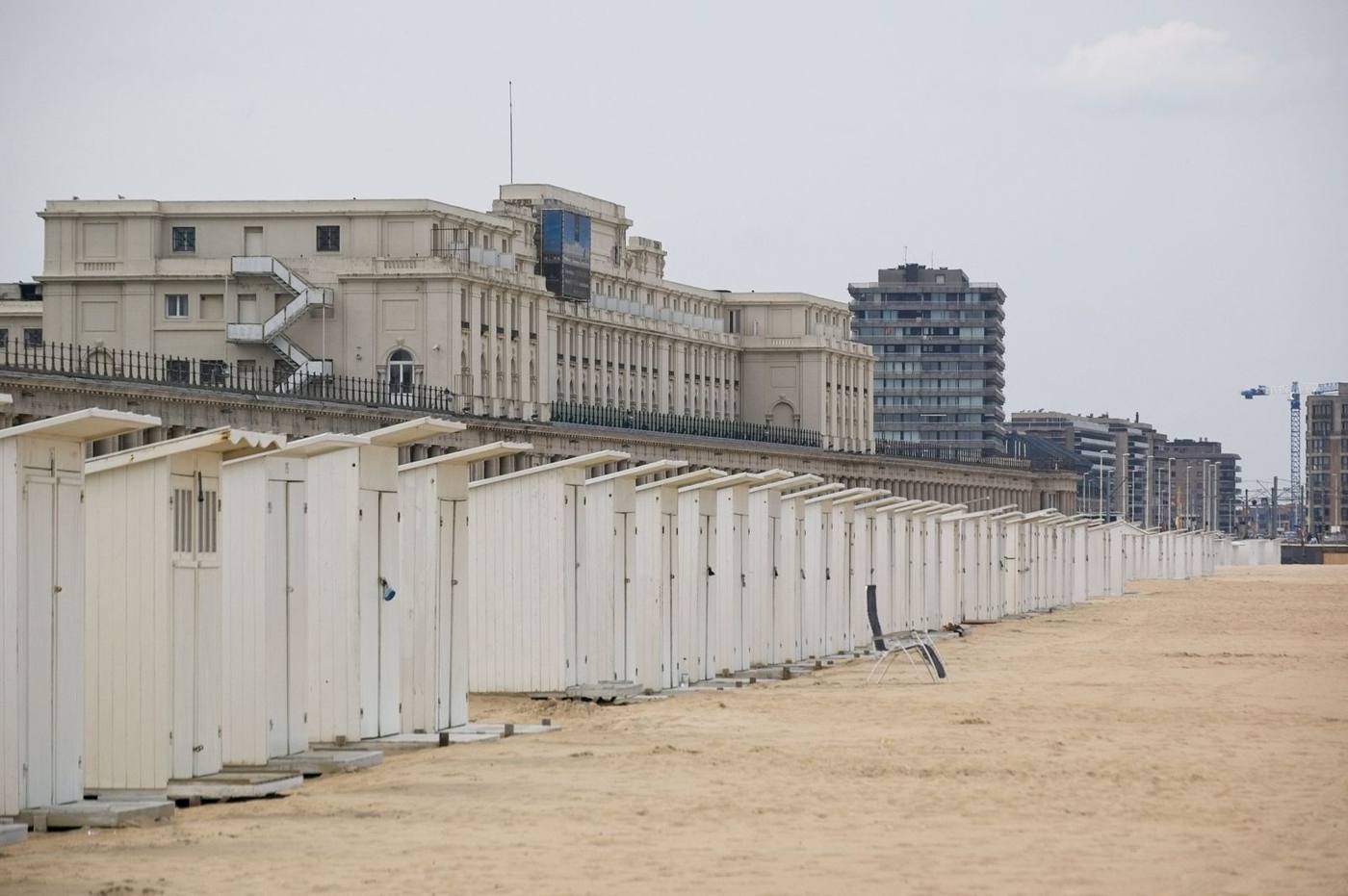 4 daysEasy
The Belgian coast by tram
The world's longest coastal tram from De Panne to Knokke: the dunes, Ostend, the horseback shrimp fishers of Oostduinkerke and the villas of De Haan.
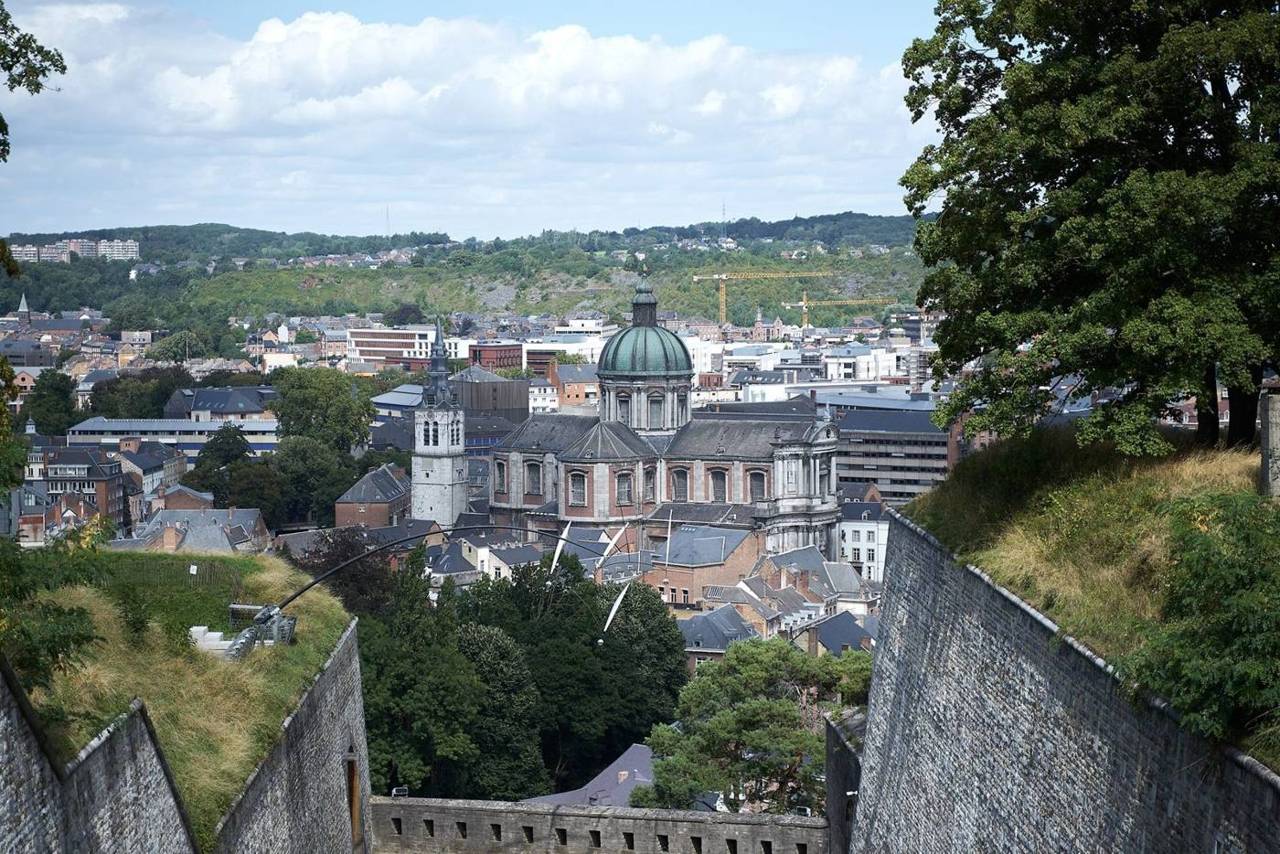 4 daysEasy
Wallonia: Namur, Liège and Spa
Namur citadel, Liège with the Montagne de Bueren stairway and Calatrava's station, Spa and its baths and the Hautes Fagnes.
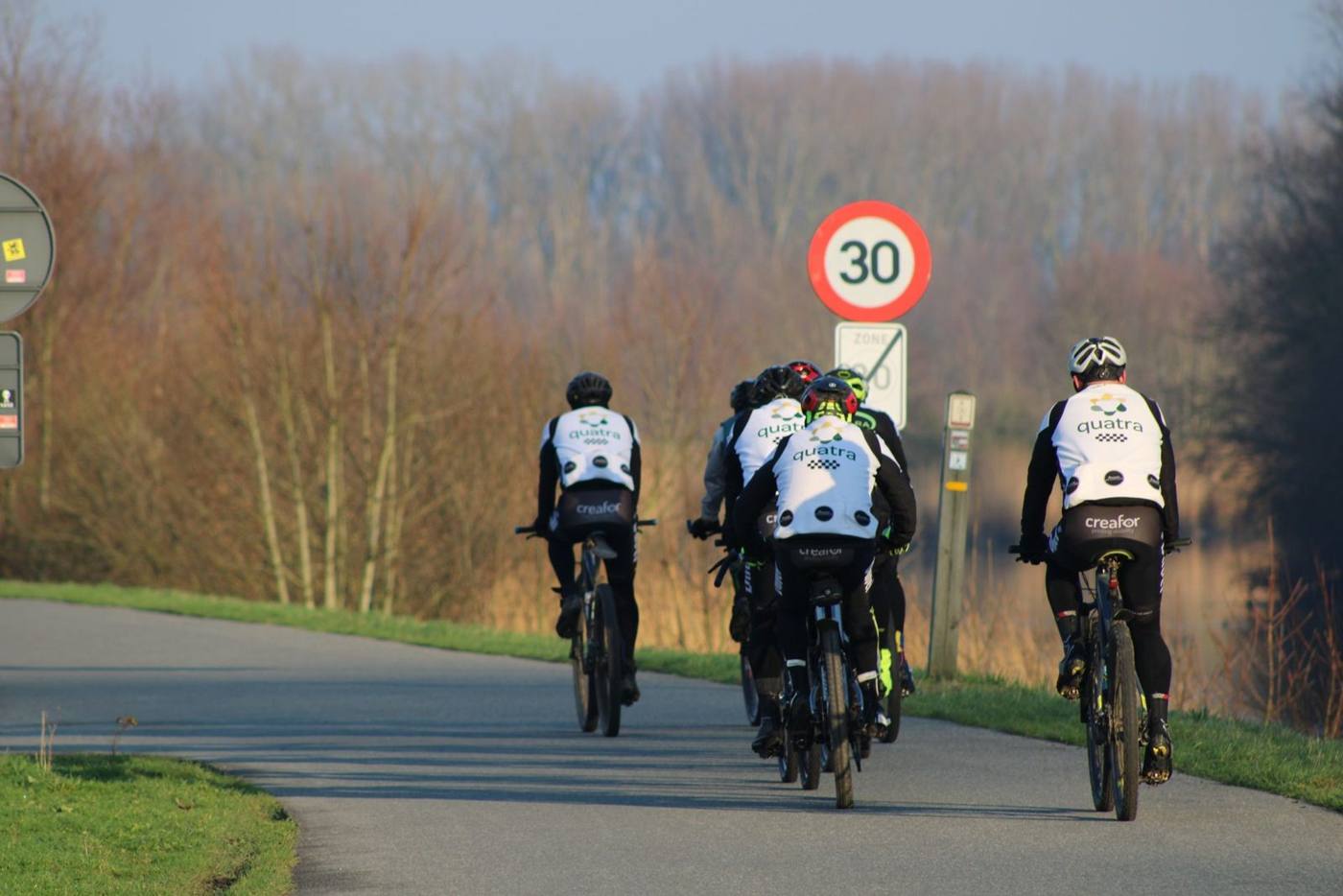 5 daysModerate
Flanders by bike
On the cycle-node network: the cobbled climbs of the Tour of Flanders, the Oudenaarde museum, the canals to Ghent and Bruges.