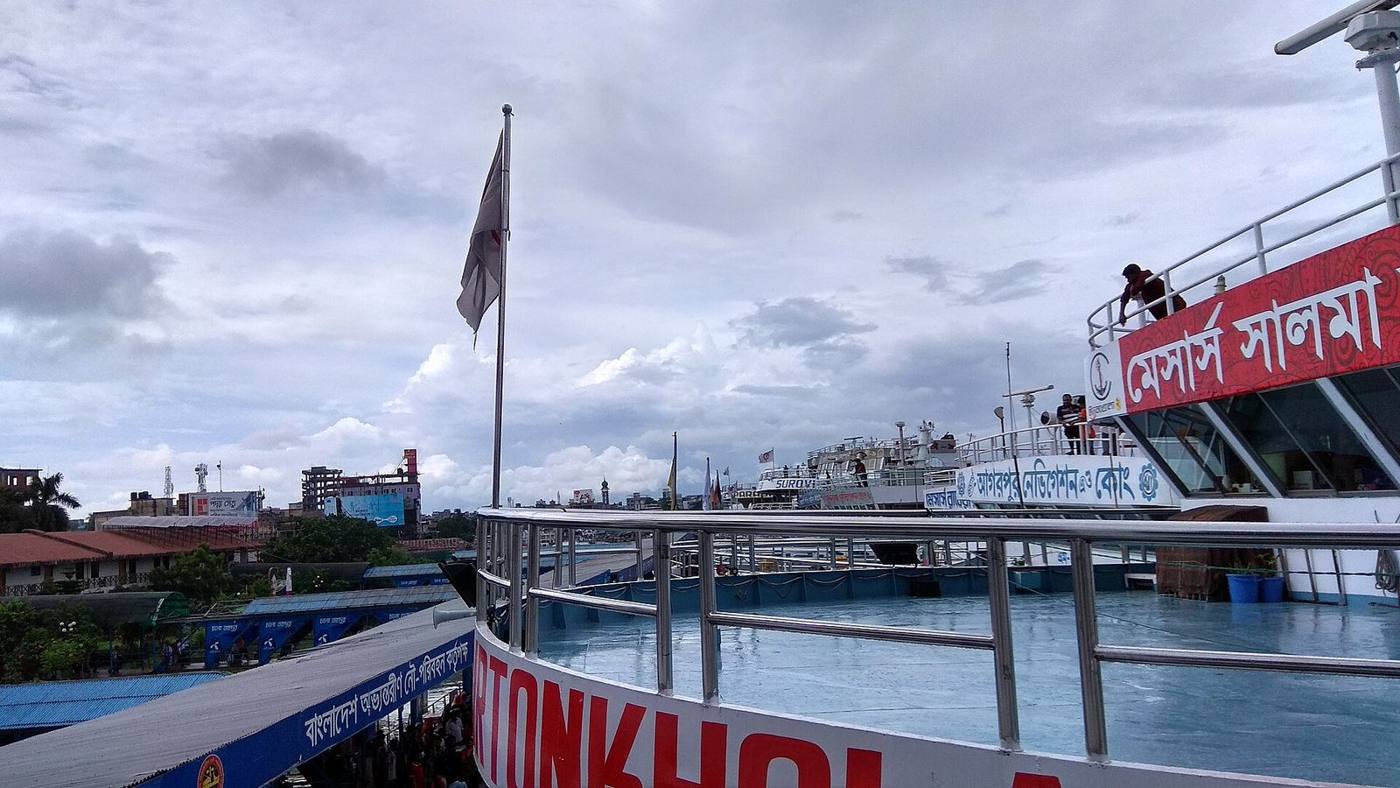
The Rocket steamer and Barisal
An overnight trip on the delta steamers from Dhaka to Barisal, along immense rivers, and the floating guava and rice markets around Swarupkathi.
- Sadarghat
- Barisal
- Swarupkathi
Day by day
- Day 1
Evening departure from Sadarghat
This three day trip tells the story of Bangladesh's rivers: a night on a boat from Dhaka to Barisal, in the heart of the delta of the Ganges and the Brahmaputra, then the canals and markets on the water around Swarupkathi, among rice fields, palms and guava orchards.
Before you go: for Bangladesh you need a passport valid for at least six months, with two blank pages, and a tourist visa, applied for before departure at the Embassy of Bangladesh in Italy. The visa on arrival at Dhaka airport is only for specific cases and is at the officers' discretion: do not count on it. Other nationalities should check their own rules. The British Foreign Office advises against all but essential travel to the Chittagong Hill Tracts, far from this route, and warns that ferries are often overcrowded, sometimes without safety equipment, especially during religious festivals. So avoid festival days and choose large boats with cabins.
The old state paddle steamer, known as the Rocket, has had long suspensions in recent years: ask the state river transport authority in advance whether it is running. Otherwise take one of the large multi deck night boats that leave every evening for Barisal.
Get to Sadarghat at least an hour early, with a porter to take you on board. At sunset the boat pulls away from the quay among hundreds of other boats. From the deck you watch the lights of Dhaka fade and the river widen into the dark.
Practical tip: book a first class cabin with a key and bring a torch, a padlock and water. Keep your documents with you at all times.
- Day 2
Barisal and the floating markets
At dawn the boat is already sailing among the great rivers of the south. Go out on deck with a hot tea: the water is as wide as a lake, the banks are far away and flat, and you see fishermen in tiny boats, barges loaded with sand and villages among the palms. The boat usually reaches Barisal early in the morning.
Barisal is the main town in this part of the delta, crossed by rivers and canals. After breakfast take a car or an auto rickshaw towards Swarupkathi and the nearby canals, about an hour and a half by road. Here hire a rowing boat with a local boatman.
On the canals there are markets on the water: dozens of boats loaded with guava, vegetables, rice and timber meet at one point of the canal and goods are sold from boat to boat. The guava market is at its peak from July to September, when the orchards are full; for the rest of the year the markets are smaller, but life on the canals, with houses, schools and temples by the water, is still worth seeing.
In the afternoon return to Barisal. Walk around Durga Sagar, a large pond dug in the eighteenth century and surrounded by trees, and pass by the Anglican mission church, with its red brick.
Sleep in Barisal, one night.
Practical tip: leave for the canals very early. The markets on the water are liveliest in the morning and end before midday.
- Day 3
Back to Dhaka
Today you go back to Dhaka. You have two options. The first is the road: since 2022 the great bridge over the Padma river has linked the south of the country to the capital, and by coach or car it takes a few hours, depending on the traffic. The second is another night boat, which leaves in the evening and reaches Sadarghat the next morning.
If you choose the evening boat, you have the whole day to spend in Barisal. In the morning visit the great Guthia mosque, outside town, a recent complex with a dome, a tall minaret and gardens with ponds, much loved by Bangladeshis. Cover your legs and arms and take off your shoes at the entrance.
Then take a boat trip on the Kirtankhola river in front of the town at sunset, when the boats for Dhaka are getting ready to leave and the quay fills with passengers, vendors and porters.
Try one last meal from the delta: rice, lentils, river fish in mustard curry, and for dessert doi, sweet yoghurt.
Trip summary: in three days you have spent a night on the river from Sadarghat, seen the great waterways of the south, the markets on the water at Swarupkathi and the town of Barisal. This is slow Bangladesh, the Bangladesh of the rivers.
When to go: from July to September for the guava markets, accepting the heat and monsoon rain; from November to February for a cooler, drier climate.
Practical tip: if you travel by boat during the monsoon, check the forecast. In strong storms departures are suspended.
Bangladesh of the rivers, slow and authentic. Book a first-class cabin. Overcrowded ferries are risky: choose reliable companies.
Before you go
- Documents and visa
- Passport valid for at least six months, with two blank pages, and a visa. British citizens can get a visa on arrival at Dhaka airport, at the officers' discretion, with a return ticket and proof of funds; it is safer to apply in advance to the Bangladesh High Commission. You may need to fill in an electronic arrival card.
- Health and vaccines
- No compulsory vaccinations if you arrive from the UK; ask your doctor about hepatitis A, typhoid and malaria prevention in border areas. Dengue is common, especially in the monsoon: use repellent. Drink only bottled water. You need insurance covering medical costs and repatriation. Emergencies: 999.
- Money and payments
- Bangladeshi taka. Almost everything is paid in cash; cards work in large hotels and some city shops. There are cash machines in cities, few in the countryside.
- Power sockets
- Mixed sockets, often universal, 230 volts: British plugs usually fit, but bring a universal adapter.
- Time zone
- UTC+6 all year, six hours ahead of the UK in winter, five in summer.
- Safety
- The UK advises against all but essential travel to the Chittagong Hill Tracts (Rangamati, Khagrachari and Bandarban), which the United States rates at level 4; for the rest of the country the United States is at level 2. Violence is increasing in the Rohingya camps of Ukhia and Teknaf, in Cox's Bazar district, and there are incidents along the border with India. Avoid rallies, demonstrations and general strike days (hartals); ferries are often overcrowded. Official advice: GOV.UK.
Information checked in November 2026 for Italian and EU citizens. Rules change: always check before you travel.
Variations
Shorter version: go out by night boat and come back by coach over the Padma bridge, in two days.
Longer version: continue from Barisal towards Khulna, Bagerhat and the Sundarbans.
Frequently asked questions
Is the Rocket still running?
The old state paddle steamer has had long suspensions. Ask the state river transport authority in advance; otherwise, large private boats with cabins leave every evening.
Are the boats safe?
Choose large, recent boats with cabins and avoid festival days, when they are overcrowded. The Foreign Office warns that some lack adequate safety equipment.
When can I see the floating markets?
Early in the morning. The guava market is at its peak from July to September; for the rest of the year the markets are smaller.
Indicative itinerary written by World Atlas. Before booking, check timetables, seasonal openings, documents and safety.
 3 daysEasy
Cox's Bazar
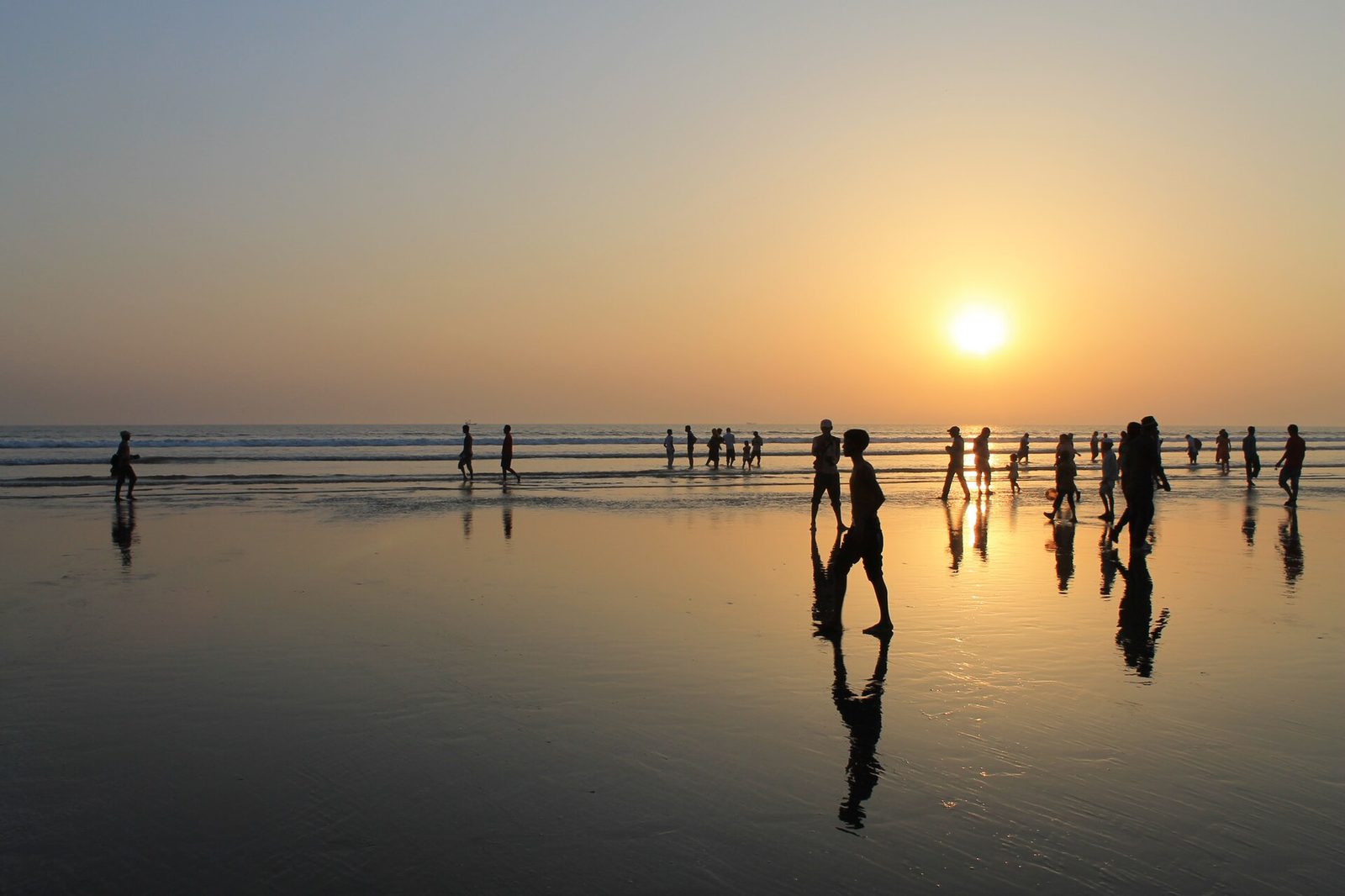
One of the world's longest natural beaches, over 120 km of sand, with the Marine Drive coastal road, Inani beach with its rocks and fishing villages.
 7 daysModerate
Dhaka and the Sundarbans
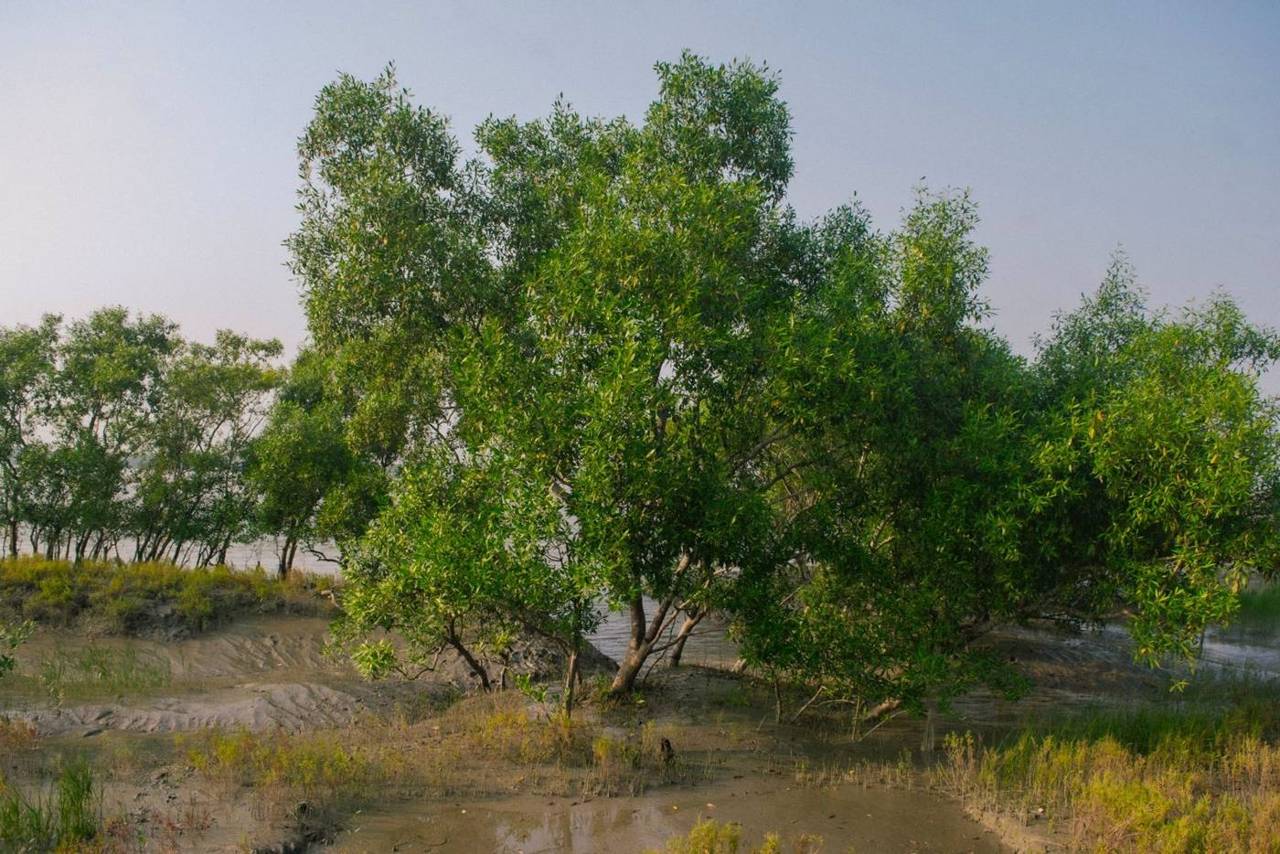
Old Dhaka on the Buriganga river, the mosques of Bagerhat and a cruise in the Sundarbans, the world's largest mangrove, home of the Bengal tiger.
 5 daysEasy
Srimangal and Sylhet
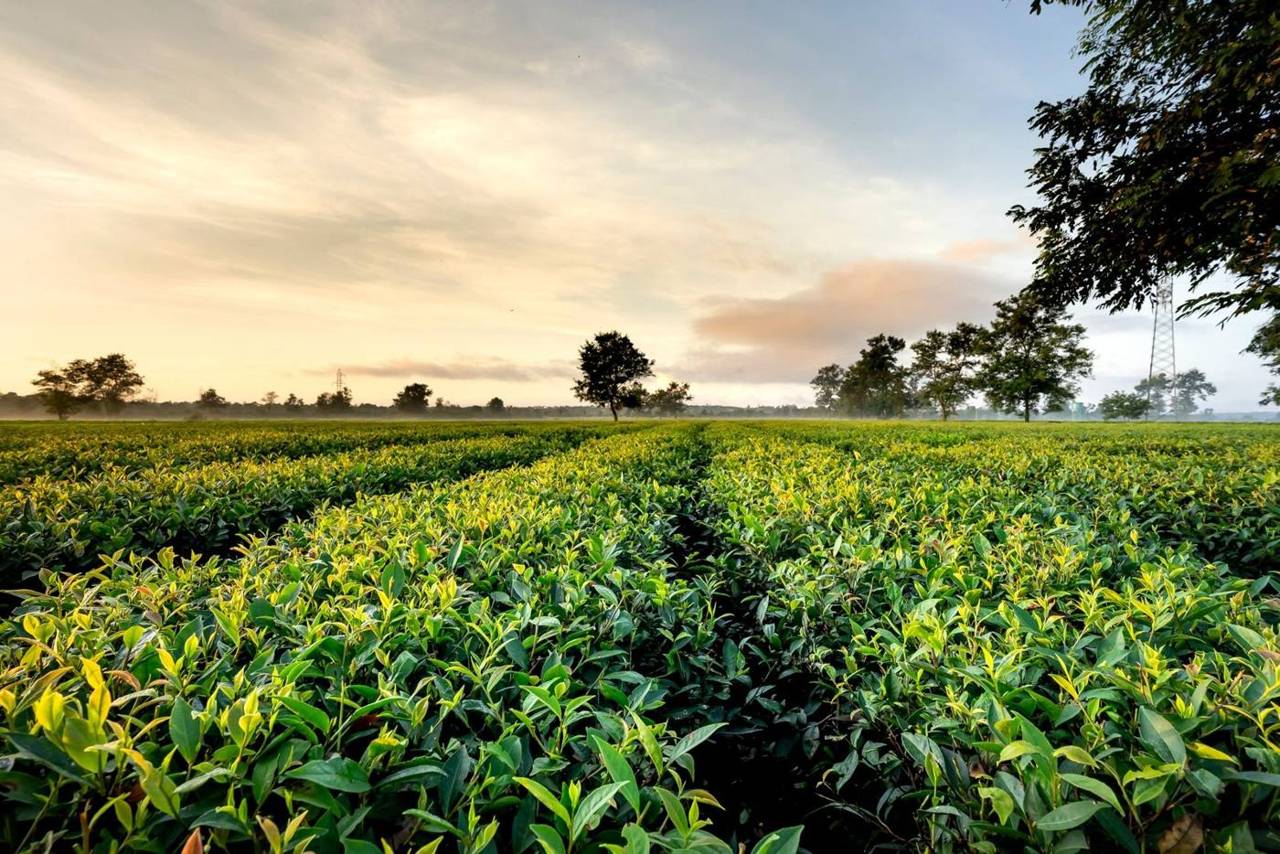
The tea hills of Srimangal, Lawachara forest with its gibbons and the Ratargul swamp forest near Sylhet.