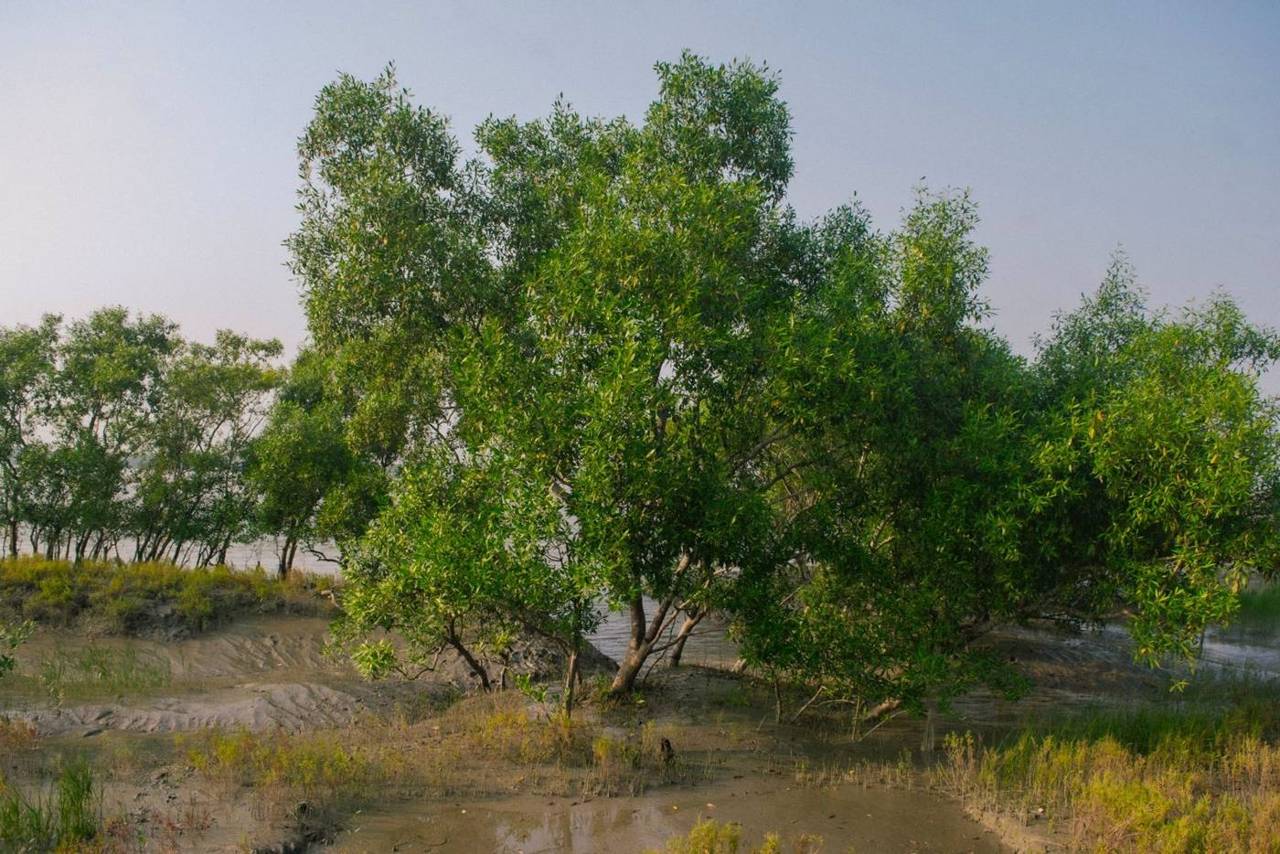
Dhaka and the Sundarbans
Old Dhaka on the Buriganga river, the mosques of Bagerhat and a cruise in the Sundarbans, the world's largest mangrove, home of the Bengal tiger.
- Dhaka
- Sadarghat
- Khulna
- Bagerhat
- Sundarbans
- Mongla
Day by day
- Day 1
Arrival in Dhaka and Lalbagh Fort
This seven day trip crosses Bangladesh from the river to the sea: two days in Old Dhaka, on the banks of the Buriganga, then Khulna and the medieval mosques of Bagerhat, and finally three days cruising in the Sundarbans, the largest mangrove forest in the world, home of the Bengal tiger.
Before you go: for Bangladesh you need a passport valid for at least six months, with two blank pages, and a tourist visa, applied for before departure at the Embassy of Bangladesh in Italy. The visa on arrival at Dhaka airport is only for specific cases and is at the officers' discretion: do not count on it. Other nationalities should check their own rules. The British Foreign Office advises against all but essential travel to the Chittagong Hill Tracts, which the United States rates at level 4: this trip does not go there. The country has periods of political tension: avoid rallies and demonstrations and follow official advice on hartals, the general strikes.
You land at Dhaka's international airport, north of the city. Traffic into the centre can be extremely slow: if you arrive in the morning, rest for a few hours and set out in the afternoon.
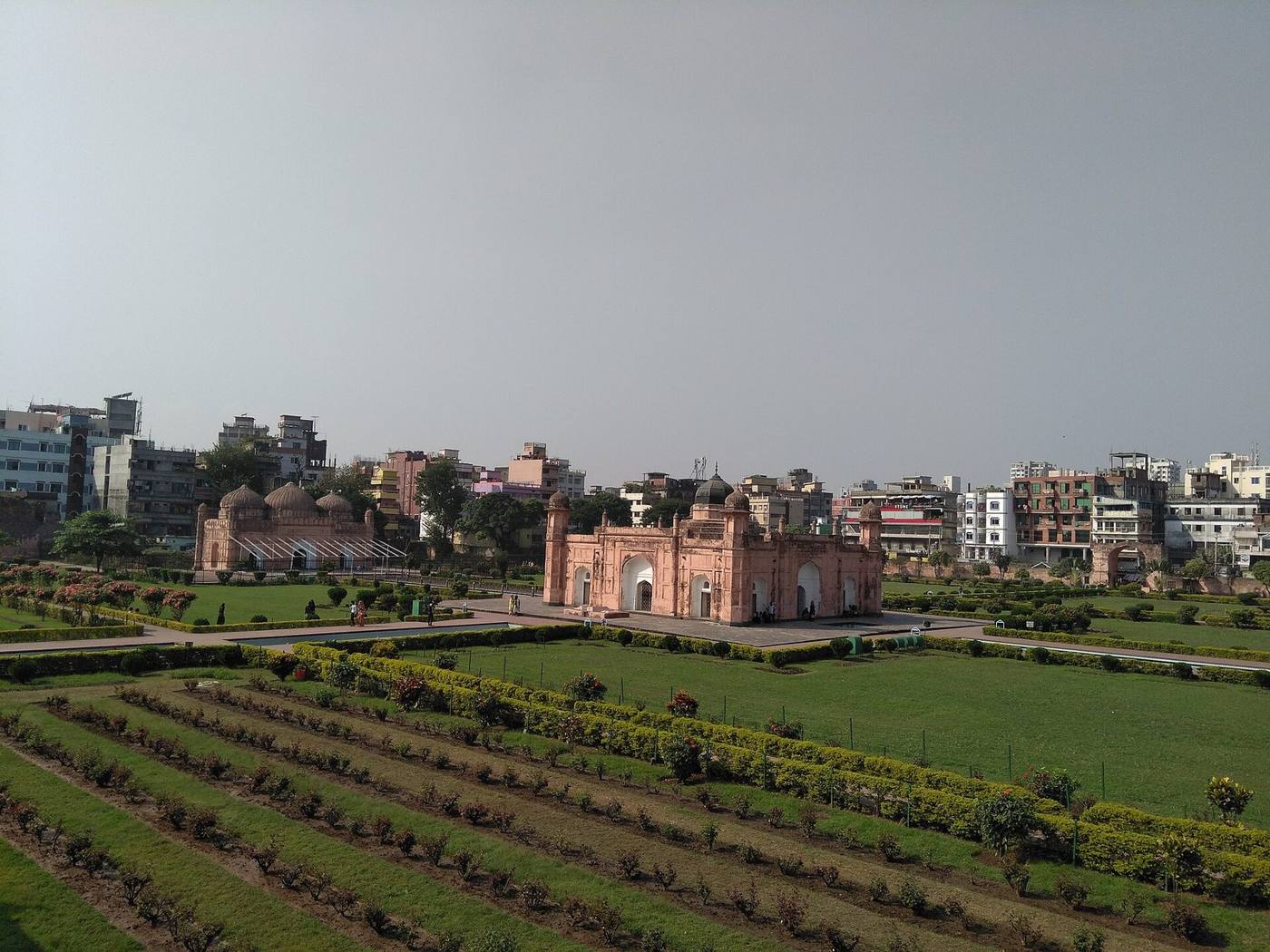
Go to Lalbagh Fort, the Mughal citadel begun in 1678 and left unfinished, with its gardens, its mosque and the mausoleum of Pari Bibi, faced with marble. It is an oasis of calm in the heart of the old city. Check prices and times.
In the evening have dinner with kacchi biryani, rice with slow cooked goat, the signature dish of Old Dhaka.
Sleep in Dhaka, two nights.
Practical tip: change a little money at the airport and buy a local SIM card. In the alleys almost all payments are in cash.
- Day 2
Sadarghat, Ahsan Manzil and the alleys of Old Dhaka
Start early, when the port of Sadarghat is already in full swing. On the Buriganga river the large multi deck boats bound for the south of the delta come and go, while hundreds of small wooden boats carry people from one bank to the other. Get on one of these, a nouka, for half an hour on the river: agree on the price before you set off.
Then visit Ahsan Manzil, the Pink Palace of the Nawabs of Dhaka, overlooking the river with its great dome. The restored rooms tell the story of the most powerful family in the city in the nineteenth century. Check prices and times: the museum has closing days.
In the afternoon, with a local guide, walk through the alleys. Pass by the Star Mosque, covered in porcelain mosaics, the eighteenth century Armenian church and Shankhari Bazar, the street of Hindu craftsmen who carve bracelets from conch shells. The houses are narrow and very tall, and the balconies almost touch above the street.
Stop for a milky tea in a small shop, sitting on a bench, and watch the life of the neighbourhood go by: vendors, students, carts and brightly painted rickshaws.
In the evening pack for tomorrow's departure: for the cruise you need light but long clothes, a fleece for the cool mornings and a hat.
Practical tip: in the crowds at Sadarghat, wear your backpack on your front and keep your phone in a closed pocket. Pickpocketing is common.
- Day 3
Khulna and the Sixty Dome Mosque
Early in the morning leave Dhaka heading south-west. Since 2022 the bridge over the Padma river has made the journey much shorter: by train or car you reach Khulna in a few hours. Alternatively there is a flight to Jessore and then the road.
From Khulna go on to Bagerhat, about an hour away. Here in the fifteenth century the saint and general Khan Jahan Ali founded a city in the delta forest, now a UNESCO World Heritage Site. The main monument is Shait Gumbad, the Sixty Dome Mosque: a great brick building with sixty stone columns inside and, on the roof, more than sixty domes. Go in barefoot and with covered clothes. Check prices and times.
Then visit the mausoleum of Khan Jahan Ali, on the bank of a large pond where crocodiles considered sacred live, a destination for pilgrims from all over the country. Between monuments the roads pass ponds, rice fields and coconut palms.
In the evening go on to Mongla, the port where boats leave for the Sundarbans, or sleep in Khulna and leave tomorrow at dawn, depending on the cruise programme.
Cruises in the Sundarbans can only be done on an authorised boat, which takes care of the Forest Department permits and carries an armed forest guard on board. Book well in advance.
Practical tip: bring your passport and a few photocopies. You need them for the forest permits and for checks along the rivers.
- Day 4
Into the Sundarbans: the first channels
The boat leaves Mongla in the morning and heads down the wide, brown Pasur river towards the forest. The Sundarbans stretch across Bangladesh and India, where the Ganges, the Brahmaputra and the Meghna reach the Bay of Bengal. The Bangladeshi part is a UNESCO World Heritage Site.
The banks change quickly: houses and fields give way to a green wall of mangroves, with roots sticking out of the mud like small spears. Twice a day the tide rises and falls by metres, covering and uncovering the banks.
The first stop is often Karamjal, a Forest Department centre with wooden walkways through the forest and a small crocodile breeding station. Here you see macaques, spotted deer and the first fiddler crabs on the mud at close range.
In the afternoon the boat enters narrower channels. Sit at the bow in silence: with a little luck you see a kingfisher, a fish eagle, a monitor lizard sliding into the water or Irrawaddy dolphins surfacing to breathe in the wide rivers.
In the evening the boat anchors in a channel. There is no signal, only the sound of the forest and the dark. Dinner on board with fish, rice and lentils.
Sleep on the boat, three nights.
Practical tip: bring strong repellent, a head torch and a power bank. Electricity on board is limited.
- Day 5
Kotka, the deer and the beach on the bay
The day begins at dawn, on a small rowing boat or slow motorboat that enters the smallest channels. At this hour the animals are active and the silence is total: you hear only the rustle of leaves, the calls of birds and the lapping of water.
The Kotka area, in the south of the forest near the sea, is one of the richest in wildlife. Go ashore with the armed forest guard and walk along a path to an observation tower. In front of you opens a clearing where groups of spotted deer graze, often with macaques in the nearby trees: the monkeys drop leaves and the deer eat them.
Tiger footprints in the mud are easier to see than the tiger itself. The Sundarbans hold one of the most important populations of Bengal tigers, but seeing one is very rare: you come for the forest, the birds and life on the river.
In the afternoon walk to the beach on the Bay of Bengal, long and deserted, with the tracks of crabs and birds on the sand. Do not swim: the currents are strong and there are crocodiles in the water.
In the evening on board, listen to the guide's stories about the honey collectors, fishermen and leaf cutters who work in the forest, always in fear of the tiger.
Practical tip: in the forest always follow the guard and do not stray from the group. Tigers here are a real danger.
- Day 6
Kochikhali and life on the river
Today the boat moves on to Kochikhali, another area in the south, with grasslands, small woods and channels where you see deer, wild boar and many birds: herons, egrets, storks and several species of brightly coloured kingfisher. Bring binoculars if you have them.
In the morning take another trip in a small boat along the channels. Look at the mangroves: some have roots that grow upwards to breathe, others arched roots that hold them upright in the mud. It is a unique environment that changes twice a day with the tide.
Along the river you meet the people who live from the forest: fishermen on wooden boats with nets strung between poles, crab collectors and sometimes the mawali, the wild honey gatherers, who enter the forest in spring with a permit from the Forest Department. Their life is hard and dangerous.
In the afternoon the boat starts heading back north. Sit on deck and watch the forest slide by, as the sun sets behind the mangroves and the sky turns orange.
The last evening on board is a good moment to thank the crew and the forest guard. If you want to leave a tip, put it in an envelope for the whole crew.
Practical tip: do not leave plastic or rubbish in the river. Take everything back to Mongla, where it can be disposed of.
- Day 7
Back to Dhaka
In the morning the boat reaches Mongla. From here you return to Khulna and then to Dhaka, by car or coach over the Padma bridge, or by train; if you are in a hurry you can fly from Jessore. Leave early to avoid reaching the capital at rush hour.
Trip summary: in seven days you have seen Old Dhaka with Lalbagh Fort, the port of Sadarghat and the Pink Palace of Ahsan Manzil, the medieval mosques of Bagerhat with Shait Gumbad, and then three days in the Sundarbans among channels, mangroves, deer, crocodiles, dolphins and tiger tracks. It is a trip for those looking for a real country, with very few foreign tourists and great hospitality.
When to go: from November to February, with dry days, a calm sea and pleasant temperatures: it is also the best period for birds. From March the heat builds, from June to September the monsoon makes sailing difficult, and in summer, for a few months, entry to the forest is closed to protect the breeding of animals and fish: check the dates before booking.
If you have an evening to spare in Dhaka before your flight, have dinner with hilsa curry, the national fish, cooked in mustard.
Practical tip: for your return flight, arrive at Dhaka airport at least three hours early. Traffic and the checks at the entrance take a long time.
A trip for those seeking a real country with almost no tourists. Seeing a tiger is very rare: you come for the mangrove and river life. The country has periods of political tension and strikes: follow your government's travel advice.
Before you go
- Documents and visa
- Passport valid for at least six months, with two blank pages, and a visa. British citizens can get a visa on arrival at Dhaka airport, at the officers' discretion, with a return ticket and proof of funds; it is safer to apply in advance to the Bangladesh High Commission. You may need to fill in an electronic arrival card.
- Health and vaccines
- No compulsory vaccinations if you arrive from the UK; ask your doctor about hepatitis A, typhoid and malaria prevention in border areas. Dengue is common, especially in the monsoon: use repellent. Drink only bottled water. You need insurance covering medical costs and repatriation. Emergencies: 999.
- Money and payments
- Bangladeshi taka. Almost everything is paid in cash; cards work in large hotels and some city shops. There are cash machines in cities, few in the countryside.
- Power sockets
- Mixed sockets, often universal, 230 volts: British plugs usually fit, but bring a universal adapter.
- Time zone
- UTC+6 all year, six hours ahead of the UK in winter, five in summer.
- Safety
- The UK advises against all but essential travel to the Chittagong Hill Tracts (Rangamati, Khagrachari and Bandarban), which the United States rates at level 4; for the rest of the country the United States is at level 2. Violence is increasing in the Rohingya camps of Ukhia and Teknaf, in Cox's Bazar district, and there are incidents along the border with India. Avoid rallies, demonstrations and general strike days (hartals); ferries are often overcrowded. Official advice: GOV.UK.
Information checked in November 2026 for Italian and EU citizens. Rules change: always check before you travel.
Variations
Shorter version: one day in Dhaka, then Bagerhat and two days in the Sundarbans, in five days.
Longer version: add Srimangal and Lawachara forest, in the north-east, with four more days.
Frequently asked questions
Will I see a tiger in the Sundarbans?
Very rarely. You are more likely to see footprints in the mud. In return you will see deer, macaques, crocodiles, monitor lizards, dolphins and many birds.
Can I visit the forest on my own?
No. You need a Forest Department permit and an armed guard: authorised cruises take care of everything. Book well in advance.
What is life on board like?
Simple: small cabins, shared or private bathrooms depending on the boat, Bangladeshi meals and little electricity. Bring a torch, repellent and a fleece.
Indicative itinerary written by World Atlas. Before booking, check timetables, seasonal openings, documents and safety.
 5 daysEasy
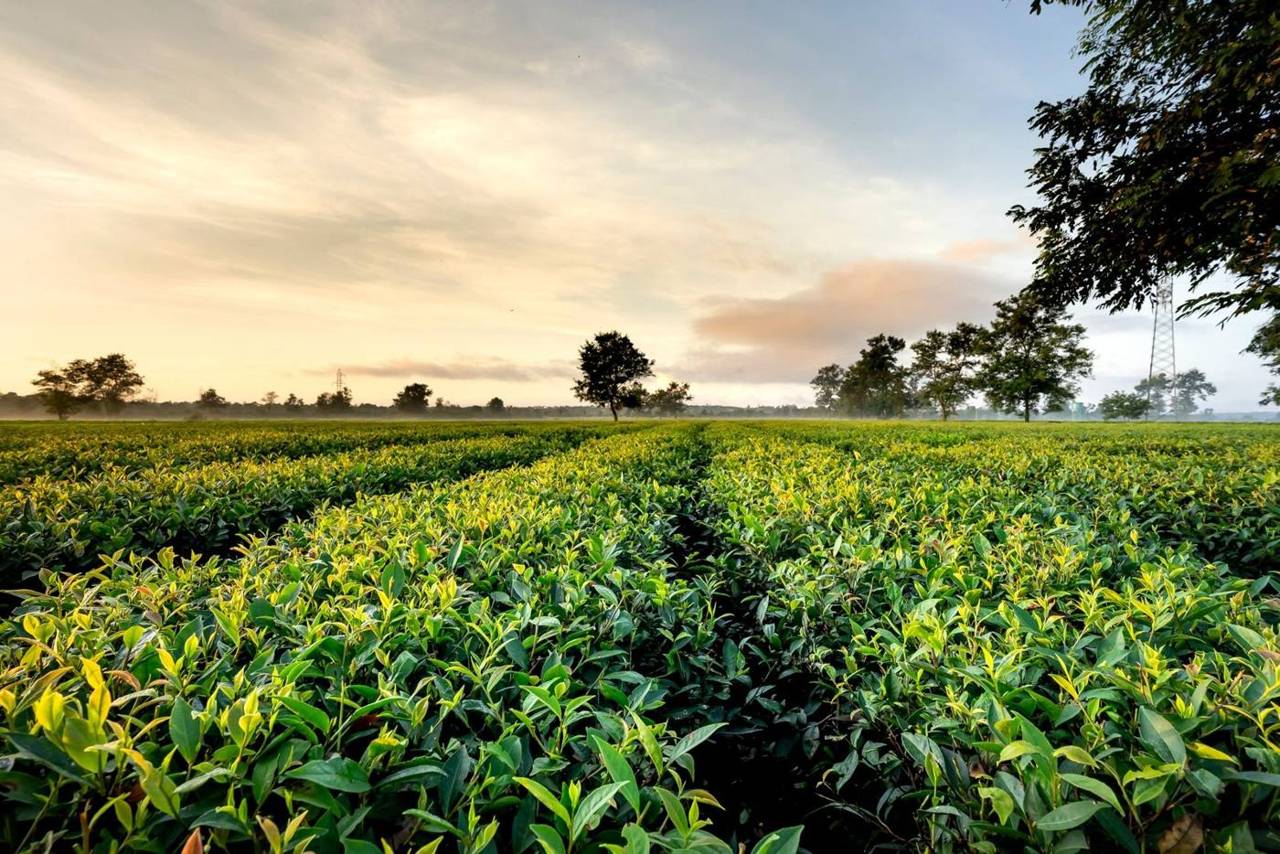
Srimangal and Sylhet
The tea hills of Srimangal, Lawachara forest with its gibbons and the Ratargul swamp forest near Sylhet.
 2 daysModerate
Old Dhaka
The capital's chaotic heart: Lalbagh fort, the pink Ahsan Manzil palace, the Star Mosque, Sadarghat port with thousands of boats and the Shankhari bazaars.
 2 daysEasy
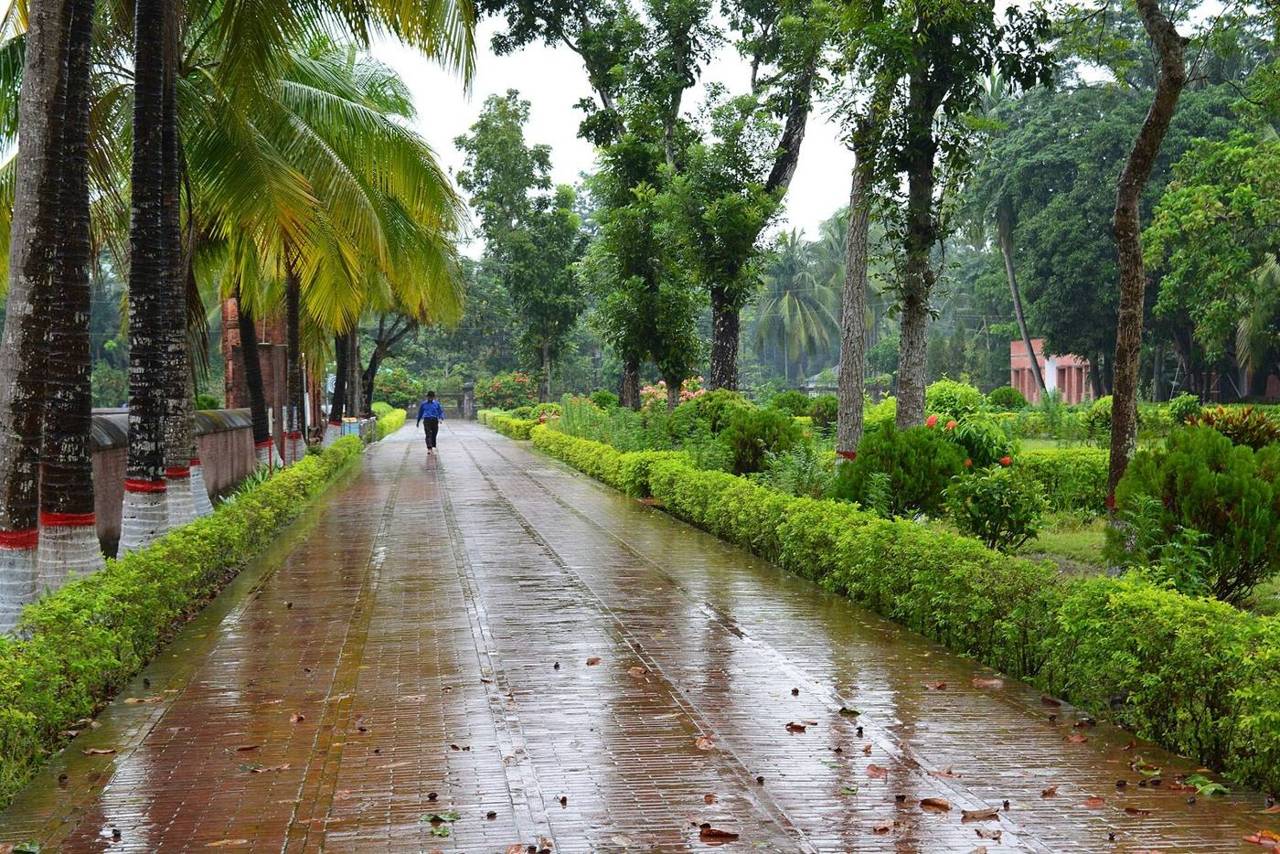
Bagerhat and the Sixty Dome Mosque
The medieval mosque city of Bagerhat, a UNESCO site, with the great brick Shait Gumbad and dozens of mosques among ponds and palms, gateway to the Sundarbans.