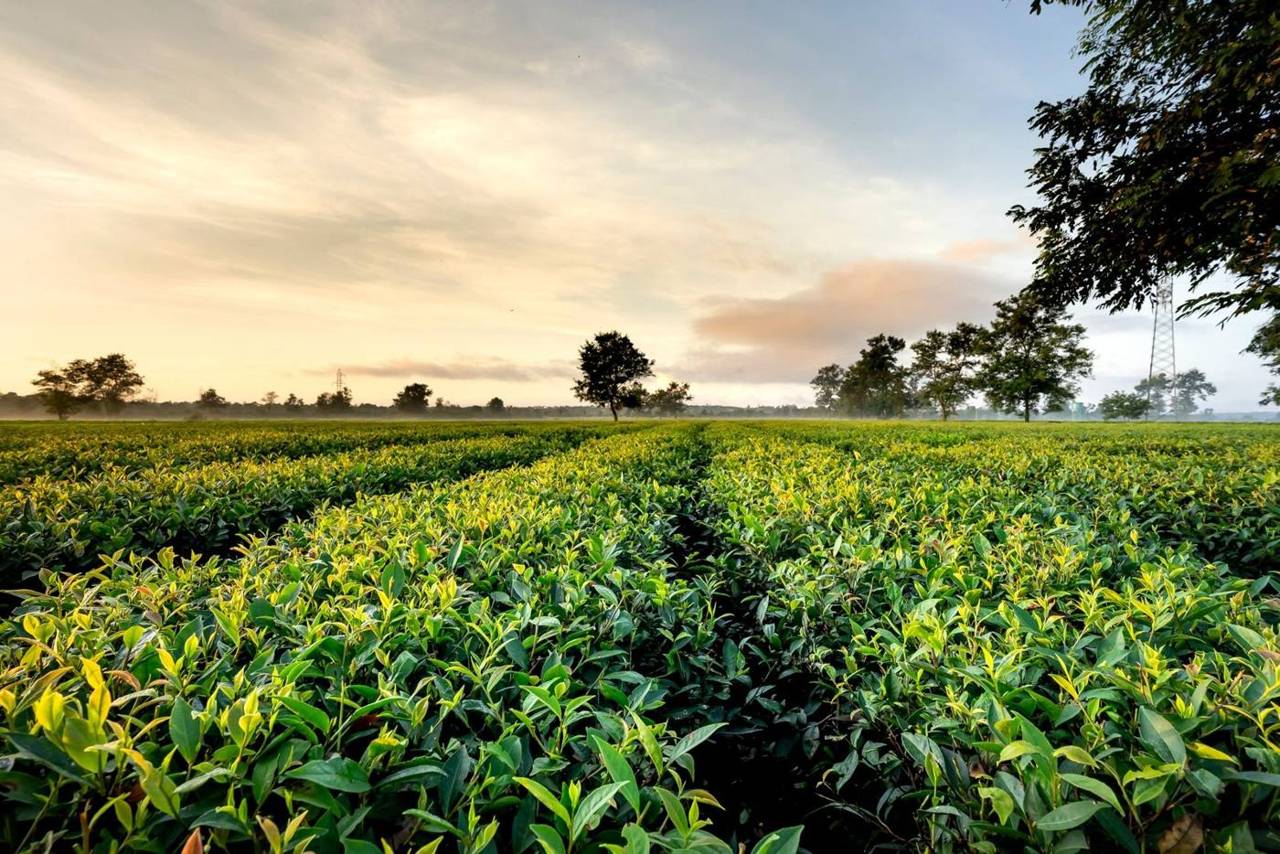
Srimangal and Sylhet
The tea hills of Srimangal, Lawachara forest with its gibbons and the Ratargul swamp forest near Sylhet.
- Dhaka
- Srimangal
- Lawachara
- Sylhet
- Ratargul
Day by day
- Day 1
By train from Dhaka to Srimangal
This five day trip takes you to the green north-east of Bangladesh: the tea hills of Srimangal, the forest of Lawachara with its gibbons, then Sylhet and the flooded forest of Ratargul, explored by boat. It is the quiet side of the country, far from the chaos of the capital.
Before you go: for Bangladesh you need a passport valid for at least six months, with two blank pages, and a tourist visa, applied for before departure at the Embassy of Bangladesh in Italy. The visa on arrival at Dhaka airport is only for specific cases and is at the officers' discretion: do not count on it. Other nationalities should check their own rules. The British Foreign Office advises against all but essential travel to the Chittagong Hill Tracts, in the south-east, far from here, and reports incidents along the border with India: do not go near the frontier. Throughout the country, avoid rallies and demonstrations.
Take the morning train from Kamalapur station or from Dhaka airport station. The journey takes a few hours, through rice fields, villages and ponds covered in water lilies. The air conditioned first class carriages are comfortable, and sellers of tea, peanuts and fruit walk through.
You reach Srimangal in the early afternoon. The small town is the centre of the tea region, surrounded by low hills covered in plantations. Stay somewhere outside the centre, among the greenery, and take a first walk at sunset, when the birds return to the shade trees.
Sleep in Srimangal, three nights.
Practical tip: buy your train tickets a few days ahead, with your passport. First class seats sell out quickly, especially at weekends.
- Day 2
The tea gardens and seven layer tea
Sylhet is one of the great tea regions of South Asia: the first commercial plantations were opened here in the mid nineteenth century, under British rule. Today there are dozens of estates around Srimangal, with neat rows of bushes on the hills and tall trees planted for shade.
In the morning walk or cycle through the plantations. You will see the pickers, with baskets on their backs, plucking by hand only the youngest leaves, two leaves and a bud. Many families who work on the estates descend from labourers brought here from India more than a century ago and live in villages inside the plantations. Greet them respectfully and ask before taking photographs.
Some estates let you see the factory where the leaves are withered, rolled, fermented and dried: ask on the spot whether you can go in. Then go to Madhabpur lake, a lake among the tea hills, with water lilies and paths along its banks.
In the afternoon try the Srimangal speciality: seven layer tea, served in a tall glass with seven different colours, from light to dark, made with tea, milk and different spices that do not mix. It was born here and has become famous all over the country.
Practical tip: buy tea directly in Srimangal, in sealed packs. It is much cheaper than in Dhaka and makes a good present to take home.
- Day 3
Lawachara forest and the gibbons
Today you explore Lawachara National Park, a tropical forest a few kilometres from Srimangal, one of the last remaining in the north-east of the country. Go at dawn, when the animals are most active and it is still cool. Check prices and times.
Hire a guide at the park entrance: they know the trails and where to look for the animals. The most famous species is the hoolock gibbon, the only ape in Bangladesh. You hear them before you see them: in the morning gibbon families sing with long calls that fill the forest. With a little luck you see them moving among the tall trees, swinging from branch to branch with their long arms.
The forest is also home to langurs, macaques, giant squirrels and many birds. The trails are easy, lasting one, two or three hours. A railway line crosses the park: it is strange to see a train pass through the middle of the jungle.
In and around the park there are Khasi villages, an indigenous people who grow betel leaves on the forest trees. If your guide agrees, you can visit one discreetly.
In the afternoon rest or visit a Manipuri village, where women weave colourful cloth on hand looms.
Practical tip: wear long trousers and closed shoes. In the rainy season there are many leeches: long socks help.
- Day 4
Sylhet and the flooded forest of Ratargul
In the morning leave Srimangal and travel to Sylhet, by train or by car in a couple of hours. Sylhet is a lively city on the Surma river, with a strong link to the United Kingdom, where a large community of emigrants from this region lives.
Carry straight on to Ratargul, north of the city, about an hour and a half by road. It is a freshwater swamp forest, rare in the world: during and after the monsoon, from July to October, the water rises and the trees stand with their trunks submerged. You explore it in small wooden boats steered by a boatman, gliding between the branches in a green silence. In the dry season the water drops a lot and only channels and ponds remain: the experience is more modest, so ask locally. Check prices and times.
In the afternoon return to Sylhet and visit the shrine of Hazrat Shah Jalal, the fourteenth century Sufi saint who brought Islam to the region. It is a very lively place of pilgrimage, with a pond full of catfish and pigeons considered sacred. Go in barefoot and with covered clothes; women have access only to some parts.
At sunset walk along the bank of the Surma, near the old iron bridge, as boats cross the river.
Sleep in Sylhet, one night.
Practical tip: from Sylhet there are trips to the quarries and rivers on the border with India. Avoid them: the frontier is not a place for tourists.
- Day 5
Back to Dhaka
On the last day you return to Dhaka. You can take the train, which takes several hours and is a good way to see the countryside once more, or the flight, which takes less than an hour. If you choose the train, leave in the morning to reach Dhaka before evening.
Before leaving, if you have time, go to the central market in Sylhet, where they sell citrus fruit, the region's fiery little chillies, loose tea and satkora, a bitter citrus used in meat curries. Taste a beef curry with satkora, a typical dish of Sylhet.
Trip summary: in five days you have travelled by train among the rice fields, walked through the tea gardens of Srimangal, drunk seven layer tea, listened to the gibbons singing in Lawachara forest, crossed the flooded forest of Ratargul by boat and visited the shrine of Shah Jalal in Sylhet. This is green, peaceful Bangladesh, with trains as the main way of getting around.
When to go: from November to March the climate is dry and pleasant, ideal for walking in the plantations and the forest. From July to September Ratargul is really flooded and the landscape is greener, but it rains a lot, it is hot and there are leeches.
Practical tip: always carry a copy of your passport and visa. On trains and at places to stay you are sometimes asked for it.
Green, calm Bangladesh, far from the capital's chaos. Ratargul is only truly flooded during and after the monsoon. Trains are cheap and pleasant; booking first-class seats is best.
Before you go
- Documents and visa
- Passport valid for at least six months, with two blank pages, and a visa. British citizens can get a visa on arrival at Dhaka airport, at the officers' discretion, with a return ticket and proof of funds; it is safer to apply in advance to the Bangladesh High Commission. You may need to fill in an electronic arrival card.
- Health and vaccines
- No compulsory vaccinations if you arrive from the UK; ask your doctor about hepatitis A, typhoid and malaria prevention in border areas. Dengue is common, especially in the monsoon: use repellent. Drink only bottled water. You need insurance covering medical costs and repatriation. Emergencies: 999.
- Money and payments
- Bangladeshi taka. Almost everything is paid in cash; cards work in large hotels and some city shops. There are cash machines in cities, few in the countryside.
- Power sockets
- Mixed sockets, often universal, 230 volts: British plugs usually fit, but bring a universal adapter.
- Time zone
- UTC+6 all year, six hours ahead of the UK in winter, five in summer.
- Safety
- The UK advises against all but essential travel to the Chittagong Hill Tracts (Rangamati, Khagrachari and Bandarban), which the United States rates at level 4; for the rest of the country the United States is at level 2. Violence is increasing in the Rohingya camps of Ukhia and Teknaf, in Cox's Bazar district, and there are incidents along the border with India. Avoid rallies, demonstrations and general strike days (hartals); ferries are often overcrowded. Official advice: GOV.UK.
Information checked in November 2026 for Italian and EU citizens. Rules change: always check before you travel.
Variations
Shorter version: three days in Srimangal, with the tea gardens and Lawachara, and back to Dhaka by train.
Longer version: add a day for Satchari National Park, another forest with gibbons and many birds, south of Srimangal.
Frequently asked questions
When is Ratargul flooded?
During and after the monsoon, roughly from July to October. In the dry season the water is low and only channels and ponds remain.
Will I definitely see gibbons?
Not definitely, but at dawn and with a park guide the chances are good. You often hear them before you see them.
Train or plane?
The train is cheap and pleasant, but slow: book first class. The flight between Sylhet and Dhaka takes less than an hour.
Indicative itinerary written by World Atlas. Before booking, check timetables, seasonal openings, documents and safety.
 2 daysModerate
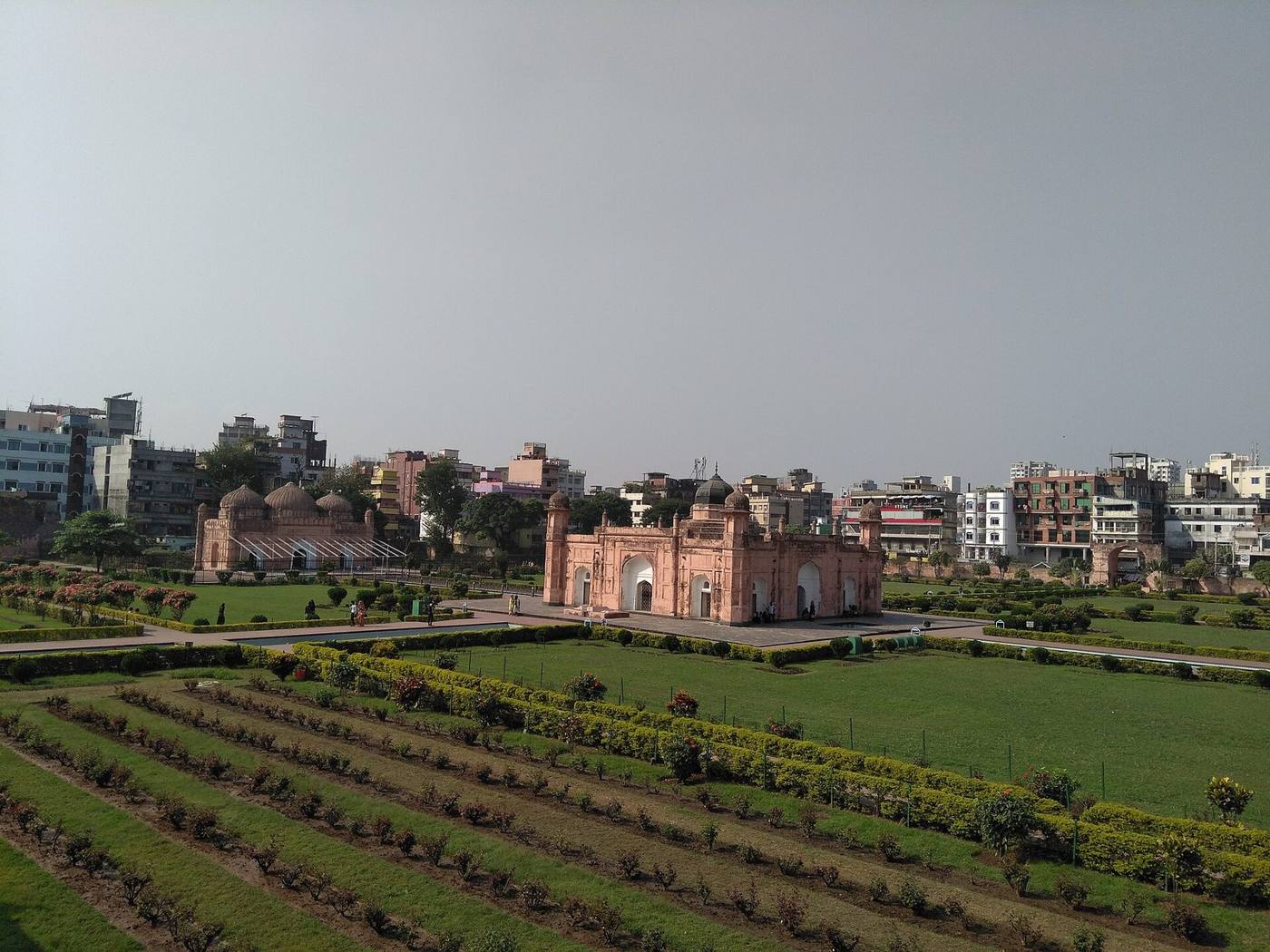
Old Dhaka
The capital's chaotic heart: Lalbagh fort, the pink Ahsan Manzil palace, the Star Mosque, Sadarghat port with thousands of boats and the Shankhari bazaars.
 2 daysEasy
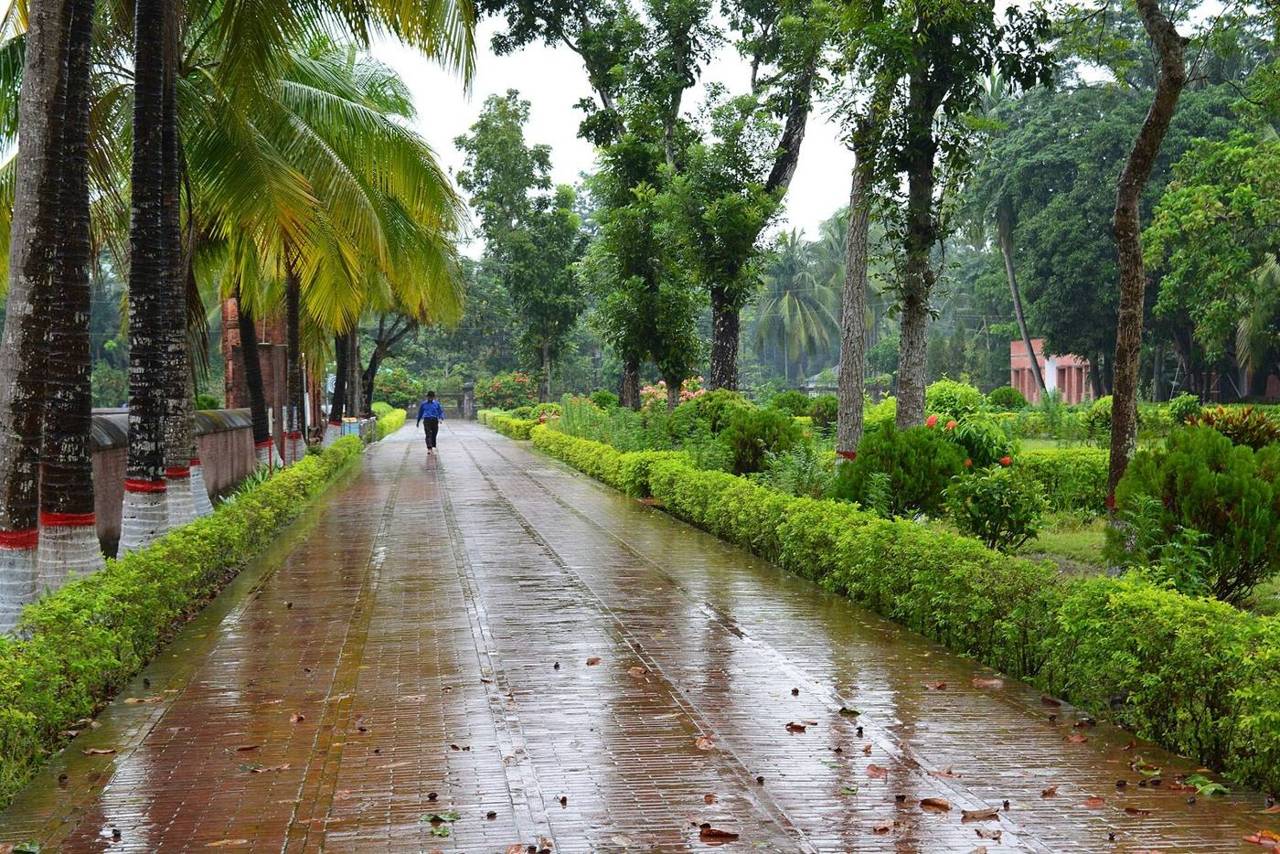
Bagerhat and the Sixty Dome Mosque
The medieval mosque city of Bagerhat, a UNESCO site, with the great brick Shait Gumbad and dozens of mosques among ponds and palms, gateway to the Sundarbans.
 3 daysModerate
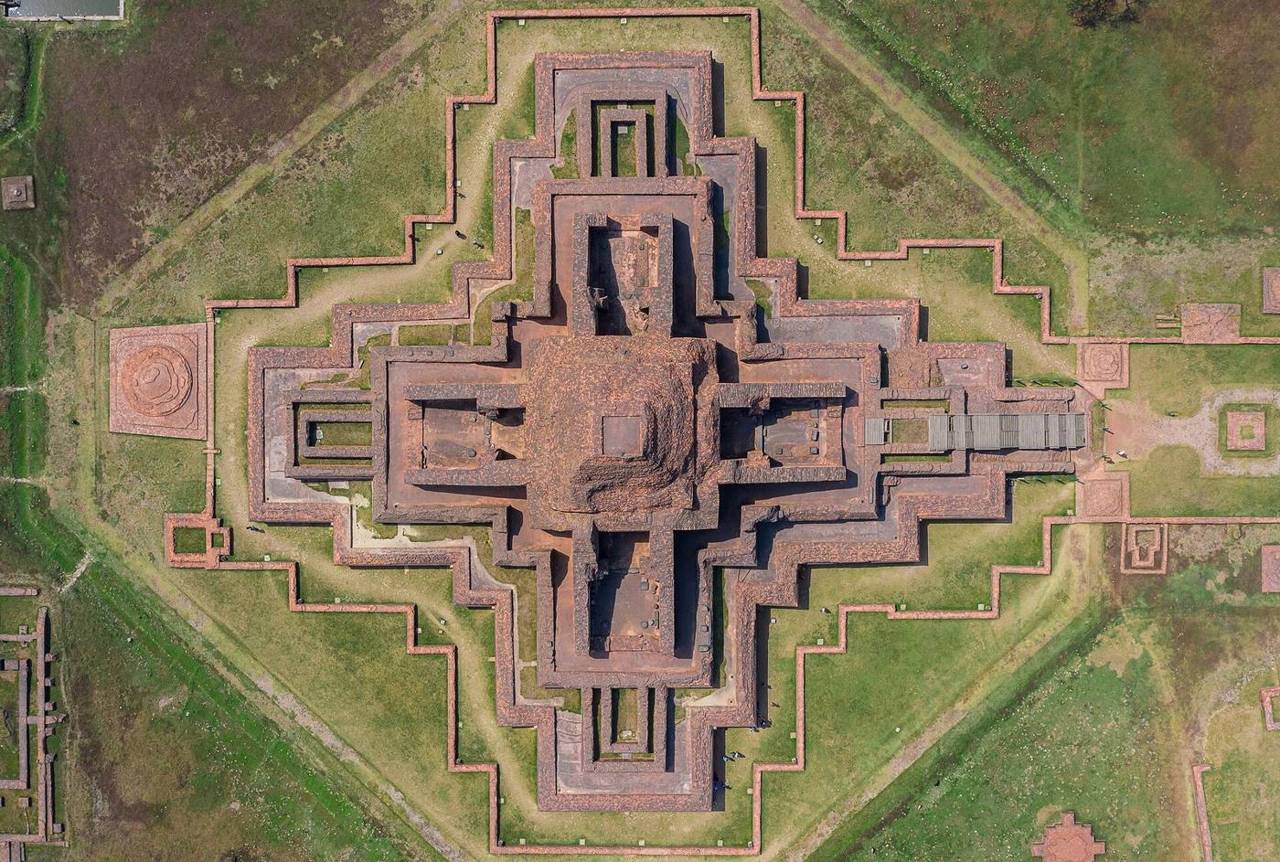
Paharpur and Mahasthangarh
The archaeological north: the great Buddhist monastery of Paharpur, a UNESCO site, and Mahasthangarh, Bengal's oldest city, among paddy fields and villages.