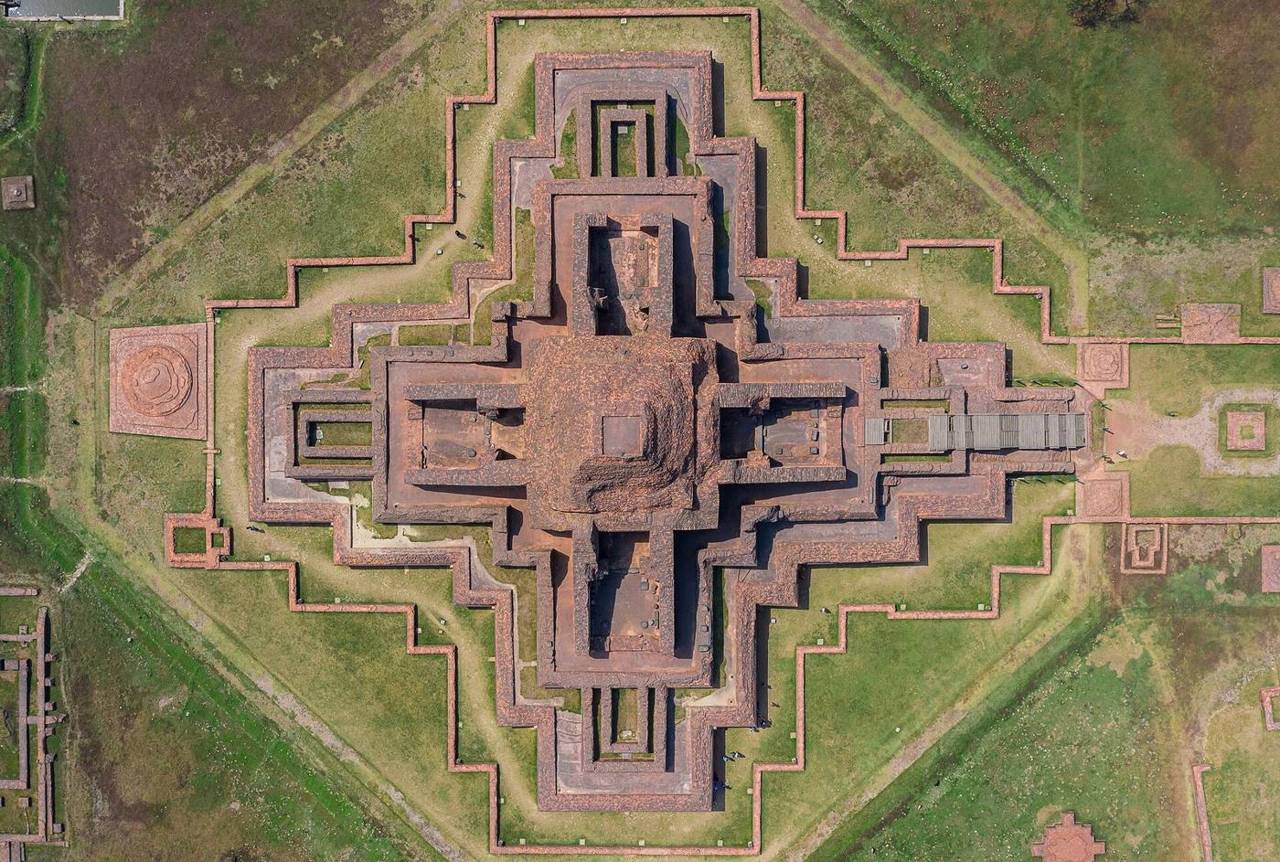
Paharpur and Mahasthangarh
The archaeological north: the great Buddhist monastery of Paharpur, a UNESCO site, and Mahasthangarh, Bengal's oldest city, among paddy fields and villages.
- Bogura
- Mahasthangarh
- Paharpur
Day by day
- Day 1
From Dhaka to Bogura
This three day trip takes you to the archaeological north of Bangladesh, a plain of rice fields, ponds and brick villages where two of the oldest sites in Bengal stand: Mahasthangarh, the oldest city in the country, and Paharpur, the great Buddhist monastery that is a UNESCO World Heritage Site.
Before you go: for Bangladesh you need a passport valid for at least six months, with two blank pages, and a tourist visa, applied for before departure at the Embassy of Bangladesh in Italy. The visa on arrival at Dhaka airport is only for specific cases and is at the officers' discretion: do not count on it. Other nationalities should check their own rules. The British Foreign Office advises against all but essential travel to the Chittagong Hill Tracts, in the south-east, far from here; it also reports clashes along the border with India, which this trip does not touch. Throughout the country, avoid rallies and demonstrations.
From Dhaka to Bogura it takes several hours, by car with a driver or by train. The road crosses the Jamuna river on a very long bridge, from which you see sandbanks, boats and river islands that change shape every year with the floods. Traffic around Dhaka can be slow: leave very early.
In the afternoon you reach Bogura, a lively, busy provincial town. Walk through the central market and taste Bogura doi, the sweet yoghurt served in clay pots, famous all over Bangladesh.
Sleep in Bogura, two nights.
Practical tip: accommodation here is simple. Bring a travel sheet, mosquito repellent and a torch for power cuts.
- Day 2
Mahasthangarh and Paharpur
This is the day of the two sites, so leave early with a car and driver. The first stop is Mahasthangarh, about a dozen kilometres north of Bogura, on the bank of the Karatoya river. Here stood Pundranagara, a fortified city inhabited since at least the third century BC. Today the earth and brick walls remain, high above the rice fields, along with the remains of temples and the small tomb of a Muslim saint, visited by pilgrims. The site museum holds coins, terracottas and statues found in the excavations. Check prices and times.
Not far away visit Gokul Medh, a great stepped brick base linked by local tradition to the legend of Behula, the bride who defied the snake goddess.
Then continue north-west to Paharpur, a couple of hours along country roads. Somapura Mahavihara was built at the end of the eighth century by the kings of the Pala dynasty and was one of the largest Buddhist monasteries south of the Himalayas. A huge square of monks' cells surrounds the tall, stepped central temple, its walls decorated with hundreds of terracotta plaques: animals, dancers, scenes of daily life. Check prices and times.
Walk along the walls of the cells at sunset, when the bricks turn red and village children play on the grass.
Practical tip: bring a hat and plenty of water. There is little shade at the sites and few toilets.
- Day 3
Back to Dhaka
On the last morning you can tour the villages around Bogura, where families grow rice, jute and vegetables. If it is the season, you will see fields of yellow mustard, in flower in winter, and women spreading rice to dry in front of their houses. Always ask before photographing people, especially women.
Country markets sell clay pots, baskets, fish from the ponds and milk sweets. This is rural Bangladesh, far from the chaos of the capital, where foreigners are rare and people will often invite you for a cup of tea.
Then leave for Dhaka. If you go by train, choose air conditioned first class seats and book in advance; by car, allow for traffic on the way into the capital, especially in the evening.
Trip summary: in three days you have crossed the Jamuna, seen the walls of Mahasthangarh, the oldest city in Bengal, and the great Buddhist monastery of Paharpur with its terracotta plaques, and got to know life in the northern countryside. It is a trip for those who love archaeology and places without tourists.
When to go: from November to February, with dry days and cool, sometimes foggy mornings. From April it is very hot and from June the monsoon arrives.
Practical tip: in winter, morning fog can slow down roads and trains. Leave extra time if you have an evening flight.
For lovers of archaeology and rural life. Slow, busy roads: better the train or a driver. Simple lodgings.
Before you go
- Documents and visa
- Passport valid for at least six months, with two blank pages, and a visa. British citizens can get a visa on arrival at Dhaka airport, at the officers' discretion, with a return ticket and proof of funds; it is safer to apply in advance to the Bangladesh High Commission. You may need to fill in an electronic arrival card.
- Health and vaccines
- No compulsory vaccinations if you arrive from the UK; ask your doctor about hepatitis A, typhoid and malaria prevention in border areas. Dengue is common, especially in the monsoon: use repellent. Drink only bottled water. You need insurance covering medical costs and repatriation. Emergencies: 999.
- Money and payments
- Bangladeshi taka. Almost everything is paid in cash; cards work in large hotels and some city shops. There are cash machines in cities, few in the countryside.
- Power sockets
- Mixed sockets, often universal, 230 volts: British plugs usually fit, but bring a universal adapter.
- Time zone
- UTC+6 all year, six hours ahead of the UK in winter, five in summer.
- Safety
- The UK advises against all but essential travel to the Chittagong Hill Tracts (Rangamati, Khagrachari and Bandarban), which the United States rates at level 4; for the rest of the country the United States is at level 2. Violence is increasing in the Rohingya camps of Ukhia and Teknaf, in Cox's Bazar district, and there are incidents along the border with India. Avoid rallies, demonstrations and general strike days (hartals); ferries are often overcrowded. Official advice: GOV.UK.
Information checked in November 2026 for Italian and EU citizens. Rules change: always check before you travel.
Variations
Shorter version: in two days, with a night in Bogura and the return after the two sites.
Longer version: add Rajshahi, with the terracotta temples of Puthia and the Padma river.
Frequently asked questions
Can I do it on my own?
Yes, but it is much easier with a driver: the sites are far apart and country roads have no signs in English.
How long do I need at Paharpur?
At least two hours for the monastery and the museum. Check prices and times before you set off.
How do I get from Dhaka to Bogura?
By car with a driver or by train, in several hours. The journey crosses the Jamuna river on a long bridge.
Indicative itinerary written by World Atlas. Before booking, check timetables, seasonal openings, documents and safety.
 3 daysModerate
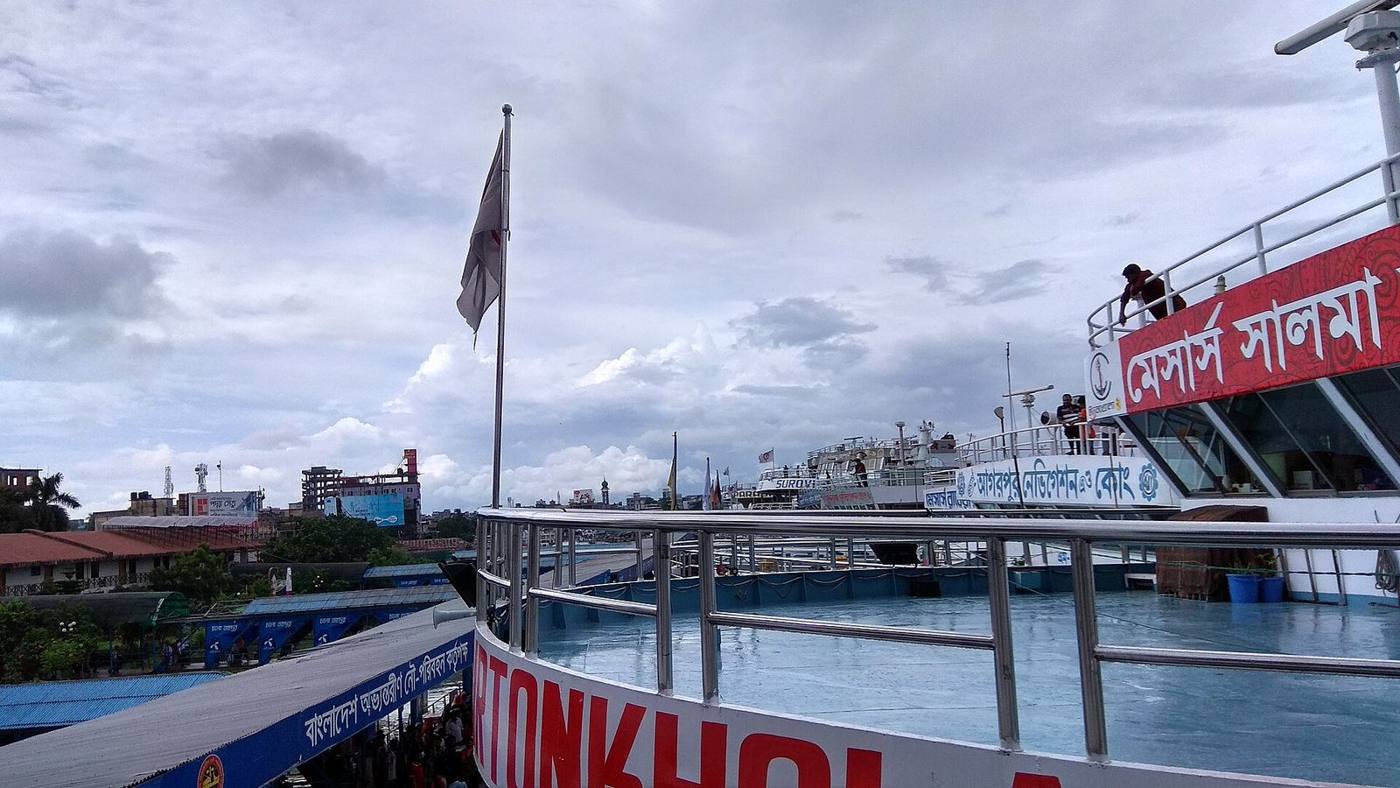
The Rocket steamer and Barisal
An overnight trip on the delta steamers from Dhaka to Barisal, along immense rivers, and the floating guava and rice markets around Swarupkathi.
 3 daysEasy
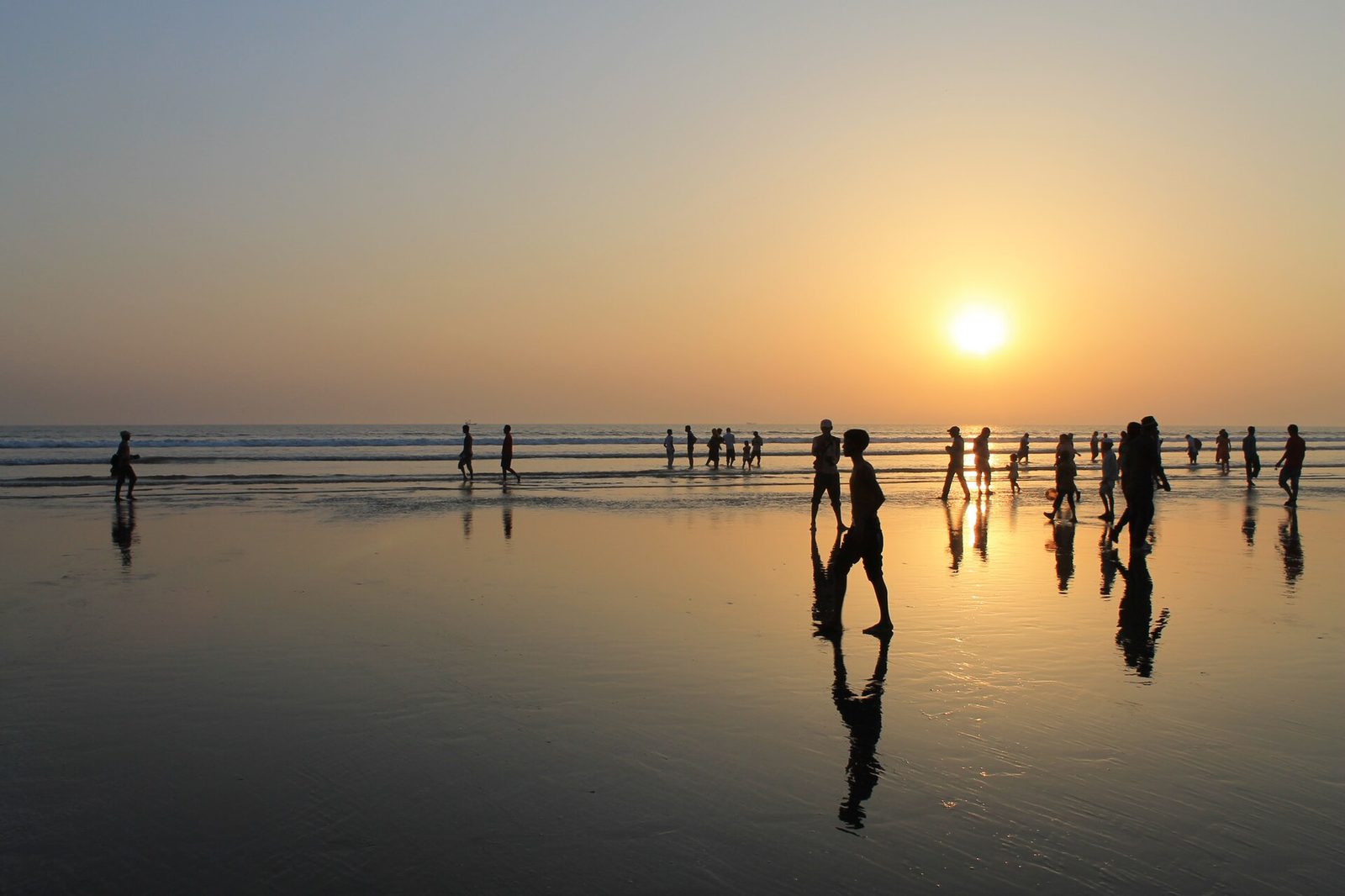
Cox's Bazar
One of the world's longest natural beaches, over 120 km of sand, with the Marine Drive coastal road, Inani beach with its rocks and fishing villages.
 7 daysModerate
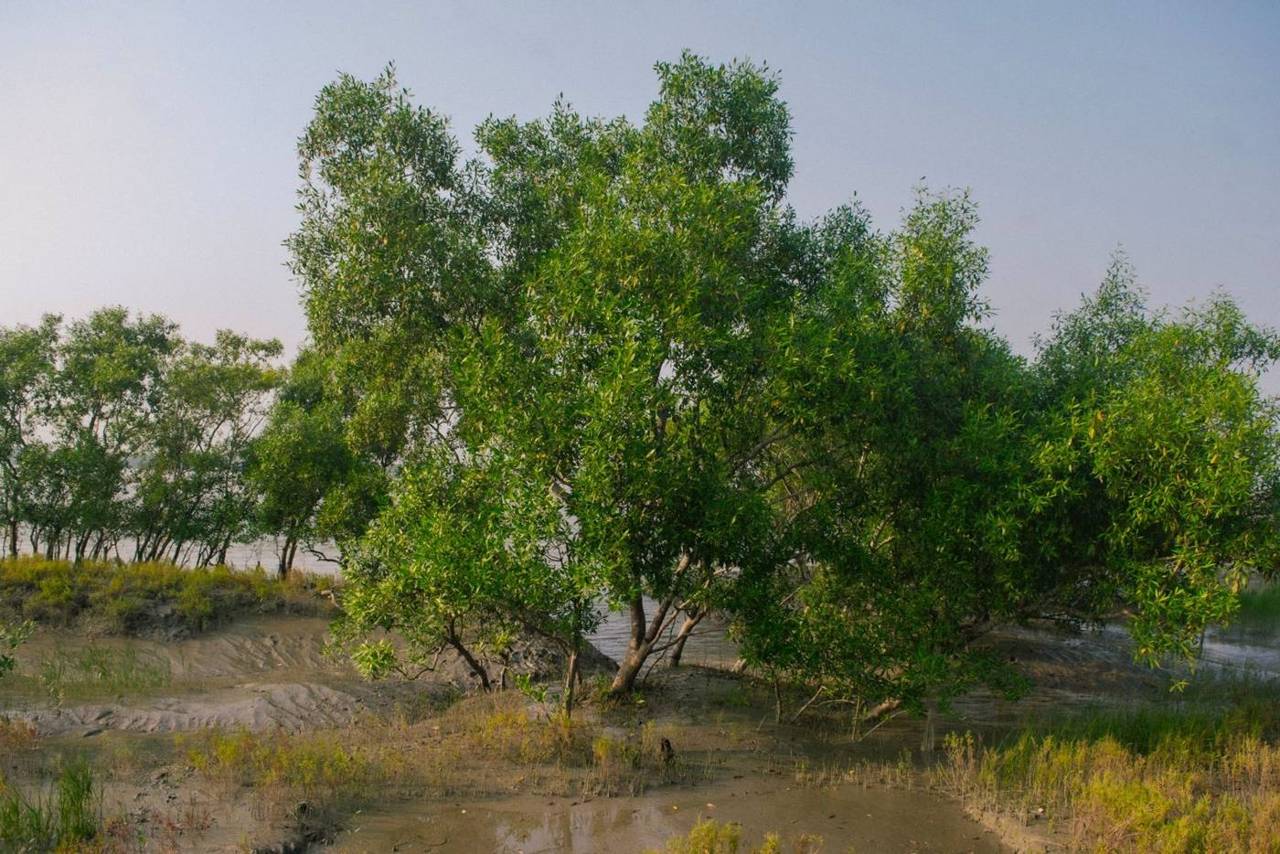
Dhaka and the Sundarbans
Old Dhaka on the Buriganga river, the mosques of Bagerhat and a cruise in the Sundarbans, the world's largest mangrove, home of the Bengal tiger.