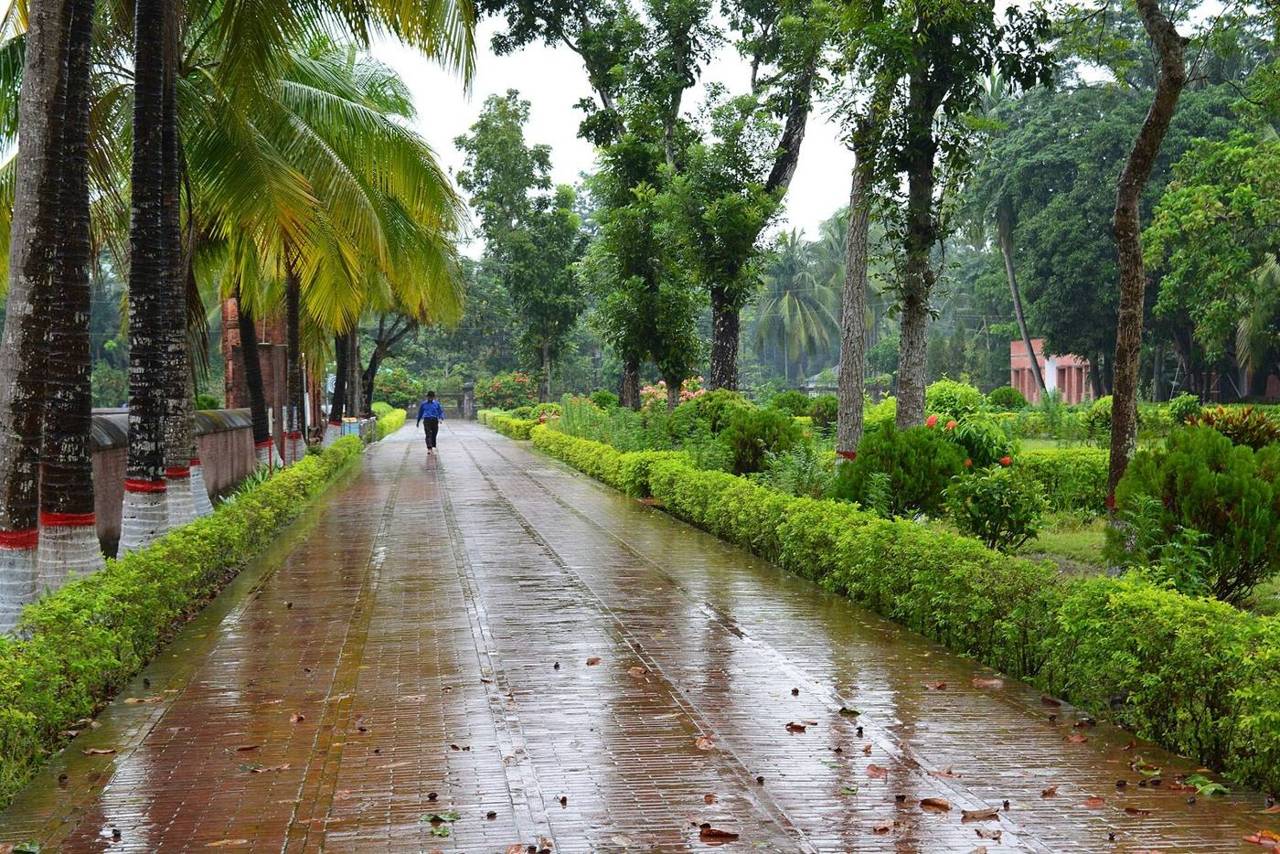
Bagerhat and the Sixty Dome Mosque
The medieval mosque city of Bagerhat, a UNESCO site, with the great brick Shait Gumbad and dozens of mosques among ponds and palms, gateway to the Sundarbans.
- Khulna
- Bagerhat
Day by day
- Day 1
Khulna and the Sixty Dome Mosque
This short trip takes you to Bagerhat, the mosque city founded in the fifteenth century by the general and saint Khan Jahan Ali in the Ganges delta, now a UNESCO World Heritage Site: dozens of brick mosques scattered among ponds, palms and rice fields, an hour from Khulna, the gateway to the Sundarbans.
Before you go: for Bangladesh you need a passport valid for at least six months, with two blank pages, and a tourist visa, applied for before departure at the Embassy of Bangladesh in Italy. The visa on arrival at Dhaka airport is only for specific cases and is at the officers' discretion: do not count on it. Other nationalities should check their own rules. The British Foreign Office advises against all but essential travel to the Chittagong Hill Tracts, which the United States rates at level 4: this trip does not go there. Throughout the country, keep away from political rallies and follow the news about general strikes, the hartals.
From Khulna reach Bagerhat by car or auto rickshaw. The first stop is Shait Gumbad, the Sixty Dome Mosque, the largest historic mosque in the country. Despite the name, there are more than sixty domes on the roof; inside, sixty stone columns hold up the brick arches in a cool light. Next to it is a small archaeological museum. Check prices and times.
In the afternoon walk or cycle between the nearby mosques: Singair, with a single dome, Bibi Begni and Chunakhola, out in the fields.
Practical tip: enter mosques barefoot, with legs and arms covered; women wear a scarf over their hair. Avoid the time of Friday prayers.
- Day 2
The mausoleum of Khan Jahan Ali and back to Khulna
In the morning go to the mausoleum of Khan Jahan Ali, the founder of the city, who died in 1459 according to the inscription on his tomb. It is a square building with a single dome, on the bank of a large pond, Thakur Dighi, where a few crocodiles considered sacred live. It is a very lively place of pilgrimage: families come from all over Bangladesh, bring offerings, pray and ask for a blessing. Move respectfully, take off your shoes and ask before photographing people.
On the same bank is the Nine Dome Mosque, small and elegant, with terracotta decoration. Further away, the Ronvijoypur mosque has one of the largest single domes in the country. Between one monument and the next you pass villages, ponds where women wash clothes and dirt roads among coconut palms: this too is part of the site.
In the afternoon return to Khulna, the third city of Bangladesh, on a branch of the great delta. If you have time, walk along the Rupsha river, where wooden boats and ferries pass, and have dinner with a river fish curry, such as hilsa, or with giant prawns, typical of this region.
Trip summary: in two days you have seen the mosque city of Bagerhat, Shait Gumbad, the mausoleum of Khan Jahan Ali and the rural life of the delta. It is a good start before a cruise in the Sundarbans.
When to go: from November to February, with dry, mild days. From June to September the monsoon floods the roads.
Practical tip: in Bagerhat you will see few foreigners and many curious people. A friendly answer and a smile almost always open a conversation.
Easy to combine with a Sundarbans cruise. Few foreign tourists. Remove shoes and cover up in mosques.
Before you go
- Documents and visa
- Passport valid for at least six months, with two blank pages, and a visa. British citizens can get a visa on arrival at Dhaka airport, at the officers' discretion, with a return ticket and proof of funds; it is safer to apply in advance to the Bangladesh High Commission. You may need to fill in an electronic arrival card.
- Health and vaccines
- No compulsory vaccinations if you arrive from the UK; ask your doctor about hepatitis A, typhoid and malaria prevention in border areas. Dengue is common, especially in the monsoon: use repellent. Drink only bottled water. You need insurance covering medical costs and repatriation. Emergencies: 999.
- Money and payments
- Bangladeshi taka. Almost everything is paid in cash; cards work in large hotels and some city shops. There are cash machines in cities, few in the countryside.
- Power sockets
- Mixed sockets, often universal, 230 volts: British plugs usually fit, but bring a universal adapter.
- Time zone
- UTC+6 all year, six hours ahead of the UK in winter, five in summer.
- Safety
- The UK advises against all but essential travel to the Chittagong Hill Tracts (Rangamati, Khagrachari and Bandarban), which the United States rates at level 4; for the rest of the country the United States is at level 2. Violence is increasing in the Rohingya camps of Ukhia and Teknaf, in Cox's Bazar district, and there are incidents along the border with India. Avoid rallies, demonstrations and general strike days (hartals); ferries are often overcrowded. Official advice: GOV.UK.
Information checked in November 2026 for Italian and EU citizens. Rules change: always check before you travel.
Variations
Shorter version: visit Bagerhat in a single day from Khulna, with Shait Gumbad and the mausoleum.
Longer version: add a three day cruise in the Sundarbans leaving from Mongla.
Frequently asked questions
How do I get to Khulna?
From Dhaka by train or coach, crossing the bridge over the Padma, in a few hours, or by plane to Jessore and then by car.
Do I need permits to visit Bagerhat?
No, you do not need special permits. For entry to the site and the museum, check prices and times.
What should I wear?
Loose clothes covering legs and shoulders, shoes that are easy to take off and, for women, a scarf to enter the mosques and the mausoleum.
Indicative itinerary written by World Atlas. Before booking, check timetables, seasonal openings, documents and safety.
 3 daysModerate
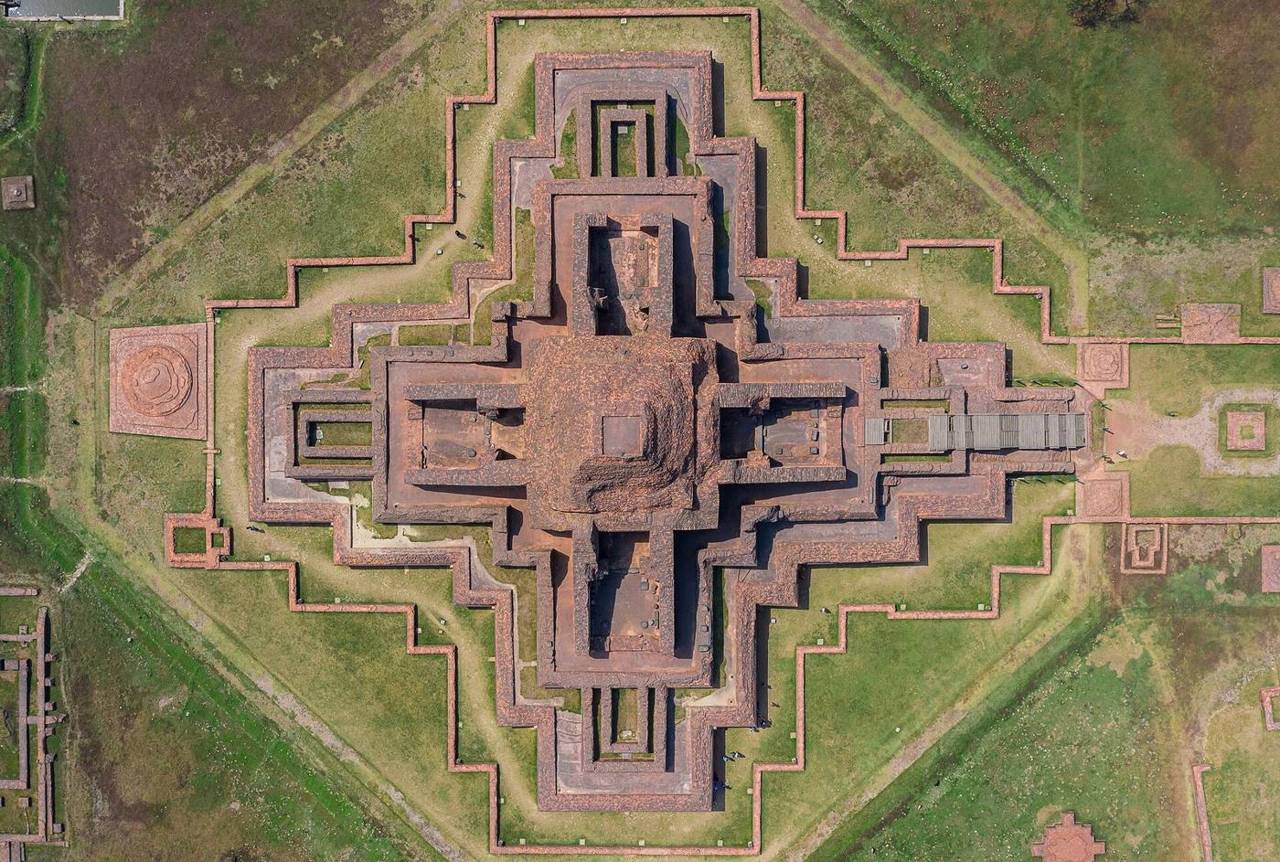
Paharpur and Mahasthangarh
The archaeological north: the great Buddhist monastery of Paharpur, a UNESCO site, and Mahasthangarh, Bengal's oldest city, among paddy fields and villages.
 3 daysModerate
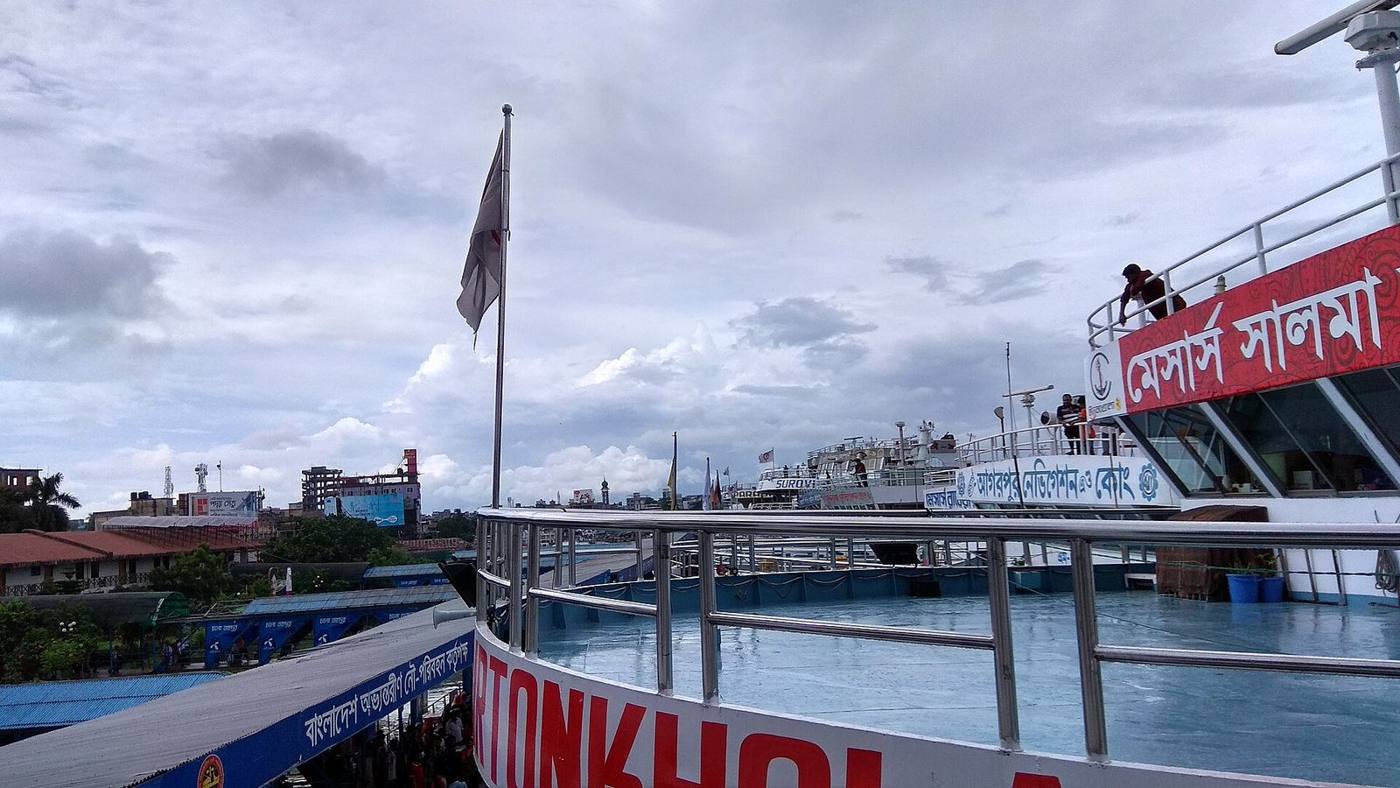
The Rocket steamer and Barisal
An overnight trip on the delta steamers from Dhaka to Barisal, along immense rivers, and the floating guava and rice markets around Swarupkathi.
 3 daysEasy
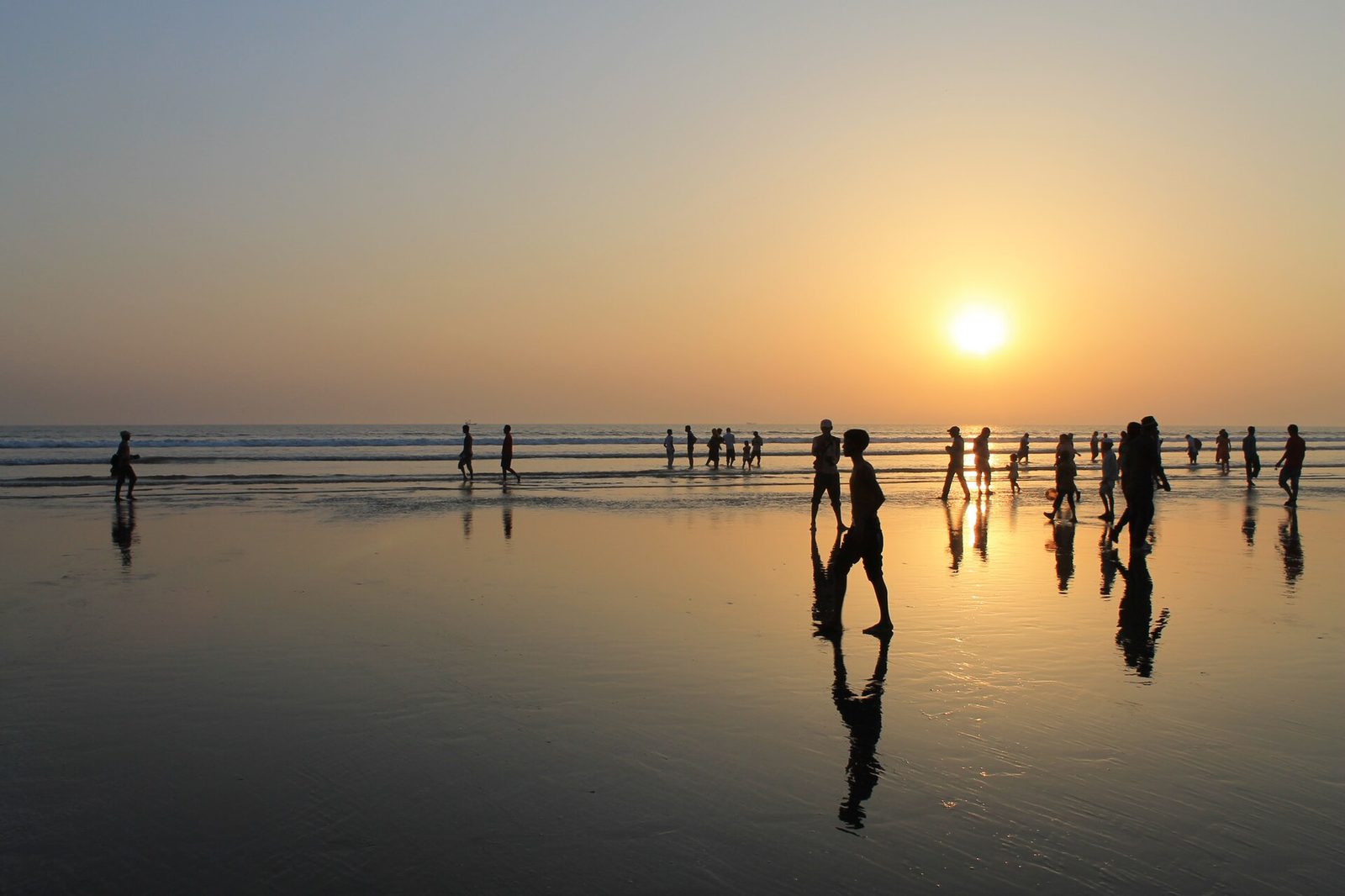
Cox's Bazar
One of the world's longest natural beaches, over 120 km of sand, with the Marine Drive coastal road, Inani beach with its rocks and fishing villages.