The Exumas
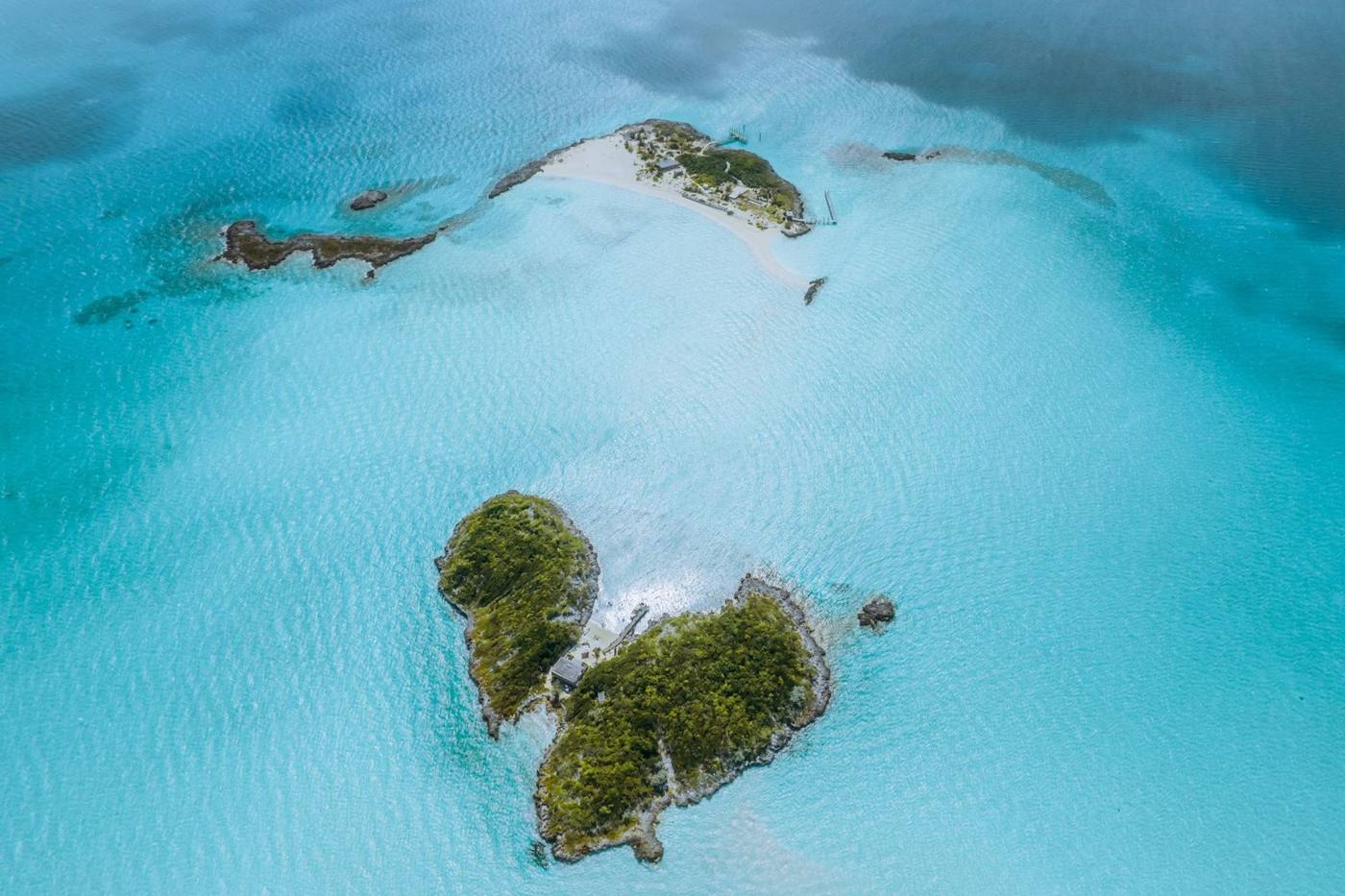
A chain of islands on a turquoise sea: the swimming pigs of Big Major Cay, Thunderball Grotto, sandbars and the iguanas of Allan's Cay.
- Nassau
- Great Exuma
- Staniel Cay
- Big Major Cay
- Thunderball Grotto
- Allan's Cay
Day by day
- Day 1
Flight from Nassau to Great Exuma
This six-day trip takes you to the Exumas, a chain of islands and islets, the cays, stretching for more than a hundred kilometres south-east of Nassau. The sea here has the palest colours in the Caribbean, from turquoise to aquamarine, with sandbanks that appear at low tide. You will see the swimming pigs of Big Major Cay, the Thunderball Grotto, the iguanas of Allan's Cay and the beaches of Little Exuma. It is one of the most expensive destinations in The Bahamas.
Before you go: Italian citizens enter The Bahamas with a passport valid for at least six months, without a visa for tourist stays of under 90 days. Other nationalities should check their own rules. The crime reported by the United States mainly concerns Nassau, where you will only pass through for the flight; water sports are poorly regulated, so always choose authorised boats and guides, with life jackets on board. Hurricane season runs from June to November.
From Nassau a flight of under an hour lands at Great Exuma airport, near George Town, the main settlement. Pick up the hire car: you drive on the left and a single main road crosses the island.
In the afternoon have a look around George Town, which looks onto a salt lake and the large bay of Elizabeth Harbour, full of sailing boats in the winter months. Then choose a nearby beach for your first swim.
Practical tip: book the boat trips for the following days before you leave, because in high season places run out quickly and the weather may force you to move them.
- Day 2
By boat through the cays: Big Major Cay and the Thunderball Grotto
The day starts early at the harbour. Full-day trips leave Great Exuma on fast boats and travel up the chain of cays for about an hour and a half, between rocky islets, shallow waters and deeper channels.
The first stop is usually Big Major Cay, known as Pig Beach: a group of pigs lives freely on the island and swims out to the boats. It is one of the most famous trips in The Bahamas, but very touristy, and not all operators respect the animals. Do not feed the pigs, do not climb on them and do not touch them: they can bite, push and injure with their hooves. Choose a trip that arrives with few people and leaves the animals in peace.
Then the boat stops near Staniel Cay for the Thunderball Grotto, a cave in an islet where scenes of the James Bond film Thunderball, from 1965, were shot. You swim in through a low opening: inside, the light falls from above and lights up water full of fish. It is visited at low tide with a weak current, always with the guide. If you are not a good swimmer, stay outside.
During the day there are also snorkelling stops on small reefs and white sandbanks. Do not go into the water where guides are feeding fish or sharks.
Practical tip: bring a long-sleeved T-shirt, a hat that will not blow away and a waterproof bag for your phone.
- Day 3
The northern cays, the marine park and the iguanas of Allan's Cay
Today is another day by boat, a longer one, towards the northern part of the chain. Not all trips from Great Exuma go this far: ask beforehand and, if needed, choose a boat leaving from Staniel Cay or a trip that also runs from Nassau.
The route crosses the Exuma Cays Land and Sea Park, a large protected area created at the end of the 1950s, among the first marine parks in the world. Fishing is banned here and underwater life is rich: corals, turtles, rays and shoals of fish. Snorkel only at the spots the guide points out and do not touch the seabed. Check the park's prices and times.
The most curious stop is Allan's Cay, home to the Exuma rock iguana, a rare, protected species. The iguanas, large and with grey and dark skin, come down to the beach when the boats arrive. Watch from a distance, do not feed them, because tourists' food makes them ill, and keep your hands away: they can bite.
In the afternoon the boat heads back with stops on sandbanks where the water is only a few centimetres deep. The return is long and in the wind the boat bounces over the waves: if you suffer from seasickness, take a remedy before leaving.
Practical tip: sit at the back of the boat, where you feel the blows of the waves less, and always keep your life jacket on if the sea is rough.
- Day 4
Stocking Island and the sandbanks of Elizabeth Harbour
After two days on boats, today you stay near George Town. A water taxi crosses Elizabeth Harbour in a few minutes to Stocking Island, a long, narrow island that shelters the bay from the ocean.
On the bay side there are calm beaches with shallow water and sailing boats at anchor. A path crosses the island to the Atlantic side, with a wilder beach and waves. From the top of a small hill you can see both coasts. On the ocean side swimming is possible only when the sea is calm: with waves there are strong currents.
In the afternoon, at low tide, go out to one of the bay's sandbanks, which emerge for a few hours and vanish at high tide. Walking on a strip of white sand in the middle of a turquoise sea is one of the best experiences in the Exumas. Starfish, rays and small fish can be seen in the shallow water: look at them without picking them up.
Check the tide times and head back to shore before the water rises. In the evening try the catch of the day or fried conch, with peas and rice.
Practical tip: ask the water taxi driver for the exact return time and keep his phone number, because the service does not always run to fixed times.
- Day 5
Little Exuma and Tropic of Cancer Beach
Today take the car and drive south. A narrow bridge links Great Exuma to Little Exuma, a smaller, quieter island with few houses and almost empty roads.
The goal is Tropic of Cancer Beach, a long crescent-shaped beach with white sand and shallow, very pale turquoise water. It lies right by the line of the Tropic of Cancer. The sea is sheltered and suits children too; at low tide you can walk for a long way in knee-deep water. There are few or no facilities: bring water, shade and something to eat.
Along the road on Little Exuma there are the remains of old cotton plantations from the late eighteenth century, among the bushes. In the afternoon stop on a beach on the east side of Great Exuma for a last swim in the waves.
Return to George Town before sunset. If you still have energy, take a walk along the bay or round the town's salt lake.
It is also time to look back: over these days you have seen the most beautiful sea in The Bahamas from many different angles, from the boat, from the shore and from the sandbanks.
Practical tip: on isolated beaches leave nothing of value in the car and keep your documents and phone with you in a waterproof bag.
- Day 6
Last morning on Great Exuma and departure
In the morning, if your flight is in the afternoon, enjoy a last walk on the nearest beach or a coffee watching the boats in the bay. Then return the car at the airport. Leave a margin before your connection in Nassau, because inter-island flights can be delayed.
Before leaving, buy a few local products, such as hot sauces, baskets and woven straw hats. Do not take away coral, starfish or shells with animals inside.
Trip summary: six days in the Exumas, with two days by boat along the chain of cays, with the pigs of Big Major Cay, the Thunderball Grotto, the marine park and the iguanas of Allan's Cay, and two days of beaches, from Stocking Island to the sandbanks of Elizabeth Harbour and Tropic of Cancer Beach. It is an expensive trip, but the colour of the sea is among the most beautiful in the world.
When to go: from December to May, with dry weather and a calmer sea, ideal for boat trips. From June to November it is hurricane season: trips may be called off and flights cancelled.
Practical tip: to save money, look for accommodation with a kitchen and shop in George Town, because eating out every evening in the Exumas costs a lot.
The most turquoise sea in the Caribbean, but among the most expensive destinations. Pig-swimming trips are very touristy and not all respect the animals. Hurricane season runs from June to November.
Before you go
- Documents and visa
- Passport valid for at least six months after the date you leave; British citizens can usually stay up to 30 days without a visa, extendable. You cannot work without a permit. If you arrive from the United States on an ESTA, your days in The Bahamas count towards the ESTA's 90 days.
- Health and vaccines
- No compulsory vaccinations (a yellow fever certificate only if you arrive from a risk country). Dengue and Zika: use repellent. Public hospitals are limited and private ones are good but very expensive: get insurance with medical cover and repatriation, including air evacuation. Emergencies: 911 or 919.
- Money and payments
- Bahamian dollar, at par with the US dollar, which is accepted everywhere. Visa, Mastercard and American Express work on the main islands; carry cash in the Out Islands.
- Power sockets
- Types A and B, 120 volts, as in the United States: you need an adapter for British plugs.
- Time zone
- UTC-5, UTC-4 in summer (US Eastern Time), five hours behind the UK for most of the year.
- Safety
- The United States rates The Bahamas at level 2 because of crime. On New Providence, where Nassau is, and Grand Bahama there are armed robberies and sexual assaults: stay in the main tourist areas, do not walk alone away from the centre and the beaches, travel in groups after dusk and avoid the Over the Hill area south of Shirley Street. Water sports are poorly regulated: do not rent jet skis from unregistered operators. Do not swim at dusk or at night, or where fish is gutted or sharks are baited. Hurricane season runs from 1 June to 30 November. Official advice: GOV.UK.
Information checked in November 2026 for Italian and EU citizens. Rules change: always check before you travel.
Variations
Shorter version: in 4 days, a single boat trip to the cays and a day on Stocking Island.
Longer version: in 8 days, add two days in Nassau or a few nights on Staniel Cay.
Frequently asked questions
Is it right to go and see the swimming pigs?
You can, choosing a trip with few people that does not feed the animals. Do not touch them or climb on them: they can bite and injure.
Can you enter the Thunderball Grotto without experience?
You need to be a good swimmer. You go in at low tide with a weak current, always with a guide.
Are the Exumas expensive?
Yes, among the most expensive islands in The Bahamas, especially for boat trips and meals. Accommodation with a kitchen helps you spend less.
Indicative itinerary written by World Atlas. Before booking, check timetables, seasonal openings, documents and safety.
 5 daysEasy
Eleuthera and Harbour Island
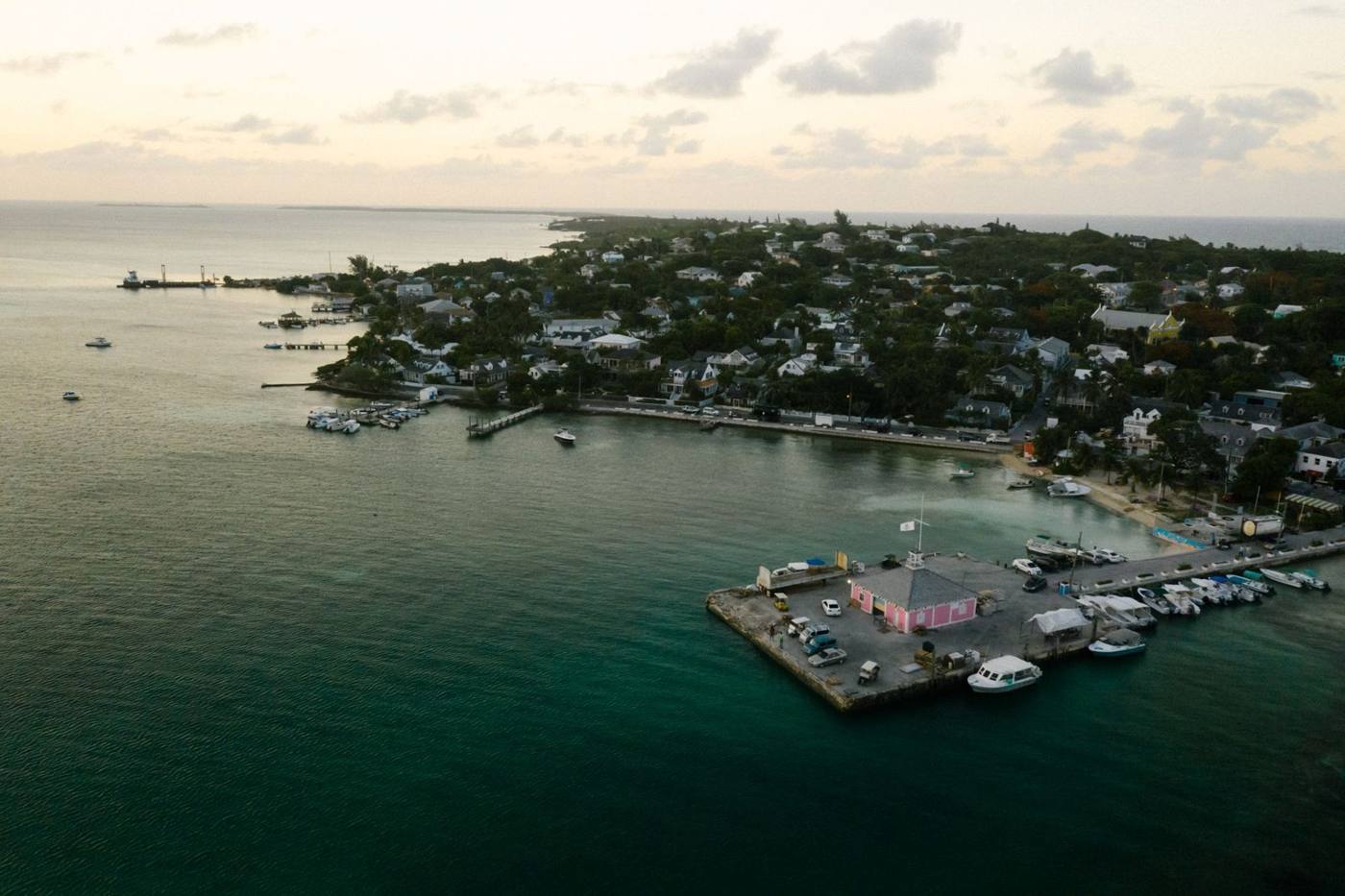
Harbour Island's pink-sand beach, the Glass Window Bridge between ocean and Caribbean sea and the Queen's Bath rock pools.
 3 daysEasy
Nassau and Paradise Island
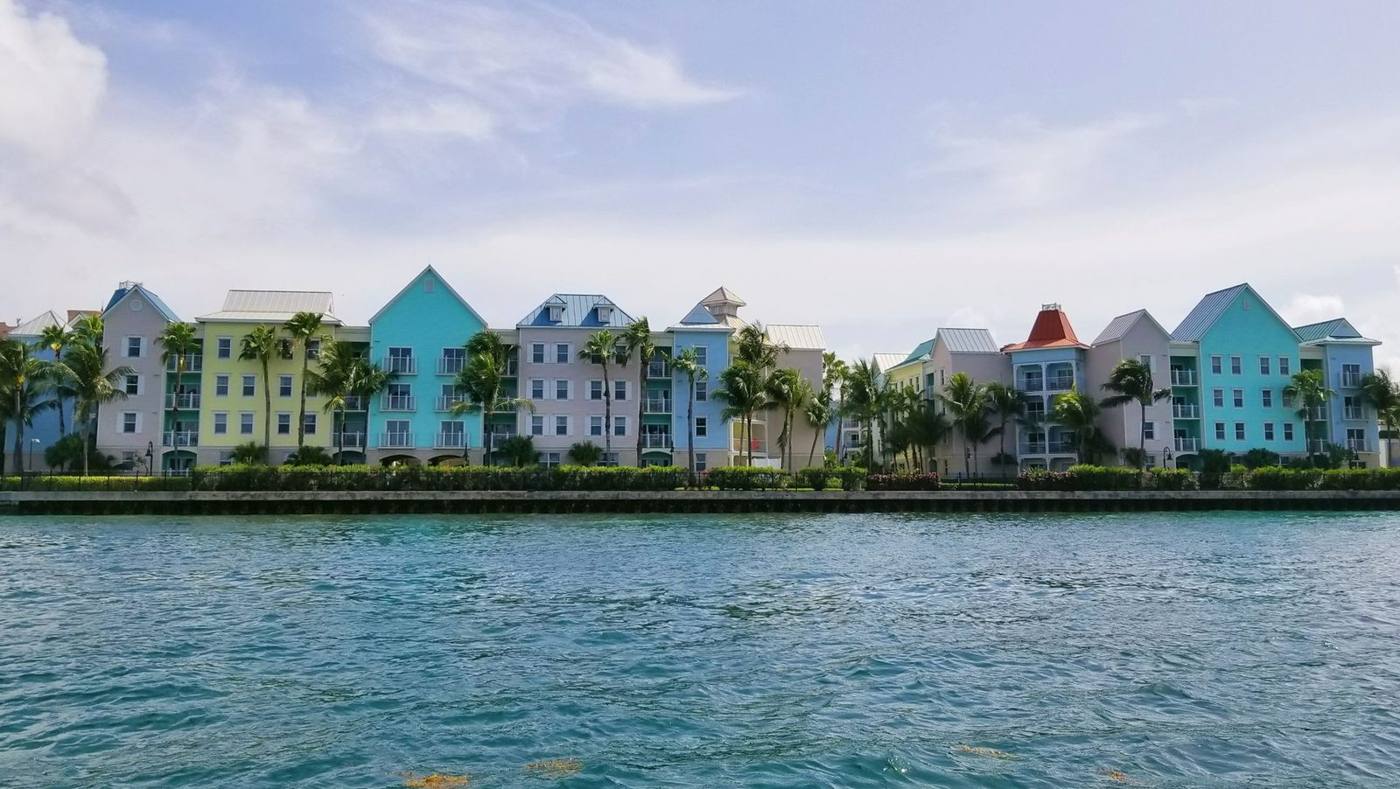
The colonial capital with Fort Fincastle and the Queen's Staircase, the straw market, the fried fish of Arawak Cay and the white beaches of Paradise Island and Cable Beach.
 4 daysModerate
Andros and the blue holes
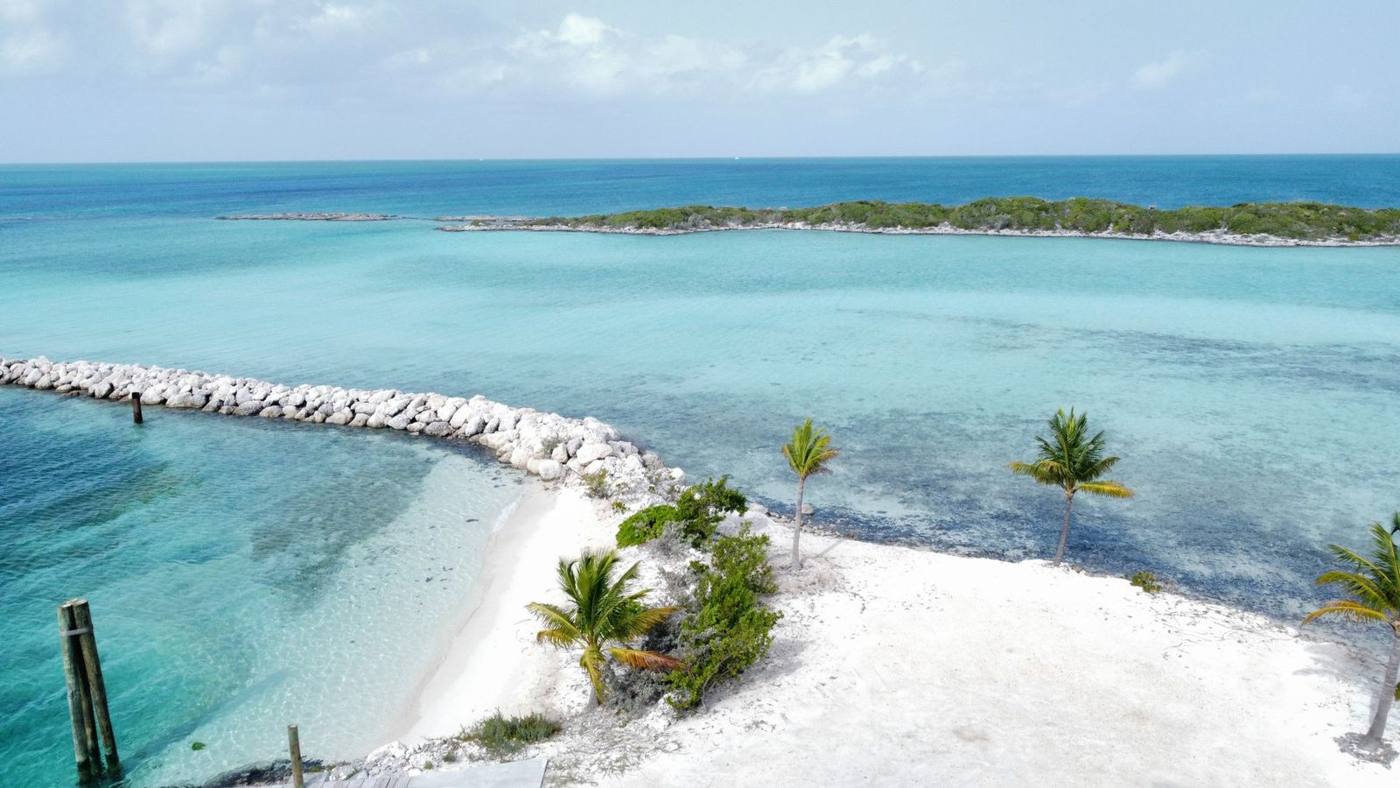
The archipelago's largest and wildest island: mangroves, hundreds of blue holes inland and at sea, a long barrier reef offshore and fly fishing for bonefish.