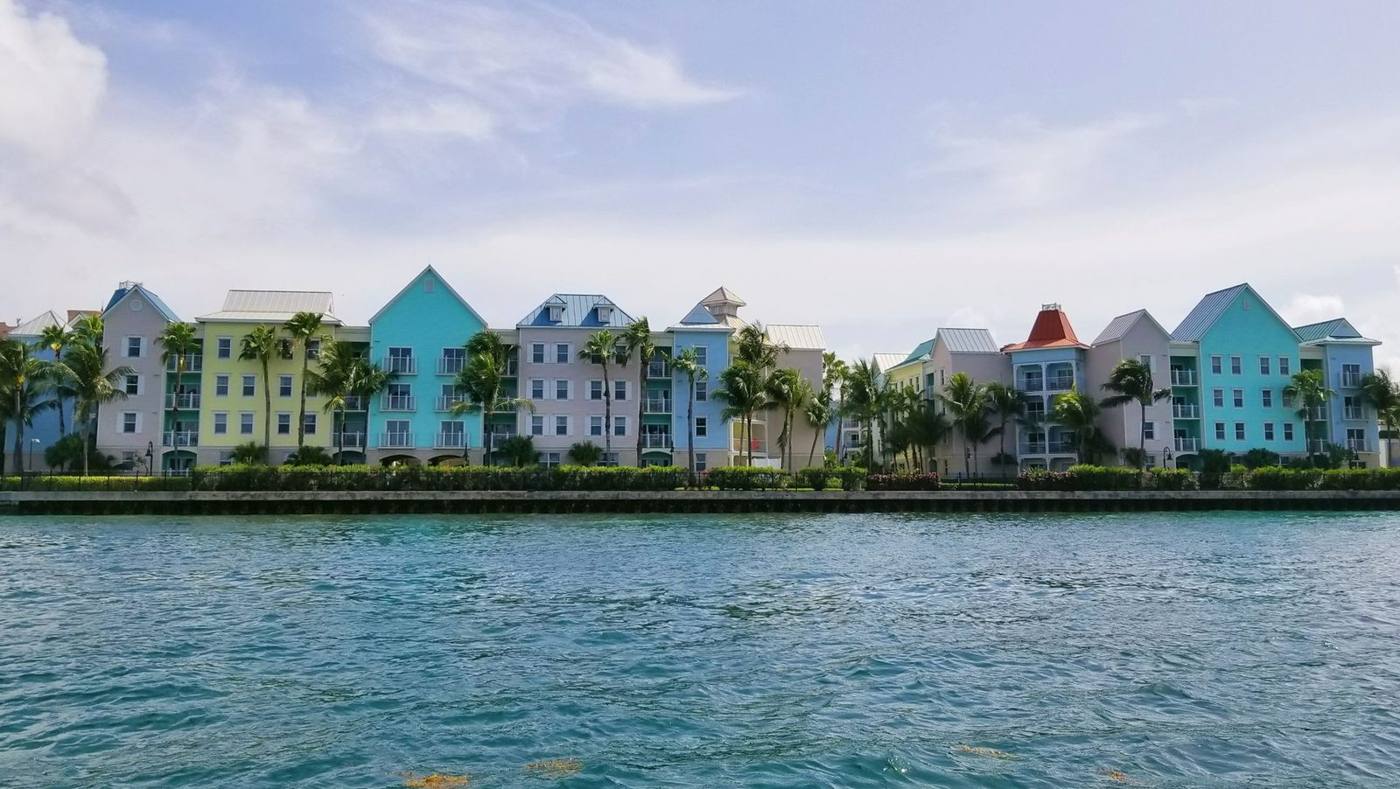
Nassau and Paradise Island
The colonial capital with Fort Fincastle and the Queen's Staircase, the straw market, the fried fish of Arawak Cay and the white beaches of Paradise Island and Cable Beach.
- Nassau
- Arawak Cay
- Paradise Island
- Cable Beach
Day by day
- Day 1
The historic centre, Fort Fincastle and the Queen's Staircase
This three-day trip is a short visit to Nassau, the capital of The Bahamas, on the island of New Providence: the colonial centre with its forts, the fried fish of Arawak Cay, and the white beaches of Cable Beach and Paradise Island. It is easy and well connected with Europe and the United States, but it calls for some attention to safety.
Before you go: Italian citizens enter The Bahamas with a passport valid for at least six months, without a visa for tourist stays of under 90 days. Other nationalities should check their own rules. The United States rates The Bahamas at level 2 for crime: on New Providence there are armed robberies, including in tourist areas. Stay in the centre and the tourist areas, move in groups after dusk and avoid completely the Over the Hill area, south of Shirley Street. Hurricane season runs from June to November.
From the airport to the centre takes about half an hour by taxi. Start at Parliament Square, with the pink Parliament buildings and the statue of Queen Victoria, and Bay Street, the harbour street where cruise ships dock.
Then climb the Queen's Staircase, sixty-six steps cut into the limestone at the end of the eighteenth century by enslaved people, in a shady gorge. At the top is Fort Fincastle, from 1793, small and shaped like the bow of a ship, with a view over the harbour. Check prices and times. Visit the area by day and return to the centre the way you came.
In the afternoon visit the national art gallery, in a colonial villa, with Bahamian painters.
Practical tip: use only licensed taxis, taken from official ranks or called by your accommodation, and agree the fare before getting in.
- Day 2
Lunch at Arawak Cay and the beach at Cable Beach
In the morning walk west along the sea to Fort Charlotte, the largest fort on the island, built at the end of the eighteenth century on the hill above the harbour, with moats and tunnels cut into the rock. Check prices and times.
For lunch go down to Arawak Cay, a seafront area just west of the centre, with a row of colourful huts where fish is cooked. Everyone here calls it the fish fry: you eat fried or grilled fish, lobster in season, conch fried or in a salad, the large Bahamian shellfish chopped with lime, tomato, onion and chilli, and on the side peas and rice and fried plantain. Locals come here too, especially in the evening and at weekends.
In the afternoon take a taxi or bus to Cable Beach, a long white sand beach on the north coast, with a calm, turquoise sea. If you want to rent water sports equipment, choose only registered operators, with equipment in good condition and insurance: in The Bahamas the sector is poorly regulated and there have been assaults by jet ski operators in Nassau. When you swim, watch out for jet skis close to the shore, because they do not always respect the buoys.
At sunset go back to the centre by taxi, without walking alone along poorly lit streets.
Practical tip: local buses are convenient by day in the tourist areas, but in the evening a taxi is better.
- Day 3
Paradise Island, Cabbage Beach and departure
In the morning cross one of the bridges that link Nassau to Paradise Island, the island facing the harbour, or take the boat from the centre. The island is taken up mostly by large resorts and a marina, but the beach is public.
Cabbage Beach, on the north coast, is one of the longest and most beautiful beaches in the area, with white sand and turquoise water. The sea here is more open than at Cable Beach: when it is windy there are waves and currents, and there is not always a lifeguard. Swim close to the shore, never alone, and keep away from jet skis. Do not swim at dusk or at night, when the risk of meeting sharks is higher, even in shallow water.
If your flight leaves late, in the afternoon take a last stroll through the straw market on Bay Street, where you can buy hand-woven baskets, hats and bags, and local crafts. Bargain politely.
Trip summary: three easy days in Nassau, between the colonial city with its forts and steps cut into the rock, the fish of Arawak Cay and the white beaches of Cable Beach and Paradise Island. If you stay in the tourist areas and follow the safety rules, it is an excellent start for discovering the other islands.
When to go: from December to April, with dry and less hot weather. On 26 December and 1 January, from the early hours of the morning, Junkanoo parades along Bay Street, the great festival with colourful costumes, drums and cowbells. June to November is hurricane season.
Practical tip: check the latest official travel advice before you leave and keep jewellery and documents in the safe.
Easy and well connected, but crime is concentrated in Nassau: stay in tourist areas, avoid the Over the Hill area south of Shirley Street and do not rent jet skis from unlicensed operators.
Before you go
- Documents and visa
- Passport valid for at least six months after the date you leave; British citizens can usually stay up to 30 days without a visa, extendable. You cannot work without a permit. If you arrive from the United States on an ESTA, your days in The Bahamas count towards the ESTA's 90 days.
- Health and vaccines
- No compulsory vaccinations (a yellow fever certificate only if you arrive from a risk country). Dengue and Zika: use repellent. Public hospitals are limited and private ones are good but very expensive: get insurance with medical cover and repatriation, including air evacuation. Emergencies: 911 or 919.
- Money and payments
- Bahamian dollar, at par with the US dollar, which is accepted everywhere. Visa, Mastercard and American Express work on the main islands; carry cash in the Out Islands.
- Power sockets
- Types A and B, 120 volts, as in the United States: you need an adapter for British plugs.
- Time zone
- UTC-5, UTC-4 in summer (US Eastern Time), five hours behind the UK for most of the year.
- Safety
- The United States rates The Bahamas at level 2 because of crime. On New Providence, where Nassau is, and Grand Bahama there are armed robberies and sexual assaults: stay in the main tourist areas, do not walk alone away from the centre and the beaches, travel in groups after dusk and avoid the Over the Hill area south of Shirley Street. Water sports are poorly regulated: do not rent jet skis from unregistered operators. Do not swim at dusk or at night, or where fish is gutted or sharks are baited. Hurricane season runs from 1 June to 30 November. Official advice: GOV.UK.
Information checked in November 2026 for Italian and EU citizens. Rules change: always check before you travel.
Variations
Shorter version: in 2 days, the historic centre with Fort Fincastle and an afternoon at Cabbage Beach.
Longer version: in 6 days, add three days in Exuma or Eleuthera, a short flight from Nassau.
Frequently asked questions
Is Nassau safe?
The tourist areas are busy and patrolled by police, but there are robberies on New Providence: avoid Over the Hill, do not walk alone outside the centre and move in groups or by taxi in the evening.
Can you swim at Cabbage Beach?
Yes, but the sea is more open: when it is windy there are waves and currents, so swim close to the shore and away from jet skis.
When is Junkanoo?
The main parades are on 26 December and 1 January, from the early hours of the morning, along Bay Street.
Indicative itinerary written by World Atlas. Before booking, check timetables, seasonal openings, documents and safety.
 4 daysModerate
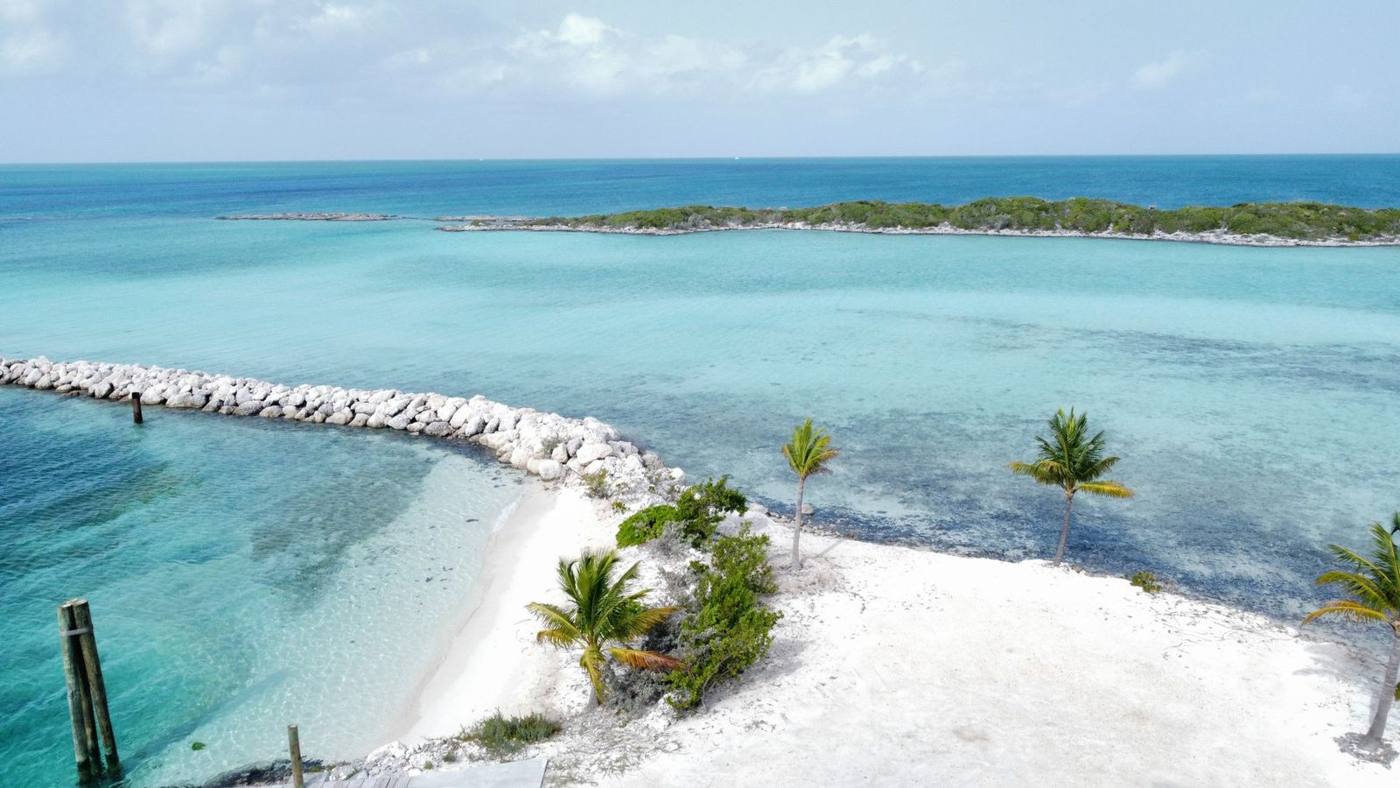
Andros and the blue holes
The archipelago's largest and wildest island: mangroves, hundreds of blue holes inland and at sea, a long barrier reef offshore and fly fishing for bonefish.
 4 daysEasy
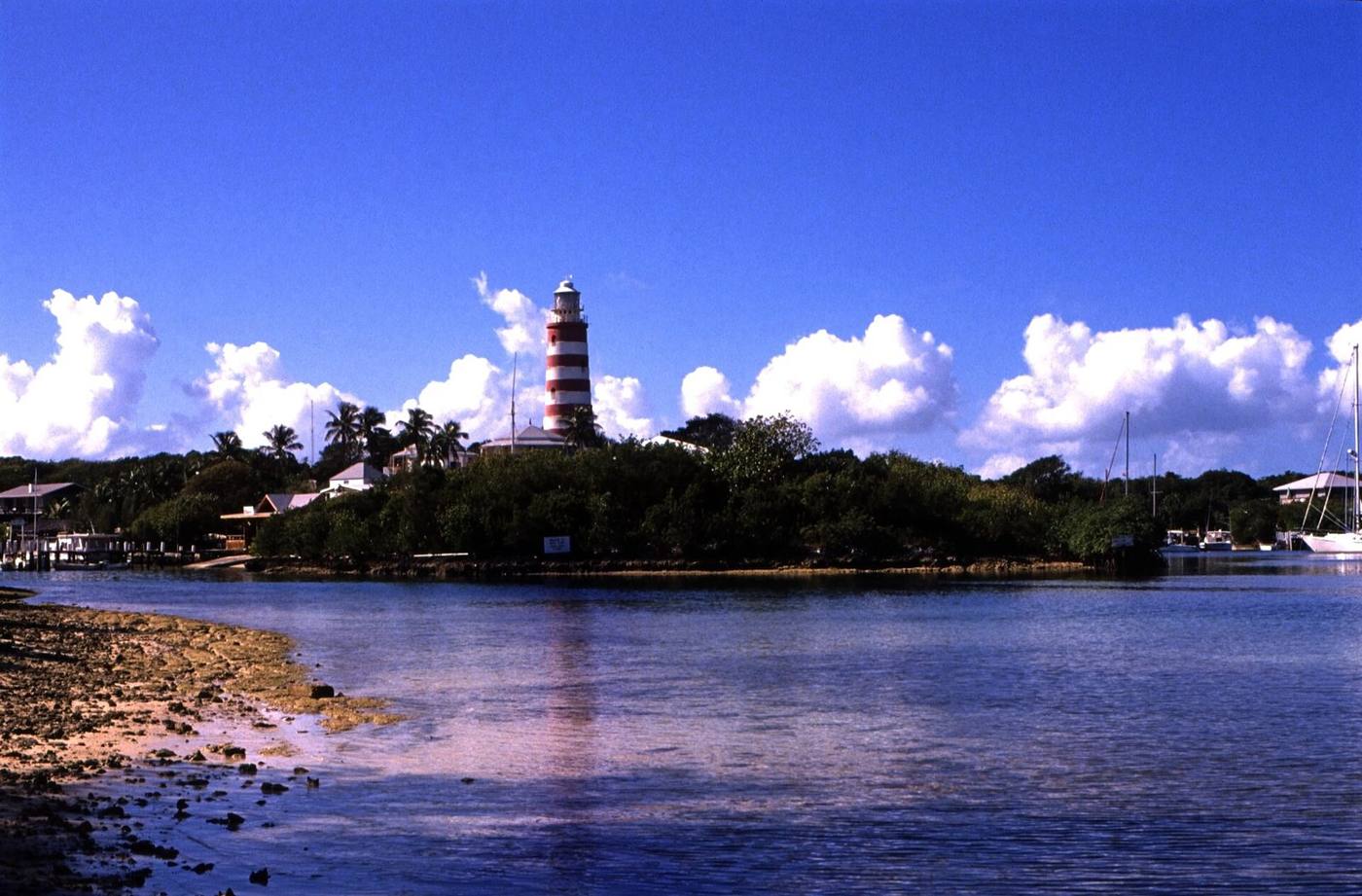
Abaco and Hope Town
The Abaco islands by boat: the red-striped lighthouse of Hope Town, the Loyalist villages of Elbow Cay and Green Turtle Cay and the sheltered bays of the Sea of Abaco.
 3 daysModerate
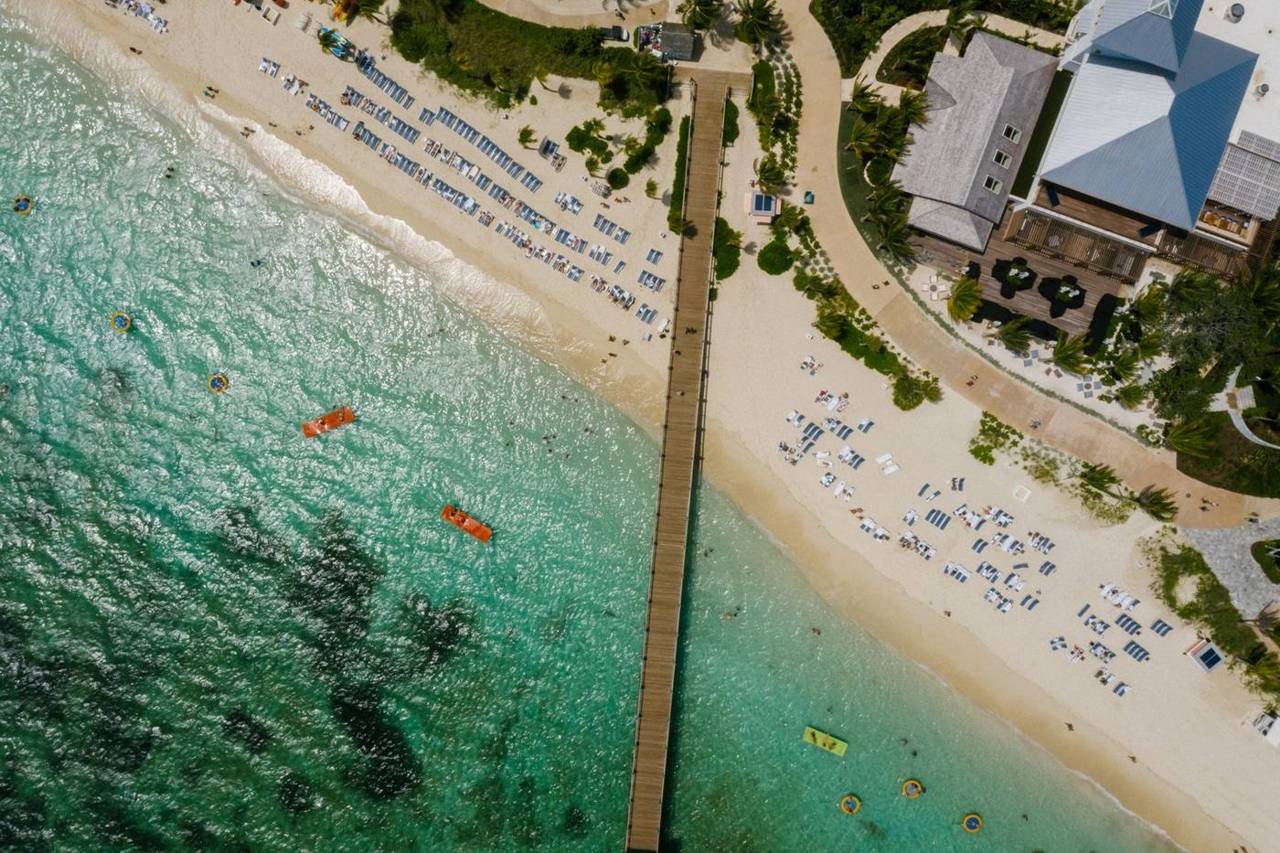
Bimini and the hammerhead sharks
The island closest to Florida, famous for Hemingway and for diving with the great hammerhead, wild dolphins and the concrete wreck of the Sapona.