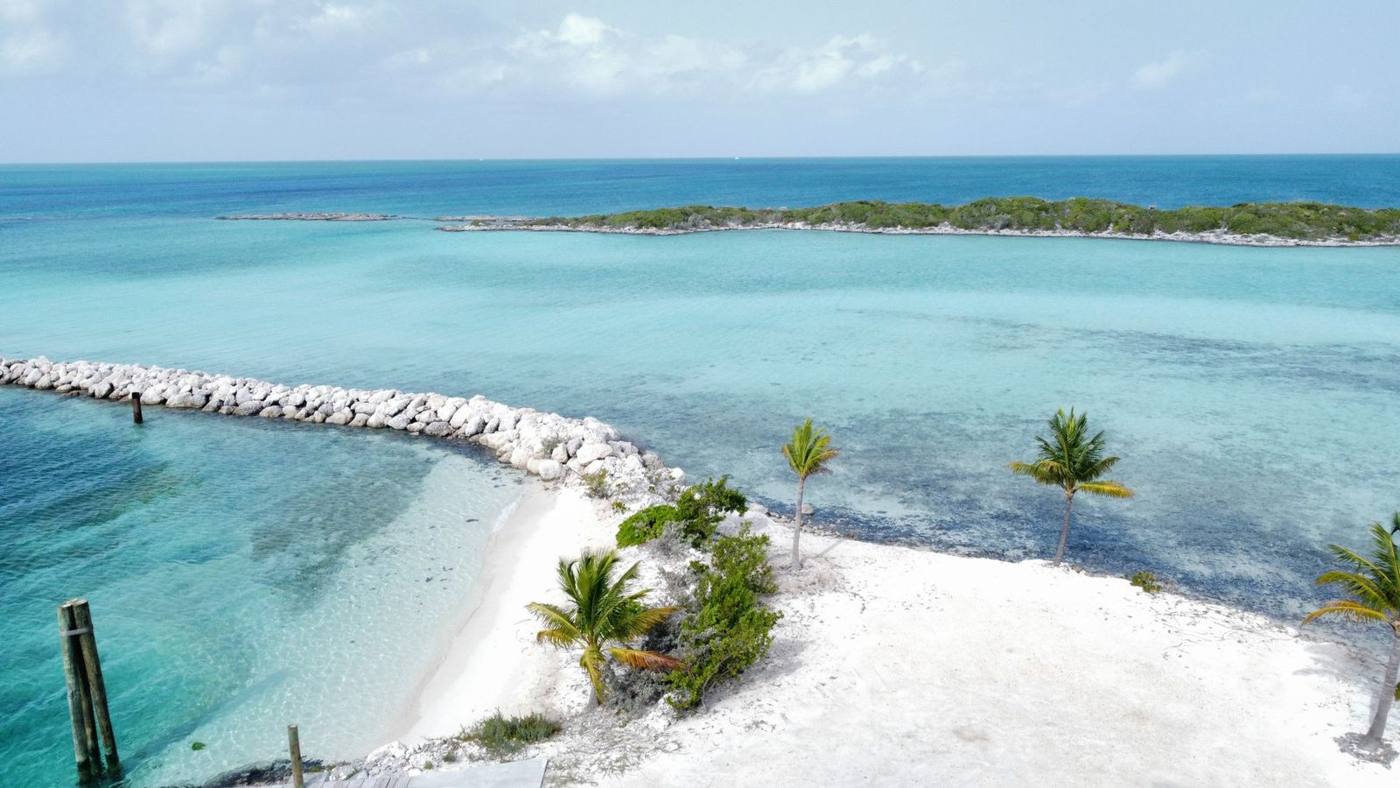
Andros and the blue holes
The archipelago's largest and wildest island: mangroves, hundreds of blue holes inland and at sea, a long barrier reef offshore and fly fishing for bonefish.
- Andros Town
- Fresh Creek
- Captain Bill's Blue Hole
- Andros Barrier Reef
Day by day
- Day 1
Flight from Nassau and Fresh Creek
This four-day trip takes you to Andros, the largest and wildest island in The Bahamas, sparsely inhabited and covered in pine forest, mangroves and marshes. Here there are hundreds of blue holes, the submerged caves that open like blue wells inland and in the sea, one of the longest coral reefs in the world and the shallow flats where anglers fly-fish for bonefish.
Before you go: Italian citizens enter The Bahamas with a passport valid for at least six months, without a visa for tourist stays of under 90 days. Other nationalities should check their own rules. The crime reported by the United States mainly concerns Nassau, where you will only pass through for the flight; water sports are poorly regulated, so always choose authorised guides and centres. Hurricane season runs from June to November.
From Nassau airport a small plane reaches Andros Town airport, in the central part of the island, in a few minutes. Here you pick up the hire car, very useful because the villages are far apart and taxis are few.
In the afternoon explore Fresh Creek, the village split in two by a long arm of sea among the mangroves, with a bridge, fishing boats and a small lighthouse at the mouth of the channel. In the village workshops colourful batik fabrics are made, with designs of fish, shells and flowers.
Ask the locals about the chickcharney, a creature from Andros legends, half bird and half elf, said to live in the pine forests and to bring good or bad luck to whoever meets it.
Practical tip: on Andros mosquitoes and sandflies in the mangroves bite hard at dawn and dusk, so bring a strong repellent and long sleeves.
- Day 2
The inland blue holes with a guide
Today you visit the inland blue holes with a local guide who knows them. They are natural shafts carved into the limestone during the ice ages, when the sea was lower, and later filled with water. At the surface the water is fresh, lower down it turns salty, and at depth there are passages that link to one another and to the sea. Some are tens of metres deep.
The best known is Captain Bill's Blue Hole, in the blue holes national park, north of Fresh Creek: a circle of dark, still water in the middle of the pine forest, with a platform and a ladder to get in. The water is clear and cool, and the edge drops straight into the depths. Check prices and times.
The rules are simple and not up for debate: never swim alone, swim only close to the edge or the ladder, wear a vest if you are not a confident swimmer, and never go into the caves. Dives inside the blue holes are cave dives, reserved for divers with specific certification and special equipment: currents and darkness can be deadly.
Along the forest trails watch the birds, such as woodpeckers and small hummingbirds, and the marsh plants. The guide will also tell you the legend of the lusca, a monster that is half shark and half octopus and, according to islanders' stories, lives in the blue holes.
In the afternoon rest in Fresh Creek, or drive along the coast road to the nearby beaches.
Practical tip: the dirt roads to the blue holes have no signs, so follow the guide and fill up the car before you set off.
- Day 3
Diving or snorkelling on the Andros reef
The Andros reef runs along the east coast of the island for many kilometres. Beyond the reef the seabed drops suddenly into the Tongue of the Ocean, an undersea canyon more than a kilometre deep, where the water turns dark blue. For divers it is one of the most spectacular places in The Bahamas.
In the morning go out by boat with an authorised dive centre. Experienced divers descend along the wall, covered in sponges, corals and sea fans, with reef sharks, groupers and turtles. Snorkellers stay on the shallow parts of the reef, in a few metres of water, with parrotfish, surgeonfish and elkhorn corals. There are blue holes in the sea too, large circular openings in the seabed: you look at them from above, and only those with the right certification go in with the guide.
Always follow the guide's instructions: in The Bahamas sharks are common and usually take no interest in people, but do not get into the water where fish is being cleaned or bait is used, and do not swim at dusk. Do not touch the corals and use a sunscreen that does not harm the reef.
In the afternoon, after the dive, rest in the shade: the sun reflected off the sea burns a lot. Remember that you should not fly for at least eighteen hours after diving, so take tomorrow's return flight into account.
In the evening, in Fresh Creek, try the conch and the catch of the day.
Practical tip: if you are flying tomorrow, only snorkel or limit your dives to early morning.
- Day 4
Fishing or kayaking in the mangroves and return
On the last morning choose between two ways of enjoying the shallow waters of Andros. The first is fly-fishing for bonefish, a silvery and very fast fish that lives on the shallow sand flats. Andros is famous worldwide among anglers for this: with a local guide you wade in knee-deep water or stand on a flat boat, spotting the fish with polarised glasses. The fish is always released after it is caught. You need a permit to fish, which the guide usually arranges.
The second is a kayak trip through the mangroves of the channels near Fresh Creek, with shallow, clear water where small fish, rays and sometimes small sharks, shy and harmless, grow up in the shelter of the roots. Paddle quietly and watch the herons on the branches.
In the early afternoon return the car and take the flight to Nassau.
Trip summary: four days on the wildest island in The Bahamas, slow and with little tourism, few places to stay and a car you really need. You have seen the inland blue holes with a guide, the reef and the wall of the Tongue of the Ocean, and the shallow waters of the mangroves, among legends such as the chickcharney and the lusca.
When to go: from November to May, with less heat, fewer mosquitoes and a calmer sea. June to November is hurricane season and the humid heat is intense.
Practical tip: in the mangroves wear water shoes and bring plenty of water, because there is no shade on the boats.
Little visited and slow: few lodges, a rental car is useful, mosquitoes in the mangroves. Visit the blue holes with someone who knows them, never swim alone.
Before you go
- Documents and visa
- Passport valid for at least six months after the date you leave; British citizens can usually stay up to 30 days without a visa, extendable. You cannot work without a permit. If you arrive from the United States on an ESTA, your days in The Bahamas count towards the ESTA's 90 days.
- Health and vaccines
- No compulsory vaccinations (a yellow fever certificate only if you arrive from a risk country). Dengue and Zika: use repellent. Public hospitals are limited and private ones are good but very expensive: get insurance with medical cover and repatriation, including air evacuation. Emergencies: 911 or 919.
- Money and payments
- Bahamian dollar, at par with the US dollar, which is accepted everywhere. Visa, Mastercard and American Express work on the main islands; carry cash in the Out Islands.
- Power sockets
- Types A and B, 120 volts, as in the United States: you need an adapter for British plugs.
- Time zone
- UTC-5, UTC-4 in summer (US Eastern Time), five hours behind the UK for most of the year.
- Safety
- The United States rates The Bahamas at level 2 because of crime. On New Providence, where Nassau is, and Grand Bahama there are armed robberies and sexual assaults: stay in the main tourist areas, do not walk alone away from the centre and the beaches, travel in groups after dusk and avoid the Over the Hill area south of Shirley Street. Water sports are poorly regulated: do not rent jet skis from unregistered operators. Do not swim at dusk or at night, or where fish is gutted or sharks are baited. Hurricane season runs from 1 June to 30 November. Official advice: GOV.UK.
Information checked in November 2026 for Italian and EU citizens. Rules change: always check before you travel.
Variations
Shorter version: in 3 days, Fresh Creek, the blue holes with a guide and a morning snorkelling on the reef.
Longer version: in 6 days, add two days of fishing or diving in the south of Andros.
Frequently asked questions
Can you swim in the blue holes?
In some, such as Captain Bill's Blue Hole, yes, close to the edge or the ladder and never alone; going into the caves is only for divers with cave certification.
Is Andros suitable for non-divers?
Yes: snorkelling on the shallow parts of the reef, the inland blue holes, kayaking in the mangroves and fishing all need no tanks.
Do you need a car on Andros?
It is very useful, because the villages and blue holes are far apart and taxis are few; fill up whenever you find a petrol station.
Indicative itinerary written by World Atlas. Before booking, check timetables, seasonal openings, documents and safety.
 4 daysEasy
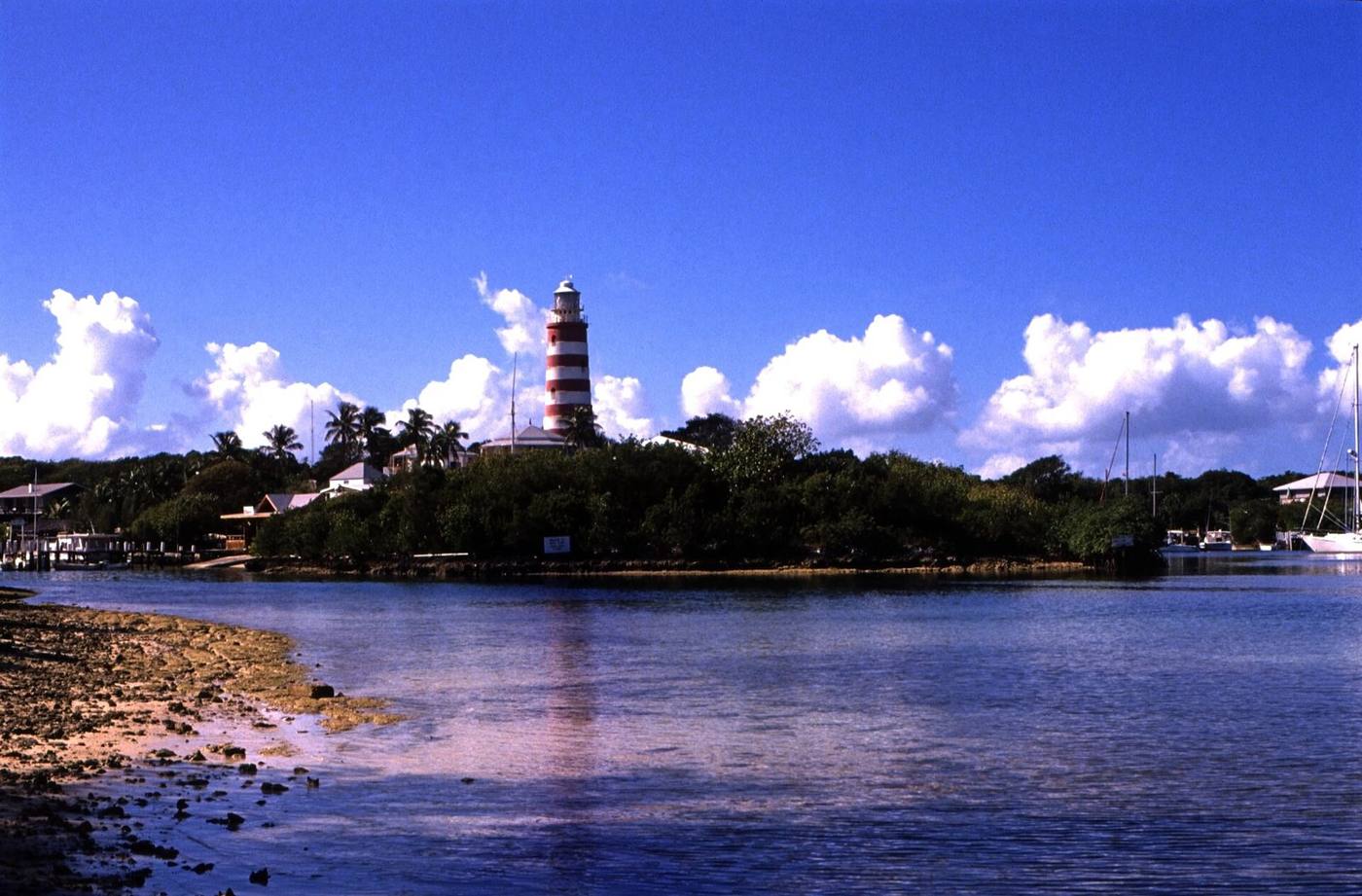
Abaco and Hope Town
The Abaco islands by boat: the red-striped lighthouse of Hope Town, the Loyalist villages of Elbow Cay and Green Turtle Cay and the sheltered bays of the Sea of Abaco.
 3 daysModerate
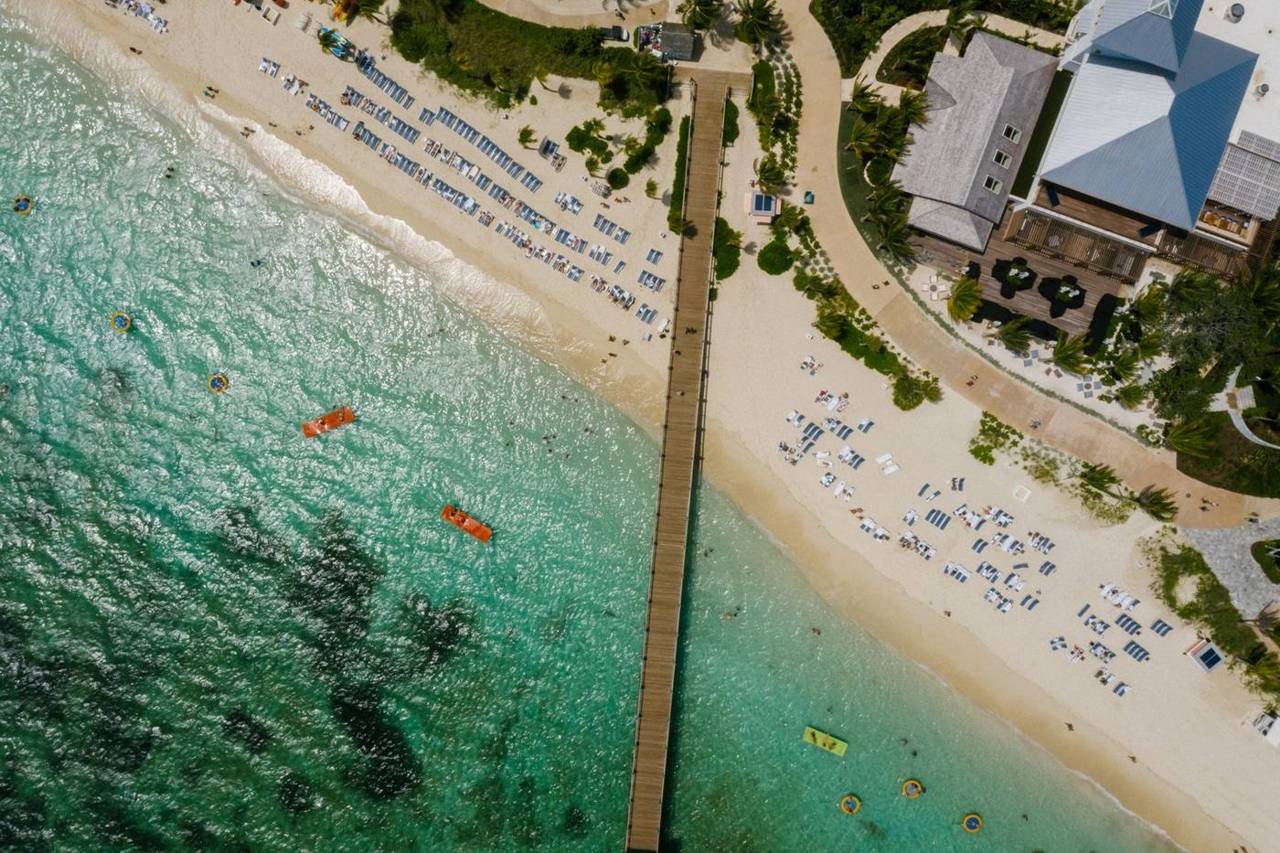
Bimini and the hammerhead sharks
The island closest to Florida, famous for Hemingway and for diving with the great hammerhead, wild dolphins and the concrete wreck of the Sapona.
 4 daysEasy
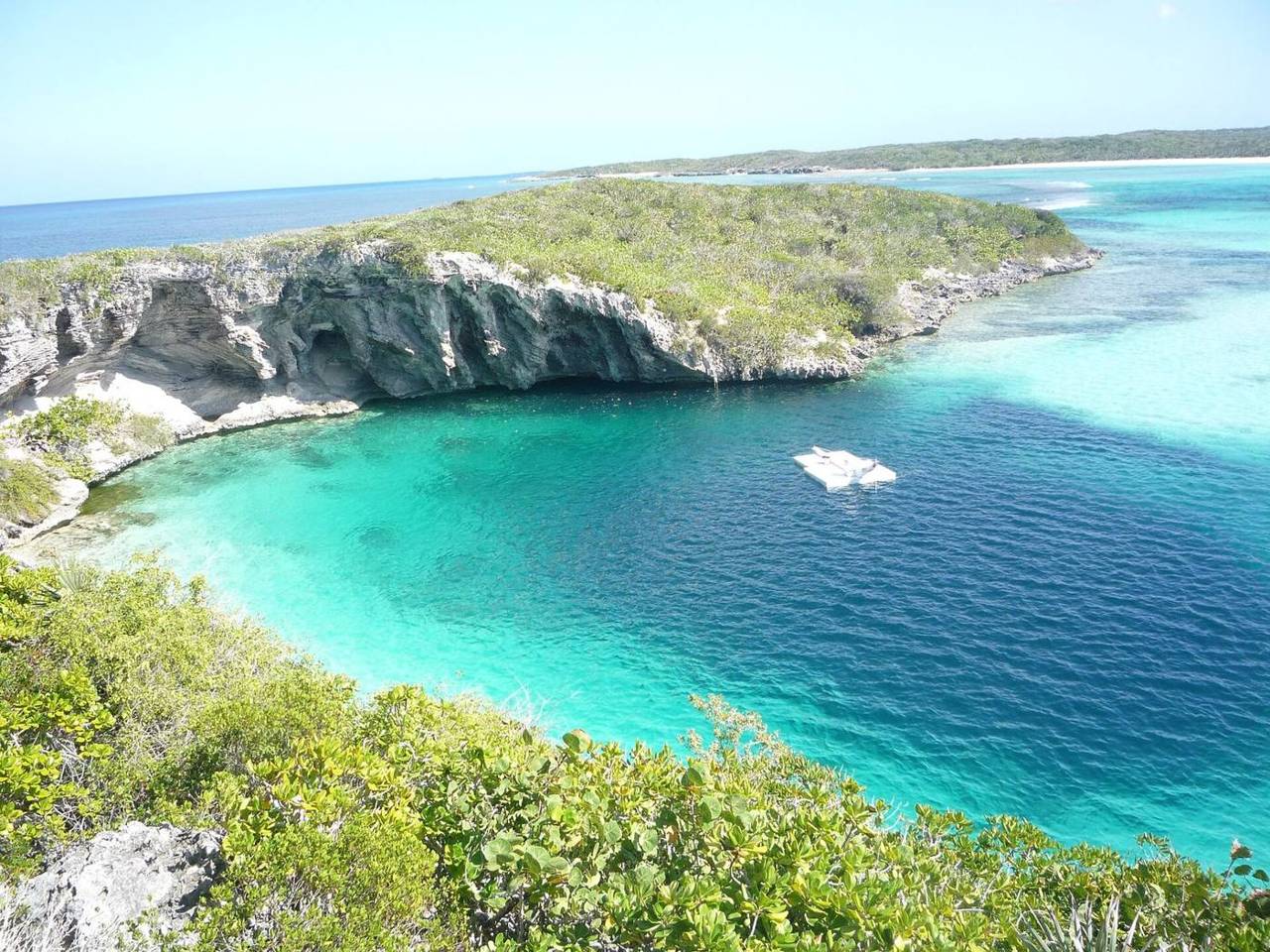
Long Island and Dean's Blue Hole
A long, narrow island, with cliffs on the Atlantic and calm beaches on the Caribbean side: Dean's Blue Hole, one of the world's deepest blue holes, Cape Santa Maria and the stone churches.