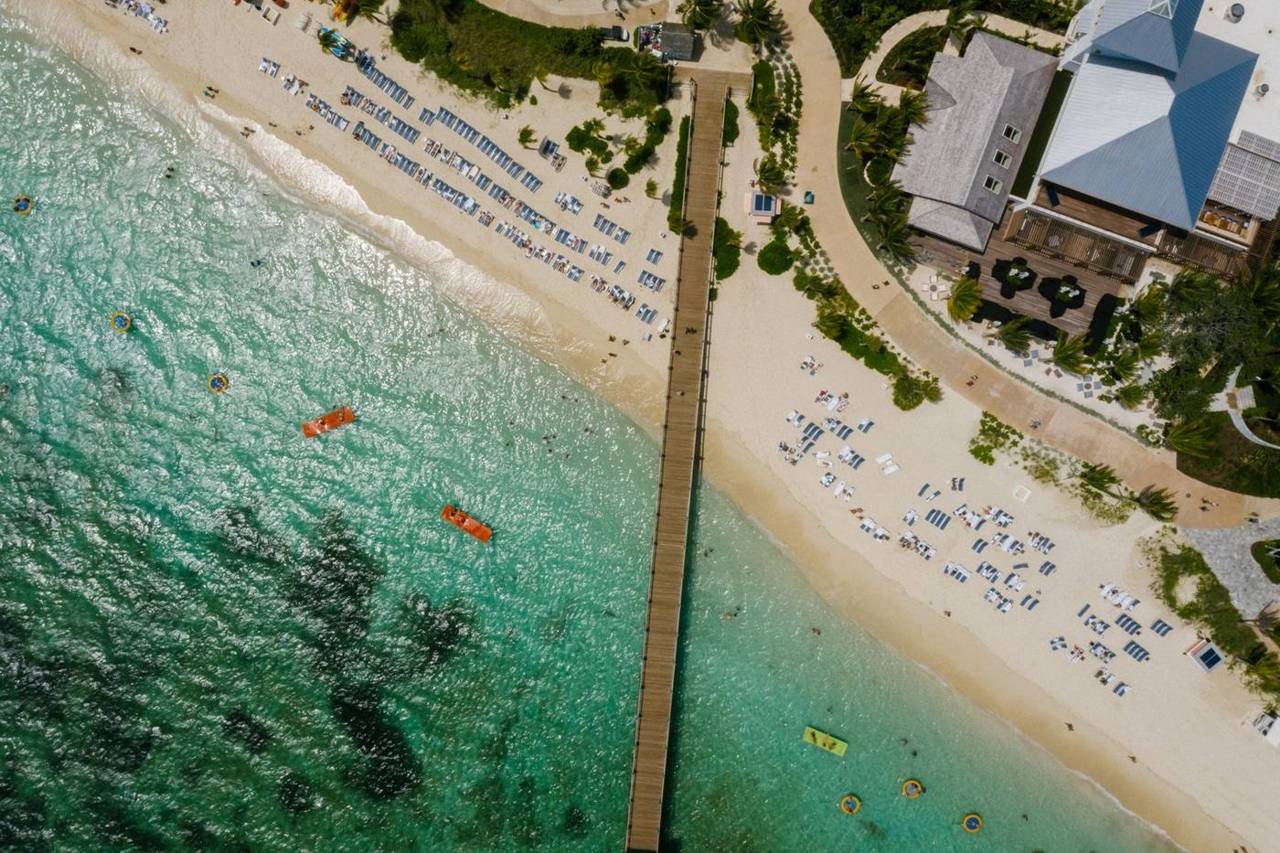
Bimini and the hammerhead sharks
The island closest to Florida, famous for Hemingway and for diving with the great hammerhead, wild dolphins and the concrete wreck of the Sapona.
- Alice Town
- South Bimini
- Sapona wreck
Day by day
- Day 1
Arrival in Alice Town and the King's Highway
This three-day trip takes you to Bimini, the group of Bahamian islands closest to Florida, about eighty kilometres off the coast of Miami. It is a small, relaxed place, famous among anglers, among divers for the great hammerhead shark in winter and among readers for Ernest Hemingway, who spent long periods here in the 1930s.
Before you go: Italian citizens enter The Bahamas with a passport valid for at least six months, without a visa for tourist stays of under 90 days. Other nationalities should check their own rules. The United States rates The Bahamas at level 2 for crime, which is concentrated mainly in Nassau and Grand Bahama; water sports are poorly regulated, so choose authorised operators only. Hurricane season runs from June to November.
You arrive on a small flight from Nassau or Florida at South Bimini airport, then a short ride and a water taxi cross the channel to North Bimini. Alternatively there is the fast ferry from Miami.
In the afternoon walk along the King's Highway, the main street of Alice Town, squeezed between the harbour and the sea, with colourful houses, churches, small marinas and the stalls where they make conch salad, the large local shellfish diced with lime, onion and chilli. Try Bimini bread too, soft and sweet.
At sunset head to one of the west coast beaches, where the water is a transparent blue. Hemingway set the first part of his novel Islands in the Stream right here in Bimini.
Practical tip: on the island you get around on foot, by bike or by golf cart; bring cash, because not everyone accepts cards.
- Day 2
Diving with great hammerhead sharks
Today is shark day. From December to April great hammerhead sharks, which can grow to more than four metres long, come close to the white sand bottoms off South Bimini. The water is shallow, around ten metres, and usually crystal clear: that is why Bimini is one of the few places in the world where you can see them up close.
The dives are organised and follow strict rules: divers kneel in a line on the sand, the guides control the sharks and the bait, and nobody swims towards the animals. Book only with authorised centres, which require a suitable certification and good experience, and do a check-out dive the day before if you have not dived for a while. Nurse sharks and bull sharks often turn up with the hammerheads. Check prices and times.
Remember the safety rules in The Bahamas: shark attacks are rare but can be serious. Never go alone into water where sharks are being baited, do not swim at dusk or at night and keep away from jetties where fishermen clean their catch.
The Bahamas has been a shark sanctuary since 2011: commercial shark fishing is banned, and that is one reason why you see so many here.
In the afternoon, if you are not diving, snorkel close to shore or take a kayak trip through the mangroves of North Bimini, with shallow water and small fish among the roots.
In the evening, at the harbour, watch the deep-sea fishing boats come back in.
Practical tip: do not fly within eighteen hours of your last dive, and plan your return flight accordingly.
- Day 3
The wreck of the Sapona and wild dolphins
In the morning head out by boat to the south to the Sapona, a concrete ship built after the First World War that ran onto the rocks during a hurricane in 1926, between South Bimini and the nearby islands. During American Prohibition it was used as a store for smuggled alcohol. Today it is partly out of the water, rusty and broken, with the bottom a few metres down: it is an excellent snorkelling spot, with tropical fish swimming among the plates and the iron bars.
Do not climb on the structure: the concrete is broken and sharp. Swim with mask, fins and a vest, and stay close to the boat.
In the afternoon go out with authorised guides to look for wild dolphins, Atlantic spotted dolphins and bottlenose dolphins, which live on the banks north of the island. Sightings are not guaranteed and depend on the sea. If the dolphins come close you get into the water with mask and fins, without touching, chasing or feeding them.
On the way back the boat passes over the Bimini Road, a line of large limestone blocks on the seabed, a few metres deep, which according to some legends is a road to Atlantis; geologists consider it a natural formation.
Trip summary: three days on a quiet island, between the King's Highway and memories of Hemingway, the dive with great hammerhead sharks, snorkelling on a wreck and wild dolphins.
When to go: from December to April for the hammerheads; June to November is hurricane season.
Practical tip: bring a windproof jacket on the boat, because in open water with the winter wind it gets cool.
For experienced divers: shark dives are done only with serious centres that follow strict rules. Non-divers still find clear water and a relaxed island.
Before you go
- Documents and visa
- Passport valid for at least six months after the date you leave; British citizens can usually stay up to 30 days without a visa, extendable. You cannot work without a permit. If you arrive from the United States on an ESTA, your days in The Bahamas count towards the ESTA's 90 days.
- Health and vaccines
- No compulsory vaccinations (a yellow fever certificate only if you arrive from a risk country). Dengue and Zika: use repellent. Public hospitals are limited and private ones are good but very expensive: get insurance with medical cover and repatriation, including air evacuation. Emergencies: 911 or 919.
- Money and payments
- Bahamian dollar, at par with the US dollar, which is accepted everywhere. Visa, Mastercard and American Express work on the main islands; carry cash in the Out Islands.
- Power sockets
- Types A and B, 120 volts, as in the United States: you need an adapter for British plugs.
- Time zone
- UTC-5, UTC-4 in summer (US Eastern Time), five hours behind the UK for most of the year.
- Safety
- The United States rates The Bahamas at level 2 because of crime. On New Providence, where Nassau is, and Grand Bahama there are armed robberies and sexual assaults: stay in the main tourist areas, do not walk alone away from the centre and the beaches, travel in groups after dusk and avoid the Over the Hill area south of Shirley Street. Water sports are poorly regulated: do not rent jet skis from unregistered operators. Do not swim at dusk or at night, or where fish is gutted or sharks are baited. Hurricane season runs from 1 June to 30 November. Official advice: GOV.UK.
Information checked in November 2026 for Italian and EU citizens. Rules change: always check before you travel.
Variations
Shorter version: in 2 days, arrival in Alice Town and the hammerhead dive, without the dolphin trip.
Longer version: in 5 days, add two days of diving on the walls of Bimini or two nights in Nassau.
Frequently asked questions
Can you see the hammerheads without diving?
No, trips with great hammerheads are scuba dives for certified, experienced divers; non-divers can snorkel on the Sapona.
When can you see hammerheads in Bimini?
Usually from December to April, when they come close to the sand bottoms off South Bimini.
How do you get to Bimini?
On a small flight from Nassau or Florida to South Bimini airport, or by fast ferry from Miami.
Indicative itinerary written by World Atlas. Before booking, check timetables, seasonal openings, documents and safety.
 4 daysEasy
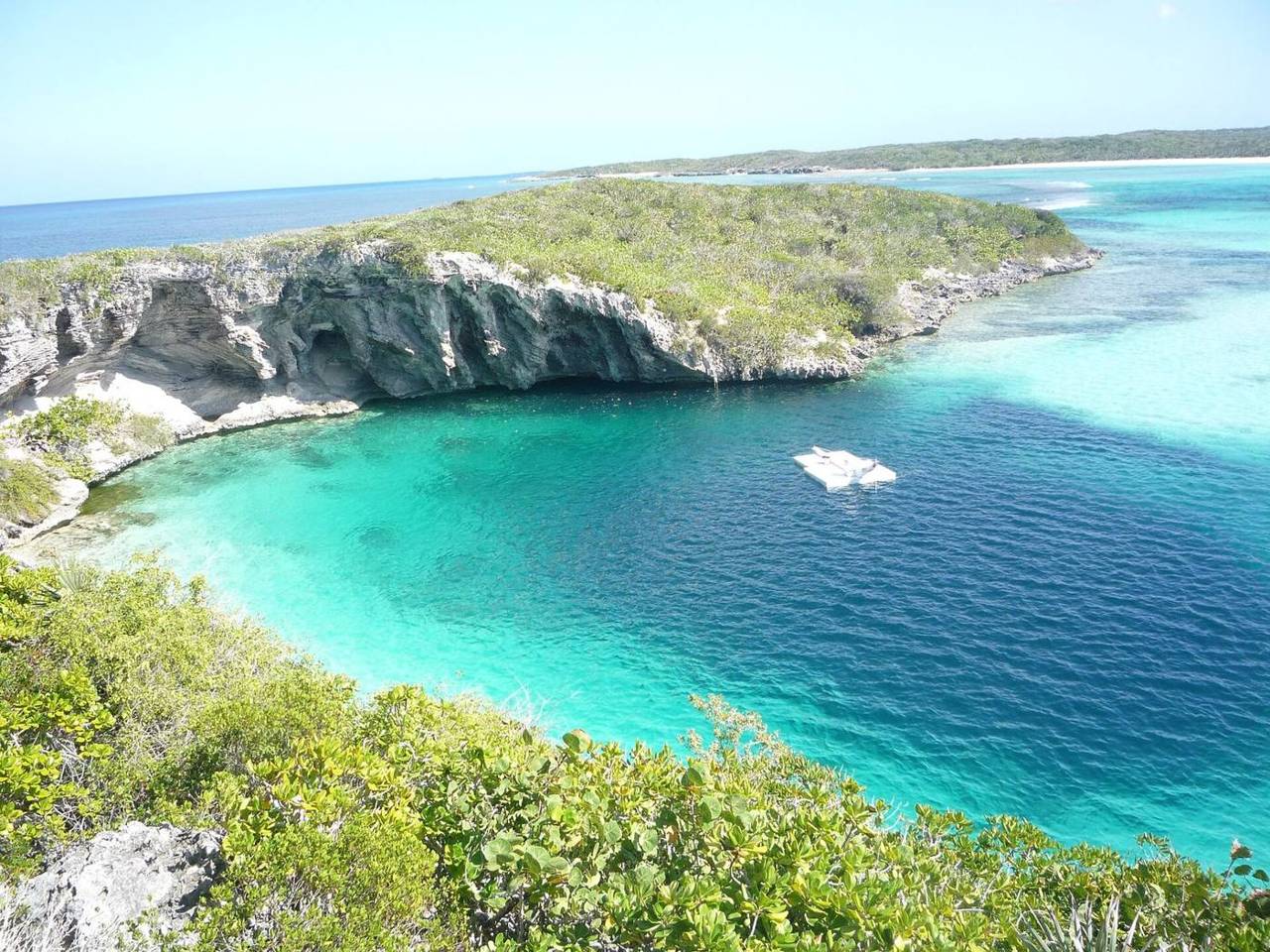
Long Island and Dean's Blue Hole
A long, narrow island, with cliffs on the Atlantic and calm beaches on the Caribbean side: Dean's Blue Hole, one of the world's deepest blue holes, Cape Santa Maria and the stone churches.
 6 daysEasy
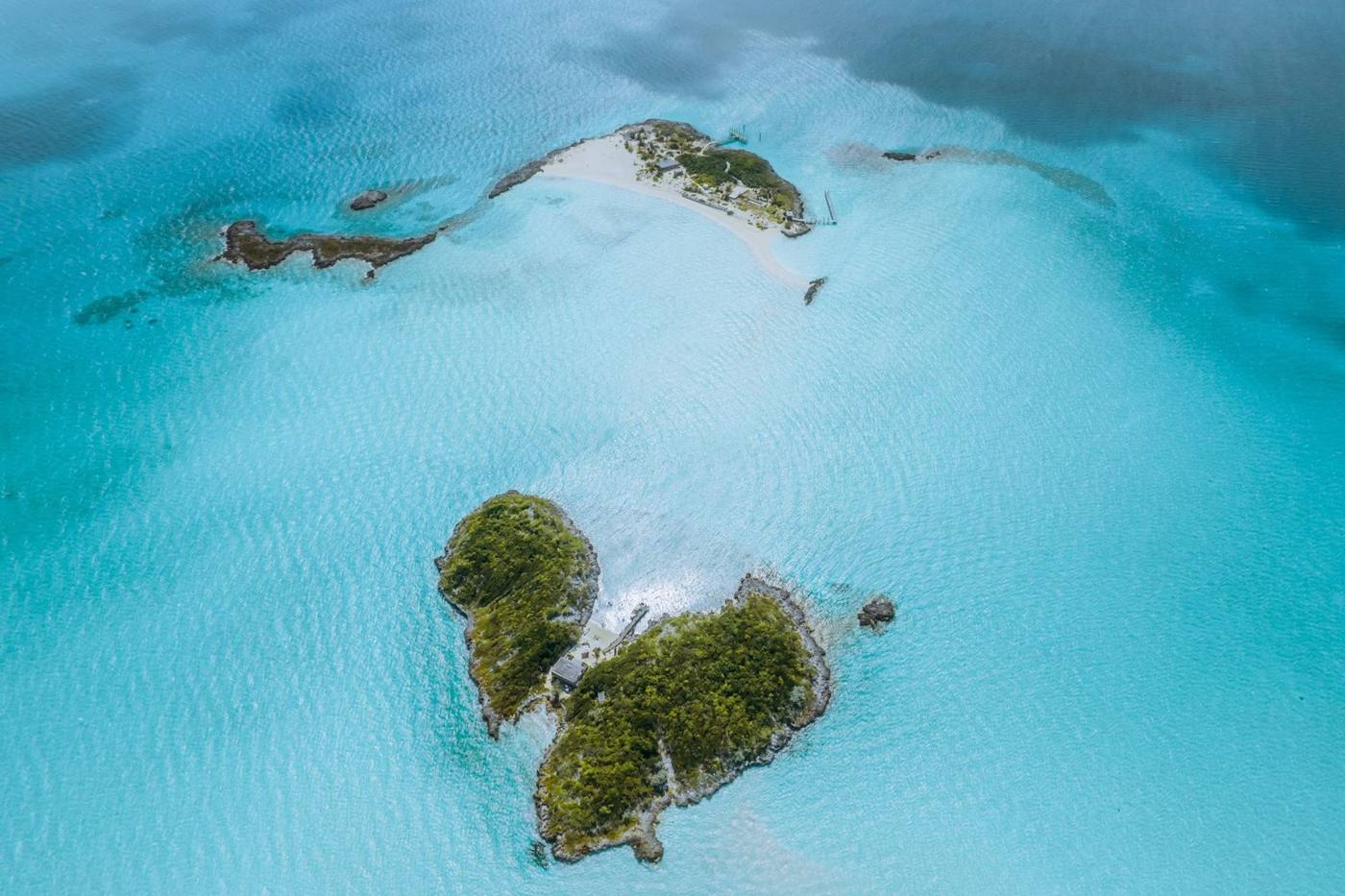
The Exumas
A chain of islands on a turquoise sea: the swimming pigs of Big Major Cay, Thunderball Grotto, sandbars and the iguanas of Allan's Cay.
 5 daysEasy
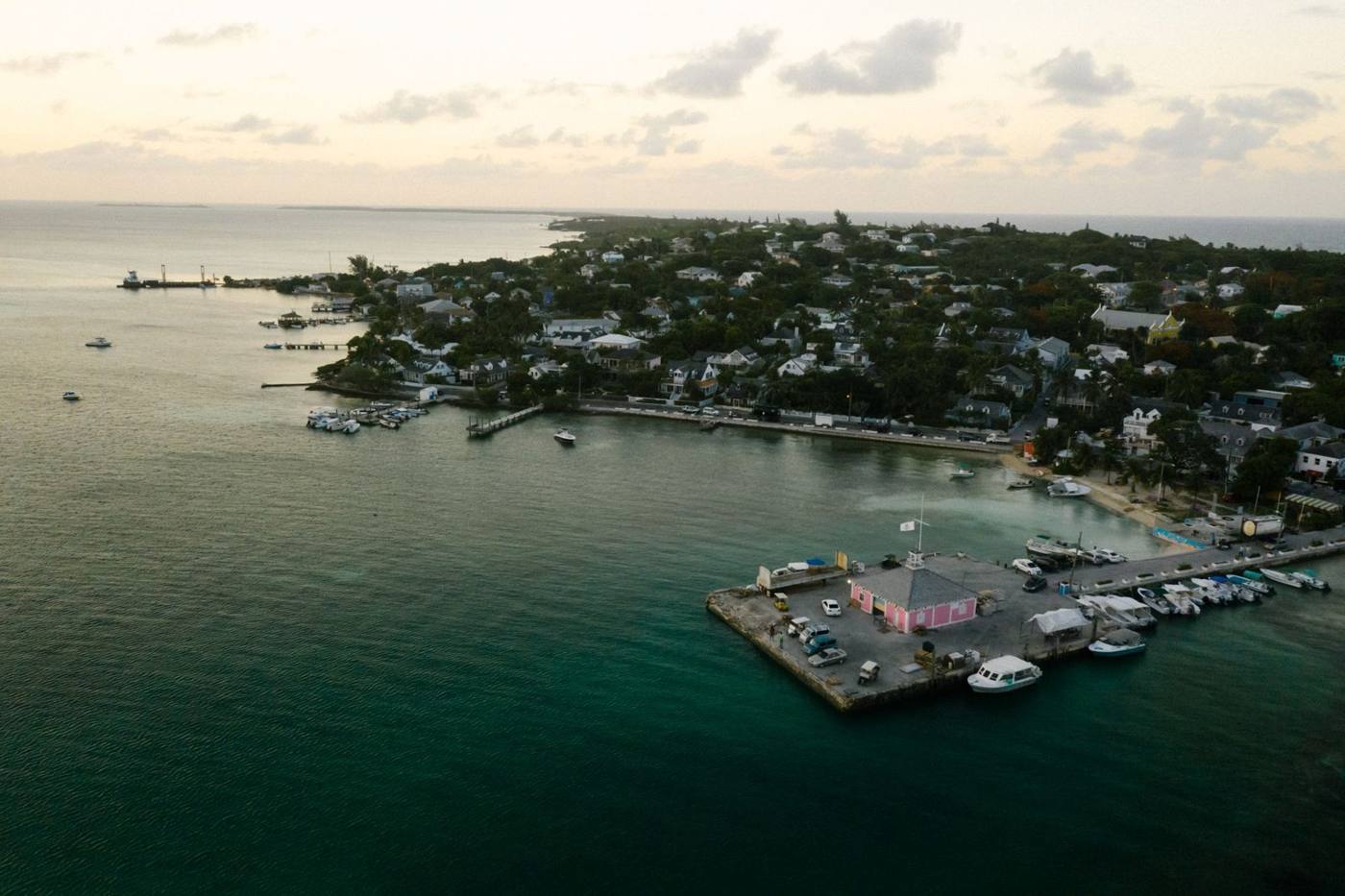
Eleuthera and Harbour Island
Harbour Island's pink-sand beach, the Glass Window Bridge between ocean and Caribbean sea and the Queen's Bath rock pools.