Sheki and the Caucasus
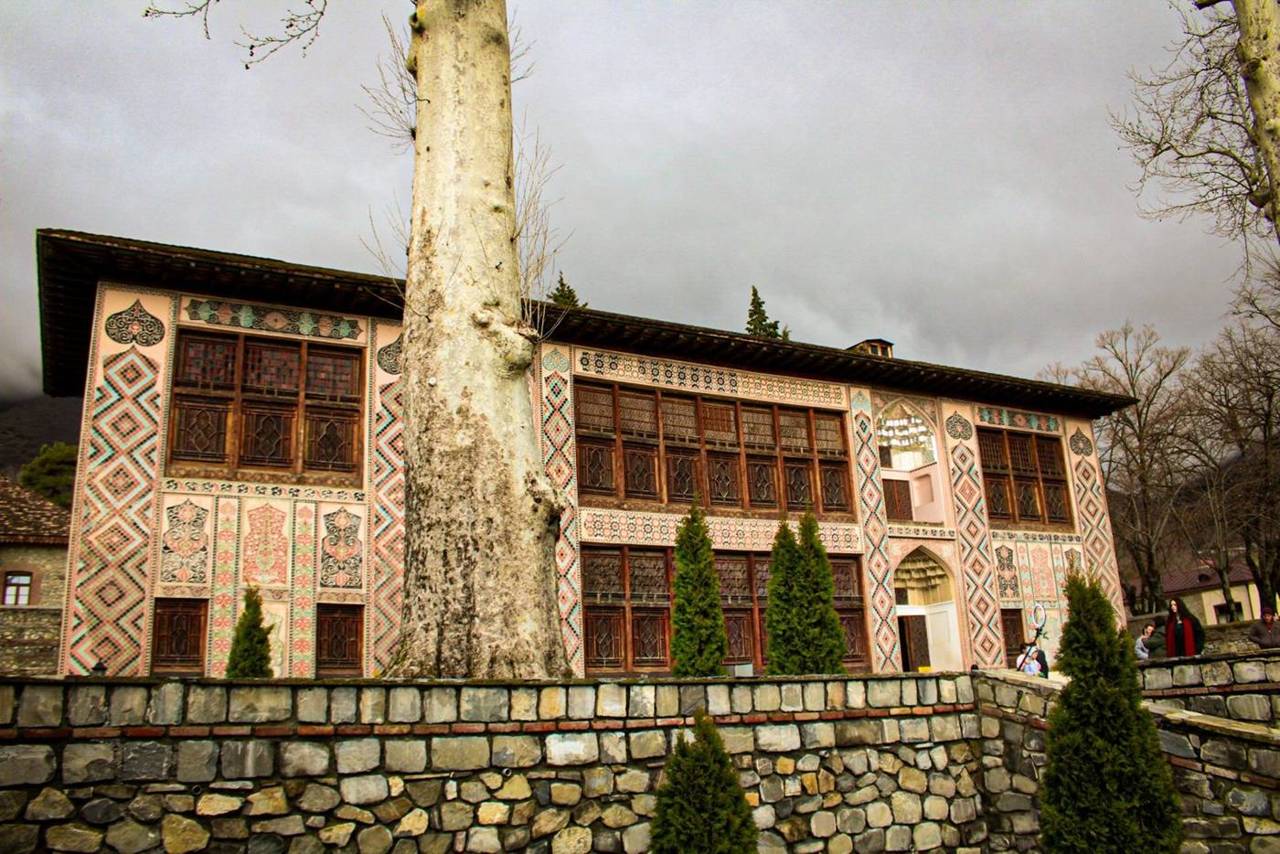
The road via Shamakhi and Lahij, the Palace of the Shaki Khans with its stained glass, the caravanserai and the Albanian church at Kish.
- Baku
- Shamakhi
- Lahij
- Gabala
- Sheki
- Kish
Day by day
- Day 1
From Baku to Shamakhi and the coppersmiths' village of Lahij
This five-day trip follows the Caucasus road, the greenest and most historic part of Azerbaijan, from Shamakhi to Lahij, Gabala and Sheki.
Before you go: Italian citizens need a passport, valid for at least three months beyond the expiry of the visa, and an e-visa, applied for online only on the official website evisa.gov.az: it is valid for one entry and up to 30 days and is not issued at the airport. Other nationalities should check their own rules. You can only enter by air. Today the UK also lists the land border with Georgia as closed. Viaggiare Sicuri, the Italian government's travel service, advises against the areas along the Armenian border and the United States, at level 3 since 2026, against the border with Iran: this northern road is far from both.
In the morning leave Baku westwards, by car or with a driver, and in about two hours you reach Shamakhi, the ancient capital of Shirvan. Visit the Friday Mosque, founded according to tradition in the eighth century and rebuilt several times after earthquakes, with three domes and a large courtyard. Dress modestly.
Then continue towards Ismayilli and take the mountain road that climbs the gorge of the Girdimançay river to Lahij, about an hour and a half. Lahij is a village of cobbled streets and houses of stone and wood, famous for centuries for its copper craftsmen. Walk along the main street, full of workshops where coppersmiths hammer pots, trays and jugs by hand.
Sleep in Lahij or in the Ismayilli district.
Practical tip: the road to Lahij is narrow and winding above the gorge; drive calmly, avoid arriving after dark and ask about roadworks or landslides before setting off.
- Day 2
Gabala and its mountains
Today you cross the green valley of Gabala, at the foot of the Greater Caucasus.
In the morning come down from Lahij and return to the main road westwards. In about an hour and a half you reach Gabala, a modern town surrounded by woods and mountains, where Azerbaijanis go on summer holidays.
Visit the archaeological site of Chukhur Gabala, just outside town, where ancient Gabala stood, for centuries the capital of Caucasian Albania, a Christian kingdom of the eastern Caucasus that has nothing to do with Albania in the Balkans. The walls, gates and excavations remain among the meadows. Check prices and times.
Then go up to Tufandağ, the mountain resort north of town, and take the gondola up high, with views over the valley and the snowy peaks. In winter people ski, in summer they walk the meadows near the lifts. Check prices and times.
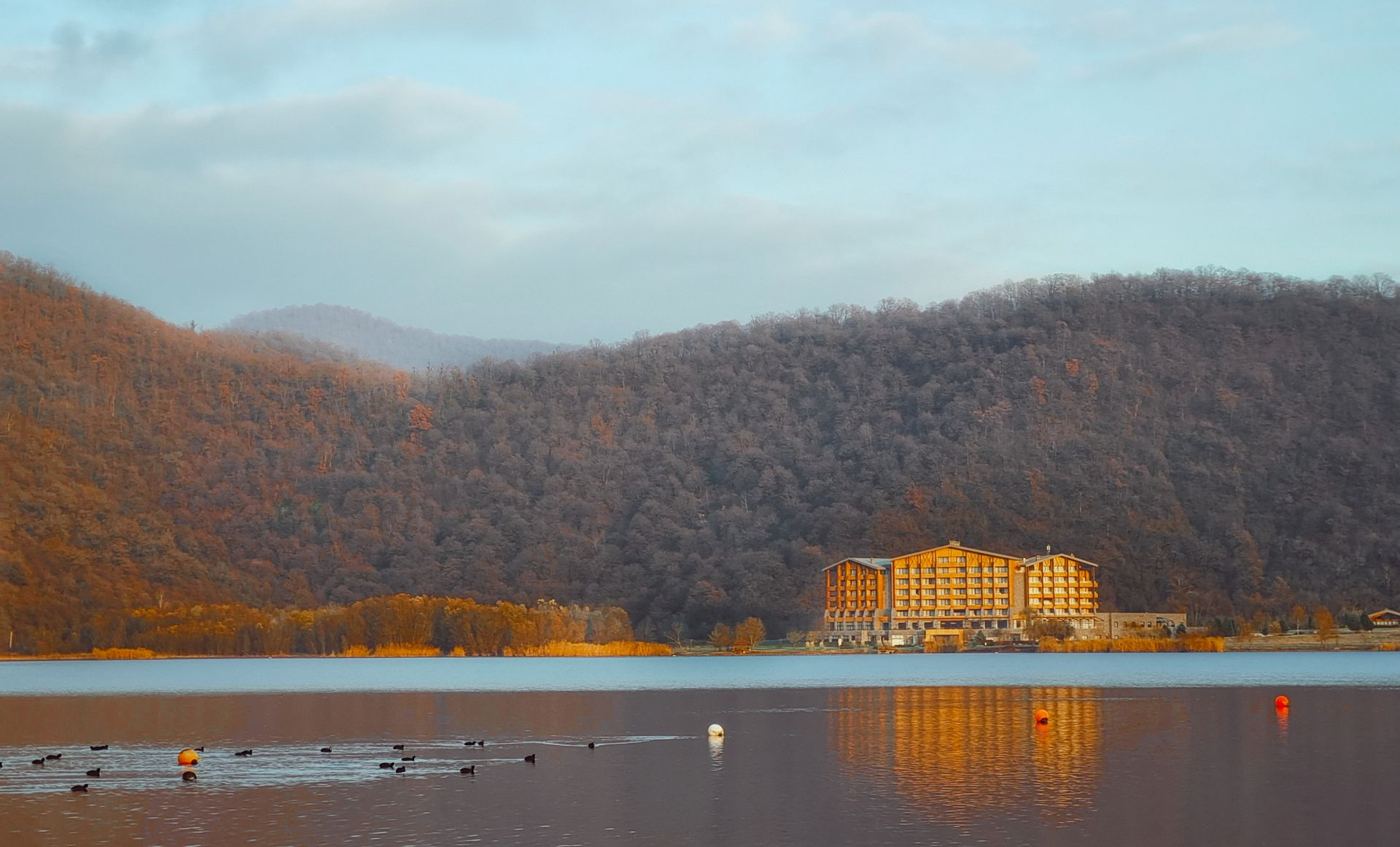
In the afternoon, if you still have time, stop at Lake Nohur, a sheet of water surrounded by woods, for a walk on the shore at sunset.
In the evening taste pumpkin or herb qutab and tea with green walnut jam.
Sleep in Gabala.
Practical tip: between Gabala and Sheki the road runs through orchards and walnut woods; at the roadside stalls buy pomegranates, jams and juices, but taste before you buy.
- Day 3
Sheki and the Khan's Palace
Today you arrive in the most beautiful town of the north.
In the morning leave Gabala westwards and in about an hour and a half you reach Sheki, an old town on the slopes of the Greater Caucasus, on the Silk Road. The historic centre, with the Khan's Palace, is a UNESCO World Heritage Site.
Climb towards the fortress, enclosed by stone walls, and enter the Palace of the Sheki Khans, built in the eighteenth century as the residence of the town's rulers. The façade has large windows of shebeke, interlocking woodwork without nails or glue, with thousands of small coloured panes that throw patches of light on the floor by day. Inside, the rooms are covered with paintings of flowers, birds and scenes of hunting and battle. Photography is usually not allowed inside. Check prices and times.
Then go down to the centre and visit one of the town's caravanserais, a large eighteenth century building with a courtyard and two floors of arcades, where merchants once stopped with their caravans. Today it also has rooms for travellers, but you can simply walk into the courtyard and look at the arcades.
In the afternoon visit a shebeke workshop, where craftsmen assemble the pieces of wood and glass by hand, and walk through the streets of the centre with their tiled roofs.
In the evening taste piti, mutton and chickpea soup cooked in a clay pot, eaten in two stages, first the broth with bread and then the meat. Sleep in Sheki.
Practical tip: try Sheki halva, a layered sweet of rice pastry, syrup and hazelnuts, but buy it in the pastry shops of the centre and ask to taste it first.
- Day 4
The church of Kish and the Sheki market
Today you visit the oldest church in the region and the daily life of the town.
In the morning go up to Kish, a village a few kilometres north of Sheki, among orchards and woods. At the top of the village stands the church of Kish, a small stone church of Caucasian Albania, among the oldest in the Caucasus, restored in the early 2000s with the help of Norwegian archaeologists. Inside is a small museum with finds from the excavations and graves under a glass floor. Check prices and times.
Then walk through the village lanes, paved with river stones, with houses of stone walls and courtyards full of fruit trees.
In the afternoon return to Sheki and visit the market, where chestnuts, walnuts, dried fruit, cheese, vegetables and the town's sweets are sold. Then look for a silk workshop: Sheki was a silk town for centuries, and headscarves and fabrics are still made.
If you still have energy, climb to the fortress walls at sunset and look at the town's roofs with the mountains behind.
In the evening have chestnut plov, a typical dish of the area, or lamb kebabs cooked over embers.
Sleep in Sheki.
Practical tip: the road to Kish climbs from town in a few minutes; if you have no car, take a taxi from the centre and agree the price and waiting time before you leave.
- Day 5
Back to Baku
Today you leave Sheki and return to the capital.
In the morning take a last walk in the centre of Sheki and buy a few souvenirs: a small shebeke, a silk headscarf or a box of halva to take home.
Then head back to Baku, by car or bus, about five hours. The road returns towards Gabala and Ismayilli, then climbs through the hills of Shamakhi and descends towards the Absheron and the Caspian. Stop for lunch on the way with dolma and shashlik, meat skewers.
Do not plan to leave for Georgia from Balakən: today the UK lists the land border as closed and leaving by road requires permission from the authorities. If the rules change, check official websites first.
In these five days you have seen the most beautiful part of the country: the mosque of Shamakhi, the copper workshops of Lahij, the mountains and ancient capital of Gabala, the Khan's Palace with its coloured windows, the caravanserai, the Albanian church of Kish and the food of Sheki.
When to go: the best time is from May to October. May and June are very green, summer is cool in the mountains and hot in the plain, and autumn brings chestnuts, pomegranates and the colours of the woods.
Practical tip: if you have a few more days, continue from Sheki to Qax, Ilisu and Zaqatala, in the north-west; it is the most natural extension of this trip.
The most beautiful part of the country, green and historic. Azerbaijan's land borders have been closed for entry since 2020: arrive by air, while leaving overland to Georgia is usually possible. Sheki halva and piti, a stew cooked in a clay pot, are worth the stop.
Before you go
- Documents and visa
- Passport valid for at least three months beyond the expiry of the visa, and an e-visa, applied for online only on the official website evisa.gov.az: it is valid for one entry and up to 30 days, with an urgent service at a higher cost. Visas are not issued at the airport. Today you can only enter by air: land borders are closed to arrivals, except in exceptional authorised cases. A previous visit to Karabakh without Azerbaijani permission can lead to refused entry. Stays over 15 days require registration with the State Migration Service, which hotels often do for you.
- Health and vaccines
- No compulsory vaccinations. Tap water is not safe to drink: drink bottled water. You need insurance covering medical costs and repatriation. Air pollution is high in Baku. Emergencies: 112.
- Money and payments
- Azerbaijani manat. In Baku cards are accepted almost everywhere; in villages and markets carry cash.
- Power sockets
- Types C and F, 220 volts.
- Time zone
- UTC+4 all year.
- Safety
- The UK advises against all travel within 5 km of the Armenian border and against all but essential travel to the war-affected districts of the south-west, around Karabakh, which are full of mines and need an official permit. In 2026 the United States raised the country to level 3 and advises against travel to the border region with Iran. Official advice: GOV.UK.
Information checked in November 2026 for Italian and EU citizens. Rules change: always check before you travel.
Variations
In 3 days: Shamakhi, Lahij and Sheki, without the stop in Gabala.
In 8 days: add Qax, Ilisu and Zaqatala after Sheki, returning to Baku by train from Balakən.
Frequently asked questions
Can you sleep in a caravanserai in Sheki?
Yes, one of the town's historic caravanserais now has rooms for travellers around its courtyard. Book ahead, especially in summer, or just go in to see the courtyard.
What is shebeke?
It is a craft typical of Sheki: pieces of wood fitted together without nails or glue, with small coloured panes of glass. The most famous windows are those of the Khan's Palace.
Can you leave for Georgia at the end of the trip?
Today the UK lists the land border with Georgia as closed and leaving by road requires permission from the authorities. Plan to return to Baku and leave by air.
Indicative itinerary written by World Atlas. Before booking, check timetables, seasonal openings, documents and safety.
 4 daysModerate
Quba and Xinaliq
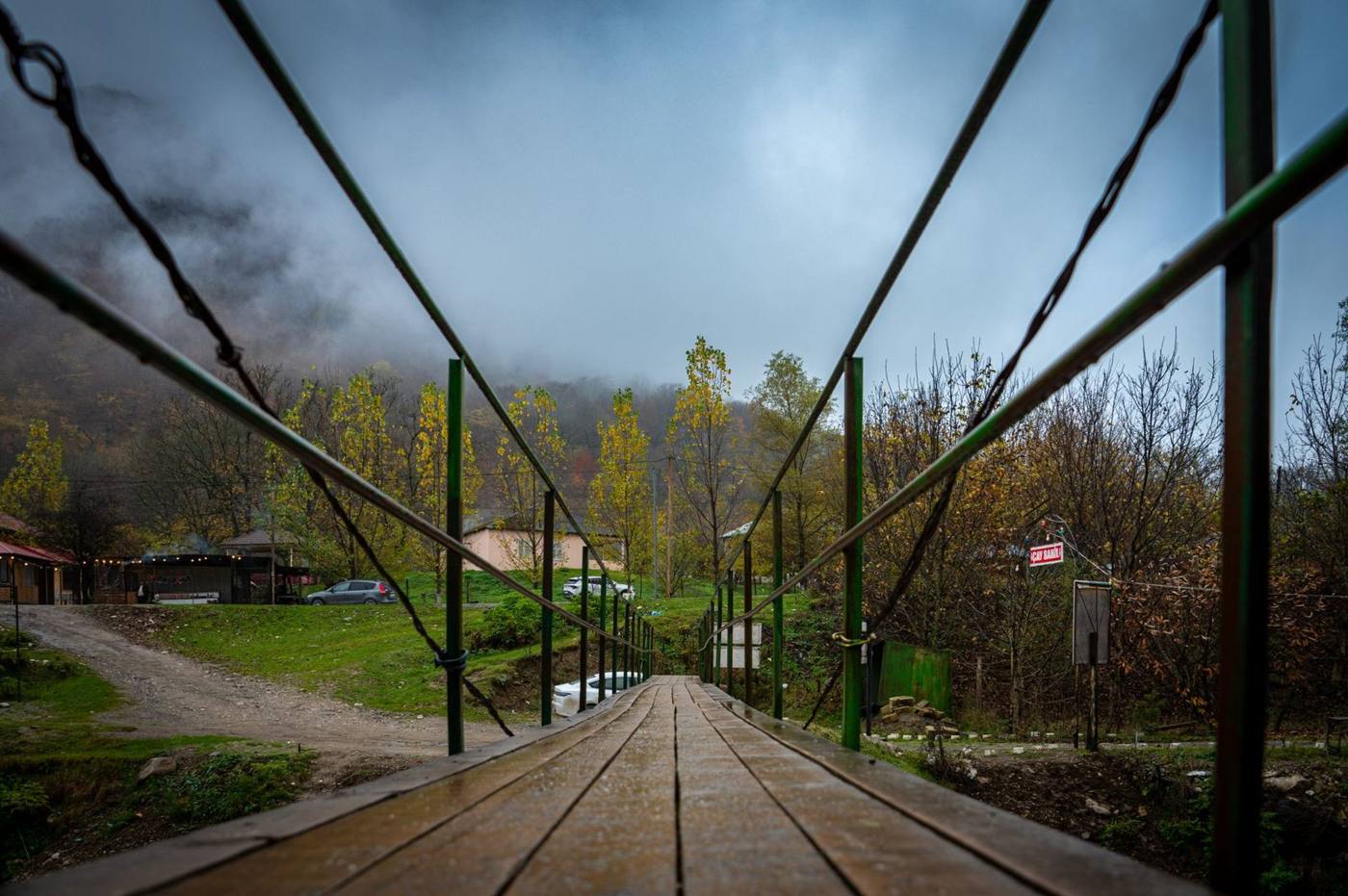
The town of Quba and the Jewish quarter of Qırmızı Qəsəbə, then Xinaliq, one of the highest inhabited villages in the Caucasus, with a language of its own.
 4 daysEasy
Gabala and Ismayilli
The Caucasus forests around Gabala, the Tufandağ cable car, Lake Nohur, the Yeddi Gozal waterfalls and the villages of Ismayilli.
 4 daysEasy
Lankaran and the south
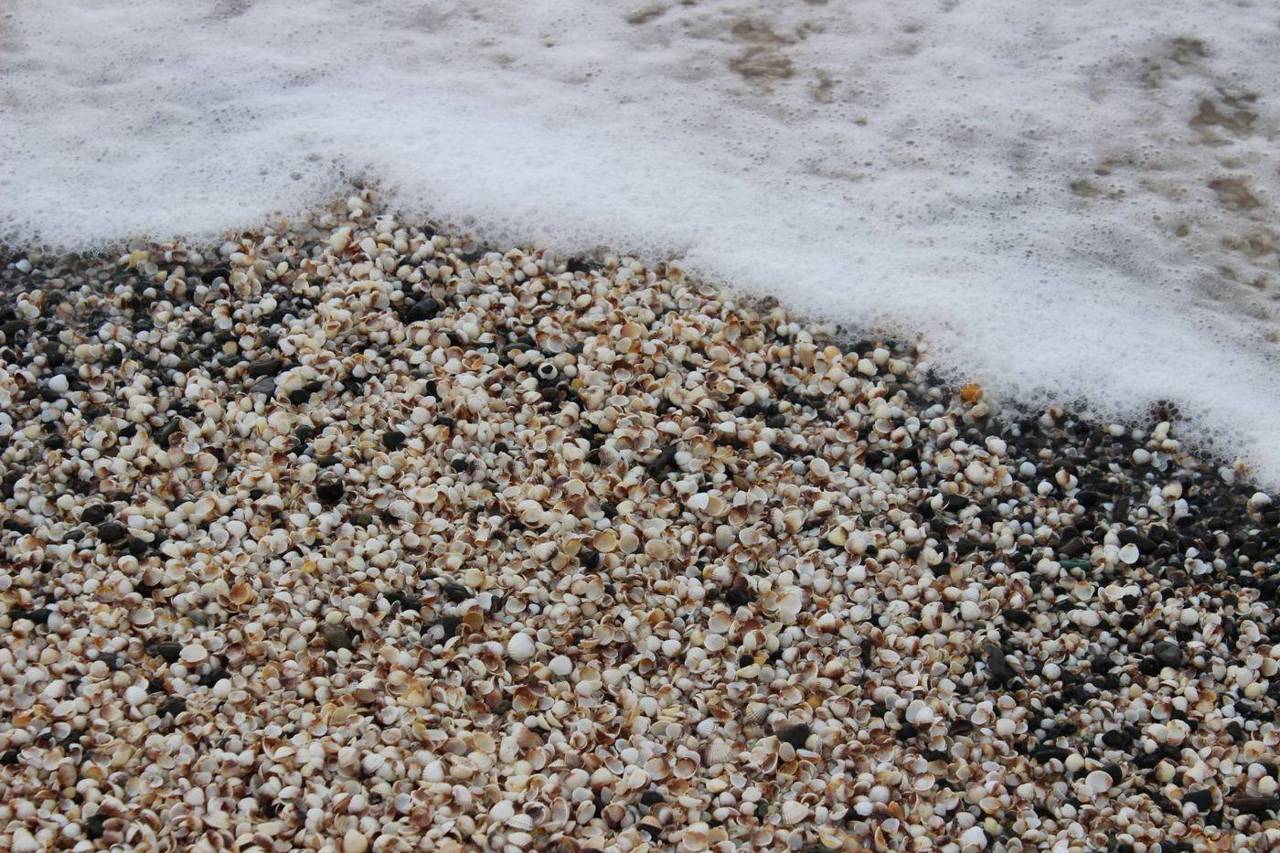
The subtropical south on the Caspian: the tea plantations of Lankaran, the Hirkan park forests with their ancient trees and the mountain villages of Lerik.