Lankaran and the south
The subtropical south on the Caspian: the tea plantations of Lankaran, the Hirkan park forests with their ancient trees and the mountain villages of Lerik.
- Baku
- Lankaran
- Hirkan
- Lerik
Day by day
- Day 1
From Baku to Lankaran, into the subtropical south
This four-day trip takes you to the south of Azerbaijan, on the Caspian coast, into a green and humid region that feels like another country: Lankaran with its tea plantations, the forests of Hirkan National Park and the mountain villages of Lerik, in the Talysh mountains.
Before you go: Italian citizens need a passport, valid for at least three months beyond the expiry of the visa, and an e-visa, applied for online only on the official website evisa.gov.az: it is valid for one entry and up to 30 days and is not issued at the airport. Other nationalities should check their own rules. You can only enter by air.
Some areas on this trip are close to borders or places where the situation changes often: check your government's travel advice before booking and again before you leave.
In the morning leave Baku and take the road south, by car or with a driver. The journey takes about four hours: at first you cross the dry plain around the capital, then, after the Kura river, the landscape changes and fields, orchards and ever thicker trees appear.
In the afternoon you reach Lankaran. Walk along the seafront and through the centre, among low houses, markets and the old round tower of the fortress, now used as a lighthouse. Visit the local history museum, housed in a palace from the early twentieth century. Check prices and times.
In the evening try lavangi, the signature dish of the south: chicken or fish stuffed with walnuts, onion and a sour plum paste. Sleep in Lankaran.
Practical tip: drive down from Baku in daylight and do not drive at night, because the minor roads of the south are poorly lit and animals often cross them.
- Day 2
Tea plantations and Hirkan park
Today you discover the two green treasures of Lankaran: tea and a very ancient forest.
In the morning visit one of the tea plantations on the hills around the town. The humid climate of the south has made this area the heart of Azerbaijan's tea production. Walk between the low, tidy rows, watch how the leaves are picked and, if possible, taste the tea in a small tasting room. In Azerbaijan tea is drunk all day, in pear-shaped glasses, with jam, sugar lumps or lemon.
Then carry on to Hirkan National Park, in the Talysh mountains. It protects part of the Hyrcanian forests, very old humid woodlands that are now a UNESCO World Heritage Site together with those in Iran. Rare species grow here, such as Parrotia persica, called the iron tree for its very hard wood, and the silk tree, with its fluffy pink flowers.
Take a walk on a marked trail, among ferns, creepers, streams and trunks covered in moss. In spring the woods are full of flowers, in autumn the leaves turn red and yellow. The park reaches the border area: stay on the official trails, with a local guide, and follow the rangers' instructions. Check prices and times at the entrance.
Sleep in Lankaran.
Practical tip: humidity in the park is high and the trails are often muddy; bring closed walking boots, a light waterproof and insect repellent.
- Day 3
Lerik and the villages of the Talysh mountains
Today you head up into the mountains, the land of the Talysh people.
In the morning leave the coast and take the road to Lerik, which climbs for about an hour and a half through wooded valleys and hairpin bends. Little by little the forest gives way to meadows, terraced fields and drier slopes. Lerik is a small mountain town, the centre of a district lived in mainly by the Talysh, who speak a language close to Persian.
In the centre visit the museum of longevity, devoted to the elderly people of the area, famous across the former Soviet Union for their long lives. The rooms hold photographs, household objects, clothes and stories of village families. Check prices and times.
In the afternoon explore the villages around, with houses of stone and mud, haylofts, bread ovens and vegetable gardens. People still live from herding and farming and welcome visitors with tea. If the weather is good, go up to one of the high plateaus above Lerik to see the mountains from above. For the dirt roads you need a four-wheel drive or a local driver.
In the evening have a mountain dinner: soups, sheep's cheese, honey, herbs and bread baked in the clay oven. Sleep in Lerik or go back to Lankaran.
Practical tip: in the mountains the weather changes quickly and fog is common; set off early, keep a warm layer with you and always ask locals about the state of the roads.
- Day 4
Back to Baku
Today you leave the south and return to the capital.
In the morning take a last walk through Lankaran market. It is the right place to buy loose local tea, jams made from figs, green walnuts or rose petals, dried fruit and spices. In the right season you also find citrus fruit, pomegranates and feijoa, grown here thanks to the mild climate.
Then head back north. On the way stop in a village for tea at the roadside, or near the sea to look out over the Caspian. If you are interested in wildlife, you can make a detour to Shirvan National Park, on the plain, home to goitered gazelles. Check prices and times. You reach Baku in the afternoon.
Over these four days you have seen a different and little known Azerbaijan: the town of Lankaran on the Caspian, the tea hills, the Hyrcanian forests of Hirkan park with their rare trees and the Talysh villages of Lerik, with their cooking and their stories of long life.
When to go: the best periods are from April to June and from September to October. In spring the woods are green and in flower, in autumn the colours are warm and the weather is pleasant. Summer is hot and very humid on the coast. In winter it rains often and it can snow in the mountains.
Practical tip: in the south cards are rarely accepted outside the towns; carry cash in manat in small notes and withdraw money in Baku or Lankaran before going up to Lerik.
A different, almost unknown Azerbaijan, with cuisine famous for lavangi. The Iranian border is close: stay away from it. Good roads as far as Lankaran.
Before you go
- Documents and visa
- Passport valid for at least three months beyond the expiry of the visa, and an e-visa, applied for online only on the official website evisa.gov.az: it is valid for one entry and up to 30 days, with an urgent service at a higher cost. Visas are not issued at the airport. Today you can only enter by air: land borders are closed to arrivals, except in exceptional authorised cases. A previous visit to Karabakh without Azerbaijani permission can lead to refused entry. Stays over 15 days require registration with the State Migration Service, which hotels often do for you.
- Health and vaccines
- No compulsory vaccinations. Tap water is not safe to drink: drink bottled water. You need insurance covering medical costs and repatriation. Air pollution is high in Baku. Emergencies: 112.
- Money and payments
- Azerbaijani manat. In Baku cards are accepted almost everywhere; in villages and markets carry cash.
- Power sockets
- Types C and F, 220 volts.
- Time zone
- UTC+4 all year.
- Safety
- The UK advises against all travel within 5 km of the Armenian border and against all but essential travel to the war-affected districts of the south-west, around Karabakh, which are full of mines and need an official permit. In 2026 the United States raised the country to level 3 and advises against travel to the border region with Iran. Official advice: GOV.UK.
Information checked in November 2026 for Italian and EU citizens. Rules change: always check before you travel.
Variations
In 3 days: Lankaran and Hirkan park, without the drive up to Lerik.
In 6 days: add Shirvan National Park and an extra night in the villages of the Talysh mountains.
Frequently asked questions
What is lavangi?
It is the typical dish of southern Azerbaijan: chicken or fish stuffed with chopped walnuts, onion and a sour paste of plums or pomegranate, baked in the oven.
Do I need a guide in Hirkan park?
On the trails near the entrance you can walk alone, but a local guide is useful for longer walks, also because the park reaches the border area. Check prices and times.
Can I do the trip by public transport?
There are regular buses from Baku to Lankaran. For Hirkan park and the villages of Lerik a car with a local driver is much easier.
Indicative itinerary written by World Atlas. Before booking, check timetables, seasonal openings, documents and safety.
 3 daysEasy
Ganja and Göygöl
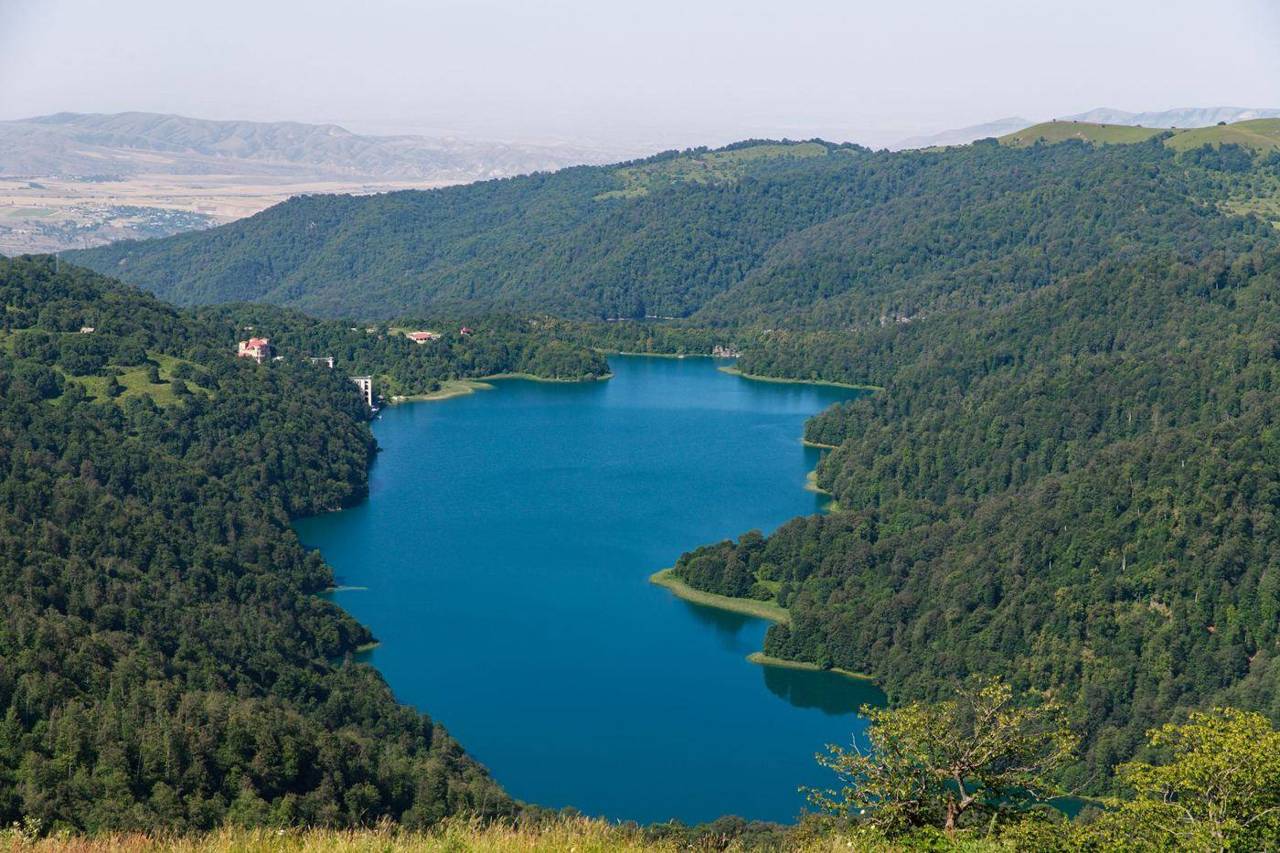
The country's second city with the mausoleum of the poet Nizami and the Bottle House, then Lake Göygöl in its national park and the town of Göygöl founded by German settlers.
 2 daysEasy
Shamakhi and wine
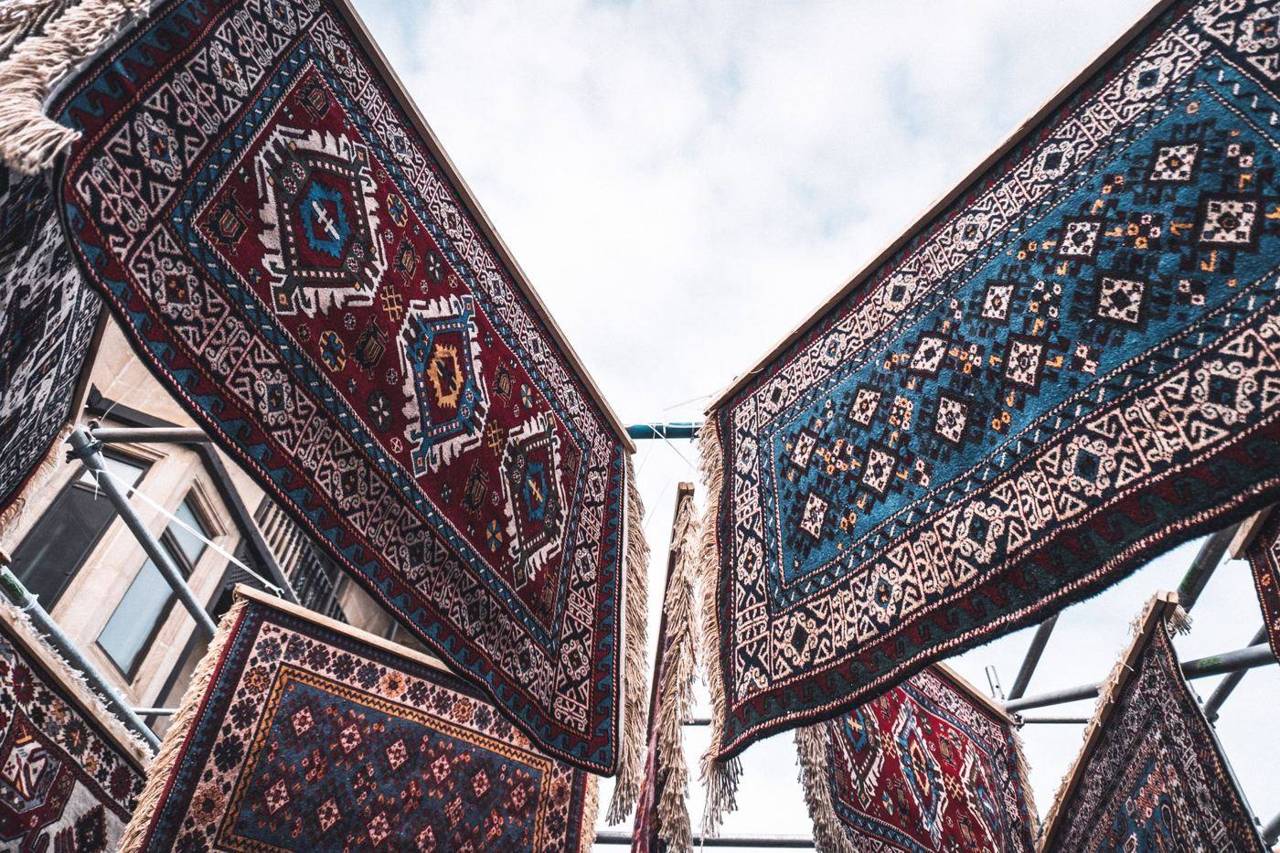
The old capital of Shirvan with its Friday Mosque, the Yeddi Gumbaz mausoleums, the astrophysical observatory and the wineries around Meysari.
 3 daysEasy
Shahdag and Laza
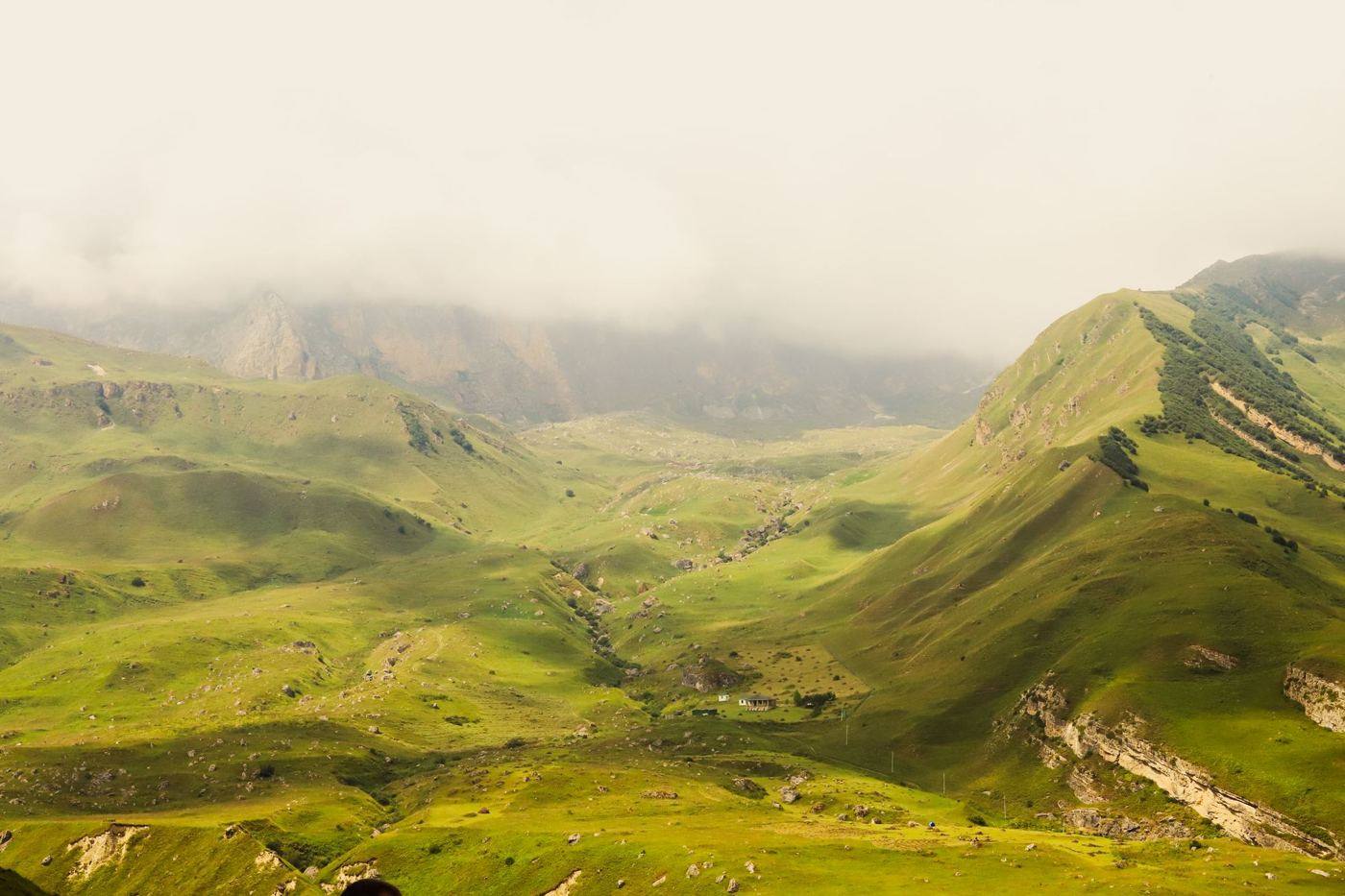
The Shahdag mountain resort, skiing in winter and cable cars in summer, and the village of Laza with its waterfalls beneath towering walls.