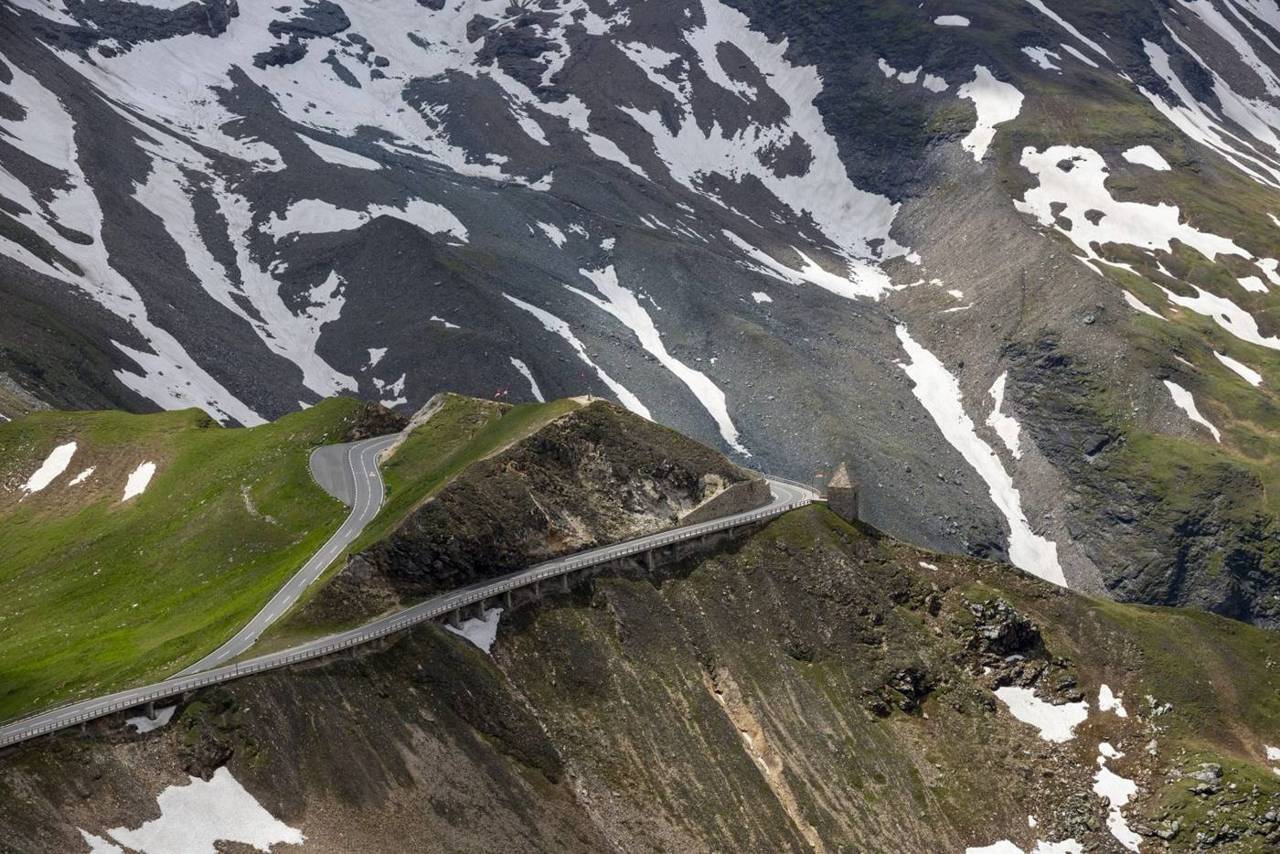
The Grossglockner and the Hohe Tauern
The Grossglockner High Alpine Road to the Pasterze glacier, the marmots and ibex of the national park and the village of Heiligenblut.
- Zell am See
- Fusch
- Hochtor
- Kaiser-Franz-Josefs-Höhe
- Heiligenblut
- Lienz
Day by day
- Day 1
Zell am See and its lake
This trip crosses the Hohe Tauern national park, the largest in the Alps, on the Grossglockner high alpine road, beneath Austria's highest mountain, 3,798 metres tall. You see the Pasterze glacier, walk among marmots and ibex, sleep in the village of Heiligenblut and finish in Lienz, below the Lienz Dolomites. You need a car.
Before you go: Austria is part of the European Union and the Schengen area and uses the euro. Italian citizens only need an electronic identity card valid for travel abroad or a passport; the paper identity card has not been valid for travel abroad since 3 August 2026. Other nationalities should check their own rules. The country is very safe: the United States rates it level 1. In the high mountains the real risk is the weather, which changes quickly.
Austrian motorways require a vignette, digital only from 2027, bought on the official ASFINAG website or at sales points. Annual and two month vignettes bought online are only valid after eighteen days. Check prices.
You reach Zell am See from Salzburg, by car or train, in about an hour and a half. The little town sits on the shore of a clear lake, with mountains all around. Walk along the lakeside to the centre, with its large stone parish church in the heart of the town.
In the afternoon take the cable car up the Schmittenhöhe, at almost two thousand metres, to see from afar the icy peaks of the Hohe Tauern, where you are going tomorrow. Or swim in the lake, which warms up quite well in summer. Check prices and times.
Sleep in Zell am See.
Practical tip: check tomorrow's weather forecast this evening. The Grossglockner road is at its best under a clear sky; if it is cloudy, swap the order of the days.
- Day 2
The Grossglockner high alpine road to the Kaiser-Franz-Josefs-Höhe
Today you drive one of the most spectacular alpine roads in Europe, the Großglockner Hochalpenstraße, 48 kilometres long between the Salzburg region and Carinthia. It is a toll road and only open from late spring to autumn: check prices and times.
Leave Zell am See early towards Fusch and the Ferleiten toll booth. From here the road climbs in wide hairpins, through meadows, woods and then rock. Stop at the viewpoints and at the small information centres along the way.
Take the detour to the Edelweißspitze, at 2,571 metres, the highest point you can reach by car: the last stretch is narrow and cobbled, but from the terrace you see dozens of peaks over three thousand metres. Then you pass the Fuscher Törl and the Hochtor tunnel, at 2,504 metres, on the border between the Salzburg region and Carinthia.
Go down to the junction with the glacier road and climb to the Kaiser-Franz-Josefs-Höhe, facing the Grossglockner. Below you lies the Pasterze, the largest glacier in Austria. It retreats by tens of metres every year: along the path, dated signs show where the ice used to reach.
Around the car parks you will almost certainly see marmots.
In the evening drive down to Heiligenblut, the village on the Carinthian side.
Sleep in Heiligenblut, for two nights.
Practical tip: set off before nine. Later the road fills with motorbikes, campervans and cars and the car parks at the top get full. Bring a jacket and a hat: at the top it can be cold even in August.
- Day 3
The Gamsgrube trail and Heiligenblut
Today you walk in the heart of the national park.
Drive back up to the Kaiser-Franz-Josefs-Höhe and ask at the toll booth how the ticket works for a second day. From here the Gamsgrube trail sets off, almost level, cut into the side of the mountain with a few short tunnels. It runs high above the Pasterze glacier, with the Grossglockner always in front of you, and ends at the Wasserfallwinkel, a hollow of meadows and waterfalls. Allow a few hours there and back, with stops.
Marmots live along the trail and whistle when you get close, and ibex are often seen on the rocks above the path, especially in the morning. With a lot of luck you may also see the bearded vulture, the great vulture that has returned to the Alps. Stay on the trail: the area is protected.
In the afternoon go back to Heiligenblut and visit the church of St Vincent, Gothic, with its pointed spire and the Grossglockner behind it, one of the best known views in the Austrian Alps.
In the evening try Kasnudeln, Carinthian pasta parcels filled with cheese, potato and mint, served with melted butter.
Sleep in Heiligenblut.
Practical tip: in the high mountains storms often arrive in the early afternoon. Start early, check the weather before going up and turn back if the sky darkens. The trail is easy, but you need hiking shoes.
- Day 4
Lienz and the Lienz Dolomites
Today you leave the Hohe Tauern and head down into East Tyrol.
From Heiligenblut follow the Möll valley and cross the Iselsberg pass to Lienz, in about an hour. Lienz is a cheerful, sunny little town, with a main square full of cafés, where three valleys meet, below the pale walls of the Lienz Dolomites.
Visit Bruck castle, on the edge of town, which houses the town museum, with a section devoted to the painter Albin Egger-Lienz. Check prices and times. Just east of the town, towards Dölsach, are the excavations of Aguntum, the ancient Roman town of the area. Check prices and times.
In the afternoon take an easy walk to Lake Tristach, a small lake in the woods at the foot of the Lienz Dolomites, with the rock walls reflected in the water. If you have more energy, you can ride the lifts up the opposite side of the valley, to look across at the Lienz Dolomites. Check prices and times.
In the evening have dinner in the centre with a Tyrolean dish, such as Schlutzkrapfen, rye pasta parcels filled with spinach and cheese, or a board of speck.
Sleep in Lienz.
Practical tip: Lienz is very close to Italy. If you are driving back towards the Veneto or Friuli, the road to San Candido and the Val Pusteria is less than an hour away.
- Day 5
Departure from Salzburg or Innsbruck
Today you leave the mountains.
From Lienz you have two choices. You can go north under the Hohe Tauern through the Felbertauern tunnel, a toll road, to Mittersill, then on towards Innsbruck or Salzburg, in about three hours. Check prices and times. If the weather is fine and you still want more mountains, you can instead drive the Grossglockner road again northwards and come down to Zell am See.
Return the car and fly home from Salzburg or Innsbruck airport.
In these five days you have seen the heart of the Hohe Tauern: the lake at Zell am See, the Grossglockner high alpine road with the Edelweißspitze and the Hochtor, the Pasterze glacier from the Kaiser-Franz-Josefs-Höhe, the marmots and ibex of the Gamsgrube trail, the church of Heiligenblut and Lienz below its Dolomites.
When to go: the best months are June to September. The Grossglockner road usually opens from late April or May until autumn, but early in the season there is still a lot of snow up high and some trails are closed. July and August are the warmest and busiest months. September is often clear and quiet. The exact opening dates change every year: check before you go.
Practical tip: before you leave, buy something to take home, such as East Tyrolean speck, an alpine farm cheese or a mountain herb tea. Vacuum packed speck travels well even in hand luggage.
In Austria tipping is not compulsory: in restaurants people round up the bill.
One of Europe's most spectacular alpine roads and the largest national park in the Alps. The road is tolled and open only from May to October. The Pasterze glacier retreats by tens of metres a year, and the trail shows it clearly. Set off early to avoid queues of motorbikes and cars.
Before you go
- Documents and visa
- EU citizens need a valid identity card or passport: Austria is in the EU and the Schengen area. Until 15 March 2027 Austria is running checks on its borders with Slovenia, Hungary, the Czech Republic and Slovakia: always carry your document. Other nationalities should check the Schengen rules.
- Health and vaccines
- No vaccines required. EU citizens should bring their EHIC; for skiing and hiking you need insurance covering mountain rescue and helicopter costs. Emergencies: 112, police 133, ambulance 144, mountain rescue 140.
- Money and payments
- Euro. Cards are accepted almost everywhere, but carry some cash for alpine farms, mountain huts and small taverns. Motorways need a vignette, digital only from 2027, from the official ASFINAG website or sales points.
- Power sockets
- Types C and F, 230 volts.
- Time zone
- Central European Time (UTC+1, summer UTC+2).
- Safety
- A very safe country: the United States has rated Austria level 1, the lowest, since 21 August 2026. The UK warns that terrorists are likely to try to carry out attacks in crowded places, and of pickpockets at stations and on trains. In the mountains check the weather and the avalanche bulletin; off-piste skiing is very dangerous. Official advice: GOV.UK.
Information checked in November 2026 for Italian and EU citizens. Rules change: always check before you travel.
Variations
In 3 days: Zell am See, the Grossglockner road with the Kaiser-Franz-Josefs-Höhe and a night in Heiligenblut, then back the same way.
In 7 days: add two days in the East Tyrolean valleys around Matrei and Kals, at the foot of the Grossglockner on its southern side.
Frequently asked questions
When is the Grossglockner road open?
Usually from late spring to autumn. In 2026 it opened on 25 April. Opening and closing dates and times change every year and with the snow: check prices and times on the road's official website.
Is the Gamsgrube trail difficult?
No, it is almost level and well kept, but it is in the high mountains, above two thousand metres. You need hiking shoes, a jacket and an eye on the weather, especially in the afternoon.
What document do I need for Austria?
Italian citizens only need an electronic identity card valid for travel abroad or a passport. Other nationalities should check their own rules.
Indicative itinerary written by World Atlas. Before booking, check timetables, seasonal openings, documents and safety.
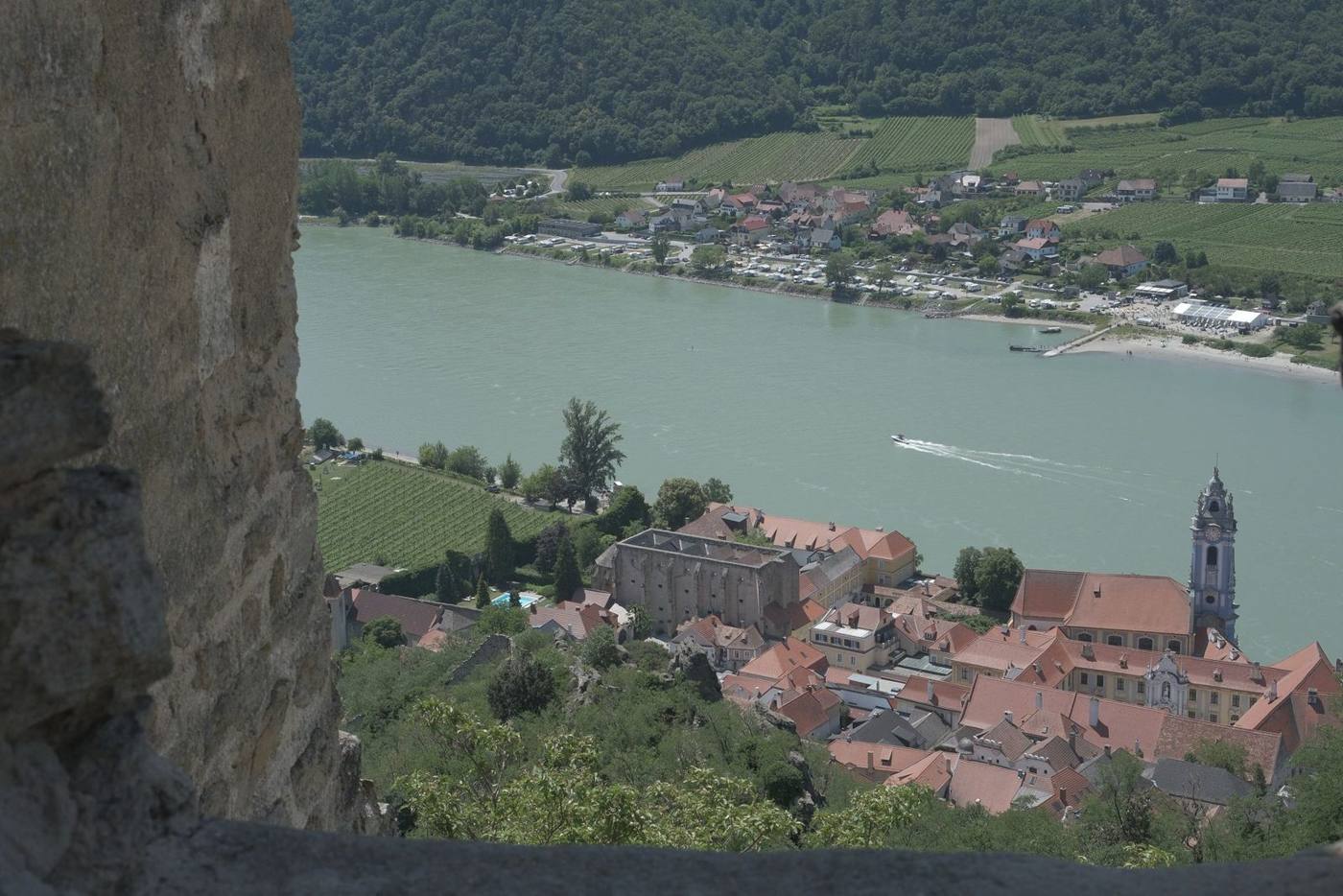 4 daysEasy
The Wachau by bike
The UNESCO-listed Danube valley, from Melk to Krems by bike, among apricots, terraced Grüner Veltliner vineyards and the village of Dürnstein.
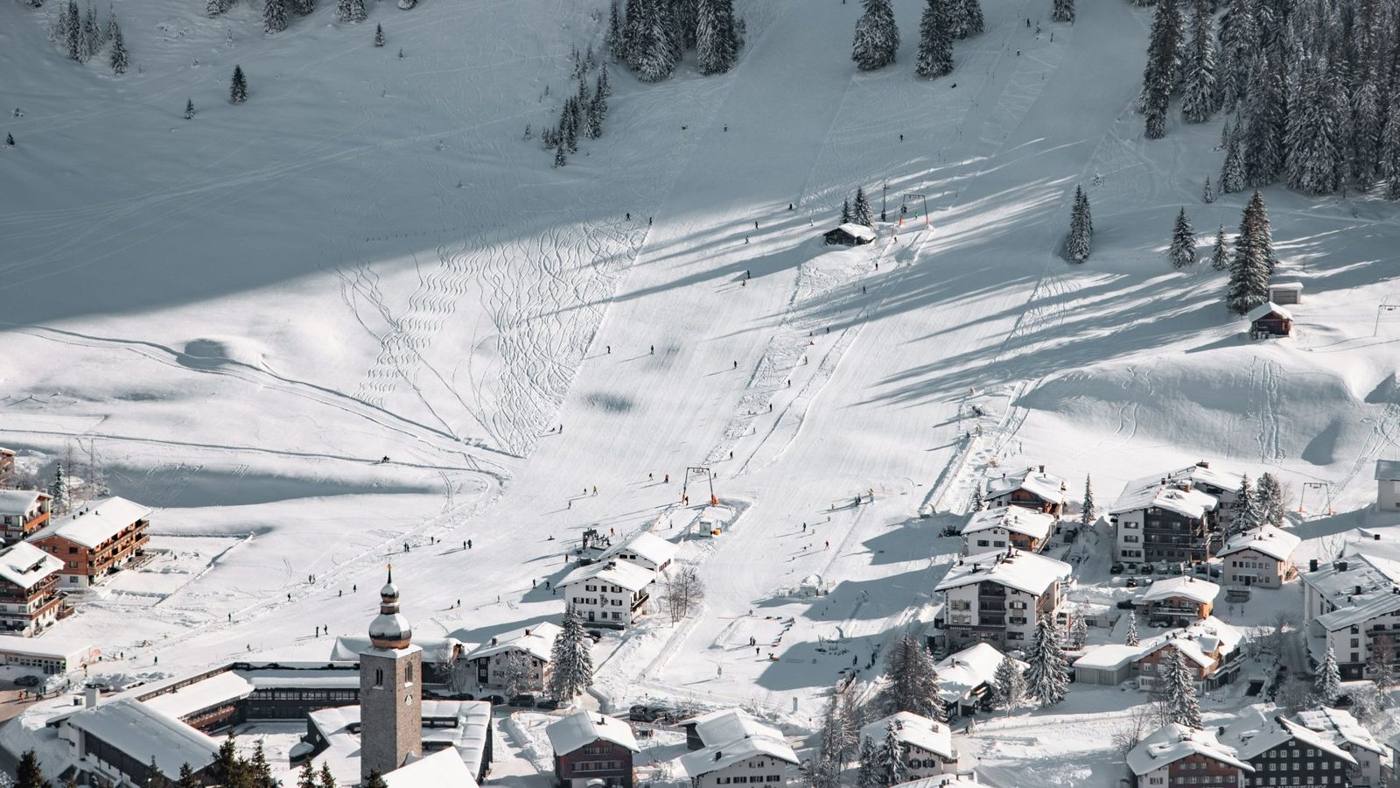 7 daysModerate
Skiing in St. Anton and the Arlberg
A week in the Ski Arlberg area between St. Anton, Lech and Zürs, with the Run of Fame circuit and Tyrolean après-ski.
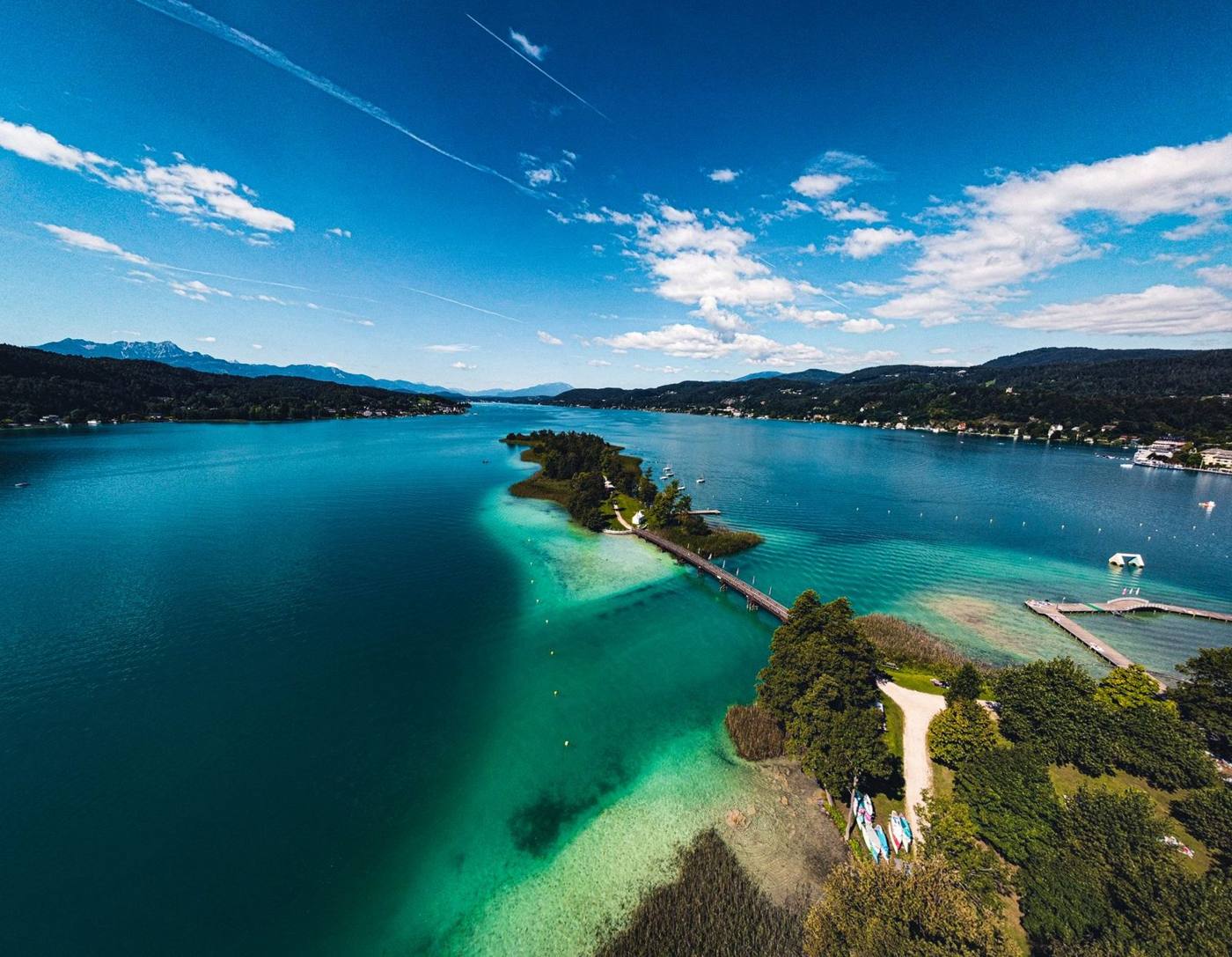 5 daysEasy
The lakes of Carinthia
The warm waters of the Wörthersee, the Pyramidenkogel tower, Lake Millstatt, the Weissensee and Klagenfurt.