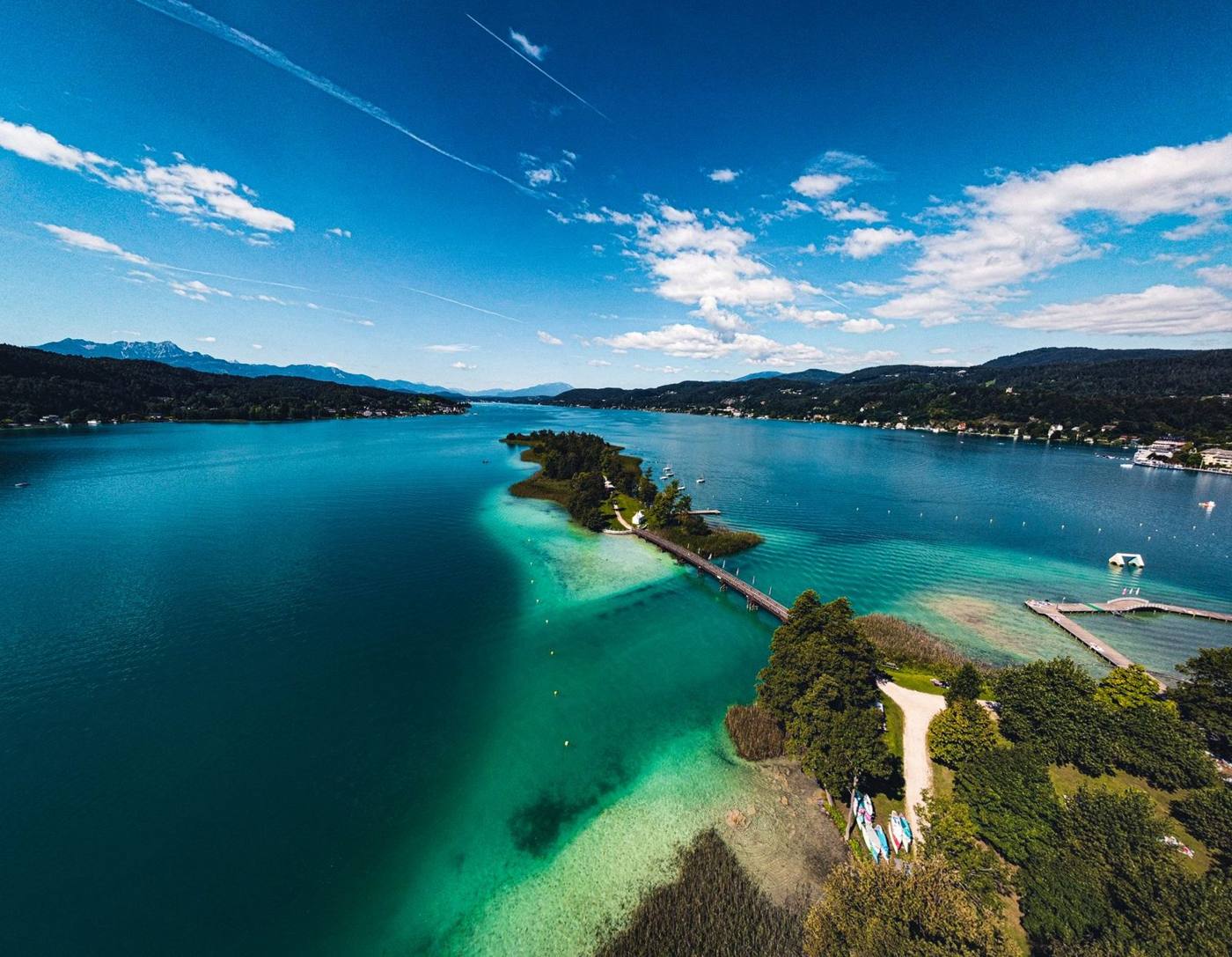
The lakes of Carinthia
The warm waters of the Wörthersee, the Pyramidenkogel tower, Lake Millstatt, the Weissensee and Klagenfurt.
- Klagenfurt
- Wörthersee
- Pyramidenkogel
- Velden
- Millstatt
- Weissensee
Day by day
- Day 1
Klagenfurt and the Lindwurm
This trip is a relaxing holiday on the lakes of Carinthia, Austria's southernmost region, a few hours from north eastern Italy. You swim in the Wörthersee, climb the Pyramidenkogel viewing tower, discover Lake Millstatt and the Weissensee, a lake with almost no buildings on its shores, and visit Klagenfurt. You need a car.
Before you go: Austria is part of the European Union and the Schengen area and uses the euro. Italian citizens only need an electronic identity card valid for travel abroad or a passport; the paper identity card has not been valid for travel abroad since 3 August 2026. Other nationalities should check their own rules. The United States rates Austria level 1, the lowest.
Austrian motorways require a vignette, digital only from 2027, from the official ASFINAG website or sales points. Annual and two month vignettes bought online are only valid after eighteen days; one day and ten day vignettes can be valid at once. Check prices.
You reach Klagenfurt, the capital of Carinthia, by car from Italy through Tarvisio and Villach, or by plane. Start at the Neuer Platz, the square with the Lindwurm fountain, the sixteenth century stone dragon that is the symbol of the city. Then walk to the Alter Platz, with its colourful houses and arcaded courtyards, and visit the Landhaus, the regional government building, with its hall of coats of arms. Check prices and times.
In the late afternoon head to the eastern end of the Wörthersee, a few kilometres from the centre, for your first swim at the town lido, with lawns and wooden jetties.
Sleep in Klagenfurt or on the Wörthersee, for three nights.
Practical tip: many places to stay in Carinthia give a guest card with discounts or included entry to boats, lidos and sights. Ask for it on arrival and check what it covers.
- Day 2
The Wörthersee by boat: Maria Wörth and Velden
Today you tour the Wörthersee, the best known lake in Carinthia, about sixteen kilometres long, with emerald green water that in summer reaches seaside temperatures.
Leave the car and take the scheduled boat, which goes round the lake stopping at the villages on both shores. Check prices and times. Get off at Maria Wörth, a small village on a peninsula on the south shore, with two old churches overlooking the water: the parish church higher up and the smaller winter church next to it. It is one of the most photographed places in Austria.
Then take the boat west again to Velden, the most elegant village on the lake, with its lakeside promenade, gardens and early twentieth century villas. On the north shore you also pass Pörtschach, with its flower walk along the water.
In the afternoon swim at one of the lake's lidos. Many charge an entry fee, with lawns, changing cabins and jetties; on the south shore there are also a few simpler public access points.
In the evening have dinner with lake fish, such as whitefish or grilled trout, or with Kasnudeln, Carinthian pasta parcels filled with cheese, potato and mint.
Sleep on the Wörthersee.
Practical tip: in August the main lidos fill up early, especially at weekends. Arrive before ten, or go in the late afternoon, when families head home.
- Day 3
The Pyramidenkogel and Lake Keutschach
Today you climb above the Wörthersee to see it from above.
From the south shore the road winds up to the Pyramidenkogel, a hill about 850 metres high. At the top stands a modern viewing tower, built in 2013 of wood and steel, presented as the tallest wooden viewing tower in the world: with its antenna it is over a hundred metres tall. Climb on foot or take the lift to the terraces. From up there you see the whole Wörthersee, the smaller lakes around it, the Karawanks on the border with Slovenia and, on clear days, the peaks of the Hohe Tauern. Check prices and times.
To come down you can use the long covered slide that spirals inside the tower: it is children's favourite moment, but adults enjoy it too. Check prices and times.
In the afternoon go down the other side of the hill to Lake Keutschach, small, quiet and surrounded by woods. On the bottom of the lake the remains of a prehistoric pile dwelling village have been found, part of the UNESCO listed prehistoric pile dwellings around the Alps. You cannot see it from the shore, but panels explain its story.
Swim in one of the lakes in the valley, smaller and less crowded than the Wörthersee.
Sleep on the Wörthersee.
Practical tip: go to the Pyramidenkogel early in the morning or towards evening. At midday in summer there are more people and haze hides the distant mountains.
- Day 4
Lake Millstatt and the Weissensee
Today you head west and north, into the greenest and quietest part of Carinthia.
In about an hour you reach the Millstätter See, a long, deep lake between wooded mountains, the deepest in Carinthia. In Millstatt visit the old Benedictine abbey, founded in the Middle Ages, with its Romanesque cloister and capitals carved with animals and monsters. Check prices and times. Then walk along the lakeside and, if it is hot, have a swim.
In the afternoon carry on south west to the Weissensee, a long, narrow lake at about 930 metres above sea level. Much of the shore has no houses or roads and part of the lake is protected. The water is crystal clear, in shades from turquoise to deep blue. You can cross it on the small boat, hire a rowing boat or a SUP, or walk the lakeside path. Check prices and times.
In winter the Weissensee freezes over completely and becomes one of the largest natural skating areas in Europe.
In the evening have a mountain dish for dinner, such as Schweinsbraten, roast pork with dumplings and sauerkraut.
Sleep at the Weissensee or in Millstatt.
Practical tip: at the Weissensee the mobile signal is sometimes weak and there are few shops. Fill up with fuel and get cash before you drive up from the valley.
- Day 5
Departure from Klagenfurt or by car to Italy
Today you leave the lakes of Carinthia.
If you are flying, drive back to Klagenfurt, about an hour and a half from the Weissensee. If you are returning to Italy, head down towards Villach and Tarvisio: from the Weissensee to the border takes just over an hour. In Villach, the second city of Carinthia, you can stop for a walk in the old town on the Drava before crossing the border.
In these five days you have seen Austria's seaside: Klagenfurt with the Lindwurm, the Wörthersee by boat with Maria Wörth and Velden, the Pyramidenkogel tower with its slide, Lake Keutschach with its pile dwelling village, Millstatt abbey and the Weissensee. It is an easy holiday, suitable for families, and it combines well with Slovenia, just beyond the Karawanks.
When to go: the best months are June to September. In July and August the lower lakes reach around 27 degrees and everything is open, but August is crowded. June and September are quieter, with the water still pleasant. In winter the frozen Weissensee draws skaters from all over Europe.
Practical tip: before you leave, buy something to take home, such as Gailtal speck, mountain honey or a Carinthian fruit brandy. Bottles go in your checked baggage, wrapped in clothes.
In Austria tipping is not compulsory: in restaurants people round up the bill.
Austria's seaside, a few hours from north-east Italy: clear, warm lakes reaching 27°C in summer. It is a relaxing holiday, suited to families. In August the paid lakeside beaches on the main lakes fill up. It combines well with Slovenia, just across the border.
Before you go
- Documents and visa
- EU citizens need a valid identity card or passport: Austria is in the EU and the Schengen area. Until 15 March 2027 Austria is running checks on its borders with Slovenia, Hungary, the Czech Republic and Slovakia: always carry your document. Other nationalities should check the Schengen rules.
- Health and vaccines
- No vaccines required. EU citizens should bring their EHIC; for skiing and hiking you need insurance covering mountain rescue and helicopter costs. Emergencies: 112, police 133, ambulance 144, mountain rescue 140.
- Money and payments
- Euro. Cards are accepted almost everywhere, but carry some cash for alpine farms, mountain huts and small taverns. Motorways need a vignette, digital only from 2027, from the official ASFINAG website or sales points.
- Power sockets
- Types C and F, 230 volts.
- Time zone
- Central European Time (UTC+1, summer UTC+2).
- Safety
- A very safe country: the United States has rated Austria level 1, the lowest, since 21 August 2026. The UK warns that terrorists are likely to try to carry out attacks in crowded places, and of pickpockets at stations and on trains. In the mountains check the weather and the avalanche bulletin; off-piste skiing is very dangerous. Official advice: GOV.UK.
Information checked in November 2026 for Italian and EU citizens. Rules change: always check before you travel.
Variations
In 3 days: Klagenfurt, the Wörthersee by boat and the Pyramidenkogel, without Millstatt and the Weissensee.
In 8 days: add Lake Ossiach and Hochosterwitz castle, then two days in Slovenia, at Lake Bled and in Triglav national park.
Frequently asked questions
What document do I need for Austria?
Italian citizens only need an electronic identity card valid for travel abroad or a passport. Other nationalities should check their own rules.
Are the Carinthian lakes really warm?
Yes. In summer the lower lakes, such as the Wörthersee, reach around 27 degrees. Mountain lakes, such as the Weissensee, are a little cooler.
Do you pay to use the lake beaches?
Many lidos on the main lakes charge an entry fee, with lawns, cabins and jetties, but there are also simpler public access points. Some guest cards from places to stay include entry to certain lidos: ask on arrival.
Indicative itinerary written by World Atlas. Before booking, check timetables, seasonal openings, documents and safety.
 5 daysEasy
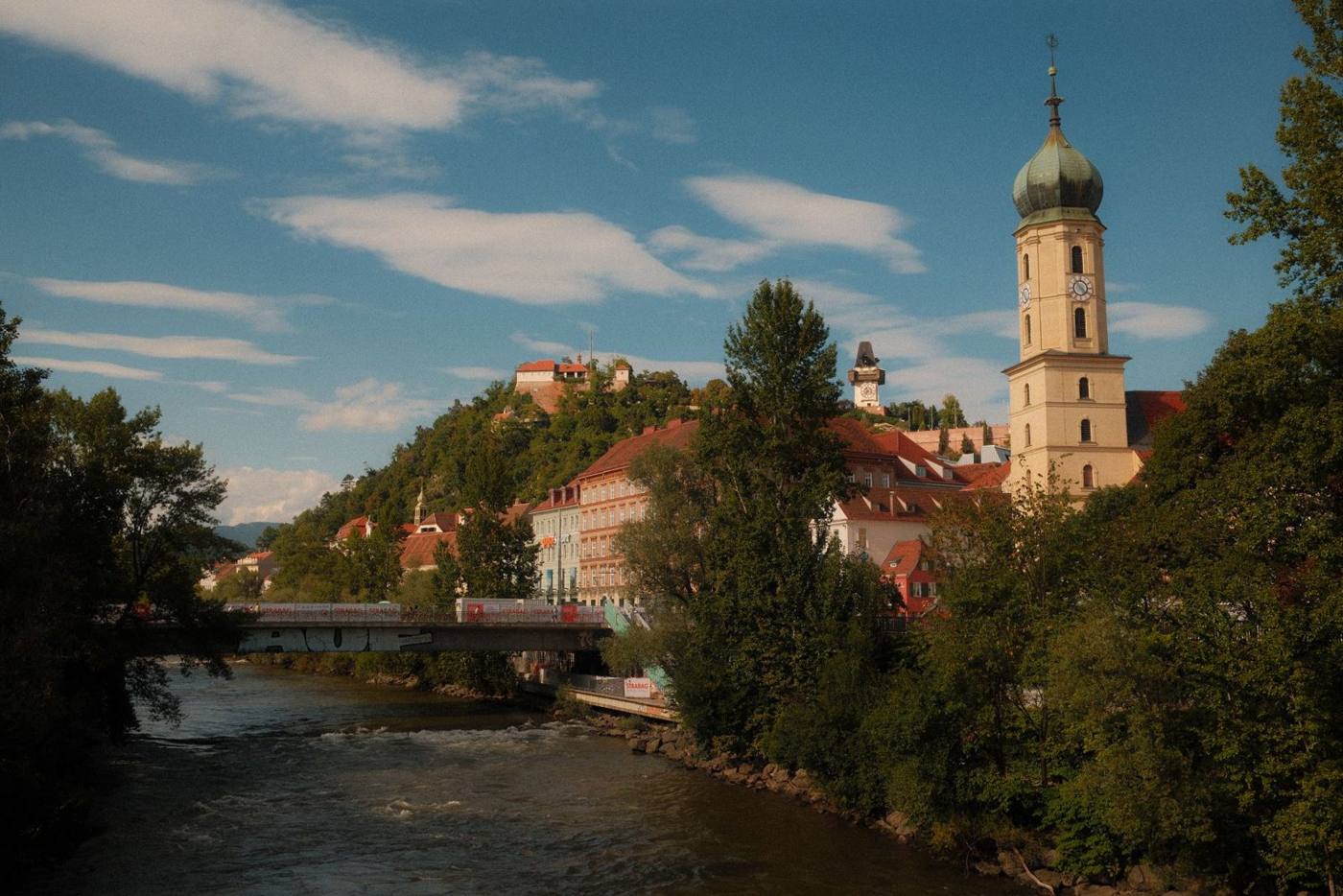
Graz and the Styrian wine road
Graz and its UNESCO-listed centre, then the hills of southern Styria, Austria's Tuscany, with Sauvignon, pumpkin seed oil and taverns.
 8 daysChallenging
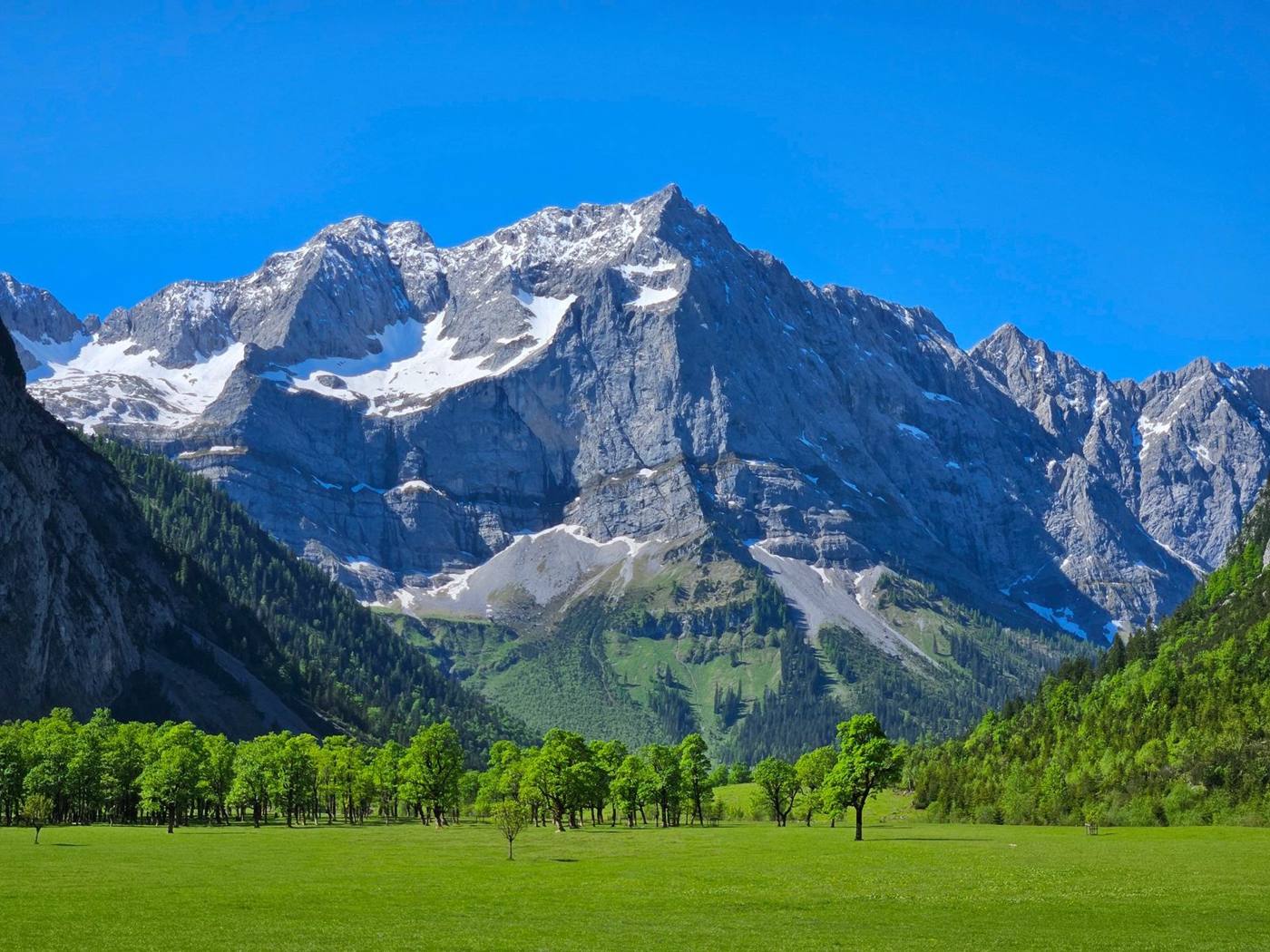
The Eagle Walk in Tyrol
A week on the Eagle Walk between the Wilder Kaiser and the Karwendel, from hut to hut, to the Nordkette above Innsbruck.
 5 daysEasy
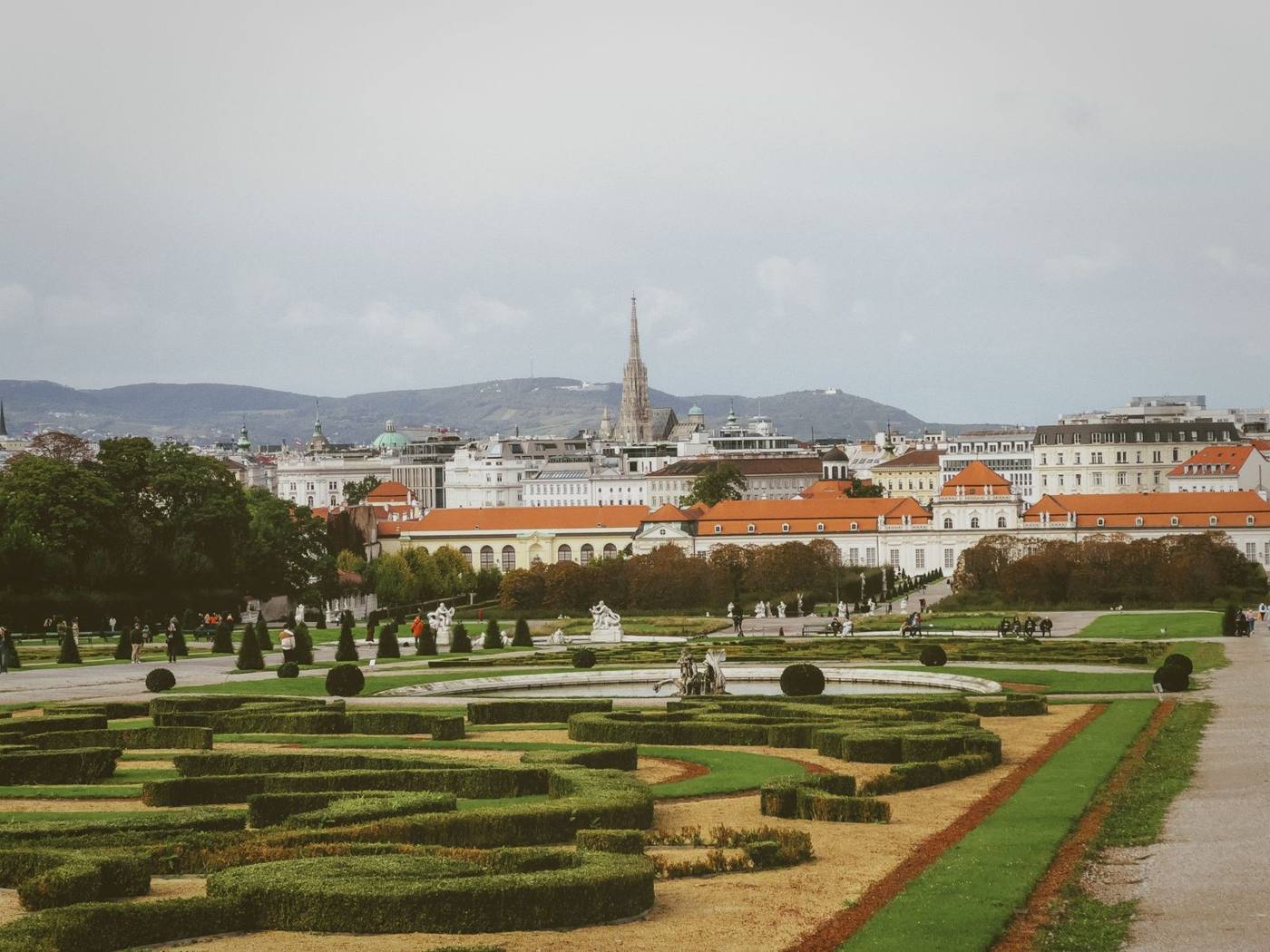
Vienna in five days
The Hofburg and Schönbrunn, Klimt at the Belvedere, the Kunsthistorisches Museum, the historic cafés, the Opera and the Heuriger wine taverns of Grinzing.