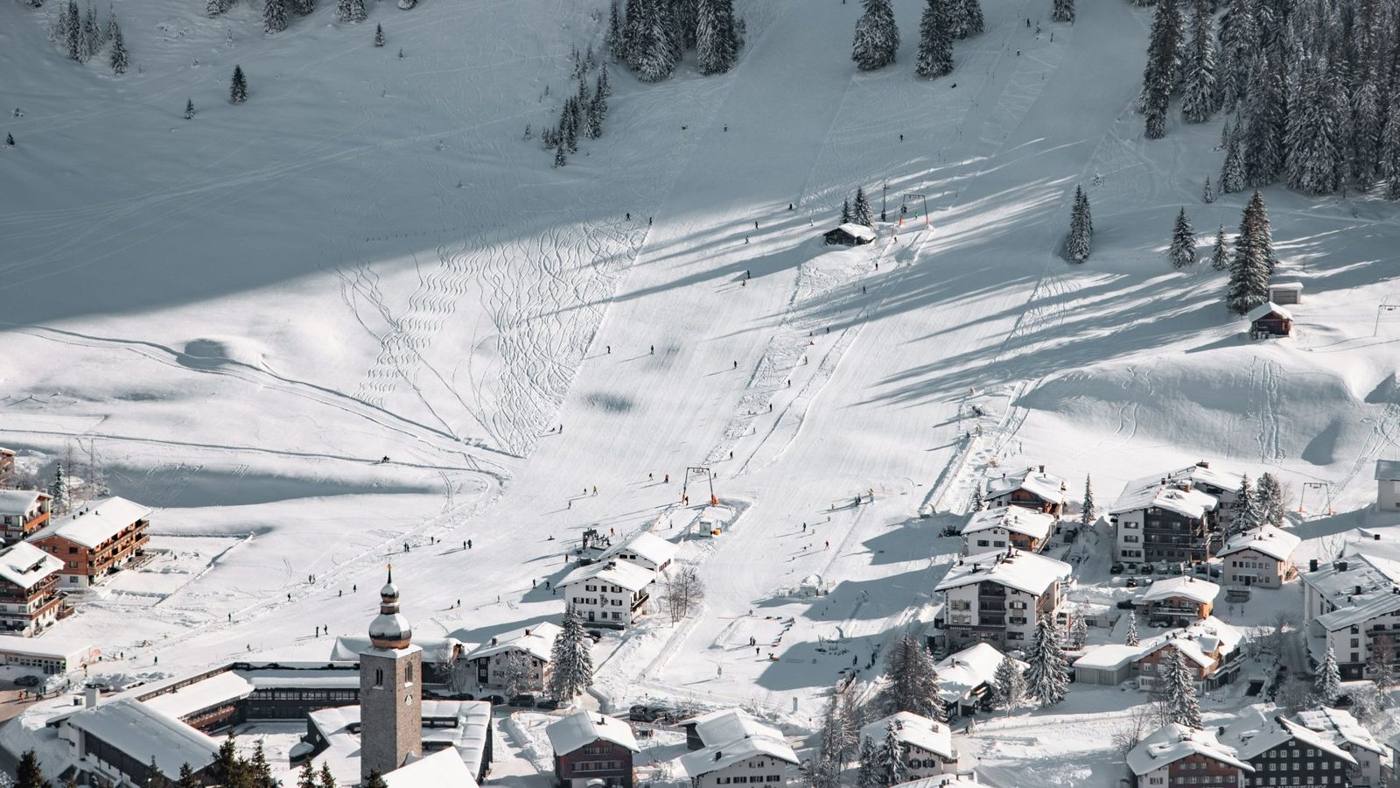
Skiing in St. Anton and the Arlberg
A week in the Ski Arlberg area between St. Anton, Lech and Zürs, with the Run of Fame circuit and Tyrolean après-ski.
- Innsbruck
- St. Anton am Arlberg
- Lech
- Zürs
- Stuben
Day by day
- Day 1
By train from Innsbruck to St. Anton am Arlberg
This trip is a ski week on the Arlberg, the cradle of modern alpine skiing and one of the largest and most technical ski areas in the Alps. You ski at St. Anton, on the Valluga and the Rendl, cross on the Flexenbahn to Zürs and Lech, try the Run of Fame circuit and finish with a day off piste with a guide or a rest day.
Before you go: Austria is part of the European Union and the Schengen area and uses the euro. Italian citizens only need an electronic identity card valid for travel abroad or a passport; the paper identity card has not been valid for travel abroad since 3 August 2026. Other nationalities should check their own rules. The United States rates Austria level 1, the lowest. The UK points out that off-piste skiing is very dangerous and can invalidate your insurance: choose a policy that covers skiing, mountain rescue and helicopter costs.
From Innsbruck take the train to St. Anton, just over an hour along the Inn valley and the Stanzer valley. The station is right in the village, a few steps from the lifts: you do not need a car all week.
Settle in, pick up hire equipment if you do not have your own and buy your ski pass. The Ski Arlberg area has about 300 kilometres of pistes and 85 lifts, between 1,300 and 2,800 metres. Check prices and times.
In the afternoon walk along the pedestrian street of St. Anton and visit the ski and local history museum, in a villa in a park at the foot of the slopes, which tells how one of the world's first ski schools was born here in the 1920s. Check prices and times.
Sleep in St. Anton, for six nights.
Practical tip: buy your ski pass online in advance and have your bindings checked on the first day, before you go up.
- Day 2
The slopes of St. Anton and the Valluga
Today you discover the heart of the ski area, above St. Anton.
From the village take the Galzig gondola and from there the cable car up to the Valluga, the best known peak on the Arlberg. The last stretch to the summit, at 2,811 metres, is in a small cabin: the view reaches the mountains of Switzerland, Germany and Italy. You can only take skis to the top with a guide: check the rules on site. Check prices and times.
Then ski down the long, wide slopes below the Valluga and the Galzig, many of them red and black, with big vertical drops. The Arlberg is known as a technical area: blue runs here are often harder than elsewhere. In the afternoon try the Gampen and Kapall area, above the village, with sunny, scenic slopes.
Below the Valluga there are also many ungroomed ski routes, marked as itineraries: they are not pistes, they are not patrolled and they are not made safe like normal runs. Only take them if you have experience and conditions are good.
At the end of the day ski down to the village and stop for après-ski, the Austrian tradition of music and drinks in the huts along the last slopes.
Sleep in St. Anton.
Practical tip: the final run down to the village at the end of the day is crowded and often icy. Take it slowly or ride the lift if you are tired: many accidents happen in the last hour.
- Day 3
The Rendl, the quiet side
Today you change sides and ski on the Rendl, the ski area on the other side of the St. Anton valley.
From the village a gondola takes you up to the Rendl in a few minutes. It is a quieter area than the Galzig and the Valluga, with wide runs, fewer people and excellent conditions for skiing at an easy pace and improving your technique. There is also a snowpark for freestyle and steeper runs towards the top. Check prices and times.
From the Rendl the view of the Valluga and the mountains opposite is superb, especially in the morning with the low sun.
If you want to improve, take a lesson with an instructor from the ski school: the Arlberg is where ski teaching became a profession. Even a single morning with an instructor can change the way you ski.
In the afternoon ride the gondola back to the village and rest. In the evening have a Tyrolean dish for dinner, such as Kasspatzln, small cheese dumplings with fried onions, or Tiroler Gröstl, fried potatoes with meat and a fried egg. For dessert, Kaiserschmarrn, a shredded sweet pancake with plum compote.
Sleep in St. Anton.
Practical tip: on the Arlberg the cold can be intense, especially in January. Dress in layers, wear a helmet liner or neck warmer and keep your phone in an inside pocket, because the battery drains fast in the frost.
- Day 4
The Flexenbahn to Zürs and Lech
Today you cross from Tyrol into Vorarlberg without taking your skis off.
From St. Anton ski across to the Alpe Rauz area, towards Stuben and St. Christoph. From here the Flexenbahn sets off, the gondola opened in 2016 that links St. Anton and Stuben with Zürs and joined the whole Arlberg into one great ski area. Check prices and times.
Zürs is a small high altitude village, almost all hotels and slopes, with some of the most reliable snow in the area. Ski down towards Lech on the wide, scenic runs of that side.
Lech is one of the most elegant and expensive ski villages in the Alps, with its old church in the centre, the stream and wooden houses. Eat on the slopes or in the village and then try the Weißer Ring, the white ring, a circuit of runs and lifts between Lech, Zürs, Zug and Oberlech, suitable for intermediate skiers.
In the afternoon head back towards St. Anton on the Flexenbahn. Check carefully the time of the last lift back: if you miss it, you have to return by taxi or bus, at extra cost.
Sleep in St. Anton.
Practical tip: carry the piste map, on your phone too, and mark the lifts back. The ski area is huge and distances look shorter than they are.
- Day 5
The Run of Fame, 85 kilometres of pistes in one day
Today is the toughest day of the week, only for experienced, fit skiers.
The Run of Fame is the best known ski circuit on the Arlberg: about 85 kilometres of runs and 18,000 metres of vertical, from St. Anton and the Rendl through Stuben, Zürs, Lech and Schröcken to Warth, and back. It can be skied in either direction and is signposted all the way. Sporty skiers complete it in a day; leisure skiers split it over two or more days.
Start when the lifts open, after a big breakfast, with water and something to eat in your pocket. The northbound route begins at the top of the Rendl. Keep an eye on the clock: if you are behind schedule by midday, shorten the circuit and head back, because the last lifts back close early in the afternoon.
If you do not feel up to it, choose a short version: a stretch to Lech and back, or the Weißer Ring circuit, more than enough for a good day.
In the evening relax in a sauna or a spa in the village: after a day like this, your legs will thank you.
Sleep in St. Anton.
Practical tip: before you set off, check the weather and the wind. In fog or strong wind some connecting lifts can close, and it is easy to get stuck on the far side of the ski area. Do not ski the circuit in bad weather.
- Day 6
Off piste with a guide or a quiet day in Stuben
Today you choose, depending on snow conditions and your experience.
Arlberg off-piste skiing is world famous, but the avalanche risk is real. Only do it with a mountain guide or a qualified instructor, with full equipment: transceiver, shovel, probe and, better still, an airbag rucksack. Before going out read the official avalanche bulletin and always follow your guide's decisions. The UK points out that off-piste skiing can invalidate travel insurance: check your policy.
If you prefer a quiet day, go to Stuben, a small mountain village with a white church and wooden houses, a few kilometres from St. Anton. Hannes Schneider was born here, the instructor who made the Arlberg ski school famous. The Stuben slopes, on the Albona side, are often the coldest, with the best snow.
In the afternoon rest in the sauna, take a winter walk on the groomed paths around the village or go skating.
In the evening have your last dinner in the mountains, with a cheese fondue or a game dish.
Sleep in St. Anton.
Practical tip: if you have never used an avalanche transceiver, take a few hours of training before going out. Many resorts have practice areas where you can rehearse a search.
- Day 7
Return and departure
Today you leave the Arlberg.
If your train is late in the day, ski a few more runs in the morning, then return your hire equipment and take the train to Innsbruck, just over an hour. From Innsbruck you can fly home or take the train to Italy over the Brenner. In the other direction, westwards, the train goes to Vorarlberg and on to Zurich in Switzerland.
In these seven days you have skied one of the largest ski areas in the Alps: the slopes of St. Anton and the view from the Valluga, the Rendl, the Flexenbahn to Zürs and Lech, the Weißer Ring circuit, the Run of Fame for those who felt up to it and a day off piste with a guide or in Stuben, the village of Hannes Schneider.
This trip suits intermediate and expert skiers. Beginners will find easier slopes at other resorts. It is expensive, especially Lech.
When to go: the season usually runs from December to April; opening dates change every year, so check prices and times. January is the coldest and quietest month, with the best snow. February is crowded with school holidays. March has long sunny days and often still plenty of snow.
Practical tip: before you leave, buy something to take home, such as Tyrolean speck, a Vorarlberg mountain cheese or a mountain pine schnapps. In Austria tipping is not compulsory: in restaurants people round up the bill.
One of the largest and most technical ski areas in the Alps, birthplace of modern skiing. It suits intermediate and expert skiers; beginners will do better elsewhere. It is expensive, especially Lech. Arlberg off-piste is famous but the avalanche risk is real: only with a guide and equipment.
Before you go
- Documents and visa
- EU citizens need a valid identity card or passport: Austria is in the EU and the Schengen area. Until 15 March 2027 Austria is running checks on its borders with Slovenia, Hungary, the Czech Republic and Slovakia: always carry your document. Other nationalities should check the Schengen rules.
- Health and vaccines
- No vaccines required. EU citizens should bring their EHIC; for skiing and hiking you need insurance covering mountain rescue and helicopter costs. Emergencies: 112, police 133, ambulance 144, mountain rescue 140.
- Money and payments
- Euro. Cards are accepted almost everywhere, but carry some cash for alpine farms, mountain huts and small taverns. Motorways need a vignette, digital only from 2027, from the official ASFINAG website or sales points.
- Power sockets
- Types C and F, 230 volts.
- Time zone
- Central European Time (UTC+1, summer UTC+2).
- Safety
- A very safe country: the United States has rated Austria level 1, the lowest, since 21 August 2026. The UK warns that terrorists are likely to try to carry out attacks in crowded places, and of pickpockets at stations and on trains. In the mountains check the weather and the avalanche bulletin; off-piste skiing is very dangerous. Official advice: GOV.UK.
Information checked in November 2026 for Italian and EU citizens. Rules change: always check before you travel.
Variations
In 4 days: St. Anton with the Valluga and the Rendl, then a day at Zürs and Lech on the Flexenbahn.
In 10 days: add three days in Ischgl or the Paznaun valley, less than an hour from St. Anton, or in Warth and Schröcken.
Frequently asked questions
What document do I need for Austria?
Italian citizens only need an electronic identity card valid for travel abroad or a passport. Other nationalities should check their own rules.
Is the Arlberg suitable for beginners?
Not really. It is a technical ski area, with long, steep runs, suited to intermediate and expert skiers. Beginners do better at other resorts, although St. Anton has nursery slopes and excellent instructors.
Is off-piste skiing safe?
No, the avalanche risk is real. Only do it with a mountain guide or a qualified instructor, with transceiver, shovel and probe, after reading the official avalanche bulletin. Check that your insurance covers off-piste skiing and helicopter rescue.
Indicative itinerary written by World Atlas. Before booking, check timetables, seasonal openings, documents and safety.
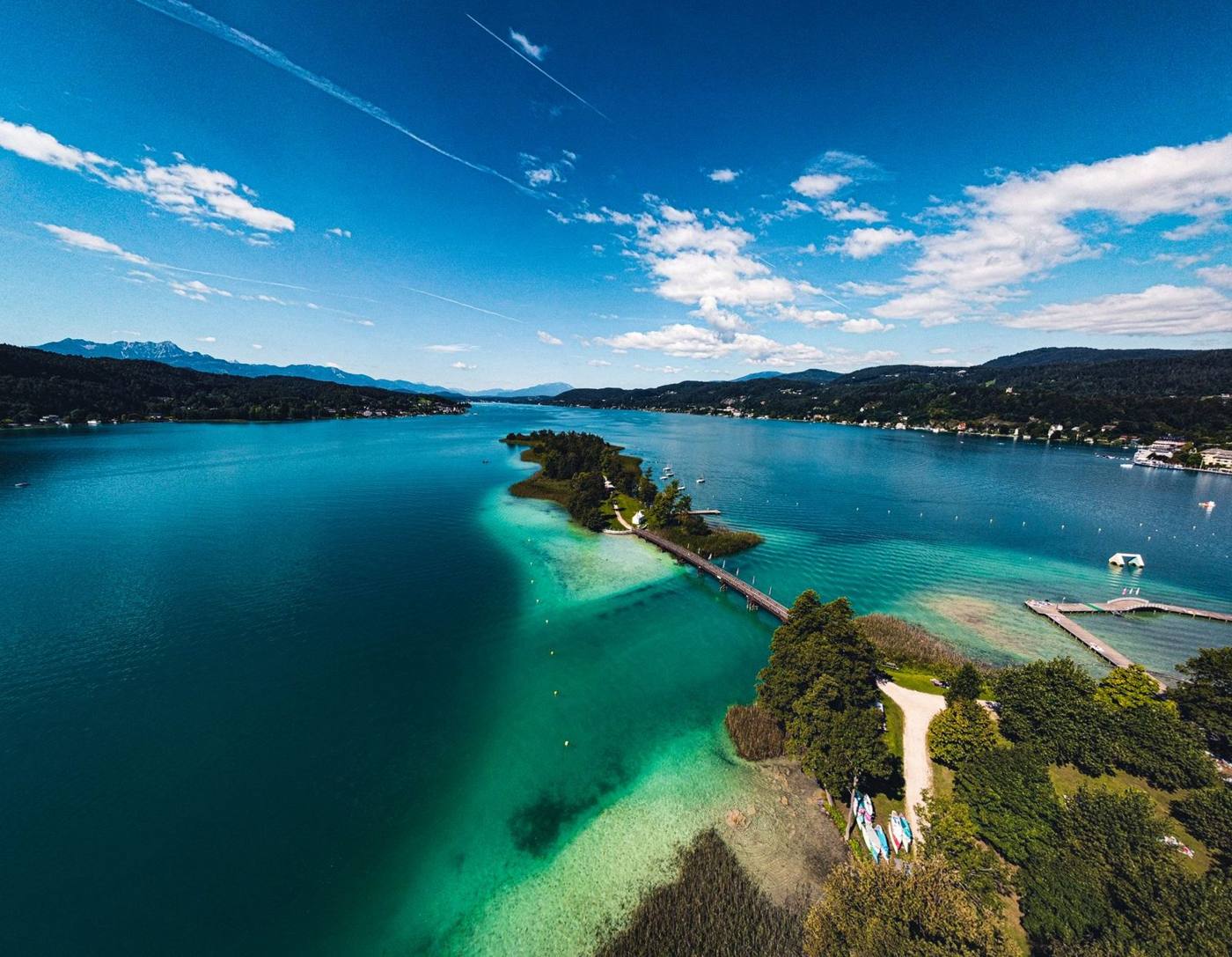 5 daysEasy
The lakes of Carinthia
The warm waters of the Wörthersee, the Pyramidenkogel tower, Lake Millstatt, the Weissensee and Klagenfurt.
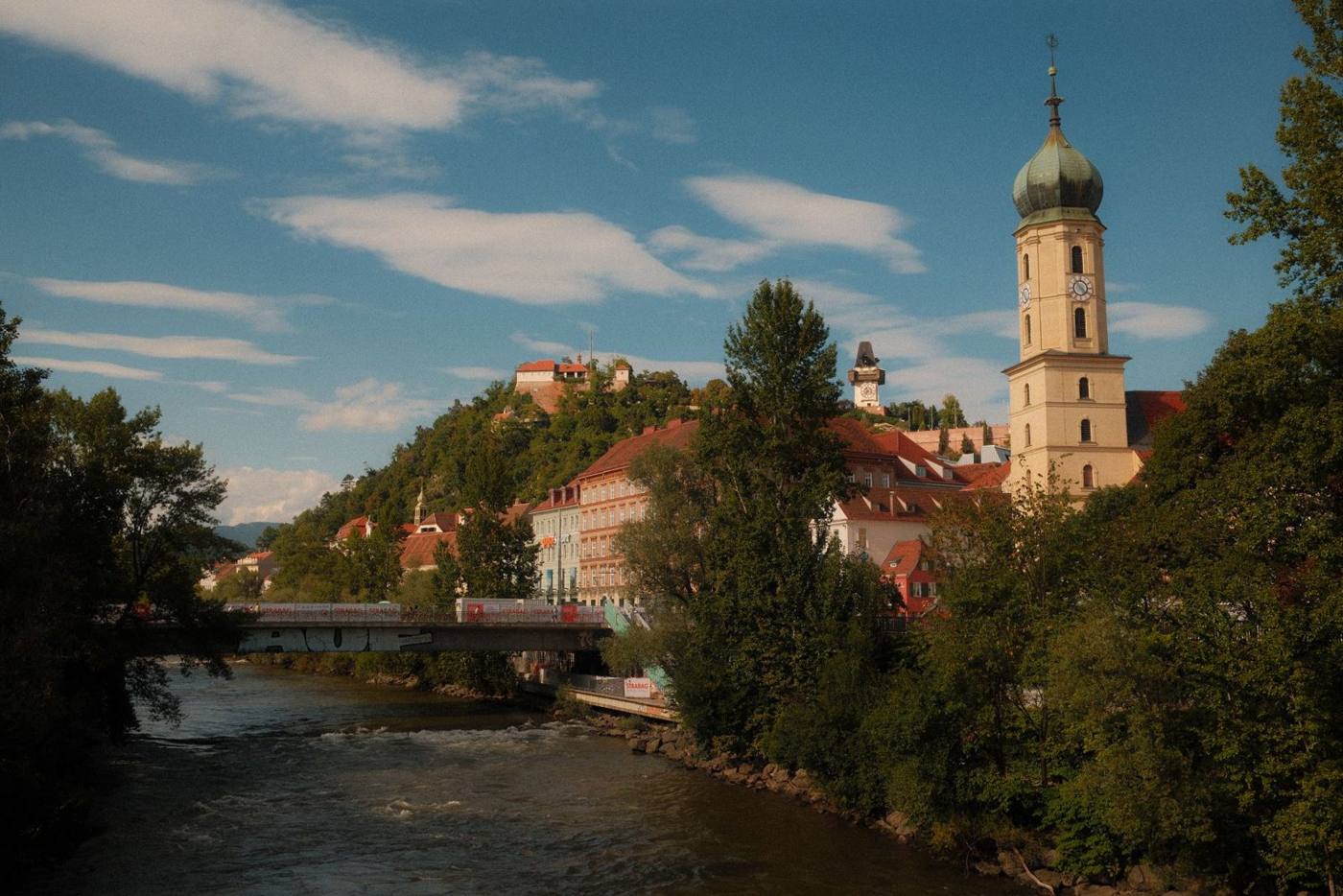 5 daysEasy
Graz and the Styrian wine road
Graz and its UNESCO-listed centre, then the hills of southern Styria, Austria's Tuscany, with Sauvignon, pumpkin seed oil and taverns.
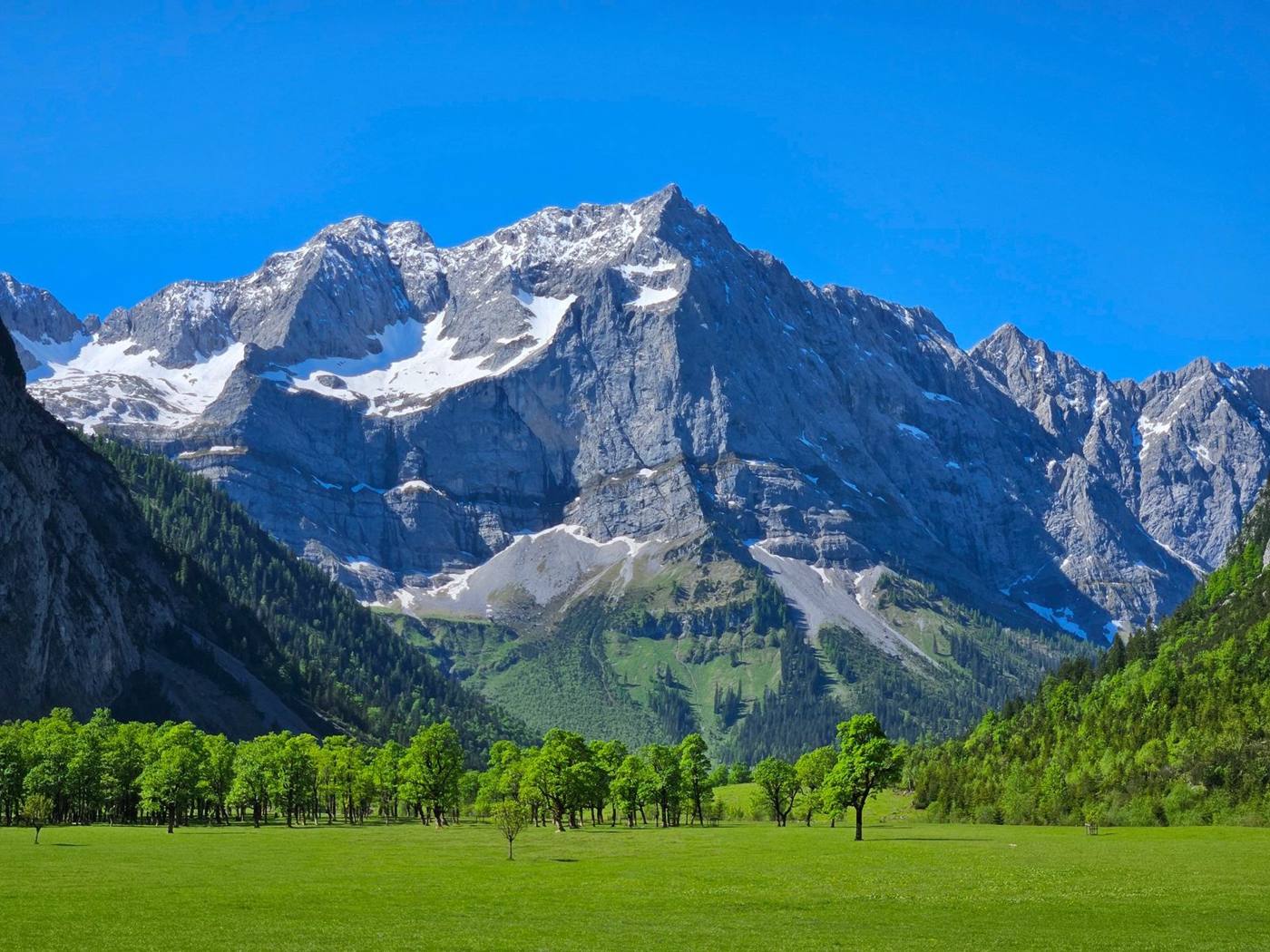 8 daysChallenging
The Eagle Walk in Tyrol
A week on the Eagle Walk between the Wilder Kaiser and the Karwendel, from hut to hut, to the Nordkette above Innsbruck.