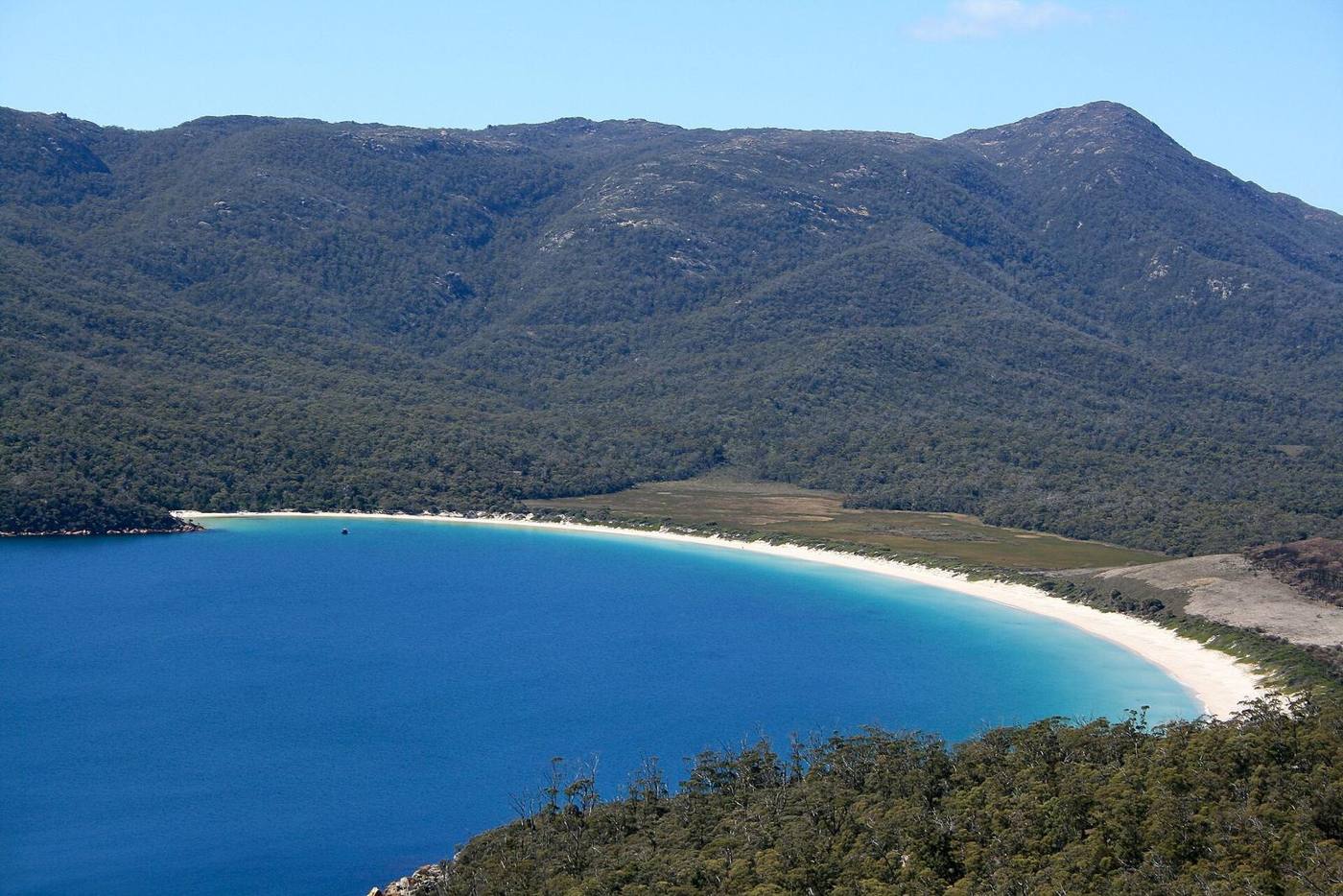
Wild Tasmania
Australia's greenest island: Wineglass Bay, Cradle Mountain, the Port Arthur prison, the Tasmanian devil and the MONA museum.
- Hobart
- Port Arthur
- Freycinet
- Wineglass Bay
- Cradle Mountain
- Launceston
Day by day
- Day 1
Arrival in Hobart
This trip goes round Tasmania, the island south of mainland Australia, the size of Ireland, where almost half the land is protected in parks and reserves. You go from Hobart and the convict history of Port Arthur to the white beaches of Freycinet and the Bay of Fires, and on to the mountains of Cradle Mountain, with wombats, wallabies and Tasmanian devils.
Before you leave: European Union citizens need an eVisitor, a no-cost electronic authorisation applied for online before travelling. To enter Tasmania's national parks you need a pass: check the fees and choose a multi day one.
You arrive in Hobart on a domestic flight from Melbourne or Sydney. Collect your hire car: you need one in Tasmania, as public transport is limited. Driving is on the left.
Hobart is Australia's second oldest city, founded in 1804, on a deep harbour at the foot of Mount Wellington, called kunanyi in the palawa language.
In the evening walk around the harbour, among the old sandstone warehouses of Salamanca Place, now full of galleries and eateries, and in Battery Point, with its nineteenth century sailors' cottages.
Have Tasmanian seafood for dinner: oysters, salmon, mussels and fish and chips on the wharf.
Sleep in Hobart.
Practical tip: the best time is November to April. Even in summer the weather changes fast: always carry a fleece and a waterproof jacket.
- Day 2
Hobart: Salamanca, MONA and Mount Wellington
If it is Saturday, in the morning go to Salamanca Market, a large open air market with hundreds of stalls of island produce: apples, berries, cheese, leatherwood honey, woodwork and crafts.
Then take the ferry from the harbour to MONA, the Museum of Old and New Art, about half an hour up the Derwent River. The museum is carved into the rock on a peninsula and is one of the most original in the world, with ancient works next to provocative, sometimes strong contemporary art. It is not for everyone, but even those who do not like modern art are struck by the underground spaces. Check opening hours, prices and closing days.
In the late afternoon drive up Mount Wellington, kunanyi, at 1,271 metres, about half an hour from the centre. From the top, among organ pipe dolerite cliffs, you see the whole of Hobart, the river, the bay and the southern mountains. It is much colder at the top than in town and sometimes snows even in summer; in strong wind or ice the road may be closed.
In the evening have dinner in the centre.
Sleep in Hobart.
Practical tip: some works at MONA are explicit. If you travel with children, find out about the rooms first.
- Day 3
The Tasman Peninsula and Port Arthur
Today you go to the Tasman Peninsula, about an hour and a half south east of Hobart. On the way stop at the coastal sights: the Tessellated Pavement, a rock platform by the sea divided into small squares like a tiled floor, then Tasman Arch, a large natural arch, and the Devils Kitchen, a narrow chasm where the sea surges in.
Then visit the Port Arthur Historic Site, part of the UNESCO listed Australian Convict Sites. From 1830 to 1877 it was a penal settlement for convicts transported from Britain, those considered the most difficult. You see the ruins of the great penitentiary, the roofless church, the separate prison where convicts lived in silence and isolation, the officials' houses and the gardens. The ticket includes a guided walk and a short boat trip in the bay, with a view of the Isle of the Dead, the settlement's cemetery. Check times and prices.
The site also has a memorial garden for the victims of the 1996 massacre: it is a place of silence and respect.
Nearby is Remarkable Cave, a sea cave carved into the cliff.
In the evening return to Hobart or stay on the peninsula.
Sleep in Hobart or on the Tasman Peninsula.
Practical tip: allow at least half a day for Port Arthur. Arrive early.
- Day 4
To Freycinet and the Wineglass Bay lookout
Today you drive north along the east coast to Freycinet National Park, about two and a half hours from Hobart. The road passes small towns and bays, such as Swansea on Great Oyster Bay, and crosses countryside with vineyards and farms.
You reach Coles Bay, the village at the park entrance, at the foot of the Hazards, peaks of pink granite that turn orange at sunset.
In the afternoon do Tasmania's most famous walk: the climb to the Wineglass Bay lookout. The path climbs among granite rocks and small woods for about an hour and a half return. From the lookout you see Wineglass Bay, a perfect crescent of very white sand and turquoise water enclosed by mountains.
If you have more energy, descend from the lookout to the beach, with many steps, and climb back up: about three hours in total. The water is cold, but a swim is possible in summer.
On the trail and around the car park you often see Bennett's wallabies, small kangaroos. Do not feed them: human food makes them ill.
In the evening, at Coles Bay, watch the sunset on the Hazards.
Sleep in Coles Bay.
Practical tip: bring water and sunscreen. The sun in Australia is very strong even when the air is cool.
- Day 5
Freycinet: kayaking and beaches
Today you stay in Freycinet. In the morning go kayaking on Coles Bay with a guide, around the foot of the Hazards. The water is calm and clear, and you see the pink rocks from the water, seabirds and sometimes dolphins or seals. Outings last a few hours and no experience is needed. Check times and prices and book ahead.
Alternatively explore the park's other beaches: Honeymoon Bay, a small cove among the rocks with clear water, and the Cape Tourville lighthouse, with a short, easy path round the point and views of the coast and, at certain times of year, whales passing offshore.
In the afternoon try the local oysters: around Coles Bay there are oyster farms where you eat them freshly shucked.
If you want to walk more, you can do the full peninsula circuit to Hazards Beach and back to Wineglass Bay, a route of about six hours.
In the evening, if the sky is clear, look at the stars: Tasmania has very dark skies and sometimes, far from lights, you can see the aurora australis, green and pink, to the south.
Sleep in Coles Bay.
Practical tip: Australia's bushfire season usually runs from October to February. Check alerts before walking.
- Day 6
The Bay of Fires and its orange rocks
Today you drive north along the east coast to the Bay of Fires, about two hours from Coles Bay. The name comes from the fires that the first European explorers saw lit on the beach by the palawa, the island's original people.
The Bay of Fires is a long coastline of white beaches, turquoise water and large granite boulders covered in a bright orange lichen that makes them look painted. The contrast of white, blue and orange is Tasmania's most photographed landscape.
Start from Binalong Bay, the village at the southern end of the bay, and continue along the coast road northwards, stopping at the various beaches and coves. Walk over the boulders and on the sand and look for rock pools.
The water is cold but very clear. Swim only where the sea is calm: there can be currents.
In the afternoon go to St Helens, the nearest fishing town, for a seafood lunch, or stop at a beachside picnic area.
In the evening stay in St Helens or Binalong Bay, or continue to Launceston, about two and a half hours inland, through hills and forests.
Sleep in the Bay of Fires area or in Launceston.
Practical tip: drive carefully at dusk and at night. Many animals cross the roads in Tasmania.
- Day 7
Launceston and Cataract Gorge
Today you visit Launceston, Tasmania's second city, in the north of the island, where two rivers meet to form the Tamar. It has a centre with many nineteenth century Victorian buildings.
In the morning go to Cataract Gorge, a rocky gorge a few minutes' walk from the centre, where the South Esk River flows between steep walls. It is a natural park in the heart of the city, with paths on both sides, a suspension bridge and the First Basin, a pool where people swim in summer, with an outdoor swimming pool beside it. A chairlift crosses above the gorge, one of the longest single span chairlifts in the world. Peacocks and wallabies live on the lawns. Walk along the path to the old Duck Reach power station.
In the afternoon explore the Tamar Valley, north of the city, one of Tasmania's wine regions, known for sparkling wines, pinot noir and chardonnay thanks to its cool climate. Many cellar doors offer tastings: check opening hours. If you are driving, just take a sip.
Alternatively visit the regional museum and art gallery, with a section on the Tasmanian tiger, the thylacine, the carnivorous marsupial that became extinct in the twentieth century.
In the evening have dinner in Launceston.
Sleep in Launceston.
Practical tip: buy food for the next few days in Launceston. At Cradle Mountain shops are few and expensive.
- Day 8
Cradle Mountain and Dove Lake
In the morning drive west to Cradle Mountain, about two and a half hours from Launceston, through farmland and then forests and highlands. Cradle Mountain Lake St Clair National Park is part of the Tasmanian Wilderness, a UNESCO World Heritage site.
From the visitor centre take the shuttle bus to Dove Lake: in the busiest months the park road is closed to private cars. Check times and rules.
Dove Lake is a glacial lake at the foot of Cradle Mountain, a dolerite mountain with jagged peaks. The path around the lake is about six kilometres and takes two or three hours, on boardwalks and trails, through ancient beech forests, King Billy pines and buttongrass plains. Halfway is the famous boatshed, with the mountain behind: Tasmania's signature photograph.
Dove Lake is also the start of the Overland Track, the six day trek to Lake St Clair, which requires a booking and permit from October to May.
In the late afternoon walk around Ronny Creek, where you almost always see wombats grazing on the grassland, especially towards sunset.
Sleep at Cradle Mountain.
Practical tip: at Cradle Mountain the weather changes within minutes. Bring warm and waterproof layers even in summer, and good walking shoes for the wet boardwalks.
- Day 9
Cradle Mountain: wombats and Tasmanian devils
Today is another day at Cradle Mountain. If the weather is good and you have strong legs, climb to Marion's Lookout, a viewpoint above Dove Lake with a wide view of the mountain and lakes. The climb is steep, with a section fitted with chains: in total you walk three or four hours. If you want more, continue towards the summit of Cradle Mountain, but the last part is a scramble over boulders, tiring and only for good weather.
Alternatively do the shorter walks around the visitor centre, such as the rainforest walk along the river, or the circuit of Lake Lilla and Wombat Pool.
In the afternoon visit the Tasmanian devil sanctuary near the park entrance. The Tasmanian devil is the largest surviving carnivorous marsupial in the world, the size of a small dog, with a loud scream and a powerful bite. In the wild it is threatened by a contagious facial tumour disease that has killed much of the population in recent decades. The sanctuary works to protect the species; there is often an evening tour to watch them feed. Check times and prices.
At sunset go back to Ronny Creek to watch wombats and pademelons, small Tasmanian wallabies.
Sleep at Cradle Mountain.
Practical tip: do not touch or chase the wombats. They look calm, but they are protected wild animals.
- Day 10
Departure
On the last day you leave Cradle Mountain. There are several options for your flight: Launceston, about two and a half hours away, Devonport or Burnie on the north coast, which are closer, or Hobart again, about five hours away. Check which airport your flight leaves from and allow plenty of time: roads are slow and winding.
If you head towards Launceston and have time, stop in Sheffield, the town of murals, with dozens of large paintings on house walls telling the history of the area, or in Deloraine, a riverside town with historic buildings.
Alternatively, if you are taking the ferry to Melbourne, you can leave from Devonport, where the ship crosses Bass Strait, overnight or by day, with your car on board. Check times and prices.
Return the car and check any damage with the agency: on the gravel roads in the parks small chips to the windscreen can happen.
Before leaving buy something from the island: leatherwood honey, found only here, Tasmanian whisky or gin, dried berries, cheese or Huon pine woodwork.
This trip shows a different Australia: cool and green, with mountains, ancient forests, empty white beaches and animals you cannot see anywhere else in the world.
Practical tip: Tasmania has strict biosecurity rules and does not allow fresh fruit and vegetables to be brought onto the island. Always declare food when you arrive.
Tasmania feels like New Zealand with Australian wildlife: untouched nature, little traffic and excellent food. The weather changes fast even in summer: bring layers and a raincoat. Best months: November-April.
Before you go
- Documents and visa
- Valid passport and an eVisitor, the no-cost electronic authorisation applied for online on the official Australian government website before departure.
- Health and vaccines
- No compulsory vaccines arriving from Europe. Very strong sun: high-factor sunscreen and a hat. Emergencies: 000.
- Money and payments
- Australian dollar. Contactless cards are used everywhere, even for small amounts and on public transport; cash is rarely needed.
- Power sockets
- Type I, 230 volts: you need an adapter for the angled flat-pin plugs.
- Time zone
- The country has several time zones. Sydney and Melbourne are UTC+10, UTC+11 with daylight saving from October to April.
- Safety
- One of the safest countries for travellers. The risks are natural: rip currents, bushfires especially from October to February, cyclones and floods in the north in the wet season. Official advice: GOV.UK.
Information checked in November 2026 for Italian and EU citizens. Rules change: always check before you travel.
Variations
In 6 days: Hobart, Port Arthur and Freycinet, returning from Hobart.
In 14 days: add the Overland Track or the west coast with Strahan and the Gordon River.
Frequently asked questions
Do I need a visa?
European Union citizens need an eVisitor, a no-cost electronic authorisation applied for online before you leave.
When is the best time to go?
November to April, with long days and mild temperatures. The weather changes fast all year; the bushfire season usually runs from October to February.
Can I bring food into Tasmania?
Tasmania has strict rules to protect its farming: fresh fruit and vegetables cannot be brought in. Always declare food on arrival and check the current rules.
Indicative itinerary written by World Atlas. Before booking, check timetables, seasonal openings, documents and safety.
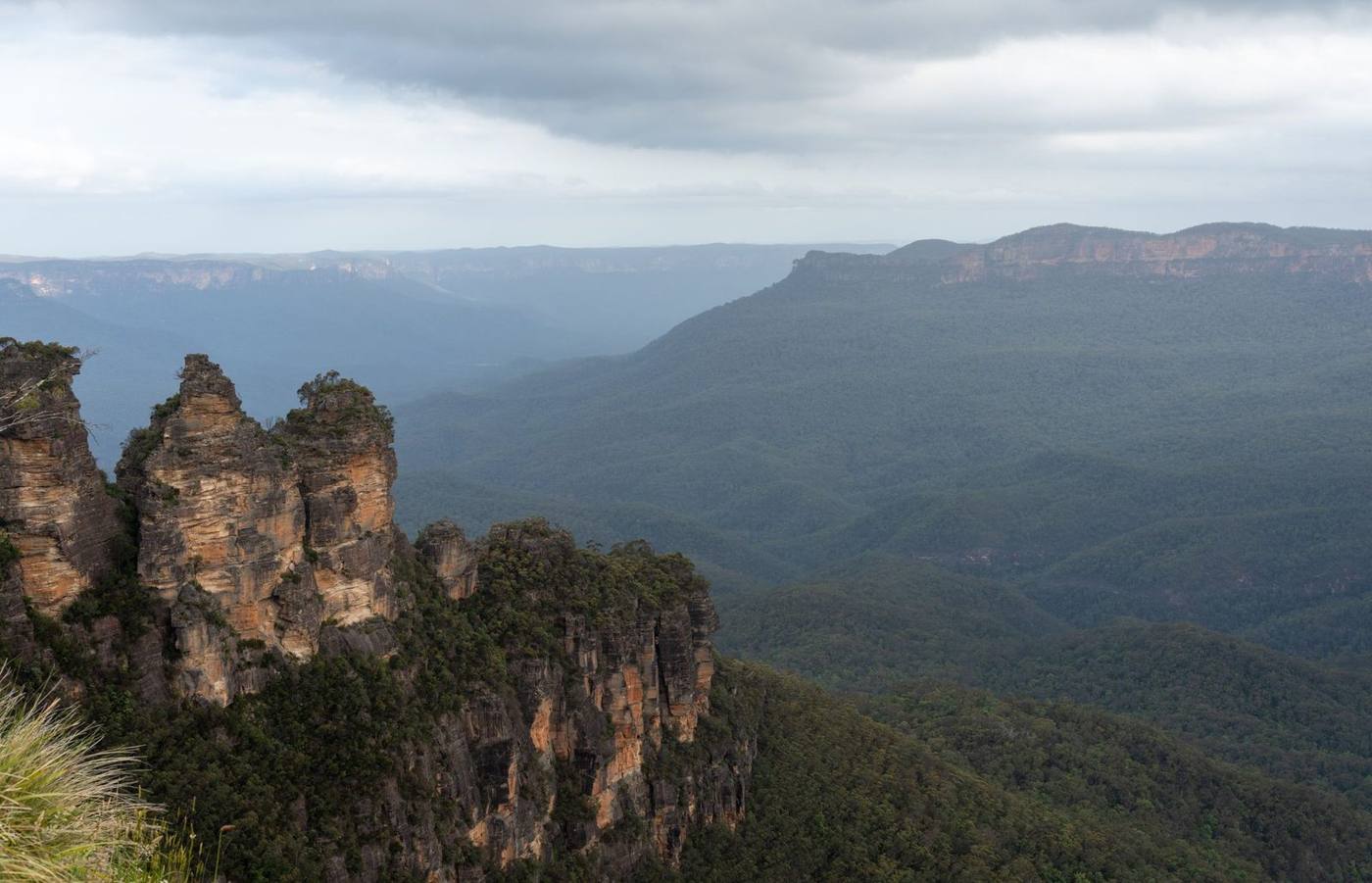 7 daysEasy
Sydney and the Blue Mountains
A week of Sydney harbour, Bondi and Manly beaches and the canyons of the Blue Mountains. For such a long journey, two weeks is better.
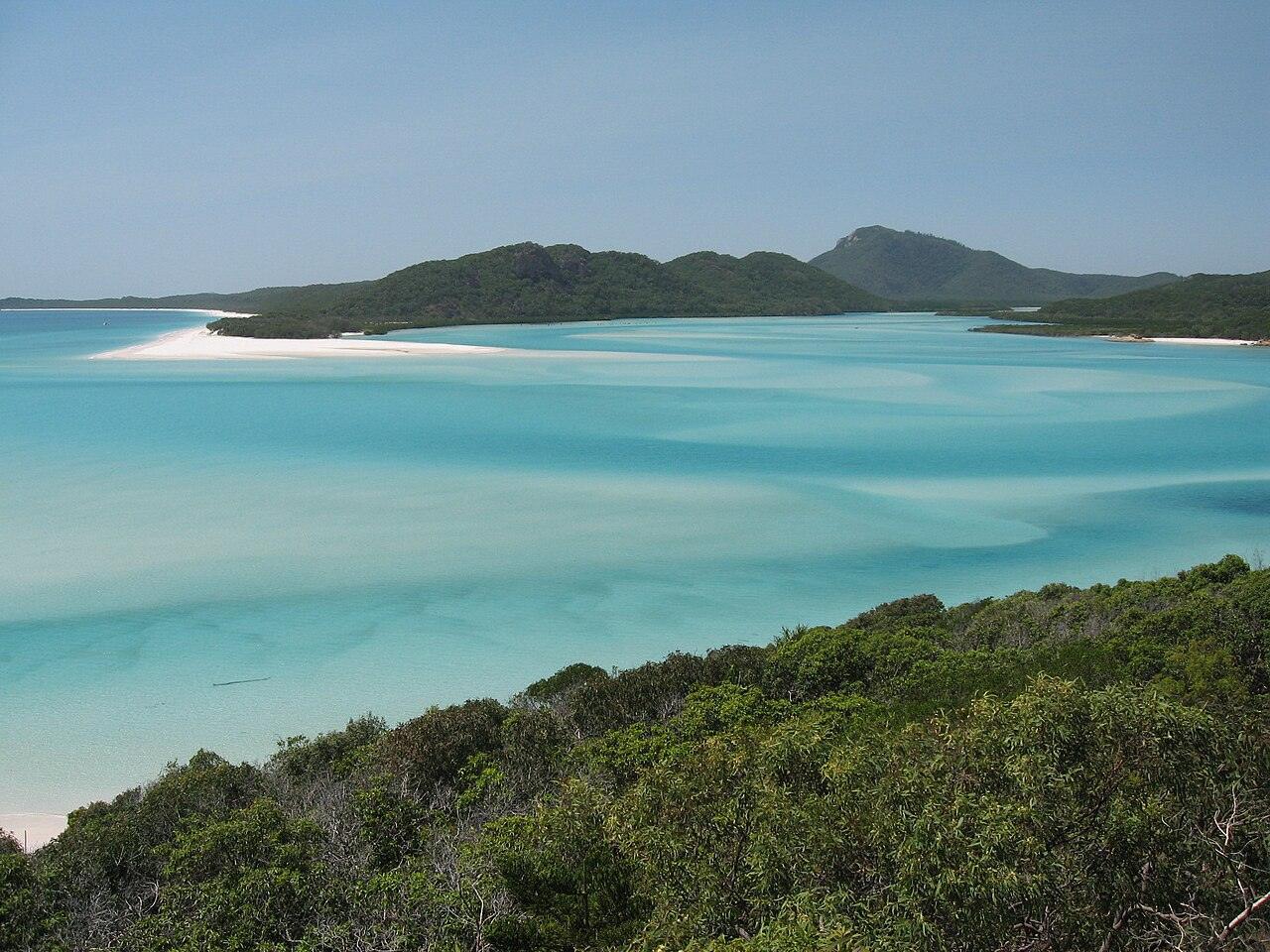 15 daysModerate
The Outback, the Great Barrier Reef and Sydney
Australia's three faces: the red heart of Uluru, the reef and rainforest of Queensland, the great city.
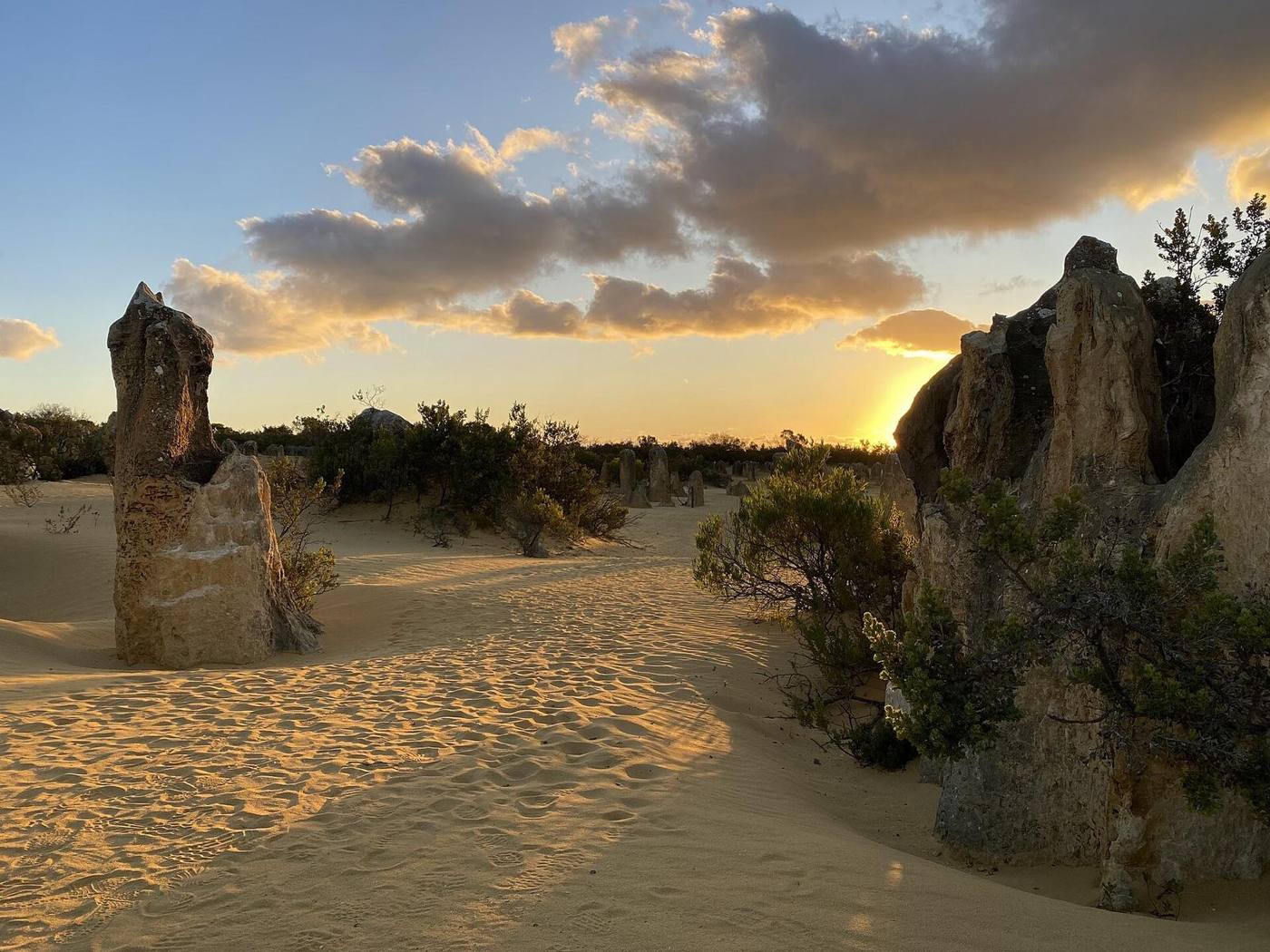 17 daysEasy
All of Australia: the west coast, Uluru, the Reef and Sydney
The continent in seventeen days: Perth and the Pinnacles, the red heart at Uluru, the Great Barrier Reef and the Daintree forest, ending in Sydney.