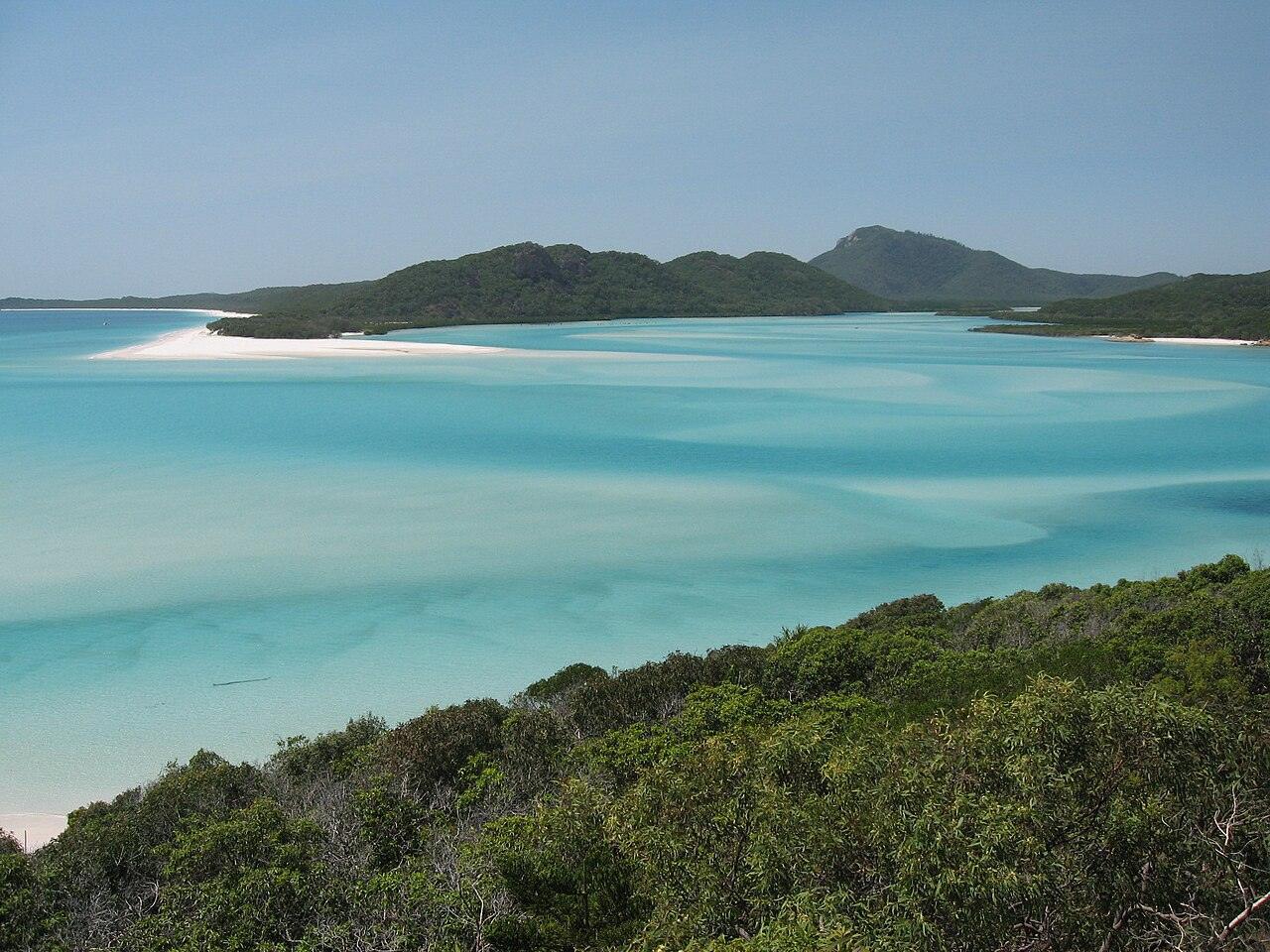
The Outback, the Great Barrier Reef and Sydney
Australia's three faces: the red heart of Uluru, the reef and rainforest of Queensland, the great city.
- Sydney
- Uluru
- Kata Tjuta
- Kings Canyon
- Cairns
- Great Barrier Reef
- Daintree
Day by day
- Day 1
Arrival in Sydney
This trip brings together Australia's three most famous images: Sydney and its harbour, the red desert of the centre with Uluru, Kata Tjuta and Kings Canyon, and the tropical north with the Great Barrier Reef and the Daintree rainforest. You travel by domestic flights and rental car.
Before you go: to enter Australia, Italian citizens need an electronic authorisation, the eVisitor, applied for online on the official Australian government website before departure. Beware of intermediary websites that charge money. Other nationalities should check their own rules. At customs food checks are very strict: always declare food, seeds and natural products.
You land at Sydney airport after a long journey, almost always with a connection in Asia or the Gulf. Sydney is the largest city in Australia, built around one of the most beautiful natural harbours in the world, with bays, beaches and parks.
In the afternoon, to fight the tiredness, walk in the open air: go to Circular Quay, the ferry harbour, and walk to the Opera House, the theatre with white sail-shaped roofs, a UNESCO World Heritage Site, then through the Royal Botanic Garden, along the bay, to the lookout known as Mrs Macquarie's Chair, with views of the Opera House and the Harbour Bridge.
In the evening, have dinner in The Rocks, the oldest district of the city, with the stone houses of the first settlers.
Overnight in Sydney, for three nights.
Practical tip: Sydney is between eight and ten hours ahead of Italy, depending on the season. On the first day stay awake until the evening and get some sun: it will help you adjust.
- Day 2
The harbour, Manly and Bondi
Today you discover Sydney from the water and its beaches.
In the morning, take a guided tour inside the Opera House, to see the halls and learn the story of the building, designed by the Danish architect Jørn Utzon and opened in 1973. Check times and prices.
Then walk across the Harbour Bridge, the great steel arch bridge of 1932, on the pedestrian path, with views of the harbour and the Opera House. Those who wish can climb the arch of the bridge on an organised climb, in a harness and with a guide. Check prices and rules.
At midday, take the ferry from Circular Quay to Manly, about half an hour, a crossing of the harbour with its bays, villas and cliffs. Manly is a seaside district with a long surf beach and a pine-lined promenade.
In the afternoon, return to the city and go to Bondi, the most famous beach in Australia. Walk the coastal path from Bondi to Coogee, about six kilometres along the cliffs, with rock pools cut into the shore, bays and the beaches of Tamarama, Bronte and Clovelly.
In the evening, have fish in Bondi or go back to the centre.
Overnight in Sydney.
Practical tip: on Australian beaches always swim between the red and yellow flags, where the lifeguards are. Currents can be very strong. The Australian sun burns very quickly, even with clouds: use high-factor sun cream, a hat and sunglasses.
On Sydney's public transport, such as ferries, trains and buses, you can pay directly with your credit card at the gate.
- Day 3
The Blue Mountains
Today you leave Sydney for the mountains.
In the morning, take the train or drive west to Katoomba, in the Blue Mountains, about two hours. The Blue Mountains, a UNESCO World Heritage Site, are a sandstone plateau cut by deep valleys, covered in eucalyptus forests. The name comes from the blue haze over the valleys, caused by eucalyptus oils in the air.
Go to the Echo Point lookout in Katoomba to see the Three Sisters, three rock towers above the Jamison Valley, linked to a legend of the local Aboriginal peoples. Then go down the steps to the base of the Three Sisters and walk the forest trails, among ferns and waterfalls.
In the afternoon, walk along the cliff edge on the Prince Henry Cliff Walk, with lookouts over the valley, or visit Wentworth Falls, near the village of the same name, with a trail down the cliff face. In the area there is also a park with a cable car and a very steep railway that goes down into the valley. Check prices and times.
In the evening, return to Sydney and have dinner in Darling Harbour or Surry Hills.
Overnight in Sydney.
Practical tip: it is cooler in the Blue Mountains than in Sydney, even in summer. Bring a fleece and a waterproof jacket. In the hot months check the fire warnings before leaving: some trails may be closed.
Trails with steps are steep and slippery after rain: wear walking shoes.
- Day 4
Flight to Uluru
Today you fly to the red heart of Australia.
In the morning, take the flight from Sydney to Ayers Rock airport, about three and a half hours. From the plane you see the red desert that seems endless, with dry riverbeds, white salt lakes and, at the end, the great rock of Uluru rising from the plain.
Uluru, also called Ayers Rock, is an enormous sandstone monolith, about 350 metres above the plain and more than three kilometres long. Together with Kata Tjuta it forms a national park listed by UNESCO for both its nature and its culture, managed jointly with the Anangu people, the traditional owners of the land. Entry requires a park pass, valid for a few days: check prices and rules. Since 2019 climbing Uluru has been forbidden, out of respect for Anangu culture.
In the afternoon, settle in at Yulara, the resort village near the park, the only place to stay in the area.
At sunset, go to the Uluru sunset viewing area to watch the rock change colour, from orange to fiery red and then purple, as the sun goes down.
In the evening, after dark, look at the desert's starry sky, with the Milky Way and the Southern Cross.
Overnight in Yulara, for two nights.
Practical tip: in central Australia there are a great many flies, especially in summer. Bring a fly net to put over your hat: it costs little and changes your day. Drink plenty of water, at least a litre an hour when walking in the heat.
- Day 5
Uluru at dawn and Kata Tjuta
Today you see Uluru at dawn and walk among the domes of Kata Tjuta.
At dawn, go to the Uluru sunrise viewing area to watch the sun rise behind the rock and the light colour it little by little.
Then walk around the base of Uluru on the trail of about 10 kilometres, flat, three or four hours, past rock walls, caves with rock paintings, waterholes and sacred sites. Some areas are sacred to the Anangu and must not be photographed: respect the signs. If you prefer a shorter route, take the Mala walk, with a ranger-guided walk at certain times, to Kantju Gorge. Check times at the cultural centre.
Visit the park's cultural centre, near Uluru, with the stories of the Anangu, called Tjukurpa, which explain the creation of the land and the laws of life in the desert.
In the afternoon, go to Kata Tjuta, about 50 kilometres away, a group of 36 great domes of red rock, the highest about 200 metres taller than Uluru. Take the Valley of the Winds walk, about seven kilometres in a loop, three or four hours, among the domes, with the Karu and Karingana lookouts. In strong heat, after eleven in the morning, the trail beyond the first lookout closes.
In the evening, return to Yulara.
Overnight in Yulara.
Practical tip: in the desert walk early in the morning, when it is cooler. In summer temperatures often exceed 40 degrees.
- Day 6
Kings Canyon
Today you reach a red rock canyon in the desert.
Early in the morning, drive from Yulara to Kings Canyon, about three and a half hours on sealed roads through the desert, with red dunes, desert oaks and sometimes wild camels, brought to Australia in the nineteenth century.
Kings Canyon, in Watarrka National Park, is a canyon with red sandstone walls over a hundred metres high. Take the Rim Walk, the trail along the edge of the canyon, about six kilometres in a loop, three or four hours. The first stretch is a steep climb of about 500 steps, known as Heart Attack Hill; then the trail follows the rim of the canyon, with lookouts over the sheer walls and the Lost City, a group of beehive-shaped rock domes, and goes down to the Garden of Eden, a waterhole surrounded by palms and ferns at the bottom of the canyon.
In the afternoon, if you are tired, just take the short trail on the canyon floor, the Kings Creek Walk, about two kilometres.
In the evening, sleep near Kings Canyon, at a camp or lodge in the desert, or drive back towards Yulara if tomorrow's flight leaves early from there.
Overnight near Kings Canyon.
Practical tip: the Rim Walk closes early in the morning on the hottest days, when forecast temperatures exceed 36 degrees. Set off at dawn. In the desert petrol stations are few and far between: fill up whenever you can and do not drive at night, because of the risk of meeting kangaroos and cattle on the road.
- Day 7
Flight to Cairns
Today you leave the desert and reach the tropics.
In the morning, return to Ayers Rock airport, about three and a half hours from Kings Canyon, or, if you slept in Yulara, take a last walk around Uluru. Then take the flight to Cairns, about two and a half hours depending on connections, sometimes with a stop. Check times.
Cairns is a tropical city on the north-east coast of Queensland, the gateway to the Great Barrier Reef and the Daintree rainforest, two UNESCO World Heritage Sites that meet here. The climate is hot and humid, and forest-covered mountains run down towards the sea.
In the afternoon, walk along the Esplanade, the Cairns waterfront, with its gardens, tropical trees and pelicans on the mudflats at low tide. Swim in the Esplanade Lagoon, a large outdoor saltwater pool with lifeguards, because the sea at Cairns has no sandy beaches and is dangerous because of jellyfish and crocodiles.
In the evening, have barramundi, Australia's most famous fish, grilled, or Queensland prawns.
Overnight in Cairns, for two nights.
Practical tip: in north Queensland, from November to May, there are dangerous jellyfish in the sea, such as the box jellyfish. Only swim in areas protected by stinger nets, and wear the stinger suit provided on reef boats.
Book your reef and rainforest trips a few days in advance, especially in high season.
- Day 8
The Great Barrier Reef: the outer reef
Today you snorkel on the largest coral reef in the world.
The Great Barrier Reef stretches for over 2,300 kilometres along the Queensland coast, with thousands of reefs and hundreds of islands. It is the largest structure built by living things on Earth, and can be seen from space.
In the morning, set off by boat from Cairns to the outer reef, about an hour and a half or two hours away. The boats stop at two or three different spots on the reef, or at a floating pontoon anchored to the reef. Here the sea is crystal clear, with hard and soft corals of every colour, clownfish, parrotfish, sea turtles, rays and sometimes small reef sharks, harmless to people. You can snorkel, try an introductory dive with an instructor even if you have never dived, or see the reef from a glass-bottom boat. There is also a marine park protection charge, usually included in the price. Choose a reputable operator and check prices and what is included.
In some places the corals have suffered from bleaching caused by warm seas in recent years. The guides explain the state of the reef and how to protect it.
In the afternoon, you return to Cairns.
In the evening, relax and have dinner on the waterfront.
Overnight in Cairns.
Practical tip: if you suffer from seasickness, take medication before leaving, because the open sea can be rough. Never touch or stand on the coral, and do not feed the fish.
- Day 9
The reef islands and on to the Daintree
Today you visit a coral island and then head north.
In the morning, take the ferry to Green Island, a small coral island covered in tropical forest, about 45 minutes from Cairns, inside the marine park. You can snorkel straight from the beach, over corals and seagrass beds where turtles live, and walk the trail through the island's forest. Alternatively, choose Fitzroy Island, larger and wilder, with trails up to the lighthouse. Check prices and times.
In the afternoon, return to Cairns and drive north on the Captain Cook Highway, one of the most beautiful coastal roads in Australia, between forest-covered mountains and palm-fringed sandy beaches, to Port Douglas, about an hour.
Port Douglas is a quiet tropical town, with Four Mile Beach, a long palm-fringed beach, and a main street with shops and restaurants. It is a convenient base for both the reef and the Daintree rainforest.
In the evening, go up to the Flagstaff Hill lookout, above the beach, for sunset, and have dinner with fish from the reef.
Overnight in Port Douglas, for six nights.
Practical tip: driving north, respect the speed limits and watch out for cassowaries, large flightless birds that cross the road in the forest. They are protected and dangerous if they feel threatened: never approach them.
- Day 10
The Daintree rainforest and Cape Tribulation
Today you explore the oldest rainforest in the world.
The Daintree rainforest, a UNESCO World Heritage Site as part of the Wet Tropics of Queensland, is considered the oldest tropical forest on the planet, more than a hundred million years old. Plants and animals found only in this area live here, such as the cassowary and some of Australia's rarest marsupials.
In the morning, drive north from Port Douglas to Mossman, home to Mossman Gorge, in the southern part of Daintree National Park. Here the river flows between large granite boulders in the forest. The Kuku Yalanji people, the traditional owners of the land, run guided walks in the forest, explaining the plants and traditions. Check prices and times.
Then continue to the Daintree River and cross it on the small car ferry. Take a river cruise to see the saltwater crocodiles that live in the area's waters, the birds and the mangroves. Check prices and times.
In the afternoon, continue to Cape Tribulation, where the rainforest meets the coral reef, one of the few places in the world where two UNESCO World Heritage Sites touch. Walk on the boardwalks in the forest and on the beach.
In the evening, return to Port Douglas.
Overnight in Port Douglas.
Practical tip: in north Queensland never swim in rivers, estuaries or beaches near river mouths. Saltwater crocodiles are very dangerous. Always respect the warning signs.
- Day 11
Kuranda
Today you visit the village in the forest above Cairns.
In the morning, drive from Port Douglas to Smithfield, near Cairns, about an hour, and take the Skyrail scenic cableway, which flies over the rainforest for about seven and a half kilometres, with two stops where you can get off, walk on boardwalks in the forest and see Barron Falls. Check prices and times.
You arrive in Kuranda, a village in the forest, with craft markets, Aboriginal art galleries, a butterfly sanctuary and a park with tropical birds. Check prices and times.
In the afternoon, return towards the coast on the Kuranda Scenic Railway, built at the end of the nineteenth century, which goes down the mountain through tunnels, over bridges and gorges, with views of the waterfalls and the valley. Check prices and times.
Alternatively, if you prefer the sea, take a trip from Port Douglas to the Low Isles, a small coral island with a lighthouse, where you can snorkel with turtles, or go back to the outer reef, on the Agincourt reefs, further north than those off Cairns.
In the evening, return to Port Douglas and have dinner on the main street.
Overnight in Port Douglas.
Practical tip: the train and the cableway can be combined on a single ticket, going up by cableway and returning by train or the other way round. Check the connections between the station and your car park before setting off.
- Day 12
Koalas and Australian animals
Today you see Australia's most famous animals.
In the morning, visit a wildlife park near Port Douglas or Cairns, where you see koalas, kangaroos, wallabies, wombats, cassowaries, crocodiles and many tropical birds up close. Choose a reputable park that cares for injured animals and takes part in conservation programmes. Check prices and times.
Koalas live in eucalyptus trees, whose leaves they eat, and sleep up to twenty hours a day. In the wild they are hard to see in this area: to see them in the wild, the best place in Queensland is Magnetic Island, an island off Townsville, about five hours' drive from Port Douglas, with the Forts Walk, where koalas are often seen in the trees. If you have time, you can give it two days.
In the afternoon, relax on Four Mile Beach, in the patrolled areas, or take a bike ride along the beach at low tide.
At sunset, go to the Port Douglas marina to watch the boats coming back from the reef.
In the evening, have modern Australian cooking with Queensland's tropical produce, such as mango, passion fruit and macadamia, a nut native to this very region.
Overnight in Port Douglas.
Practical tip: in Australia many parks no longer allow you to hold koalas, for their welfare. Choose experiences that respect the animals and do not touch them unless the guides allow it.
- Day 13
Another day on the reef
Today you go back to sea, on the reef further north.
In the morning, set off by boat from Port Douglas to the Agincourt reefs, on the outer reef, about an hour and a half away. These reefs, further from the coast, are often rich in coral and fish, with clear water. Some boats also offer dives for certified divers and introductory dives for beginners. Choose a reputable operator and check prices and what is included.
During the day you may see sea turtles, rays, large Maori wrasse that come close to divers, and schools of colourful fish. In June and July, dwarf minke whales also arrive in the waters of the northern reef, and can be met on authorised boats.
In the afternoon, you return to Port Douglas.
If you prefer a day on land, take a drive through the Atherton Tablelands, above Cairns, with volcanic lakes, Millaa Millaa Falls, cheese and coffee farms, and the great strangler figs, such as the Curtain Fig, with roots hanging down like a curtain.
In the evening, have dinner and relax.
Overnight in Port Douglas.
Practical tip: after diving, remember you cannot fly for 24 hours. If you dive today, make sure your departure flight is at least a full day later.
Even with clouds, the sun burns on the water: wear a swim shirt.
- Day 14
Relaxing in Port Douglas
Today is a day of rest before the long journey home.
In the morning, walk along Four Mile Beach at dawn, when the beach is almost empty and the light is soft, with the forest-covered mountains behind.
Then, if it is Sunday, visit the Port Douglas market, with local produce, tropical fruit, crafts and works by local artists.
In the afternoon, do something calm: a sailing trip in the bay, a cooking class with Queensland produce, a visit to a tropical fruit or chocolate farm in the Daintree area, or simply rest by the pool. Check prices and times.
At sunset, take a boat for a short cruise around the harbour and along the coast, to watch the sun go down behind the mountains.
In the evening, have your last dinner in Australia, with seafood from the reef, such as prawns and the slipper lobsters called Moreton Bay bugs, and a bottle of Australian wine.
Overnight in Port Douglas.
Practical tip: before leaving, check the customs rules of the country you are returning to. In Australia, on the other hand, the rules on arrival are very strict: so, during the trip, keep the receipts for any wooden objects or seeds you buy, if you want to post them.
Pack calmly: tomorrow's journey lasts more than a day.
- Day 15
Departure
Today you leave Australia.
In the morning, drive from Port Douglas to Cairns airport, about an hour, along the coast road. Then take your flight, often with a connection in Sydney, Brisbane or Asia, to Europe. The journey home takes more than a day.
In these fifteen days you have seen three Australias: Sydney with its harbour, the Opera House, Bondi and the Blue Mountains; the red desert with Uluru at dawn and sunset, the domes of Kata Tjuta and the rim of Kings Canyon; and the tropical north with the Great Barrier Reef, the reef islands, the Daintree rainforest and Cape Tribulation.
When to go: the best months for this trip are from September to November and from March to May. In central Australia, from December to February, the heat is extreme and some trails close early in the morning; from June to August the days are mild, but nights in the desert are cold. In the tropical north, November to April is the season of rain and jellyfish; from May to October the climate is drier and more pleasant.
Practical tip: distances in Australia are enormous. For a trip like this it is better to book domestic flights in advance and check the baggage included: domestic airlines often charge separately for checked bags.
If you have Australian dollars left over, keep them for a future trip or change them before leaving: in Europe the rate is poor.
The ideal first trip to Australia: desert, reef and city in two weeks. Distances are huge and you need at least three domestic flights, which weigh on the budget. For the reef, choose a day on the outer reef, as the inshore sections are less impressive.
Before you go
- Documents and visa
- Valid passport and an eVisitor, the no-cost electronic authorisation applied for online on the official Australian government website before departure.
- Health and vaccines
- No compulsory vaccines arriving from Europe. Very strong sun: high-factor sunscreen and a hat. Emergencies: 000.
- Money and payments
- Australian dollar. Contactless cards are used everywhere, even for small amounts and on public transport; cash is rarely needed.
- Power sockets
- Type I, 230 volts: you need an adapter for the angled flat-pin plugs.
- Time zone
- The country has several time zones. Sydney and Melbourne are UTC+10, UTC+11 with daylight saving from October to April.
- Safety
- One of the safest countries for travellers. The risks are natural: rip currents, bushfires especially from October to February, cyclones and floods in the north in the wet season. Official advice: GOV.UK.
Information checked in November 2026 for Italian and EU citizens. Rules change: always check before you travel.
Variations
In 10 days: Sydney for two days, Uluru and Kata Tjuta for two nights and Cairns with the reef and the Daintree, without Kings Canyon and without the Blue Mountains.
In 20 days: add Melbourne and the Great Ocean Road after Sydney, with the Twelve Apostles and the wild koalas of Kennett River.
Frequently asked questions
What documents do I need for Australia?
Italian citizens need the eVisitor, an electronic authorisation applied for online on the official Australian government website before departure. Beware of intermediary websites that charge money. Other nationalities should check their own rules.
Can you climb Uluru?
No. Since 2019 climbing Uluru has been forbidden, out of respect for the culture of the Anangu people. You can walk around the base, on the trail of about 10 kilometres, and join the ranger walks.
Are there dangers in the sea in the north?
Yes: from November to May there are dangerous jellyfish, and saltwater crocodiles live in rivers, estuaries and on some beaches. Only swim in patrolled areas or those protected by nets, and wear a stinger suit on the reef.
Indicative itinerary written by World Atlas. Before booking, check timetables, seasonal openings, documents and safety.
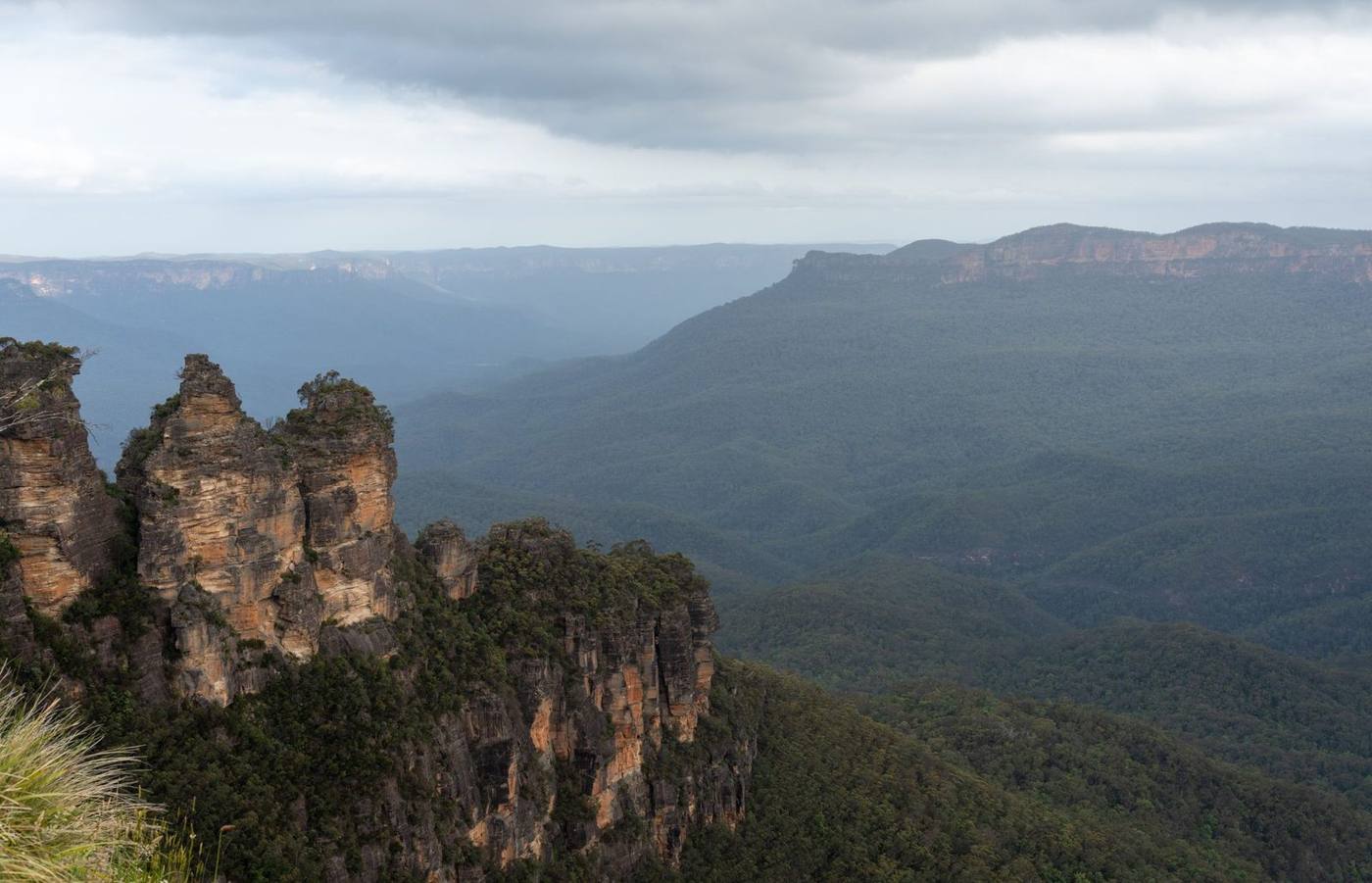 7 daysEasy
Sydney and the Blue Mountains
A week of Sydney harbour, Bondi and Manly beaches and the canyons of the Blue Mountains. For such a long journey, two weeks is better.
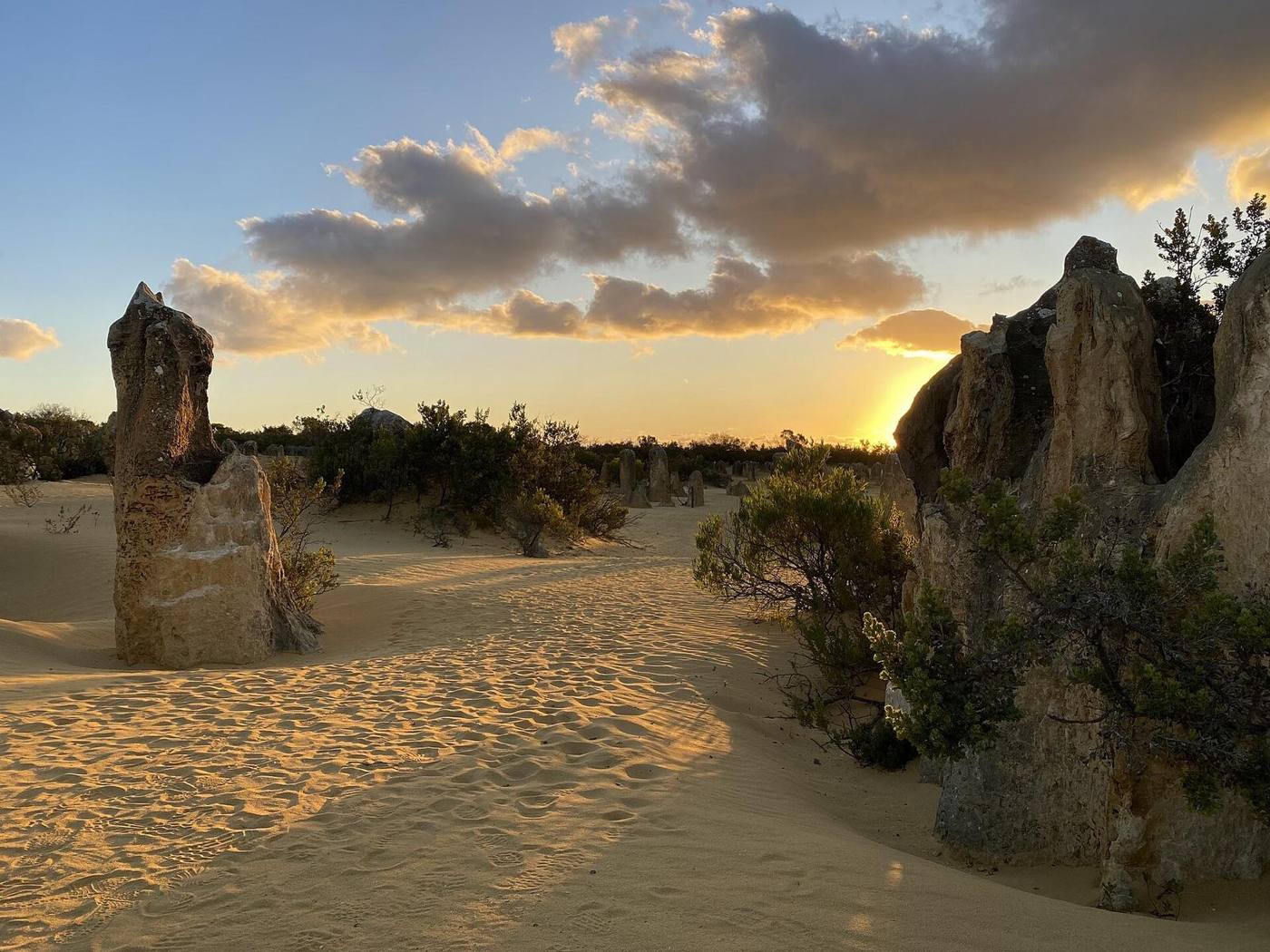 17 daysEasy
All of Australia: the west coast, Uluru, the Reef and Sydney
The continent in seventeen days: Perth and the Pinnacles, the red heart at Uluru, the Great Barrier Reef and the Daintree forest, ending in Sydney.
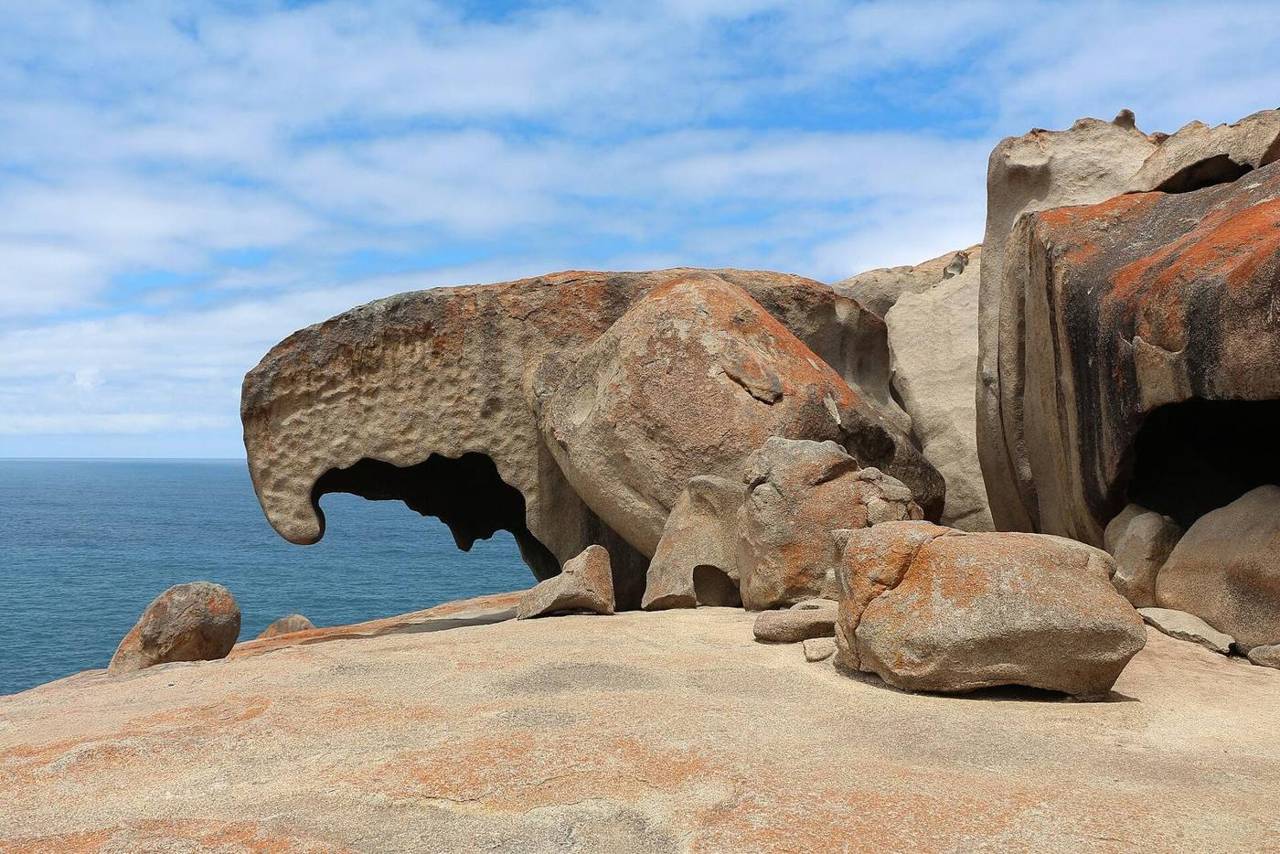 17 daysEasy
Natural Australia: the Great Ocean Road, Kangaroo Island, Uluru and the Reef
The wildlife and landscapes of the south and centre: the Twelve Apostles, the koalas and sea lions of Kangaroo Island, the Outback and the reef.