Sydney and the Blue Mountains
A week of Sydney harbour, Bondi and Manly beaches and the canyons of the Blue Mountains. For such a long journey, two weeks is better.
- Sydney
- Bondi
- Manly
- Blue Mountains
Day by day
- Day 1
Arrival in Sydney and a first walk around the harbour
To enter Australia EU citizens need an electronic authorisation, the eVisitor, applied for online on the official Australian government website before departure; it is at no cost. Beware of intermediary websites that charge money. At customs food checks are very strict: always declare food, seeds, wood and animal products, or you risk heavy fines.
After such a long flight, with many hours of time difference, take the first day slowly. From the airport the train reaches the centre in about a quarter of an hour. For getting around the city use an Opal card or simply a contactless bank card on trains, buses, ferries and light rail, with a daily and weekly spending cap. The most convenient areas to stay are the centre, The Rocks, Circular Quay and Darling Harbour, or Surry Hills if you prefer a lively district.
In the late afternoon walk to Circular Quay, the harbour where the ferries leave. In front of you are the white sails of the Opera House on one side and the steel arch of the Harbour Bridge on the other. Follow the waterfront to the spot called Mrs Macquarie's Chair, a bench carved into the rock in 1810, from which you see the bridge and the Opera House together, the city's best sunset viewpoint.
Practical tip: to fight jet lag stay awake until evening and get some sunlight. In Australia the sun is very strong, even when the air feels cool.
- Day 2
The Opera House, the Botanic Garden and The Rocks
In the morning visit the Sydney Opera House, a UNESCO World Heritage site, designed by the Danish architect Jørn Utzon and opened in 1973. You can go inside on guided tours of about an hour, which show the halls, the troubled history of its construction and the details of the shells, or attend a performance in the evening. Tours are booked on the official website.
Next door is the Royal Botanic Garden, Australia's oldest botanic garden, with lawns overlooking the harbour, huge trees, white cockatoos and large fruit bats. Entry to the garden is at no cost. Continue to the Art Gallery of New South Wales, with a large collection of Aboriginal art and a new building opened in 2022.
In the afternoon stroll through The Rocks, Sydney's oldest quarter, where the first settlers and British convicts arrived in 1788. The stone lanes, old warehouses and historic pubs tell of the city's beginnings. At weekends there is a craft and food market.
At sunset walk across the Harbour Bridge on the no-cost pedestrian footway, with views over the harbour and the Opera House. If you wish, you can climb the arch of the bridge with guides, in a harness, an expensive experience to book ahead. Practical tip: at the bridge's south pylon a small lookout reached by stairs gives one of the finest views of the Opera House.
- Day 3
The coastal walk from Bondi to Coogee
In the morning take the bus or train to Bondi, Australia's most famous beach, a crescent of golden sand with Pacific Ocean waves. Swim only between the red and yellow flags, where lifeguards are watching: rip currents are dangerous even for good swimmers. At the south end of the beach is the famous Icebergs pool, cut into the rock and filled by the ocean.
From here the coastal walk to Coogee begins, about six kilometres on a well-kept path along sandstone cliffs, with stairs, rock pools and small beaches. It takes two or three hours with stops. Tamarama is a small beach squeezed between the rocks; Bronte has a large picnic lawn and a cliff pool.
Halfway you pass Waverley Cemetery, on the cliff, one of the cemeteries with the finest views in the world. Then you descend to Clovelly, a narrow sheltered inlet where you can snorkel among colourful fish, and finally reach Coogee, with its beach and historic ocean pools.
In October and November the open-air sculpture exhibition Sculpture by the Sea fills the cliffs with works of art. Practical tip: bring a hat, high-factor sunscreen and plenty of water; the path has little shade and climbs up and down often, so wear comfortable shoes rather than sandals.
- Day 4
The ferry to Manly and the northern beaches
In the morning take the ferry from Circular Quay to Manly: about thirty minutes across the whole harbour, with views of the Opera House, the bridge and the wooded headlands. It is one of the finest ferry rides in the world, for the price of an ordinary public transport fare.
Manly is a beach town with a pedestrian street, the Corso, leading from the harbour to the great ocean beach lined with pines. For a quieter walk follow the path to Shelly Beach, a small sheltered bay in the marine reserve, where you can snorkel among fish and sometimes see small harmless sharks. From here climb onto North Head, in Sydney Harbour National Park, with lookouts over the harbour entrance and the ocean.
Keen walkers can take the Manly Scenic Walkway, about ten kilometres between Manly and the Spit Bridge, past hidden coves, eucalyptus forest and Aboriginal rock engravings. You return by bus.
In the afternoon return to the city and visit Darling Harbour or the Barangaroo district, with its new headland park. Alternatively, the Australian Museum, the country's oldest, covers nature and Aboriginal cultures. Practical tip: the ferry is best on the way out sitting on the right-hand side, where you see the Opera House and the bridge.
- Day 5
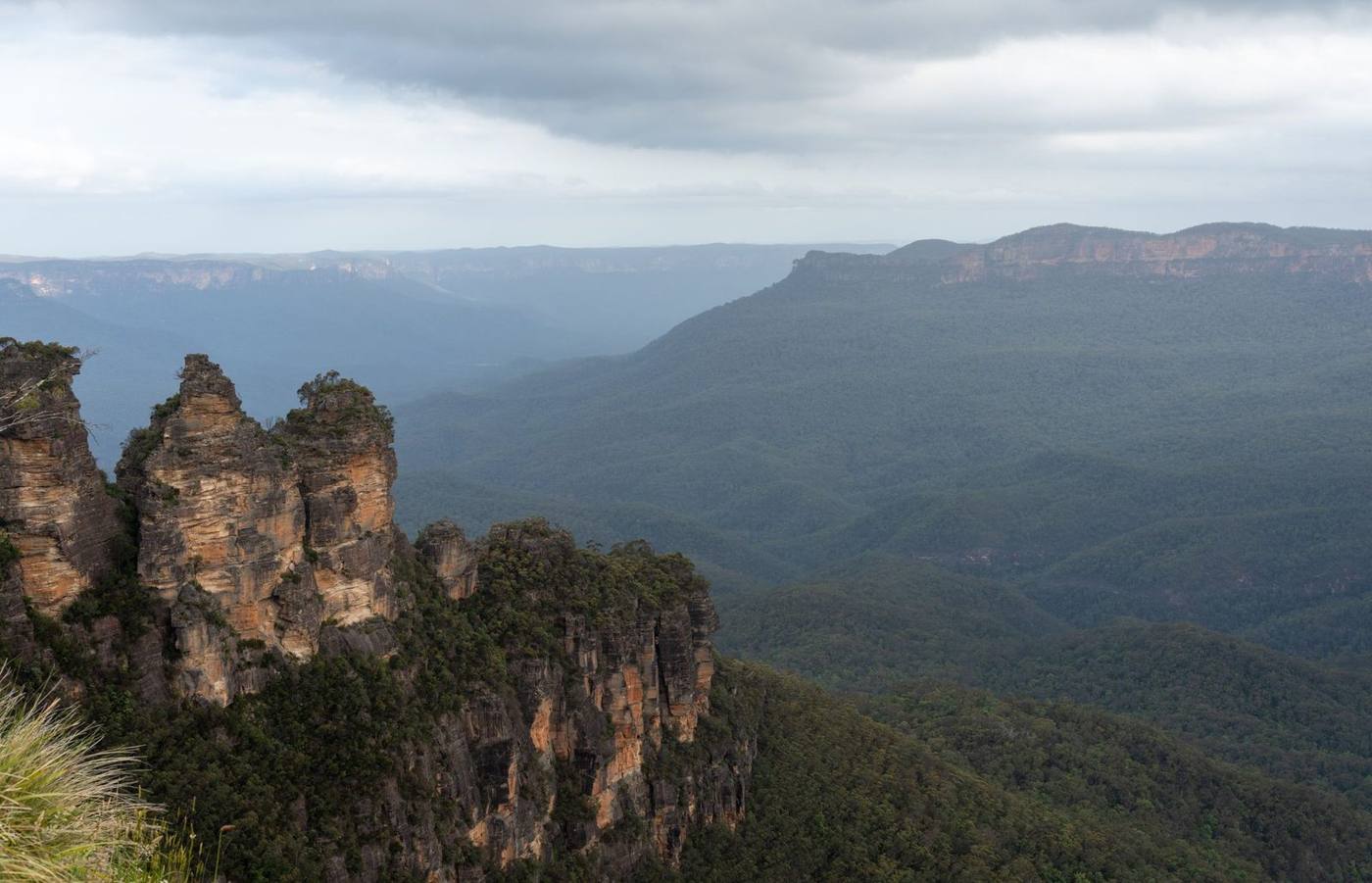
The Blue Mountains and the Three Sisters
Today you leave for the Blue Mountains, a range of sandstone plateaus about two hours by train from Sydney, a UNESCO World Heritage site. The train leaves from Central station and arrives in Katoomba, the main town; you pay with the same transport card as in Sydney. The name blue comes from the bluish haze created by eucalyptus oils in warm air.
From Katoomba walk to Echo Point, the most famous lookout, facing the Three Sisters, three rock pinnacles linked to an Aboriginal legend of the Gundungurra people. Below stretches the Jamison Valley, an immense eucalyptus forest fading into the horizon. From here the Giant Stairway, more than eight hundred steps, descends into the valley; the climb back up is tiring.
Next door is Scenic World, with a very steep railway, a cableway and a skyway above the valley; it is paid and very touristy, but handy if you do not want stairs. The Prince Henry Cliff Walk, a path along the cliff edge, links the lookouts between Katoomba and Leura.
In the evening stay in Katoomba or Leura, a village with gardens and mountain houses. Practical tip: in the mountains it is much cooler than in Sydney, and in winter it can snow; bring warm layers. In the hot months always check the parks website for fire closures.
- Day 6
Waterfalls and trails in the Blue Mountains
A second day in the mountains, devoted to walking. In the morning go to Wentworth Falls, just before Katoomba: a path descends along the cliff to the foot of the falls, with steps cut into the rock and exposed sections. The National Pass, one of the most spectacular trails, runs halfway up the cliff face below the falls; it takes about three hours and good legs.
Alternatively, at Blackheath, further west, the Govetts Leap and Evans lookouts face the even wilder Grose Valley. The Grand Canyon Track descends into a narrow damp gorge full of tree ferns, mosses and streams, then climbs out the other side: about six kilometres as a loop, one of the region's finest walks.
In the afternoon take a lighter stroll in Leura's gardens or along the paths among the Leura Cascades. Lyrebirds, with their harp-shaped tails, imitate the sounds of the forest and are often heard.
Return to Sydney by train in the late afternoon. Practical tip: before setting out check the New South Wales parks service website for trail closures due to landslides or works, frequent after rain, and always carry water, food and a jacket; in the mountains the weather changes quickly and darkness comes early in the gorges.
- Day 7
A last morning in Sydney and departure
The last day depends on your flight time. In the morning you can visit the Sydney Fish Market, in its new harbourside building, and taste oysters and freshly caught fish. Or take the ferry to Watsons Bay at the harbour entrance and walk to The Gap, a towering cliff above the ocean, and to the red and white striped Hornby Lighthouse in the national park.
Alternatively visit Paddington, with Victorian terraced houses with iron-lace balconies, galleries and boutiques, or its Saturday market. If you are interested in Aboriginal history, you can take a dedicated guided tour, in the Botanic Garden or in The Rocks, with guides from local communities.
To get back to the airport the train is the fastest option, about a quarter of an hour from the centre. Things to take home: eucalyptus honey, macadamias, Aboriginal art bought from art centres that guarantee fair payment to artists; beware of imitations without a certificate.
Practical tip: Australian customs also checks luggage on departure, and food bought in Australia may be banned in your destination country. Reach the airport at least three hours before international flights, because checks take time and queues can be long, especially in the December and January holiday season.
A good week in the city, but on its own it does not justify a flight of more than twenty hours from Europe. It makes sense as part of a longer trip or as a stop before New Zealand. The Bondi to Coogee walk and the Manly ferry are the best moments, and they cost little.
Before you go
- Documents and visa
- Valid passport and an eVisitor, the no-cost electronic authorisation applied for online on the official Australian government website before departure.
- Health and vaccines
- No compulsory vaccines arriving from Europe. Very strong sun: high-factor sunscreen and a hat. Emergencies: 000.
- Money and payments
- Australian dollar. Contactless cards are used everywhere, even for small amounts and on public transport; cash is rarely needed.
- Power sockets
- Type I, 230 volts: you need an adapter for the angled flat-pin plugs.
- Time zone
- The country has several time zones. Sydney and Melbourne are UTC+10, UTC+11 with daylight saving from October to April.
- Safety
- One of the safest countries for travellers. The risks are natural: rip currents, bushfires especially from October to February, cyclones and floods in the north in the wet season. Official advice: GOV.UK.
Information checked in November 2026 for Italian and EU citizens. Rules change: always check before you travel.
Variations
In 5 days: Sydney with the Opera House, Bondi to Coogee and Manly, plus a day trip by train to the Blue Mountains.
In 10 days: add the Hunter Valley for wine, or Port Stephens with its dunes and dolphins, about two and a half hours north of Sydney.
Frequently asked questions
Do I need a visa for Australia?
Yes, but EU citizens can use the eVisitor, a no-cost electronic authorisation applied for online on the official Australian government website before departure. Beware of websites that charge for it.
How do I get to the Blue Mountains from Sydney?
By train from Central station to Katoomba, about two hours, paying with Sydney's transport card or a contactless card. By car it takes a similar time.
When is the best time to visit Sydney?
September to May for warmth and the sea; December and January are the busiest months. Winter, June to August, is mild in the city and cool in the mountains.
Indicative itinerary written by World Atlas. Before booking, check timetables, seasonal openings, documents and safety.
 15 daysModerate
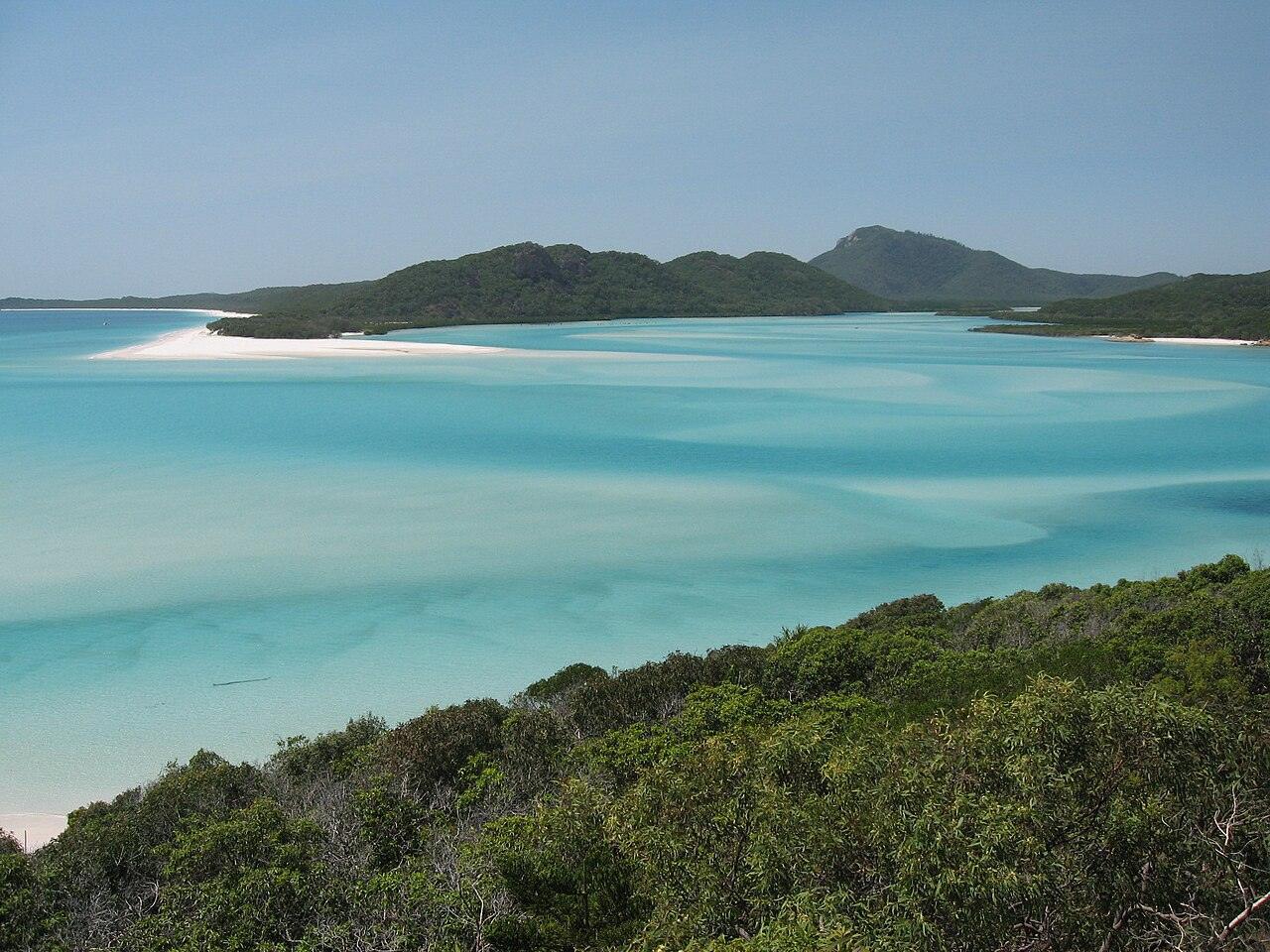
The Outback, the Great Barrier Reef and Sydney
Australia's three faces: the red heart of Uluru, the reef and rainforest of Queensland, the great city.
 17 daysEasy
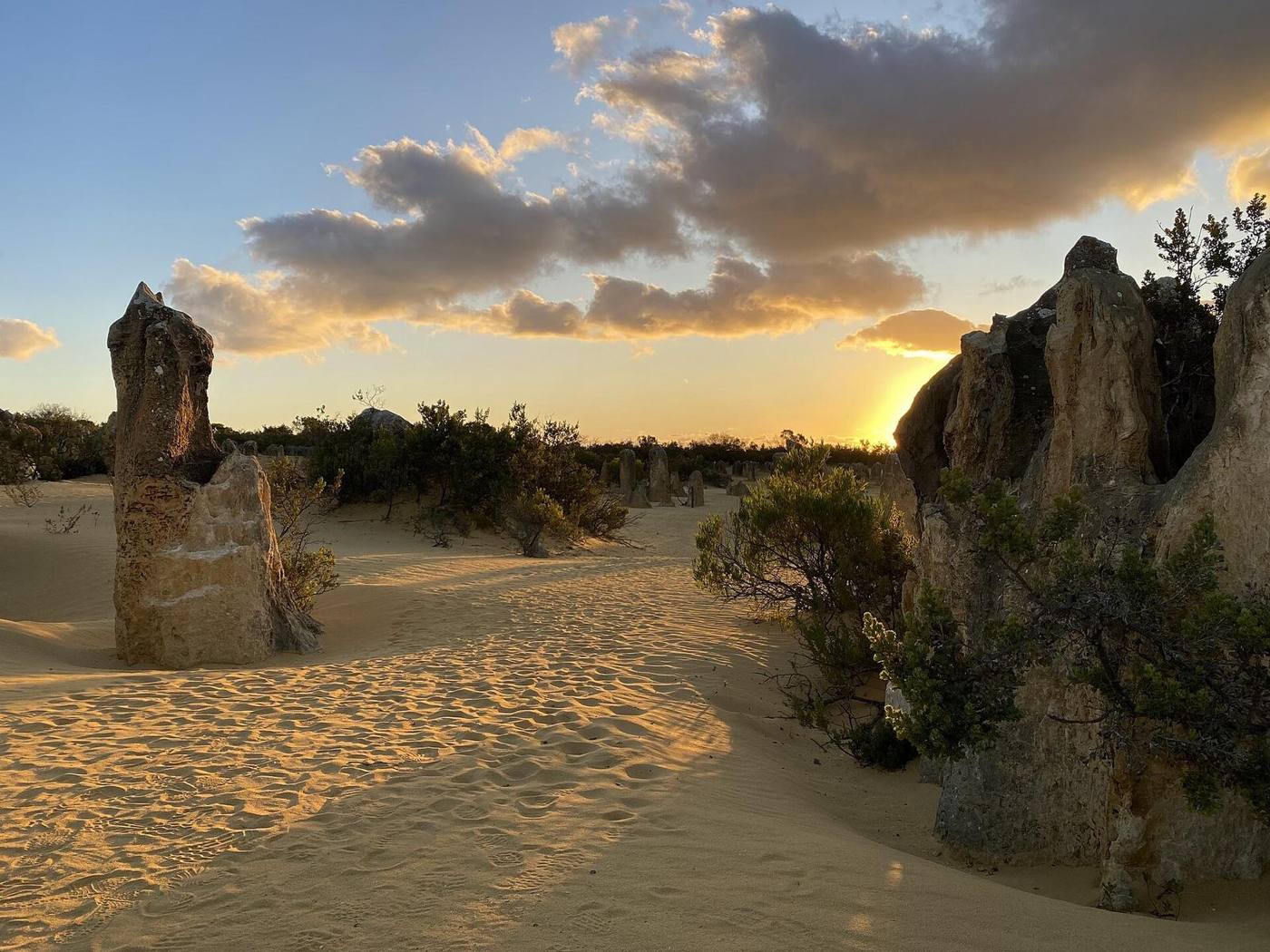
All of Australia: the west coast, Uluru, the Reef and Sydney
The continent in seventeen days: Perth and the Pinnacles, the red heart at Uluru, the Great Barrier Reef and the Daintree forest, ending in Sydney.
 17 daysEasy
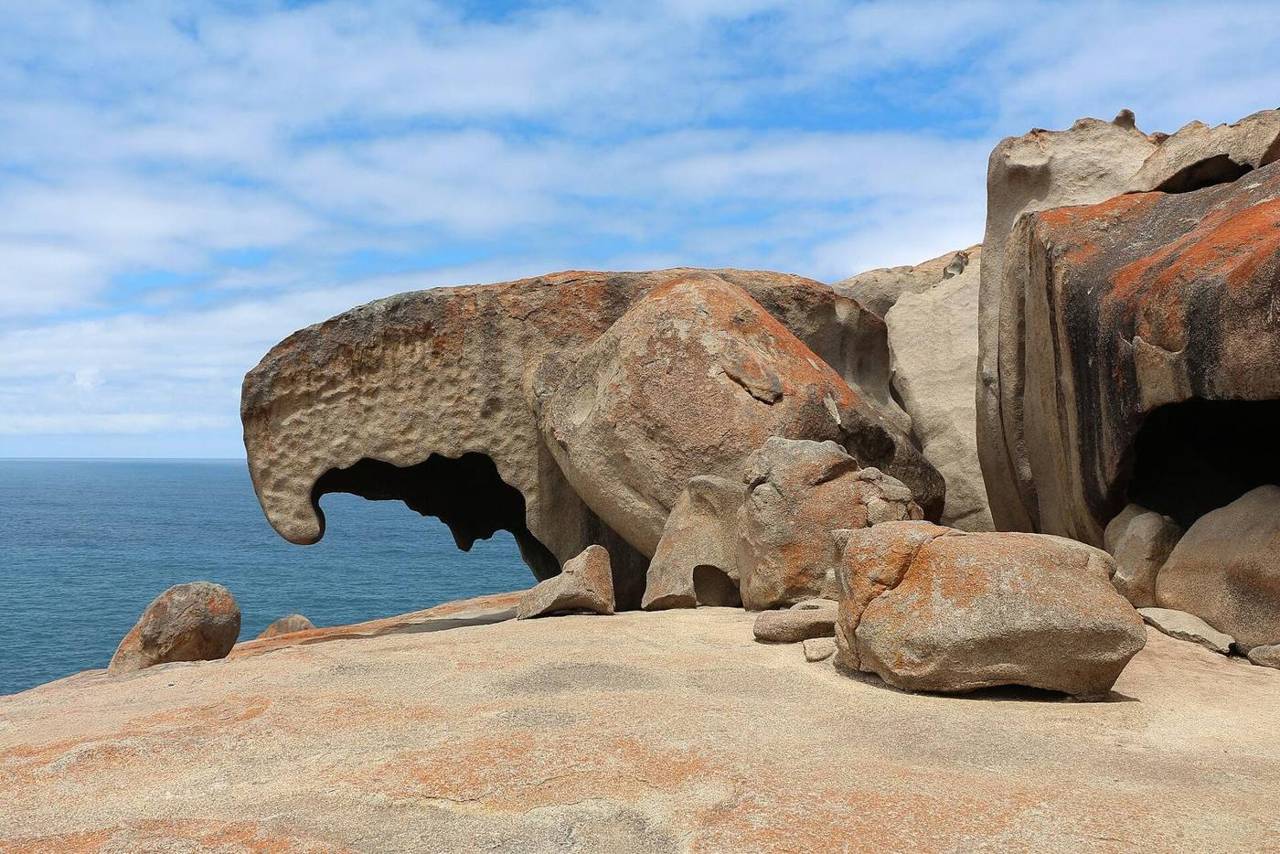
Natural Australia: the Great Ocean Road, Kangaroo Island, Uluru and the Reef
The wildlife and landscapes of the south and centre: the Twelve Apostles, the koalas and sea lions of Kangaroo Island, the Outback and the reef.