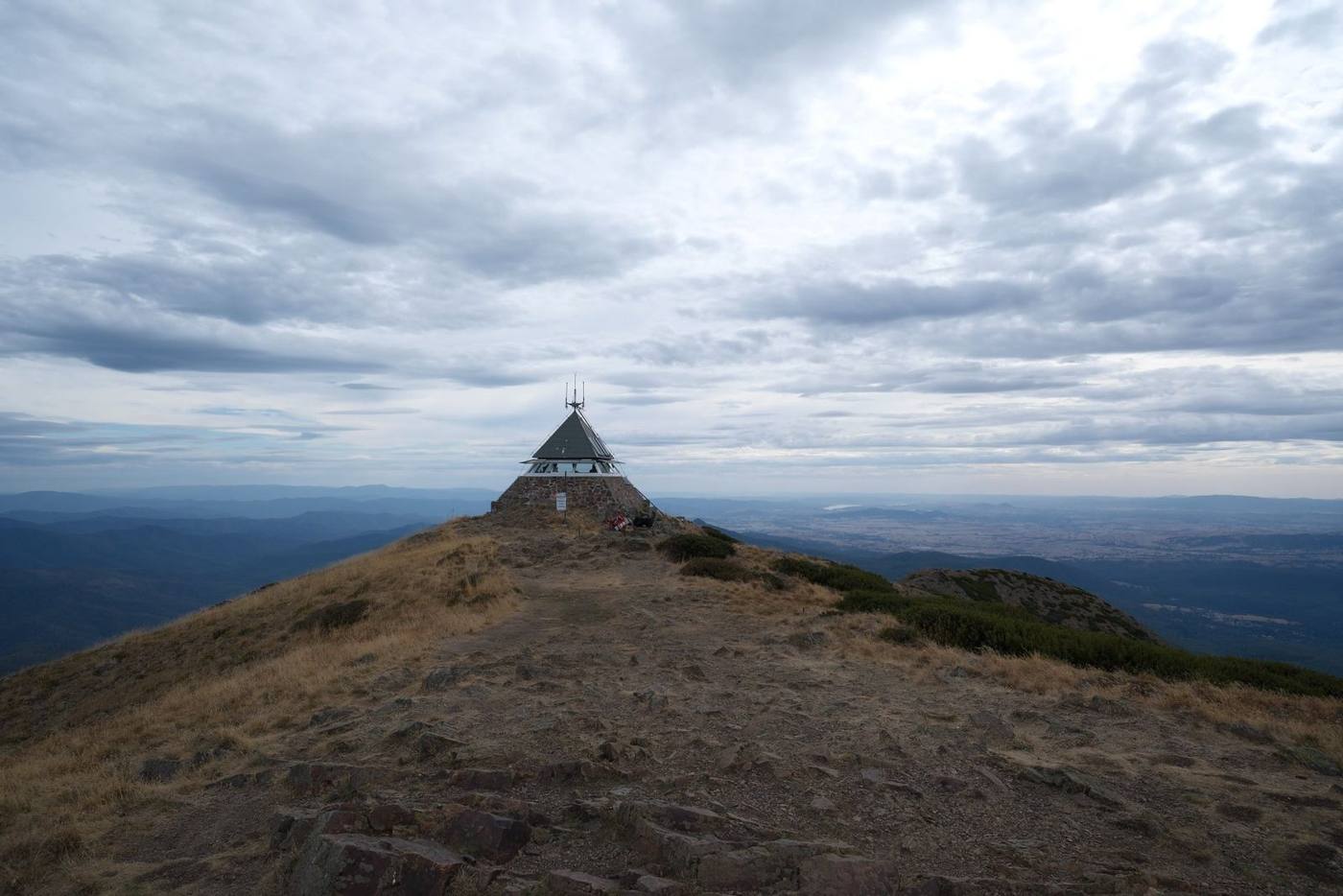
Canberra and the Snowy Mountains
The purpose-built capital, with Parliament House, the National Gallery and the Australian War Memorial, then the Australian Alps: Kosciuszko National Park, the walk to the continent's highest summit, glacial lakes and the villages of Thredbo and Jindabyne.
- Canberra
- Jindabyne
- Thredbo
- Mount Kosciuszko
- Charlotte Pass
Day by day
- Day 1
Canberra: Parliament House, the National Gallery and Lake Burley Griffin
Canberra is Australia's capital and a city unlike the others: it was designed from scratch in the early twentieth century, as a compromise between Sydney and Melbourne, which were competing to be the capital. The design won an international competition and was the work of the American architects Walter Burley Griffin and Marion Mahony Griffin, who imagined a garden city around an artificial lake, with grand avenues and sight lines between the hills. Today it is a green, quiet city full of national museums, many of them no-cost.
You arrive by plane or by car from Sydney, about three hours away. Stay near the lake or in the centre, known as Civic.
In the morning visit Parliament House, built in 1988 into a hill: the roof is covered in grass and you can walk on it, beneath the great flagpole. Entry is at no cost and you can see the chambers of the House and the Senate and, when they are sitting, watch debates from the galleries. In front stands Old Parliament House, white, now a museum of Australian democracy.
In the afternoon go down to the lake for the National Gallery of Australia, with a large collection of Aboriginal art, including the installation of 200 painted hollow log coffins from Arnhem Land, and works by Australian and international artists. Next door is the National Portrait Gallery.
Towards evening walk or hire a bike around Lake Burley Griffin, with the Captain Cook Memorial jet and the National Carillon on a small island. Practical tip: to enter Australia, European Union citizens apply online for the eVisitor, which is at no cost, before departure.
- Day 2
Canberra: the Australian War Memorial and Mount Ainslie at sunset
In the morning visit the Australian War Memorial, the most visited place in the city and one of the most important museums in the country. It is not only a memorial to the fallen: it is a large museum telling Australia's history through the wars it has fought in, from Gallipoli in the First World War to recent conflicts, with aircraft, tanks, dioramas and soldiers' personal belongings. In the courtyard, along the cloister walls, the names of more than a hundred thousand Australians who died in war are inscribed; many visitors leave a red poppy beside a name. Allow at least half a day.
Every day near closing time the Last Post ceremony is held: the story of a soldier whose name is on the wall is told, then a bugler plays. It is a simple and very moving moment.
Before or after, depending on the times, visit the National Museum of Australia on the lakeshore, with stories of the land, the Aboriginal peoples and the settlers, or Questacon, the interactive science museum, if you are travelling with children.
Towards sunset drive or walk up Mount Ainslie, the hill behind the War Memorial. From the top you see the whole plan of the city: the straight axis running from the War Memorial across the lake to Parliament House, with hills and woods all around. In the sunset light it is the most beautiful moment. On the path and around the city it is easy to see kangaroos grazing, especially at dawn and dusk.
Practical tip: in Canberra distances are large and public transport limited; a car or a bike makes everything easier.
- Day 3
The road to Jindabyne and the lake
In the morning head south to the Snowy Mountains, the highest mountains in Australia, in Kosciuszko National Park. Jindabyne, the main town of the area, is about two and a half hours' drive from Canberra. Along the way you cross the Monaro plain, an expanse of pasture, granite boulders and lone trees under a huge sky, and pass through Cooma, the old gateway to the mountains.
Cooma was the base of the great Snowy Mountains hydroelectric scheme, built between 1949 and 1974 by more than a hundred thousand people from thirty countries, many from post-war Europe, including many Italians. The scheme's visitor centre tells this story, which is also the story of modern, multicultural Australia.
In the afternoon you reach Jindabyne, on the shore of the lake of the same name, a reservoir created by the hydroelectric scheme itself: the old town was flooded and rebuilt on the hill. In summer the lake is perfect for kayaking, paddleboarding, trout fishing and shoreline walks; in winter Jindabyne is the base for the ski resorts of Thredbo and Perisher.
Towards evening walk the lakeshore path at sunset, when the light colours the mountains. Pack your bag for the next day.
Practical tip: Kosciuszko National Park charges a daily entry fee per vehicle, paid at the park entrance or online. In summer, from November to March, also check bushfire warnings, which can close roads and trails.
- Day 4
The chairlift from Thredbo and the climb to Mount Kosciuszko
Early in the morning drive to Thredbo, an alpine village about half an hour from Jindabyne. Here you take the chairlift that rises quickly to almost two thousand metres, where the trail to the summit of Mount Kosciuszko begins, the highest mountain on mainland Australia at 2,228 metres.
The climb is one of the easiest high mountain walks in the world: about six and a half kilometres to the top, almost all on a raised metal walkway that protects the fragile alpine vegetation, with a gentle gradient. Allow about four and a half hours there and back with stops. The landscape is very different from the usual idea of Australia: alpine meadows, granite boulders, small lakes and, in early summer, fields of white and yellow wildflowers. Along the way there is a lookout over Lake Cootapatamba, the highest lake on the continent.
At the summit, marked by a small cairn, you see the mountains of the range stretching into Victoria. The mountain is named after the Polish national hero Tadeusz Kościuszko, chosen by the Polish explorer who climbed it in 1840.
Come down by chairlift and spend the afternoon in Thredbo, with a walk along the river or, in summer, a mountain bike ride.
Practical tip: even in summer the weather in the mountains changes fast, with cold wind, fog and storms; bring a waterproof jacket, warm layers, sunscreen and water. In winter the trail is covered in snow and can be climbed only on snowshoes or skis, with experience.
- Day 5
The Main Range Track and the glacial lakes from Charlotte Pass, then the journey back
On the last day, if you have good legs, tackle the Main Range Track, one of the finest routes in the Australian mountains. It starts at Charlotte Pass, at the end of the road up from Jindabyne, about forty minutes' drive away. The full loop is about twenty-two kilometres long and takes seven to nine hours: it crosses the Snowy River, climbs to the main ridge and returns on the Kosciuszko trail, passing glacial lakes formed during the last ice age, such as Blue Lake, Lake Albina and Club Lake. If the full loop is too long, you can do just the section to Blue Lake, about ten kilometres there and back, with a superb view of the deep blue lake between walls of rock.
Along the way you cross the Snowy River by wading or on stepping stones: after heavy rain or during the thaw the water can be high and cold, so ask first at the park visitor centre.
In the early afternoon return to Jindabyne and leave for Canberra, about two and a half hours away, or Sydney, about six hours.
If you still have time, stop along the way around Cooma or in one of the small towns of the Monaro plain, with stone churches and old pubs.
Practical tip: the Main Range Track is an exposed high mountain route with no shelter; start early, tell someone your plans and do not set off in bad weather. The best season is December to March, once the snow has melted.
An unusual mix of museums and mountains. In summer the Kosciuszko walk is easy; the Main Range is longer and the weather changes fast even in January. In winter you need snow gear and chains for the car. The park charges a daily vehicle entry fee. From October to February bushfire risk is high: follow the state emergency services apps and respect closures. EU citizens need the eVisitor (subclass 651), which is at no cost and must be requested online before departure.
Before you go
- Documents and visa
- Valid passport and an eVisitor, the no-cost electronic authorisation applied for online on the official Australian government website before departure.
- Health and vaccines
- No compulsory vaccines arriving from Europe. Very strong sun: high-factor sunscreen and a hat. Emergencies: 000.
- Money and payments
- Australian dollar. Contactless cards are used everywhere, even for small amounts and on public transport; cash is rarely needed.
- Power sockets
- Type I, 230 volts: you need an adapter for the angled flat-pin plugs.
- Time zone
- The country has several time zones. Sydney and Melbourne are UTC+10, UTC+11 with daylight saving from October to April.
- Safety
- One of the safest countries for travellers. The risks are natural: rip currents, bushfires especially from October to February, cyclones and floods in the north in the wet season. Official advice: GOV.UK.
Information checked in November 2026 for Italian and EU citizens. Rules change: always check before you travel.
Variations
In 3 days: Canberra on day one, then Jindabyne and the Kosciuszko climb, returning on day three.
In 8 days: after the Snowy Mountains descend to the New South Wales coast at Eden and Merimbula, with whales from September to November, and drive back up to Sydney.
Frequently asked questions
When is the best time to go?
For walking, December to March, when the snow has melted and the wildflowers bloom; for skiing, June to September. Canberra is lovely in autumn, with the colours of the trees.
Do I need a car?
Yes: public transport between Canberra, Jindabyne, Thredbo and Charlotte Pass is rare. In winter, snow chains may be compulsory on mountain roads.
Is the Kosciuszko climb difficult?
No, from the Thredbo chairlift it is a long but easy walk on a walkway. The Main Range Track from Charlotte Pass is much more demanding.
Indicative itinerary written by World Atlas. Before booking, check timetables, seasonal openings, documents and safety.
 8 daysEasy
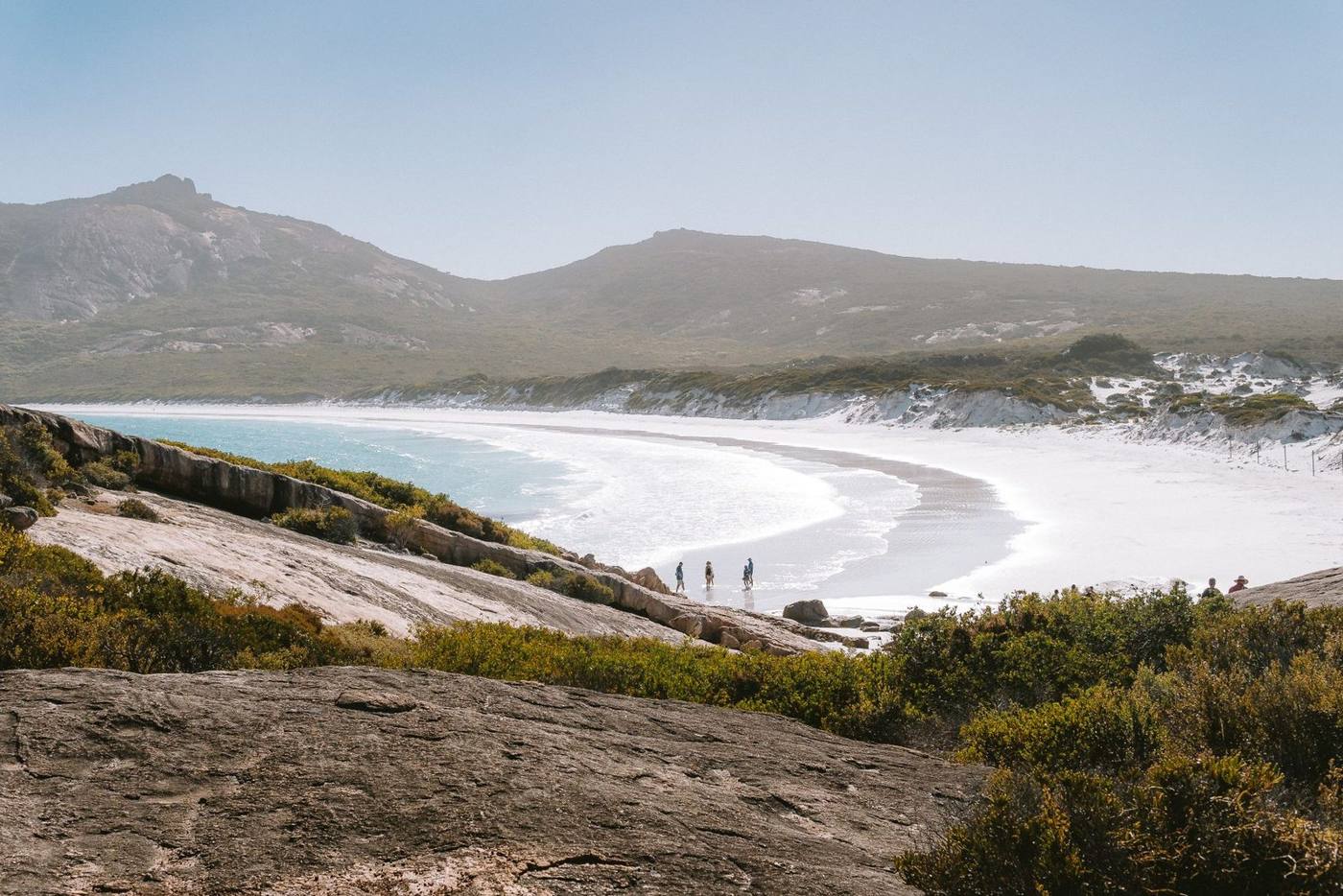
Margaret River and the South West
Western Australia's green corner: the wineries and surf of Margaret River, limestone caves, forests of giant karri trees, the Valley of the Giants Tree Top Walk, the historic port of Albany and the dazzling white beaches of Cape Le Grand near Esperance.
 6 daysEasy
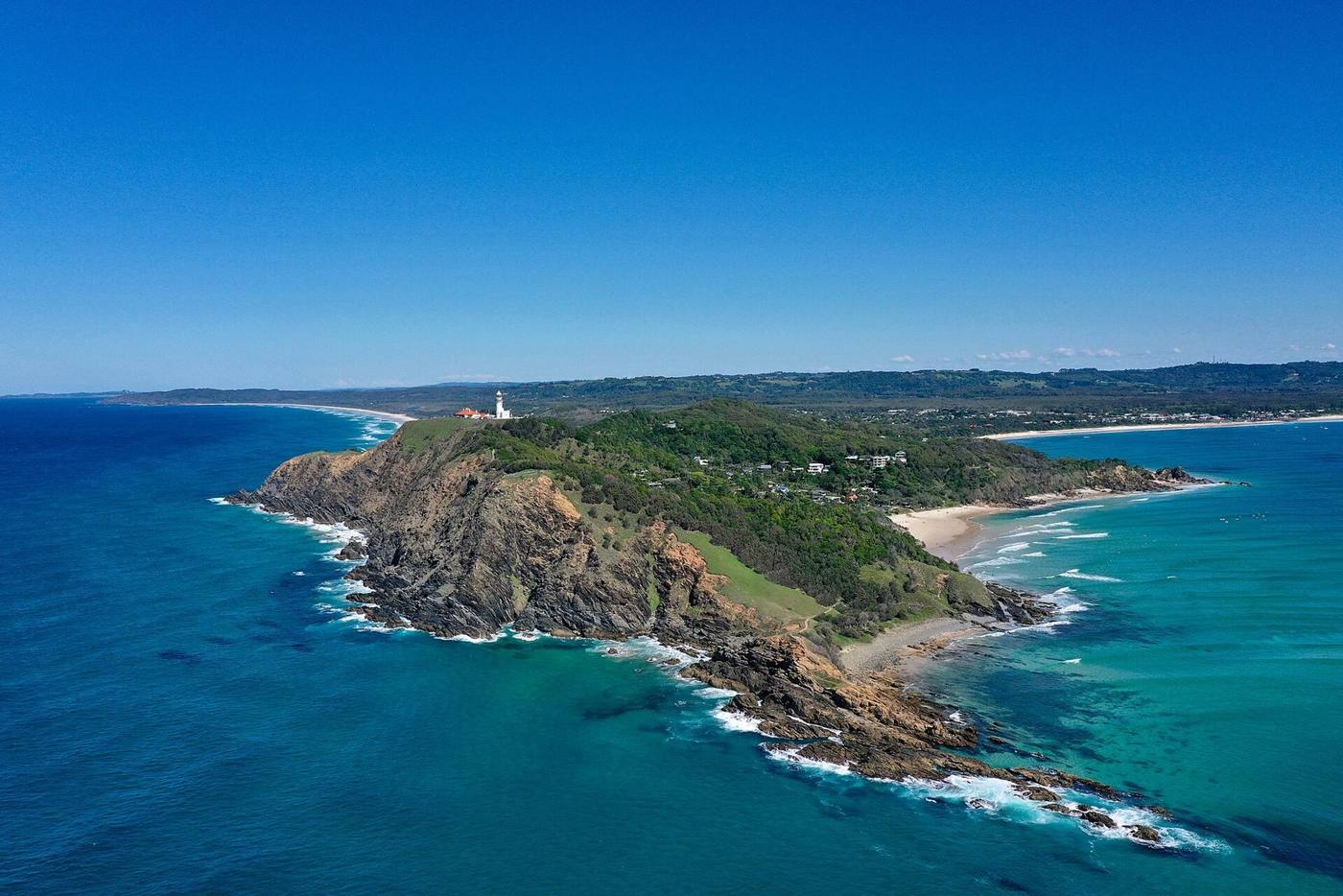
Byron Bay and the Gold Coast hinterland
The continent's most easterly point, with the Byron lighthouse and surf beaches, the alternative towns of the Northern Rivers and the ancient Gondwana rainforests, a UNESCO World Heritage site, in Lamington and Springbrook parks, an hour from the Gold Coast.
 5 daysEasy
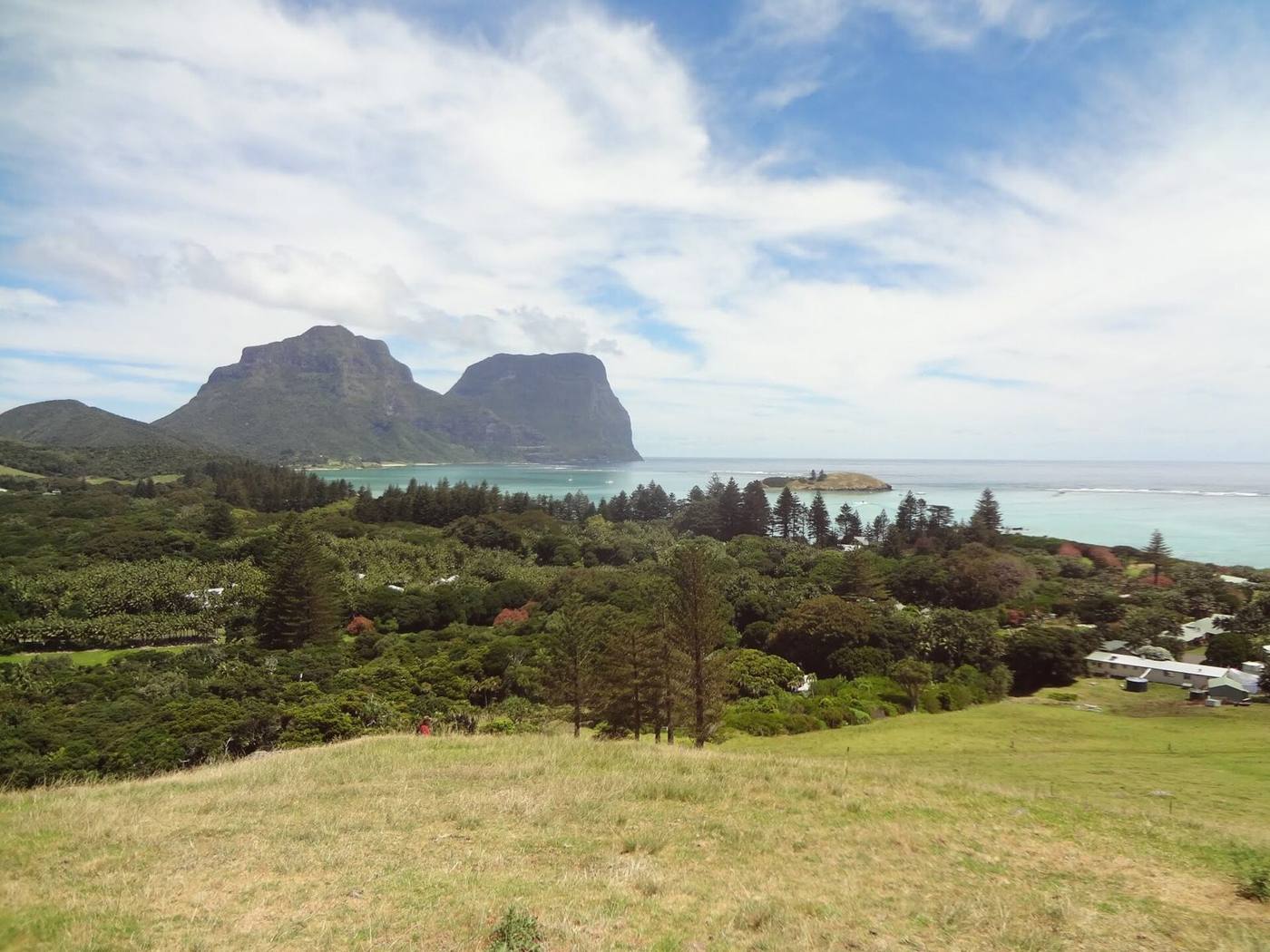
Lord Howe Island
A UNESCO-listed volcanic island in the Tasman Sea, a two-hour flight from Sydney: the lagoon with the world's southernmost coral reef, Mount Gower rising straight from the sea, seabirds by the thousand and only 400 tourists allowed at a time.