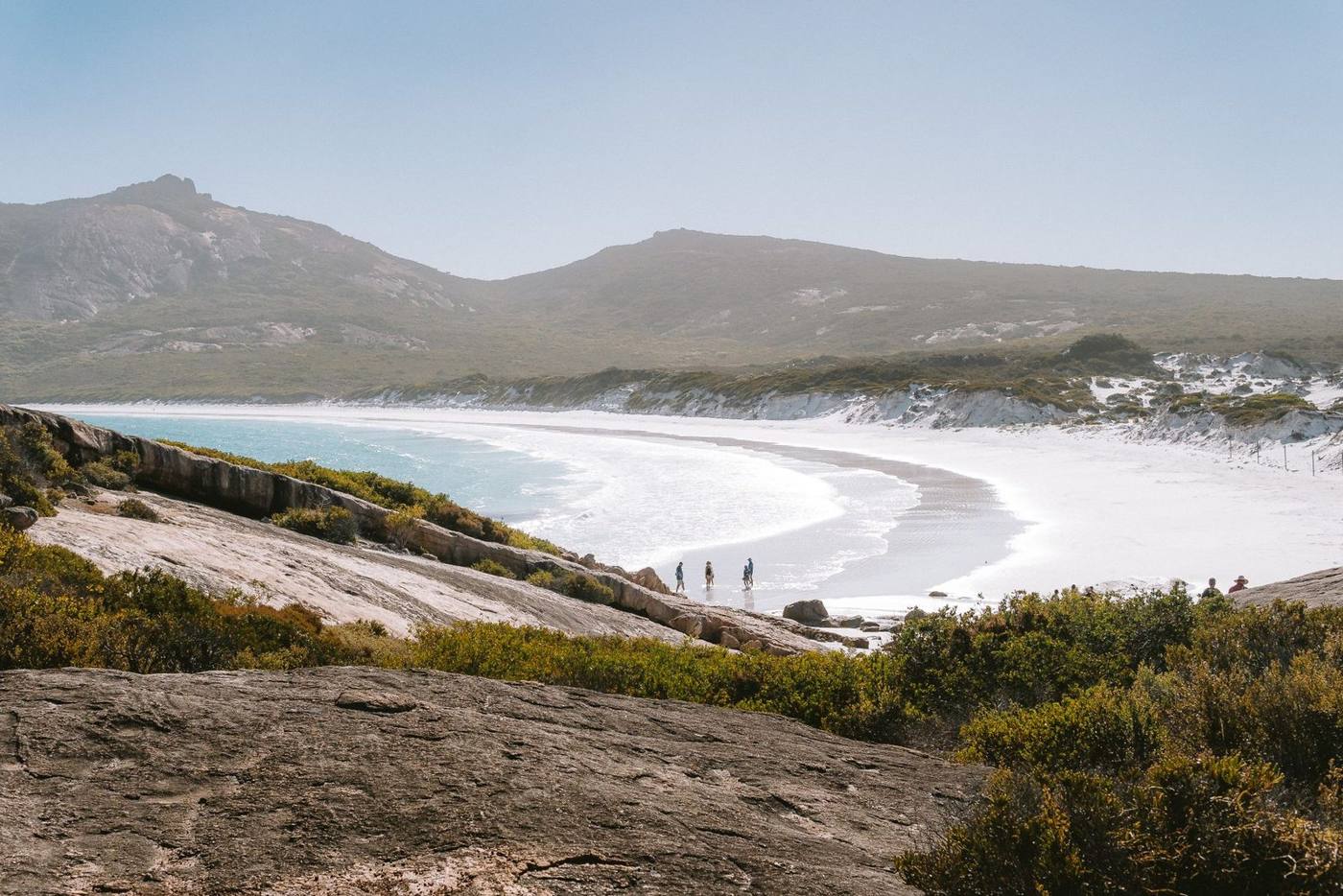
Margaret River and the South West
Western Australia's green corner: the wineries and surf of Margaret River, limestone caves, forests of giant karri trees, the Valley of the Giants Tree Top Walk, the historic port of Albany and the dazzling white beaches of Cape Le Grand near Esperance.
- Perth
- Busselton
- Margaret River
- Pemberton
- Walpole
- Albany
- Esperance
Day by day
- Day 1
From Perth to Busselton and the jetty over the sea
This trip travels the south western corner of Australia, one of the continent's most beautiful and least known regions: the Margaret River wine country, with surf beaches and limestone caves, the forests of giant karri and tingle trees, the southern coast with the granite bays of Albany and, finally, the dazzling white beaches of Esperance, with kangaroos on the sand. The region has a Mediterranean climate, with mild, rainy winters and hot, dry summers.
To enter Australia European citizens apply online for the eVisitor, a no-cost authorisation. You fly into Perth, the capital of Western Australia, and pick up a hire car. In Australia you drive on the left.
On the first day drive south from Perth to Busselton, about two and a half hours, along the coast of Geographe Bay.
In Busselton walk the Busselton Jetty, one of the longest wooden jetties in the world, almost two kilometres long, running out into the bay over a calm, clear sea. You can walk it or take a little train. At the end of the jetty is an underwater observatory, a chamber eight metres deep, from which you see the corals, sponges and colourful fish living on the wooden piles.
In the evening walk on Busselton beach at sunset.
Spend the night in Busselton or Dunsborough.
Practical tip: distances in Western Australia are great and in the countryside many kangaroos cross the roads, especially at dawn and dusk. Avoid driving at night.
- Day 2
Margaret River: the wineries and Cape Naturaliste
Today discover the Margaret River wine region, one of Australia's most famous, known above all for cabernet sauvignon and chardonnay. The region stretches for about a hundred kilometres between Cape Naturaliste in the north and Cape Leeuwin in the south, between the Indian Ocean and the forests.
In the morning go to Cape Naturaliste, the region's northern tip, with a nineteenth century lighthouse you can visit and a coastal trail with ocean views. From September to December humpback whales and southern right whales are often seen from the coast as they migrate.
Near the cape are beautiful beaches and bays, such as Sugarloaf Rock, a granite rock in the ocean, and Meelup Bay, with calm, clear water.
In the afternoon visit some of the region's wineries. Many have tasting rooms open to the public, with views over the vineyards and hills. The region also produces cheese, chocolate, olive oil and craft beer.
Alternatively, if you do not drink wine, go to Yallingup beach, famous among surfers for its powerful waves.
In the evening have dinner in the town of Margaret River, at the heart of the region, with local produce and the area's wine.
Spend the night in Margaret River.
Practical tip: winery tastings often charge a fee: check. The distances between wineries are short but you need to drive: choose a designated driver or book an organised tour. Drink driving checks are frequent in Australia.
- Day 3
The caves and Cape Leeuwin, where two oceans meet
Today discover the region's underground world and its southern coast. Beneath the limestone ridge running along the Margaret River coast there are more than a hundred caves, some open to visitors.
In the morning visit Mammoth Cave, a self guided cave with an audio guide, where fossils of prehistoric Australian animals were found, such as a giant kangaroo and a wombat the size of a car. Then go to Lake Cave, a deeper cave reached by descending a staircase into a sinkhole in the forest, with a small underground lake reflecting the stalactites, including a formation called the suspended table.
In the afternoon continue south to Cape Leeuwin, the south western corner of Australia, where the Indian Ocean meets the Southern Ocean. Here stands the tallest lighthouse on the Australian mainland, from 1896, which you can climb to the top, with views over the two oceans and the meeting waves.
Near the lighthouse is an old salt encrusted waterwheel that once carried spring water to the lighthouse keepers' cottages.
On the way stop at Augusta, a small town at the mouth of the Blackwood River, with pelicans and black swans.
In the evening return to Margaret River or stay in Augusta.
Spend the night in Margaret River or Augusta.
Practical tip: the caves have different hours and prices, and some can only be visited with a guide. Check and book in high season. The temperature in the caves is constant: bring a sweater.
- Day 4
Pemberton and the karri forests
Today leave the coast and head inland to Pemberton, about two hours from Margaret River, in the heart of the karri forests.
Karri are giant eucalyptus trees, among the tallest in the world, which can exceed sixty metres, with straight, smooth, pale trunks. Karri forests grow only in this corner of south western Australia, where there is enough rain.
The road passes through Nannup and Bridgetown, small country towns, among orchards, pastures and woods.
In the forest around Pemberton some giant trees were once used as fire lookout towers: at the top, more than fifty metres up, was a platform with a lookout. Today in some of these trees, such as the Dave Evans Bicentennial Tree, you can climb a spiral of metal pegs driven into the trunk up to the platform at the top. It is a thrilling experience, only for those without a fear of heights.
In the afternoon walk one of the forest trails, such as the one around Big Brook Dam or to Beedelup Falls, a waterfall with a suspension bridge. Pemberton also has wineries, trout farms and a tourist tram running through the forest.
In the evening, in Pemberton, have dinner with trout or marron, a large freshwater crayfish from Western Australia.
Spend the night in Pemberton.
Practical tip: the tree climb is unassisted, without a harness, and at your own risk. Do not climb in rain or wind. Wear shoes with a good grip.
- Day 5
Walpole, the Valley of the Giants and Greens Pool
Today continue south east to Walpole, about an hour and a half from Pemberton, a small town on an inlet surrounded by forest.
Near Walpole is the Valley of the Giants, a forest of red tingle, huge eucalyptus trees that grow only in this small area. Tingles are not as tall as karri, but they have enormous trunks, up to sixteen metres around at the base, often hollow and burned by fire.
In the valley you walk the Tree Top Walk, a metal walkway suspended among the treetops, about forty metres up and about six hundred metres long, which sways gently. From here you see the forest from above. Then you go down to the Ancient Empire trail, on the ground, among the giant tingle trunks, some more than four hundred years old.
In the afternoon go to Denmark, a small town of artists and producers, and then to Greens Pool, in William Bay National Park, one of the most beautiful beaches in Western Australia: a natural pool of turquoise water sheltered by large rounded granite boulders, where the water is calm and clear. Nearby is Elephant Rocks, a group of granite boulders that look like a herd of elephants walking into the sea.
Spend the night in Denmark.
Practical tip: the Tree Top Walk charges a fee: check the price and hours. In summer the fire risk in this region is high: check warnings and park closures before setting off.
- Day 6
Albany, the whaling museum and Torndirrup
Today go to Albany, about half an hour from Denmark, the oldest town in Western Australia, founded in 1826, on a large natural harbour, King George Sound.
In the morning visit the National Anzac Centre, a modern museum telling the story of the Australian and New Zealand soldiers who left from this harbour in 1914 for the First World War. The museum stands on a hill with a beautiful view over the harbour. Then walk around the historic centre, with colonial buildings and a replica of the Amity, the ship that brought the first settlers.
In the afternoon go to Discovery Bay, the former Cheynes Beach whaling station, the last whaling station in Australia, closed in 1978. Today it is a museum showing the ships, boilers and tools used, and telling how whaling ended and how whales are protected today. Nearby is a park with Australian wildlife.
Then explore Torndirrup National Park, on the peninsula facing Albany, with granite cliffs battered by the Southern Ocean. Here you see the Natural Bridge, a great granite arch, and The Gap, a cleft in the cliff where waves surge up for tens of metres, with a viewing platform suspended above the void.
Spend the night in Albany.
Practical tip: on the Torndirrup cliffs freak waves are dangerous. Always stay on the paths and behind the barriers, and do not climb down onto the rocks near the sea.
- Day 7
Esperance and Cape Le Grand
Today is a long driving day: from Albany to Esperance it is about five and a half hours east, through wheat fields, salt lakes and plains. Esperance is a small town on the south coast, famous for having some of the whitest beaches in the world.
On the way you can stop in Stirling Range National Park, with mountains rising suddenly from the plain, or make a detour towards the Fitzgerald River, a biodiversity reserve with flowers found nowhere else.
Once in Esperance drive the Great Ocean Drive, a scenic road of about forty kilometres along the coast, with white beaches, blue and turquoise water, and Pink Lake, a salt lake that used to be pink.
The next day, or already in the afternoon, go to Cape Le Grand National Park, about fifty minutes east of Esperance. Here is Lucky Bay, a bay with very white, very fine sand that squeaks underfoot, and turquoise water. It is famous because kangaroos are often seen on the beach, resting on the sand or hopping near the sea.
In the park climb Frenchman Peak, a granite mountain with a cave near the summit from which you see the whole coast.
Spend the night in Esperance.
Practical tip: Cape Le Grand National Park charges an entry fee: check. Do not feed the kangaroos: human food makes them ill. You can drive on Lucky Bay beach, but only in a four wheel drive.
- Day 8
The last Esperance beaches and the flight to Perth
On the last morning enjoy the Esperance coast once more. One option is to return to Cape Le Grand to see Hellfire Bay and Thistle Cove, more bays of white sand and granite boulders, quieter than Lucky Bay.
Another option is a boat trip into the Recherche Archipelago, a group of more than a hundred granite islands off Esperance, home to seals, sea lions, dolphins and seabirds. On one of the islands, Middle Island, is Lake Hillier, an intensely pink lake best seen from above, on scenic flights in small planes.
Before leaving walk on the old Esperance jetty, where a sea lion sometimes comes close to the fishermen, and visit the town museum, which keeps the remains of the American space station Skylab, which fell in this region in 1979.
In the afternoon fly from Esperance to Perth, about an hour and a half. Return the car in Esperance after checking the one way drop off fee, or drive about eight hours to Perth, a long but quiet road.
From Perth there are flights to Europe, some direct, and to other Australian cities.
Practical tip: flights between Esperance and Perth are few: book ahead. Scenic flights over Lake Hillier depend on the weather: book for one of your first days in Esperance to leave a margin in case of cancellation.
For lovers of wine, nature and quiet roads. Distances are long but easy. The southern ocean is cold with strong currents: swim only at sheltered or patrolled beaches. Whales are seen mainly from June to November. From October to February bushfire risk is high: follow the state emergency services apps and respect closures. EU citizens need the eVisitor (subclass 651), which is at no cost and must be requested online before departure.
Before you go
- Documents and visa
- Valid passport and an eVisitor, the no-cost electronic authorisation applied for online on the official Australian government website before departure.
- Health and vaccines
- No compulsory vaccines arriving from Europe. Very strong sun: high-factor sunscreen and a hat. Emergencies: 000.
- Money and payments
- Australian dollar. Contactless cards are used everywhere, even for small amounts and on public transport; cash is rarely needed.
- Power sockets
- Type I, 230 volts: you need an adapter for the angled flat-pin plugs.
- Time zone
- The country has several time zones. Sydney and Melbourne are UTC+10, UTC+11 with daylight saving from October to April.
- Safety
- One of the safest countries for travellers. The risks are natural: rip currents, bushfires especially from October to February, cyclones and floods in the north in the wet season. Official advice: GOV.UK.
Information checked in November 2026 for Italian and EU citizens. Rules change: always check before you travel.
Variations
In 5 days: only Busselton, Margaret River, the caves and Cape Leeuwin, returning to Perth.
In 12 days: add Perth and Fremantle, Rottnest Island with its quokkas and the Pinnacles Desert.
Frequently asked questions
When is the best time to go?
October to April for the beaches. September to December for whales and wildflowers. Summer is hot and there is a fire risk.
Do I need a visa?
European citizens apply online for the eVisitor, a no-cost authorisation, before leaving.
Do I need a car?
Yes, it is essential for getting around the south west. In Australia you drive on the left.
Indicative itinerary written by World Atlas. Before booking, check timetables, seasonal openings, documents and safety.
 6 daysEasy
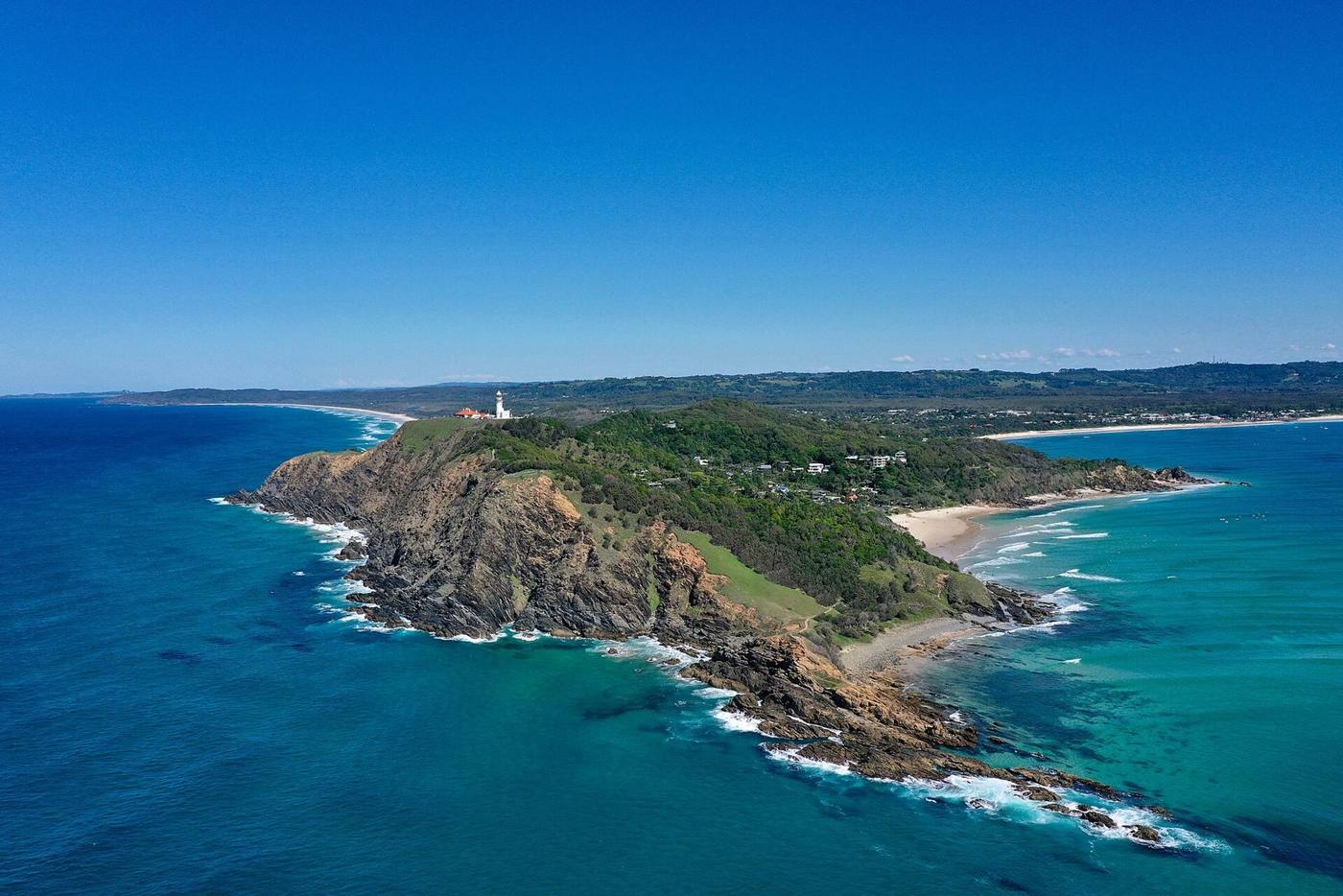
Byron Bay and the Gold Coast hinterland
The continent's most easterly point, with the Byron lighthouse and surf beaches, the alternative towns of the Northern Rivers and the ancient Gondwana rainforests, a UNESCO World Heritage site, in Lamington and Springbrook parks, an hour from the Gold Coast.
 5 daysEasy
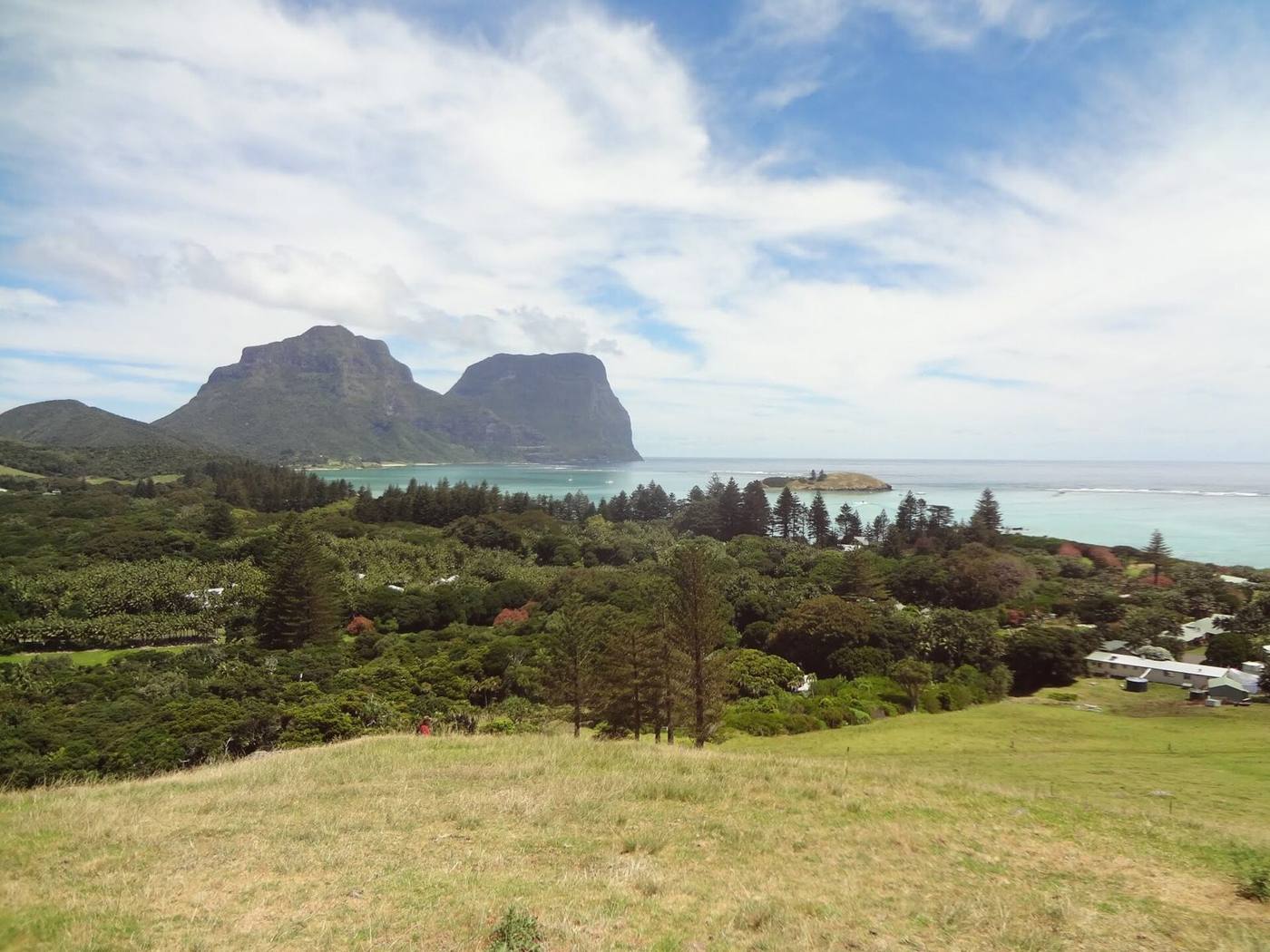
Lord Howe Island
A UNESCO-listed volcanic island in the Tasman Sea, a two-hour flight from Sydney: the lagoon with the world's southernmost coral reef, Mount Gower rising straight from the sea, seabirds by the thousand and only 400 tourists allowed at a time.
 8 daysChallenging
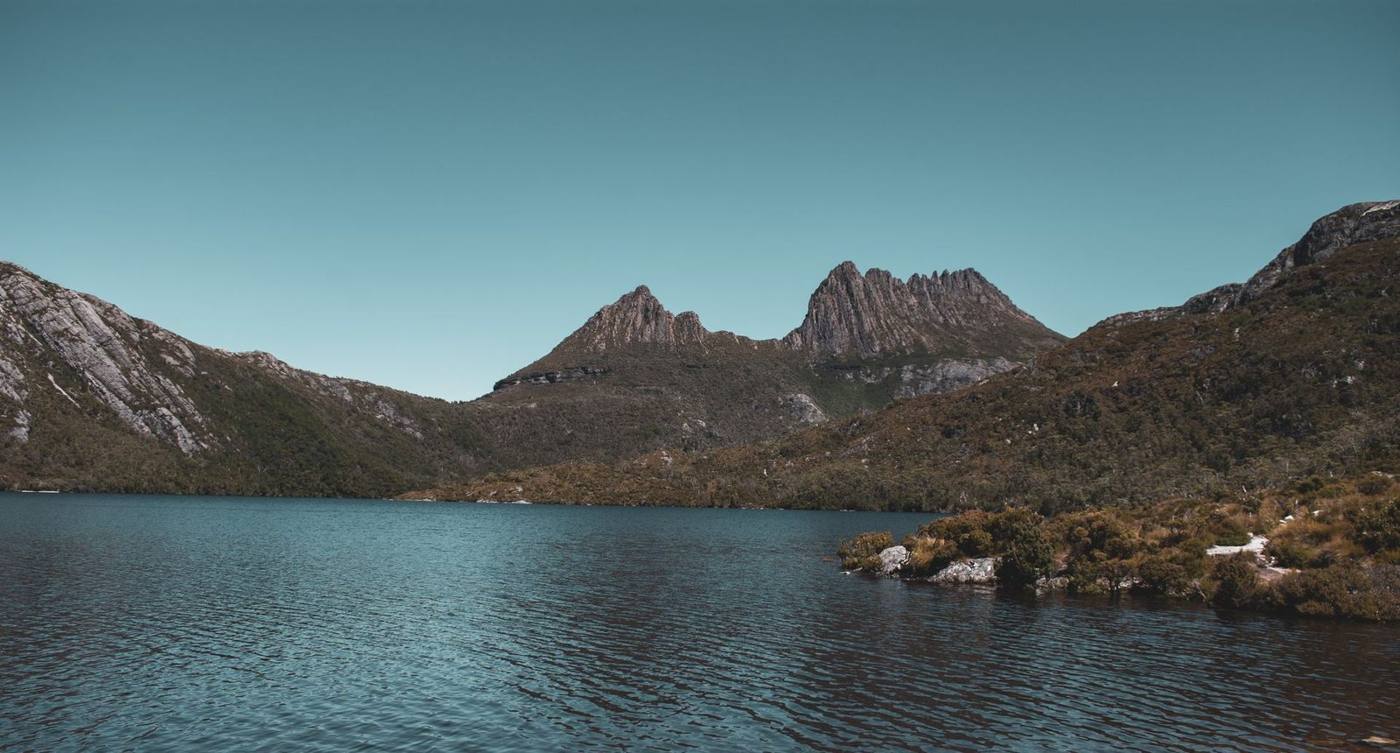
The Overland Track in Tasmania
Australia's most famous trek: about 65 km over six days from Cradle Mountain to Lake St Clair, the country's deepest lake, across buttongrass plateaus, ancient pine forests, waterfalls and huts, in the heart of UNESCO-listed Tasmanian wilderness.